Diabetic neuropathy is one of the most common and most debilitating complications of diabetes, affecting nearly 50 percent of all people living with the condition. The burning, stabbing, tingling, and numbness that characterize peripheral neuropathy can range from mildly uncomfortable to completely life-altering, disrupting sleep, limiting mobility, and steadily eroding quality of life.
Conventional medicine offers limited solutions. The medications most commonly prescribed for neuropathic pain, including gabapentin, pregabalin, and duloxetine, address the symptom of pain but do nothing to protect or regenerate the damaged nerves causing it. Many patients find the side effects of these medications as disruptive as the condition itself.
What conventional medicine often overlooks is that several well-studied herbs and plant compounds work through mechanisms that go beyond simply masking pain. They target the actual drivers of nerve damage: chronic inflammation, oxidative stress, impaired circulation to peripheral nerves, and elevated blood glucose. Some of them have clinical trial data that rivals pharmaceutical options in effectiveness, with a fraction of the side effect burden.
This guide covers seven of the most evidence-backed herbs for diabetic neuropathy, how they work, what the research actually says, and how to use them.
Understanding Diabetic Neuropathy: What Is Actually Happening to the Nerves
Before exploring the herbal solutions, it helps to understand the underlying problem with some precision, because the herbs that work best are the ones that address the root mechanisms rather than just the symptoms.
Diabetic neuropathy develops when chronically elevated blood glucose damages the small blood vessels that supply oxygen and nutrients to peripheral nerves. Without adequate circulation, nerve fibers begin to deteriorate. Simultaneously, high blood sugar triggers a cascade of oxidative stress, flooding nerve tissue with free radicals that accelerate cellular damage. Chronic low-grade inflammation compounds this further, creating a self-reinforcing cycle of nerve destruction that, left unaddressed, progresses over years and decades.
The peripheral nerves most commonly affected are those furthest from the heart, particularly in the feet and lower legs, which is why diabetic neuropathy so often begins with symptoms in the feet. As the condition progresses it can affect the hands, the digestive system, the cardiovascular system, and the bladder.
Effective herbal treatment of diabetic neuropathy therefore requires addressing at least one of three root mechanisms: reducing oxidative stress in nerve tissue, improving microcirculation to damaged nerves, or lowering the chronic inflammation that accelerates nerve fiber deterioration. The herbs below each bring one or more of these mechanisms to the table.
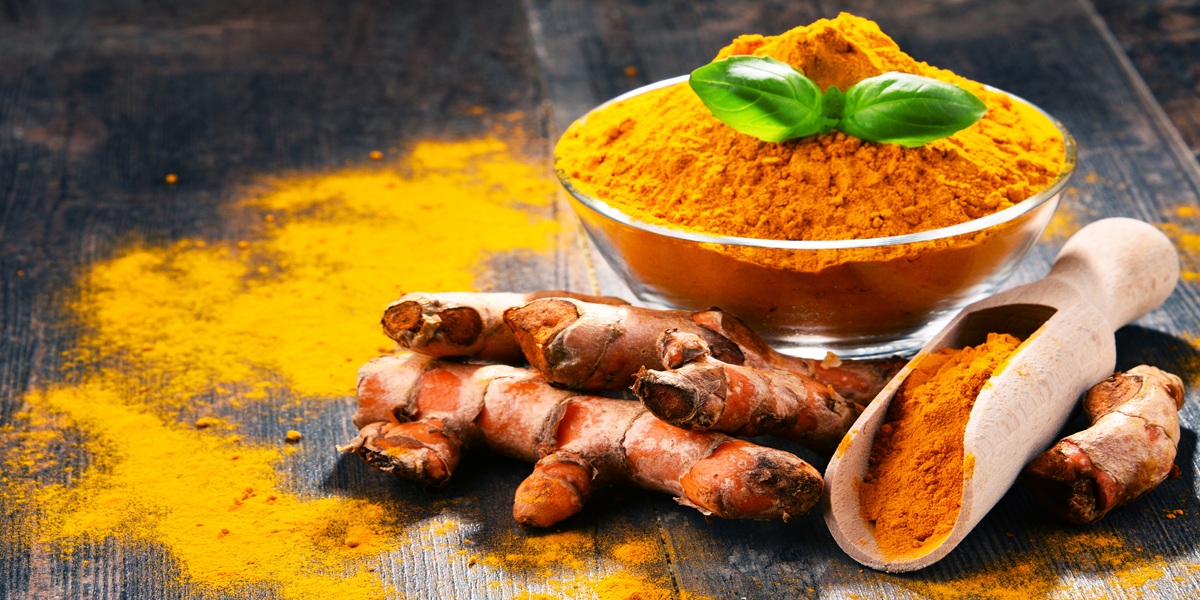
1. Turmeric (Curcuma longa)
Turmeric is the most comprehensively studied anti-inflammatory plant on earth, and its primary active compound curcumin targets diabetic neuropathy through two of the three root mechanisms simultaneously: it is both a powerful antioxidant and a potent inhibitor of the inflammatory pathways that drive nerve damage.
Curcumin works by suppressing NF-kB, one of the master regulators of inflammatory response in the body, and by directly neutralizing the reactive oxygen species that cause oxidative damage to nerve tissue. In the context of diabetic neuropathy, this dual action is particularly valuable.
A clinical study published in Phytotherapy Research found that curcumin supplementation significantly reduced neuropathic pain scores and inflammatory markers in diabetic patients compared to placebo, with patients reporting meaningful reductions in burning pain, stabbing sensations, and hypersensitivity to touch. (Source)
A separate study published in the Journal of Pain found that curcumin reduced oxidative stress markers in the sciatic nerve and improved nerve conduction velocity in diabetic animal models, suggesting protective effects on the nerve fibers themselves rather than just pain relief. (Source)
The Bioavailability Challenge
Raw turmeric and standard curcumin supplements are poorly absorbed by the body. Studies consistently show that combining curcumin with piperine, the active compound in black pepper, increases its bioavailability by up to 2,000 percent. Always use turmeric with black pepper, or choose a supplement formulated with a bioavailability enhancer such as phosphatidylcholine or nanoparticle delivery.
How to Use It
Golden milk is the most traditional and enjoyable daily preparation. Warm 1 to 2 cups of milk of your choice, whisk in 1 teaspoon of turmeric powder, a pinch of freshly ground black pepper, half a teaspoon of ginger powder, and sweeten with raw honey to taste. Drink once or twice daily. For therapeutic use, standardized curcumin extract supplements in the range of 500mg to 1,000mg twice daily with meals are the doses used in clinical research.
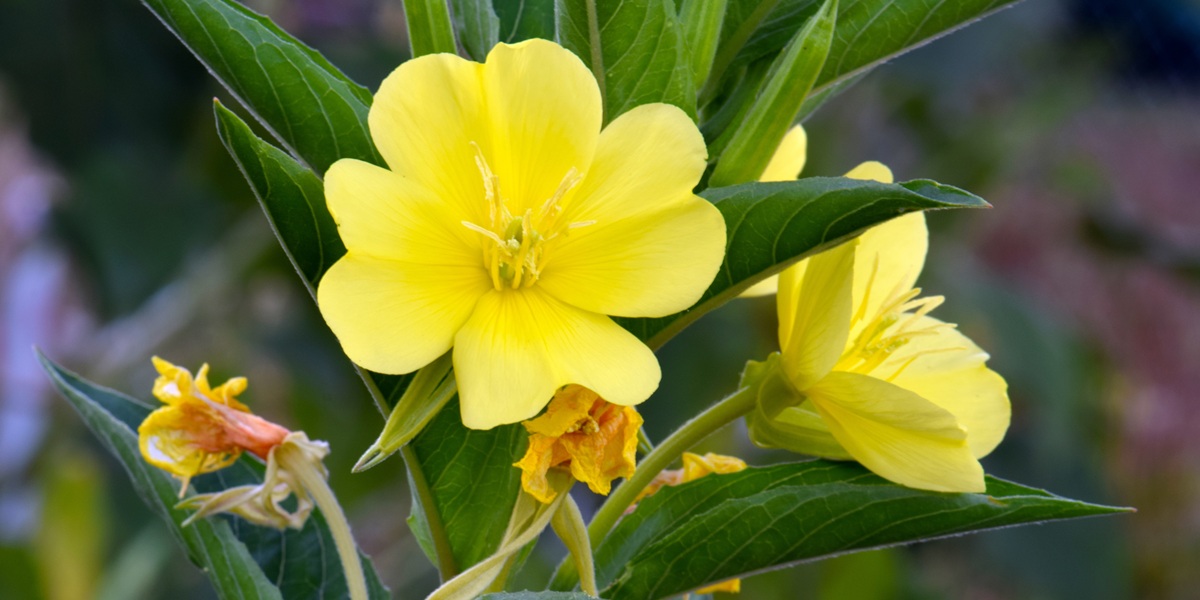
2. Evening Primrose (Oenothera biennis)
Evening primrose is one of the most specifically studied herbs for diabetic neuropathy and carries some of the strongest clinical evidence of any plant on this list for this exact condition. Its therapeutic action comes primarily from its extraordinary richness in gamma-linolenic acid (GLA), an omega-6 fatty acid that plays a critical role in the structure and function of nerve cell membranes.
People with diabetes frequently have impaired ability to convert dietary fats into GLA due to enzyme dysfunction caused by elevated blood sugar. This deficiency contributes directly to the deterioration of the myelin sheath, the protective coating around nerve fibers whose damage is a primary feature of peripheral neuropathy. Supplementing with pre-formed GLA from evening primrose oil bypasses this conversion problem entirely.
A landmark double-blind randomized controlled trial published in Diabetes Care followed patients with mild diabetic neuropathy over 12 months and found that GLA supplementation from evening primrose oil produced statistically significant improvements in nerve conduction velocity, nerve action potential, hot and cold threshold sensitivity, and muscle strength compared to placebo. Eleven of sixteen measured parameters of nerve function improved in the treatment group. (Source)
A follow-up study in patients with more advanced neuropathy found similarly positive results, with evening primrose oil halting progression of nerve damage and producing measurable improvements in nerve conduction in the majority of participants. (Source)
How to Use It
Evening primrose oil is most commonly taken as a capsule supplement. The doses used in clinical research for neuropathy range from 360mg to 480mg of GLA daily, which typically translates to 4 to 6 grams of evening primrose oil depending on the GLA concentration of the specific product. Look for a product that clearly states the GLA content per capsule rather than just the total oil content. Take with food to improve absorption.
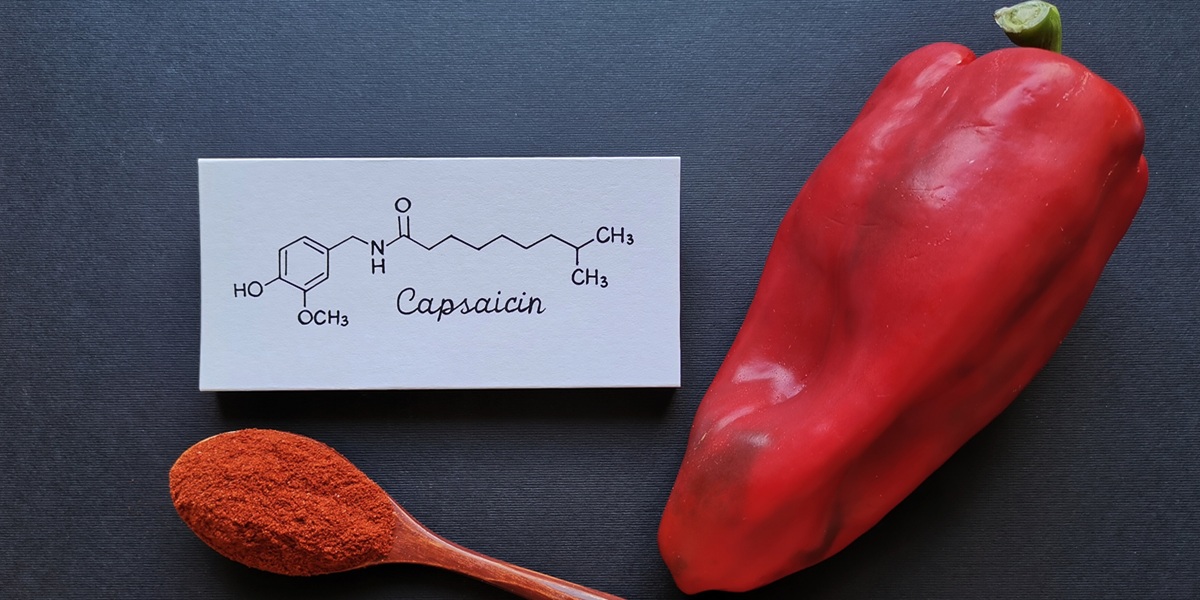
3. Capsaicin (Capsicum annuum)
Capsaicin, the compound that makes chili peppers hot, is one of the few natural substances with formal FDA recognition for neuropathic pain management, a distinction that reflects the consistency and strength of its clinical evidence.
Its mechanism of action is distinct from every other herb on this list and particularly well suited to the burning, hypersensitive pain pattern that characterizes peripheral diabetic neuropathy. Capsaicin works by binding to TRPV1 receptors on pain-sensing nerve fibers and triggering the release and subsequent depletion of substance P, the primary neurotransmitter that carries pain signals from peripheral nerves to the brain. With repeated application, substance P is depleted faster than it can be replenished, and the affected nerve endings become desensitized to pain stimuli.
A systematic review and meta-analysis published in the Cochrane Database of Systematic Reviews examined 6 randomized controlled trials of topical capsaicin for neuropathic pain and found that it produced significant pain reduction compared to placebo across all trials, with a number needed to treat of approximately 6, meaning one in six patients achieved substantial pain relief who would not have done so with placebo alone. (Source)
Important Note on Application
Capsaicin causes an initial burning sensation when first applied, which is the substance P release process. This burning diminishes significantly with continued use over the first 1 to 2 weeks as substance P becomes depleted. Many people discontinue use during this initial phase and miss the therapeutic window. Persistence through the first two weeks is essential.
How to Use It
Apply a low-concentration capsaicin cream (0.025% to 0.075%) to affected areas three to four times daily. Wear disposable gloves during application and wash hands thoroughly afterward. Keep away from eyes, mucous membranes, and broken skin. A high-concentration capsaicin patch (8%) is available by prescription for more severe neuropathic pain and is applied by a healthcare provider.
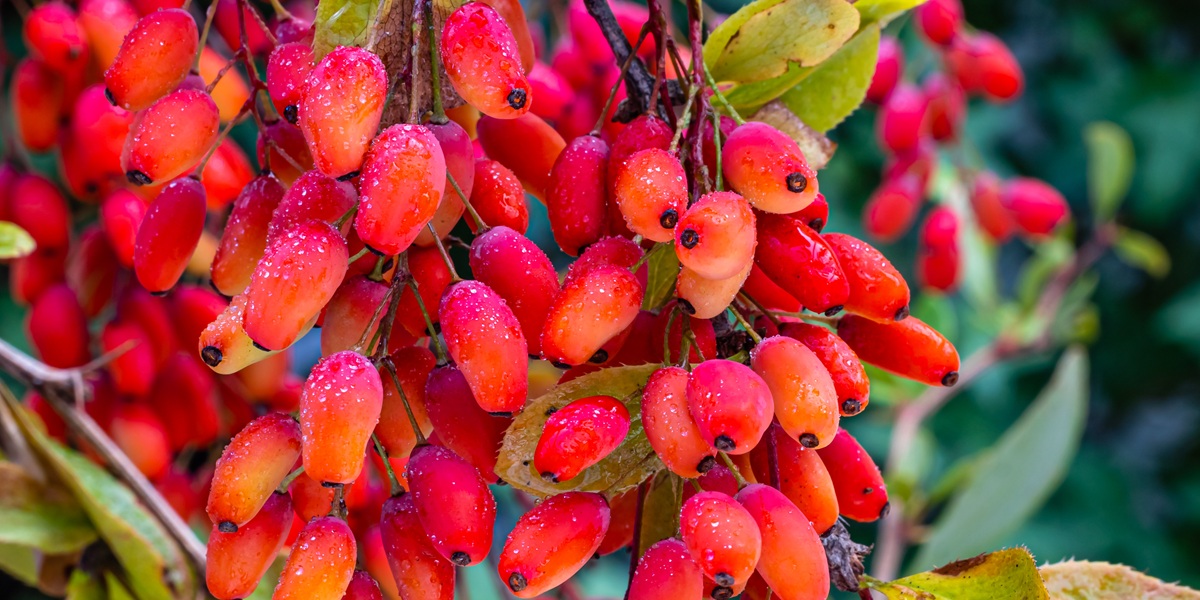
Berberine is a plant alkaloid found in several herbs including barberry, goldenseal, and Oregon grape, and it is arguably the most comprehensively studied plant compound for diabetes management overall. Its relevance to diabetic neuropathy operates on multiple levels simultaneously, making it one of the most valuable herbs in this entire list.
At the metabolic level, berberine lowers blood glucose through activation of AMPK, the same cellular energy-sensing pathway targeted by the diabetes drug Metformin. Multiple clinical trials have demonstrated that berberine reduces fasting blood glucose, HbA1c, and post-meal blood sugar spikes comparably to Metformin in type 2 diabetic patients. Since chronically elevated blood glucose is the primary cause of diabetic neuropathy, any intervention that meaningfully improves glucose control addresses the root cause of the condition rather than just its symptoms. A meta-analysis published in the Journal of Ethnopharmacology confirmed these glucose-lowering effects across 14 randomized controlled trials. (Source)
At the neuroprotective level, berberine has shown direct protective effects on peripheral nerve tissue. Research published in PLOS ONE found that berberine reduced oxidative stress markers in peripheral nerves, improved nerve conduction velocity, and reduced neuropathic pain behavior in diabetic animal models. (Source)
A clinical study specifically examining berberine in diabetic neuropathy patients found significant improvements in nerve conduction velocity and reductions in neuropathic pain scores after 3 months of supplementation compared to placebo. (Source)
How to Use It
The standard therapeutic dose used in clinical research is 500mg taken two to three times daily with meals. Berberine has a short half-life, which is why divided doses throughout the day outperform a single large dose. Because berberine effectively lowers blood sugar, anyone taking diabetes medications must monitor blood glucose carefully when adding it to their protocol and inform their prescribing physician, as medication doses may need adjustment to prevent hypoglycemia.
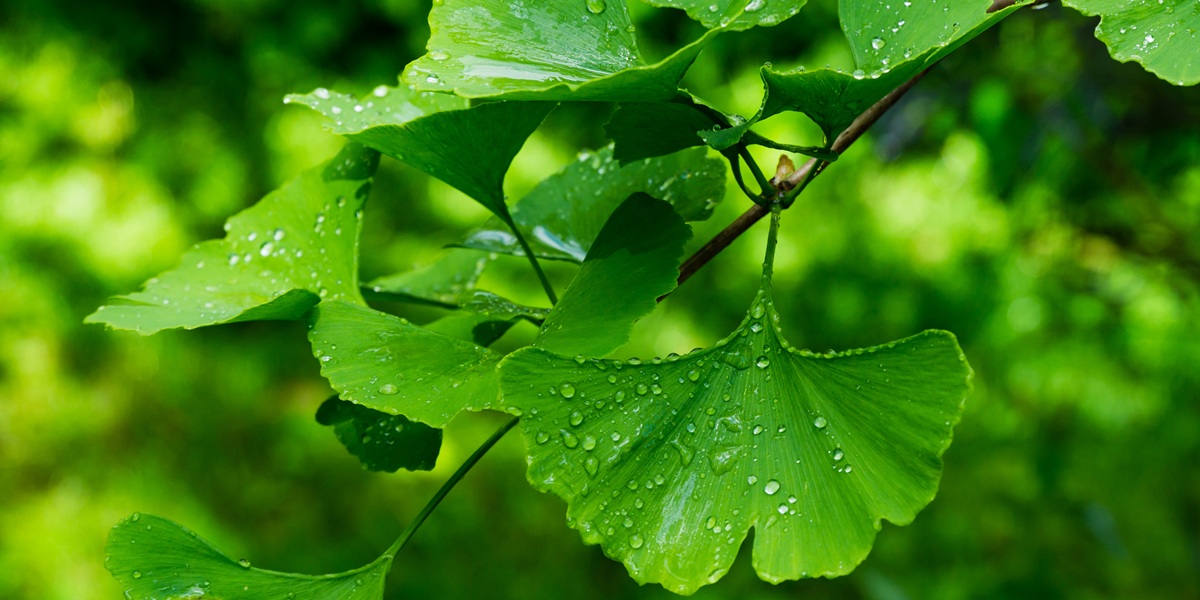
5. Ginkgo Biloba (Ginkgo biloba)
Ginkgo biloba‘s primary relevance to diabetic neuropathy lies in its exceptionally well-documented ability to improve peripheral microcirculation, the blood flow through the smallest capillaries that supply oxygen and nutrients to nerve fibers. Since compromised microcirculation to peripheral nerves is one of the primary mechanisms through which diabetes causes nerve damage, an herb that reliably restores that circulation is directly addressing a root cause of the condition.
Ginkgo’s active compounds, particularly its flavonoid glycosides and terpene lactones, improve blood flow through several mechanisms: they relax and dilate blood vessel walls, reduce blood viscosity, inhibit platelet aggregation, and protect the endothelial cells lining small blood vessels from oxidative damage.
A review published in the European Journal of Neurology found meaningful improvements in nerve conduction parameters in patients with peripheral circulatory disorders treated with Ginkgo biloba extract, supporting its use where poor circulation is contributing to nerve dysfunction. (Source)
A study published in Diabetes Care found that Ginkgo biloba extract improved blood flow in the small vessels of the retina in diabetic patients, demonstrating its ability to reach and benefit the microvascular beds most affected by diabetic damage. (Source)
How to Use It
The standardized extract EGb 761, containing 24% flavonoid glycosides and 6% terpene lactones, is the form used in most clinical research. The standard dose is 120mg to 240mg daily in divided doses. Allow 4 to 6 weeks of consistent use before assessing effects. Important: Ginkgo biloba has significant blood-thinning properties and must not be combined with anticoagulant medications, NSAIDs, or aspirin without medical supervision.
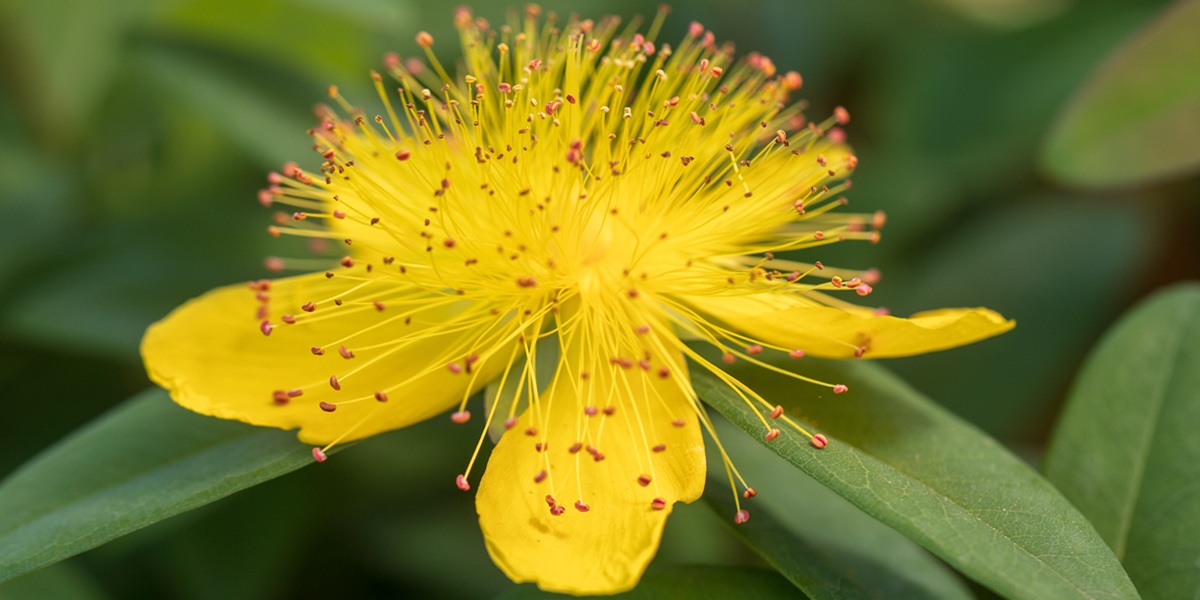
6. St. John’s Wort (Hypericum perforatum)
St. John’s Wort is best known as a natural antidepressant, but its relevance to diabetic neuropathy goes well beyond mood support. Its active compounds hypericin and hyperforin work through mechanisms that are directly applicable to neuropathic pain management.
St. John’s Wort inhibits the reuptake of serotonin, dopamine, and norepinephrine in the central nervous system, the same neurotransmitters targeted by duloxetine (Cymbalta), one of the most commonly prescribed pharmaceutical drugs for diabetic neuropathic pain. This shared mechanism of action gives St. John’s Wort a pharmacological basis for neuropathy pain relief that is entirely distinct from its anti-inflammatory properties.
A study published in Phytomedicine found significant reductions in neuropathic pain in animal models treated with St. John’s Wort extract, with the researchers identifying both central and peripheral pain-modulating mechanisms. (Source)
A clinical review examining St. John’s Wort for pain conditions concluded that its neurotransmitter reuptake inhibition provides a plausible and pharmacologically sound mechanism for neuropathic pain relief comparable to pharmaceutical antidepressants used for the same purpose. (Source)
Critical Drug Interaction Warning
St. John’s Wort has more documented drug interactions than almost any other herbal supplement. It is a potent inducer of cytochrome P450 enzymes in the liver, which means it accelerates the metabolism and reduces the effectiveness of a wide range of medications. This includes many diabetes medications, blood thinners, statins, certain antidepressants, and numerous other commonly prescribed drugs. Do not use St. John’s Wort alongside any prescription medication without explicit guidance from your prescribing physician.
How to Use It
Standardized extract containing 0.3% hypericin is the most researched form. Standard dosing is 300mg three times daily. St. John’s Wort oil applied topically to affected areas may also provide localized relief without the systemic drug interaction concerns of oral supplementation. Allow 4 to 6 weeks of consistent use for full effects.
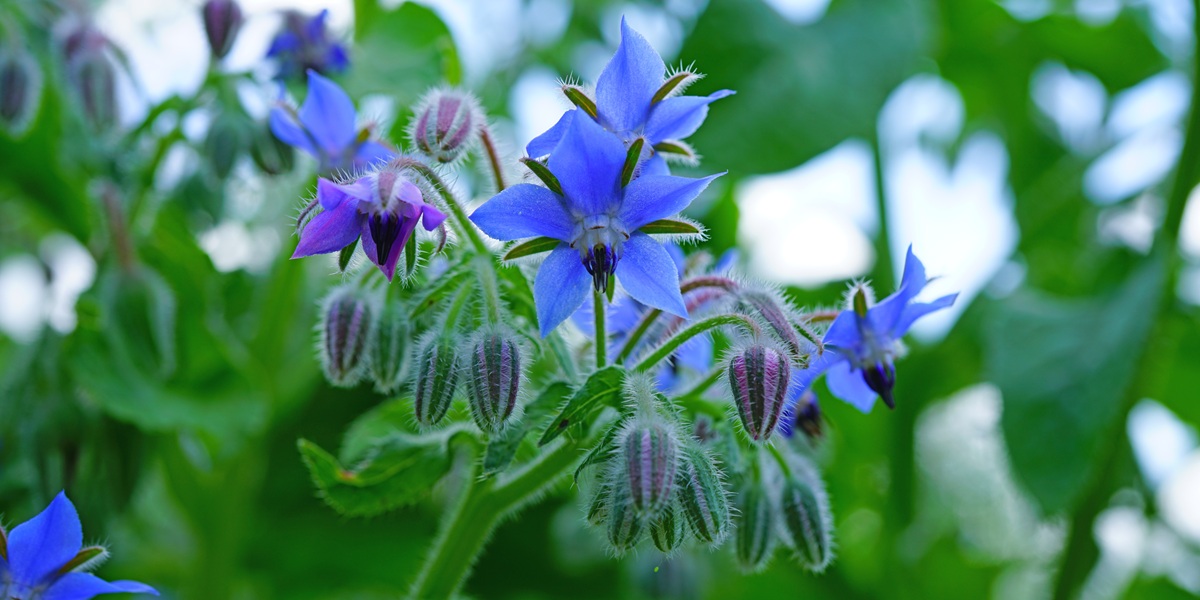
7. Borage (Borago officinalis)
Borage rounds out this list as the most potent plant source of gamma-linolenic acid available, containing roughly double the GLA concentration of evening primrose oil. It works through the same nerve membrane repair pathway as evening primrose but delivers a higher concentration of the active fatty acid per dose.
GLA from borage oil is converted in the body to dihomo-gamma-linolenic acid (DGLA), which plays a structural role in maintaining the integrity of the myelin sheath around nerve fibers. In diabetic patients whose impaired enzyme function limits their ability to produce GLA from dietary precursors, borage oil supplementation provides this essential building block directly, supporting nerve fiber repair and regeneration rather than simply managing pain.
A study published in the Journal of Neurology found that GLA supplementation from plant oils produced measurable improvements in nerve conduction velocity and reduced neuropathic symptoms in patients with peripheral neuropathy. (Source)
Research published in Prostaglandins, Leukotrienes and Essential Fatty Acids confirmed borage oil’s ability to correct GLA deficiency in diabetic patients and its downstream effects on nerve membrane composition and function. (Source)
How to Use It
Borage oil is taken as a capsule supplement. Because of its higher GLA content, lower doses are needed than with evening primrose oil to achieve the same therapeutic GLA intake. A typical therapeutic dose provides 300mg to 480mg of GLA daily, which may translate to 2 to 3 grams of borage oil depending on GLA concentration. Take with food. Note that borage oil contains low levels of pyrrolizidine alkaloids (PAs) in some preparations. Choose a product that is certified PA-free, particularly for long-term use.
Using These Herbs Together: A Practical Protocol
These seven herbs work through different and largely complementary mechanisms, which means combining selected herbs from different mechanistic categories produces broader coverage of the underlying drivers of neuropathy than any single herb alone.
A practical starting protocol for someone new to herbal neuropathy support might look like this:
For blood sugar and root cause management, berberine addresses the metabolic driver of neuropathy more directly than any other herb on this list and should be considered foundational for anyone whose blood glucose control is not yet optimal.
For nerve membrane repair and regeneration, evening primrose oil or borage oil provides the GLA that damaged nerve fibers need to rebuild and maintain their protective myelin sheath.
For inflammation and oxidative stress, turmeric with black pepper addresses both inflammatory and oxidative drivers simultaneously and integrates easily into daily diet as golden milk or food seasoning.
For pain management, topical capsaicin cream applied to affected areas provides localized relief without systemic effects or drug interactions, making it safe to combine with the other herbs in this protocol.
For circulation, Ginkgo biloba supports the microvascular blood flow that neuropathic nerves depend on for oxygen and nutrient delivery, particularly valuable for patients whose neuropathy is accompanied by cold extremities or poor circulation.
Allow a minimum of 6 to 8 weeks of consistent use before evaluating any herbal protocol for neuropathy. Nerve tissue repairs slowly and the improvements that these herbs support are cumulative rather than immediate.
Important Considerations Before Starting
Diabetic neuropathy is a serious medical condition that requires ongoing professional management. The herbs covered in this guide are best understood as supportive care that works alongside, not instead of, your existing diabetes management plan.
Several of the herbs on this list, particularly berberine, Ginkgo biloba, and St. John’s Wort, have significant interactions with medications commonly taken by diabetic patients. Always inform your healthcare provider before adding any herbal supplement to your protocol, particularly if you are taking blood thinners, diabetes medications, antidepressants, or cardiovascular drugs.
Blood glucose monitoring is especially important when adding berberine or any other blood-sugar-lowering herb to a protocol that already includes diabetes medication, as the combined effect may lower blood sugar more than intended.
Pregnant and breastfeeding women should avoid all of the herbs on this list without specific guidance from a qualified healthcare provider.
Final Thoughts
The nerve damage of diabetic neuropathy is not inevitable and it is not irreversible in its early and middle stages. The herbs covered in this guide work through mechanisms that science has documented with increasing precision: repairing nerve membranes, restoring circulation, reducing the oxidative stress and inflammation that drive nerve fiber deterioration, and in the case of berberine, addressing the elevated blood sugar that causes the damage in the first place.
None of these herbs are quick fixes. Nerve tissue is among the slowest in the body to repair, and the most honest expectation is gradual improvement over months of consistent use rather than dramatic relief in days. But for the millions of people living with the daily burden of diabetic neuropathy who have found pharmaceutical options inadequate, intolerable, or simply not enough on their own, the plants described here represent a serious, evidence-based complement to conventional care.
Nature spent a very long time developing these compounds. They deserve to be taken seriously.
The Herbal Knowledge That Once Treated Pain Like This
Long before modern pharmacies existed, people relied on plants to ease pain, calm inflammation, and support the body’s natural healing processes.
Herbal oils, salves, and teas were once part of everyday life. Grandmothers kept small apothecaries in their kitchens filled with jars of infused oils, dried herbs, tinctures, and homemade remedies for everything from nerve pain and joint inflammation to poor circulation and digestive problems.
But over the past century, much of this knowledge quietly disappeared.
Today, most people walk past plants like St. John’s Wort, turmeric, ginger, plantain, yarrow, or comfrey without realizing that these herbs were once used to make powerful natural remedies for nerve discomfort, sore joints, skin conditions, infections, and dozens of other common ailments.
The truth is, many of the most useful herbal remedies are surprisingly simple to make at home.
You do not need a laboratory, expensive equipment, or years of training. With the right guidance, many of these traditional remedies can be made using ingredients you can grow in your garden or find at a local market.
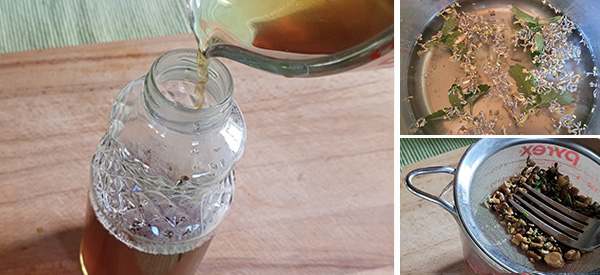
This beautifully illustrated guide brings back the traditional herbal knowledge that generations before us relied on. Inside you will find over 100 time-tested natural remedies including salves, tinctures, syrups, teas, oils, and poultices that can be made safely at home.
In the book, you’ll discover how to make remedies such as:
Herbal salves that soothe sore muscles, nerve discomfort, and joint stiffness
Anti-inflammatory oils using turmeric, ginger, and other warming herbs
Tinctures that support circulation and nerve health
Natural remedies for skin problems, infections, and minor injuries
Immune-supporting herbal preparations used for centuries
Simple herbal pain relievers made with plants many people already have growing nearby
Every remedy comes with clear instructions, detailed illustrations, and step-by-step guidance, making it easy even for beginners to start building their own home herbal medicine cabinet.
In a world where many people are looking for more natural, self-reliant ways to care for their health, rediscovering these forgotten remedies can be incredibly empowering.
If you’re interested in learning how to make herbal salves, oils, and remedies like the ones described in this article, you can explore the full guide here:
We use cookies to ensure that we give you the best experience on our website. If you continue to use this site, we will assume that you are happy with it.
Functional Always active
The technical storage or access is strictly necessary for the legitimate purpose of enabling the use of a specific service explicitly requested by the subscriber or user, or for the sole purpose of carrying out the transmission of a communication over an electronic communications network.
Preferences
The technical storage or access is necessary for the legitimate purpose of storing preferences that are not requested by the subscriber or user.
Statistics
The technical storage or access that is used exclusively for statistical purposes.The technical storage or access that is used exclusively for anonymous statistical purposes. Without a subpoena, voluntary compliance on the part of your Internet Service Provider, or additional records from a third party, information stored or retrieved for this purpose alone cannot usually be used to identify you.
Marketing
The technical storage or access is required to create user profiles to send advertising, or to track the user on a website or across several websites for similar marketing purposes.



 2. Evening Primrose (Oenothera biennis)