
Pickled Watermelon Brine Kidney Flush
Summer arrives. You eat watermelon. You throw away the rind.
You’re literally tossing out one of the best natural kidney supports available. That white rind between the green skin and the sweet pink flesh? It’s packed with compounds that help your kidneys flush waste, may prevent stones, and work more efficiently.
And when you pickle it? That’s when the magic happens.
Let me show you why pickled watermelon rind is worth making this summer—and how a few tablespoons of the tangy brine can support your kidneys better than most supplements.
Why Your Kidneys Need Watermelon
Watermelon is over 90% water, making it one of nature’s most effective diuretics. When you eat watermelon, you pee more. That natural flushing helps your kidneys clear waste and toxins.
But the rind—the part most people throw away—is where the real benefits hide. It’s high in potassium and L-citrulline. Potassium helps balance fluids in your body. Citrulline boosts nitric oxide, which relaxes blood vessels and improves circulation to your kidneys.
Research with animals found that watermelon extract dramatically increased urine output and pH while breaking up calcium-oxalate crystals—the most common type of kidney stone. Animals given watermelon had more dilute urine and almost no new stone formation.
Related: How to Make Medicinal Watermelon Jelly
The antioxidants in watermelon (lycopene and citrulline) protect kidney cells from damage and reduce uric acid levels. In plain terms: watermelon helps wash away the minerals that form stones before they can lock together.
Related: How to Cook Spring Nettles
Your kidneys are designed to filter waste. Watermelon just makes their job easier.
Watermelon’s a great example — but it’s just one of hundreds of plants that quietly do this kind of work. Stinging nettle flushes the kidneys year-round. Dandelion does double duty for kidneys AND liver at the same time. Two organs, one weed most people pull out of their garden.
I’ve been researching plants for years and I still learn something new every month. That’s why I keep solid reference books within arm’s reach, and recently I was able to lock in for you a bundle deal for Dr. Nicole Apelian’s two best plant guides together: The Lost Book of Herbal Remedies I and II.
Combined, these cover more than 800 medicinal plants with high-quality color photos for identification, step-by-step instructions for over 550 remedies, and notes on dosages, warnings, and what pairs with what. Everything in one place. Check out the special bundle using this link. 
Limited run, and BOR II is only available to people who already have the first book, so the bundle is honestly the easier path.
Why Pickling Makes It Even Better
In many Asian traditions, watermelon rind is pickled into a crisp, tangy condiment. This isn’t just about preservation—pickling adds another layer of kidney benefits.
When you pickle the rind in vinegar, you create a brine rich in acetic acid. Your body converts acetic acid into citrate. Citrate is proven to prevent kidney stones—it keeps calcium dissolved in your urine instead of forming crystals.
A large study with over 9,000 people found that those who regularly consumed vinegar had higher urinary citrate and lower urinary calcium. This dramatically reduced kidney stone risk.
Also learn about: Potassium Permanganate: Why You Need It in Your Survival Kit?
In simpler terms: the vinegar in pickle brine turns into citrate in your urine, helping wash away calcium and oxalate before they form stones. Combined with watermelon’s natural diuretic effect, you’re flushing more urine with each sip—doubly reducing stone-forming minerals.
Vinegar also has mild antiseptic and antioxidant properties. Some research shows apple cider vinegar can help protect kidneys from toxin damage and boost antioxidant defenses.
You might want to learn about: DIY Healing Water
Here’s what most people miss: pickling doesn’t just support your kidneys. Fermenting anything (watermelon rind, cabbage, beets) creates a probiotic-rich food that feeds the good bacteria in your gut.
And if your gut absorption is compromised, it doesn’t matter how good your remedy is. You’re barely getting the benefit.
I look for remedies that do two things at once: kidney support AND gut support in one go. Less effort, more benefit.
The most trusted US herbalist, Nicole Apelian, has a full lesson on fermented remedies and sauerkraut done the traditional way.
If you want to learn this properly instead of winging it, that’s where I’d start. Click here for Nicole’s training! 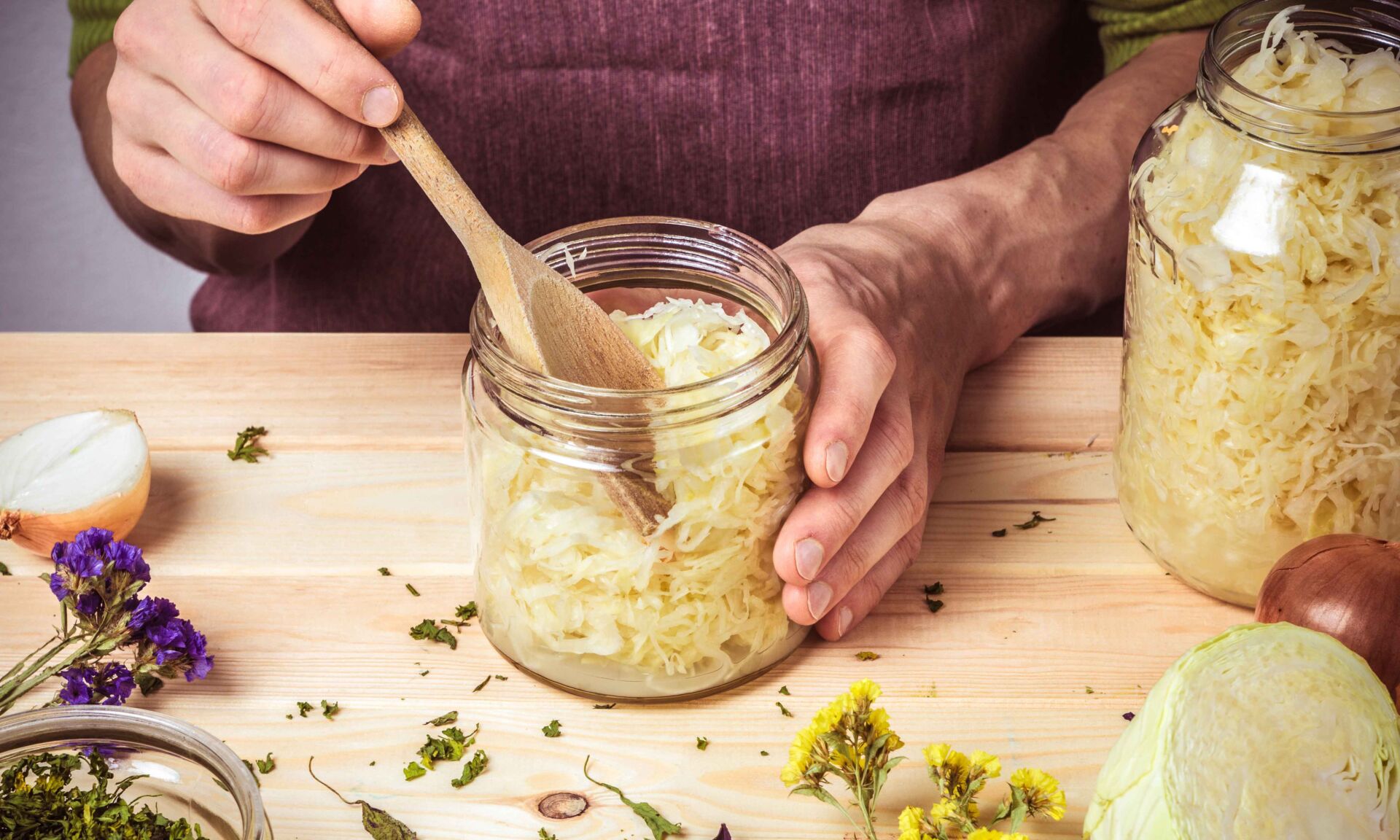
Traditional Chinese Medicine has used pickled watermelon rind for centuries as a “cooling diuretic” that helps detoxify the body. Modern science is catching up to why it works.
Related: What Happens If You Drink Raisin Water?
How to Make Pickled Watermelon Rind
This is surprisingly easy. You’re using part of the watermelon you’d normally throw away, so there’s no waste.
Ingredients:
- White rind from 1 watermelon (green skin removed, pink flesh cut off)
- 2 cups vinegar (white or apple cider)
- 2 cups water
- 1-2 tablespoons salt
- Important: add 20 drops of Nicole’s Stinging Nettle Tincture for extra kidney flushing support
- 2-4 tablespoons sugar (optional, for sweetness)
- Fresh ginger slices, garlic, peppercorns, or chili peppers (optional, for flavor)

Directions:
- Cut the watermelon. Eat the sweet pink flesh. Peel away the tough green outer skin. You’re left with the white rind. Chop it into bite-sized strips or cubes.
- Make the brine. In a saucepan, heat vinegar, water, salt, and sugar. Simmer until salt and sugar dissolve.
- Add spices. Ginger is anti-inflammatory. Garlic has antimicrobial properties. Peppercorns add heat. Toss in whatever sounds good.
- Jar it up. Place the rind and spices into clean jars. Pour the hot brine over the rind, leaving a little headspace. Seal and let cool, then refrigerate.
- Wait. The pickles are usually ready after 1-3 days. They keep for 2-3 weeks refrigerated.
How to Use the Brine for Kidney Support
You can eat the pickled rind like any pickle—crisp, tangy, refreshing. But the real kidney support comes from the brine.
Mix 1-2 tablespoons of the pickle brine in a glass of water. Sip daily. It tastes pleasantly sour and slightly sweet.
Some people add it to smoothies or stir it into herbal tea. A few tablespoons daily is usually enough.
The combination of watermelon water and vinegar gives you hydration plus citrate support. It’s a gentle kidney tonic, not aggressive medicine.
Important: Always dilute the brine with water. Never drink it straight—undiluted vinegar can irritate your stomach and erode tooth enamel.
Start with small amounts and see how you feel. And remember to drink plenty of plain water too. Water is still the #1 way to keep kidneys healthy.
If you want to go deeper than the brine, the Forgotten Home Apothecary has an entire urinary shelf worth knowing about:
- Kidney Elixir — nettle-based
- Kidney Cleanse Juice — with dandelion
- Kidney Stone-Melting Juice
- Daily Flush Drops
- Bladder Strength Brew
Get the full recipe collection here.
Notice the two heroes: nettle and dandelion. Both have been the backbone of traditional kidney support for centuries.
Nettle is the workhorse for the kidneys — a gentle diuretic loaded with vitamins and minerals. Making your own tincture is tricky though (harvest timing, drying, extraction percentage all matter). Nicole’s Stinging Nettle Tincture is already done right.
Dandelion is the two-for-one — it supports your kidneys AND your liver at the same time. Since both organs detox together, treating only one is half the job. Dandelion root needs a dual extraction to get the full benefit, which most homemade versions miss. I’ve been taking Nicole’s Dandelion Tincture for a while now and honestly wouldn’t switch.
Safety Notes You Need to Know
Pickled watermelon brine is safe for most healthy people, but there are important cautions:
High potassium: Watermelon is loaded with potassium, which is great for most people—it helps blood pressure and fluid balance. But if you have advanced kidney disease or are on a low-potassium diet, check with your doctor first. Damaged kidneys can’t remove excess potassium fast enough.
Vinegar acidity: Always dilute the brine with water. Don’t brush your teeth immediately after drinking it—wait 30 minutes or rinse your mouth first to protect your enamel.
Also Read: What Happens If You Drink Pickle Juice?
Medication interactions: Vinegar can interact with diuretics (water pills), insulin, and laxatives. Large vinegar doses combined with these medications may cause unhealthy drops in potassium. If you take prescription meds, especially diuretics or insulin, ask your doctor first.
Digestive sensitivity: If you have reflux, ulcers, or acid sensitivities, be cautious with vinegar-based drinks.
Kidney stones or gout: While the brine may help prevent stones, individual situations vary. Consult a healthcare professional if you have existing kidney issues.
Pregnancy: Vinegar is safe as food, but large medicinal doses during pregnancy aren’t recommended. Keep it moderate.
If you want a complete day-by-day plan instead of standalone remedies, Dr. Nicole Apelian’s Holistic Guide to Wellness has two protocols that pair perfectly with this article.
The Kidney Protocol covers diet, herbs, supplements, and daily actions for kidney health. The Liver Health Protocol pairs with it naturally — your kidneys and liver are your two main detox organs and they work as a team. Supporting one without the other is doing half the job.
Each protocol tells you exactly what to do morning to evening, every day of the week. Click the one you need.
The Bottom Line
Pickled watermelon rind brine is a refreshing summer tonic that combines watermelon’s hydrating, diuretic power with vinegar’s stone-fighting citrate.
It’s not magic. It won’t cure kidney disease. But as part of a healthy diet, it may help your kidneys do their job more smoothly.
Think of it this way: your kidneys are constantly filtering waste. Anything that increases urine flow, provides citrate to prevent stones, and delivers antioxidants to protect kidney cells is supporting that work.
Watermelon does all three. Pickling it in vinegar amplifies the benefits.
Make a batch this summer. Eat the sweet flesh. Pickle the rind. Drink a little diluted brine each day. Stay hydrated with plain water. Your kidneys will thank you.
And you’ll stop throwing away one of summer’s best kidney remedies.
You may also like: 
The ‘Nerve Oil’ You Should Use For Shaky Hands
The Dandelion Tincture That Helps Both Your Liver and Kidneys
Parasites 101: Signs, Dangers & Natural Remedies That Actually Work
🌿 Join Our Private Herbal Community For Free. 👉 Click here!
Disclaimer: This article is for educational purposes only and does not provide medical advice. These remedies are not intended to diagnose, treat, cure, or prevent any disease. If you have kidney disease, kidney stones, take medications, or have health conditions, consult your healthcare provider before using watermelon rind brine. Always dilute vinegar before consuming. This is not a replacement for medical treatment or prescribed medications.
References: Information drawn from research on watermelon’s diuretic and anti-urolithiatic effects, studies on vinegar’s impact on urinary citrate and kidney stone prevention, nutrition analysis of watermelon rind, and safety guidelines for vinegar consumption and potassium intake in kidney patients.