If there is something the Ice Bucket Challenge and the Alaska Polar Plunge would have us thinking, it’s probably not the altruism behind the practices.
Most of us would think of cold shock and hypothermia.
For those unfamiliar, the Ice Bucket Challenge is a social media campaign that involves dumping ice water over a participant’s head. The Alaska Polar Plunge is an annual celebration where people in costumes brave a plunge into Alaska’s frigid water.
Both are charitable causes that aim to raise donations for their supported organizations. And both involved exposure to cold that some, if not all of us, dread.
To be fair, cold exposure is not at all bad. Setting aside flare-ups of health issues, safe and proper cold exposure can also help resolve them and bring about additional health benefits.
The Good and Bad of Cold Exposure
Cold immersion is nothing new in healing practices. Deliberate cold exposure has been practiced since the Greek and Roman eras to manage aging, reduce pain, or promote spiritual purification.
The practice was carried out over generations, culminating in the Nordic sauna-dip cycles, cold showers, ice baths, and cryotherapy we know today.
However, the extreme cold typical of traditional winters can lead to unpleasant experiences. Exposure to cold may exacerbate health issues. Even the eventual confinement due to the cold weather can trigger psychological issues like SAD (Seasonal Affective Disorder).
Benefits of Cold Exposure
Cold exposure, whether environmental, accidental, or intentional, can trigger various physiological responses. Safe, limited cold exposure practices may be beneficial for the muscles, brain, and heart.
Counteracts Aging
Short-term, controlled cold exposure may extend lifespan by reducing inflammation and improving the immune response. It can trigger autophagy, or the cell’s ability to repair itself, slowing down aging from the inside.
Helps in Recovery
Some elite athletes use post-workout ice immersion to speed muscle recovery and reduce soreness. The right water temperature and immersion duration may impact fitness and sports performance. Of course, it must come with a proper post-exercise recovery plan, such as diet, hydration, rest, and massage.
Promotes Quality Sleep
Cold weather promotes faster, deeper sleep, leading to restorative, high-quality sleep and relaxation. A cool environment helps regulate the body’s internal thermostat and increases melatonin production. It is time for the brain to wind down as the body cools.
Short cold plunges and colder weather may increase the body’s metabolism and fat-burning activities. It is beneficial for people who are trying to shed extra pounds. Better thermoregulation and activation of brown fat (brown adipose tissue) lead to proper breakdown of sugar and fat, helping with weight management.
The Bad Side
Allergens decrease during winter, but this does not stop cases of bad cold and a range of respiratory-related illnesses.
Eczema and body pains are also more common than cold-related injuries such as frostbite and chilblains.
Cold exposure can harm your body in multiple ways. But there are small daily practices—morning routines, specific foods, gentle remedies—that protect you from these effects and help your body heal.
What if you had a complete roadmap showing you exactly what to do, morning to evening, every day? That’s what a holistic protocol does. Click here to see the guide.
Because here’s what cold does to your body when the barometer drops low:
Exacerbates Skin Issues
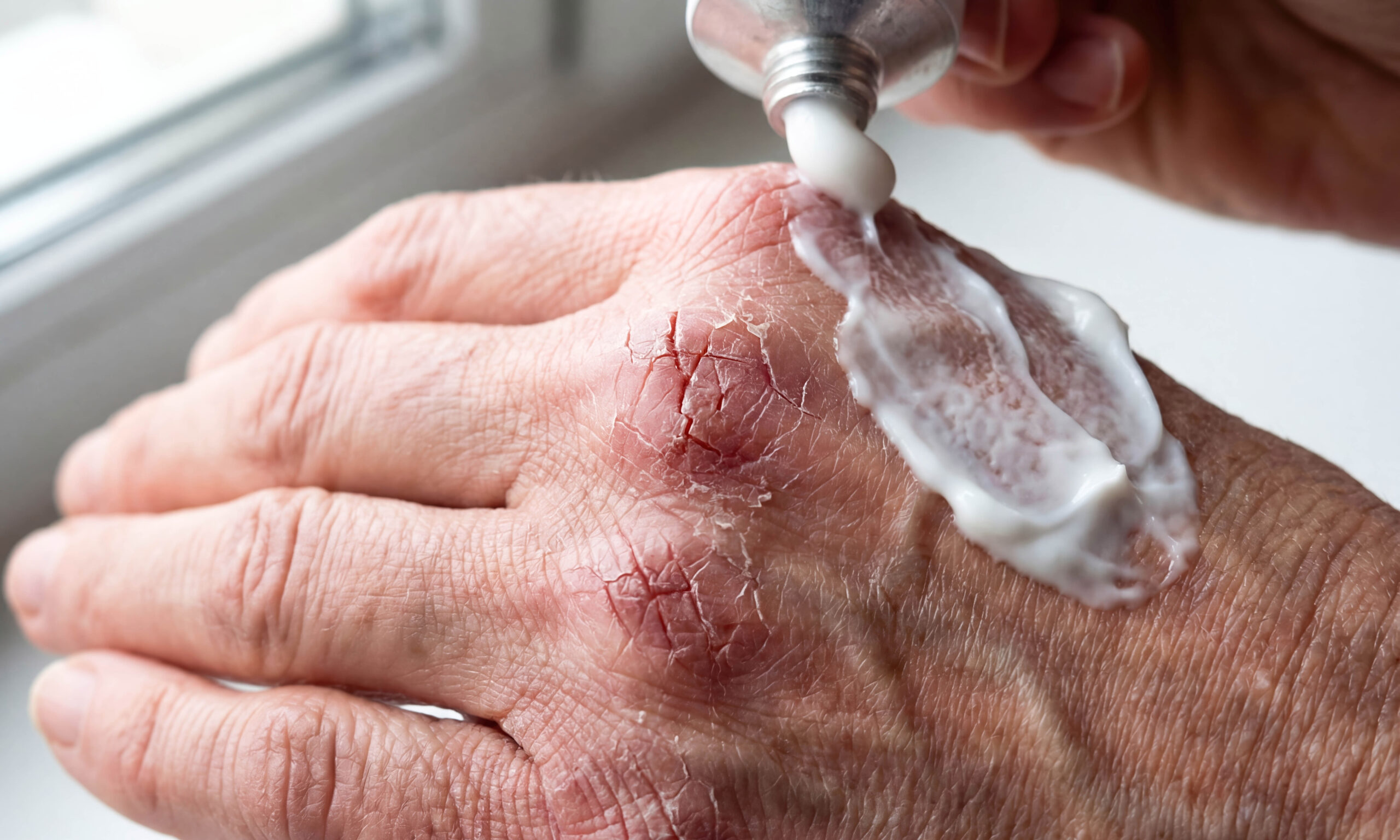
Cold air has less moisture and may compromise the skin’s natural moisture. Exposure to cold water also strips the skin of its natural oil, leading to dry skin. Prolonged skin dryness leads to inflammation and worsens existing skin conditions such as eczema and psoriasis.
Thus, it is important to moisturize, dress warmly, and use humidifiers during cold seasons to avoid skin issues.
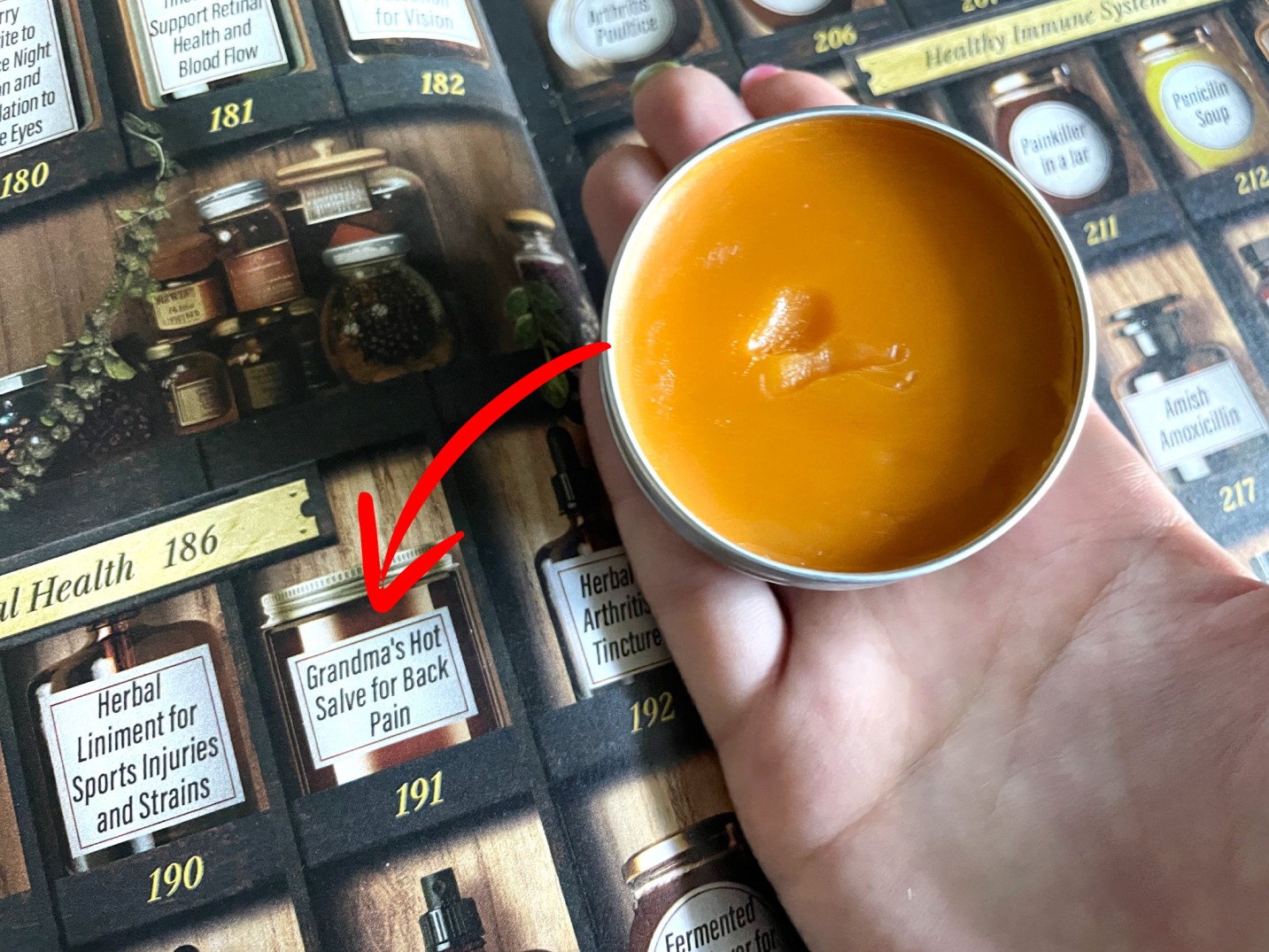
I always keep one All-Purpose Salve in my bag when I leave home and another one inside so I’m never without it.
My lips and skin—especially on my hands—crack so much during winter. This salve contains yarrow, arnica, calendula, plantain, balm of gilead, beeswax, and lavender. It’s a mandatory addition to my routine.
And during summer? The same salve helps me with bug bites, rashes, bruises, and cuts. It’s an all-in-one salve that’s saved me so much money. I’ve never seen a natural product so versatile.
It is not pollen allergies during winter anymore, but cold urticaria. Cold-induced urticaria is an immune response that releases histamine when the body is exposed to triggers such as cold immersion, food, or objects. The symptoms vary, but the most common are hives and swelling that go away when the body warms up.
In some cases, cold urticaria resolves only after a dose of an antihistamine or epinephrine.
Affects Surgery Sites
People with a history of surgery, such as knee surgery or Caesarean section in women, often complain of pain in the surgical sites in cold seasons.
That’s because exposure to cold causes the tissues to tighten and the blood vessels to constrict. It results in stiffness, dull ache, or a tingling and pulling sensation in the scar tissue.
Frostbite
Frostbite is a skin injury from prolonged exposure to cold. Freezing temperatures damage cells and blood vessels, resulting in tissue and cell death.
Frostnip can cause numbness, while superficial frostbite can affect the deeper skin layers. Severe cases of frostbite even lead to permanent tissue damage or gangrene.
Chilblain
Exposure to a non-freezing environment may cause symptoms similar to frostnip. Chilblains occur when a person is exposed to a damp environment, leading to an itchy, burning sensation. It causes painful red bumps on the skin, particularly the toes and fingers, that can last for a couple of weeks.
Hypothermia
Core body temperature decreases when the body is exposed to cold for too long. Initially, it leads to hypothermia with symptoms that include shivering, exhaustion, and poor coordination. Severe hypothermia is dangerous and fatal without intervention.
Wrapping the person in a dry, thick blanket and insulating key areas such as the groin, chest, and neck helps alleviate hypothermia. In the worst cases, when the heart rate and breathing drop, immediate medical care is required.
Warm, non-alcoholic drinks also help regulate body temperature as long as the person is conscious.
Re-Warming the Body
Deliberate cold exposure is beneficial when done properly. The traditional hot and cold sauna, or contrast therapy, is gaining global public attention for its purported health and wellness benefits.
But when cold exposure is accidental, and the body shows symptoms, it is important to act immediately.
Get dry, put on insulating layers like fleece or cotton, and cover up with a hat or blanket to retain heat.
Do some light activities, like walking and arm swinging, to generate heat and increase blood flow. However, stop when you start sweating since sweating can only accelerate heat loss.
Put warm bottles or a warm compress on your feet to warm your body.
If you have skin issues, moisturize heavily and use gentle cleansers. Humidifiers are important for preventing cold, dry air from drying the skin.
Sip herbal teas to stay warm and boost the immune system, helping prevent common winter illnesses.
Ginger, cinnamon, elderberry, Echinacea, thyme, chamomile, and lavender are excellent warming herbs in colder months.
Click here for warming herbal recipes featuring the herbs mentioned above—ginger, cinnamon, elderberry, echinacea, thyme, chamomile, and lavender—to keep you warm and boost your immune system all winter long.
Calendula and Cayenne Salve for Cold-Induced Stiffness
Cayenne is a hot spice that is excellent for promoting local blood circulation. It is a great topical for warming after mild cold exposure and for alleviating body pain.
For this recipe, we will utilize the warming and pain-relieving properties of cayenne, combined with the skin-soothing benefits of calendula.
Use this salve for joint and muscle stiffness, inflammation, and pain around surgical scars.
I prepared this in a small batch to test the finished product, and it worked great for me. Feel free to adjust the ingredient amounts for a larger batch.
WARNING! Use gloves when preparing the infusion, especially during straining, because of the hot cayenne.
In the last 2 years, I’ve never messed up a remedy. That’s because I followed the step-by-step instructions in Nicole Apelian’s herbal remedy book.
Combine olive oil, dried calendula, and cayenne powder in a double boiler and heat on very low for at least 1 hour.
Turn off the heat and let it cool.
Strain well and extract as much oil as you can.
Prepare the salve:
Place the calendula-infused oil into the double boiler and add the beeswax. Heat until the beeswax melts.
Turn the stove off, add the essential oils (if using), and stir well.
Transfer into a jar and let cool completely.
To use: Apply a small amount of the salve to aching body parts as needed, gently massaging it in. Wash hands thoroughly with soap and water after use to remove the heat of cayenne.
Video of how we made this salve here:
The Easy Fix for Winter Stiffness (No Measuring, No Mess, No Waiting)
Look, making this cayenne salve works. But here’s the reality:
You need to infuse the oil for an hour. You need gloves (or you’ll burn your hands). You need to strain carefully. You need to melt beeswax at the exact right temperature. You need to store it properly or it goes rancid.
And if you mess up any of those steps? You’ve wasted your calendula, your cayenne, your time—and you still have stiff, aching joints.
What if you could skip all of that and get something that works better—ready to use right now?
Nicole Apelian’s Joint & Movement Salve combines calendula (like the recipe above) with arnica (pain and bruising), St. John’s Wort (nerve pain), Solomon’s seal (joint flexibility), cayenne (warming circulation), and frankincense (inflammation).
It’s not just calendula and cayenne. It’s a complete formula that targets pain, stiffness, inflammation, and circulation all at once.
No measuring. No infusing. No gloves. No mess. Just open the tin, rub it on your aching knees, stiff shoulders, sore lower back—and feel the warmth spread within seconds.
I keep one by my bed, one in my bag, and one in the car. Winter makes everything tighter and more painful. This salve is how I get through it without hobbling around like I’m 80.
Nicole urges you to get it so you can actually ease the rest of your winter—not just survive it.
We use cookies to ensure that we give you the best experience on our website. If you continue to use this site, we will assume that you are happy with it.
Functional Always active
The technical storage or access is strictly necessary for the legitimate purpose of enabling the use of a specific service explicitly requested by the subscriber or user, or for the sole purpose of carrying out the transmission of a communication over an electronic communications network.
Preferences
The technical storage or access is necessary for the legitimate purpose of storing preferences that are not requested by the subscriber or user.
Statistics
The technical storage or access that is used exclusively for statistical purposes.The technical storage or access that is used exclusively for anonymous statistical purposes. Without a subpoena, voluntary compliance on the part of your Internet Service Provider, or additional records from a third party, information stored or retrieved for this purpose alone cannot usually be used to identify you.
Marketing
The technical storage or access is required to create user profiles to send advertising, or to track the user on a website or across several websites for similar marketing purposes.