Winter is harsh, but have you ever wondered how our forefathers managed back then?
Aside from food storage and strategic shelter, we can picture hibernation. Accordingly, early humans used dormancy to slow down metabolism until shelter and clothing became more sophisticated.
And when ailments strike, nature is their apothecary.
Native American herbal practice is a diverse tradition of healing passed through thousands of generations. It has oral and written records of knowledge that identify hundreds of useful plants as the world’s oldest form of medicine.
Some botanicals remain in their native environments. Thus, although they are not entirely “lost,” their availability is limited to their local area.
A good number of these herbs, such as the immune-boosting echinacea, mullein, and elderberry, are more popular as herbal supplements than as fresh herbs. These serve as aids for early humans to improve their bodies’ defenses and survive winters.
Building Immunity in Winter
Cold, dry air and low temperatures can weaken the body’s immune defenses. The sharp air can dry out the nasal passages, reducing their ability to filter viruses.
When we receive less sunlight or Vitamin D, we also become more susceptible to pathogens.
This kind of weather during the winter season makes us spend more time indoors, and the confinement in closed spaces increases everyone’s risk of infections.
Boosting your immunity may help you get through the ordeal of winter. So when the weather permits, you can enjoy invigorating outdoor activities.
To do this, you need to increase your intake of a diet rich in Vitamin C, D, and zinc. Citrus fruits, berries, bell peppers, nuts, seeds, fatty fish, eggs, and leafy greens are important immune-supporting foods.
Manage your stress and aim for up to 8 hours of sleep and rest to enable immune repair. A 30-minute indoor activity, such as walking or yoga, can help prevent winter lethargy and keep you warm.
Staying hydrated is also important since the cold increases thirst. Aside from water, herbal teas and broths are essential for boosting your immune system.
The respiratory system serves as the primary entry point and first line of defense against airborne pathogens. Thus, boosting immunity starts with respiratory protection, which reduces the strain on the immune system and prevents contagious winter illnesses.
Native Immunity Booster
Immunity booster herbs lower the chances of getting sick by strengthening the body’s defensive system.
Here are some trusted Native American herbs that, although not popular, are still used in some localities. These herbs may be available as supplements or dried loose-leaf teas.
Elderberry
Elderberry (Sambucus nigra), both its ripe berries and flowers, have promising immune-support properties. They are particularly effective for the treatment and prevention of viral respiratory illnesses. Elder is rich in anthocyanins, the antioxidants that protect the cells from harmful free radicals.
A decoction of elderberry or elderflower may strengthen the immune system’s defense layer. However, its stem, bark, roots, raw leaves, and raw berries are not ideal for consumption. These elderberry parts may cause cyanide poisoning unless they are processed to remove the toxic components. But if you follow a professional herbalist using it… it’s one of the most powerful immunity-strengthening remedies out there.
There’s a reason elderberry is so popular among herbalists—it’s that potent.
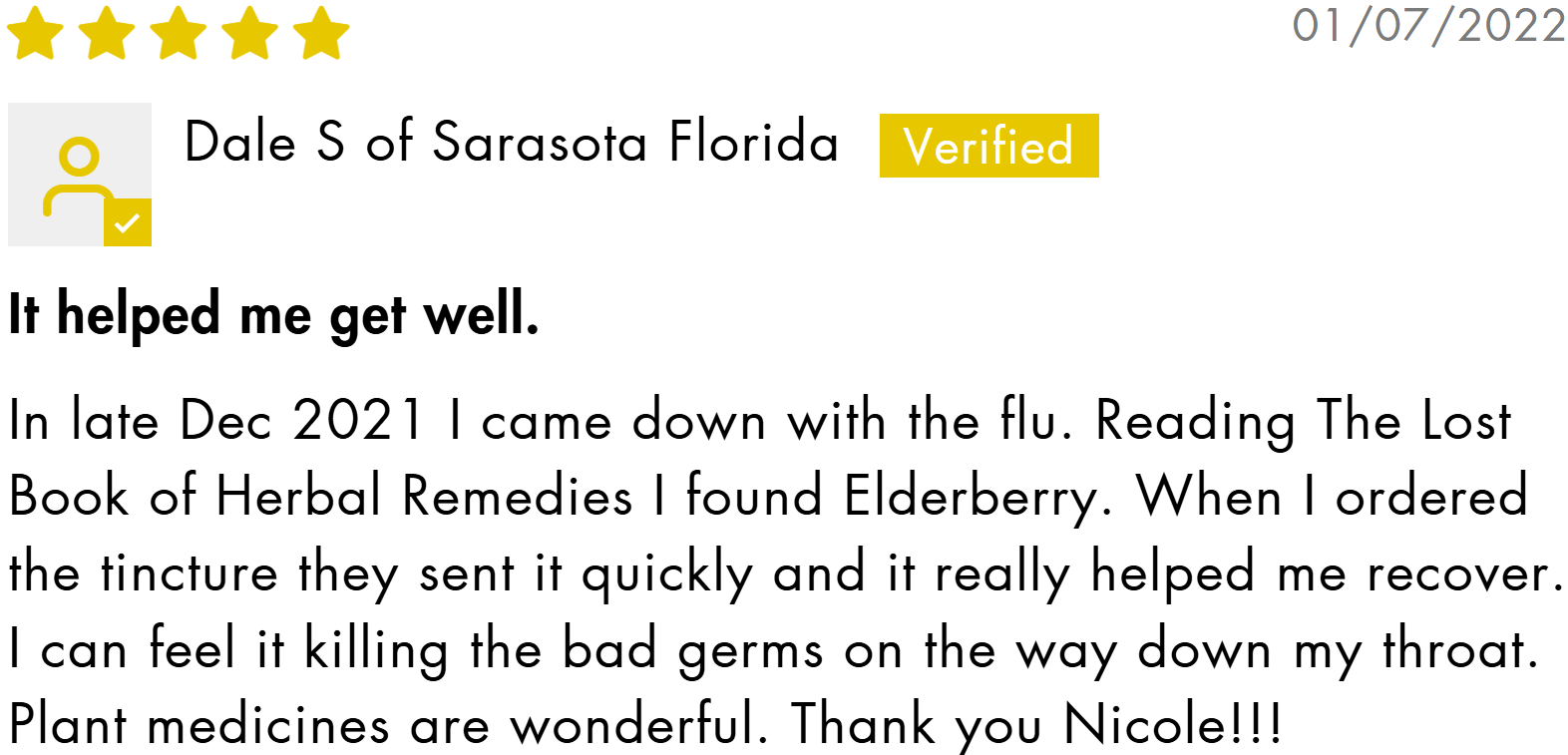
Many people report it works better than anything they’ve tried from the pharmacy. The reviews speak for themselves.
Sage (Salvia officinalis) is a member of the Lamiaceae herb native to North America that thrives in prairies and grasslands. It is popular for spiritual cleansing and purification and is often used as a smudge stick. However, sage is also valuable for treating and preventing respiratory issues.
Sage leaves decoction can break a fever and support the immune system through its flavonoids and anti-inflammatory compounds. It can also fight bacteria like Staphylococcus aureus to treat respiratory infections.
Echinacea
Many studies claim that echinacea, or purple coneflower (Echinacea purpurea), can reduce the risk of getting a cold, a prevalent contagious illness during winter.
Echinacea is seen to stimulate the immune system and enhance its innate and adaptive functions. More research is needed to confirm whether it can also reduce the duration of fever.
Today, echinacea is popularly marketed as a dietary supplement for the common cold and other respiratory problems.
Yerba Santa
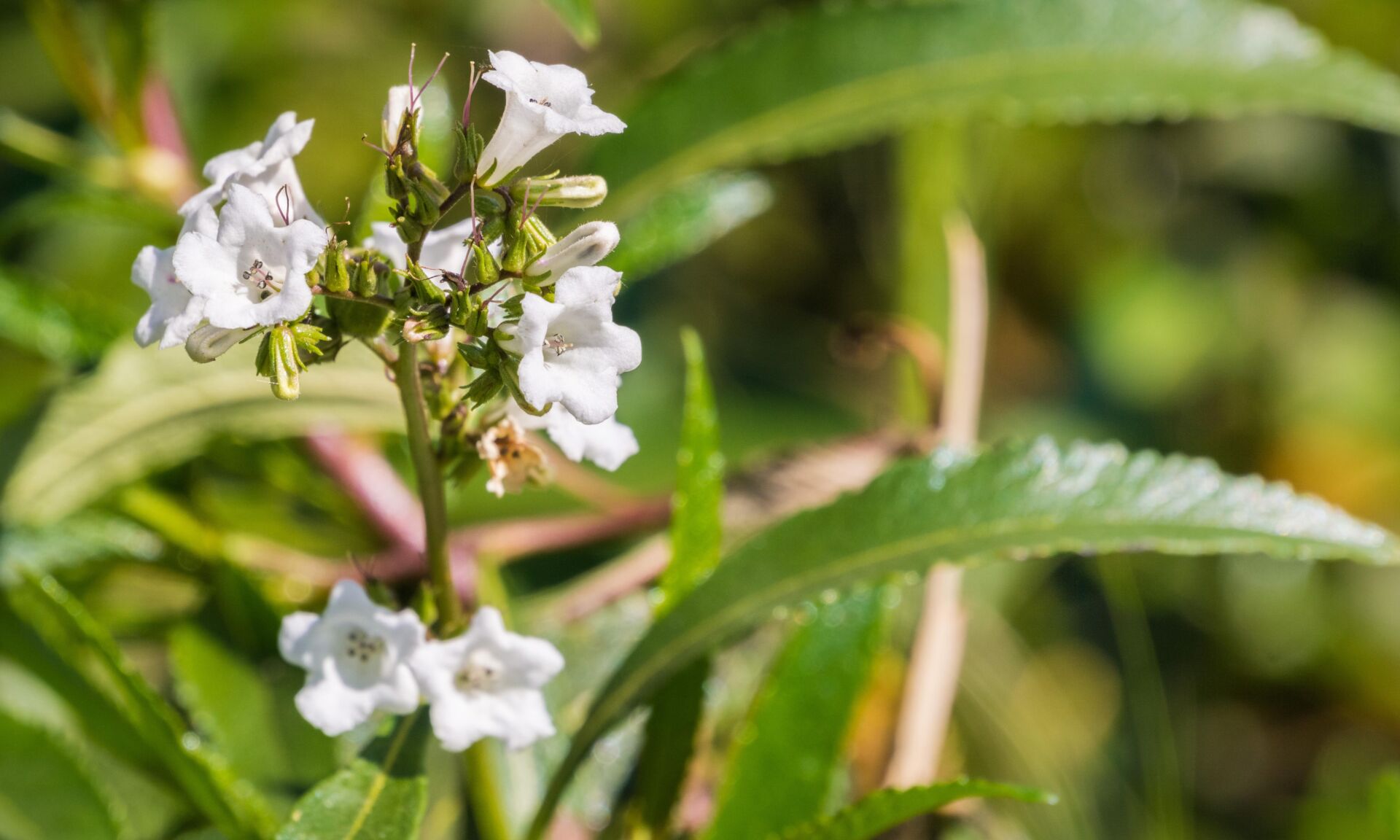
Yerba Santa (Eriodictyon californicum) is used by Native American tribes for treating respiratory illnesses. With its potent anti-inflammatory and antioxidant properties, Yerba Santa is believed to indirectly and positively affect the immune system and strengthen its defenses.
The plant thrives in wet winters, although it is usually covered in black molds or soot during this time. The molds are harmless and can be removed by washing, allowing the plant to be used as a fresh infusion.
Yerba santa is also available in dried form for use as an immune booster and blood purifier if you can’t forage for a fresh plant.
Yerba Santa also promotes clearing mucus from the lungs, chest, and sinuses—for both chronic and acute issues. If you’re fighting stubborn congestion or respiratory problems that won’t quit, try yerba santa.
Goldenseal (Hydrastis canadensis) is a traditional North American herb that is also promoted today as a supplement for the common cold. But goldenseal already has a long history of use for upper respiratory tract infections and hay fever.
Goldenseal contains berberine, an alkaloid that supports natural immunity and helps control inflammation.
Aside from food supplements capsules, goldenseal is also effective as a tincture or herbal tea, often paired with echinacea.
Cedar
Cedar, particularly the Northern White Cedar (Thuja occidentalis) and Western Red Cedar (Thuja plicata), has long traditions of use in herbal medicine. They are well-known for their immune-boosting and antimicrobial properties. Cedar can address respiratory conditions when used as a leaf or bark infusion, or steam inhalation.
However, one must be cautious with concentrated cedar oil as it is toxic in high doses. While both species are potent, western red cedar is generally safer.
Yarrow
Yarrow (Achillea millefolium) is most popular as an anti-bleeding and wound-healing herbal remedy. Aside from its long-standing styptic properties, yarrow is also an immune booster that helps improve the blood immune parameters.
Yarrow has antivirus and antimicrobial properties that help ward off pathogens. It also contains sesquiterpene lactones and flavonoids that help reduce inflammation associated with illness.
Dried yarrow leaves are best combined with elderberry and prepared as tea. Yarrow tincture is also effective in reducing fever.
I found out about the yarrow-elderberry combination from Nicole Apelian—apparently they’re synergistic and actually boost each other’s effects.
I’ve stuck with my yarrow tincture for years now because this combination is super strong. I usually drop both into my tea when I feel something coming on, and it helps a lot.
An immune booster recipe using powerful herbs helps the body adapt to seasonal stress. Taking immune-supportive tea can help prevent viral attachment and strengthen the body’s defenses against seasonal pathogens.
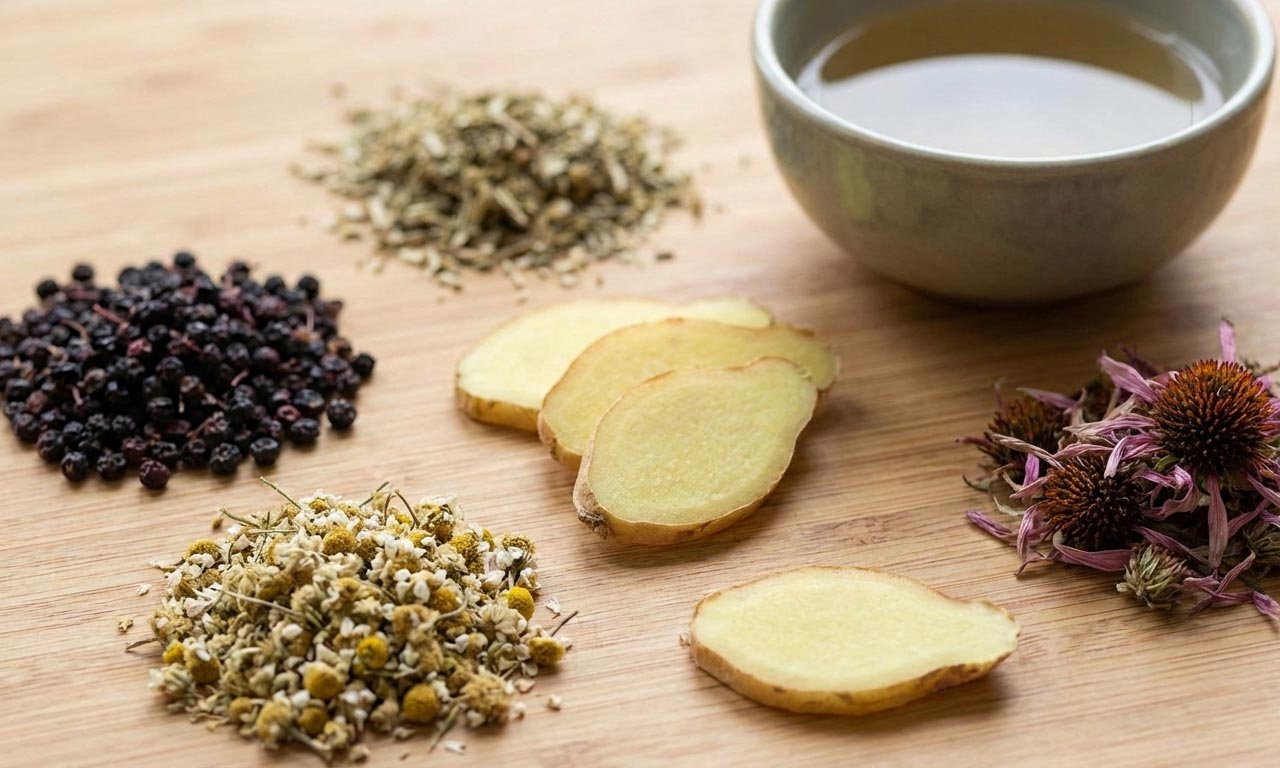
Do not let the cold illnesses take over. Here is a simple recipe you can prepare using herbs you can forage in your backyard or purchase from online herbal stores.
Adding ginger to the tea gives it a warming, spicy flavor. Ginger is also an excellent spice for preventing illness. Ginger further strengthens the immune system by regulating gut microbiota.
Ingredients
1 tsp dried elderberry (or 20 drops for extra potency of this Elderberry Tincture)
1 tsp dried yarrow (equivalent of 20 drops of Nicole’s organic Yarrow Tincture)
1 tsp dried echinacea
Small ginger, sliced
1 ½ cups warm water
As I said, I didn’t find any yerba santa in my backyard anymore, so I got this yerba santa tincture and pour a few drops in at the end. Get yours here.
Steps
Take a teaspoon of the elderberry, yarrow, and echinacea and put them in a tea ball or infuser.
Add one to two small slices of ginger and pour warm (not boiling) water over them.
Let it steep for at least 10 to 15 minutes. Remove the tea ball, or strain the tea, or pour it all in a cup if the ingredients don’t bother you.
Add honey or lemon, if desired.
To use: Drink 1-3 cups of the tea throughout the day for general wellness and to stave off illness during the peak flu season. If you are actively sick, aim for 3 to 4 cups of the winter tea to help you recover quickly.
Do not take any herbal tea for an extended period or if pregnant and breastfeeding.
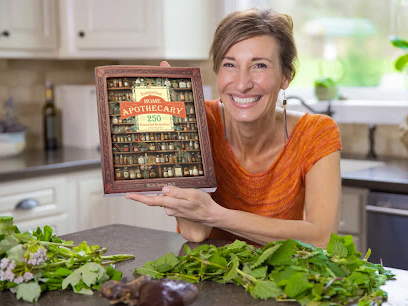
The Lost Native American Herbal Remedies (Finally in One Book)
The Native Americans had hundreds of herbal remedies that kept them alive through brutal winters with nothing but plants, knowledge, and skills.
For generations, this wisdom was passed down orally—and then it almost disappeared.
Now, it’s been finally gathered in one book. The Forgotten Home Apothecary contains 250+ recipes, many from our ancestors who had to thrive with far less than we have today.
Everything is presented clearly: pictures, detailed instructions, exact dosages, warnings, what to combine and what not to combine. No guessing. No hoping you got it right. Just proven remedies that work.
This isn’t just another recipe book. It’s the survival knowledge that’s been systematically erased from modern life—and it’s disappearing fast.
You forgot to mention Usnea in your list of year round, not just winter, immune boosters. I remember well when you said that if you only had 2 herbs to keep around, it would be Elderberry and Usnea.
It’s important to note that if you have an allergy to aspirin, caution needs to be taken if you plan to use yarrow internally. While it’s an amazing plant with just as amazing properties, it has salicylic acid derivatives. salicylic acid is aspirin, so it can trigger allergic reactions. That being said, yarrow powder is great for stopping bleeding, and I’ve never seen a reaction (even with aspirin allergies) when used for this purpose. It stops the bleeding quite quickly, though I don’t know if it should be used in cases of excessive bleeding with situations that will require stitches as they will have to clean out every tiny piece to close it up and it can get infected if some is left in there.
We use cookies to ensure that we give you the best experience on our website. If you continue to use this site, we will assume that you are happy with it.
Functional Always active
The technical storage or access is strictly necessary for the legitimate purpose of enabling the use of a specific service explicitly requested by the subscriber or user, or for the sole purpose of carrying out the transmission of a communication over an electronic communications network.
Preferences
The technical storage or access is necessary for the legitimate purpose of storing preferences that are not requested by the subscriber or user.
Statistics
The technical storage or access that is used exclusively for statistical purposes.The technical storage or access that is used exclusively for anonymous statistical purposes. Without a subpoena, voluntary compliance on the part of your Internet Service Provider, or additional records from a third party, information stored or retrieved for this purpose alone cannot usually be used to identify you.
Marketing
The technical storage or access is required to create user profiles to send advertising, or to track the user on a website or across several websites for similar marketing purposes.



 Steps
Steps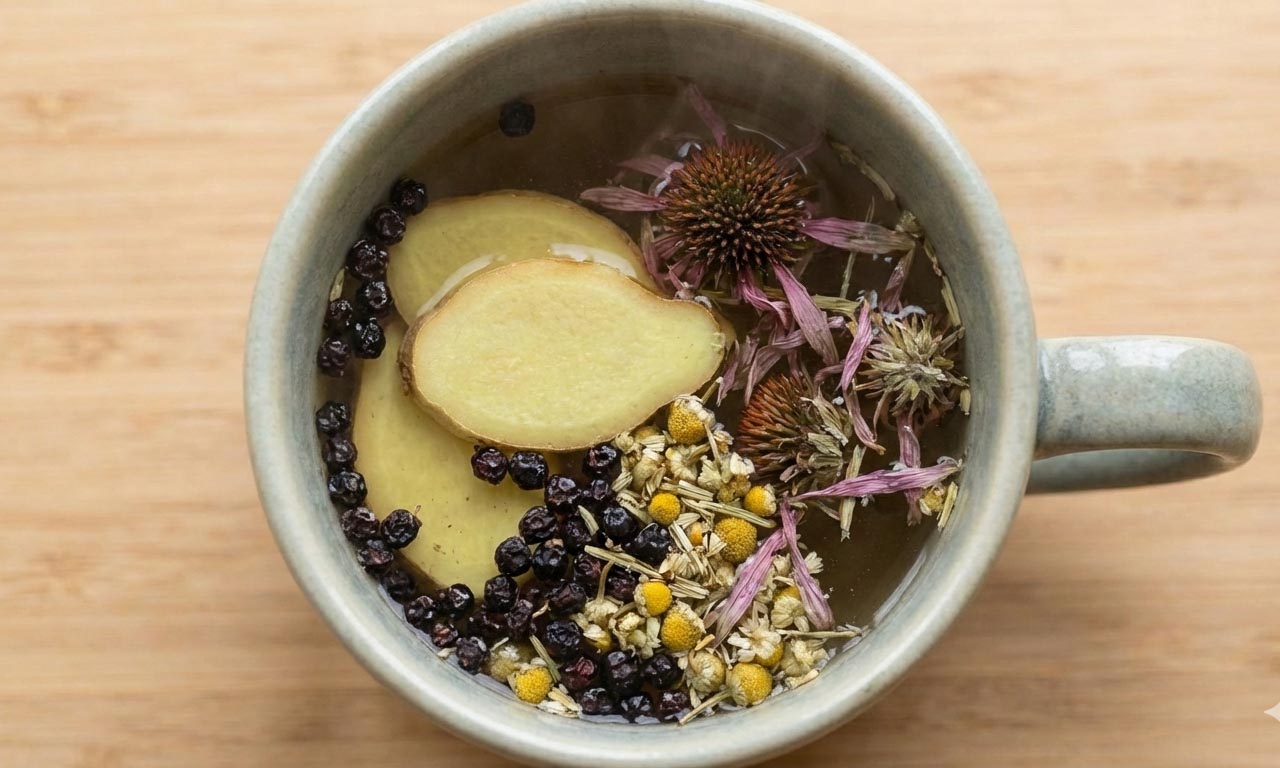

You forgot to mention Usnea in your list of year round, not just winter, immune boosters. I remember well when you said that if you only had 2 herbs to keep around, it would be Elderberry and Usnea.
This
It’s important to note that if you have an allergy to aspirin, caution needs to be taken if you plan to use yarrow internally. While it’s an amazing plant with just as amazing properties, it has salicylic acid derivatives. salicylic acid is aspirin, so it can trigger allergic reactions. That being said, yarrow powder is great for stopping bleeding, and I’ve never seen a reaction (even with aspirin allergies) when used for this purpose. It stops the bleeding quite quickly, though I don’t know if it should be used in cases of excessive bleeding with situations that will require stitches as they will have to clean out every tiny piece to close it up and it can get infected if some is left in there.