You wake up exhausted. You drag yourself through the day fueled by coffee. By 3 PM, you’re contemplating a nap under your desk. By evening, you’re too tired to do anything but collapse on the couch.
Sound familiar?
Here’s what most doctors won’t tell you: fatigue isn’t a disease—it’s a warning signal. Your body is screaming that something’s wrong, whether it’s poor sleep, nutrient deficiency, chronic stress, an underlying infection, or a combination of all of the above.
The NIH identifies viral infections (including lingering long COVID fatigue), certain medications, depression, anxiety, anemia, and heart disease as common energy drains. The UK’s NHS adds lack of sleep, unhealthy diet, sedentary lifestyle, and major life stressors to the list.
In other words, when you feel like a caffeine-less zombie, your body is begging you to fix something fundamental.
The good news? Most fatigue can be reversed with targeted interventions—not more coffee, not another energy drink, but strategic lifestyle changes combined with evidence-backed herbs that actually work.
Let me show you exactly what to do.
The Foundation: Fix These First
Before reaching for supplements, address the basics. NIH research shows these simple daily habits often make the biggest difference:
Eat a balanced diet with fruits, vegetables, whole grains. Stay well hydrated—dehydration alone causes tiredness.
Exercise regularly—at least 150 minutes of moderate activity weekly. Yes, even when you’re tired. Exercise raises blood flow and endorphins, literally “recharging” your system.
Aim for 7-9 hours of sleep with a consistent bedtime. Your body can’t repair itself or regulate energy properly without adequate sleep.
Limit alcohol (no more than 1 drink daily for women, 2 for men) and avoid smoking.
See a doctor if you’ve been unreasonably tired for weeks with no obvious cause. Rule out thyroid issues, anemia, or other medical conditions.
These aren’t optional. They’re the foundation. Herbs and supplements only work when you’ve built the proper base.
These are just a few foundational changes. But here’s what most people miss: depending on what you’re dealing with, some of these are mandatory—not optional.
The problem? You don’t know which changes to start immediately and which can wait. So you try everything, get overwhelmed, and quit.
That’s where holistic protocols come in. They map out exactly what to do—morning, noon, and evening—for specific conditions:
If you’re not sleeping well, nothing else matters. Poor sleep destroys energy, mood, cognitive function, and metabolic health.
Valerian root has been used since ancient times as nature’s sleep aid. A meta-analysis of 16 studies found valerian roughly doubled the odds of reporting improved sleep versus placebo. It works by gently activating GABA receptors in your brain—the same calming system targeted by prescription sleep drugs, but without the dependency risk.
Typical dose: 300-600mg of valerian extract taken 30-60 minutes before bed, or a cup of valerian tea.
But here’s the crucial part: valerian only works when combined with proper sleep hygiene:
Stick to a fixed bedtime and wake time (even weekends)
Make your bedroom cool, dark, and quiet
No screens for 1-2 hours before bed (blue light destroys melatonin)
No caffeine or heavy meals late at night
Wind down with reading, gentle yoga, or calm music
Think of valerian as your “sleep coach” and the bedtime routine as the signal telling your body it’s time to rest. One without the other is only half effective.
Chamomile is another option. Clinical trials found chamomile improved sleep quality and mood in older adults and new mothers. Brew a cup 30 minutes before bed as part of your wind-down routine.
Obviously, if you were to combine valerian and chamomile, you’d get a blend some would call barely legal—that’s how well it works.
Here’s the thing: you may think you sleep fine. Seven, maybe eight hours. You call it “normal.” But you don’t wake up the same way you did 20 years ago.
What you now call “normal” is what you once called “a night I didn’t rest enough.” Your body needs quality sleep—not just hours in bed.
This Sleep Blend Tincture combines valerian, chamomile, hops, and passionflower—developed by Dr. Nicole Apelian using traditional formulas.
The reviews speak for themselves. People report falling asleep faster, staying asleep longer, and waking up refreshed—not groggy.
Stress and anxiety are massive energy drains. When your nervous system is stuck in “fight-or-flight” mode, you’re burning energy even when sitting still.
Lemon balm (Melissa officinalis) is an aromatic herb with serious clinical backing. A 2021 review of trials found lemon balm significantly improved both anxiety and depression scores compared to placebo. People drinking lemon balm felt measurably calmer and less down.
Typical dose: 300-900mg daily as tea or extract. It’s very well tolerated with minimal side effects.
Pair lemon balm with deep breathing for a double-punch against stress. Slowing your breath and quieting your mind shifts your nervous system out of fight-or-flight mode. Even the NHS recommends relaxation techniques before bed to ease tiredness.
If you don’t have lemon balm at home, you can get this ready-made tincture.
Or if you do have it, you can grow it in your kitchen window. I do that personally—then I make it into a tincture myself. Fresh lemon balm, alcohol extraction, simple process.
Try this: Inhale for 4 counts, exhale for 6 counts, repeat for 5 minutes. Do this while sipping lemon balm tea in the evening.
Ashwagandha is another powerful option. Clinical trials with nearly 500 stressed adults found that taking ashwagandha 240-600mg daily for several weeks significantly reduced stress and anxiety while improving sleep quality. It also lowered cortisol (your stress hormone) measurably versus placebo.
The benefit? It lifts mood without causing jitteriness. Take 300-500mg in divided doses (morning and evening) for continued support.
The synergy matters: Herbs biochemically ease anxiety while breathing exercises reinforce relaxation. Feeling calmer helps you sleep better, which boosts energy the next day. It’s a virtuous cycle.
The best combination against stress and anxiety is a blend containing lemon balm, ashwagandha, reishi, and lion’s mane—and this combination is incredible.
I personally prefer not to harvest reishi, lion’s mane, and ashwagandha myself. They’re super hard to find in the wild, and honestly, I don’t have the energy to forage, identify, and extract them properly.
So I chose the easy version: getting Nicole’s Anxiety & Stress Blend ready-made. Four herbs working synergistically—stress relief, cortisol control, immune support, cognitive clarity—all in one bottle.
If you wake up stiff and groggy despite adequate sleep, you need natural energizers—not more caffeine.
Ashwagandha isn’t just for stress. A comprehensive meta-analysis found ashwagandha supplementation significantly improved endurance and recovery markers in healthy adults. The review reported large overall effects favoring ashwagandha for reducing fatigue and improving recovery versus placebo.
Participants taking ashwagandha reported better quality of life, longer times to exhaustion, and faster recovery after exercise.
Rhodiola rosea is another adaptogen traditionally used by Himalayan cultures and Vikings for stamina. Modern trials show modest improvements in exercise capacity and mental alertness, though evidence is still developing. Common dose: 200-400mg of standardized Rhodiola extract daily, often taken in the morning.
Here’s the key: Pair these adaptogens with movement. Even a short brisk walk or light workout in the morning naturally boosts alertness and mood. Exercise generates cellular energy (ATP) and delivers oxygen to muscles and brain.
The combination is synergistic—herbs prime your body to use energy efficiently while exercise actually generates more of it. Start with 10-15 minutes of walking or yoga stretches, then take your herbal extract. This dual approach has more impact than either alone.
Quick nutrition tips: Eat steady complex carbs, lean protein, and iron-rich greens to ward off nutrient-deficiency fatigue. Stay hydrated. If you need caffeine, choose green tea or matcha—they provide a mild lift with L-theanine to prevent jittery crashes.
If you want an all-in-one energy, antioxidant, anti-inflammatory blend to make the ultimate healthy drink from almost 50 herbs—this is it.
The Green Burn Blend packs 48 plants, superfoods, probiotics, and adaptogens into one scoop—including rare ingredients you’d never find on your own:
Eleuthero root (used by astronauts for endurance), mangosteen extract (richest source of xanthones on Earth), camu-camu (extreme vitamin C concentration), maitake and shiitake mushrooms (immune and stress support), bladderwrack (thyroid optimization).
Plus spirulina, acerola cherry, alfalfa, acacia gum (80% pure fiber), and 39 more energy-boosting plants.
One scoop = everything your body needs to fight fatigue, reduce inflammation, boost metabolism, and support gut health.
Valerian: 300-600mg at bedtime, or 20-30 drops of the Sleep Blend Tincture 30 minutes before bed.
Ashwagandha: 250-600mg daily, or 20-30 drops of the Anxiety & Stress Tincture (morning and evening for sustained support).
Lemon balm: 300-900mg daily as tea or extract, or 20-30 drops of the Lemon Balm Tincture—if you’re not using the Anxiety & Stress Blend mentioned above.
Most side effects are mild: headache, upset stomach, or drowsiness. Valerian may cause morning grogginess at high doses. Ashwagandha can cause loose stools or nausea. Chamomile can trigger allergies in pollen-sensitive people.
Watch for interactions:
Don’t combine valerian with prescription sedatives or alcohol (additive drowsiness)
Be cautious with ashwagandha if on thyroid or autoimmune drugs
Herbs can interact with medications—tell your doctor what you’re taking
Who should avoid these:
Pregnant or breastfeeding women (unless doctor approves)
Children under 3 (especially valerian)
Anyone with serious health conditions (heart disease, diabetes, kidney/liver disease) without physician approval
Quality matters. Dietary supplements aren’t FDA-approved drugs. Buy from reputable brands with third-party testing. Quality varies wildly.
The Bottom Line
Feeling drained isn’t normal, and it’s not something you just have to accept. Most fatigue has fixable causes.
Start with the foundation: balanced diet, regular exercise, 7-9 hours of quality sleep. These aren’t negotiable.
Then add strategic herbal support:
For sleep: Valerian or chamomile with proper sleep hygiene
For stress: Lemon balm or ashwagandha with breathing exercises
For energy: Ashwagandha or Rhodiola with morning movement
These approaches have real clinical backing. Studies show they work—not as magic bullets, but as tools that tip the energy balance in your favor when combined with healthy habits.
You don’t have to drag yourself through exhausted days fueled by caffeine and willpower. You don’t have to accept that “this is just how life feels now.”
Your body is designed to have energy, resilience, and vitality. When it doesn’t, something needs fixing—and now you know exactly what to do.
Start with one change today. Fix your sleep schedule. Take a 15-minute walk. Brew a cup of lemon balm tea. Small actions compound into transformative results.
The person with energy and vitality is still in there. These tools can help you find them again.
Learn to Make Every Remedy Yourself (And Get a Diploma Proving It)
All of your herbal support remedies are not hard to make. You can create everything from the comfort of your own home.
It’s true—they won’t be ready starting tomorrow if you’re not getting the ready-made tinctures. But you can be sure they’re better than any supplements that claim to help.
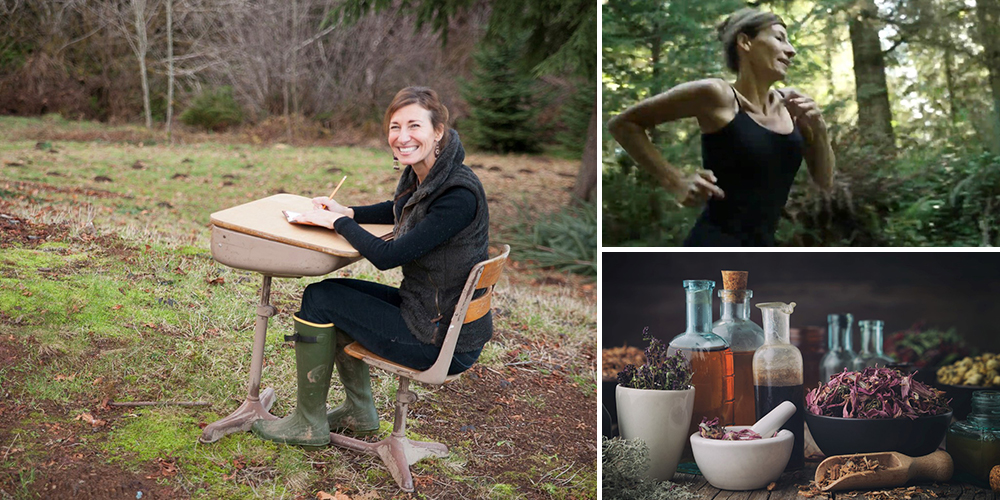
I learned how to make my own remedies directly from Dr. Nicole Apelian. And there is no better herbal teacher out there. Her course answers every question you can think of, and you learn a ton about plants.
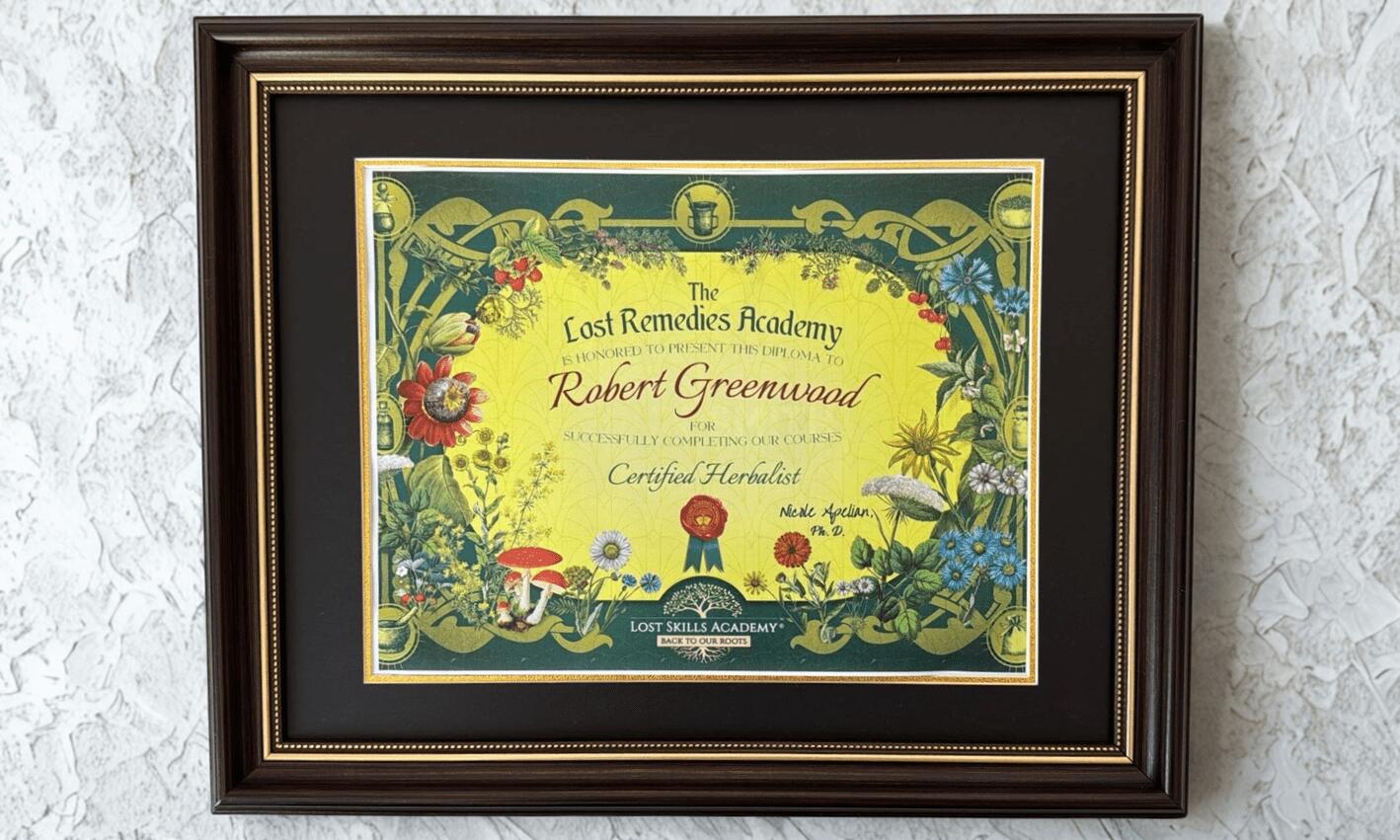
Besides that diploma you can proudly display you get at the end (see the image—that’s my diploma with my name on it up on my wall), you get to learn how to make these remedies with her on video:
Doxycycline of the Woods
Mushroom Drops for Diseases
Nature’s Ibuprofen
Medicinal Juice for Blood Pressure
Redbull of the Woods
Fatty Liver Repair Tea
And many more…
I did this course years back. Now it’s even better—updated with more remedies, more plants, more techniques.
I’m not sure in 2026 if she still has the same number of spots left.
My daughter has Hashimoto which is low thyroid. She also is trying to get off anxiety meds. Lemon balm was recommended but doesn’t that have a thyroid lowering effect??
Bladderwrack and Bugleweed both support thyroid. If you can’t get the herbs locally there are great sources online that have them. Lemon balm is calming to the body and supports many body functions. (Bugleweed or bladderwrack for thyroid), lemon balm is just an added bonus.
We use cookies to ensure that we give you the best experience on our website. If you continue to use this site, we will assume that you are happy with it.
Functional Always active
The technical storage or access is strictly necessary for the legitimate purpose of enabling the use of a specific service explicitly requested by the subscriber or user, or for the sole purpose of carrying out the transmission of a communication over an electronic communications network.
Preferences
The technical storage or access is necessary for the legitimate purpose of storing preferences that are not requested by the subscriber or user.
Statistics
The technical storage or access that is used exclusively for statistical purposes.The technical storage or access that is used exclusively for anonymous statistical purposes. Without a subpoena, voluntary compliance on the part of your Internet Service Provider, or additional records from a third party, information stored or retrieved for this purpose alone cannot usually be used to identify you.
Marketing
The technical storage or access is required to create user profiles to send advertising, or to track the user on a website or across several websites for similar marketing purposes.




 Doxycycline of the Woods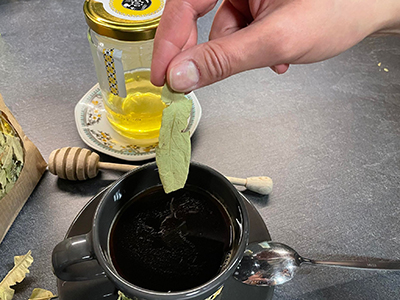
My daughter has Hashimoto which is low thyroid. She also is trying to get off anxiety meds. Lemon balm was recommended but doesn’t that have a thyroid lowering effect??
Bladderwrack and Bugleweed both support thyroid. If you can’t get the herbs locally there are great sources online that have them. Lemon balm is calming to the body and supports many body functions. (Bugleweed or bladderwrack for thyroid), lemon balm is just an added bonus.