

The Jewish Soup They Made When Someone Got Sick
Before pharmacies stayed open on every corner, before every sniffle sent people reaching for a bright-colored bottle, there was a pot on the stove.
Golden broth. Sweet carrots. Onion, celery, parsnip, fresh dill. Maybe a few soft matzo balls floating on top if someone really loved you.
This was the kind of remedy that didn’t need a label to earn trust.
For generations, Jewish families have turned to chicken soup when a cold settled in, when the body felt heavy, when the throat turned scratchy, and when rest felt impossible.
Some people called it “Jewish Penicillin,” not because it contains penicillin or works like an antibiotic, but because it offers the kind of comfort a sick body often welcomes most: warmth, fluids, nourishment, steam, and rest.
And when you’re sick, that combination can feel like a small miracle in a bowl.
What Makes It Jewish Penicillin?
Traditional Jewish chicken soup is not just “chicken in water.”
A proper pot usually starts with chicken, onions, carrots, celery, and plenty of time. Many families add parsnip, turnip, garlic, parsley, and dill. Some add sweet potato or zucchini. Others insist the real secret is a little schmaltz, the rendered chicken fat that gives the broth that golden, old-world richness.
Related: Don’t Throw Away Banana Peels, Do This Instead!
Then come the classic add-ins: matzo balls, also called kneidlach, or egg noodles, known as lokshen. Some families serve it with kreplach, little dumplings filled with meat.
That is what gives the soup its Jewish soul.
Why It Feels So Good When You’re Sick
A cold can leave you dried out, foggy, chilled, congested, and tired. You breathe through your mouth more. Your throat gets scratchy. You lose fluids through sweating, coughing, and constant nose-blowing.
A warm bowl of soup meets those needs directly.
The broth helps you drink more fluids without forcing plain water. The heat soothes your throat. The steam can help your nose feel more open. And the saltiness, when kept reasonable, can make food more appealing when everything tastes dull.
Related: DIY Bug-OFF Spray
This is why warm liquids have stayed in home remedy traditions for so long. You can feel the relief almost immediately.
And honestly, tea and soup are not as different as they seem.
Both are hot water pulling something useful out of plants, herbs, roots, or food. One goes in a mug. One goes in a bowl. But the idea is very similar: warmth, steam, minerals, plant compounds, and comfort your body can actually use.
Related: How to Use Onions for Hair Growth
That’s why herbal teas have always had a place in home remedies. In The Forgotten Home Apothecary, Nicole shares remedies like:
- Restorative Liver Tea
- Deep Sleep Banana Tea
- Restorative herbal blends
- Amish Cough Syrup
- The Mucus Buster
So if a tea can be a remedy, why couldn’t a soup be one too?
A good soup is basically a full meal and a hot herbal infusion in the same bowl. And if you want more recipes like these, Nicole gathered them inside The Forgotten Home Apothecary.
The Steam and Broth Matter
That first breath over the bowl is part of the remedy.
Warm soup may help loosen mucus and make it easier for your body to move it along. That matters when your head feels full and your nose feels blocked from the inside out.
Hot drinks have also been linked with relief from common cold symptoms like runny nose, cough, sneezing, sore throat, chilliness, and tiredness.
That steam rising from your bowl is not just “nice.” It’s part of the relief.
You Might Also Want To Learn About: Betony
Warm steam can help open the airways, loosen mucus, and make breathing feel easier when your head and chest feel packed full. That’s why old kitchens, sickrooms, and herbal books all come back to the same simple practice: hot water, herbs, and slow breathing.
If you want to find out the herbal steam inhalation that Nicole Apelian shared, you can discover it here. In short, it contains antimicrobial herbs like oregano, thyme, rosemary, eucalyptus, and peppermint.
You simmer the herbs, carefully lean over the pot, cover your head with a towel, and breathe in the steam for several minutes.
Simple? Yes.
Related: How to Make Penicillin Soup
But when your nose feels sealed shut, and your chest feels heavy, simple is exactly what you want.
And that’s just one of the small, practical things Nicole teaches inside her protocols, the kind of old-fashioned remedy that makes you think, “Why did we ever stop doing this?”
You can discover more inside the book here.
The Herbs Make It Better
This is where the Jewish version gets more interesting.
Dill brings that clean, bright flavor many people immediately associate with matzo ball soup. Parsley gives the broth a fresh, green lift. Both herbs have been used in traditional kitchens for flavor, aroma, and balance.
Parsnip is another beautiful addition. It gives the broth a gentle sweetness and more depth than carrots alone. Turnip or rutabaga can do the same, adding that earthy, old-fashioned flavor you do not get from a boxed broth.
Garlic is optional, but many modern families love it. It gives the soup more warmth and body. The evidence for garlic as a cold remedy is limited, so it is best not to oversell it. But as a food ingredient? It absolutely earns its place.
And when you want deeper lung support, two plants stand out beautifully together: mullein and lungwort lichen.
Related: What Happens If You Eat Chia Seeds Every Day? 
Mullein has a long tradition of use for respiratory comfort. People have reached for it when they wanted help opening the airways, calming irritation, and supporting the body as it works through mucus.
Lungwort lichen has its own old reputation, especially around lung and respiratory support. Even the name tells you how closely people once connected this plant with breathing.
Together, they make a powerful pair for the season when your chest feels tight, your breathing feels heavier, or your body just needs extra respiratory backup.
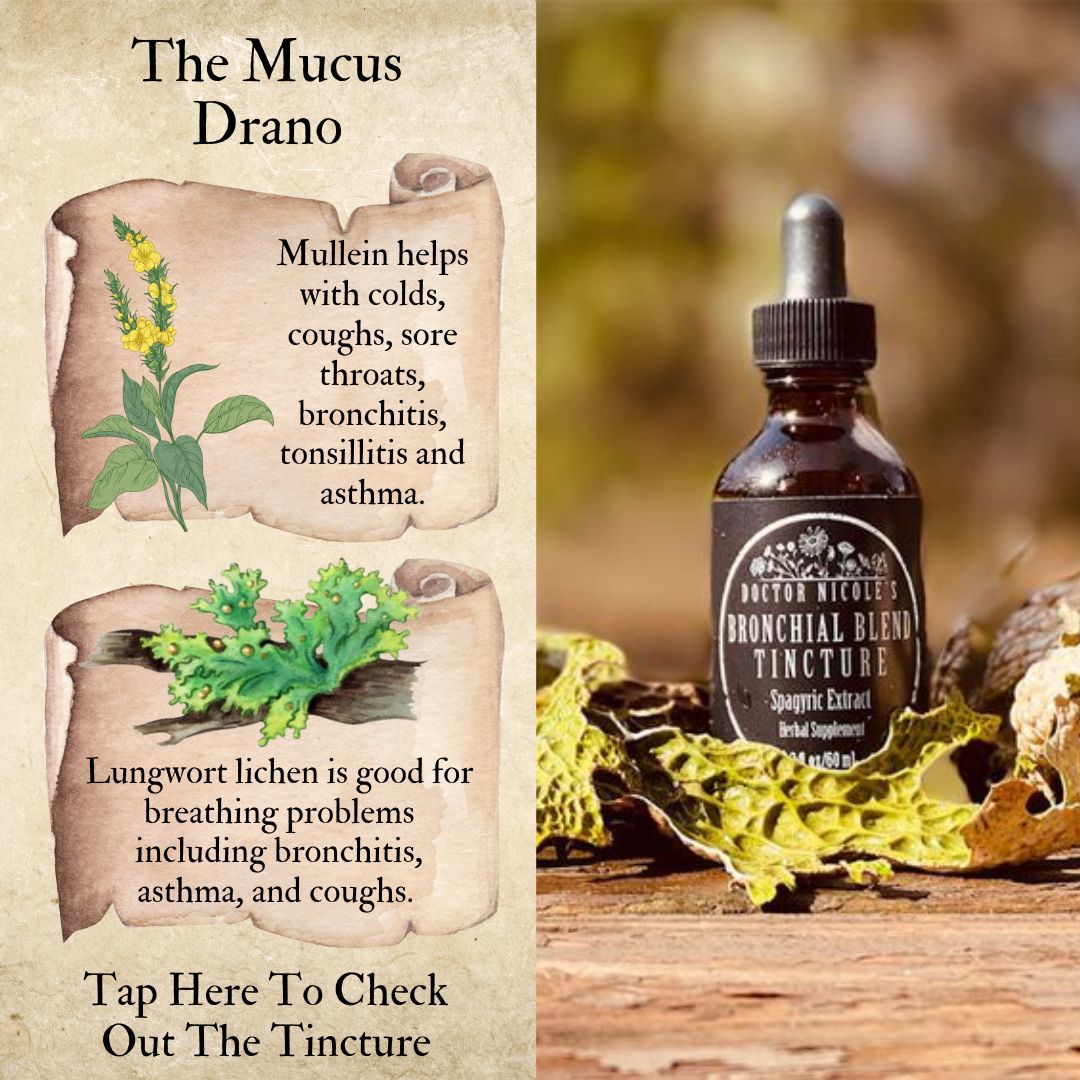 Nicole Apelian combined these two plants into a ready-made tincture, which makes it much easier than trying to find, identify, dry, and extract them yourself.
Think of it as a simple lung-support ally to keep nearby when your airways need a little help.
The Comfort Is Part of the Point
People often talk about remedies as if only chemicals matter.
But when you are sick, comfort is not small.
A bowl of Jewish chicken soup slows you down. It makes you sit. It gives you warmth in your hands and steam in your face. It gives you a meal that does not ask too much of your digestion.
That matters because rest is part of recovery. Hydration is part of recovery. Eating enough to keep your strength up is part of recovery.
And if a bowl of soup helps you do all three.
How To Make It More Traditional
For a more authentic Jewish-style pot, start with chicken pieces or a whole chicken. Add onion, carrots, celery, parsnip, garlic, and water. Simmer it slowly until the broth turns golden and rich.
Near the end, add fresh dill and parsley so their flavor stays bright. Serve it with matzo balls if you want the full “Jewish Penicillin” feeling. Egg noodles are another classic option.
Related: Why You Should Put Usnea in Your Socks
A simple version could look like this:
Chicken, carrots, celery, onion, parsnip, garlic, fresh dill, fresh parsley, water, salt, black pepper, and matzo balls. That is enough. 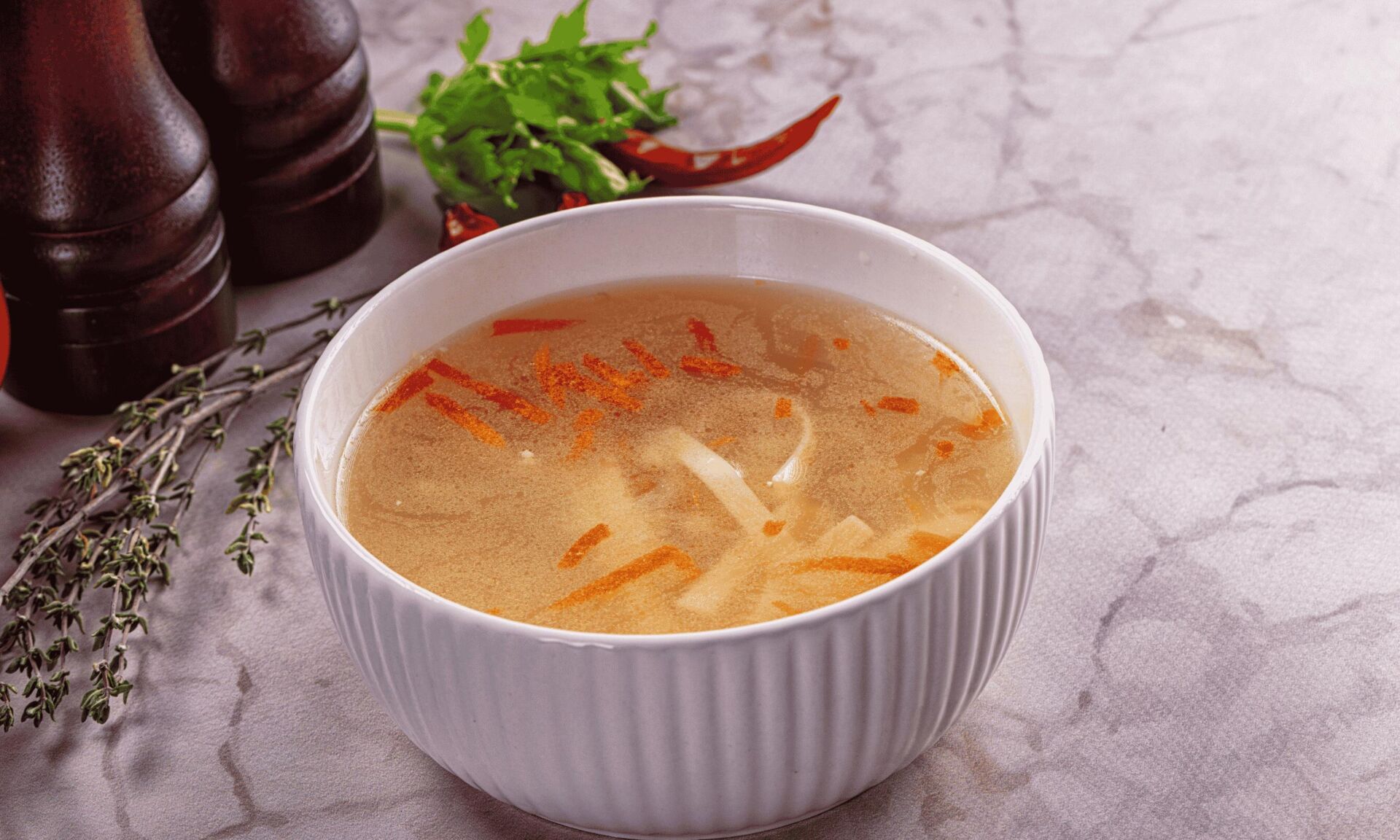
The best part of getting over a cold is not letting it knock you down so hard in the first place.
That’s where elderberry has earned its place in so many home cabinets.
For generations, people have reached for elderberry during cold season because it fits that early-support moment so well — when your throat feels a little scratchy, your body feels heavy, and you think, “Uh oh… something is starting.”
Soup is what you make once you’re already slowing down.
Elderberry is what many people like to keep nearby before the whole house starts passing tissues around.
And if you don’t have elderberries growing in your backyard, Nicole Apelian’s organic elderberry tincture makes it simple to keep this old cold-season ally close.
A few drops is much easier than harvesting, drying, simmering, and preparing it yourself.
Homemade Beats the Can
Canned soup can help in a pinch, but homemade gives you control.
You can use more vegetables. You can keep the salt lower. You can choose real herbs instead of flat, dusty flavors. You can simmer the bones and chicken long enough to build a broth that actually tastes alive.
Make a big batch and freeze some. Sick-day you will be very grateful. Future-you deserves a small medal and a labeled container.
And while you’re stocking your freezer, it also makes sense to think about what belongs in your home remedy cabinet.
Usnea is one of those plants herbalists take seriously.
 You may know it as “Old Man’s Beard,” the pale green lichen that hangs from trees in wild places. Traditionally, people have valued it for immune and respiratory support, especially during the seasons when coughs, sore throats, and stubborn bugs seem to move from one person to the next.
The problem is, usnea is not the kind of remedy most people can prepare on a random Tuesday.
You need to identify it correctly, harvest it responsibly, dry it, and extract it well.
That’s why Nicole’s ready-made Usnea remedy is so practical. It gives you a simple way to keep this powerful old plant close, without having to become a lichen expert first.
When Soup Is Not Enough
Jewish Penicillin is a comfort remedy, not emergency care.
Get medical help if you have trouble breathing, chest pain, dehydration, a fever that will not let up, symptoms lasting more than 10 days without improvement, or symptoms that improve and then suddenly get worse again.
Natural remedies work best when they support common sense.
This soup will not replace antibiotics when antibiotics are truly needed. It will not cure flu, COVID-19, pneumonia, or a bacterial infection. But for an ordinary cold, it can help you feel warmer, calmer, clearer, and better supported while your body does its work.
And that is why this humble bowl has lasted.
Because sometimes the remedy you need is not complicated.
Sometimes it is golden broth, fresh dill, soft carrots, a matzo ball, and the quiet feeling that someone — even if that someone is you — is taking care of you.
And here’s the thing: “cold season” is not the only time people get sick.
Winter gets the blame, but sore throats, coughs, travel bugs, summer colds, and back-to-school germs can show up whenever they want. Very rude of them, honestly.
That’s why the quiet months are the best time to prepare.
Nicole’s Winter Defense Bundle brings together the remedies you’d want close before the first cough moves through the house: elderberry, usnea throat spray, bronchial blend, yarrow, yerba santa, and an all-purpose first aid salve.
So instead of buying one bottle now, another one later, and forgetting the one you actually needed, you can stock your cabinet in one go.
If I were preparing my own home, I wouldn’t wait until the first fever hits. I’d rather have the remedies ready while everyone else is still pretending flu season is far away.
Your future self will be very happy you didn’t wait. 
You can stock up here while the summer price lasts.
You may also like: 
The ‘Nerve Oil’ You Should Use For Shaky Hands
Never Do This Before Going To Sleep (Video)
Parasites 101: Signs, Dangers & Natural Remedies That Actually Work
The Mushroom That Can Regrow Brain Tissue
🌿 Join Our Private Herbal Community For Free. 👉 Click here!
References
- Chabad — Jewish Chicken Soup, Traditional Shabbat Recipe: https://www.chabad.org/recipes/recipe_cdo/aid/2463322/jewish/Jewish-Chicken-Soup.htm
- MedlinePlus — Chicken Soup and Sickness: https://medlineplus.gov/ency/article/002067.htm
- CDC — Manage Common Cold: https://www.cdc.gov/common-cold/treatment/index.html
- Mayo Clinic — Common Cold Diagnosis and Treatment: https://www.mayoclinic.org/diseases-conditions/common-cold/diagnosis-treatment/drc-20351611
- PubMed — Effects of Drinking Hot Water, Cold Water, and Chicken Soup on Nasal Mucus Velocity and Nasal Airflow Resistance: https://pubmed.ncbi.nlm.nih.gov/359266/
- PubMed — Chicken Soup Inhibits Neutrophil Chemotaxis in Vitro: https://pubmed.ncbi.nlm.nih.gov/11035691/
- PubMed — The Effects of a Hot Drink on Nasal Airflow and Symptoms of Common Cold and Flu: https://pubmed.ncbi.nlm.nih.gov/19145994/
- PubMed — Were Our Grandmothers Right? Soup as Medicine: https://pubmed.ncbi.nlm.nih.gov/40647351/
- NCCIH — Colds, Flu, and Complementary Health Approaches: https://www.nccih.nih.gov/health/colds-flu-and-complementary-health-approaches
- NCCIH — Garlic: Usefulness and Safety: https://www.nccih.nih.gov/health/garlic
- PubMed — Garlic for the Common Cold: https://pubmed.ncbi.nlm.nih.gov/25386977/
- USDA FoodData Central: https://fdc.nal.usda.gov/
- NIH Office of Dietary Supplements — Vitamin A Fact Sheet: https://ods.od.nih.gov/factsheets/VitaminA-HealthProfessional/
- NIH Office of Dietary Supplements — Vitamin C Fact Sheet: https://ods.od.nih.gov/factsheets/VitaminC-HealthProfessional/

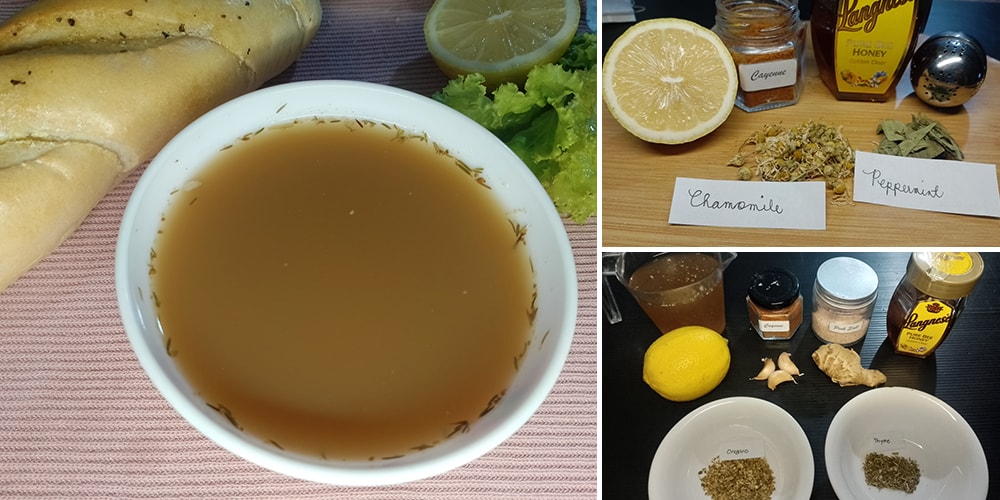
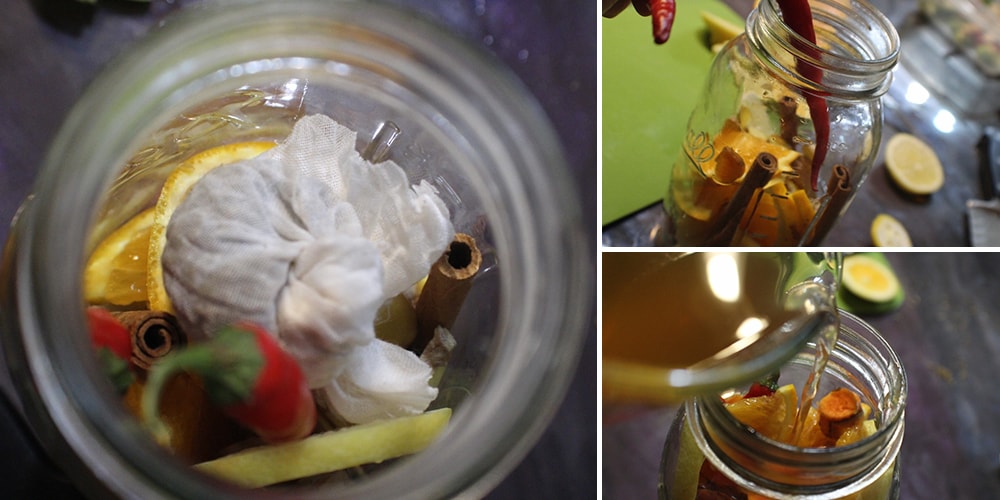
This was my German Mom’s soup, with egg noodles. A slowly simmered pot is just healing magic. It’s everything stated above plus a lot of love. I give a little it to my fur babies when sick, too.
Long. long ago, before people went out for meals, doctors prescribed “restoratives’ for sicknesses. These were hot herbal soups and teas. They were made up and served where these people gathered. Back then, they knew that misery loves company–hence the healing power of going out to be with others when sick. These places that served restores were known as “restaurants.” That’s where the word came from designating our modern favorite places to go out to dine.
I have a Jewish friend who made this soup for me…….OMG…..it was delicious and just touched the spot…….he said it has to be organic and cooked for hours and then the whole chicken is smashed……mmmmmm………however my Chinese medicine teacher said to never have chicken soup if you have a virus………but there is no proof that virus;s exsist……go figure!………