If your feed has been showing you videos of people patting serum after serum onto dripping wet faces, you’ve already run into skin flooding. It’s one of the few skincare trends born on TikTok that dermatologists have actually gotten behind rather than rolled their eyes at, and the reason is almost embarrassingly simple: it’s built on real skin science, just packaged with a catchier name than the usual clinical description, which is admittedly a much worse video title.
So What Actually Is It
Skin flooding is the practice of layering several hydrating products, in a specific order, onto skin that’s still damp rather than fully dry. The idea is to stack water-binding ingredients while the skin can still absorb them efficiently, then seal all of that moisture in before it has a chance to evaporate. Most versions of the routine follow a similar shape:
Cleanse with a gentle, non-stripping cleanser, and don’t towel-dry completely afterward
While the skin is still damp, apply a humectant-rich serum, usually something built around hyaluronic acid or glycerin
Layer on a second hydrating step if you’re using one, often something with niacinamide or polyglutamic acid
Finish with a heavier moisturizer or facial oil to lock everything underneath it in place
The specific products vary from one person’s routine to the next, but the underlying logic doesn’t. Water first, humectants next, and something occlusive on top to keep it all from evaporating back into the air.
Why Damp Skin Specifically, and Not Dry Skin
This is the part most trend explainers skip, and it’s the actual mechanism worth understanding. Humectants, whether that’s hyaluronic acid, glycerin, or a plant-based option like aloe vera, work by pulling water toward themselves. If your skin is already dry when you apply one, and the surrounding air is dry too, a humectant can end up doing the opposite of what you want. It pulls water up from the deeper layers of your own skin instead of pulling it in from your surroundings, which can leave skin feeling tighter, not more hydrated, especially in a low-humidity climate or a heated room in winter.
Damp skin solves that problem by giving the humectant an obvious, immediate source of water sitting right on the surface to grab onto, rather than making it siphon moisture from somewhere else. That’s the entire reason the order and the dampness matter here, not just habit or aesthetic preference.
The Three Words Behind Every Hydration Routine
Skin flooding leans on three categories of ingredient that show up constantly in skincare, and knowing the difference makes it much easier to build your own version instead of copying someone else’s product list exactly.
Humectants draw water in and hold onto it. Hyaluronic acid, glycerin, honey, and aloe vera are all humectants, and this is the step that does the actual hydrating.
Emollients soften and smooth the skin’s surface by filling in the tiny gaps between skin cells. Plant oils like jojoba, sweet almond, and argan mostly fall into this category.
Occlusives form a physical layer on top of everything and slow down transepidermal water loss, the water constantly evaporating off your skin into the air. Shea butter, beeswax, and heavier plant butters do this job in a natural routine.
Doing This With Natural Ingredients Instead of a Ten-Product Stack
You don’t need a shelf of serums to get the effect skin flooding is going for. The plant world already has a humectant, an emollient, and an occlusive sitting in most kitchens or gardens, and building a natural version comes down to picking one from each category and applying them in order on damp skin.
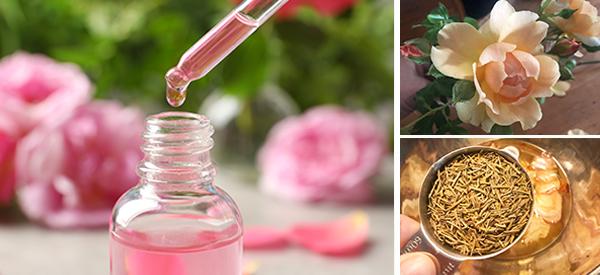
For the humectant step: aloe vera gel straight from the leaf, a plant-derived glycerin, raw honey (as a brief mask before rinsing, since it’s sticky applied directly), or a floral hydrosol like rose water or chamomile hydrosol misted onto damp skin.
For the emollient layer: jojoba oil, which closely resembles skin’s own natural sebum, or a lighter option like squalane, sweet almond oil, or argan oil.
For the occlusive seal: shea butter, cocoa butter, or a balm built around beeswax and a plant oil base, applied as the very last step.
Calendula-infused oil is worth calling out on its own here. It’s a traditional herbal choice for irritated or reactive skin, and it slots naturally into the emollient step for anyone whose skin doesn’t love synthetic hyaluronic acid formulas or fragranced serums.
Who This Actually Works Well For
Dermatologists interviewed on this trend consistently land in the same place: it’s especially useful for dry or dehydrated skin, and reasonably safe for most people to try. Dry skin, dehydrated skin (which is a temporary water deficiency rather than a permanent skin type), and skin that’s been through a rough patch from cold weather, over-exfoliation, or too many actives all tend to respond well to a deliberate hydration reset like this.
Skin that’s been compromised by recent retinoid use, chemical peels, or harsh acids also tends to appreciate a night or two of pure hydration layering while the barrier recovers, which is part of why the trend picked up steam heading into colder months when both indoor heating and outdoor wind strip moisture out of skin at the same time.
Where It Can Actually Backfire
This is the part worth taking seriously rather than skipping past. Oily and acne-prone skin can genuinely struggle with this routine, since layering too many products can trap oil and debris and contribute to breakouts, especially if any of the layers are heavier or more occlusive than that skin type actually needs. If you’re prone to congestion, look for lighter, non-comedogenic options at every step, and consider skipping the heaviest occlusive layer entirely in favor of a lighter emollient.
There’s also a simple point of diminishing returns that’s easy to miss when a trend is this visually satisfying to watch. Using more product, or more steps, doesn’t automatically mean more benefit. Most well-formulated hydrating ingredients are designed to do their job at a normal amount, and piling on six layers instead of three mostly just increases the odds of irritation, pilling, or a greasy finish rather than meaningfully better hydration. If your skin already looks and feels comfortable after two or three thoughtful layers, more isn’t buying you anything extra.
Climate and humidity matter more than most people realize too. If you already live somewhere humid, an elaborate flooding routine may do very little you weren’t already getting from the air itself, while the same routine can be genuinely transformative for someone in a dry, high-altitude, or heated indoor climate through winter.
A Simple Way to Try It Tonight
If you want to test this out without buying anything new, here’s a version built almost entirely from what’s likely already in your kitchen or bathroom.
Wash your face with a gentle cleanser and pat it just barely damp, not bone dry
Mist on a hydrating hydrosol, or smooth on a thin layer of fresh aloe vera gel
While that’s still slightly damp, massage in a few drops of a lightweight plant oil like jojoba or argan
Finish with a small amount of shea butter or your regular moisturizer to seal everything in
Do this in the evening rather than the morning, since it gives the skin uninterrupted hours to absorb everything without makeup or environmental exposure competing with it
Give it a few nights before judging the results. Hydration changes tend to show up gradually, as a general softness and plumpness over several days, rather than as a single dramatic overnight transformation.
The Bottom Line
Skin flooding earns its hype because it isn’t actually a gimmick, it’s a genuinely sound piece of skin science wearing a viral name. Damp skin plus a humectant plus something to seal it all in is a real, well-understood way to improve hydration, and you can build the entire routine from plant-based ingredients instead of a counter full of serums. The trend just falls apart the same way most skincare advice does when people assume more layers automatically means better results. Pick one good humectant, one emollient, one occlusive, apply them in that order on damp skin, and let your own skin tell you whether it needs more or less from there.
We use cookies to ensure that we give you the best experience on our website. If you continue to use this site, we will assume that you are happy with it.
Functional Always active
The technical storage or access is strictly necessary for the legitimate purpose of enabling the use of a specific service explicitly requested by the subscriber or user, or for the sole purpose of carrying out the transmission of a communication over an electronic communications network.
Preferences
The technical storage or access is necessary for the legitimate purpose of storing preferences that are not requested by the subscriber or user.
Statistics
The technical storage or access that is used exclusively for statistical purposes.The technical storage or access that is used exclusively for anonymous statistical purposes. Without a subpoena, voluntary compliance on the part of your Internet Service Provider, or additional records from a third party, information stored or retrieved for this purpose alone cannot usually be used to identify you.
Marketing
The technical storage or access is required to create user profiles to send advertising, or to track the user on a website or across several websites for similar marketing purposes.