After Part 1 and Part 2 went live, we asked you what infections you wanted us to cover next.
The answer was overwhelming: fungal infections. By a landslide.
Athlete’s foot that won’t quit. Toenail fungus you’ve been hiding for years. Yeast infections that keep coming back. Thrush. Candida overgrowth that doctors dismiss but you know is real.
Here’s why this topic struck such a nerve: fungal infections are isolating.
You don’t talk about them at dinner parties. You hide your feet in closed-toe shoes even in summer. You cancel intimacy because you’re too uncomfortable. You feel embarrassed, frustrated, and stuck—because the antifungal creams from the pharmacy work for a week, then the fungus comes roaring back.
And when you finally mention it to your doctor? They often shrug it off as “just cosmetic” or “normal aging” and send you home with the same cream that already failed.
But fungal infections aren’t minor. They spread. They worsen. They signal that something deeper is off-balance in your body.
Athlete’s foot spreads to nails. Nail fungus makes thick, painful, cracked nails that can lead to infections. Vaginal yeast infections can become systemic if untreated. Oral thrush and gut candida overgrowth drain your energy and cloud your thinking.
This is the article you’ve been asking for. The one about the infections nobody wants to talk about but everyone is quietly dealing with.
Let’s get into it, with science-backed remedies, honest talk, and zero shame.
Athlete’s Foot: The One That Spreads
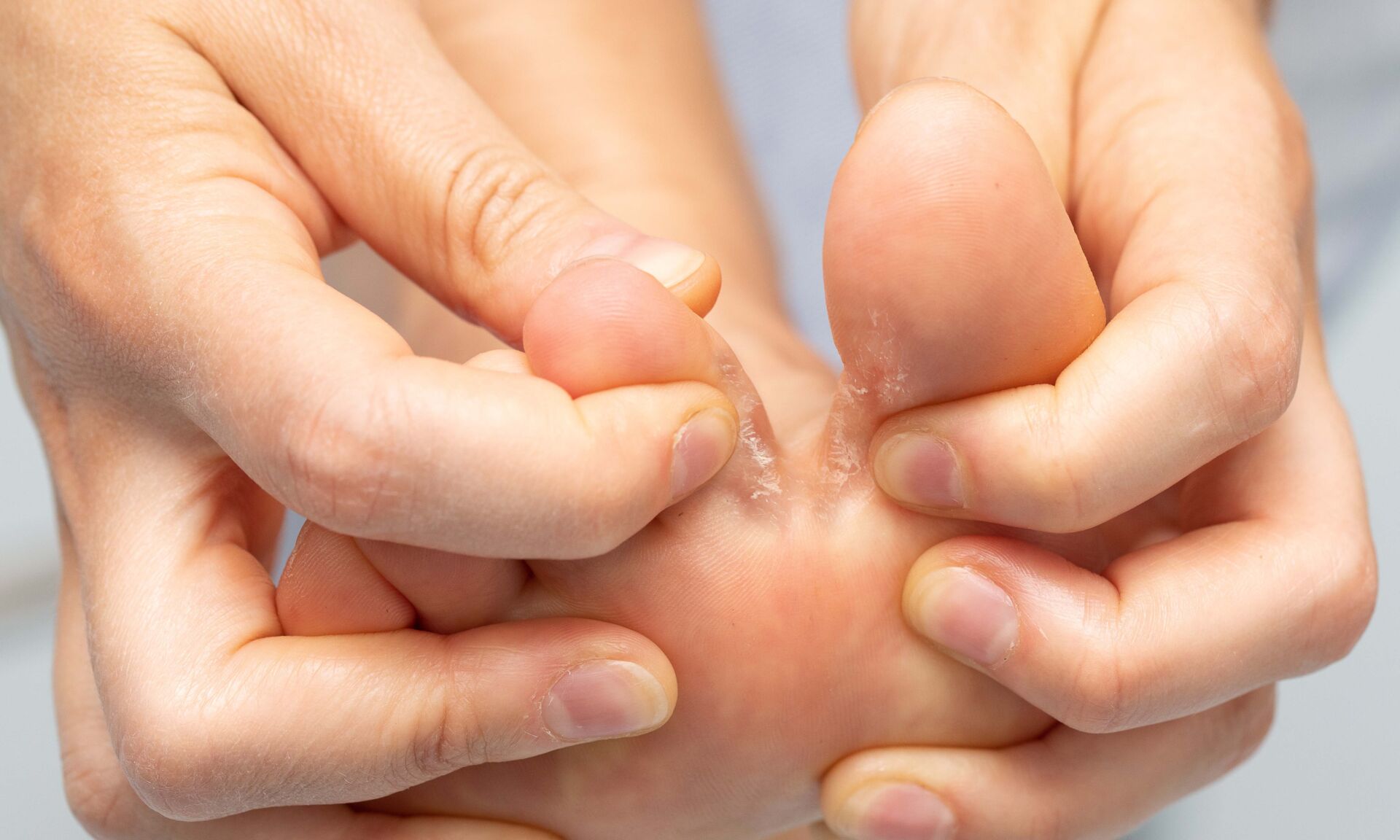
Athlete’s foot (tinea pedis) is a contagious fungal infection that causes itchy, red, peeling skin between your toes. It thrives in warm, damp places—locker rooms, communal showers, sweaty shoes.
And here’s the frustrating part: it spreads easily. To other toes. To your toenails. To other people in your household who share towels or walk barefoot on the same floors.
What Actually Works
Tea tree oil is the star here. Studies show 25-50% tea tree oil solutions cleared athlete’s foot in 64% of people, compared to just 31% with placebo. Tea tree’s active compounds can disable fungi on contact.
How to use: Dilute 2-3 drops of tea tree oil in a teaspoon of carrier oil (coconut or olive oil). Rub onto affected areas 2-3 times daily. Keep feet clean and completely dry between applications.
Oregano oil is another powerful option. Rich in carvacrol, it fights tinea and ringworm as effectively as many commercial antifungal products when applied topically.
Coconut oil has natural antifungal properties and soothes irritated skin. You can use it on its own or as the carrier oil for tea tree or oregano.
Vinegar foot soaks: Mix 1 part vinegar to 4 parts warm water. Soak feet for 15-20 minutes daily. Vinegar creates an acidic environment fungi hate.
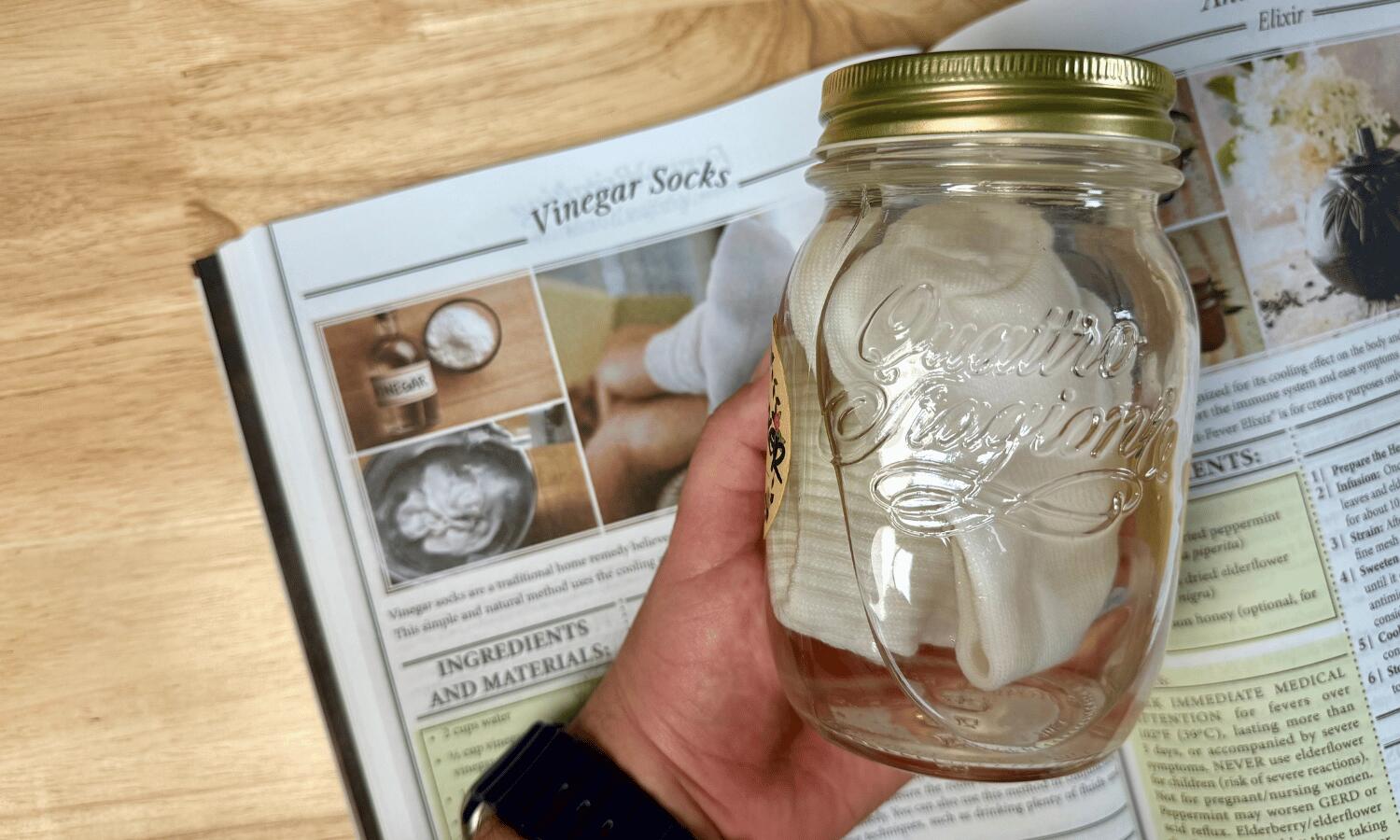
Vinegar creates an acidic environment fungi hate. You soak cotton socks in diluted vinegar, wring them out, put them on your feet, and leave them on overnight.
Nicole includes the exact Vinegar Socks recipe in The Forgotten Home Apothecary. Complete with the right vinegar-to-water ratio, how long to soak, and how often to do it. It’s one of those old-world remedies that actually delivers. Get the recipe here.
Garlic: Crush fresh garlic cloves and mix with olive oil to make a paste. Apply to affected areas for 10-15 minutes, then rinse. Yes, it smells. But garlic’s allicin compound has strong antifungal power.
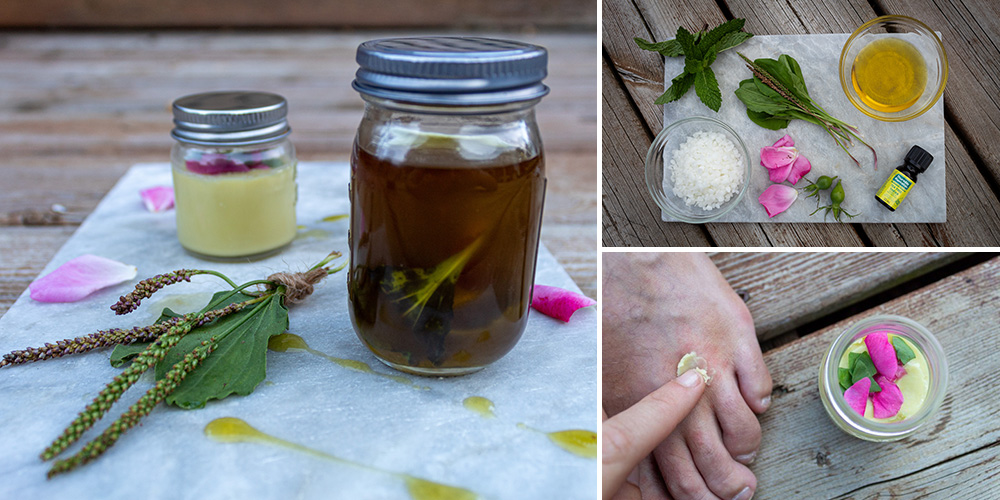
Herbal Antifungal Salve
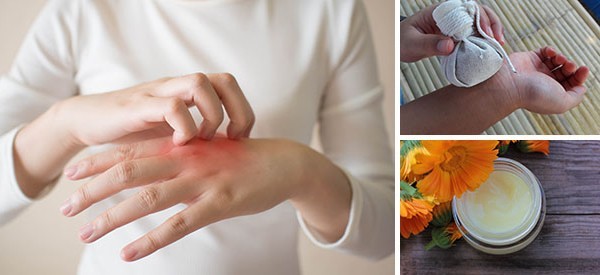
Make a salve with calendula, plantain, and tea tree oil in a beeswax base. These botanicals heal skin while fighting fungus and bacteria.
Apply to clean, dry skin 2-3 times daily. Think of it as protective armor for your feet.
You can make this at home, or keep Nicole’s All-Purpose Salve on hand. It’s not fungus-specific, but it contains lavender and healing herbs that work for athlete’s foot, cuts, scrapes, and dry skin. The kind of salve you reach for daily. Check it out here.
Prevention Is Everything
Dry completely between your toes after showering, this is the single most important step. Wear cotton socks only and change them daily. Rotate your shoes so you’re never wearing the same pair two days in a row.
Always wear sandals in public showers. Never share towels with anyone, even family. And when you’re at home, air out your feet by going barefoot as much as possible.
Athlete’s foot loves moisture. Starve it.
Toenail Fungus: The Stubborn One
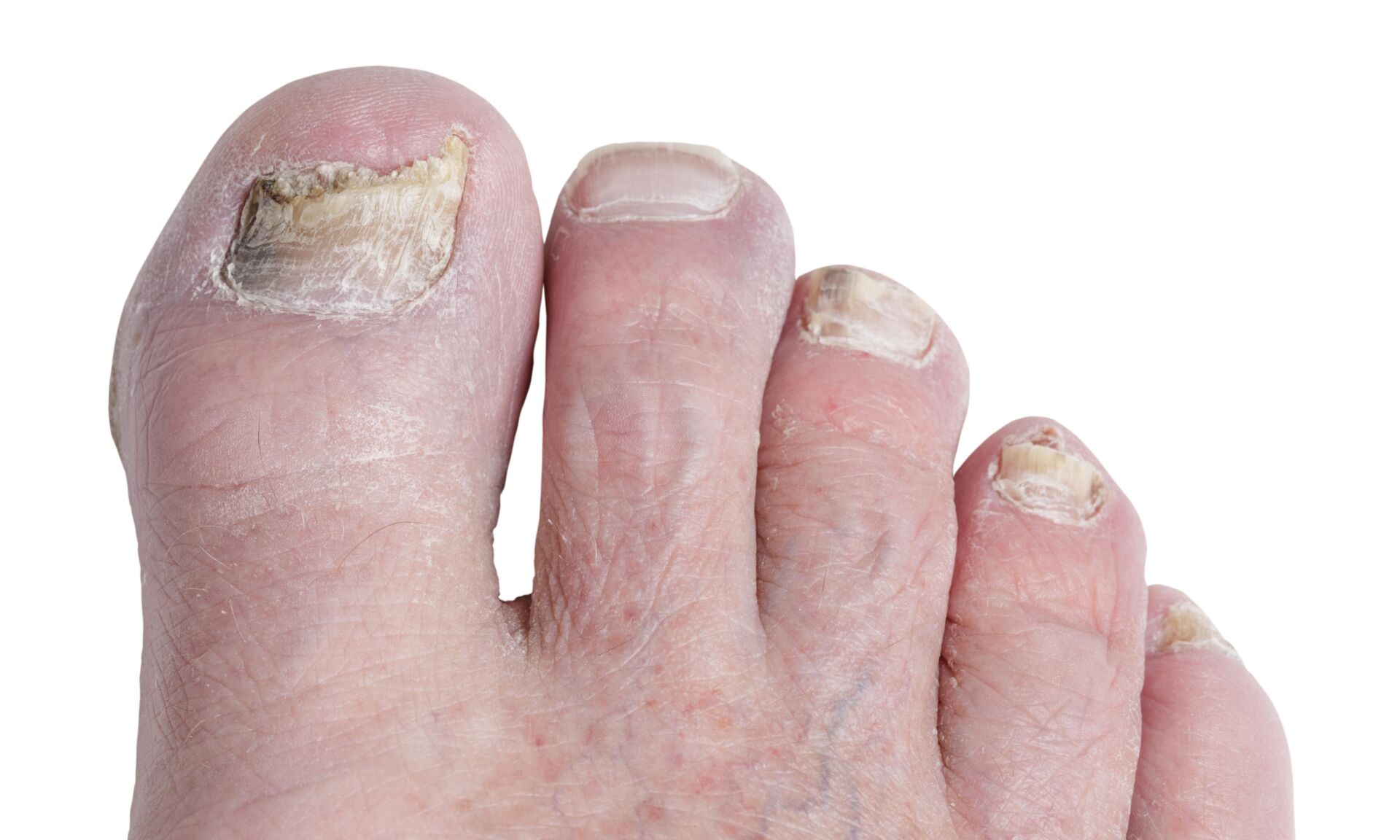
Toenail fungus (onychomycosis) is maddeningly stubborn. It thickens nails, turns them yellow or brown, makes them brittle and cracked. And it doesn’t just go away on its own.
Many readers told us they’ve been dealing with toenail fungus for years.
Why It’s So Hard to Treat
Your toenails are like armor. Fungi burrow underneath, where topical treatments can’t easily reach. And nails grow slowly—even if you kill the fungus today, it takes months for a healthy nail to grow out.
What May Help
Tea tree oil has mixed research for nails, but some studies found 100% tea tree oil helped toenail fungus as well as clotrimazole cream (a common antifungal).
How to use: Apply one drop of tea tree oil under the nail edge and on top of the nail nightly. You can dilute it if straight oil irritates your skin.
Oregano oil and clove oil: Mix a few drops into coconut or olive oil. Brush onto affected nails twice daily.
Weekly vinegar or Listerine soaks: Some people swear by soaking nails in diluted vinegar or Listerine. The antiseptic properties may help slow fungal growth.
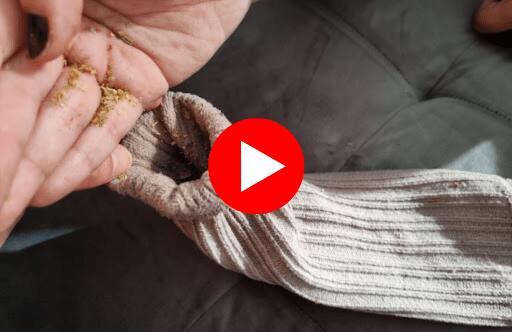
If you want something that works while you’re just going about your day, Nicole teaches a clever remedy inside The Lost Remedies Academy: a 3-herb antifungal powder you put directly in your socks.
You make it by combining three fungal-killing plants with a moisture-absorbent base, then sprinkle it in your socks each morning. The powder stays in contact with your toenails all day, slowly breaking down the fungus from the outside. People dealing with stubborn toenail fungus for years have told us this was the thing that finally worked.
Nicole walks you through the whole process on video: which herbs to use, how to grind them, how much to apply. See the video recipe here.
Prevention and daily care:
Keep nails trimmed short and file down rough edges. Always dry nails completely after showers and let them air out—fungus thrives in moisture. Wear breathable cotton socks and rotate shoes daily so they can dry between wears.
Never polish infected nails; polish traps moisture underneath and creates the perfect environment for fungus to spread. The dryer and more exposed your nails are to air, the less hospitable they become to fungal growth.
Vaginal Yeast Infections: The Recurring Nightmare
Vaginal candidiasis causes intense itching, burning, and thick white discharge. It’s miserable. And for many women, it keeps coming back.
Chronic yeast infections usually signal an imbalance: high sugar intake (yeast thrives on sugar), antibiotic use (kills good bacteria that keep yeast in check), stress and poor sleep (weakens immune function), tight synthetic underwear that traps moisture, or hormonal changes.
Tea tree oil + coconut oil suppositories: Soak a tampon in a mixture of 3 drops tea tree oil and 1 tablespoon melted coconut oil. Insert overnight. Both have antifungal properties.
Research found a garlic-thyme vaginal cream worked as well as clotrimazole (common OTC antifungal) for curing yeast infections.
Coconut oil alone: Apply inside or outside. Contains lauric and caprylic acids with antifungal effects. Soothes irritated tissue.
Probiotic yogurt: Plain yogurt with live cultures (or probiotic capsules inserted vaginally) can help restore beneficial bacteria. You can also eat it daily.
Garlic clove: Some women insert a peeled garlic clove wrapped in gauze briefly. Allicin can kill Candida locally. But don’t overdo it—garlic is potent and can irritate sensitive tissue.
Herbal rinses: Steep calendula or chamomile tea strong, let cool completely, and use as a gentle external rinse to soothe irritation.
The Most Powerful Natural Anti-Fungal
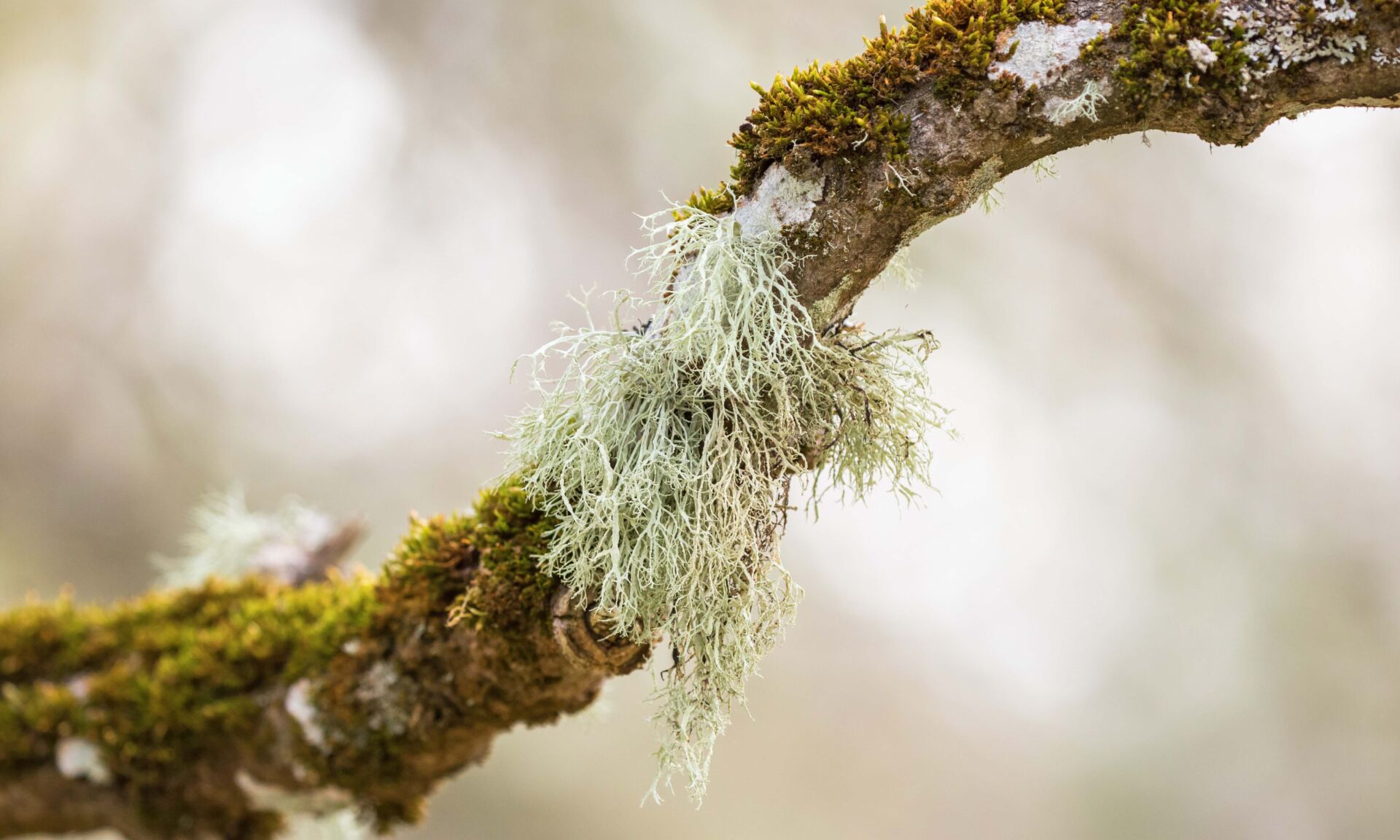
Herbalists turn to usnea (Old Man’s Beard lichen) as a powerful antimicrobial and antifungal.
Usnea contains usnic acid, which has demonstrated antibacterial and antifungal properties. It’s particularly useful for stubborn fungal infections—persistent athlete’s foot, toenail fungus, oral thrush, or vaginal candida.
How to use:
Spray usnea tincture on affected skin areas
Spray in mouth for oral thrush
Add to foot soaks for athlete’s foot
Some herbalists use diluted usnea rinses for vaginal yeast (with caution, it can be drying)
Usnea is typically used topically or as a short-term throat spray. It can be drying if taken internally for extended periods.
Cut refined carbs and added sugars. Candida feeds on sugar. A low-sugar diet plus daily probiotics can help “starve” excess yeast and crowd it out with beneficial bacteria.
When to See a Doctor
See a doctor if it’s your first yeast infection (get it properly diagnosed), if infections recur 4+ times per year, if you’re pregnant, if you have diabetes or immune issues, or if there are ulcers, sores, or fever. Chronic yeast infections need medical investigation, not just repeated antifungal creams.
Oral Thrush and Candida Overgrowth
Beyond vaginal yeast, Candida can overgrow in your mouth (thrush) or digestive tract, causing white patches in your mouth or on your tongue, chronic bloating and digestive issues, crushing fatigue, brain fog, and sugar cravings that feel out of control.
What May Help
Probiotics: Lactobacillus and Saccharomyces boulardii (a beneficial yeast) can suppress Candida in the intestines when taken daily.
Pau d’arco tea: This South American bark tea has mild antifungal compounds. Drink 1-2 cups daily.
Oregano leaf tea: Another gentle antifungal option.
Coconut oil or caprylic acid: Adding extra virgin coconut oil to meals may reduce gut candida colonies. Lab research shows promise here.
Turkey tail and reishi mushrooms: These medicinal mushrooms support gut immunity and have antifungal action. A 2024 review notes turkey tail extract has compounds that act against Candida albicans.
Many readers asked about Turkey Tail Tincture for immune support during candida cleanses. It works by supporting your gut’s immune function—helping your body naturally keep candida in check rather than trying to “kill” it with antifungals alone.
If you’re dealing with oral thrush or candida in your mouth, you want something that supports oral health without making things worse.
A lot of commercial mouthwashes are so harsh they actually damage gums and dry out your mouth, which can make fungal overgrowth worse, not better.
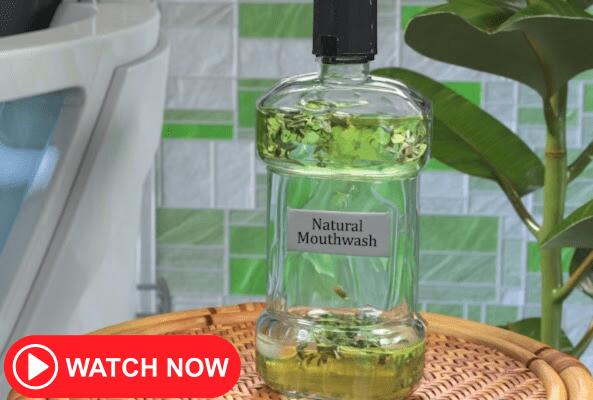
Nicole’s formulated a homemade herbal mouthwash for receding gums with herbs that pull harmful bacteria and fungus while supporting gum tissue. It contains compounds that help tighten loose gums, reduce inflammation, and create an environment where thrush struggles to survive. You swish it around once before breakfast and once before bed.
This is the kind of remedy you use when you want to address oral candida without stripping away the good bacteria your mouth needs. Learn how to make it yourself here.
The Gut-Healing Step Most People Skip
Here’s what most people miss: killing candida is only half the battle. If you don’t rebuild your gut barrier afterward, candida comes roaring back.
That’s where gut-healing herbs come in—slippery elm, marshmallow root, plantain, and medicinal mushrooms like reishi and lion’s mane. These herbs coat and repair damaged gut lining, support beneficial bacteria, and help your body resist reinfection.
Nicole’s Balanced Gut Tincture combines all of these in one formula. Readers dealing with candida overgrowth told us this was the missing piece—the remedy that kept candida from returning after they cleared it.
👉 Get Balanced Gut Tincture here – because clearing candida without healing your gut is like mopping with a dirty bucket.
Foods That Fight Fungus From the Inside
Don’t underestimate kitchen staples:
Garlic: Eat raw garlic daily. Allicin has powerful anti-Candida effects.
Turmeric: Mild antifungal and anti-inflammatory. Add to meals or golden milk.
Fiber-rich vegetables: Feed good bacteria, starve yeast of sugar.
Fermented foods: Sauerkraut, kimchi, yogurt—repopulate gut with beneficial bacteria.
Water: Flush toxins, support immune function.
Avoid: Refined sugar, white flour, alcohol—these feed fungus.
When to See a Doctor
See a doctor if you have spreading redness, pus, fever, recurring yeast infections (4+ times yearly), diabetes or immune issues, painful toenail fungus, or if home remedies haven’t helped after 2-4 weeks.
Natural remedies support healing, but they’re not cures. Use them promptly and consistently, and know when medical care is necessary.
The Anti-Fungal Protocols
If you’re dealing with recurring yeast infections or systemic candida overgrowth, the kind where you’ve tried everything and it just keeps coming back, you need more than isolated remedies. You need a protocol.
Dr. Nicole Apelian’s Holistic Guide to Wellness includes complete protocols for Candida Overgrowth, Yeast Infections, and Immune Support that tell you exactly what to do, when to do it, and for how long.
Each protocol breaks down:
Which herbs to take (and which to avoid)
What foods feed candida vs. starve it
How to rebuild gut flora after antifungal treatment
Daily routines — morning, afternoon, evening
How long to follow the plan before reassessing
Nicole managed her own autoimmune condition for over 20 years using protocols like these. No pharmaceuticals, just strategic herbal support and lifestyle changes that actually work.
If candida has been running your life and you’re tired of guessing what to do next, this is the book. Click here to see what’s inside.
The Bottom Line
Fungal infections aren’t minor inconveniences. They’re persistent, uncomfortable, and often signal deeper imbalances—gut health, immune function, diet, stress.
The remedies in this article may help:
Tea tree and oregano oil for athlete’s foot and toenails
Coconut oil, probiotics, and garlic for vaginal yeast
Turkey tail, reishi, and gut-healing herbs for candida overgrowth
Usnea for stubborn topical fungal infections
But remember:
Keep affected areas clean and dry
Don’t share towels or footwear
Cut sugar and refined carbs
Support gut health with fermented foods and probiotics
Strengthen immunity with rest, hydration, and nutrient-dense food
A strong, balanced body is the best defense against fungal overgrowth.
You asked for this article. You told us fungal infections were wearing you down, isolating you, making you feel stuck.
Now you have tools. Use them. Be patient. Be consistent. And don’t suffer in silence.
We use cookies to ensure that we give you the best experience on our website. If you continue to use this site, we will assume that you are happy with it.
Functional Always active
The technical storage or access is strictly necessary for the legitimate purpose of enabling the use of a specific service explicitly requested by the subscriber or user, or for the sole purpose of carrying out the transmission of a communication over an electronic communications network.
Preferences
The technical storage or access is necessary for the legitimate purpose of storing preferences that are not requested by the subscriber or user.
Statistics
The technical storage or access that is used exclusively for statistical purposes.The technical storage or access that is used exclusively for anonymous statistical purposes. Without a subpoena, voluntary compliance on the part of your Internet Service Provider, or additional records from a third party, information stored or retrieved for this purpose alone cannot usually be used to identify you.
Marketing
The technical storage or access is required to create user profiles to send advertising, or to track the user on a website or across several websites for similar marketing purposes.