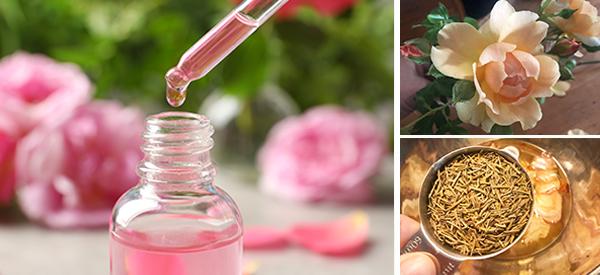
The short answer is yes. Lavender does repel mosquitoes. But the longer answer matters a great deal, because most people who try using lavender as a mosquito repellent do not use it in a way that works, and then conclude that it does not work at all.
The difference between a lavender plant sitting in a pot on your porch and a properly prepared lavender essential oil application on your skin is the difference between passive fragrance and active chemical defense. One provides almost no mosquito protection. The other provides measurable, documented repellent action. Understanding why that distinction exists requires a brief look at the chemistry of what lavender actually contains and how mosquitoes actually find their hosts.
This guide covers the research on lavender as a mosquito repellent, the compounds responsible for the effect, which forms of lavender are effective and which are not, how to use lavender correctly for insect protection, and where it fits relative to other plant-based repellents.
The Direct Answer: Yes, But With Important Conditions
Multiple laboratory and field studies have confirmed that lavender essential oil repels mosquitoes. A study published in the Journal of Vector Ecology found that lavender oil showed significant repellent activity against Aedes aegypti, the mosquito species that transmits dengue, Zika, and yellow fever, with protection times comparable to some low-concentration synthetic repellents.
A separate study from Malaria Journal evaluated lavender oil alongside several other essential oils for repellency against Anopheles gambiae mosquitoes, which are responsible for malaria transmission in sub-Saharan Africa. Lavender provided meaningful repellent activity but performed below lemon eucalyptus oil and some other essential oils tested in the same study.
The conditions under which lavender works as a repellent are specific: the oil must be present in sufficient concentration, it must be in direct contact with or very close to the skin surface, and it must be reapplied regularly because it evaporates. A lavender plant, no matter how fragrant, does not release enough volatile compound into the surrounding air to create a repellent barrier at typical outdoor distances. The compounds responsible for repellency are present in the plant, but they need to be concentrated and applied in order to be effective.
What Makes Lavender Work: The Active Compounds
Lavender (Lavandula angustifolia and related species) produces its repellent effect through a combination of volatile compounds in its essential oil. The primary contributors to mosquito repellency are linalool, linalyl acetate, camphor, and 1,8-cineole. Each works through slightly different mechanisms.
Linalool
Linalool is the dominant compound in true lavender oil, typically comprising 25 to 45 percent of the total oil depending on variety and growing conditions. It has been studied extensively for insecticidal and repellent properties and has demonstrated activity against multiple mosquito species, as well as against fleas, fruit flies, and several other insect pests. Its mechanism involves interference with the olfactory receptors that insects use to detect hosts, effectively masking the carbon dioxide, lactic acid, and skin volatile compounds that mosquitoes use to find you.
Linalyl acetate typically constitutes 25 to 40 percent of lavender essential oil and contributes to both the characteristic floral scent and the repellent activity. It has demonstrated repellent activity in laboratory studies and is considered a key component of the synergistic repellent effect of the full oil. Single isolated compounds rarely perform as well as the complete essential oil, which is why whole lavender oil tends to outperform linalool alone in comparative studies.
Camphor and 1,8-cineole
These compounds are present in smaller quantities in lavender oil but contribute meaningfully to its insect-repellent profile. Camphor has documented repellent and insecticidal activity, and 1,8-cineole (eucalyptol) is the same compound responsible for much of eucalyptus oil’s well-known insect repellency. Their presence in lavender oil means the plant is working through multiple chemical mechanisms simultaneously, which is part of why the complete oil is more effective than its primary components used alone.
Which Forms of Lavender Work and Which Do Not
Lavender essential oil: most effective
Properly concentrated lavender essential oil applied to the skin is the form with the strongest research support. For it to work as a repellent, concentration matters. Studies that show meaningful protection times typically use concentrations of 10 to 20 percent lavender essential oil in a carrier oil or lotion base. Products marketed as lavender-scented that contain small amounts of fragrance rather than significant concentrations of actual essential oil will not provide meaningful mosquito protection regardless of how strongly they smell.
Protection time with lavender essential oil at effective concentrations ranges from approximately 60 to 120 minutes in controlled studies, which is shorter than DEET-based repellents (4 to 8 hours) and comparable to some other plant-based alternatives at similar concentrations. This means reapplication every one to two hours is necessary for sustained protection in active mosquito conditions.
Lavender hydrosol: limited effectiveness
Lavender hydrosol is the water-based byproduct of essential oil steam distillation. It contains small amounts of lavender’s volatile compounds dissolved in water and has a mild lavender scent. The concentration of active repellent compounds in hydrosol is dramatically lower than in essential oil, which means it provides at best minimal and short-lived repellent effect. It is not an adequate substitute for essential oil in practical repellent applications.
Fresh lavender plants: minimal direct repellency
A growing lavender plant releases volatile compounds continuously, but at concentrations that are far too low to create a functional repellent zone in an outdoor setting. The idea that placing a lavender pot on your patio will keep mosquitoes away is a persistent myth that does not have research support. The plant’s compounds would need to be present at concentrations many orders of magnitude higher than any plant naturally produces to repel mosquitoes at distance.
Where a lavender plant does provide modest benefit is at very close range: brushing against the plant and bruising the leaves releases a burst of concentrated volatile oil that briefly deters insects in immediate contact with your skin or clothing. This is a real effect but a small and impractical one for broad mosquito protection.
Dried lavender sachets and bundles: primarily aromatic
Dried lavender retains some of its volatile oil content, and sachets placed in enclosed spaces like wardrobes and drawers have traditional use for deterring moths and some other fabric pests. In open outdoor settings, dried lavender provides no meaningful mosquito protection. Even in indoor settings, the effect is modest and functions primarily as a deterrent rather than a lethal or long-range repellent.
Lavender-based candles: negligible repellency
Lavender candles produce a pleasant scent but the concentrations of lavender compounds in the surrounding air are far below what is needed for mosquito repellency. Studies evaluating citronella candles, which are specifically designed and marketed as insect repellents, consistently find only minor and inconsistent repellent effects at close range. A lavender candle, which is not designed with insect repellency as a primary function, performs below even citronella candles in this comparison.
How to Use Lavender as a Mosquito Repellent
DIY lavender repellent spray
Ingredients: 30 drops of lavender essential oil, 30 drops of lemon eucalyptus essential oil (optional but significantly increases effectiveness), 1 tablespoon of witch hazel or rubbing alcohol, 2 tablespoons of water or aloe vera gel.
Method: combine the essential oils with the witch hazel in a small spray bottle and shake well. Add the water or aloe vera gel and shake again. Apply to exposed skin and clothing, avoiding eyes, mouth, and mucous membranes. Shake before each use as the mixture will separate. Reapply every 60 to 90 minutes in active mosquito conditions.
This formulation works better than lavender oil alone because lemon eucalyptus oil contains PMD (para-menthane-3,8-diol), which is recognized by the Centers for Disease Control and Prevention as an effective mosquito repellent and significantly extends the protection time of the blend beyond what lavender provides on its own.
DIY lavender repellent body oil
Ingredients: 2 tablespoons of carrier oil (coconut, jojoba, or almond oil), 20 drops of lavender essential oil, 10 drops of lemon eucalyptus essential oil, 5 drops of peppermint essential oil.
Method: combine in a small dark glass bottle. Shake well before use. Apply a small amount to exposed skin and massage in. The carrier oil slows evaporation of the volatile compounds compared to a water or alcohol spray, which extends protection time somewhat. Suitable for sensitive skin and children over two years of age when used at these dilution ratios.
Lavender-infused clothing treatment
Add 10 drops of lavender essential oil to a small spray bottle with water. Lightly mist clothing before going outdoors. The oil adheres to fabric and remains active longer than skin applications because fabric does not absorb the oil the way skin does. This is most effective as a supplemental measure combined with a skin application rather than as a standalone approach.
How Lavender Compares to Other Plant-Based Repellents
Placing lavender in context relative to other botanical repellents helps set realistic expectations for how to use it and when to combine it with other options.
Lemon eucalyptus oil
Oil of lemon eucalyptus (Eucalyptus citriodora) and its refined form PMD have the strongest research support of any plant-based mosquito repellent. The CDC recommends it as an effective alternative to DEET for preventing bites from mosquitoes carrying Zika, dengue, and West Nile virus. It provides significantly longer protection times than lavender oil alone, typically 2 to 4 hours, and performs closer to low-concentration DEET products in head-to-head comparisons. Combining lavender with lemon eucalyptus oil is one of the most practical approaches for a botanical repellent blend.
Citronella
Citronella oil is the most widely used plant-based mosquito repellent and is found in most commercially available natural repellent products. It has comparable protection times to lavender at similar concentrations: 60 to 120 minutes in most studies. Its mechanism is similar, masking host-detection cues rather than directly harming insects. Citronella and lavender are often combined in natural repellent formulations because their compound profiles are complementary and together they cover a broader range of repellent mechanisms than either provides alone.
Peppermint and spearmint oils
Mint family oils, particularly peppermint, have demonstrated repellent activity against multiple mosquito species in laboratory studies. Peppermint oil also has insecticidal activity against larvae. It evaporates quickly, which limits protection time, but its intensity at the point of application provides a useful burst of protection. Including a small amount of peppermint in a lavender-based repellent blend adds both effectiveness and a cooling sensation that many people find pleasant in warm weather.
DEET comparison
DEET (N,N-diethyl-meta-toluamide) remains the most thoroughly studied and most reliably effective mosquito repellent available. A 25 percent DEET formulation provides 5 to 7 hours of protection in most conditions. Lavender oil at effective concentrations provides 1 to 2 hours. For casual outdoor use in low-to-moderate mosquito conditions, lavender-based repellents are adequate and many people reasonably prefer them because of their natural origin and skin-friendly profile. For high-mosquito-pressure conditions, extended outdoor time, or in areas where mosquito-borne disease is a genuine risk, the protection time advantage of DEET is significant.
Growing Lavender for Repellent Use
For anyone who wants to grow their own lavender for repellent preparations rather than purchasing essential oil, a few practical notes on growing for maximum oil content:
Choose high-oil varieties. Lavandula angustifolia (true or English lavender) has the highest linalool content and the strongest repellent profile. Lavandin (Lavandula x intermedia) is more commonly grown commercially because it yields more oil per plant, but its compound profile differs and its repellent activity is slightly lower than true lavender
Harvest at peak bloom. Essential oil content is highest when approximately half to two-thirds of the flower spikes on a plant are open. Harvest in the morning after dew has dried. Oil content drops after full bloom as the plant shifts energy from oil production to seed set
Dry correctly. Hang bundles upside down in a warm, dark, ventilated space. Avoid direct sunlight and temperatures above 100 degrees Fahrenheit, which drive off volatile oils. Dried lavender retains a portion of its oil content for 12 to 18 months when stored in an airtight glass container
For essential oil extraction, steam distillation is required to produce concentrated oil. This requires dedicated distillation equipment and a significant quantity of plant material: approximately 150 pounds of fresh lavender flowers produce one pound of essential oil. Home distillation is possible with a small still but the yield economics favor purchasing oil for repellent use unless distillation is a broader interest
Lavender’s value as an insect repellent is one facet of a broad medicinal and practical profile. When you apply a lavender-based repellent, you are also benefiting from several of lavender’s other well-documented properties:
Skin soothing: lavender essential oil has anti-inflammatory properties that make it particularly useful as a post-bite treatment as well as a pre-bite repellent. Applied to insect bites and minor stings, it reduces inflammation, itching, and redness. This dual function makes lavender uniquely practical in a single preparation that prevents bites and treats the ones that get through
Antimicrobial: lavender oil has documented antibacterial activity that is relevant in a repellent preparation applied to skin that will be sweating and in contact with outdoor surfaces. It reduces the risk of skin infections from minor abrasions that can occur during outdoor activity
Anxiety and stress reduction: the inhalation of linalool has demonstrated anxiolytic effects in multiple studies, with evidence suggesting it modulates GABA-A receptors in a mechanism similar to benzodiazepines but without pharmacological potency. A lavender repellent that you are inhaling while wearing outdoors provides a mild calming effect alongside its insect-deterrent function
Safety and Precautions
Always dilute lavender essential oil before skin application. Undiluted application can cause skin sensitization and contact dermatitis in some individuals. A 2 to 5 percent dilution in carrier oil is appropriate for most adults
Perform a patch test before broad application if you have not used lavender oil on skin before. Apply a small amount of diluted oil to the inner forearm and wait 24 hours
Oil of lemon eucalyptus and PMD-containing products should not be used on children under three years of age. Lavender oil at appropriate dilutions is generally considered safe for children over two
Do not apply any essential oil near the eyes, mouth, or nasal passages. Avoid application to damaged or irritated skin
Some individuals have documented allergies to lavender. If you are sensitive to other members of the Lamiaceae (mint) family, approach lavender oil with caution and start with a patch test
Lavender oil applied at repellent concentrations should not be used undiluted on cats, as cats lack the liver enzymes to metabolize many terpene compounds and can be harmed by essential oil exposure
The Amish Used Plants Like Lavender Long Before Chemical Sprays Existed
Long before store-bought bug sprays and synthetic repellents became common, Amish households relied on practical plant knowledge to manage insects naturally around gardens, porches, livestock areas, and homes.
Lavender, mint, wormwood, tansy, cedar, and dozens of other plants were used not because they were trendy, but because generations observed what actually worked in real-world rural life.
Inside The Amish Ways, you’ll discover old-fashioned homestead knowledge that most modern households have completely lost: natural pest deterrents, traditional gardening methods, food preservation skills, off-grid solutions, herbal practices, and practical systems designed to reduce dependence on expensive products and outside services.
These are the kinds of skills that helped families maintain homes and farms for generations with far fewer chemicals, far less waste, and far more self-reliance.
If you enjoy learning practical old-world knowledge like this, you’ll probably love what’s inside.
Lavender repels mosquitoes. The research is clear on this point. But the research is equally clear that the form and concentration matter enormously. A lavender plant on your porch is not a mosquito repellent. A properly prepared lavender essential oil application at 10 to 20 percent concentration in a carrier or spray base is.
For mild mosquito conditions and casual outdoor use, a lavender-based DIY repellent is a practical, effective, and pleasant-smelling alternative to synthetic products. For high-pressure mosquito conditions, high-risk areas where mosquito-borne disease is a genuine concern, or extended outdoor time, combine lavender with lemon eucalyptus oil for significantly improved protection time, or use a conventional repellent for the duration.
Lavender has been planted around homes and outdoor spaces for centuries partly because people observed that it reduced insect pressure. That observation was correct. The science now explains why. Using it correctly is the step that turns a pleasant garden plant into a functional tool.
We use cookies to ensure that we give you the best experience on our website. If you continue to use this site, we will assume that you are happy with it.
Functional Always active
The technical storage or access is strictly necessary for the legitimate purpose of enabling the use of a specific service explicitly requested by the subscriber or user, or for the sole purpose of carrying out the transmission of a communication over an electronic communications network.
Preferences
The technical storage or access is necessary for the legitimate purpose of storing preferences that are not requested by the subscriber or user.
Statistics
The technical storage or access that is used exclusively for statistical purposes.The technical storage or access that is used exclusively for anonymous statistical purposes. Without a subpoena, voluntary compliance on the part of your Internet Service Provider, or additional records from a third party, information stored or retrieved for this purpose alone cannot usually be used to identify you.
Marketing
The technical storage or access is required to create user profiles to send advertising, or to track the user on a website or across several websites for similar marketing purposes.