

Put This on Your Warts To Make Them Fall Off
Nobody enjoys unexpected bumps on their skin. Those rough little spots on your hands, feet, or fingers are usually common warts caused by human papillomavirus (HPV). Most are harmless and can even disappear on their own given time.
But “eventually” can feel like forever when you’ve got a rough bump on your finger that catches on everything, or a plantar wart on your foot that feels like walking on a pebble. Warts are stubborn. They spread by touch—sharing towels, shaking hands, walking barefoot in locker rooms. And they can linger for months or even years.
Here’s the good news: nature has a centuries-old trick that can make them fall off. Let me show you what actually works.
What Are Warts (Really)?
Warts are benign (non-cancerous) skin growths caused by HPV infections. There are lots of HPV strains—only some cause warts on hands, fingers, or feet. Once the virus takes hold, it makes the top layer of your skin grow faster. The result is that familiar rough bump, often with tiny black dots (those are just little clotted blood vessels).
In most cases, your immune system can clear it out. Most warts eventually vanish on their own, often within a couple of years. But many linger for months or years, annoying you, embarrassing you, sometimes itching or bleeding. Plantar warts on the bottom of your foot can hurt with every step.
That’s why people reach for treatments—over-the-counter acids, freezing sprays, or doctor’s removal—to speed things up. 
Why Your Skin Health Matters More Than You Think
Your skin isn’t just a wrapper—it’s your body’s first line of defense. It’s your largest organ, constantly working to keep bacteria, viruses, and toxins out while regulating temperature and healing wounds.
When your skin is healthy, it fights off infections like HPV more effectively. When it’s compromised—dry, cracked, damaged, or weakened by poor nutrition or chronic stress—viruses can take hold more easily. That’s why some people get warts that disappear quickly, while others struggle with them for years.
Related: DIY Herbal Smoking Blend
As we age, skin becomes thinner and more fragile. It heals slower. The immune response that patrols your skin looking for invaders becomes less aggressive. This is why older adults often notice more skin issues—warts, tags, spots, slow-healing wounds—than they did when younger.
Supporting your skin means supporting your immune system. And that starts from the inside.
You need a place to start, and I’ll give you the most comprehensive book that has an entire shelf dedicated to skin problems and wounds.
One recipe that’s directly relevant here is the Wart “Freezing” Spray — Thuja occidentalis essential oil, witch hazel, and distilled water in a small spray bottle. Apply it directly to the wart once or twice a day.
Thuja has been used specifically for viral skin issues for centuries, and the recipe takes five minutes.
But that’s just one of them. The skin shelf alone covers wound care, drawing salves, antiseptic balms, and more — all with step-by-step instructions and color photos.
What Weakens Your Skin’s Defenses
Several factors make your skin more vulnerable to warts and other viral infections:
Poor circulation: When blood flow to your skin decreases, it gets less oxygen and fewer immune cells. Diabetes, smoking, and sedentary lifestyle all reduce circulation.
Nutrient deficiencies: Your skin needs vitamin C for collagen, zinc for wound healing, and vitamin A for skin cell turnover. Without these, your skin can’t repair itself properly.
Chronic stress: Stress hormones suppress your immune system, including the immune cells in your skin. This makes it easier for viruses like HPV to establish infections.
Speaking of protecting your skin barrier — this is the salve I always have on hand. Clean, simple ingredients, works on almost anything.
Dehydration: Dry skin cracks more easily, creating entry points for viruses and bacteria.
Damage: Cuts, scrapes, picking at hangnails, biting nails—all create opportunities for HPV to get in. Warts often show up at sites of minor skin trauma.
The good news? Many of these factors are within your control.
Why Your Immune System Is the Real Wart Problem
Here’s something most people don’t think about: warts are caused by HPV. And HPV is a virus. Which means your immune system is ultimately what decides whether a wart stays or goes.
Some people get a wart and it disappears in a few weeks. Others have the same wart for two years. Same virus — completely different outcomes. The difference is almost always immune response.
There’s a study published in the International Journal of Medicinal Mushrooms that looked at women with HPV. One group took a combination of turkey tail and reishi mushrooms. About 88% of them saw improved viral clearance. The control group? Much lower.
Turkey tail doesn’t kill the virus directly. It helps your immune system recognize and respond to it better. And since that’s exactly what clears HPV — and the warts that come with it — this is worth paying attention to.
So if you’ve had a wart that just won’t budge, the question isn’t just what you’re putting on it. It’s whether your immune system has what it needs to finish the job.
You can absolutely make a turkey tail tincture yourself — dried turkey tail mushrooms aren’t hard to find, and the extraction process is straightforward.
The tricky part is that turkey tail needs a dual extraction — both water and alcohol — to pull out all the active compounds. Skip one and you’re leaving most of the benefit behind. A lot of homemade versions only do one.
Then there’s sourcing quality mushrooms that were actually grown and dried properly, which makes more difference than most people realize.
If you’d rather just have it ready to go, Nicole also made a Turkey Tail Mushroom Tincture that’s already dual-extracted and properly concentrated.
It’s the one I reach for personally, not because making it yourself isn’t worth it, but because consistency matters when you’re actually trying to support your immune system over time, and a ready-made tincture removes all the guesswork.
You can find it here → Turkey Tail Mushroom Tincture. 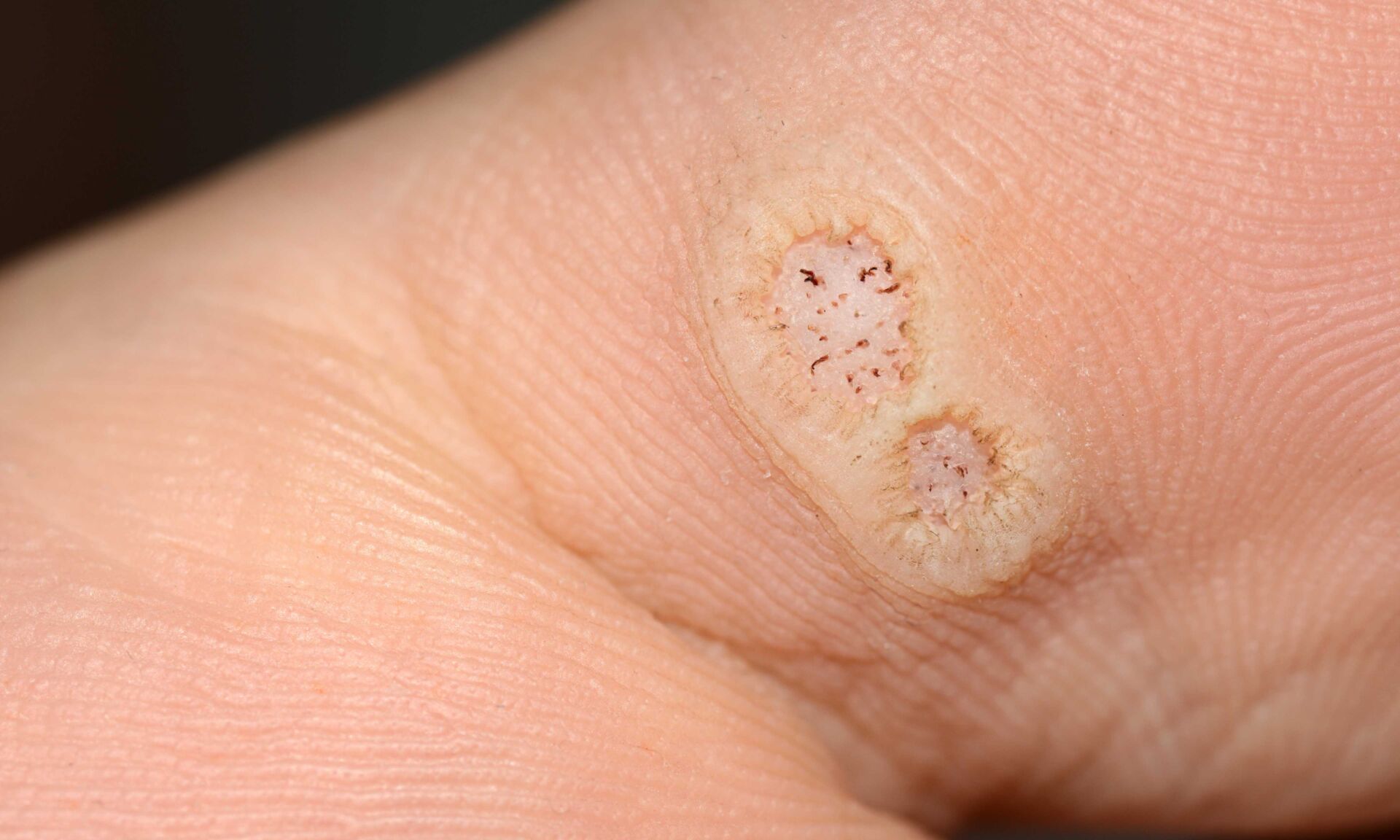
Simple Ways to Support Skin Health
You don’t need expensive creams or complicated routines. Here’s what actually matters:
Stay hydrated. Drink enough water that your urine is pale yellow. Dehydrated skin is compromised skin.
Eat your vitamins. Dark leafy greens, citrus fruits, nuts, seeds, and colorful vegetables provide the nutrients your skin needs to heal and defend itself.
Protect your hands. Wear gloves when gardening, cleaning, or doing work that damages your skin. HPV spreads through tiny breaks in the skin—preventing those breaks prevents warts.
Don’t share towels or shoes. Warts spread through direct contact. Using someone else’s towel or walking barefoot in public showers increases your risk.
Boost your immune system. The same herbs that support overall immunity—like elderberry, echinacea, and medicinal mushrooms—help your body fight off skin viruses too.
Elderberry gets a mention here because it genuinely earns it. It’s one of the most studied herbs for immune support, and Nicole’s Elderberry Tincture is the version I’d point you to. Properly extracted, ready to use, none of the guesswork of making your own.
Moisturize dry skin. Especially in winter or if you wash your hands frequently. Intact skin is harder for viruses to penetrate.
Grandma’s Wart Trick: Greater Celandine
Before modern drugs, herbalists turned to plants. One in particular stood out: greater celandine (Chelidonium majus). This is a Eurasian wildflower with bright yellow poppy-like flowers and grey-green leaves. Every part of the plant oozes an orange-yellow sap when broken.
Folk healers across Europe and Asia have used that milky latex for centuries, applying it directly to warts, and many say the warts quickly “drop off.”
Herbal tradition calls celandine a valuable remedy for topical wart removal. Anecdotally, people have found that pressing a cut stem against a wart once or twice daily causes it to soften, peel, and eventually vanish. 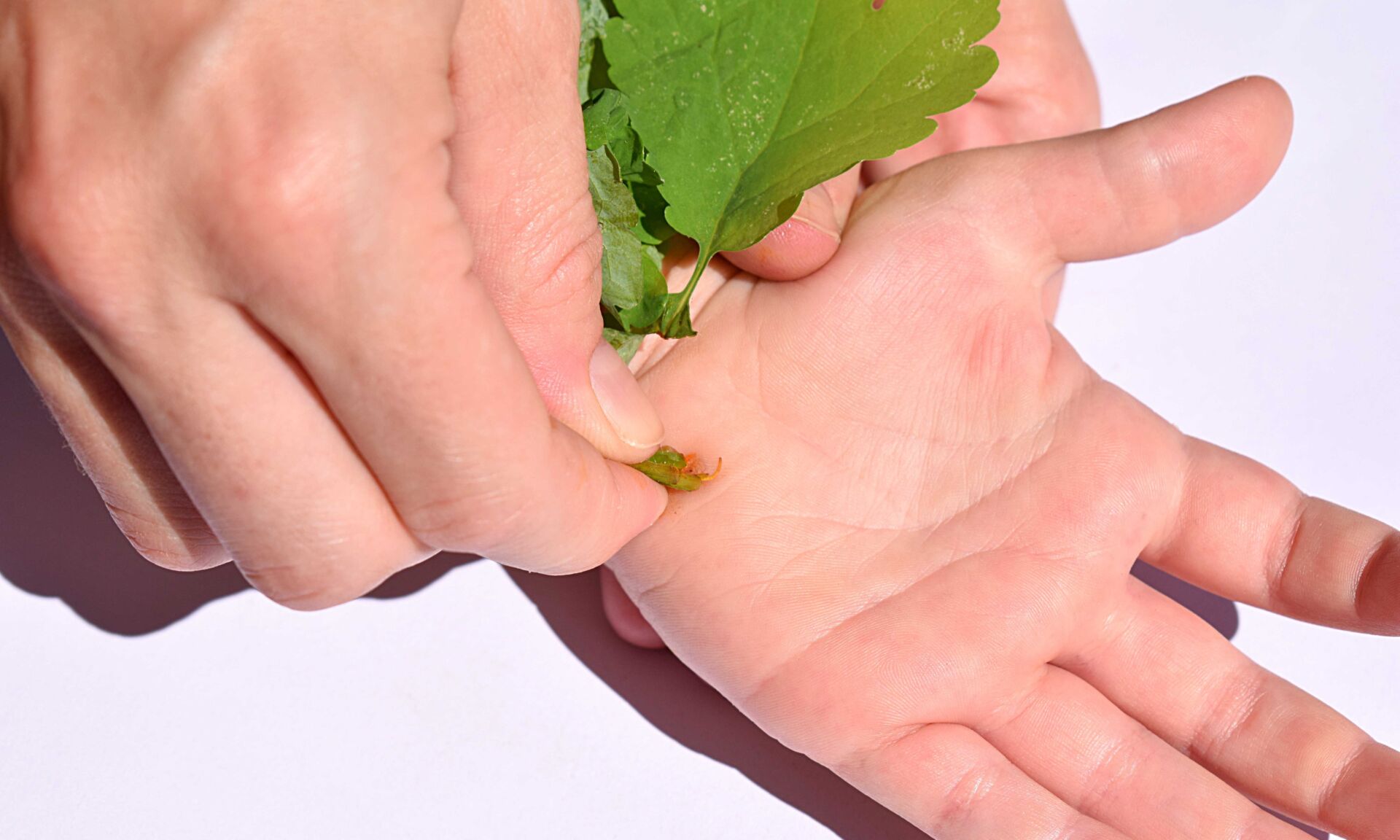
How to Use It
Pick a fresh leaf or stem of greater celandine (it grows as a common weed in gardens and wooded areas). Wash the wart and surrounding skin. Cut or pinch the plant to release some sap. Apply the yellow-orange sap directly onto the wart, once or twice a day, and let it dry in place. You can cover it loosely with a bandage if you like.
Repeat daily. Within days to weeks, the wart should gradually shrink and may blacken and fall off—just like many folk accounts describe.
The Science Behind It
It sounds like old magic, but modern research gives us clues. Laboratory studies show that celandine’s sap is packed with active alkaloids (chelidonine, chelerythrine, and sanguinarine) which have strong bioactive effects.
Test-tube experiments found that these compounds can disable HPV viruses in skin cells—reducing the virus’s infectivity and switching off its growth genes. That suggests celandine sap doesn’t just “burn” the wart; it may actually interrupt the virus deep down.
There are even reports from Russia and China where practitioners used celandine tincture on warts with good results. Research concluded that components of greater celandine acted on HPV in multiple ways. These are laboratory findings, not large clinical trials, but they echo centuries of success stories.
The thing about celandine is that it grows abundantly across Europe and Asia — but if you’re in the US, it’s actually naturalized here too, especially in the Northeast and Midwest. The problem is most people wouldn’t recognize it if they walked past it.
That’s exactly what the Lost Remedies Academy is built around. Dr. Nicole Apelian teaches you to identify the medicinal plants growing in your specific area — including the ones most Americans step on without a second thought.
For every European plant like celandine, there are North American natives with similar properties growing right outside your door. She shows you both: what to look for, how to tell them from lookalikes, and how to turn them into remedies.
If you want to be able to walk outside and actually know what you’re looking at, this is where that starts. 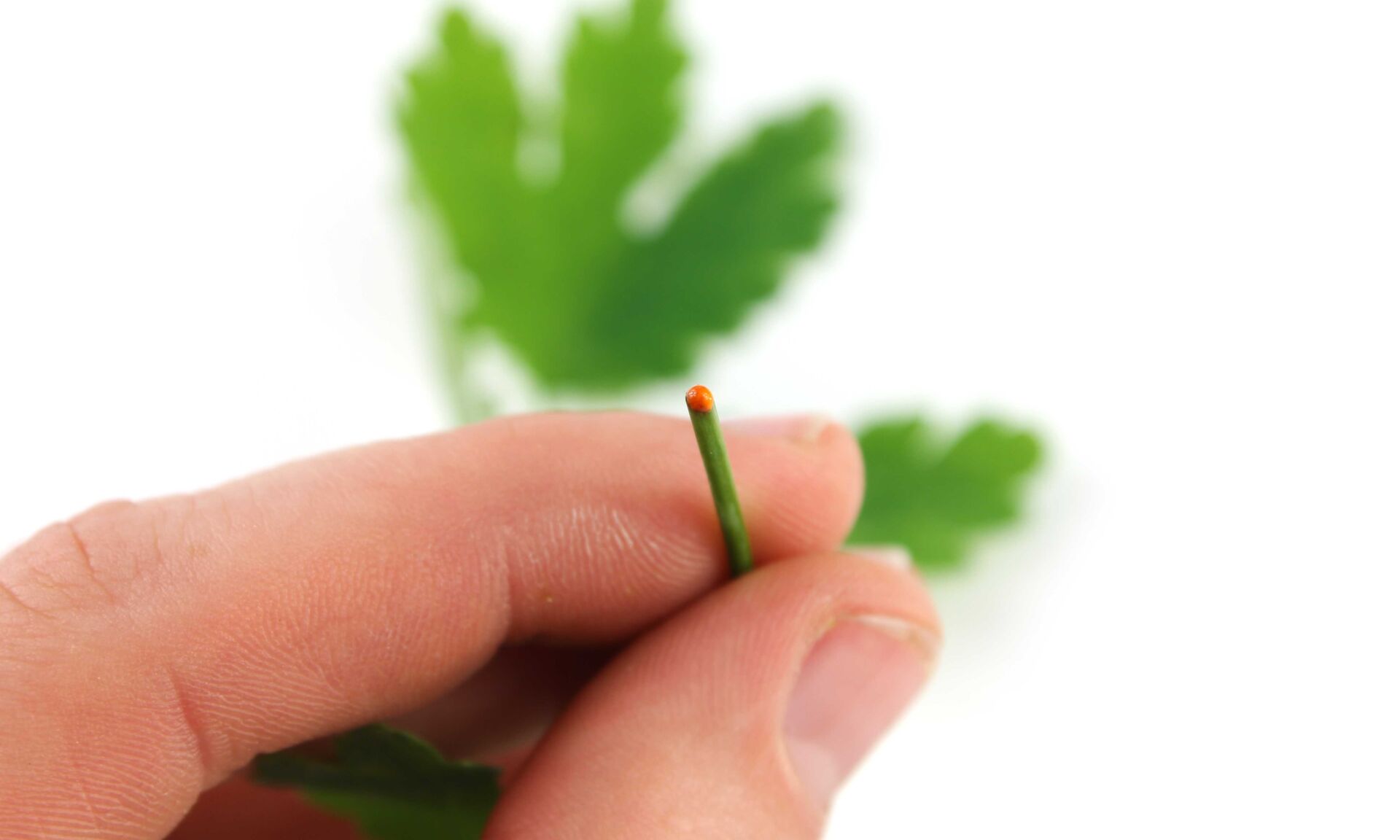
When Skin Changes Need Medical Attention
Most warts are harmless, but see a doctor if a wart bleeds easily, changes color, or if many appear suddenly. Warts on your face, genitals, or feet (if you have diabetes) need medical attention. Any irregular, multicolored, or fast-growing bump should be checked—skin cancer can look like a wart.
Your skin tells you what’s happening inside your body. Don’t ignore persistent issues.
Safety Notes
Keep the sap off healthy skin, eyes, mouth, and especially do not swallow it. Topical use is generally fine—one case noted only mild itching—but greater celandine taken by mouth has been linked to liver toxicity.
Only use the sap on small warts in adults, and stop if you get strong burning or rash. Avoid in pregnancy, breastfeeding, or in young children. Treat it like a powerful herbal remedy—potent on the wart, but use carefully.
The Bottom Line
Celandine isn’t FDA-approved, so it comes with less guarantee than commercial treatments. But it’s cheap, simple, and time-tested. Combined with patience and good skin health practices, it can be surprisingly effective.
Remember, your immune system usually clears warts eventually anyway. But while you’re waiting, this natural remedy could give your body the extra nudge it needs. Support your skin from the inside with good nutrition, hydration, and immune-boosting herbs. Protect it from the outside by avoiding damage and keeping it moisturized.
If you want a complete roadmap rather than individual remedies, the Holistic Guide to Wellness by Dr. Nicole Apelian is worth having on your shelf. It covers 45 day-by-day protocols — a few that are directly relevant to what we covered here:
- Flu, Viral, and Immune Protocol
- Bacterial and Fungal Infection Protocols
- Psoriasis and Eczema Protocol
- Anxiety and Stress Protocol
Each one tells you exactly what to do morning to evening, every day of the week. No guessing. Find it here
Science and tradition both tip their hats to the little celandine flower. Your skin—and your immune system—might thank you for giving it a try.
You may also like: 
The ‘Nerve Oil’ You Should Use For Shaky Hands
Herbal Bug Repellent Spray (Video)
Parasites 101: Signs, Dangers & Natural Remedies That Actually Work
The Mushroom That Can Regrow Brain Tissue
🌿 Join Our Private Herbal Community For Free. 👉 Click here!
Disclaimer: This article is for educational purposes only and does not provide medical advice. These remedies are not intended to diagnose, treat, cure, or prevent any disease. If you have concerns about a skin growth, persistent warts, or unusual changes, consult your healthcare provider. Do not ingest greater celandine—topical use only.
It works!
This article focuses on warts but I’m wondering if it will eliminate skin tags.
I had good success using DMSO on a large skin tag I had on my face. Dabbed it with DMSO twice a day. Took a couple of months but it mostly disappeared.