
Homemade Advil Salve
Aches and pains bother even the healthiest people, leaving many to reach for over-the-counter solutions. Some of the most popular OTC medications promise to eliminate headaches, joint pain, muscle aches, and other pesky problems. These medications may work, but they can cause severe damage in the long term, particularly for those with liver problems. What if there was a natural alternative that could reduce pain without causing a myriad of other symptoms? Enter Nature’s Advil, featuring the power of arnica and essential oils.
Arnica is a potent staple in traditional European and Ayurvedic herbal practice, valued for centuries for its ability to reduce pain and inflammation. But unlike most herbal remedies that remain in the realm of folk knowledge, arnica has a reasonably well-understood biochemical profile that explains why it works and how it compares to conventional pain relievers.
The primary active compounds in arnica are sesquiterpene lactones, the most significant of which is helenalin. Helenalin is the molecule most responsible for arnica’s anti-inflammatory action. It works by inhibiting the activation of NF-kB, a protein complex that functions as a master switch for inflammatory gene expression in the body. When NF-kB is activated, it triggers the production of pro-inflammatory cytokines, the signaling molecules that drive swelling, redness, heat, and pain in injured tissue. By blocking NF-kB activation, helenalin interrupts the inflammatory cascade at a fundamental level rather than simply masking its symptoms.
This is a meaningfully different mechanism from how NSAIDs work. NSAIDs block the COX-1 and COX-2 enzymes that produce prostaglandins, which are one downstream component of the inflammatory response. Arnica’s helenalin acts further upstream, at the level of inflammatory gene regulation, which partly explains why arnica preparations tend to affect a broader range of inflammatory markers rather than targeting prostaglandins alone.
Related: DIY Herbal Outlander Salve
Arnica also contains flavonoids including quercetin and kaempferol, both of which have independent anti-inflammatory and antioxidant activity. Thymol derivatives in arnica have mild antimicrobial properties that are relevant when the salve is applied to bruised or irritated skin. Carotenoids contribute to tissue repair by supporting cell membrane integrity in damaged tissue.
When applied topically, these compounds penetrate the skin and reach underlying tissue, including muscle and joint structures, where they exert their anti-inflammatory effects locally without entering systemic circulation in significant amounts. This is the key safety advantage over oral NSAIDs: arnica’s therapeutic action is local rather than systemic, which means it does not expose your stomach lining, liver, or kidneys to the compound load that oral medications impose.
Related: How to Make Black Drawing Salve for Boils, Wounds and Tick Bites
In this post, we’ll discuss how over-the-counter pain relievers work and learn how to make an easy arnica salve that also incorporates fragrant lavender. This remedy brings together some of the best nature offers and will give you long-lasting, deep benefits.
Get ready to ditch your traditional painkillers and step into nature’s bountiful healing remedies.
What the Research Actually Shows
Arnica has been studied in clinical settings with enough consistency to draw some meaningful conclusions. Here is what the evidence actually shows, without overstating it.
- Bruising and post-surgical swelling. The strongest clinical evidence for topical arnica is in the area of bruising and localized swelling following trauma or surgery. A randomized controlled trial published in the Archives of Facial Plastic Surgery found that topical arnica gel applied after rhinoplasty significantly reduced bruising and swelling compared to placebo. A separate study in the journal Aesthetic Surgery Journal found similar results following laser treatments. The mechanism aligns with what we know about helenalin’s effect on inflammatory cytokines and its ability to support reabsorption of blood pooled under the skin. You can review the research at the National Center for Biotechnology Information via the link at the end of this section.
- Osteoarthritis and joint pain. Several trials have examined topical arnica against conventional treatments for osteoarthritis of the hand and knee. A notable study published in Rheumatology International compared arnica gel to ibuprofen gel in patients with osteoarthritis of the hands. Participants used either treatment for three weeks and were assessed for pain, stiffness, and grip strength. The arnica gel performed comparably to the ibuprofen gel on all primary outcome measures, with a similar side effect profile, meaning topical arnica was as effective as topical ibuprofen for this application with no additional risk. The full study is available through the National Library of Medicine at this link: https://pubmed.ncbi.nlm.nih.gov/17671809/
- Muscle soreness after exercise. A double-blind placebo-controlled trial published in the European Journal of Sport Science examined the effect of topical arnica on delayed onset muscle soreness following intense exercise. Participants who applied arnica gel after exercise reported significantly reduced soreness and showed lower inflammatory markers compared to the placebo group. This supports the use of arnica salve for the kind of muscle pain that follows physical labor, exercise, or overexertion. The study abstract is available through PubMed at this link: https://pubmed.ncbi.nlm.nih.gov/23527381/
- Carpal tunnel and hand pain. A study in Complementary Medicine Research examined topical arnica in patients with mild to moderate carpal tunnel syndrome and found meaningful reduction in pain and functional impairment compared to baseline, with good tolerability. This suggests potential utility beyond the most commonly cited applications. Research reference available at: https://pubmed.ncbi.nlm.nih.gov/23615590/
- What the research does not show. It is worth being clear about the limits of the evidence. Most arnica studies are small to medium in scale. The evidence is strongest for topical application and essentially nonexistent for internal use, which carries serious toxicity risks covered in the safety section below. Arnica has not been studied as a replacement for strong pharmaceutical pain management in severe acute pain scenarios, and it should not be positioned as one. The evidence supports arnica as a genuinely effective option for mild to moderate musculoskeletal pain, bruising, and inflammation, comparable to topical NSAIDs in several studies, with a favorable local safety profile.
The Problem With Traditional Painkillers
Most of us don’t think twice about heading to the grocery store and grabbing a bottle of pain relievers. These little pills can relieve pain, but they do so at a hefty price… and we’re not talking fiscal. If you’re choosing this route of pain relief, it’s important that you understand what you’re getting into.
NSAIDs (nonsteroidal anti-inflammatory drugs) include ibuprofen and aspirin, which sell more than a billion tablets each year. Many buyers store bottles in their medicine cabinets, work desks, and purses!
We can only estimate that those with chronic pain and inflammation make up the primary market. With prolonged use, NSAIDs expose the stomach lining to toxins, leading to ulcers, stomach bleeding, and digestive symptoms.
Over time, this disrupts your gut health, causing inflammation and pain – in other words, an endless cycle designed to keep you purchasing more NSAIDs. Acetaminophen is among the worst offenders, overloading the liver with toxicity that leads to permanent damage.
Acetaminophen is the second cause of liver transplants, with many unaware of the damage they’re causing.
We’ve all reached for painkillers in a moment of desperation. But what if that quick fix is quietly causing long-term damage? Beyond ulcers and liver toxicity, many of these pills wreak havoc on your body in ways you might never realize until it’s too late. Why risk it when nature offers safer, time-tested alternatives?
One of the most powerful remedies I learned how to make recently is called Painkiller in a Jar—a natural solution made from wild lettuce, often referred to as “nature’s opium.” Unlike pharmaceuticals, this remedy targets pain without harmful side effects.

The Efficacy of Conventional Pain Relievers
Despite their hidden dangers, it’s undeniable that conventional pain relievers work—especially for minor ailments. But they never get to the root of the issue.
When you experience pain, it’s because your nerves send a signal to your brain, which causes your body to be on alert. This is partially due to prostaglandins that are produced when you get hurt or fall ill.
NSAIDs block a particular enzyme responsible for creating prostaglandins, leading to decreased or entirely diminished pain levels. This is only a temporary fix, and often, the pain returns stronger than ever.
Other pain relievers block enzymes in the brain, stunting its ability to send pain signals through the body. Simply put, NSAIDs merely mask the problem, and over time, your tolerance to them decreases, making it easier to overdose.
I didn’t always know all this, though. In fact, there was a time when I relied on those very pills, never questioning what they were really doing to my body. It wasn’t until I started exploring alternative health solutions that everything began to click. One guide in particular, The Holistic Guide to Wellness, completely shifted how I approach my health.
This guide opened my eyes to how our bodies work and how nature can be a far safer, more effective option. It’s almost funny now—my friends call me the “health guru” because I’m always sharing remedies and tips I’ve learned.
But honestly, I just wish I’d known all this sooner. It’s the kind of knowledge that changes how you live, maybe even how long you live. If I’d had this wisdom earlier, I would’ve been able to avoid so much unnecessary pain and start living a fuller, healthier life years ago. You can check it out here.
What This Salve Is and Is Not Right For
Before you make and use this remedy, it is worth being specific about where it fits and where it does not, because arnica salve used in the right context is genuinely effective, and used in the wrong context it will disappoint or in some cases cause harm.
Where arnica salve is well-suited:
Bruises at any stage of healing, particularly fresh bruises where topical application in the first hours after injury has the most impact on reducing blood pooling and subsequent discoloration.
Muscle soreness from exercise, physical labor, or overexertion, including the delayed onset muscle soreness that peaks 24 to 48 hours after strenuous activity.
Mild to moderate joint pain from osteoarthritis, particularly in the hands, knees, and shoulders where topical application can reach the affected joint structures.
Post-injury swelling in soft tissue areas such as ankles, wrists, and knees following sprains or strains, as a complement to rest, ice, compression, and elevation in the acute phase.
Tension headaches when applied to the temples, base of the skull, and neck muscles, where the lavender in this formula also contributes meaningfully through its demonstrated muscle-relaxing and anxiolytic properties.
General muscle stiffness and tightness, particularly when applied with firm massage that enhances penetration and adds its own therapeutic benefit.
Where arnica salve is not the right tool:
Severe acute pain from significant injury, fracture, or trauma. Arnica is not a pain reliever at the level of strong analgesics and should not substitute for medical evaluation of serious injuries.
Deep visceral pain, internal organ pain, or pain that does not have a clear musculoskeletal source. Topical arnica acts locally on tissue beneath the application site and cannot reach internal structures meaningfully.
Open wounds, broken skin, or infected tissue. Arnica must never be applied to broken skin, as absorption through damaged skin barriers significantly increases the risk of systemic exposure and local tissue irritation.
Pain in children under six years of age. The helenalin content in arnica preparations is potent enough that pediatric use requires conservative caution, and application in very young children is not supported by available safety data.
Chronic pain conditions with an underlying pathology that requires diagnosis and treatment. Arnica can manage the symptomatic pain of conditions like rheumatoid arthritis, but it does not address the underlying autoimmune process. Using it as a substitute for appropriate medical management of diagnosed conditions is not appropriate.
Homemade Advil Salve – Ingredients
This herbal remedy includes arnica, lavender essential oil, and coconut oil to create a soothing salve for massage or topical application. The ingredients list is small yet mighty. Here’s what each herb can do for your body.
Arnica: These bright yellow flowers are dried and placed in oil to draw out their anti-inflammatory properties. The oil is then applied topically to relieve joint pain and headaches. Unlike other pain relievers, arnica increases blood flow to the painful area, reducing inflammation.
Coconut Oil: This rich carrier oil helps the arnica and lavender sink deep into the skin. It also moisturizes the skin with MCTs, which can also decrease dermatitis symptoms. I love coconut oil because it’s accessible to anyone and readily available at most grocery stores. The best coconut oil is extra-virgin and unrefined, but any type will do in a pinch.
Lavender Essential Oil: Lavender is the ultimate calming essential oil, and it’s commonly used to relieve anxiety. If tense muscles cause pain, Nature’s Advil can help loosen knots and even help you get much-needed sleep. The lavender essential oil has a pleasant scent that is much preferred to over-the-counter gels, which often have an overpowering menthol smell.
When it comes to lavender, you’ve got to be careful. Most store-bought products claiming to be “lavender-infused” are anything but natural. They’re drenched in pesticides, pumped full of synthetic fragrances, and offer little to none of the benefits you’re actually looking for. Why would you put that on your skin when you’re trying to heal?
That’s why I decided to grow my own lavender at home. It’s ridiculously easy, and with just a few seeds, you can have a fresh, potent supply of chemical-free lavender anytime you need it. No pesticides, no weird additives—just pure lavender the way nature intended.
Trust me, once you start growing your own, you’ll never look at those store-bought “natural” products the same way again. And the best part? Lavender seeds are super affordable, so there’s really no excuse not to start your own little medicinal garden today. I found the best seed source here.
How to Source and Make Your Own Arnica Oil
The recipe above calls for arnica oil, which you can purchase ready-made or prepare yourself. Understanding what you are buying, or making, matters because quality varies enormously and affects how effective the final salve will be.
What to look for when purchasing arnica oil.
First, understand that there are two completely different things sold under arnica-related names, and confusing them is a common and significant mistake.
Arnica-infused oil is a carrier oil, typically olive oil, sunflower oil, or jojoba oil, in which dried arnica flowers have been macerated to extract their active compounds into the oil. This is what you want for this recipe. It is the correct form for topical application and the form used in clinical studies.
Arnica essential oil does not exist in the traditional sense. Arnica does not yield a true essential oil through steam distillation in usable quantities. Products sold as arnica essential oil are either synthetic arnica fragrance oils, which have no therapeutic value, or carrier oils with arnica extract added, which may be appropriate depending on the concentration. Read labels carefully and contact manufacturers if the distinction is not clear.
When purchasing arnica-infused oil, look for products that list Arnica montana as the botanical source. Arnica montana is the species with the most research support and the highest helenalin content. Other arnica species exist and are used in some preparations but have a weaker evidence base.
Look for oils that specify the part of the plant used. Arnica flowers are the correct part. Whole plant or leaf preparations have lower concentrations of the active sesquiterpene lactones.
Check the carrier oil base. Oils infused in olive oil or sunflower oil have good stability and skin penetration. Avoid products where the carrier oil is listed vaguely as vegetable oil without specification.
Organic certification is worth prioritizing for arnica oil specifically because arnica flowers are small and have high surface area relative to their mass, meaning pesticide residues concentrate more readily in floral preparations than in many other plant parts.
How to make your own arnica-infused oil from scratch.
Making your own arnica oil requires dried arnica flowers, which you can source from reputable herbal suppliers, and a carrier oil of your choice. Do not use fresh arnica flowers, as their moisture content promotes mold growth during the infusion process.
Cold infusion method: Fill a clean, dry glass jar loosely with dried arnica flowers. Cover completely with your chosen carrier oil, ensuring the flowers are fully submerged with at least an inch of oil above them. Seal the jar and place it in a warm, sunny windowsill for four to six weeks, shaking it daily. After the infusion period, strain through cheesecloth, pressing the plant material firmly to extract all the oil. The finished oil should have a golden to amber color and a faint herbal scent. Store in a dark glass bottle.
Gentle heat method: Place dried arnica flowers and carrier oil in a double boiler over very low heat, keeping the temperature between 95 and 110 degrees Fahrenheit. Maintain this temperature for four to six hours, then strain and bottle as above. This method produces a usable infused oil much faster than the cold method and is appropriate when you cannot wait several weeks.
A well-made arnica-infused oil stored in a cool dark location will remain potent for approximately one year.
How to Make the Homemade Advil Salve
This remedy comes together within just a few minutes, giving you the fast relief you deserve. You can adjust the quantity of ingredients to make a larger batch. Be sure to check out the notes to learn how to use this remedy safely for the entire family.
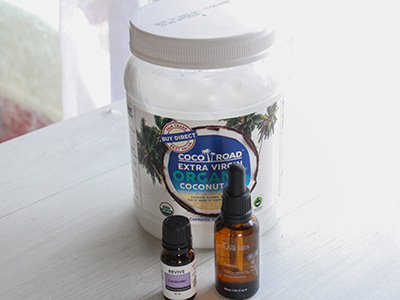 Ingredients
- 1 tablespoon arnica oil
- 2 tablespoons coconut oil (or jojoba, sweet almond, or fractionated coconut oil)
- 10 drops of lavender essential oil
Step One: Mix the arnica oil with coconut or carrier oil until well incorporated. 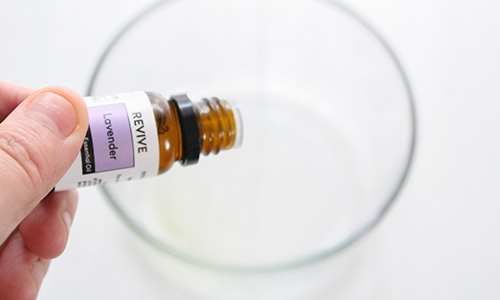
Step Two: Add the lavender essential oil and mix again. Store in an amber glass container away from light. Depending on your climate, your mixture will be solid or liquid. If you prefer a liquid form of this remedy (great for massages!), you can use liquid carrier oils, such as fractionated coconut oil. 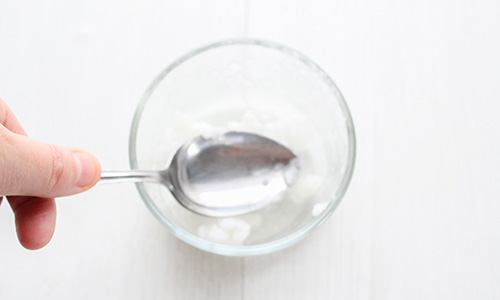
How to Use the Homemade Advil Salve
To use, clean the area you’re applying the gel to with water and dry well. Apply a small amount of salve to the inflamed area using circular motions. As long as pain persists, you can apply this remedy 2-3 times a day. You might find it most beneficial to apply it before bed to help promote healthy sleep.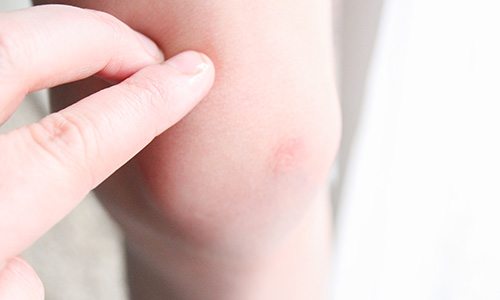
This remedy is safe for adults and children over the age of six. It’s best used for minor ailments, such as aches, pains, and bruises. If used on children, lessen the amount and use only once a day.
Pregnant and nursing mothers should consult with their care providers before using it. Avoid using it near the eyes or on broken skin. If you have sensitive skin, do a patch test first to ensure your skin reacts well.
You should always store the arnica salve in a clean jar to avoid contamination. It’s ideally stored in the refrigerator, which also gives it a cooling sensation on the skin. Nature’s Advil will last 2-3 months in the refrigerator or 6 months in the freezer.
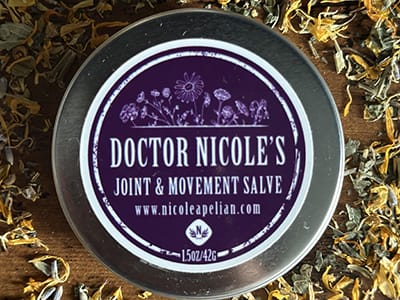
Let’s be honest—sometimes life gets in the way. Maybe you’re short on time, or maybe you’re just too exhausted to even think about making your own remedies. I’ve been there, and that’s exactly why I rely on the Joint and Movement Salve when I need fast, effective relief without the hassle.
This ready-made salve is like having a shortcut to nature’s best remedies, all packed into one jar. You don’t have to worry about gathering ingredients, infusing oils, or waiting weeks for it to be ready. It’s already done for you—no mess, no stress. And the best part? It’s even better than most homemade versions because it combines a unique blend of herbs and essential oils that work together for maximum relief.
Whether it’s aching joints, stiffness, or inflammation slowing you down, this salve gets right to work. It’s quick, it’s easy, and it’s exactly what you need when you don’t have the time or energy to DIY your way through the pain. Sometimes, it’s okay to let someone else do the hard work for you.
What if the remedies you trust are doing more harm than good? So many over-the-counter treatments are filled with toxic chemicals, and even the ones that seem to work only mask the problem, leaving your body worse off in the long run. But it doesn’t have to be this way.
Imagine having a comprehensive guide to 250 powerful, natural remedies—solutions that actually help your body heal instead of harming it. That’s exactly what you’ll get with Nicole Apelian’s Forgotten Home Apothecary, a one-of-a-kind resource that puts the tools for holistic health right into your hands.
Inside, you’ll find step-by-step instructions for remedies like:
- Painkiller in a Jar: Made from wild lettuce, a legal and natural alternative to opium.
- Hair Growth Serum: A transformative treatment for damaged or thinning hair.
- Memory Elixir: A rosemary-based remedy scientifically proven to improve memory.
- Nature’s Amoxicillin: Boost your immune system naturally, without the side effects.
- Herbal Parasite Flush: Rid your body of harmful parasites with just papaya seeds, honey, and water.
- Grandma’s Hot Salve for Back Pain: A warming salve that melts stiffness and restores flexibility.
And that’s just the beginning. With 245 more remedies inside, you’ll be ready for any health challenge that comes your way—whether it’s a minor scrape, chronic pain, or even a sudden crisis.
Why wait for your health to decline? Take charge of your well-being now before it’s too late. Click here to get your copy of The Forgotten Home Apothecary and start managing your health the way nature intended.
Safety, Contraindications, and What You Must Know Before Using Arnica
Arnica is effective precisely because it contains potent bioactive compounds. Those same compounds make it genuinely risky when used incorrectly. The safety section in most arnica articles is too brief. Here is the complete picture.
Topical versus internal use: a critical distinction.
Topical arnica in appropriate concentrations is considered safe for adults when used on intact skin as directed. Internal arnica, meaning consumed as a tea, tincture, or supplement containing significant amounts of actual herbal arnica extract, is toxic and must be avoided. Helenalin, the primary active compound, is severely toxic when ingested in herbal concentrations, causing gastroenteritis, muscle weakness, cardiac arrhythmia, and in severe cases organ failure.
This is separate from homeopathic arnica preparations, which are so diluted that they contain essentially no helenalin or other arnica compounds at measurable levels. Homeopathic arnica tablets such as those commonly sold in pharmacies are a completely different product from herbal arnica preparations and operate on an entirely different basis. If you are purchasing arnica for internal use believing it to be the same as topical arnica, stop immediately. They are not equivalent and herbal arnica must not be consumed.
Skin reactions and allergy.
Arnica belongs to the Asteraceae family, which also includes ragweed, chrysanthemums, marigolds, and daisies. People with known allergies to any Asteraceae family plant have a significantly elevated risk of contact dermatitis from topical arnica. If you have hay fever triggered by ragweed or known sensitivity to any plant in this family, do a patch test on a small area of inner forearm skin 24 hours before applying arnica salve more broadly. Watch for redness, itching, swelling, or blistering at the patch test site.
Even in people without known plant allergies, prolonged or frequent application of arnica to the same skin area can cause a condition called arnica dermatitis, characterized by blistering, eczema-like inflammation, and skin damage. Limit application to the affected area only and do not apply more than two to three times daily over extended periods.
Blood thinners and anticoagulant medications.
Topical arnica has demonstrated antiplatelet activity in laboratory studies, meaning it affects blood clotting at the application site. For most healthy adults this is minor. For people taking anticoagulant or antiplatelet medications including warfarin, aspirin in therapeutic doses, clopidogrel, or other blood thinners, this interaction is clinically relevant. Applying topical arnica while on anticoagulant therapy can increase bruising and bleeding at the application site and potentially in surrounding tissue. Consult your prescribing physician before using topical arnica if you are on any anticoagulant medication.
Pregnancy and nursing.
Arnica is contraindicated during pregnancy. Helenalin has demonstrated uterotonic effects in laboratory studies, meaning it can stimulate uterine contractions. Topical application during pregnancy should be avoided entirely. Nursing mothers should also avoid application to breast tissue or any area that might come into contact with an infant.
Specific skin conditions that contraindicate use.
Do not apply arnica salve to eczematous skin, psoriatic plaques, or any active dermatitis. The occlusive nature of oil-based salves traps active compounds against already compromised skin barriers, increasing absorption and the risk of irritation significantly. Similarly, do not apply over varicose veins or to skin overlying a known blood clot.
Storage, Shelf Life, and Maintaining Potency
A salve that has degraded is not just less effective. Depending on how it has degraded, it can cause skin irritation or infection. Understanding storage properly protects both your investment and your skin.
Why amber glass is recommended.
The active compounds in both arnica oil and lavender essential oil are photo-sensitive, meaning they break down when exposed to ultraviolet light. Clear glass and plastic containers allow UV light to reach the salve contents, accelerating oxidation of the carrier oil and degradation of the helenalin and terpene compounds that provide the therapeutic effect. Amber glass blocks the UV wavelengths most responsible for photo-oxidation. Dark blue or green glass provides similar protection. If you cannot source amber glass immediately, store your clear container inside a dark cupboard or drawer and never leave it on a countertop in daylight.
Plastic containers are not recommended for essential oil-containing preparations because the terpene compounds in lavender and other essential oils are lipophilic solvents that can leach plasticizer chemicals out of plastic over time. This contaminates the salve with compounds you definitely do not want on your skin and degrades the container integrity.
How to tell if your salve has gone rancid.
Carrier oil rancidity is the most common form of degradation in oil-based salves. Rancidity occurs when the fatty acids in the carrier oil oxidize, producing off-flavors, off-smells, and in some cases inflammatory compounds that can irritate skin rather than soothe it.
The signs of rancidity are primarily olfactory. Fresh arnica salve with lavender should smell clean, herbal, and floral. A rancid salve develops a distinctly unpleasant smell variously described as crayon-like, paint-like, or similar to old cooking oil. If your salve smells off in any way that does not match its original scent, discard it. Do not apply rancid oil preparations to your skin.
Visual signs of degradation include color changes toward darker yellow or brown tones, visible separation of oil and wax components, or any signs of mold growth. Mold in a salve appears as fuzzy growth or unusual discoloration and indicates water contamination during preparation, typically from wet hands or wet utensils.
What happens to active compounds over time.
Helenalin in arnica-infused oil degrades gradually with exposure to heat, light, and oxygen. Studies on arnica preparations suggest meaningful potency reduction begins after six to twelve months under normal storage conditions. Lavender essential oil terpenes, particularly linalool and linalyl acetate, similarly oxidize over time and should be considered at reduced potency beyond one year of storage.
Refrigeration slows oxidation significantly, which is why storing this salve in the refrigerator extends its shelf life to the two to three month range stated in the recipe, compared to shorter usable life at room temperature in warm climates. The refrigerator also produces the cooling sensation on application that many users find additionally soothing for inflamed tissue.
For maximum potency, make relatively small batches that you will use within six to eight weeks, rather than large batches stored for extended periods. The few minutes saved by making a large batch are not worth the potency loss over time.
Frequently Asked Questions
Can this salve completely replace over-the-counter pain medication?
For some people in some situations, yes. For mild to moderate musculoskeletal pain, bruising, joint inflammation, and muscle soreness, arnica salve has clinical evidence of effectiveness comparable to topical ibuprofen gel. If your primary use of OTC pain medication is for these types of pain, arnica salve is a genuinely viable alternative worth trying. For systemic pain that requires an oral medication, headache pain that is not tension-based, or pain from internal sources, topical arnica cannot replicate what an oral analgesic does because its action is local rather than systemic. Most people find it most useful as a first-line topical intervention that reduces or eliminates their need for oral medication for localized pain, rather than a complete replacement for all pain medication in all scenarios.
How long does it take to feel results?
For acute bruising and swelling, many users report noticeable reduction in discoloration and tenderness within 24 hours of consistent application beginning shortly after injury. For muscle soreness, effects are typically noticeable within one to two hours of application. For chronic joint pain, the timeline is longer: most clinical studies show meaningful improvement after two to three weeks of consistent daily use. Do not judge the effectiveness of this remedy on a single application for a chronic condition. Give it a genuine two-week trial with consistent twice-daily application before concluding it is or is not effective for your situation.
Does it work differently for chronic versus acute pain?
Yes, and understanding the difference helps set appropriate expectations. For acute pain, meaning pain from a recent injury, bruise, strain, or episode of soreness, arnica’s anti-inflammatory action works with your body’s own healing response. The inflammatory process in acute injury is natural and time-limited, and arnica helps modulate its intensity without completely suppressing it the way NSAIDs can. The result tends to be faster resolution of swelling and bruising with less pain during healing.
For chronic pain, meaning ongoing joint pain, persistent muscle tension, or long-standing inflammation, arnica salve acts as a symptomatic management tool rather than a curative one. It reduces the inflammatory load at the application site and provides pain relief during the period of application, but it does not reverse the underlying joint degeneration or systemic inflammation driving chronic conditions. Consistent daily use is required to maintain the benefit, and it works best as part of a broader approach that includes dietary anti-inflammatory strategies, appropriate movement, and where necessary medical management of the underlying condition.
Can this salve be used at the same time as conventional pain medication?
For topical arnica used on intact skin, there are generally no significant interactions with oral pain medications including NSAIDs and acetaminophen, because topical arnica does not enter systemic circulation in meaningful amounts. The exception is anticoagulant medications as described in the safety section: if you are on blood thinners, discuss arnica use with your doctor before combining them. Using arnica salve topically while taking oral pain medication is something many people do as a way to reduce their oral medication dose while maintaining pain control, and this is a reasonable approach for most healthy adults.
What if the salve does not seem to be working?
There are several common reasons arnica salve underperforms. The most frequent is insufficient application, either too thin a layer or too infrequent application for the condition being treated. Apply a generous layer and massage it in firmly to promote penetration. The second most common reason is poor quality arnica oil in the base preparation. If your oil was made from low-quality flowers, stored improperly, or is past its useful life, the helenalin content may be too low to produce a therapeutic effect. Source fresh, high-quality arnica-infused oil and compare. The third possibility is that the condition being treated is outside the range where topical arnica is effective, in which case the conditions and use cases section above can help you evaluate whether this is the right tool for your specific situation.