Remember when you could bound up stairs without getting winded? When your hands stayed warm even in chilly weather? When your mind felt sharp all day long?
That vitality isn’t gone forever – it’s just waiting for the right spark to reignite it.
Your blood tells the real story of aging. While wrinkles and gray hair get all the attention, what’s happening inside your veins determines whether you’ll thrive or merely survive your later years.
Sluggish circulation, stiffening arteries, rising blood pressure are all stealing your energy, clouding your memory, and putting you at risk for heart attacks and strokes.
But here’s what the pharmaceutical companies don’t want you to know: you don’t need their expensive pills with their endless side effects to turn this around.
Nature has already provided everything you need to make your blood young again.
To understand why these herbs work, it helps to understand what is actually happening inside your arteries as you age. Vascular aging is not a single process but several overlapping ones that accelerate each other.
The first is arterial stiffening. Young arteries are elastic: they expand when the heart pumps and recoil between beats, smoothing out the pressure wave.
This elasticity comes from a protein called elastin woven into the artery wall. With age, elastin fibers break down and are gradually replaced by stiffer collagen. Glucose molecules also form cross-links between collagen fibers, making the walls increasingly rigid.
The result is that your arteries behave less like flexible tubing and more like rigid pipes, forcing your heart to work harder with every beat and causing systolic blood pressure to climb even when the heart itself is healthy.
The second process is endothelial dysfunction. The endothelium is the single-cell-thick lining of every blood vessel in your body, and it is far more than a passive barrier.
Healthy endothelial cells continuously produce nitric oxide, a signaling molecule that tells the surrounding smooth muscle to relax, keeping vessels dilated and blood flowing freely. With age, chronic inflammation, oxidative stress, and elevated blood sugar all damage the endothelium and reduce its ability to produce nitric oxide.
Vessels that cannot dilate properly respond to increased demand, such as climbing stairs or cold weather, with much less flexibility, which is why circulation to the extremities and to the brain often suffers first.
The third process is chronic low-grade inflammation, sometimes called inflammaging. As the immune system ages, it shifts toward a persistently activated state that releases inflammatory compounds into the bloodstream.
These compounds damage the endothelium, promote the formation of arterial plaques, increase blood viscosity, and accelerate the stiffening process described above. Elevated inflammatory markers like C-reactive protein are among the strongest predictors of cardiovascular events in older adults, which is why anti-inflammatory compounds in food and herbs are not a peripheral concern but a central one for vascular health.
Understanding these three mechanisms, stiffening, endothelial dysfunction, and inflammaging, also explains why no single herb addresses everything. The most useful herbal and dietary interventions tend to target one or more of these pathways specifically, which is exactly what the herbs below do.
These seven herbs have been used for centuries by healers who understood what modern science is only now proving, that the right plants can cleanse your arteries, stabilize your blood sugar, boost your circulation, and protect your heart better than any synthetic drug.
I’m going to walk you through these herbs from good to extraordinary, saving the most powerful blood and heart protector for last.
An Important Note Before You Start
The herbs in this article have genuine research behind them and meaningful benefits for cardiovascular health. They are also biochemically active compounds that affect blood pressure, blood sugar, clotting, and heart function, which means they interact with the body, and with medications, in ways that matter.
If you have been diagnosed with heart failure, peripheral artery disease, atrial fibrillation, coronary artery disease, or any other established cardiovascular condition, do not use this article as a basis for changing or replacing your prescribed treatment.
Discuss any herbs you want to add with your cardiologist before starting. This is not a formality. Hawthorn, for example, interacts with digoxin and other cardiac medications in clinically significant ways. Ginkgo interacts with blood thinners. These interactions are real and have been documented in the medical literature.
If you have type 2 diabetes and take medication to manage blood sugar, be aware that several herbs in this article, including stinging nettle, cordyceps, and bilberry, have documented blood-sugar-lowering effects. Adding them alongside metformin, insulin, or other hypoglycemic agents without monitoring can push blood sugar lower than intended.
If you are currently on anticoagulant or antiplatelet therapy, including warfarin, aspirin at therapeutic doses, clopidogrel, or newer blood thinners, consult your prescribing physician before adding ginkgo, hawthorn, or gotu kola.
For generally healthy older adults without diagnosed cardiovascular disease who want to support their vascular health proactively, the herbs in this article represent a reasonable, evidence-informed starting point at the doses described.
The goal is not to replace medicine when medicine is needed. It is to give your body meaningful nutritional and botanical support that works alongside a healthy lifestyle and, where relevant, alongside appropriate medical care.
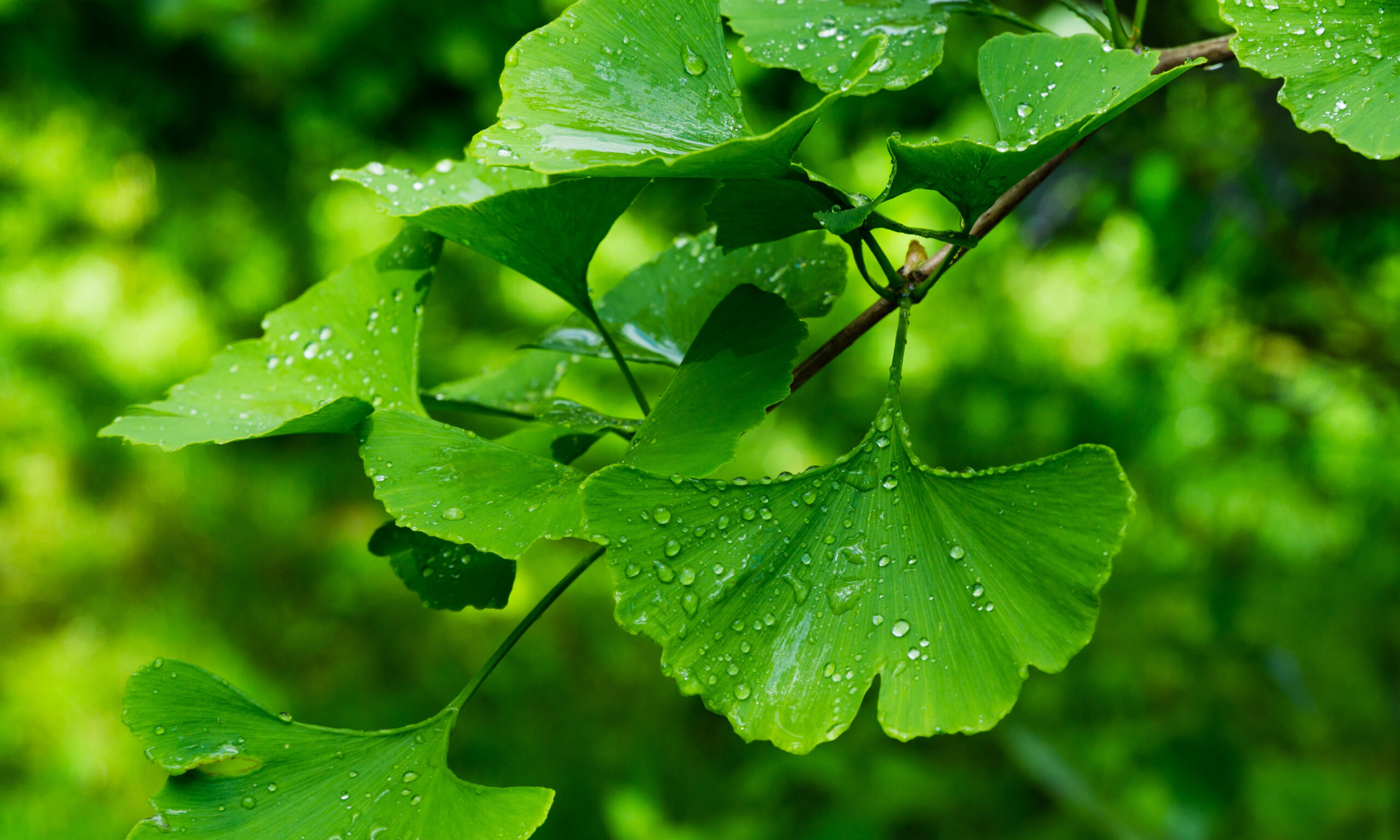
7. Ginkgo Biloba
Did you ever feel that stabbing pain in your legs when you walk? It might be poor circulation crying out for help. And ginkgo biloba has the answer.
In a clinical trial of people suffering from intermittent claudication (leg pain from blocked arteries), those taking ginkgo extract for 6 months saw remarkable improvements.
They could walk significantly further without pain, and their leg pain scores dropped dramatically compared to placebo. Researchers concluded ginkgo is both safe and effective for improving peripheral blood flow.
Think about what that means for your life. Walking your grandchildren to the park without stopping. Shopping without that burning sensation in your calves. Independence instead of limitation.
Ginkgo opens up those narrowed vessels and gets oxygen-rich blood flowing to your extremities again.
Use it: Take standardized ginkgo extract (EGb 761) daily. Give it 8-12 weeks to fully work its magic on your circulation.
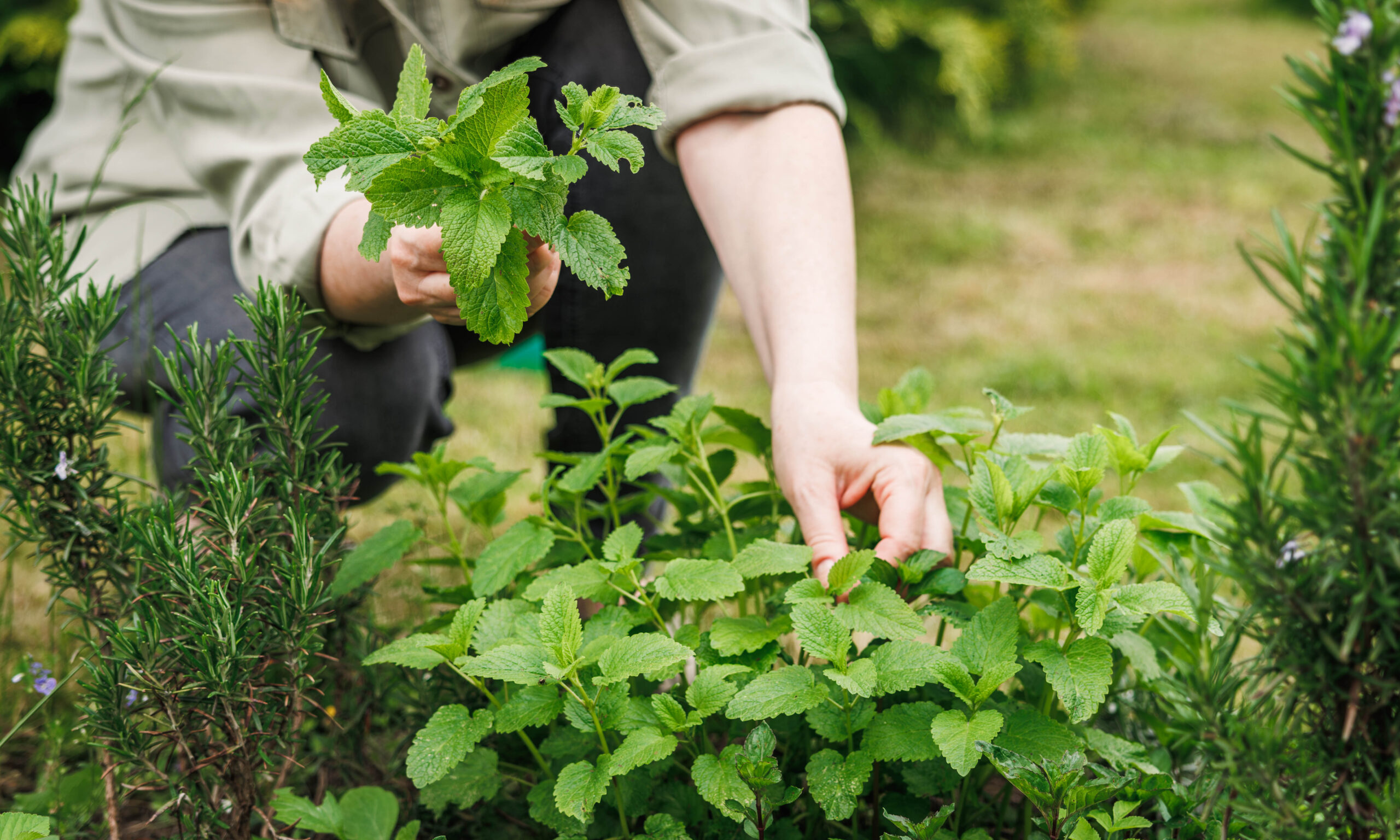
6. Lemon Balm
Pour yourself a cup of lemon balm tea tonight, and you are doing something genuinely useful for your cardiovascular system. Recent research has added meaningful evidence to lemon balm’s traditional reputation as a heart-supportive herb.
A 2024 analysis of clinical trials found that people taking lemon balm experienced statistically significant reductions in triglycerides, total cholesterol, and LDL cholesterol compared to placebo groups. These are real findings from human trials, not preliminary cell studies, and they add credibility to what herbalists have observed for a long time.
The mechanism is not fully established, but lemon balm’s high concentration of rosmarinic acid is the most likely driver. Rosmarinic acid is a potent antioxidant and anti-inflammatory compound that has been shown to reduce oxidative stress in blood vessel walls and inhibit LDL oxidation, the process that makes LDL particles more likely to contribute to plaque formation.
Reducing oxidized LDL is a meaningful cardiovascular benefit, though it is more accurate to describe it as reducing a specific inflammatory process in the arteries than as “scrubbing cholesterol from the bloodstream,” which implies a more direct and dramatic mechanism than the evidence currently supports.
Lemon balm also has well-documented effects on stress and sleep quality, both of which have independent cardiovascular relevance. Chronic elevated cortisol from poor sleep and unmanaged stress directly worsens arterial inflammation and blood pressure.
An herb that genuinely improves sleep quality and reduces stress response is doing cardiovascular work through those pathways as well, even before its direct lipid effects are considered.
Use it: Brew a cup each evening from fresh or quality dried leaves. Consistency matters more than quantity. The lipid effects in the clinical trials developed over weeks of regular use, not from occasional cups.
Brewing fresh lemon balm tea sounds wonderful until you realize quality lemon balm isn’t exactly sitting on grocery store shelves.
And those tea bags at the supermarket? They’ve been sitting in warehouses for months, losing potency by the day.
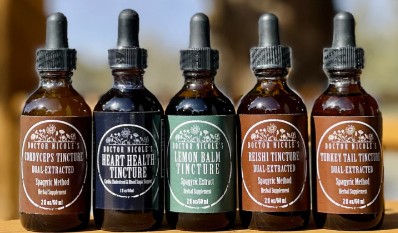
A proper tincture, just like this Lemon Balm Tincture, locks in the active compounds right after harvest – rosmarinic acid and all those cholesterol-fighting antioxidants stay potent for years, not weeks.
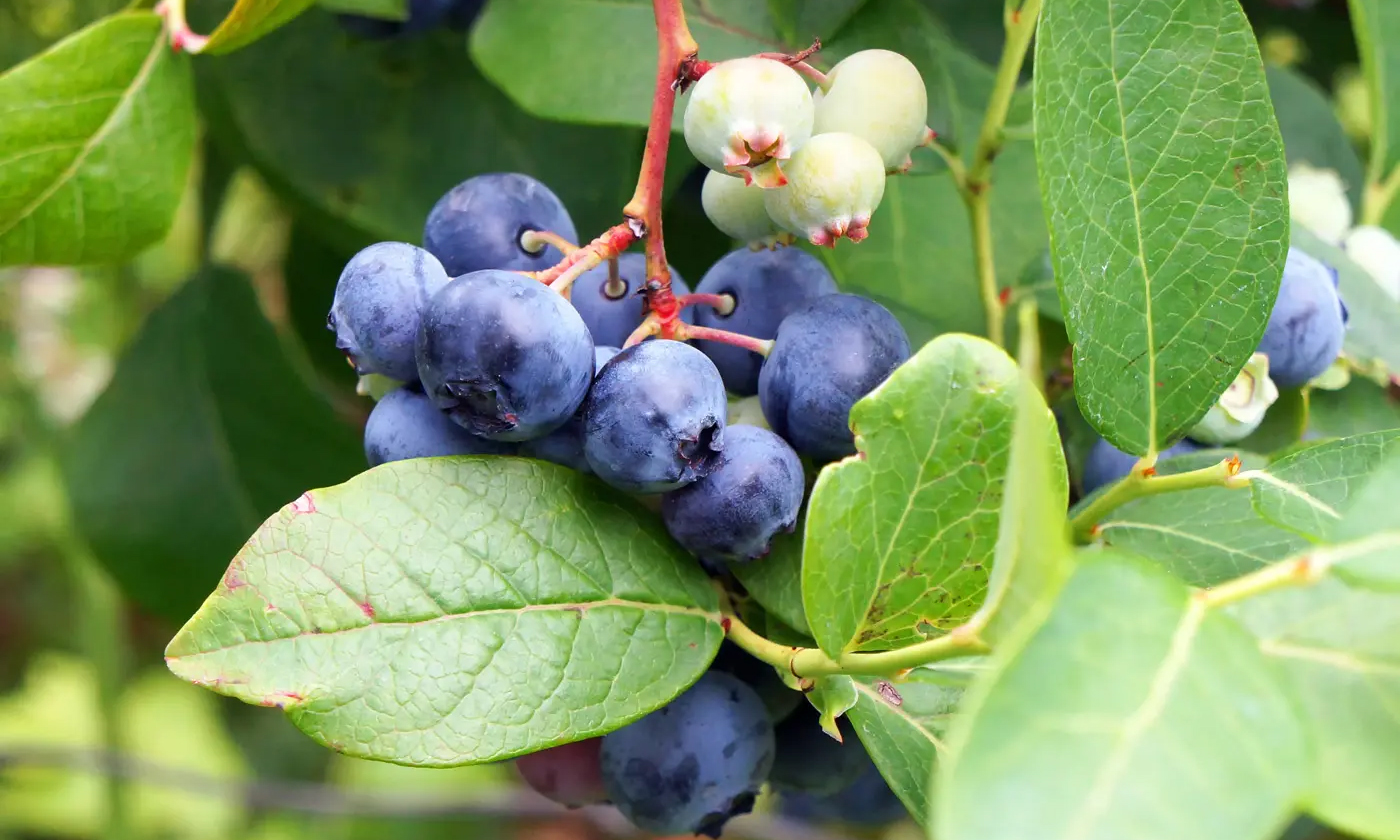
5. Bilberry
If you’re worried about diabetes affecting your eyes or your blood sugar spiraling out of control, bilberry is your protective shield.
These anthocyanin-rich berries do something remarkable for the tiny blood vessels in your eyes. When diabetes threatens your sight, bilberry fights back at the microscopic level.
But bilberry’s benefits extend to your entire metabolism. A single dose of bilberry extract before a meal significantly blunted the post-meal blood sugar spike in people with type 2 diabetes.
Use it: Take bilberry extract with breakfast. Your eyes and your blood sugar will thank you by lunch.
Here’s something important: bilberry works even better when you pair it with the #1 herb on this list. I’ll tell you exactly which one in a minute – and why that combination is so powerful for your heart.
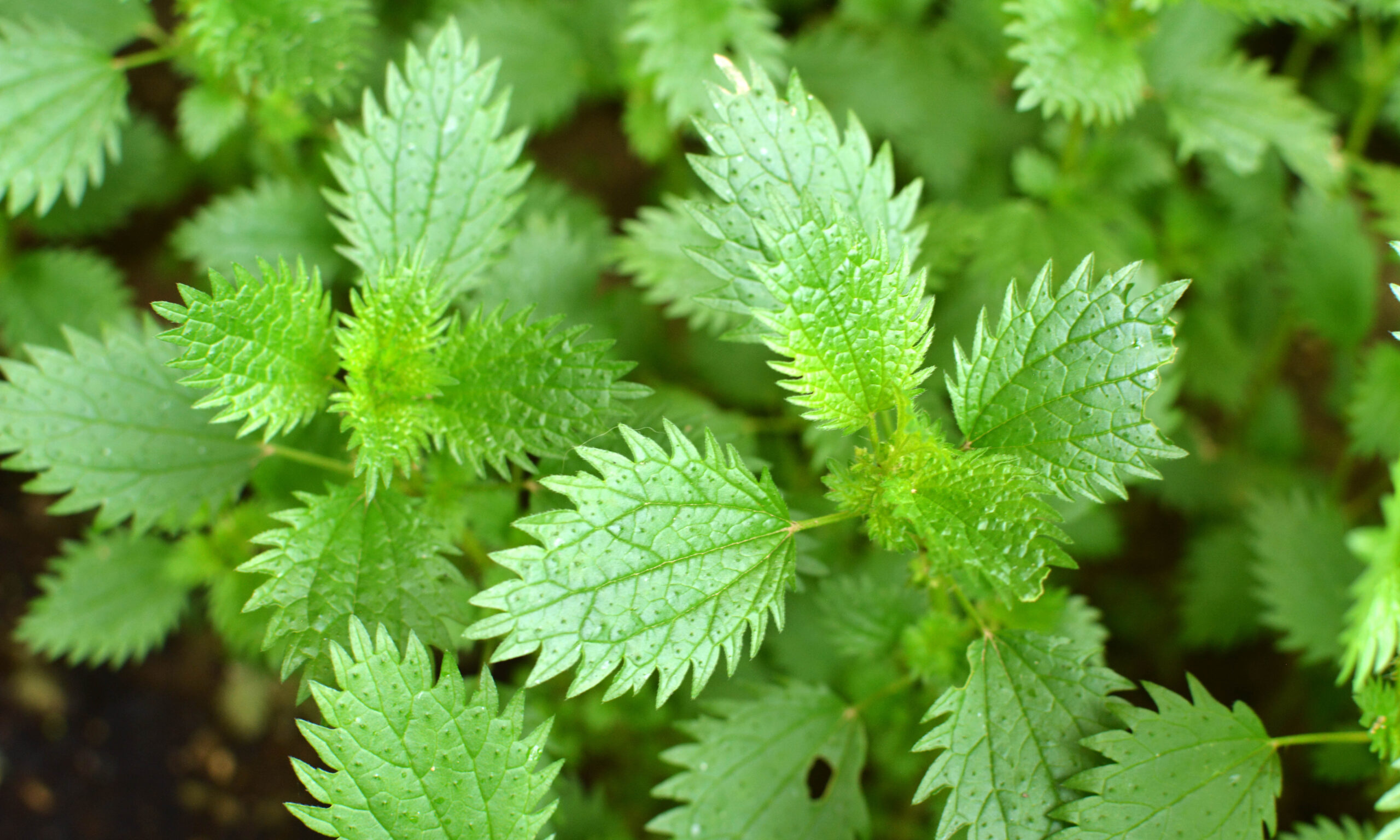
4. Stinging Nettle
Don’t let the name fool you. Nettle is one of your blood’s best friends, especially if you’re worried about blood sugar or high blood pressure creeping up on you.
Studies show nettle can lower fasting blood glucose and even improve HbA1c levels – that critical marker of long-term blood sugar control.
This matters because excess sugar damages your blood vessels from the inside out, accelerating aging throughout your entire circulatory system.
But nettle does more. It encourages your body to produce nitric oxide, which relaxes and widens your blood vessels.
People drinking nettle tea regularly have seen their blood pressure drop naturally, without the dizziness and fatigue that come with blood pressure medications. Plus, it’s packed with iron and vitamin K to build up your blood and fight that dragging fatigue.
Use it: Start your morning with nettle tea instead of that second cup of coffee. Your energy will thank you.
Our ancestors used to deliberately sting their aching joints with fresh nettles. It worked, but it hurt like hell.
Today, if you want to make your own nettle remedy, you’re facing the same painful harvest: dozens of stings just to fill a basket, then more stings while you process it.
Nitric oxide deserves a proper explanation because it appears repeatedly in discussions of cardiovascular herbs and is genuinely one of the most important molecules in vascular health, yet it is rarely explained in terms that make its significance clear.
Nitric oxide is a gas produced continuously by the endothelial cells lining your blood vessels. Its primary job is to signal the smooth muscle surrounding each vessel to relax, which widens the vessel and reduces the resistance that the heart has to pump against.
This dilation happens dynamically in response to demand: when you exercise and muscles need more oxygen, nitric oxide production increases, vessels dilate, and blood flow rises to meet the need. When the endothelium is healthy and producing nitric oxide freely, blood pressure stays lower, circulation reaches the extremities efficiently, and the heart works less hard.
The problem is that nitric oxide production declines significantly with age, and several common conditions accelerate that decline. Oxidative stress, which increases with age, poor diet, and chronic inflammation, directly destroys nitric oxide molecules before they can act.
Elevated blood sugar damages the endothelial cells that produce it. Physical inactivity removes one of the primary stimuli that drives nitric oxide production. The result is vessels that cannot dilate as freely, rising blood pressure, reduced circulation to the legs and brain, and a heart working against increasing resistance.
This is why compounds that support endothelial nitric oxide production are so relevant to vascular aging. Stinging nettle contains compounds that stimulate nitric oxide synthase, the enzyme that produces nitric oxide in endothelial cells.
Other herbs in this article, including ginkgo and hawthorn, also influence nitric oxide pathways through different mechanisms.
Dietary nitrates from leafy greens and beetroot work through a separate pathway that converts to nitric oxide in the blood without requiring the endothelium at all, which is why these foods are consistently associated with blood pressure reduction and improved exercise performance in clinical research.
Or you could skip the pain entirely and get nettle that’s been harvested at peak potency by a very well-known herbalsit, when those blood-building compounds are at their highest concentration.
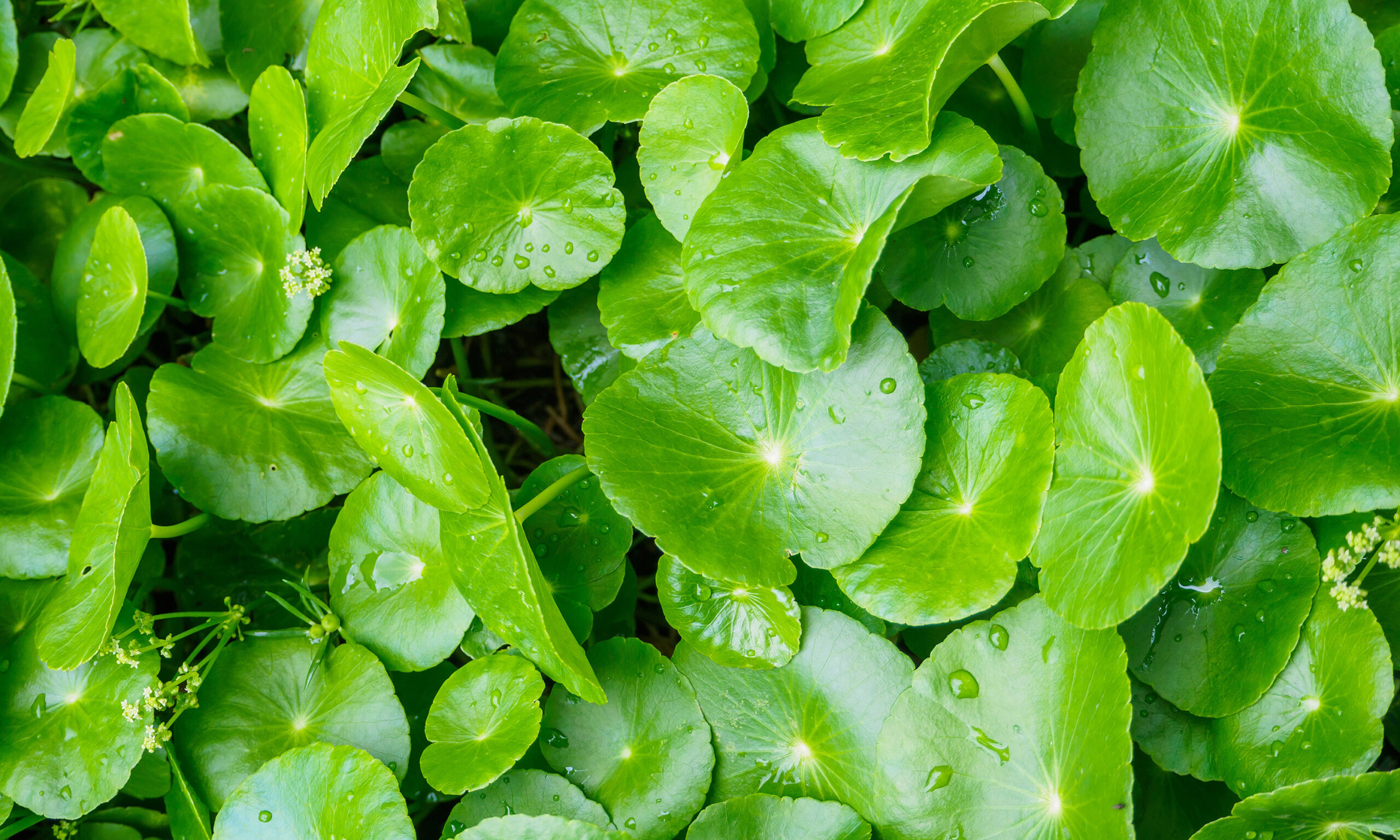
Do your ankles swell by evening? Are your legs heavy and achy? That’s venous insufficiency, and gotu kola treats it at the root cause.
In clinical trials, people with poor leg vein circulation taking gotu kola extract for just 4 weeks saw significant reductions in ankle edema and capillary leakage.
Their legs felt lighter, the swelling went down, and objective measurements confirmed their veins were working better. This isn’t masking symptoms – it’s actually strengthening your capillary walls and improving vein function.
For people with diabetes, gotu kola offers even more profound benefits. A year-long study found that diabetic patients taking gotu kola extract had a 28% reduction in capillary fluid leakage and improved blood flow regulation, while the placebo group’s circulation continued to worsen.
Gotu kola can actually halt and even reverse diabetic blood vessel damage, protecting both circulation and nerve function.
Use it: Gotu kola capsules or tea, especially if you have leg swelling, varicose veins, or diabetic complications. Consistency is key – give it 4-8 weeks.
2. Cordyceps
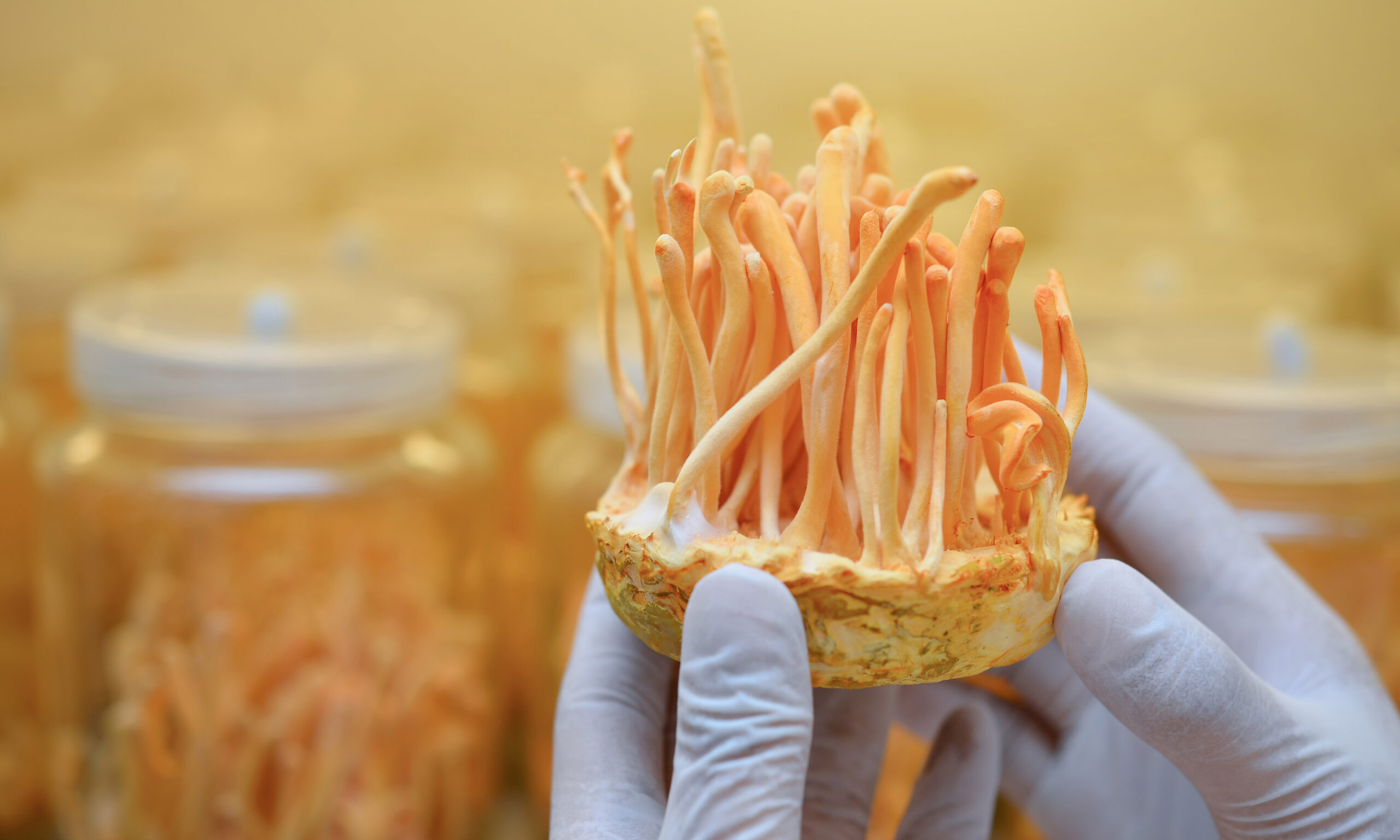
Feeling tired all the time? That’s your blood crying out for oxygen. Cordyceps mushroom has been revered for centuries in Tibetan medicine for one reason – it works.
This remarkable fungus has been shown to lower blood sugar and cholesterol in studies, protecting your arteries from the damage that comes with metabolic imbalance.
It contains unique compounds like cordycepin that shield your heart from oxidative stress – essentially preventing age-related damage before it happens.
Athletes use cordyceps to boost stamina because it dramatically improves how your blood carries and uses oxygen. Imagine having that kind of energy again, not from caffeine jitters but from truly oxygenated, nourished cells.
Use it: Add cordyceps powder to your morning smoothie. You’ll notice the difference by afternoon.
Here’s the problem with cordyceps: the real stuff is incredibly rare and expensive. Most supplements use cheaper mycelium grown on grain, which barely contains the active compounds you actually need.
This Cordyceps Tincture uses genuine fruiting body cordyceps, dual-extracted to capture both the water-soluble and alcohol-soluble compounds.
The reviews speak for themselves – people keep writing in shocked at how much energy they suddenly have.
1. Hawthorn
Okay, here it is – the one I’ve been waiting to tell you about.
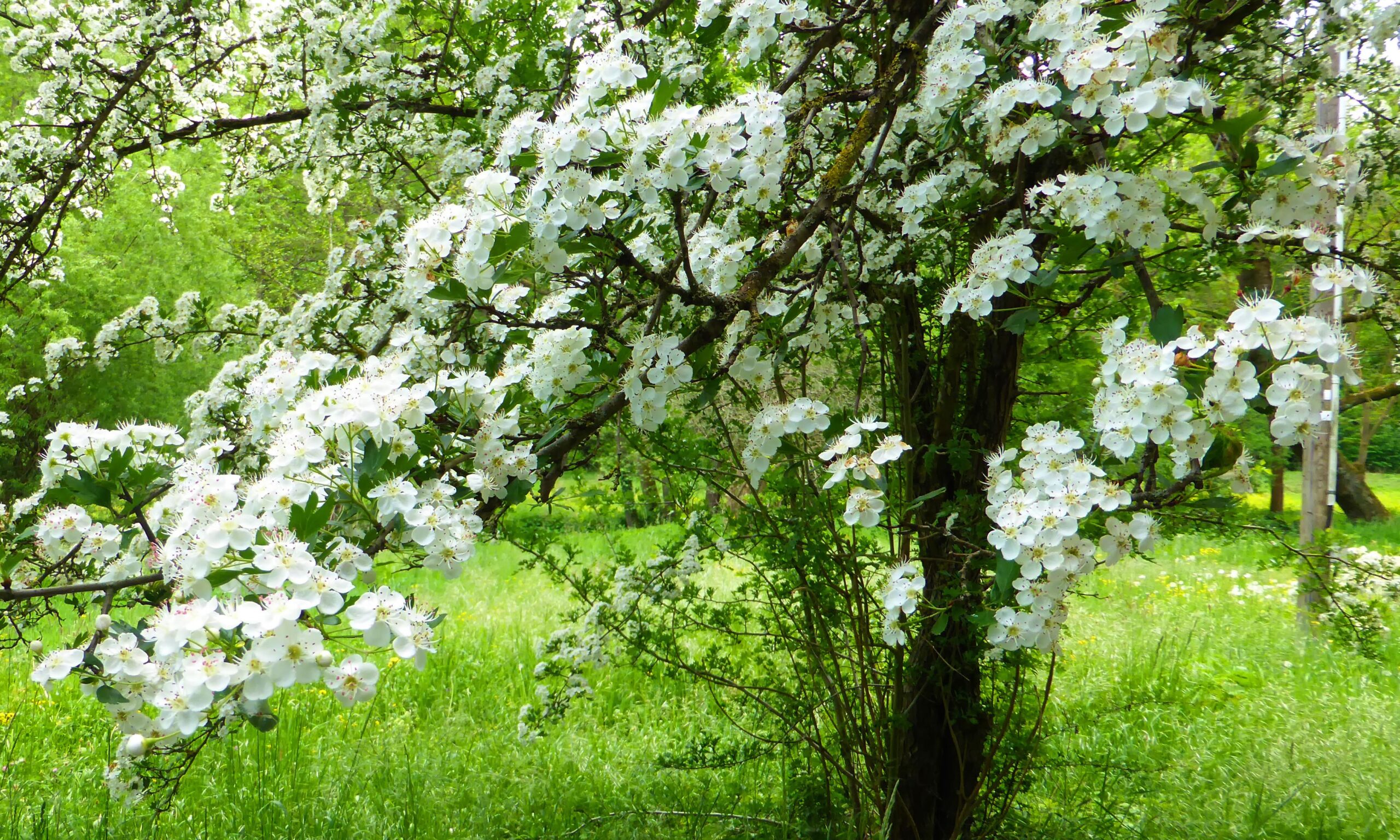
If your heart feels tired and if climbing stairs leaves you breathless or simple tasks drain your energy, hawthorn might be the ally you’ve been searching for.
This berry has been used for centuries as a heart tonic, and modern research confirms why. A meta-analysis of 8 clinical trials involving over 600 patients with mild-to-moderate heart failure found that hawthorn extract improved cardiac performance dramatically.
People taking hawthorn increased their exercise tolerance and reported less fatigue and shortness of breath. That means getting back to activities you thought were behind you.
But hawthorn doesn’t stop there. Analysis of six randomized trials showed it significantly lowers blood pressure – an average drop of 6.7 mmHg in systolic pressure after just 2-6 months.
Your heart pumps more efficiently while working less hard. That’s the definition of anti-aging for your cardiovascular system.
Use it: Hawthorn berry tea or tincture daily. Your heart will literally feel the difference within weeks.
Your heart beats 100,000 times every single day. It never rests. Never stops keeping you alive.
And hawthorn is the one herb that clinical trials have proven can strengthen that exhausted muscle and help it work more efficiently.
This very powerful blend combines hawthorn with bilberry. Together, these two herbs give your entire cardiovascular system what it’s been desperately asking for.
This Hawthorn-Bilberry Blend is the formula herbalists reach for first, and after seeing the research, you’ll understand why.
Special Mention for Women: Red Clover – Menopause’s Vascular Solution
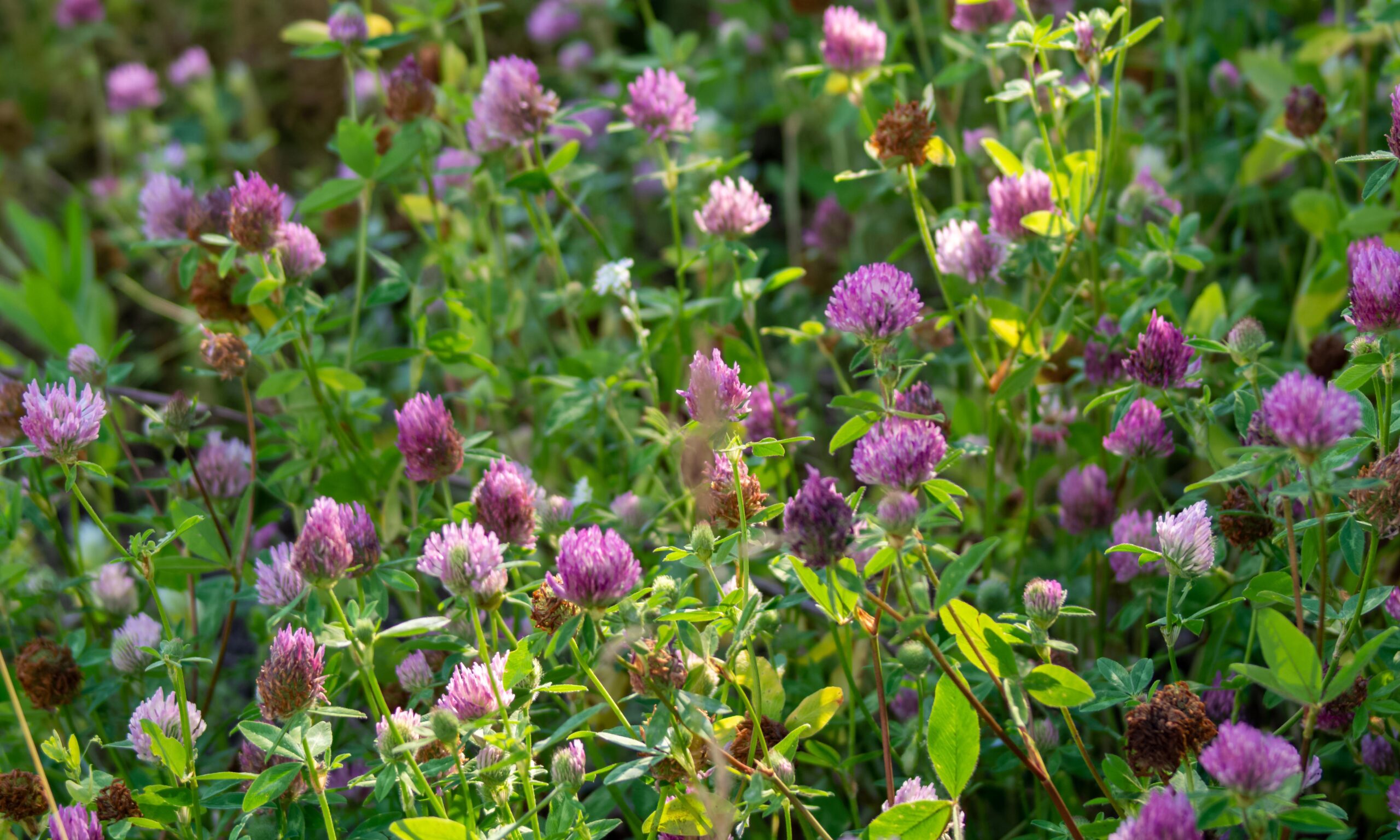
Ladies, if you’re in menopause and watching your cholesterol numbers climb, red clover deserves your attention.
A trial in postmenopausal women with dyslipidemia showed that red clover isoflavone supplements significantly improved blood lipid profiles.
After 6 months, women taking red clover had lower total cholesterol, lower LDL, lower triglycerides, and higher HDL – basically, every cholesterol marker moved in the right direction.
But here’s what makes red clover truly special: it also improves your arterial flexibility. In another study, postmenopausal women taking red clover extract showed a 23% increase in arterial compliance (how elastic and supple your arteries are).
Since stiff arteries are a major cardiovascular risk factor, this is huge. Red clover’s estrogen-like compounds are literally keeping your blood vessels young and pliable.
Use it: Red clover tea or capsules. It’s especially powerful during and after menopause when your cardiovascular risk naturally increases.
You know what’s frustrating? Your doctor sees your cholesterol climbing after menopause and immediately reaches for the prescription pad.
But red clover has been helping women through this transition for centuries.
This Red Clover & Black Cohosh Tincture pairs red clover’s estrogen-like compounds with black cohosh to tackle both the hot flashes and the cardiovascular changes happening in your body.
Two problems, one bottle, no side effects
A Note on Combining These Herbs
The article recommends seven herbs plus red clover, and the bundle mentioned at the end combines five of them in a single daily protocol. Before taking multiple cardiovascular-active herbs together, there are a few things worth understanding.
Several of the herbs in this list have blood-pressure-lowering effects through different mechanisms. Hawthorn improves cardiac output and dilates peripheral vessels. Stinging nettle promotes nitric oxide production and has mild diuretic activity. Ginkgo dilates blood vessels and improves peripheral flow.
Gotu kola strengthens capillary walls and affects vascular tone. Cordyceps influences oxygen utilization and has shown blood pressure effects in some studies. Taking all of these simultaneously produces additive blood-pressure-lowering effects that have not been studied in combination.
For most people with elevated blood pressure this will not be a problem and may be beneficial. For anyone whose blood pressure is already well-controlled on medication, or for anyone who experiences dizziness, lightheadedness, or unusual fatigue after starting multiple herbs, this cumulative effect is the likely cause and dosage should be reduced or consolidated.
Similarly, several herbs here have blood-sugar-lowering activity: stinging nettle, bilberry, and cordyceps all affect glucose metabolism. People managing diabetes with medication should introduce these one at a time and monitor blood sugar response rather than starting all of them simultaneously.
The practical recommendation is to start with one or two herbs that are most relevant to your specific situation, give them four to eight weeks to establish a baseline effect, and add additional herbs gradually rather than switching to a full multi-herb protocol overnight.
This approach also makes it possible to identify which herbs are producing which effects, and to notice any unwanted responses before they are buried under a complex combination.
What Works Best Alongside These Herbs
Herbs are meaningful tools for cardiovascular health. They are not the most powerful ones available to you. The lifestyle evidence base for vascular aging is the strongest in medicine, and understanding it helps you put these herbs in their proper place as valuable additions to a complete approach rather than replacements for the fundamentals.
Aerobic exercise is the single most evidence-backed intervention for arterial stiffness, endothelial function, and blood pressure outside of medication. A consistent program of moderate aerobic activity, defined in research as roughly 150 minutes per week of brisk walking, cycling, or swimming, produces reductions in arterial stiffness and blood pressure that meet or exceed those seen in most of the herb trials described in this article.
Exercise directly stimulates nitric oxide production, reduces inflammatory markers, improves insulin sensitivity, and promotes the growth of new capillaries in peripheral tissues. No herb studied to date produces all of these effects simultaneously.
Dietary pattern matters more than any individual herb or supplement. The DASH diet, which emphasizes vegetables, fruits, whole grains, legumes, low-fat dairy, and reduced sodium, has produced average blood pressure reductions of 8 to 14 mmHg in clinical trials, larger than most pharmaceutical interventions in people with stage one hypertension, and dramatically larger than any single herb studied.
Dietary nitrates from leafy greens and beetroot specifically support the nitric oxide pathway described above. Reducing ultra-processed food consumption lowers inflammatory markers within weeks.
Sleep quality has direct cardiovascular effects that are often underappreciated. During deep sleep, blood pressure drops, inflammatory cytokines are cleared, and endothelial repair processes are most active.
Chronic short sleep duration, defined as consistently under six hours, is independently associated with significantly elevated cardiovascular risk in large epidemiological studies. If sleep is poor, addressing it is a higher priority than optimizing your herb protocol.
Smoking cessation produces greater cardiovascular benefit than any other single intervention and within one year of stopping, cardiovascular risk drops substantially regardless of how long a person smoked. If smoking is a factor, no combination of herbs addresses what continued smoking is doing to the endothelium.
The most useful way to think about the herbs in this article is as a meaningful layer of support on top of these foundations. A person who exercises regularly, eats an anti-inflammatory diet, sleeps well, and does not smoke will get more out of hawthorn and ginkgo than a person who does none of those things and is relying on supplements to compensate.
The herbs work with your body’s healing capacity. The lifestyle interventions build that capacity in the first place.
Your Blood, Your Choice
You have a decision to make. You can wait for your doctor to hand you a prescription with a list of side effects as long as your arm, or you can take control right now with remedies that have supported human health for thousands of years.
These herbs aren’t magic – they’re biochemistry wrapped in leaves, roots, and mushrooms. They work with your body’s natural healing capacity instead of overriding it. And unlike pharmaceuticals, they nourish multiple systems at once.
Start with one. Brew that lemon balm tea tonight. Add garlic to your dinner tomorrow. In a few weeks, notice how you feel. More energy? Warmer hands? Clearer thinking? That’s your blood getting younger, one cup of tea at a time.
Your ancestors knew these secrets. Now you do too.
The Complete Solution, Ready For You To Use
Let’s be honest about what you’re up against. You could spend $100+ every month at the pharmacy on synthetic supplements that’ve been sitting in warehouses losing potency, manufactured by companies that care more about profit margins than your health.
Or you could invest in this Blood Pressure & Blood Sugar Bundle, containing herbs that are actually harvested at peak potency and extracted properly to preserve every beneficial compound.
This bundle has everything: Cordyceps, Lemon Balm, Turkey Tail, Reishi, and that critical Heart Health Blend with Hawthorn and Bilberry.
These aren’t marked up by pharmaceutical companies or watered down by mass production. Just honest herbal medicine at honest prices.
Your cardiovascular system has been working overtime your entire life. Maybe it’s time to give it the real support it deserves, not whatever’s most profitable for drug companies.
We use cookies to ensure that we give you the best experience on our website. If you continue to use this site, we will assume that you are happy with it.
Functional Always active
The technical storage or access is strictly necessary for the legitimate purpose of enabling the use of a specific service explicitly requested by the subscriber or user, or for the sole purpose of carrying out the transmission of a communication over an electronic communications network.
Preferences
The technical storage or access is necessary for the legitimate purpose of storing preferences that are not requested by the subscriber or user.
Statistics
The technical storage or access that is used exclusively for statistical purposes.The technical storage or access that is used exclusively for anonymous statistical purposes. Without a subpoena, voluntary compliance on the part of your Internet Service Provider, or additional records from a third party, information stored or retrieved for this purpose alone cannot usually be used to identify you.
Marketing
The technical storage or access is required to create user profiles to send advertising, or to track the user on a website or across several websites for similar marketing purposes.





Dear Sir / Madam,
How can order the above herbs? I am in South Africa. Thank you in advance.