

Nature’s Answer to Neuropathy: How Herbalists Quiet Nerve Pain
It starts as a tingle. Then it burns. Then it shoots like lightning through your feet, your hands, your legs.
You can’t sleep because the sheets feel like sandpaper on your skin. You can’t walk without wincing. You can’t hold a pen, button your shirt, or enjoy a simple touch from someone you love.
Neuropathy is stealing your life.
Seven to ten percent of people worldwide suffer from chronic nerve pain. If you’re diabetic, that number jumps to 50%. That’s half of all diabetics living with burning, tingling, shooting pain that never stops.
Some people look for prescriptions. Antidepressants. Anticonvulsants. Maybe opioids if you’re “lucky.” They ignore the small letters speaking about limited relief and side effects, then go on their way.
You take the pills. The pain stays. But now you’re drowsy, dizzy, dependent. The nerve fire still burns, just slightly dimmer, while your life gets foggier.
There has to be a better way. And there is. 
Why Conventional Treatments May Fall Short
Let’s be brutally honest: conventional treatments for neuropathy can fall frustratingly short.
Standard medications provide relief, but they don’t heal damaged nerves – they just numb the pain signals. And they do it sometimes with side effects that, for some, can feel worse than the neuropathy itself.
Drowsiness. Dizziness. Brain fog. Risk of addiction with opioids. All while your nerve pain still flares unpredictably, lurking in the background, waiting to ruin your day.
The drugs only reduce pain signals, sometimes at a cost. But many people still look for additional ways to support comfort and nerve pain relief.
Nature has compounds that actually calm nerve pain and help nerves heal. Anti-inflammatory. Antioxidant. Neuroprotective. Exactly what irritated nerves need.
Some are already mainstream – like capsaicin cream for shingles pain. Others are emerging in research, quietly outperforming pharmaceuticals with fewer side effects.
Some of these approaches are more familiar in inner circles than in routine conventional care. And so many people are interested once again after decades in herbal medicine.
Nature’s Nerve-Pain Arsenal

Modern research is finally validating what herbalists have known for centuries. Here are the natural remedies with real clinical evidence:
Turmeric – The Golden Nerve Protector
This kitchen spice contains curcumin, a compound that modulates inflammation and reduces oxidative stress in nerve cells. Studies show it reduces neuropathic pain behaviors – the burning, the tingling, the shooting sensations.
It won’t work overnight like a painkiller. But over weeks, turmeric supports your nerves and helps reduce inflammation.
Here’s the thing most people don’t know: turmeric on its own has terrible absorption. Your body barely uses it. But combine it with one specific kitchen ingredient, and suddenly your body absorbs up to 2000% more curcumin. That’s not a typo – twenty times more effective.
I’ve been making my own turmeric preparations for years, and I’ve documented the recipes that actually work – both for drinking and rubbing directly on painful areas. The topical version especially surprised me. Most people have no idea you can apply turmeric this way, but that’s where I’ve seen the fastest relief.
The secret is in the ratios and that one missing ingredient that makes everything absorb properly. Without it, you’re basically wasting your turmeric.
Click here to learn what that ingredient is and get the exact recipes – internal and topical formulas that actually work.
Bitter Apple – Ancient Wisdom, Modern Proof
Citrullus colocynthis – a desert gourd used in Persian medicine for centuries. Researchers finally tested it in a double-blind trial.
Diabetic neuropathy patients applied bitter apple extract ointment to their feet for 3 months. The results? It crushed the placebo, reducing pain scores nearly twice as much. Some nerve function actually improved.
No serious side effects. Just a humble bitter fruit, now scientifically proven to soothe nerve pain.
Evening Primrose Oil – The Diabetic’s Hope
Rich in gamma-linolenic acid, this omega-6 powerhouse specifically targets diabetic neuropathy.
A 2025 trial had diabetic patients take evening primrose oil for just 4 weeks. Pain scores dropped significantly – higher doses gave greater relief. Overall neuropathy symptoms improved, with fewer side effects than standard drugs.
If diabetes is destroying your nerves, this gentle oil might bring some comfort you’re longing for.
Cannabis and CBD – The Controversial Solution 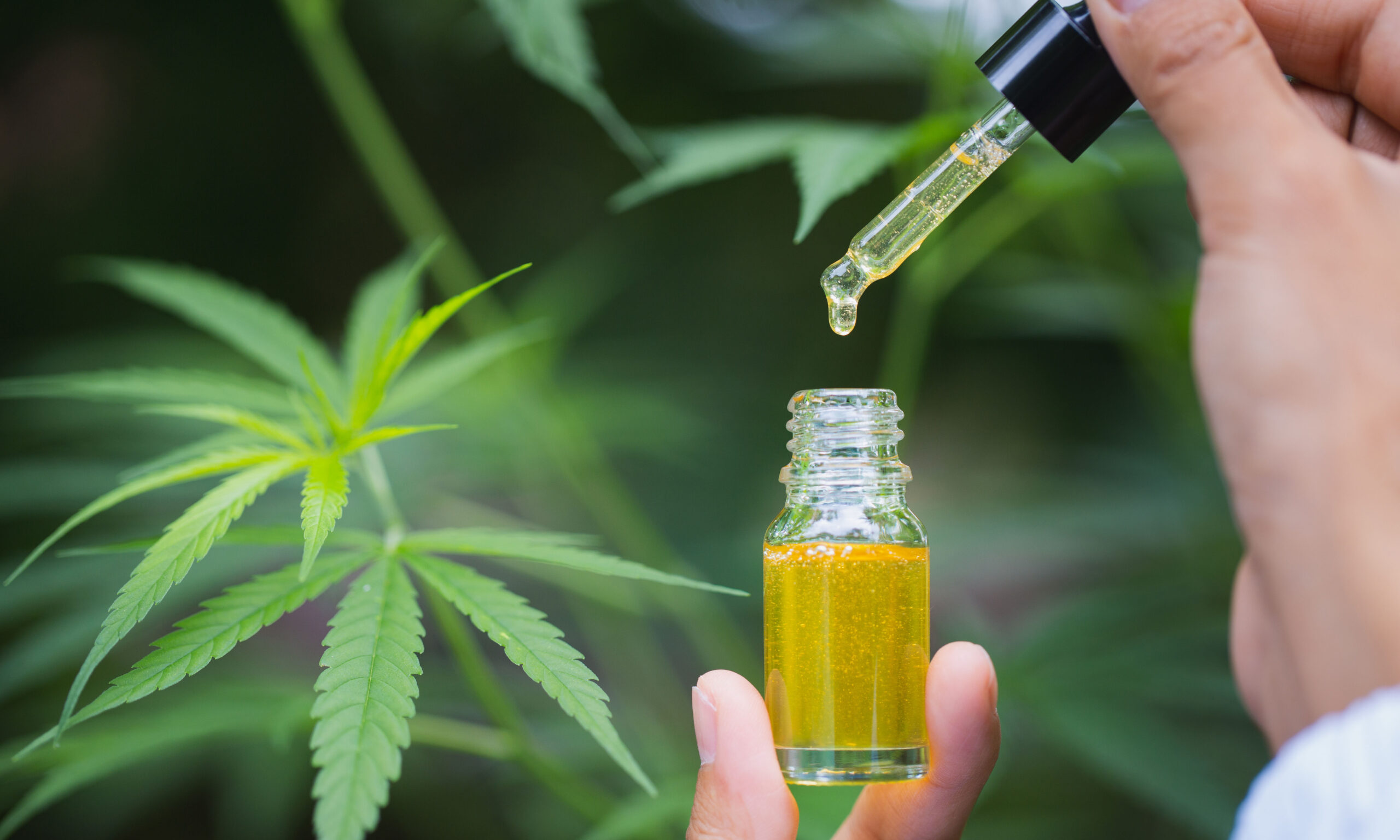
Thirteen out of 14 clinical trials showed statistically significant neuropathic pain reduction with cannabinoids versus placebo. Patients’ pain ratings dropped meaningfully, plus they got better sleep and improved quality of life.
Many find relief with CBD oil or medical cannabis when conventional meds failed. Legal considerations vary, and responses differ, but the science supports it as effective for peripheral neuropathy.
Your government might say it’s dangerous. The research says it works.
Look, there’s a reason certain plants have been suppressed, restricted, or outright banned throughout history. Not because they don’t work – but because they work too well, and nobody profits when you can grow your own medicine.
Cannabis is just one example. There are dozens more – plants that were common knowledge to our grandparents but somehow “disappeared” from modern medicine.
Plants that governments restricted. Plants that Big Pharma would rather you never heard of.
The problem? Finding them. Knowing what they look like. Understanding how to use them safely.
That’s exactly why Nicole Apelian created the most complete plant-knowledge source. It documents over 900 plants – including the banned ones, the forgotten ones, the ones they don’t want you growing in your backyard. Full identification guides, harvesting instructions, remedy recipes.
Get your copy for yourself, give one to someone you love, because this knowledge shouldn’t be hidden anymore.
Ginkgo Biloba – Time-Tested Nerve Nourishment
Known for memory support, ginkgo’s antioxidants also combat nerve damage. It improves circulation and fights oxidative stress – two major factors in neuropathy.
A study of 156 diabetic neuropathy patients taking ginkgo for 6 months showed notable pain reduction and improved sensation in feet. Another trial combining ginkgo with vitamin B12 improved nerve function and physical symptoms.
It won’t numb pain instantly. But over time, it nourishes and protects your nerves. Caution: Ginkgo thins blood, so check with your doctor if you take anticoagulants.
Lavender Oil – Soothe the Fire
Lavender contains linalool, which has real analgesic effects on the nervous system.
A clinical trial had nurses massage diabetic patients’ feet with 3% lavender oil nightly for a month. Neuropathic pain scores dropped significantly. Patients reported better sleep and quality of life, with zero adverse effects.
Simple. Soothing. Effective. And it smells better than a pharmacy.
Capsaicin – Burn Away the Pain
Yes, the spicy component of chili peppers. Herbalists have used it topically for centuries to “burn away” pain, and now it’s FDA-approved.
An 8% capsaicin patch provides significant relief for up to 12 weeks in shingles nerve pain. Clinical trials show 43% of patients get at least 30% pain reduction. It works by depleting the chemicals that signal pain in your nerves.
The initial burning sensation scares people off. But once that subsides, the nerve fire quiets.
My grandmother used to do the same thing – crushed hot peppers mixed with a bit of oil, wrapped in cloth, applied to her knees and back. It worked, but honestly? Working with those peppers is brutal. They get on your hands, you accidentally touch your face, your eyes water for an hour. I gave up making my own.
Instead, I found the strongest natural cayenne-based salve you can get without a prescription – made by actual herbalists who know what they’re doing.
All herb-based, no synthetic garbage. I keep multiple jars around the house now. One in the bedroom, one in the bathroom, one in my bag.
Colder seasons are especially rough on joints and muscles, and this stuff is the only thing that gets me through it. I actually stocked up before 2026 summer ended because prices on everything keep climbing.
Here’s the joint and movement salve I use – I guarantee it heats up your joints, or I wouldn’t mention it. 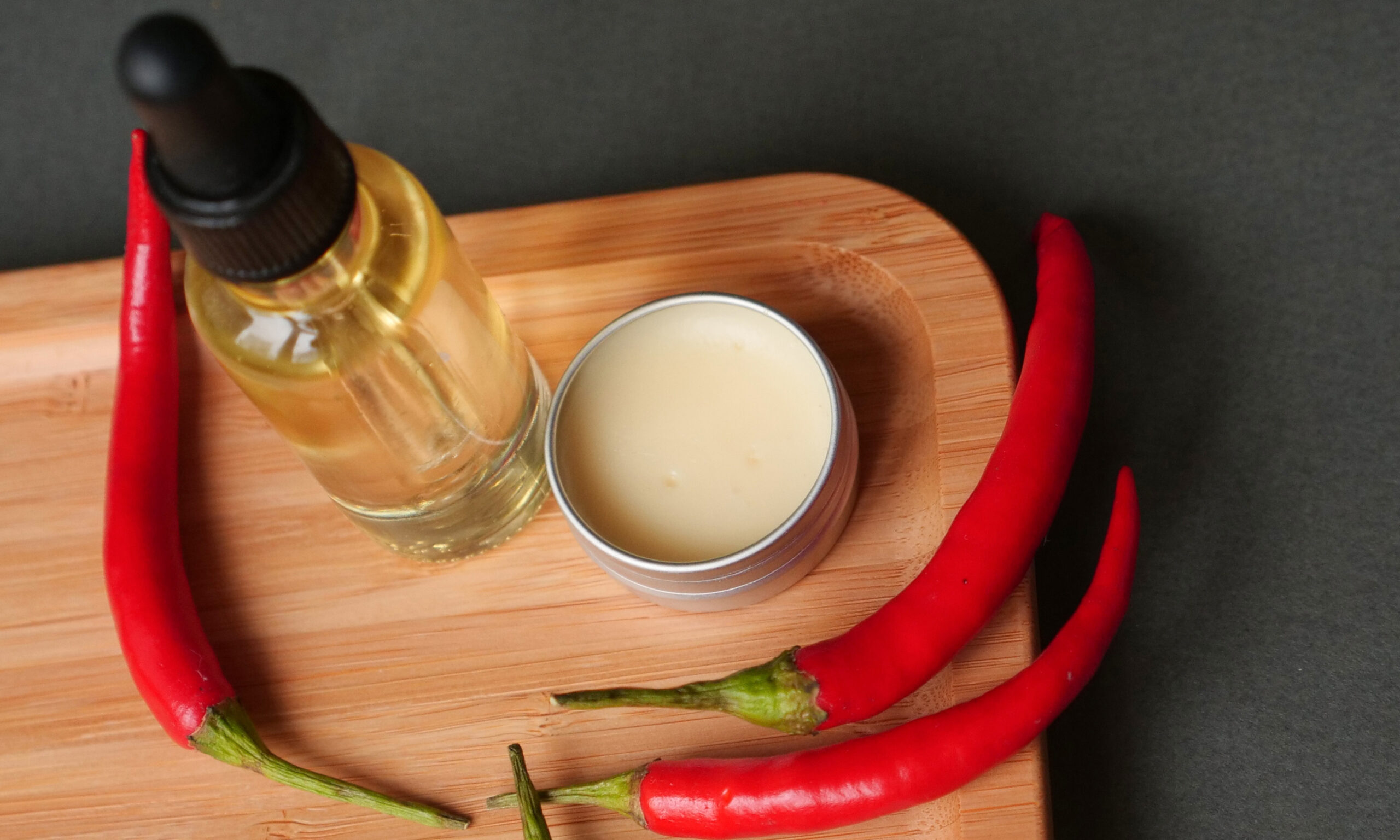
The Path Forward
Neuropathy can make you feel hopeless. The medical system certainly reinforces that – here’s your gabapentin, good luck, see you in three months.
But you’re not helpless. Nature offers genuine relief, often with gentler side effects than pharmaceuticals.
This isn’t anti-science or “magical thinking.” This is integrating the best of both worlds. Modern medicine gives you diagnostics. Ancient herbal wisdom – now backed by clinical trials – gives you tools to actually manage pain and potentially heal nerves.
Your garden or pantry might hold answers your medicine cabinet doesn’t.
Turmeric tea. Capsaicin cream. Evening primrose capsules. Lavender foot massage. These simple remedies, grounded in tradition and supported by science, can help you take back control from neuropathy.
Quality and dosage matter. Work with knowledgeable healthcare providers. What works for one person may not work for another – some safe experimentation is key.
Here’s the truth: you shouldn’t be experimenting blindly with herbs and hoping for the best. You need real guidance from someone who actually knows what they’re doing – a trained herbalist, not just someone who read a blog post.
But let’s be real – most people don’t have time to become herbalists themselves. They just want relief now. The fastest path? Get remedies that experienced herbalists have already formulated. These are the ones I personally use or recommend for neuropathy:
- Joint & Movement Salve – The cayenne formula I mentioned. Arnica, St. John’s wort, calendula, frankincense.
- Heart Health Blend – Hawthorn, tulsi, fenugreek, bilberry. Cardiovascular Support.
- Lion’s Mane Mushroom Tincture – Traditionally used for brain-boosting.
- Reishi Mushroom Tincture – Adaptogenic support against stress. Better sleep, anti-inflammatory, immune support.
- Sleep Blend Tincture – Valerian, hops, chamomile, passionflower. You need to rest well, to regenerate well.
- Anxiety & Stress Tincture – Ashwagandha, lemon balm, lion’s mane, reishi. Designed around herbs traditionally used for stress support.
- Balanced Gut Blend – Gut inflammation directly affects nerve health. Soothes intestinal tract, supports healthy function.
- Lemon Balm Tincture – Traditionally used to calm the nervous system, reduces stress and anxiety, supports mental clarity.
- Cordyceps Mushroom Tincture – Supports energy, lung function, and brain health. Fights the fatigue that comes with chronic pain.
Use this link to access all of these and you’ll automatically get their early winter pricing – they’re running seasonal offers since symptoms worsen in cold weather.
The point is this: you have real options. Try them out! You don’t need to stay dependent on conventional plans that fog your brain and barely touch the pain. You don’t need to keep suffering without trying traditional remedies.
The message is encouraging: you also have options beyond pharmaceutical dependence and side effects.
The nerve pain that’s been stealing your sleep, your mobility, your joy? Nature has been quietly offering solutions all along.
Start exploring your options. Your nerves are waiting for the support they actually need – not the chemical suppression they’ve been getting.
Nature’s gifts are here. The only question is: are you ready to try something that might actually help?
Always consult your healthcare provider before starting herbal remedies, especially if you take medications or have existing conditions. Even natural remedies can interact with drugs.

I’m wondering why you didn’t mention St. John’s Wort first. Not only is it good as a mood enhancer, buy creating an oil with the petals is one of the best nerve healers around, although most people don’t know it. I’ve helped many people with the use of this oil–people that had struggled with diabetic neuropathy for years, even when all those medications did nothing.
I was wondering the same thing
Where is the 1+1 offer. Would love to get this and share a copy with my sister.
Hey Michelle! Thank you so much for your comment.
You can find the 1+1 offer if you click here, or inside the article.
Have a blessed day!
Yet again I have tried to purchase from you Nicole but it appears that shipping to the UK still isn’t available. I’ve tried in the past to purchase different remedies without success but now I’ve been unable to buy the lost Apothecaries book without success. Why are your products not available to order from across the pond!!
I have the same frustration in Australia … I did manage to buy the book online though so if I can find a reliable compounding herbalist I’ll be stocking up (I do not want to risk missing s-blending and causing unexpected issues).
Hello Nicole,
So wonderful to have this forum for discussion. I am wondering about using the capsasin when one has rumatoid arthritis. I have been combining it with castor oil any applying to my feet for neuropathy but have noticed my. arthritis flaring up. That said I am wondering if you might know if I could replace the capsasin with tumeric to help the neuropathy along with the arthritis?