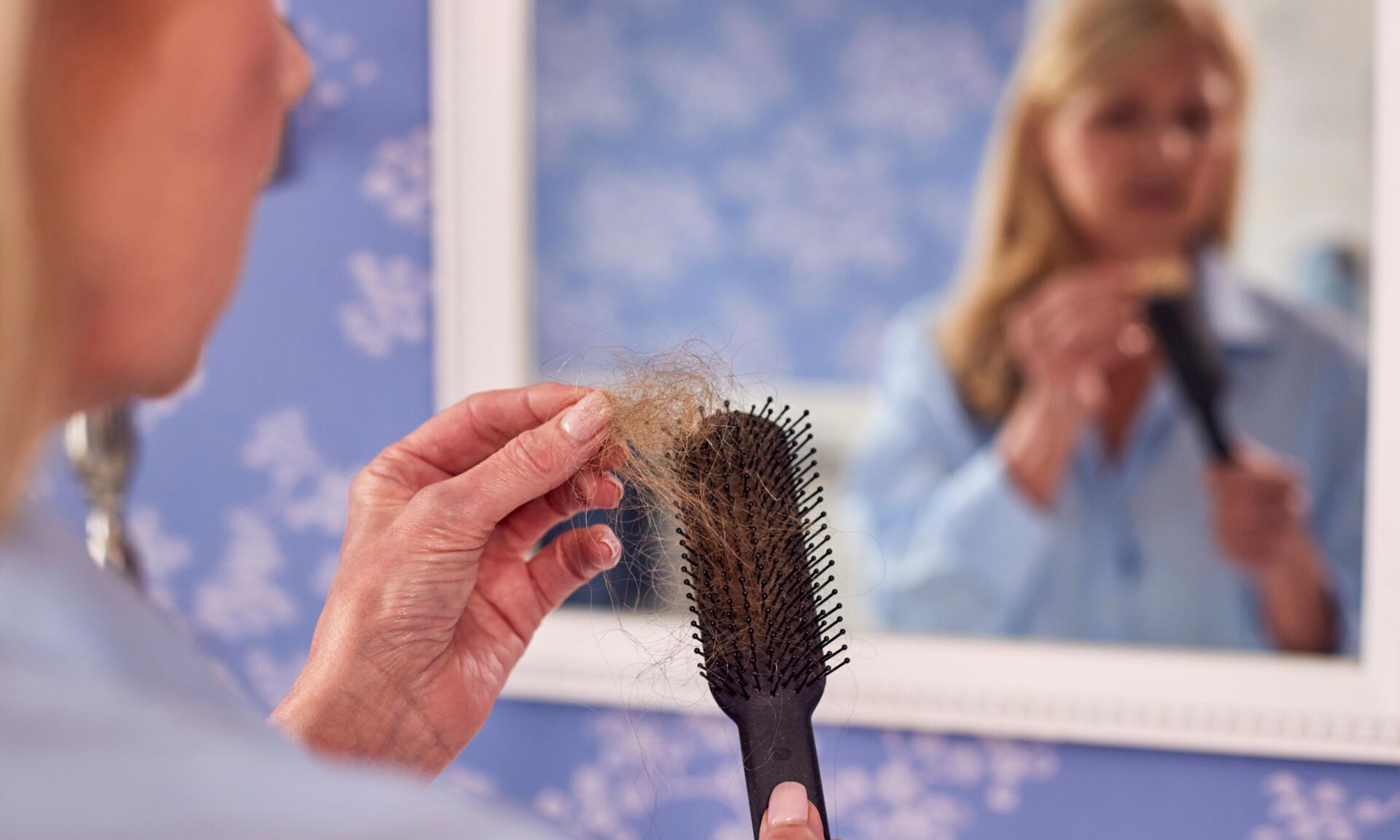
Your scalp itches. Your dandruff flakes onto your black shirts like snow. Your hair feels greasy hours after washing. You’ve tried every expensive shampoo at the pharmacy, and nothing works for more than a week.
So now you’re reading an article about washing your hair with garlic tea, wondering if you’ve finally lost it.
I get it. It sounds ridiculous. But before you click away, let me tell you what happened when researchers actually tested garlic on people with hair loss, and why a diluted garlic rinse might be the reset your angry scalp has been asking for.
This isn’t about rubbing raw garlic on your head (please don’t… you’ll end up with chemical burns). This is about a gentle, water-based rinse that uses garlic’s bioactive compounds without the drama.
Let me show you the science behind why this weird kitchen remedy actually makes sense.
What Happens When Garlic Gets Damaged (And Why Your Scalp Cares)
Garlic becomes “active” when you crush or chop it. The enzyme alliinase converts alliin into allicin—a reactive sulfur compound that gives garlic its characteristic smell and most of its biological activity.
Why does that matter for your scalp? Because allicin has broad antimicrobial effects in laboratory research. It can inhibit or kill bacteria and fungi in a dose-dependent manner. It’s even been studied against resistant organisms.
Here’s the twist: allicin is reactive. That reactivity stresses microbes—but it’s also why crude “garlic paste on skin” home remedies go wrong, causing irritant contact dermatitis, blistering, and burn-like injuries.
The NIH’s National Center for Complementary and Integrative Health explicitly warns that fresh raw garlic may not be safe when used topically and can cause severe irritation and chemical burns. Case reports document burn-like lesions from garlic paste, especially when used under occlusion or for prolonged contact.
Garlic tea is different. You’re extracting water-soluble compounds in diluted form, then rinsing—not taping raw garlic to your head and hoping for the best.
That’s why garlic is one of the most powerful remedies out there. Besides what I’ll show you below regarding hair growth and hair loss, it’s actually a main ingredient in many well-known recipes from our ancestors and herbalists alike.
The knowledge passed the test of time, just like these recipes:
Amish Amoxicillin – This remedy is so effective, it should be illegal (garlic-based antibiotic)
Let’s be strict about evidence. There’s one hair-related area where garlic has genuine human clinical data: alopecia areata (patchy, non-scarring hair loss).
A double-blind randomized controlled study with 40 participants compared topical garlic gel versus placebo gel, used alongside a topical corticosteroid for three months. The garlic-gel group had significantly better response scores than control, with no complications during the study period.
That’s real evidence that properly formulated topical garlic can influence outcomes in a genuine hair-follicle disorder.
The reality check: This was garlic gel (5%), not garlic tea. It was used twice daily for months. Participants also used a topical steroid. You can’t automatically translate those results into “garlic tea rinse will regrow hair”—formulation, dose, contact time, and the condition itself all differ.
But there’s more. Randomized comparative trials of ajoene (an organosulfur compound from garlic) showed high cure rates for athlete’s foot and other fungal infections—sometimes comparable to terbinafine. That strengthens the broader point that garlic chemistry can be clinically relevant on skin when handled correctly.
Why Is Your Hair Thinning? (It Might Be Your Gut)
Hair loss isn’t just about your scalp. It starts in your gut.
If your gut isn’t absorbing nutrients properly—zinc, iron, biotin, protein—your hair follicles are starving. You can use all the garlic rinses and expensive shampoos you want, but if your gut is damaged, those nutrients never reach your scalp.
Leaky gut, poor digestion, imbalanced gut flora—these destroy nutrient absorption. Your hair pays the price.
The Balanced Gut Tincture made by Nicole Apelian combines marshmallow (coats and soothes gut lining), plantain (repairs damaged intestinal walls), and slippery elm (heals leaky gut).
When your gut is balanced, it absorbs the nutrients your hair needs to grow thick and strong.
Chronic stress raises cortisol. High cortisol pushes hair follicles into “shedding mode” (telogen effluvium). That’s why you lose clumps of hair during stressful periods.
Stress also triggers autoimmune flare-ups that cause alopecia areata (patchy hair loss).
The Anxiety & Stress Tincture contains ashwagandha (lowers cortisol), lemon balm (calms nervous system), reishi (immune modulation), and lion’s mane (supports nerve health).
These aren’t just “relaxing herbs.” They’re clinically studied for reducing the stress hormones that destroy your hair.
Most people don’t look at garlic rinses because they’re bored. They start because their scalp feels off: itchy, flaky, oily, or generally “why is my head angry today?”
The most common culprits are dandruff and its more inflamed sibling, seborrheic dermatitis. The American Academy of Dermatology describes seborrheic dermatitis as a common condition causing scaly rash on oily areas like the scalp, with dandruff being the mildest form.
The Mayo Clinic notes the cause isn’t fully clear but may involve the yeast Malassezia, excess oil, and immune factors.
So where does garlic tea fit?
Garlic-derived compounds show antimicrobial activity in research and clinical trials for some skin infections. This makes a brief, diluted garlic rinse a plausible comfort experiment for people whose scalp issues may involve microbes and inflammation.
Direct clinical trials for garlic tea rinses on dandruff are lacking, so benefits are “may help” rather than “treats.”
But here’s the practical angle: the AAD warns that scratching an itchy scalp can lead to infection. If garlic tea helps you stop scratching and start healing, that matters—even if it’s not “proven” in a clinical trial.
If garlic tea helps you stop scratching and start healing, that matters. But if you’ve already scratched your scalp raw, you need to prevent infection and promote healing. You can make a great herbal salve with calendula, yarrow, plantain and lavender to heal scratches, reduce inflammation, and prevent bacterial infections from taking hold. I use the same one for years, and I take it from HERE. It’s very cheap and effective.
Plant knowledge is so important. If you want to know what herbs are actually doing—and why they work—you need this in your bookshelf.
One day, pharmacies won’t be an option anymore. Supply chains break. Stores run out. But if you know how to make your own remedies, you’re never helpless.
Optional: 1 tablespoon dried rosemary (for scent and scalp feel)
Method:
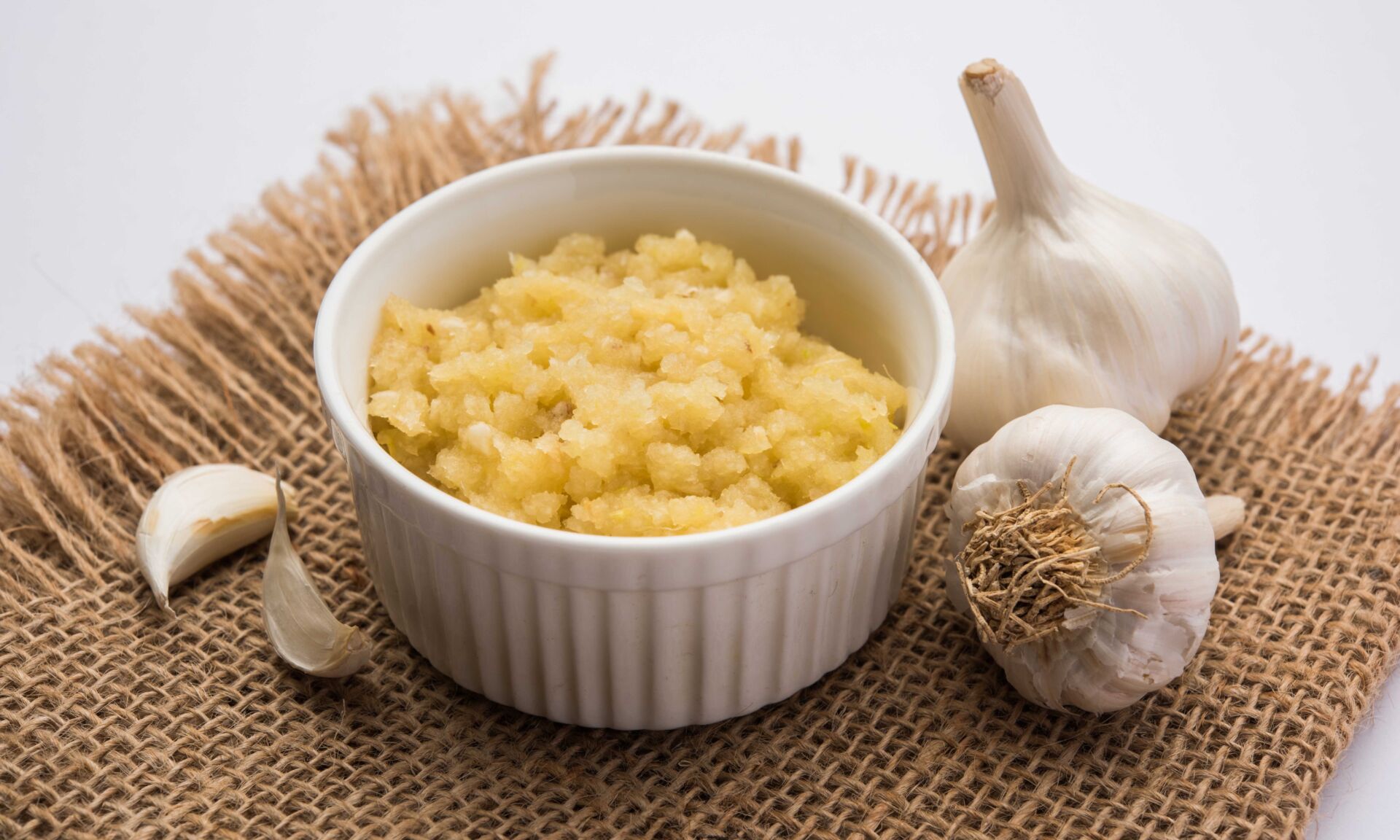
Lightly crush garlic cloves (don’t make paste). Let sit ~10 minutes. This matters because allicin forms after tissue damage.
Bring water to boil, then turn off heat
Add crushed cloves, cover, steep 15-20 minutes
Strain thoroughly. Let cool to lukewarm (never apply hot liquid to scalp)
How to Use:
Shampoo as normal (or thoroughly wet hair)
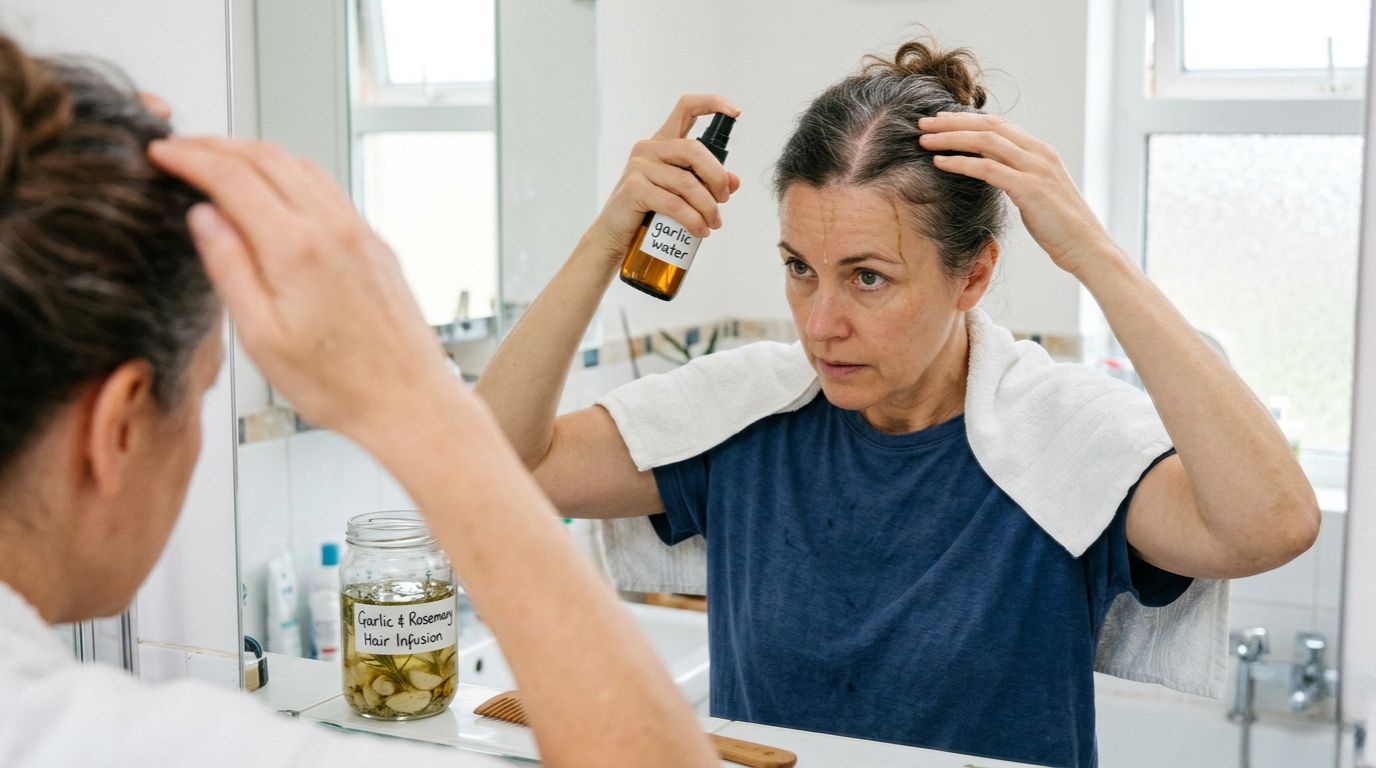
Slowly pour lukewarm rinse over scalp, massage lightly 30-60 seconds
Leave on 2-3 minutes, then rinse with plain water
Start once weekly. If tolerated, try up to 2-3 times weekly
Storage: Make fresh when possible. Refrigerate and use within 24-48 hours if storing.
This is a great recipe to include in your hair loss protocol. I follow THIS hair loss protocol and it helped me. It’s not just garlic rinses. It’s nutrition, stress management, gut health, hormone balance, scalp care—everything your hair needs to stop falling out and start growing again.
Customizing Your Hair Growth Remedy
Rosemary (for fuller-looking hair): A six-month randomized trial found rosemary oil and 2% minoxidil both significantly increased hair count, with no significant differences between them. Adding rosemary herb to your infusion is mainly about scalp feel and fragrance—not equivalent to the oil dosing used in trials, but still pleasant.
Nettle (for oily scalp): Nettle extracts show anti-inflammatory activity in lab research. Evidence for directly improving dandruff or regrowing hair is limited, but it appears in traditional scalp care for good reason. Steep a small handful of dried nettle leaf alongside garlic, strain well, and treat as a comfort ritual.
Here’s the problem with nettles: they sting. Picking them is painful. Processing them fresh is annoying. Nobody likes that.
But you can 100% make use of what nettles have by using a tincture instead.
If you don’t have one, you can get the BEST ONE HERE—made by Nicole Apelian using wild-harvested, dual-extracted stinging nettle.
And here’s the game-changer: even if you don’t make this remedy yourself, you can just get this tincture and mix a few drops in your shampoo.
Because store-bought shampoo is so bad (synthetic sulfates, parabens, fragrance chemicals) that it can harm your hair. But if you add this nettle tincture, you actually boost it with anti-inflammatory, nutrient-rich compounds that support scalp health.
Patch test first (inner arm). Avoid broken or irritated skin. Never occlude (no plastic wrap, no sleeping in it)—this causes chemical burns. Stop immediately if burning, stinging, or blistering occurs. Garlic allergy can cause rash, hives, or serious reactions. Garlic supplements may increase bleeding risk.
The FDA classifies anti-dandruff products as drugs. Claims about regrowing hair require scientific evidence. Frame garlic tea as a personal-care rinse that may support a cleaner-feeling scalp—not a medical treatment.
If you have sudden patchy hair loss, persistent scaling, pain, weeping, or signs of infection—see a dermatologist, not “one more rinse.”
Stop Poisoning Your Hair With Store-Bought Products
Sure, you can get that nettle tincture and use it on your scalp directly—or put it in your shampoo or conditioner. But it’s even better if you can make all personal care products yourself.
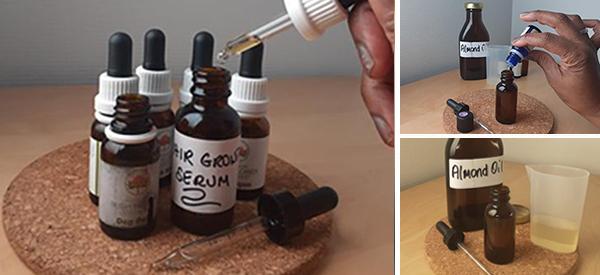
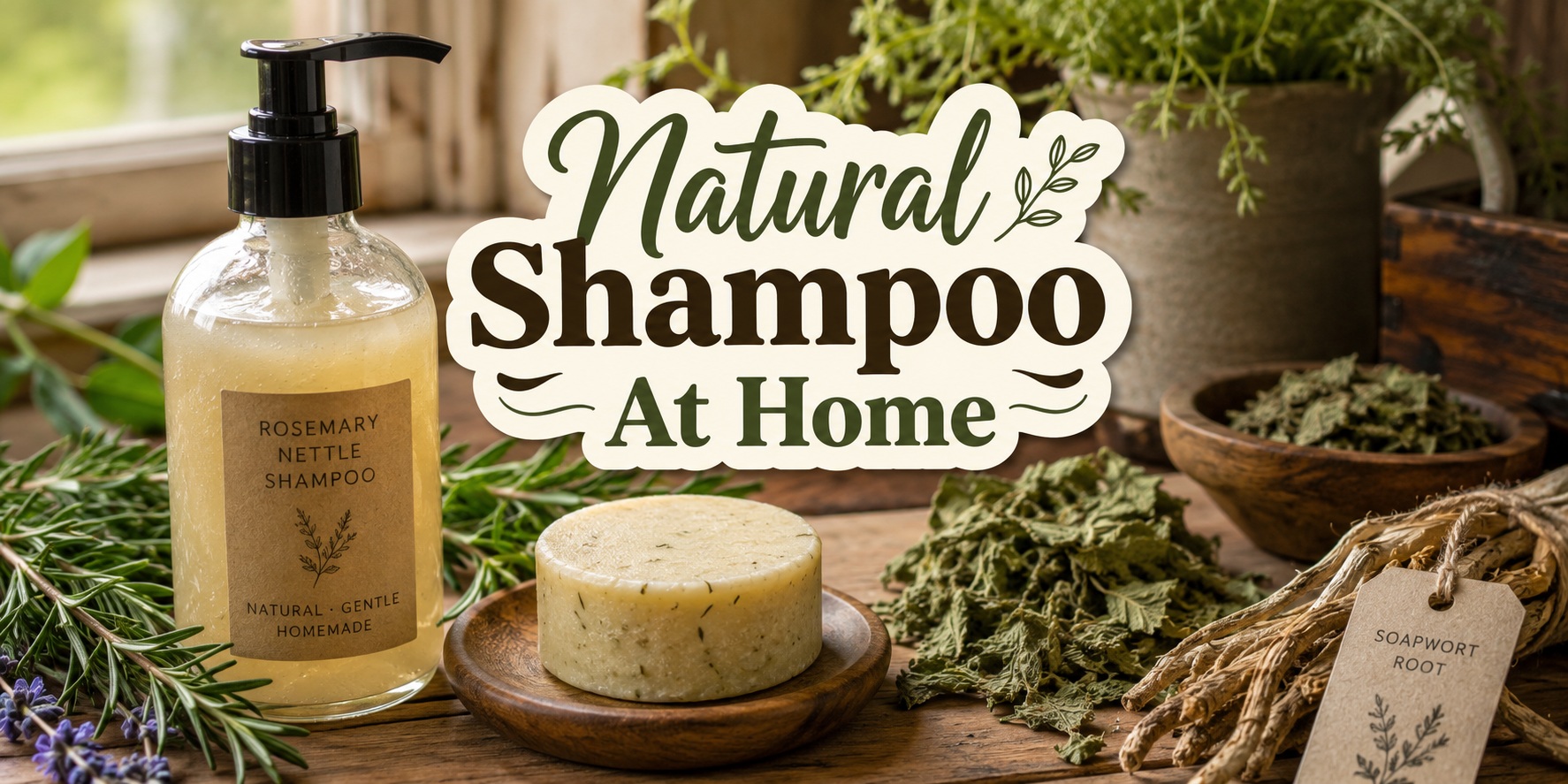
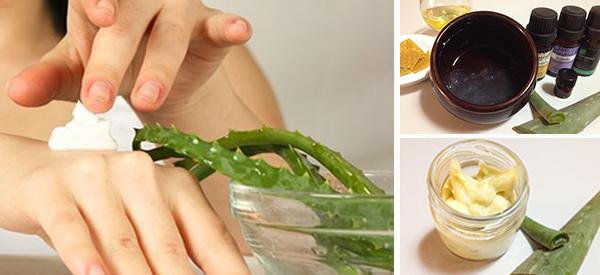
Inside The Lost Remedies Academy, Nicole teaches you how to make personal care products—shampoos, soaps, serums, salves—without the chemicals and toxins from store-bought products.
Garlic tea for hair sounds weird. It is weird. But the chemistry behind it is legitimate: garlic compounds have documented antimicrobial effects, and at least one clinical trial showed garlic gel improved outcomes in alopecia areata.
A diluted garlic rinse is a low-risk experiment if:
Your scalp feels off (itchy, flaky, oily)
Expensive shampoos haven’t worked
You want to try something simple and cheap before escalating to prescriptions
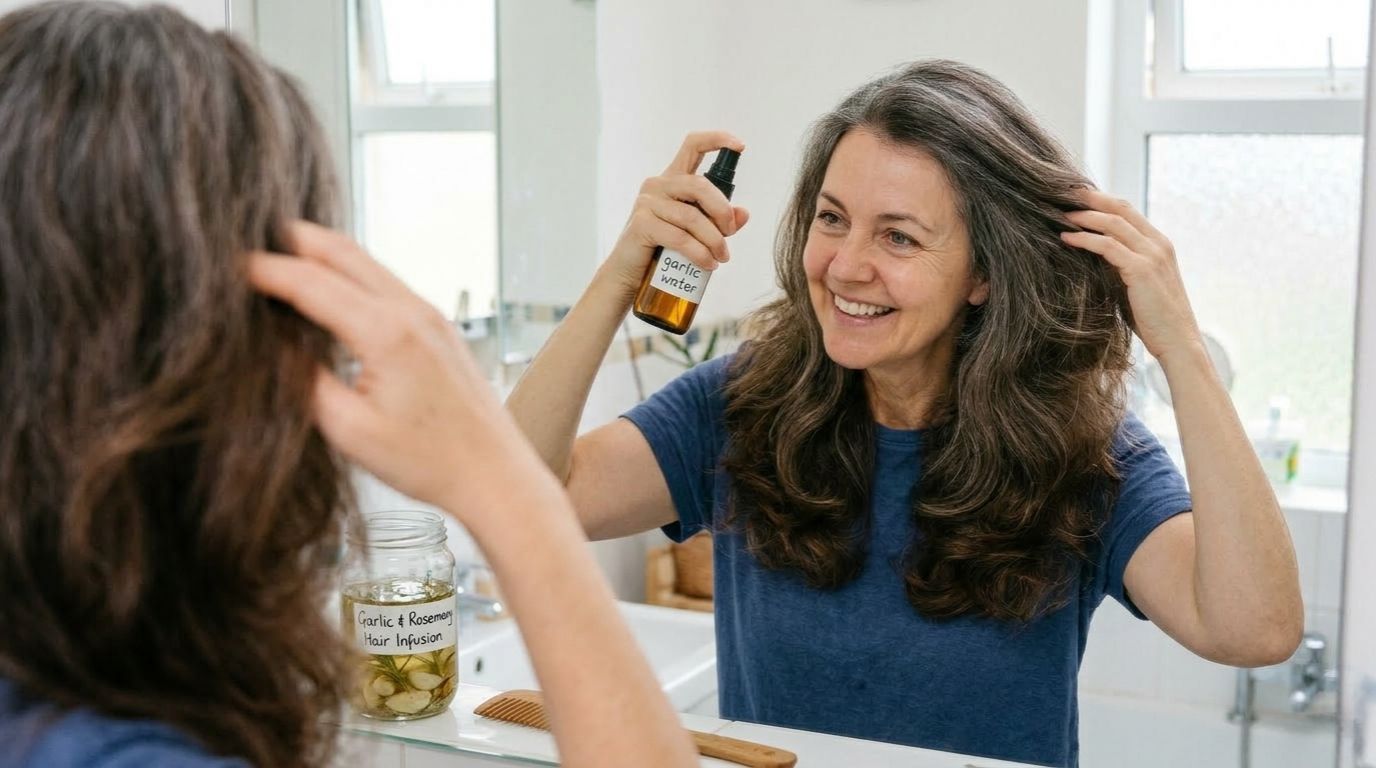
It’s not a miracle cure. It won’t regrow hair overnight. But if it helps your scalp feel less angry and stops the itch-scratch cycle, that’s a win.
Make it weak. Use it briefly. Rinse thoroughly. Pay attention to how your scalp responds.
And if anyone asks why your bathroom smells like an Italian restaurant, just tell them you’re conducting science experiments. Which, technically, you are.
Your scalp has been trying to tell you something. Maybe it’s time to listen—even if the solution smells like garlic.
We use cookies to ensure that we give you the best experience on our website. If you continue to use this site, we will assume that you are happy with it.
Functional Always active
The technical storage or access is strictly necessary for the legitimate purpose of enabling the use of a specific service explicitly requested by the subscriber or user, or for the sole purpose of carrying out the transmission of a communication over an electronic communications network.
Preferences
The technical storage or access is necessary for the legitimate purpose of storing preferences that are not requested by the subscriber or user.
Statistics
The technical storage or access that is used exclusively for statistical purposes.The technical storage or access that is used exclusively for anonymous statistical purposes. Without a subpoena, voluntary compliance on the part of your Internet Service Provider, or additional records from a third party, information stored or retrieved for this purpose alone cannot usually be used to identify you.
Marketing
The technical storage or access is required to create user profiles to send advertising, or to track the user on a website or across several websites for similar marketing purposes.





Can this be used on color treated hair?