There is something deeply uncomfortable about spraying yourself with a synthetic chemical just to go outside. DEET, the active ingredient in most commercial repellents, is effective but comes with real trade-offs: skin irritation, synthetic fragrance, concerns about absorption into the bloodstream, and a petrochemical smell that never quite leaves your clothes. For those of us who prefer to work with nature rather than against it, the question is not whether natural repellents work. It is which herbs work best, how to prepare them, and how to use them effectively in the field.
The answer is richer than most people expect. Traditional herbalists across every climate on earth developed insect repellent preparations long before synthetic chemistry existed. Many of those plants have since been validated by modern research. This guide brings both traditions together: the herbs, the science, the recipes, and the practical wisdom to use them well.
Why Natural Repellents Work (And Why Some Don’t)
Insects locate hosts primarily through scent. Carbon dioxide from breath, lactic acid from sweat, and body heat all create a chemical signature that biting insects follow. Effective repellents work by masking or overpowering that signature with volatile compounds the insect either cannot process or actively avoids.
Plants produce these volatile compounds naturally, as part of their own defense systems against insect damage. The same essential oils that make lavender smell beautiful to us make it genuinely aversive to mosquitoes and other insects. This is not coincidence or folklore. It is plant chemistry with a clear evolutionary logic.
A 2011 review published in Malaria Journal evaluated dozens of plant-based repellent studies and confirmed that several botanical ingredients, particularly those containing citronellal, linalool, and nootkatone, produced meaningful protection times comparable to low concentrations of DEET under controlled conditions.
The honest caveat is that natural repellents generally require more frequent reapplication than DEET-based products because their active compounds evaporate faster. Knowing this upfront lets you use them strategically and effectively, rather than being surprised when they need refreshing after an hour of outdoor activity.
The Herbalist’s Repellent Cabinet: Eight Plants That Earn Their Place
Catnip (Nepeta cataria)
Catnip is one of the most under-appreciated repellent herbs available. The active compound nepetalactone, which gives the plant its characteristic scent, has shown repellent activity against mosquitoes in multiple studies. Research from Iowa State University found that nepetalactone was roughly ten times more effective than DEET at repelling mosquitoes in laboratory conditions, though field performance is more modest. It grows prolifically in most temperate climates, reseeds itself readily, and can be harvested repeatedly through the season. Fresh crushed leaves rubbed on exposed skin provide quick field-use protection when a prepared formula is not at hand.
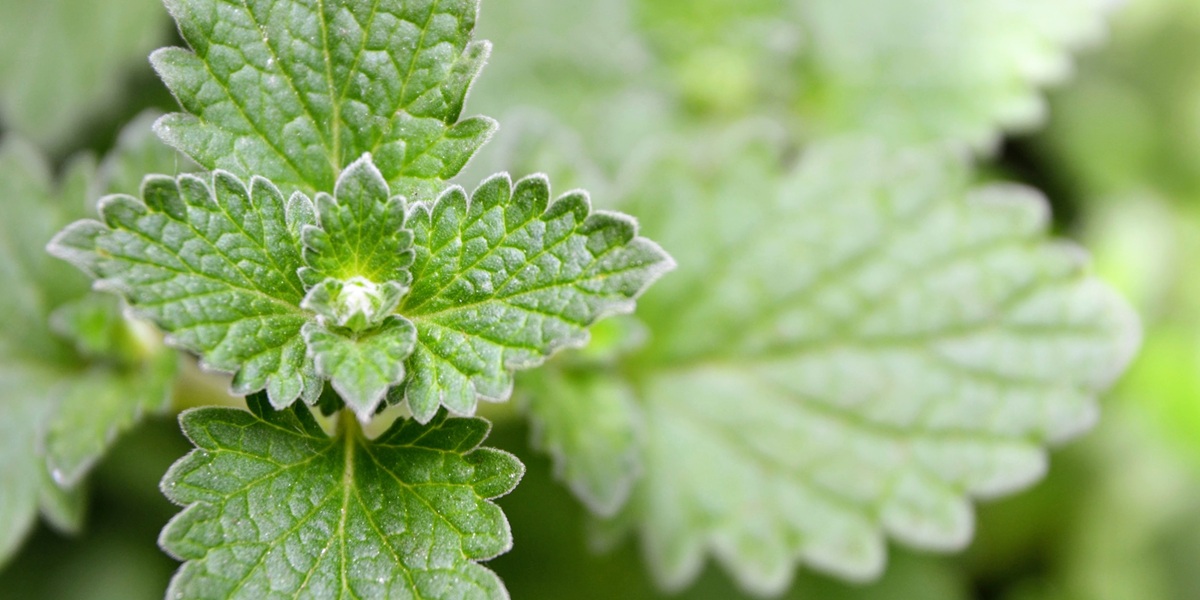
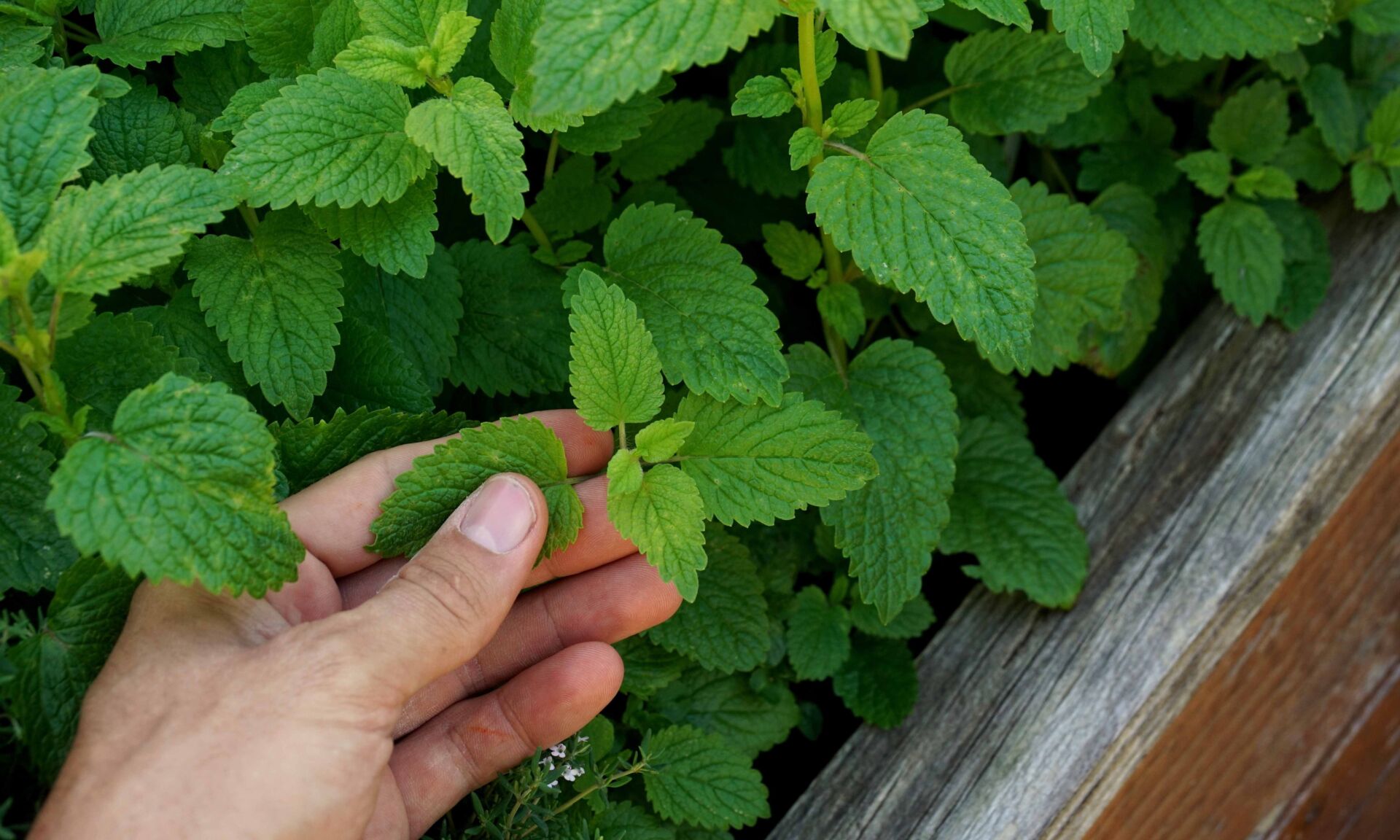
Lemon Balm (Melissa officinalis)
Lemon balm contains high concentrations of citronellal and citral, compounds closely related to those found in citronella grass. It has a gentle, pleasant lemon scent that makes it one of the most comfortable herbs to wear on the skin. It grows vigorously (some would say aggressively) in most gardens and is one of the easiest repellent herbs to work with. It pairs beautifully with lavender in blended preparations and is gentle enough for use on children’s skin with appropriate dilution.
The European Medicines Agency has documented lemon balm’s traditional use as a topical preparation, supporting its safety profile for skin application.
Lavender is perhaps the most beloved herb in the Western herbalist tradition, and its repellent properties are a welcome addition to its long list of virtues. Linalool and linalyl acetate, lavender’s primary active compounds, have documented repellent activity against mosquitoes, fleas, and flies. Lavender is also one of the few essential oils considered safe to apply to skin neat (undiluted) in very small amounts, though dilution is always the recommended approach for full-body application. Its calming scent has the secondary benefit of reducing the anxiety that often accompanies heavy insect pressure.
Rosemary‘s camphor-forward essential oil profile makes it a particularly effective repellent for flies and mosquitoes. It is also one of the most heat-stable repellent herbs, meaning a rosemary-infused preparation holds its potency reasonably well even in warm weather. Fresh rosemary branches burned slowly on a campfire or grill create a simple, effective area repellent that has been used across Mediterranean cultures for centuries. As a skin preparation, rosemary blends naturally with other woody-scented herbs and holds well in oil-based formulations.
Peppermint (Mentha piperita)
Peppermint‘s menthol content gives it a cooling sensation on the skin and a sharp, penetrating scent that insects find aversive. It shows particular effectiveness against mosquitoes, ants, and spiders. It is one of the strongest-smelling herbs on this list, which means a little goes a long way in any blended formulation. Peppermint should be diluted more carefully than most herbs before skin application, as high concentrations of menthol can cause skin irritation, particularly on sensitive skin or near the face.
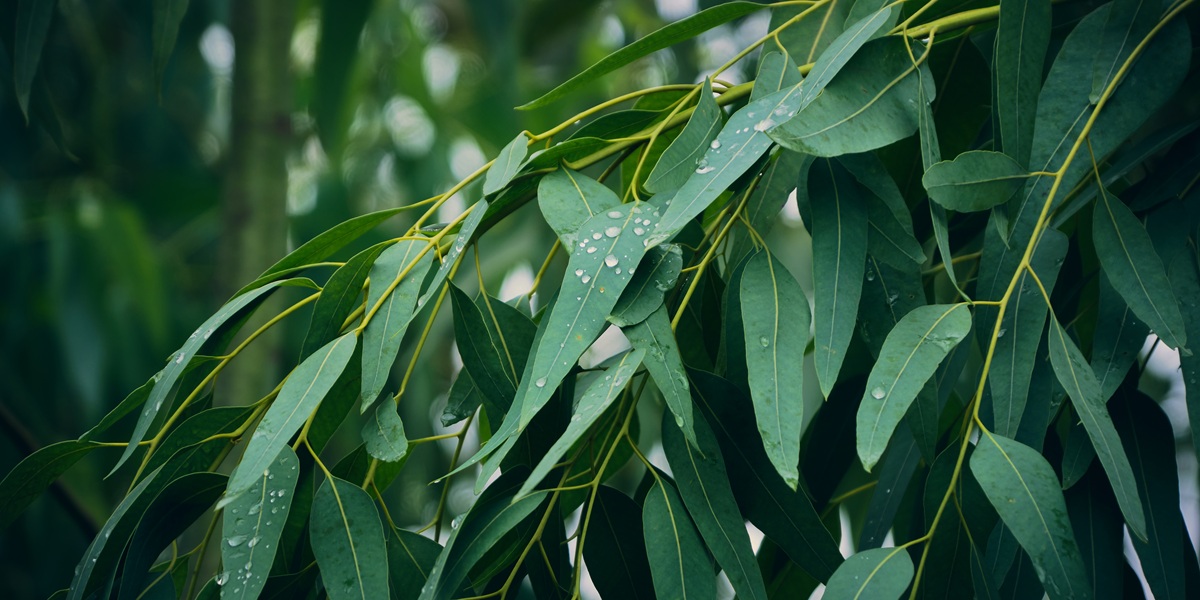
Eucalyptus (Eucalyptus globulus and Corymbia citriodora)
Oil of lemon eucalyptus, derived from Corymbia citriodora, is the only plant-based repellent ingredient that the Centers for Disease Control and Prevention recommends as providing protection against both mosquitoes and ticks comparable to low concentrations of DEET. It is important to distinguish between refined oil of lemon eucalyptus (p-menthane-3,8-diol, or PMD) and raw lemon eucalyptus essential oil: the CDC recommendation applies to the refined extract, not raw essential oil, and the raw oil should not be used on children under three years old. For adult use, both forms have meaningful repellent activity.
Thyme (Thymus vulgaris)
Thyme essential oil contains thymol and carvacrol, two phenolic compounds with strong insect-repellent properties. A study published in the journal Phytotherapy Research found that thyme oil preparations provided mosquito protection comparable to commercial repellents in short-duration field tests. Thyme is particularly effective when combined with other repellent herbs, where its strong, savory-medicinal scent anchors and extends the blend. Like peppermint, it should be well diluted before skin application.
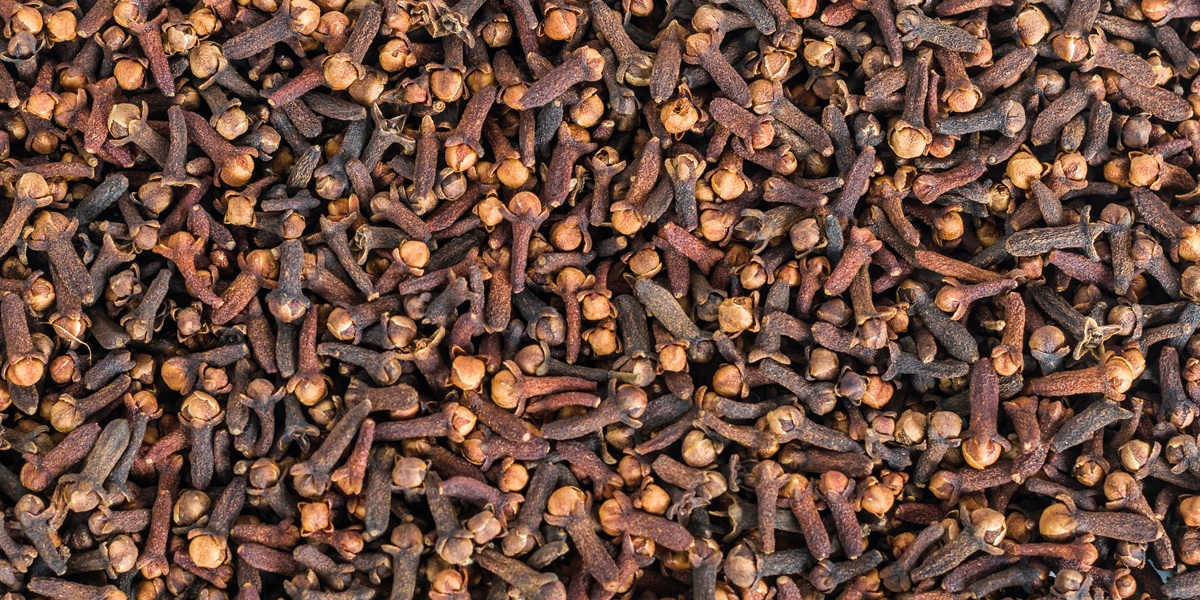
Clove (Syzygium aromaticum)
Clove bud essential oil is among the most potent natural repellents available, with eugenol content that provides strong, fast-acting protection. It also has documented antimicrobial properties, which is useful if you are dealing with insect bites that have broken the skin. The trade-off is that clove oil is one of the more irritating botanicals for skin application and must be diluted to a maximum of 0.5 to 1 percent in any skin-contact preparation. Used at proper dilutions, it anchors and intensifies blended repellent formulas effectively.
Four Recipes You Can Make at Home
The following recipes move from simplest to most involved, covering the main preparation formats that herbalists use for skin repellents. All use ingredients that are widely available from herb suppliers or your own garden.
Fresh Herb Rub (No Equipment Required)
This is the most immediate form of plant protection, requiring nothing more than access to fresh herbs. Gather a small handful of any combination of fresh catnip, lemon balm, lavender, or rosemary leaves. Crush them firmly between your palms until the oils release and the leaves are well bruised. Rub the crushed material directly onto exposed skin, focusing on ankles, wrists, neck, and the backs of knees. Reapply as needed, roughly every 30 to 45 minutes in heavy insect conditions. This approach is ideal for gardeners who grow their own herbs and want instant protection without preparation.
Herbal Vinegar Spray
Apple cider vinegar makes an excellent extracting medium for repellent herbs and doubles as a mild skin toner. Fill a glass jar loosely with any combination of fresh or dried lavender, rosemary, lemon balm, catnip, and peppermint. Cover completely with raw apple cider vinegar, seal the jar, and allow to infuse for two to four weeks in a cool, dark location, shaking daily. Strain well through cheesecloth, pressing the herbs firmly to extract all liquid. Transfer to a spray bottle. For use, dilute one part herbal vinegar with one part water and apply to exposed skin. The vinegar smell dissipates quickly as it dries. Shelf life is six to twelve months stored away from heat and light.
Essential Oil Spray (Quick Preparation)
For those who work with essential oils, this spray comes together in under ten minutes and stores well. In a two-ounce glass spray bottle, combine 1 tablespoon of witch hazel or grain alcohol (as an emulsifier), 1 tablespoon of water, and 30 to 40 drops of essential oils total. A well-balanced blend for this volume might include 10 drops of lemon eucalyptus, 10 drops of lavender, 8 drops of rosemary, and 6 drops of peppermint. Shake before each use, as water and oil will separate. Apply to exposed skin and clothing. Reapply every 60 to 90 minutes outdoors.
Store in a cool location and use within three to four months. Glass bottles are strongly preferred over plastic, as concentrated essential oils degrade certain plastics over time.
A balm preparation is the most sweat-resistant format and ideal for high-activity outdoor use or humid conditions where a spray washes off quickly. Gently melt 1 ounce of beeswax with 4 ounces of a carrier oil such as jojoba, sweet almond, or coconut oil in a double boiler. Remove from heat and allow to cool slightly but not solidify. Add 60 to 80 drops of essential oils (use the same blend ratios as the spray above, scaled for the larger volume). Pour immediately into small tins or glass jars and allow to set undisturbed for several hours. Apply a thin layer to exposed skin; a small amount goes a long way. The balm format protects the essential oils from rapid evaporation and provides meaningful protection for two to three hours per application.
Research published in the Journal of the American Mosquito Control Association has specifically examined oil-based carrier preparations and found that the carrier medium significantly affects the protection time of botanical repellents, with viscous oil and wax-based preparations outperforming water-based sprays in both adherence and duration.
Field Use: Getting the Most From Your Natural Repellent
Even the best natural repellent underperforms if it is applied incorrectly or used in conditions that work against it. These practical considerations make the difference between frustration and genuine protection.
Coverage Is Everything
Mosquitoes are opportunists. They will find any exposed skin you missed. Pay particular attention to the ankle and lower leg area, the wrists, the back of the neck, and the hairline. These are the most commonly missed spots in a quick application. For tick protection specifically, treating clothing at the sock line and trouser hem is as important as skin application.
Timing Your Reapplication
Natural repellents are most effective when applied before going outside, not after the insects have already found you. Apply five to ten minutes before exposure. Set a timer or use a natural cue, such as reapplying each time you stop for water, to maintain consistent coverage during extended outdoor activity. Swimming, sweating heavily, or wiping your skin will shorten the effective window and require an earlier reapplication.
Layering With Protective Clothing
Natural repellents work most effectively when used alongside, not instead of, sensible clothing choices in high-pressure insect environments. Long sleeves and trousers in light colors reduce exposed skin and make it easier to spot ticks. Applying your herbal spray to clothing as well as skin extends coverage and is particularly effective around cuffs, collars, and openings where insects enter.
Knowing Your Insect Pressure
Natural repellents perform best in moderate insect pressure conditions: a summer evening in the garden, hiking in open terrain, or time spent near a lake. In areas with very high mosquito density, during peak biting hours at dawn and dusk, or in regions where mosquito-borne illness is a genuine risk, you may choose to layer a natural repellent with additional protective measures. Knowing your local insect pressure and disease risk allows you to make informed decisions about when natural options are fully sufficient and when additional precautions are appropriate.
The National Institute of Environmental Health Sciences maintains current information on insect-borne disease risk by region, which is a useful reference for anyone calibrating their repellent strategy to their specific location and season.
Growing Your Own Repellent Garden
One of the most practical things you can do for natural insect protection is grow a dedicated patch of repellent herbs close to areas where you spend time outdoors. This gives you a permanent, renewable supply of fresh material and creates a low-level ambient repellent effect in the immediate area simply through the volatile oils the living plants release.
A simple repellent garden can be established in a raised bed, a container cluster on a patio, or a border planting along a pathway. Catnip, lemon balm, and peppermint are the most productive and lowest maintenance options for beginners, though all three spread aggressively and benefit from containment, either in pots or with root barriers. Lavender and rosemary are slower growing but longer lived and more ornamental.
Planting repellent herbs near outdoor seating areas, around doorways, or along paths you walk regularly creates gentle, continuous insect deterrence without any active application. Brushing the plants as you walk by releases more volatile oils, intensifying the effect. This is gardening as herbalism at its most integrated: useful, beautiful, and available whenever you need it.
The USDA’s Agricultural Research Service has documented the plant-volatiles released by several of these species and their baseline insect deterrence in field settings, confirming that living repellent plants exert a meaningful effect in the zones immediately surrounding them.
Safety, Skin Sensitivity, and Who Should Use Extra Caution
Natural does not mean without precaution. Essential oils are highly concentrated plant extracts, and most require proper dilution before skin contact. The following groups should take particular care.
Pregnant women should avoid high concentrations of rosemary, clove, and peppermint essential oils, all of which have documented effects on uterine smooth muscle at therapeutic doses. Lavender and lemon balm are generally considered among the safest options during pregnancy, but consulting a knowledgeable herbalist or midwife before regular use is always wise.
Children under two years old should not have essential oils applied directly to skin at adult dilutions. Hydrosols (the water-based byproduct of steam distillation, also called floral waters) are a safer alternative for young children, as they contain only trace quantities of the active compounds while still carrying the scent that deters insects. Fresh herb rubs using lemon balm or lavender are also appropriate for young children.
People with sensitive skin or known allergies to plants in the Lamiaceae family (mint, lavender, rosemary, thyme, basil) should patch test any new preparation on a small area of inner arm skin and wait 24 hours before full application.
The American Botanical Council maintains an extensive database of herb safety profiles and contraindications that is worth bookmarking for anyone working regularly with medicinal plants.
Bringing It All Together
Natural skin repellents are not a compromise. For the herbalist and the thoughtful homesteader, they are the preferred approach: effective, non-toxic, self-reliant, and connected to centuries of botanical knowledge that has been confirmed by modern science.
Start with what you have. If you grow lavender or lemon balm, crush a handful and use it today. If you work with essential oils, blend a simple spray this week. If you want the most durable, sweat-resistant option, invest a few hours into making a beeswax balm that will serve you through an entire outdoor season.
The plants are already doing this work. You are simply learning to bring their chemistry into your life with intention.
If These Herbs Can Protect Your Skin… Imagine What Else Plants Can Do
Natural insect repellents are only a small glimpse into what traditional plant knowledge is capable of.
For thousands of years, families relied on herbs not only to repel insects, but to support immunity, ease pain, calm inflammation, help digestion, improve sleep, protect skin, and handle everyday health concerns long before modern pharmaceuticals existed.
Most of that knowledge did not disappear because it stopped working. It disappeared because convenience replaced self-reliance.
Inside, you’ll discover 250 time-tested remedies built from the same principles used in this guide: working with plant chemistry, understanding preparation methods, and using simple ingredients to support health naturally.
This is not theoretical herbalism. It is practical, usable knowledge:
Herbal preparations for immune support, inflammation, respiratory health, skin issues, digestion, and more
Step-by-step instructions for tinctures, salves, teas, syrups, oils, and extracts
Clear guidance on which plants to use and why they work
Traditional formulas refined through both historical use and modern research
Skills that reduce dependence on store-bought solutions
When you understand how plants interact with the body, you gain options. And options create resilience.
Instead of wondering what to use when a problem appears, you already have the knowledge ready.
The same herbal approach that helps protect your skin from insects can also help support your health year-round.
We use cookies to ensure that we give you the best experience on our website. If you continue to use this site, we will assume that you are happy with it.
Functional Always active
The technical storage or access is strictly necessary for the legitimate purpose of enabling the use of a specific service explicitly requested by the subscriber or user, or for the sole purpose of carrying out the transmission of a communication over an electronic communications network.
Preferences
The technical storage or access is necessary for the legitimate purpose of storing preferences that are not requested by the subscriber or user.
Statistics
The technical storage or access that is used exclusively for statistical purposes.The technical storage or access that is used exclusively for anonymous statistical purposes. Without a subpoena, voluntary compliance on the part of your Internet Service Provider, or additional records from a third party, information stored or retrieved for this purpose alone cannot usually be used to identify you.
Marketing
The technical storage or access is required to create user profiles to send advertising, or to track the user on a website or across several websites for similar marketing purposes.



 Lemon Balm (Melissa officinalis)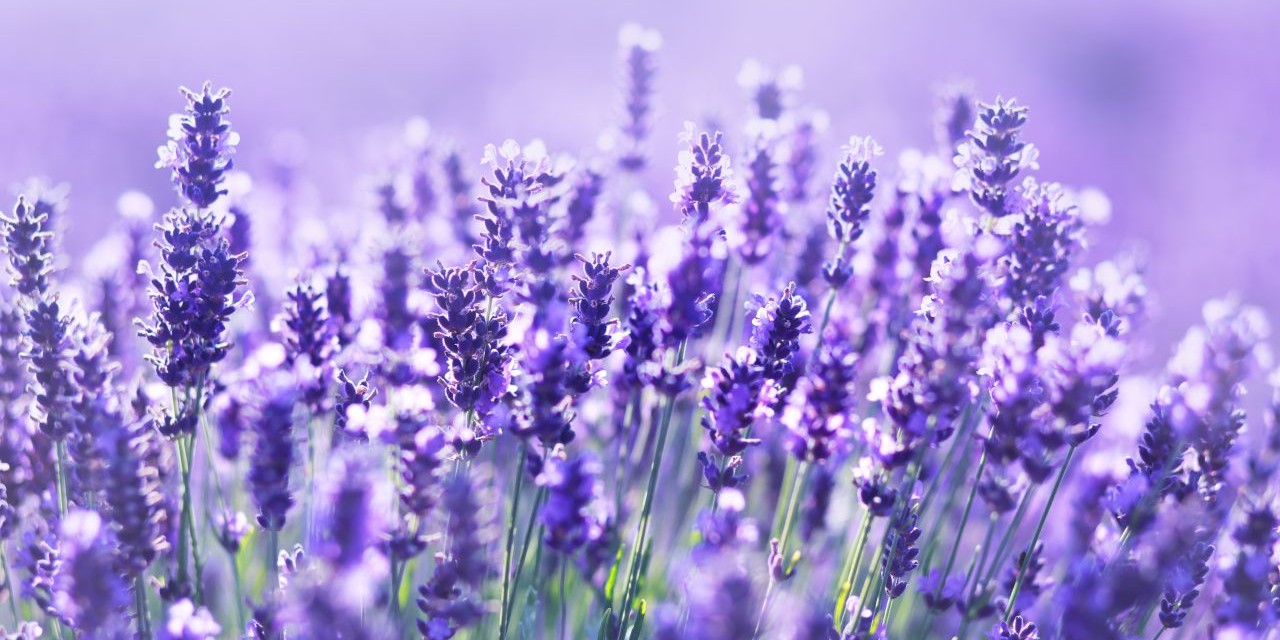
 Lavender (Lavandula angustifolia)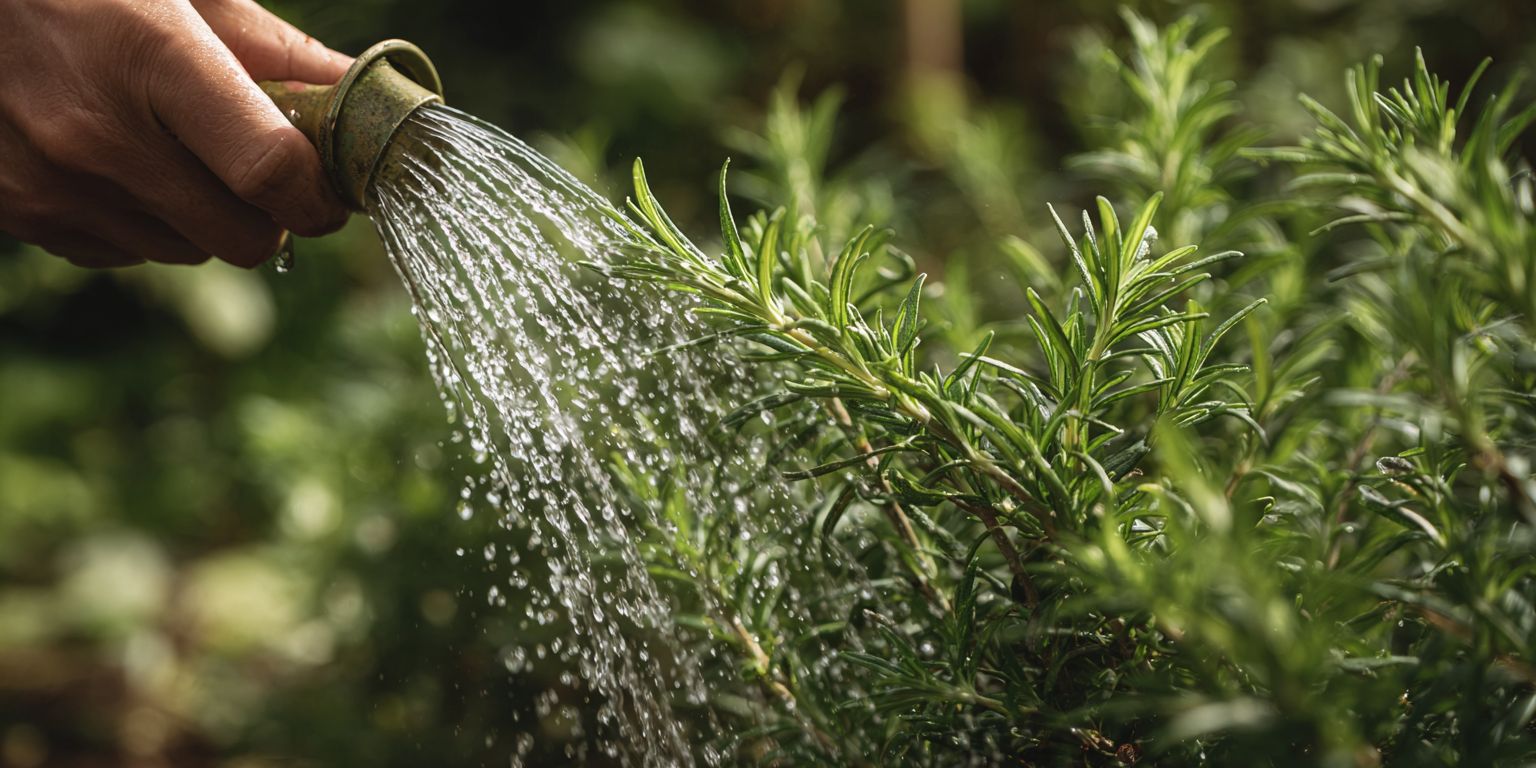
 Rosemary (Salvia rosmarinus)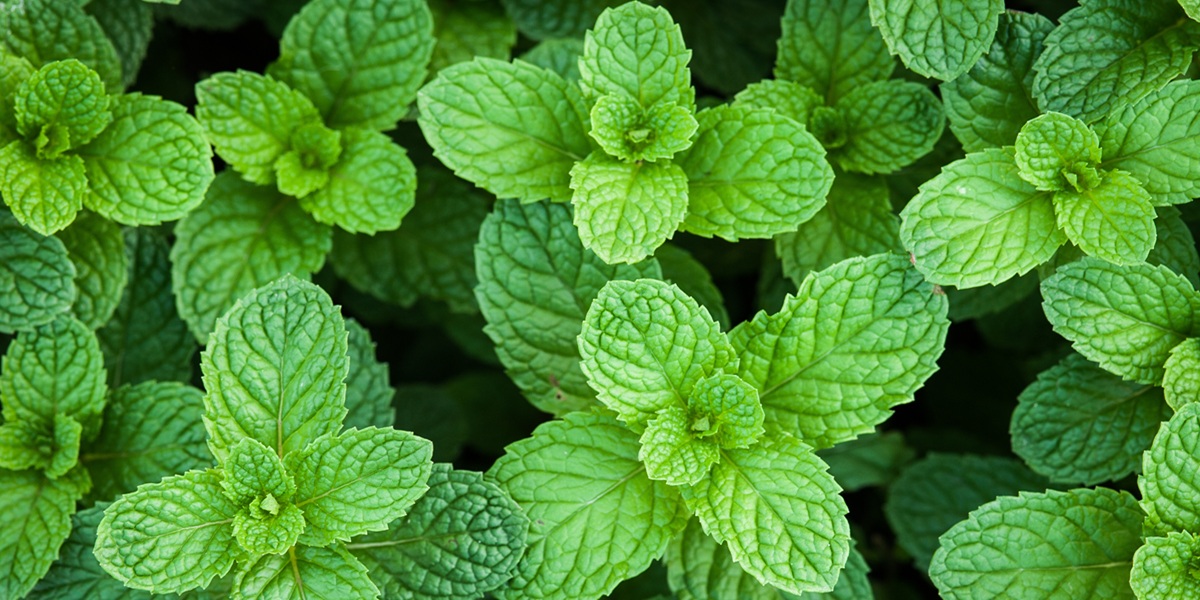
 Peppermint (Mentha piperita)