
The White Powder That Wipes Fungal Infections
Fungal infections are an annoying occurrence that most people deal with at least once. These infections thrive in warm, damp environments, like between the toes, armpits, under and within cleavage, and on the feet.
There are plenty of medicated powders available in stores, but many of them contain synthetic ingredients you may not be comfortable with. Thankfully, nature (as with most things!) offers a gentler alternative, such as neem and arrowroot powder. For centuries, arrowroot has been considered the white powder that wipes fungal infections.
Neem is an Ayurvedic staple, hailed for its powerful cleansing and antimicrobial properties. When you blend it with essential oils and moisture-wicking ingredients, it reduces fungal growth. And, unlike conventional medicated powders, which can dry skin, neem powder encourages healing through rebalancing the skin’s microbiome.
In this post, you’ll learn natural ways to prevent fungal infections, and discover an arrowroot, neem, and tea tree antifungal foot powder that comes together within minutes. Keep reading to learn how to combat active fungal infections and prevent them from recurring.
Natural Ingredients That Combat Fungal Infections
Fungal infections thrive in an imbalanced environment, which can often happen when skin is excessively damp, warm, or has a weakened barrier. Conventional solutions rely on drying agents, which can leave the skin even more sensitive.
Plant-based ingredients can have the same effect while nourishing the skin. Here are some amazing options included in your Arrowroot, Neem, and Tea Tree Antifungal Foot Powder.
Neem: Known for its deep cleansing abilities, neem is also antimicrobial and can reduce fungal activity. It disrupts fungal cells and weakens them to slow the spread of infections. This is a powerful plant-based option you can use for many other remedies, including skincare, haircare, and oral health.
Tea Tree Essential Oil: One of the best for antifungal uses, tea tree essential oil includes terpinen-4-ol compounds that have been proven to reduce several strains of yeast. If you truly want to reduce candida that leads to fungal infections, add a few drops of tea tree oil to your foot powder. Aside from reducing yeast, it can also eliminate foot odor.
Related: Fungal Infection? Put This in Your Shoes
Arrowroot Powder: While arrowroot is not distinctly antifungal, it plays a huge role in moisture reduction. Many use cornstarch, but that can often contain GMOs that aren’t the best for your body.
Fungi thrive in damp environments, but arrowroot can absorb excess moisture, creating an inhospitable environment for fungi. Keeping skin dry is one of the best strategies for reducing fungal infections, and arrowroot gives you a hands-free way to do so.
Oregano: Packed with thymol and carvacrol, oregano is good for much more than pizza night. Research shows that oregano has demonstrated antifungal activity, particularly against skin and nail infections.
If you want to take advantage of this herb, add 1 tablespoon of dried or crushed oregano to your powder when mixing. Alternatively, you can add 1-2 drops of oregano essential oil for a concentrated option.
I could have included nature’s doxycycline—what many call this lichen found in forests: usnea. However, this plant is so potent it requires its own attention. It’s a lot to talk about.
It’s probably what some would say is the all-in-one antimicrobial. Because usnea’s compounds—usnic acid and polysaccharides—aren’t just antifungal. They’re antibacterial, antiviral, and anti-inflammatory too.
People were using this to disinfect their doorknobs, spray it into their throats for sore throats, and treat wounds. It’s that powerful.
And I use it in between my toes—because you have no idea how many bacteria develop where it’s humid and warm. I started using this Usnea Tincture Spray lately since it’s been cold outside and I didn’t forage my own usnea.
And honestly? For this price, I don’t think I’ll forage it myself again.
Click here for the usnea spray that’s more convenient than foraging—and just as potent.
When you combine these antimicrobial ingredients, you get a remedy that eradicates fungus at the roots. Aside from using the Arrowroot, Neem, and Tea Tree Antifungal Foot Powder, you can also wear breathable, natural fabrics, change socks at least once a day, and let your shoes fully dry before wearing them again. If you’re dealing with nail fungus, disinfect any nail clippers or files before using them.
Fungi can linger in sheets and blankets, so be sure to wash regularly, especially during an active infection. Remember that reducing fungi and candida also matters internally, and reducing sugar intake (and subsequently balancing blood sugar levels) can support detox. Try alternatives to sugar, such as stevia, coconut sugar, or date sugar, which have lower glycemic levels.
What I’m going to show you below hasn’t been possible without the knowledge I acquired in The Lost Remedies Academy.
I learned there how to make herbal powders—including one to get rid of toenail fungus quickly. A refreshing moisture-absorbent dust you just place in your socks and watch what happens over the next few days.
I learned how to make so many remedies. But more importantly, I learned the reasoning behind it. That’s how I can now come up with even more combinations.
Below, I’m sharing one of them. But if you want to learn how to make remedies yourself—and understand why they work—you MUST watch this free video from Dr. Nicole Apelian, one of the most trustworthy herbalists in the United States (and probably the world, too).
Click here to watch Nicole’s free video and learn how to create your own powerful remedies.
How to Make Arrowroot, Neem, and Tea Tree Antifungal Foot Powder
Now that you understand the “why” behind this antifungal foot powder, it’s time to get to work. The best part about this recipe is that it doesn’t require any special equipment. If you have a bowl and a spoon, you have everything you need to make this potent remedy.
Ingredients
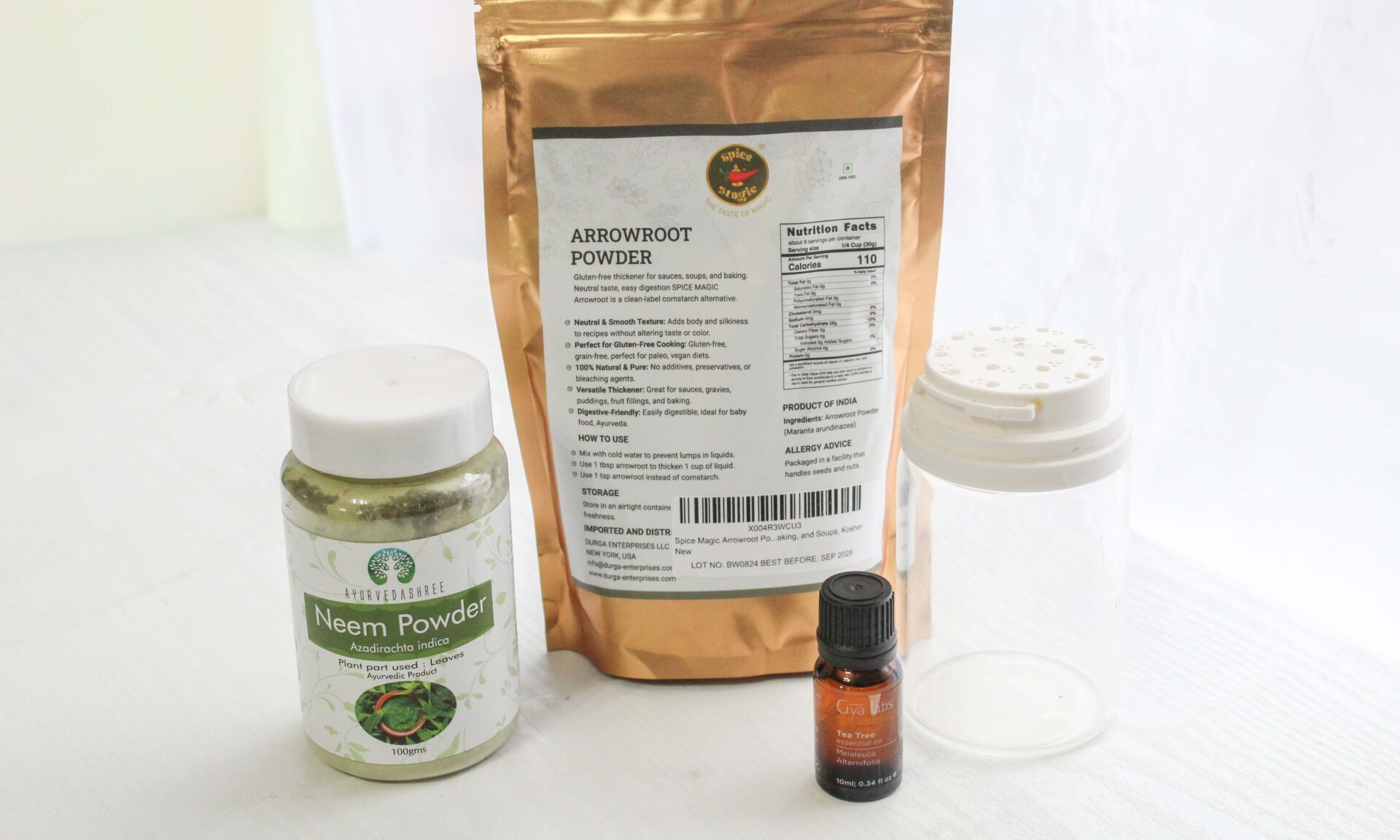
- ½ cup arrowroot powder
- 2 tablespoons neem leaf powder
- 10-15 drops tea tree essential oil

Instructions
Step One: Place the arrowroot powder and neem leaf powder in a medium bowl and whisk thoroughly to combine. Or, you can sift the arrowroot and neem leaf powder into a bowl or even pulse it in a food processor for an extra-fine powder. 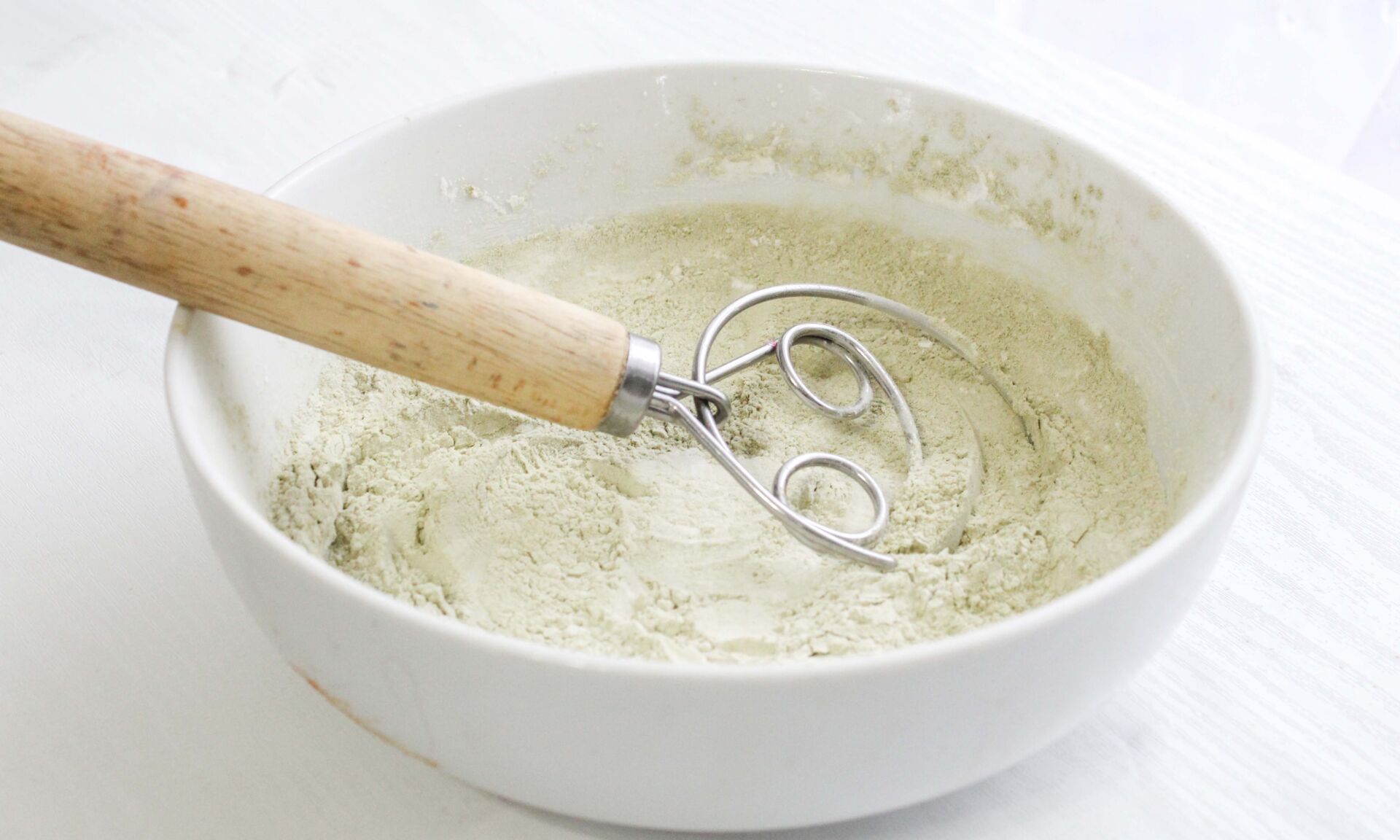
Step Two: Add the tea tree oil, stirring every few drops to eliminate clumps.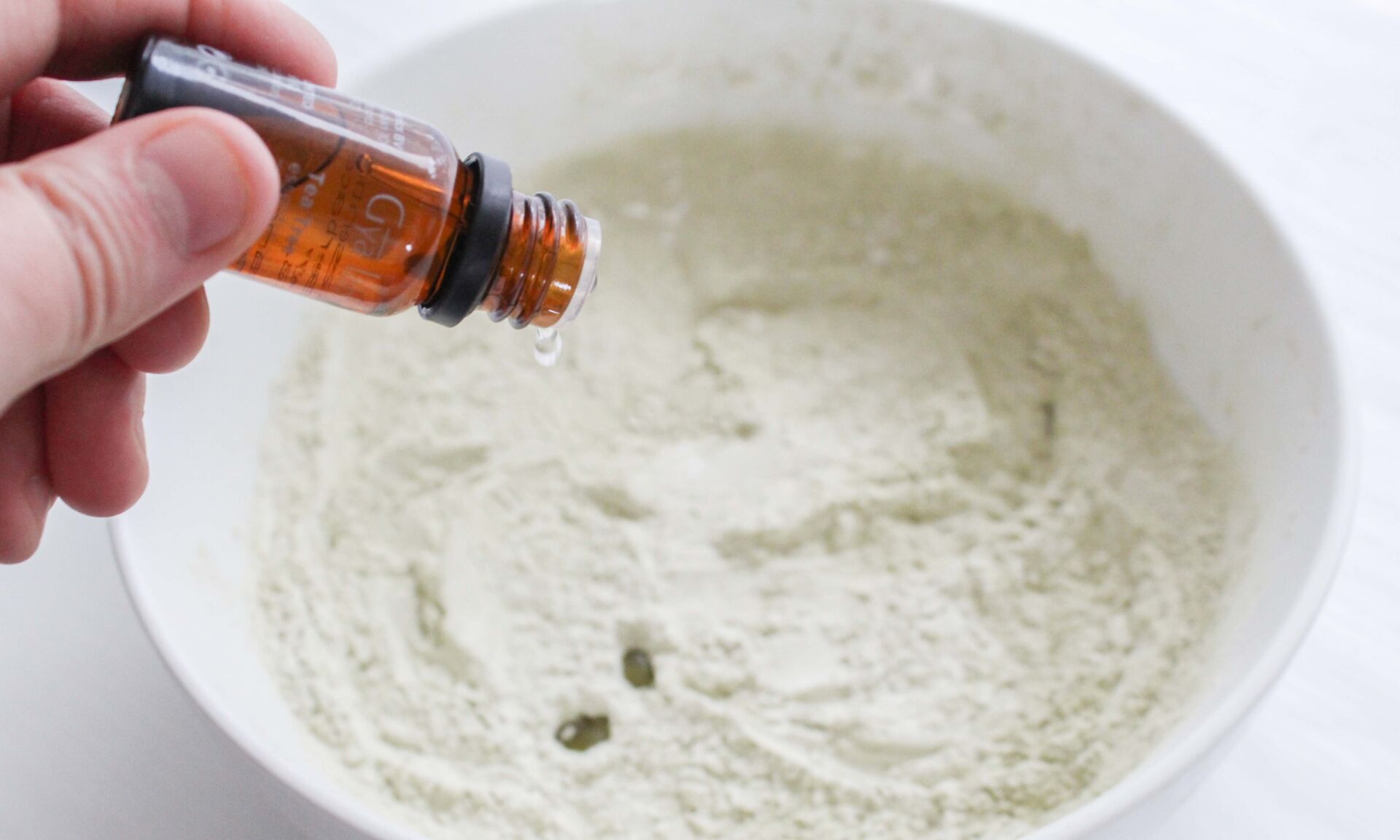
Step Three: Transfer to a shaker jar or an airtight container and use as directed.
How to Use This Remedy
This neem-based powder is suitable for most adults and teenagers dealing with excess moisture, foot odor, or other fungal symptoms. Tea tree oil can be strong, so this remedy should be kept away from children. If you want a kid-friendly option, omit the essential oil.
This remedy is particularly useful for athletes, those who wear closed-toed shoes often, or anyone prone to damp skin folds. To use, apply to completely dry skin. Arrowroot, neem, and tea tree antifungal foot powder is ideal for feet and between toes, but it also works in the underarm, under breasts, and inner thigh area. 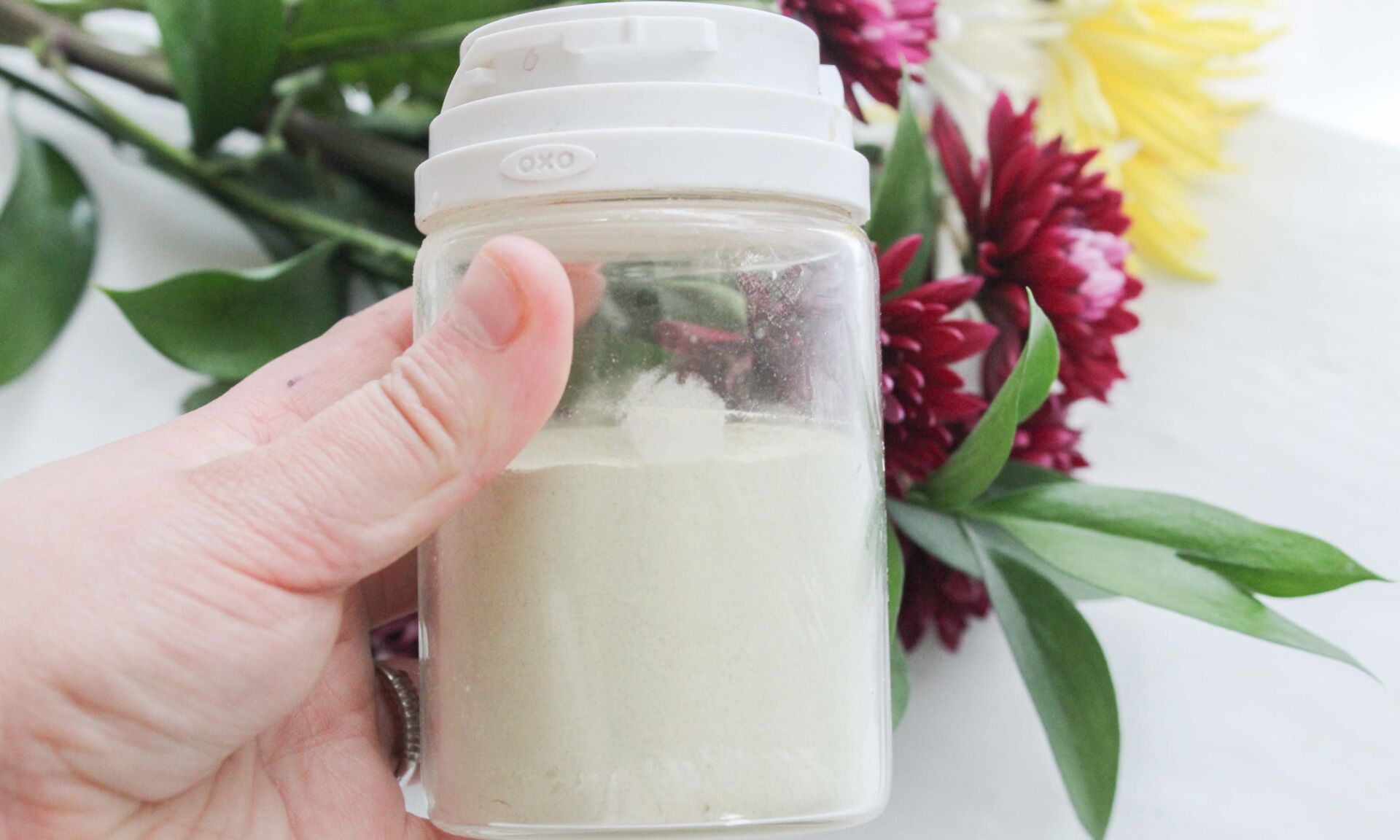
Tea tree essential oil can trigger sensitive skin, so always do a patch test before using this remedy. Be advised that this remedy is not recommended for internal use, and should also be kept away from the internal genital areas. For external groin application, apply lightly and discontinue at the first sign of irritation.
For prevention, use once a day, preferably after bathing. For fungal concerns, apply twice daily for as long as symptoms occur. Consistency is key to keeping skin dry and creating an inhospitable environment for fungi.
Store your powder away from light and heat to keep it potent. A glass shaker jar is particularly convenient. Be sure to keep moisture out of the jar, as that can spoil the remedy. When stored properly, your remedy can last 6-12 months. Discard at the first sign of mold, rancid smell, or off texture.
The #1 Mistake People Make After Fungal Infections
No matter what you use to clear out the fungus and heal your skin, in the process your skin can become damaged, dry, or irritated.
So you need to soothe it.
That’s why I recommend you make a salve at home like this one in the image below that I learned how to make. It restores balance, reduces inflammation, and promotes healing—so your skin doesn’t stay vulnerable to reinfection.
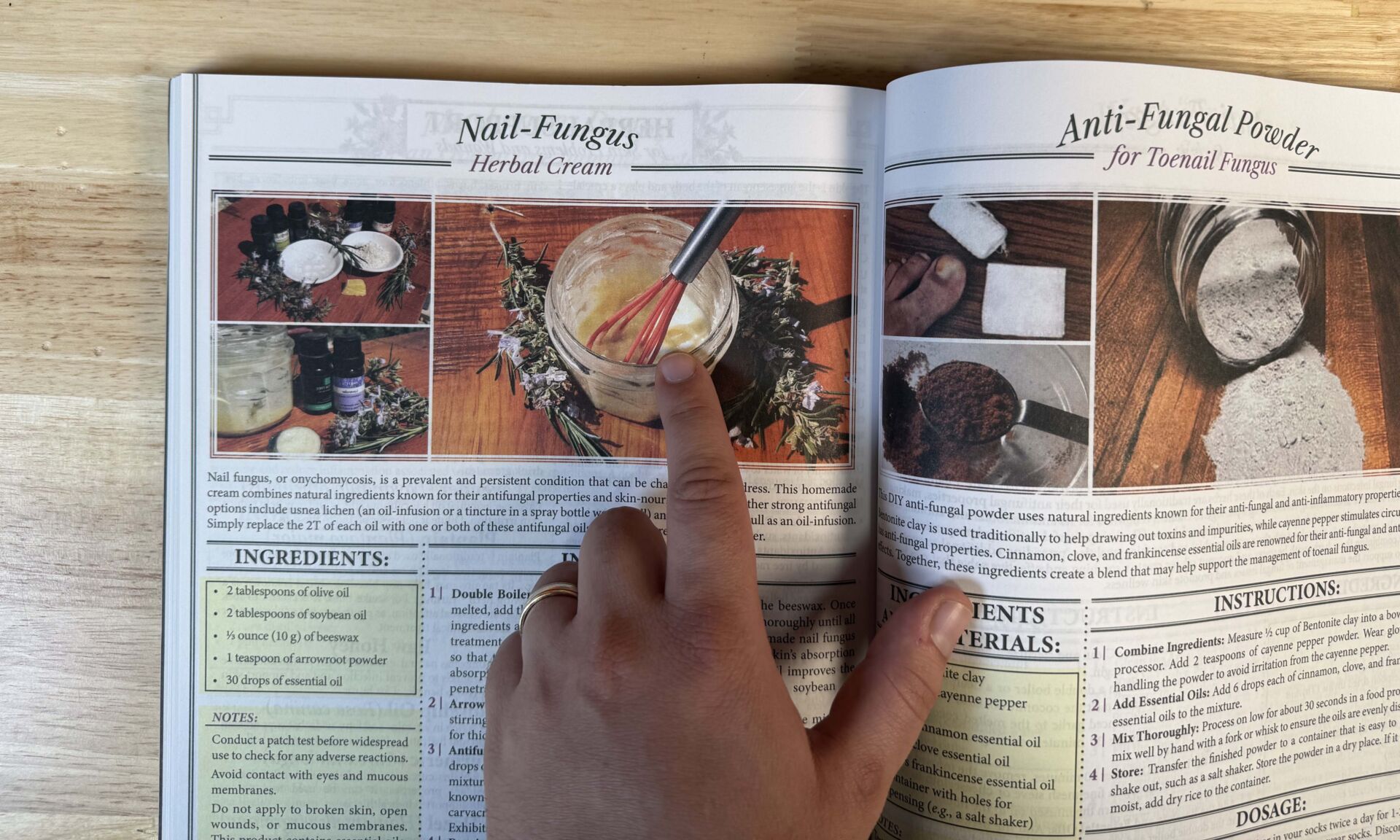
To get the full instructions and exact recipe, click on the image above.
And listen—if you don’t want to make it yourself, I highly recommend the All-Purpose Salve I’m using daily.
I use it on my cracked skin and lips from the cold, rashes I get on my skin, itches, bug bites now that spring has arrived—and honestly, because it contains lavender, it smells amazing too.
You can get it here for a fraction of the price you’d spend getting the herbs yourself.
Click here for the all-purpose salve that handles everything—and smells incredible.
Your skin is resilient, your body knows how to heal, and now you have the tools to support it naturally—one remedy at a time.