A cruise ship outbreak in early May 2026 has brought hantavirusinto the headlines. Seven passengers on the MV Hondius fell ill, and three of them died.
TheWorld Health Organization confirmed the deaths, and health officials across multiple countries are now monitoring travelers who were on board.
Here’s what you need to know about hantavirus, how to protect yourself, and which herbs might support your immune system if exposure occurs.
What Happened on the Cruise Ship
Between April 6 and April 28, 2026, seven people on a Dutch cruise ship developed severe respiratory illness while sailing in the South Atlantic.
The first victim, a 70-year-old man, developed fever and pneumonia symptoms on April 6. He died five days later. His 69-year-old wife became ill and died on April 26. She tested positive for hantavirus.
A third passenger, a middle-aged man, developed pneumonia on April 24 and was evacuated to a South African hospital in critical condition.
The WHO reported this asa rare but deadly outbreak. Health teams are investigating whether rodents on the ship spread the virus, or if this was a case of the rare Andes strain that can spread person-to-person.
CBS,Fox News, andReuters covered the story extensively starting May 4. Experts emphasized that while hantavirus is extremely dangerous, it remains very rare. The WHO stated there is “no need for panic” as risk to the general public stays low.
Why Hantavirus Is So Dangerous
Hantavirus iscarried by rodents (mice and rats) and spreads to humans through their urine, droppings, or saliva.
You catch it by breathing contaminated dust or touching rodent waste. In the U.S., deer mice are the main carriers. In other parts of the world, different rodent species carry different strains.
The virus causes Hantavirus Pulmonary Syndrome (HPS). It starts with flu-like symptoms (fever, muscle aches, nausea) about 2-4 weeks after exposure. Then it suddenly escalates to severe lung problems.
Fluid fills the lungs. Breathing becomes difficult. Organs can fail.
Thedeath rate for severe HPS is 38-50%. That’s why health officials take it so seriously.
Most hantavirus strains don’t spread from person to person. But the Andes strain (found in South America) can, which is why the cruise ship outbreak raised concerns about possible human transmission in close quarters.
How to Prevent Hantavirus Exposure
The CDC’s advice is straightforward: keep rodents out of your living space, and if you find evidence of them, clean up carefully.
Seal your home. Block any holes or gaps where mice can enter. They can squeeze through openings the size of a dime. Use steel wool and caulk around pipes, vents, and foundation cracks.
Remove attractants. Store food in sealed containers. Keep garbage in covered bins. Clear yard debris and clutter where rodents nest.
Trap and remove rodents. Use snap traps or call pest control. Don’t use poison baits if you have pets or children.
Clean droppings safely. Never sweep or vacuum rodent droppings dry. This can send virus particles into the air you breathe.
Instead, wear rubber gloves. Spray droppings with bleach solution or EPA-approved disinfectant. Let it soak for 5 minutes. Wipe up with paper towels. Seal everything in plastic bags. Wash your hands thoroughly.
Ventilate before cleaning. If you’re cleaning a shed, barn, or storage area with rodent evidence, open windows and doors for 30 minutes before you start.
Wear protection for heavy infestations. If there are many droppings, wear a fitted respirator mask (N100), rubber gloves, and disposable coveralls.
These steps work. A sealed home and careful cleanup are your best protection.
If you want a day-by-day protocol specifically designed for viral immunity and respiratory support (not just scattered herbs), this wellness guide has complete protocols ready. Check them out here.
The CDC and WHO both confirm this: treatment is intensive supportive care only.
Hospitals provide oxygen, IV fluids, and mechanical ventilation as lungs fill with fluid. In severe cases, patients need ECMO (a machine that does the work of the heart and lungs).
Early recognition improves survival chances, but there’s no cure.
If you develop sudden fever, muscle aches, and breathing problems after possible rodent exposure, go to the hospital immediately. Don’t wait.
Herbs That Support Your Immune System
Since there’s no pharmaceutical cure, many people ask: what can I do to strengthen my body’s defenses?
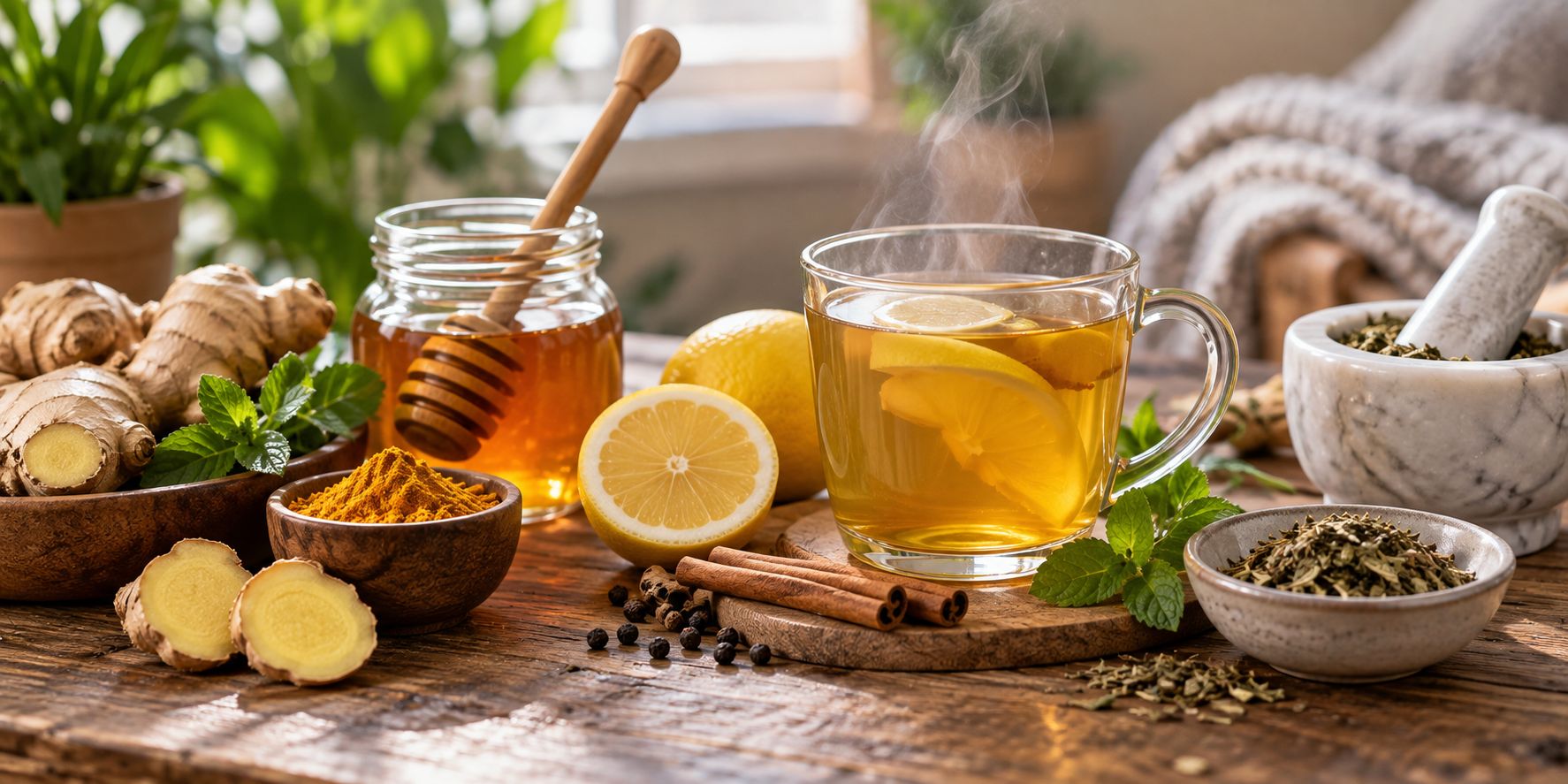
The answer isn’t a magic herb that cures hantavirus. But several plants have documented antiviral and immune-modulating properties that may help your body fight viral infections in general.
These herbs support immunity. They don’t replace medical care. If you suspect hantavirus, seek emergency treatment immediately.
Usnea (Old Man’s Beard)
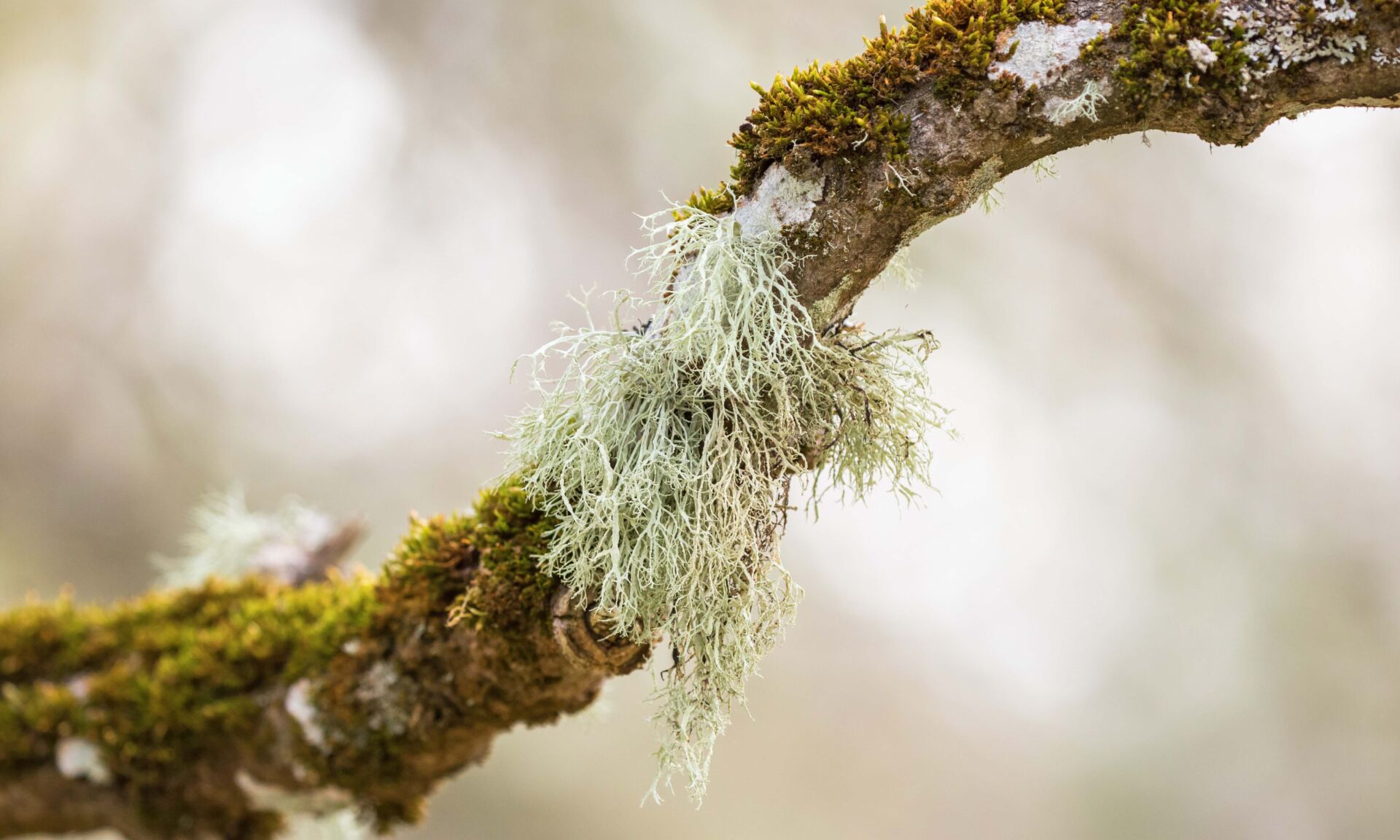
This grayish lichen has been used for centuries for lung and throat infections. The active compound, usnic acid, is a potent antimicrobial.
Herbalists use usnea tincture for respiratory infections, pneumonia, and sore throats. You can take a few drops of tincture 2-3 times daily.
Usnea’s antimicrobial power (usnic acid) is only as strong as the lichen itself. Quality matters. Usnea harvested from polluted areas absorbs toxins. Usnea from clean forests has cleaner, more potent usnic acid.
But here’s the problem: finding quality usnea in the wild means knowing exactly which lichen to pick, avoiding polluted areas, and spending hours extracting it properly. Most people can’t identify usnea from other lichens, let alone prepare it correctly.
This Usnea Tincture is the ready-made version. Wild-harvested from clean forests, properly extracted to preserve the usnic acid, and ready to use. A few drops, 2-3 times daily, gives you the respiratory and immune support usnea is known for.
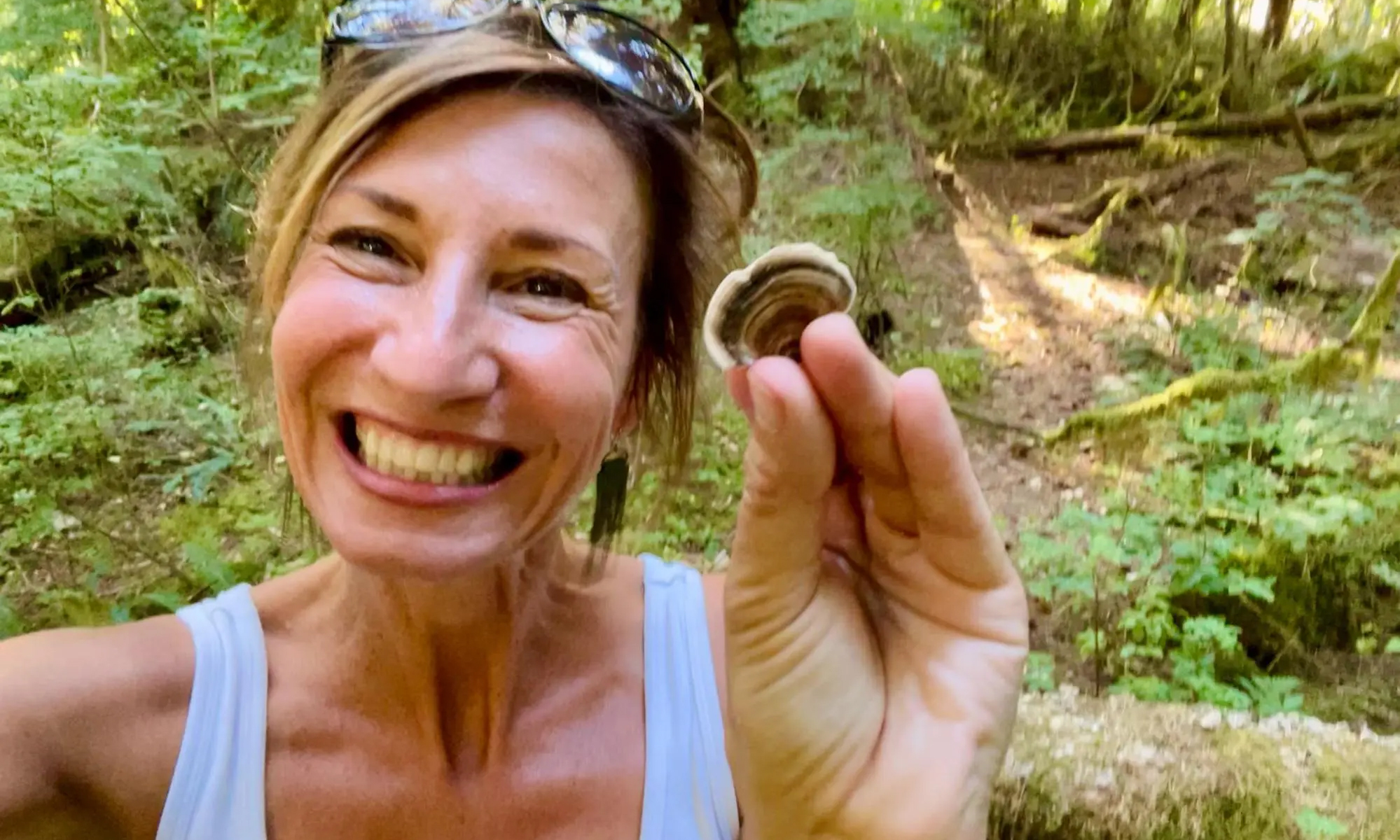
Instead of going into the forest looking for lichens like the one in the image, just keep this on your shelf. Get your Usnea Tincture here.
Elderberry
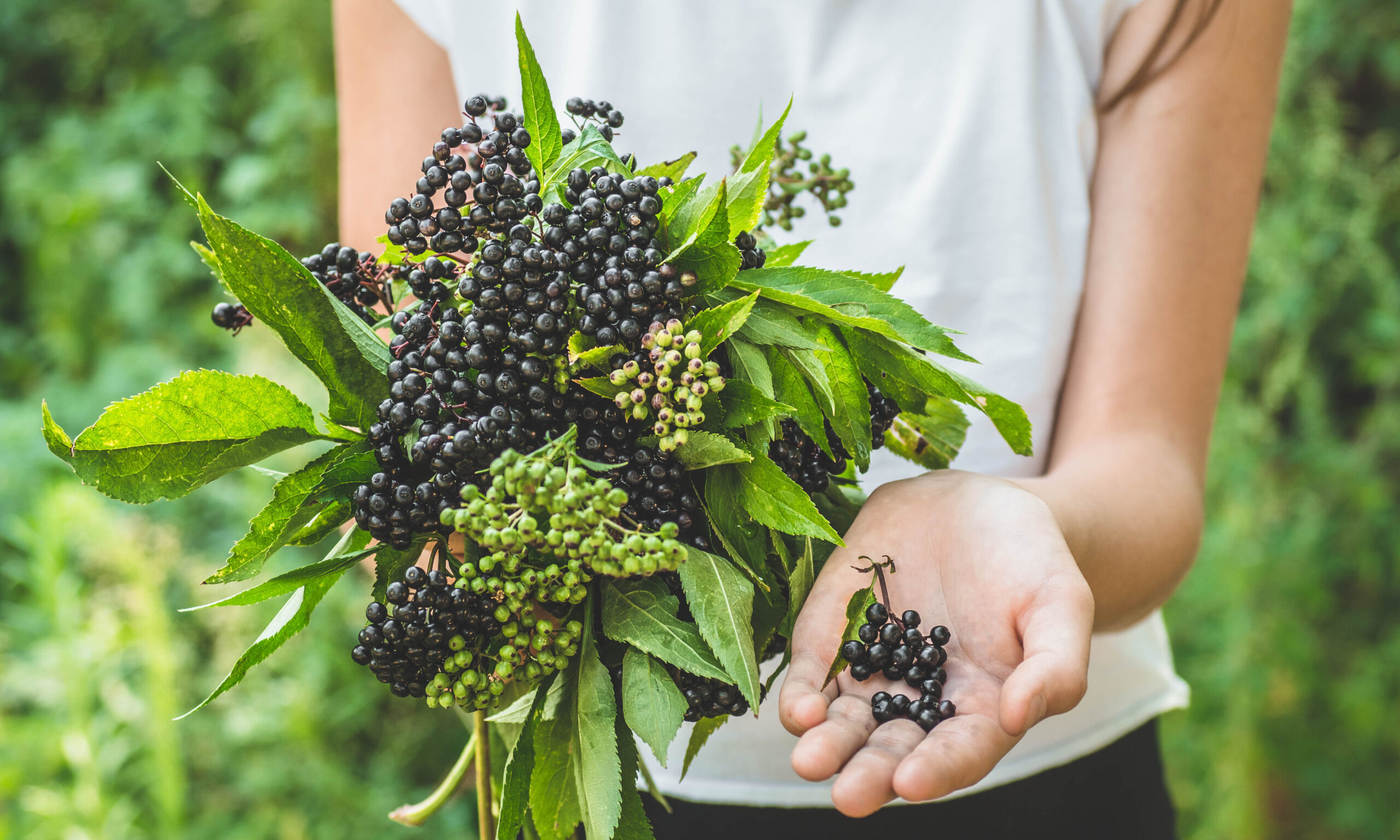
Elderberry is one of the most trusted herbs for colds and flu. People have been using these dark purple berries for generations when they feel something coming on.
Dark purple elderberries are packed with antioxidants and immune-stimulating compounds.
Research shows elderberry works. It helps your body fight off respiratory viruses and can shorten how long you’re sick. The compounds in elderberry essentially block viruses from getting into your cells in the first place.
Many people keep elderberry syrup in the fridge and take it at the first sniffle. It’s become a staple in households for good reason. If you’re doing the same, you deserve commendations.
You can use elderberry as a Syrup or tincture. Common dosing is 10-20 mL of syrup daily during illness, or 10-30 drops of tincture 2-3 times daily.
Elderberry works best when you take it at the first sign of illness, not days later. But you need the right dose at the right frequency. Too little does nothing. Too much wastes your supply.
Nicole Apelian’s Elderberry Tincture is formulated so you know exactly how many drops, how often, and when to start. No guessing. Studies show the compounds work fast, but only if you catch it early.
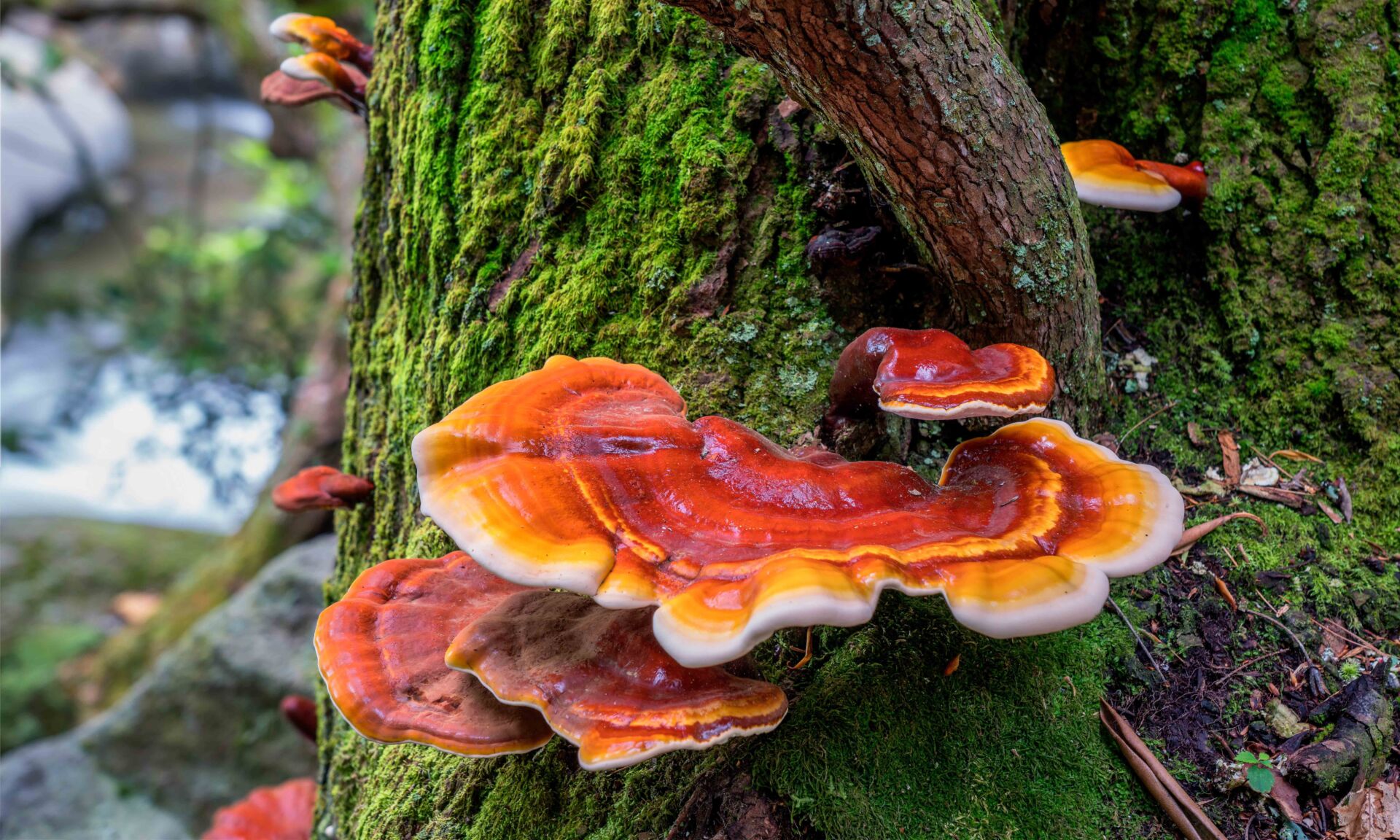
Reishi has been used for centuries as an immune tonic. It’s one of the most respected medicinal mushrooms in traditional medicine.
Reishi essentiallywakes up your immune system and helps it recognize and respond to threats. It also has natural antiviral properties that may help your body slow down viral replication.
People use reishi to strengthen their overall immunity and resilience. Take 1-2 grams of dried extract daily, or 1-3 mL of tincture twice daily.
Reishi is one of the toughest mushrooms to extract properly. It’s woody and dense. The immune-supporting compounds are locked inside hard cell walls that take hours of simmering to break down. Most people give up after 20 minutes and get minimal benefit.
This tincture simmers reishi for the full extraction time, then soaks it in alcohol to pull out both water-soluble and alcohol-soluble compounds. It’s what gives you the immune resilience reishi is known for.
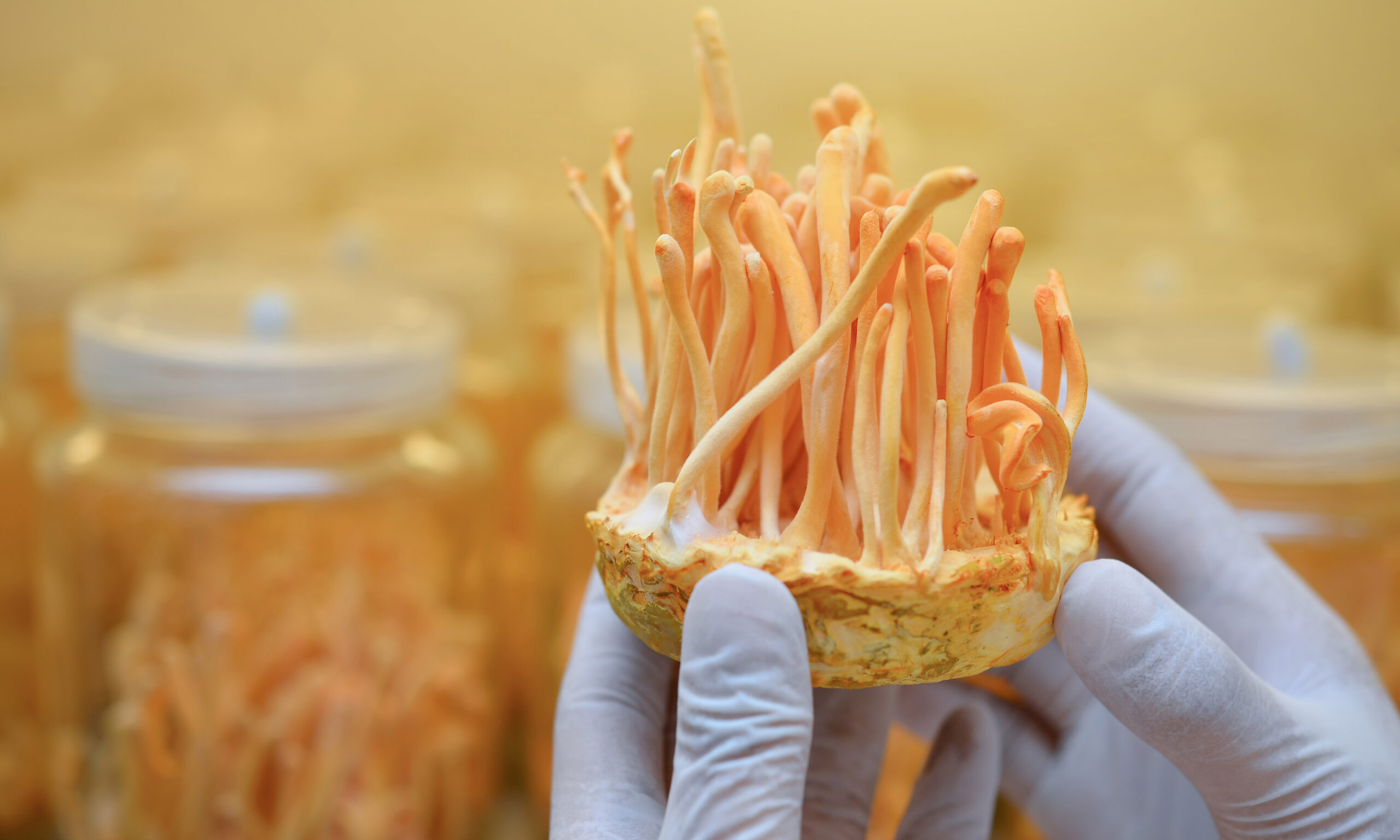
Cordyceps is known for supporting lung and kidney function while modulating immunity. It has natural antiviral and anti-inflammatory properties that help your body respond to infections without overreacting.
Studies show cordyceps can significantly slow viral replication and calm the harmful inflammation that makes you feel worse during illness.
People take 1-3 grams of extract daily, or 1-3 mL of tincture twice daily for respiratory and immune support.
When your lungs are under stress from infection, your body struggles to use oxygen efficiently. You feel exhausted. Every breath feels harder. Cordyceps helps your body utilize oxygen better, which is why athletes use it for endurance and people recovering from respiratory illness use it to get their energy back.
This ready-made cordyceps tincture is formulated to support lung function when you need it most. When breathing feels like work, cordyceps helps your body make the most of every breath.
Turkey Tail Mushroom
Turkey tail is a powerful immune modulator used in traditional medicine and even in modern clinical settings for immune support.
It is so powerful that it’s used in Japan as part ofcancer therapy to help patients’ immune systems recover. It broadly strengthens your immune system’s ability to respond to infections.
A daily dose helps your body mount a better defense when viruses arrive. Take 1-2 grams of powder or capsules daily, or follow the directions on your tincture bottle.
Turkey tail is so powerful that hospitals in Japan use it as part of cancer therapy to help patients’ immune systems recover. That’s not a supplement. That’s medicine.
If you’re not already taking turkey tail daily, you probably didn’t know what it’s actually used for. It’s that powerful. And it’s completely natural.
Dr. Nicole Apelian makes her own Turkey Tail Tincture in small batches to maintain the same clinical-grade quality, and a bottle costs a dime compared to what it supports.
If you’re not already taking turkey tail daily, you probably didn’t know what it’s actually used for. It’s that powerful. And it’s completely natural.
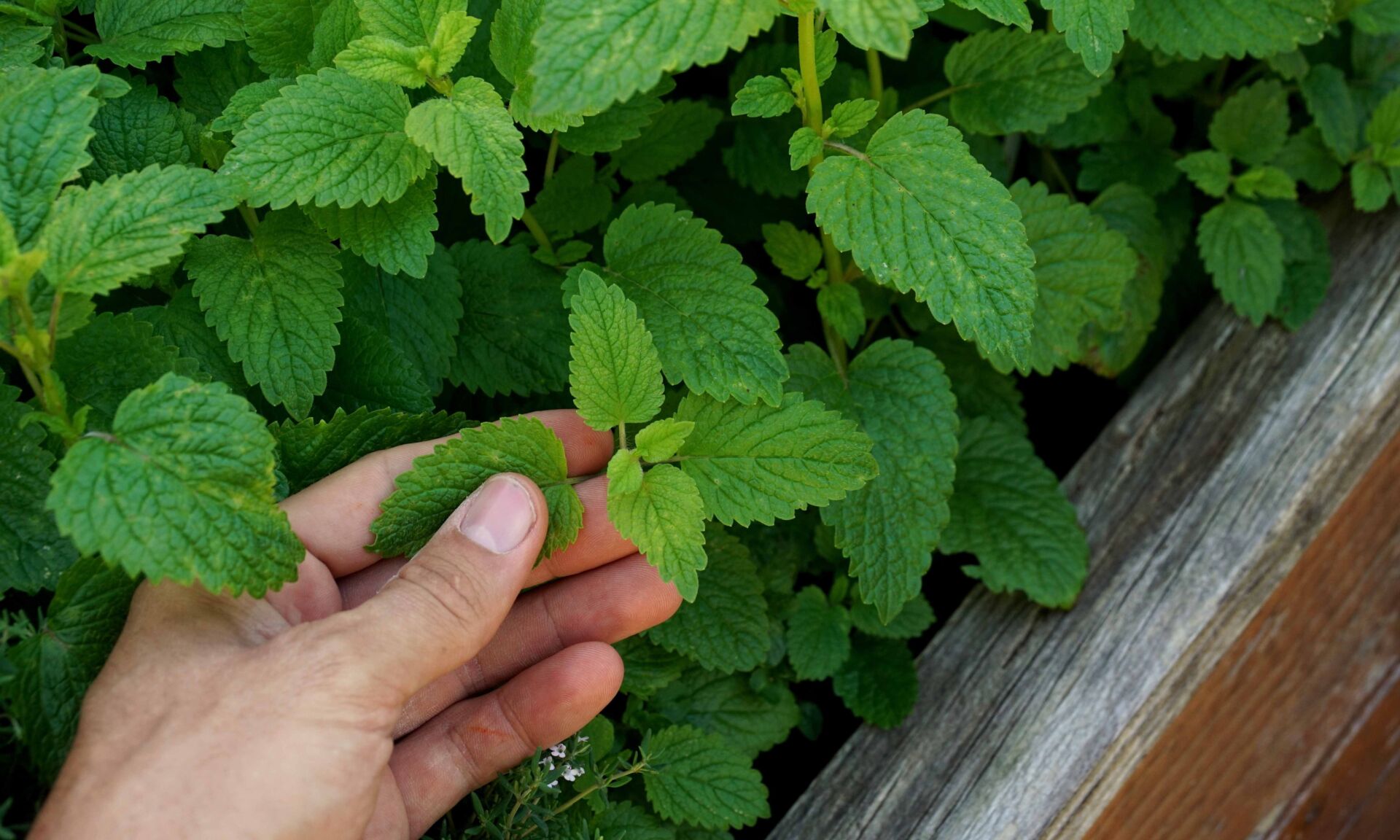
Lemon Balm
Lemon balm has strong antiviral action against respiratory viruses. It’s been used for years to treat cold sores and other viral infections.
Research shows lemon balm can block viruses from entering your cells. It also calms anxiety and soothes the nervous system, which helps you rest and recover during illness.
Drink 2-3 cups of lemon balm tea daily when sick, or take 1-2 mL of tincture three times daily.
Lemon balm’s antiviral compounds degrade quickly. Dried lemon balm loses potency fast. A tea made from month-old dried lemon balm isn’t the same as a tincture made from fresh lemon balm extracted in alcohol, which preserves those antiviral compounds long-term.
But here’s what makes lemon balm special: it’s a 2-in-1. It fights viruses AND calms your nervous system. When you’re sick, stress makes recovery harder. Lemon balm helps you fall asleep easier, stay relaxed, and let your body heal. Antiviral support and stress relief in the same bottle.
If you want both immunity support plus relaxing brain support, this lemon balm tincture targets both.
Echinacea
The classic cold and flu herb. Echinacea has been studied extensively and consistently shows it canreduce your chances of catching a cold and shorten how long you’re sick.
It strengthens your body’s initial immune response when viruses arrive. Many people take echinacea at the first sign of illness.
Use standardized extract capsules (300 mg three times daily) or fresh root preparations at the first sign of respiratory symptoms.
To keep in mind…
None of these herbs are proven cures for hantavirus.
They are used in herbal medicine to support immune function and relieve symptoms of respiratory infections. They may help your body fight viral infections in general.
But if you suspect hantavirus infection, seek immediate medical care. No herb can substitute for emergency treatment.
Use herbs responsibly. Follow dosages on labels. Consult a healthcare provider if you take other medications or have health conditions.
Herbal remedies should complement, not replace, medical care.
For DIY Lovers Who Want to Make Their Own Medicine
If you’re a DIY person who wants homemade remedies, not store-bought, this is the guide you’ve been looking for.
Maybe you don’t know where to start with herbal medicine. Or maybe you already know some basics and want to deepen your knowledge and master more advanced preparations.
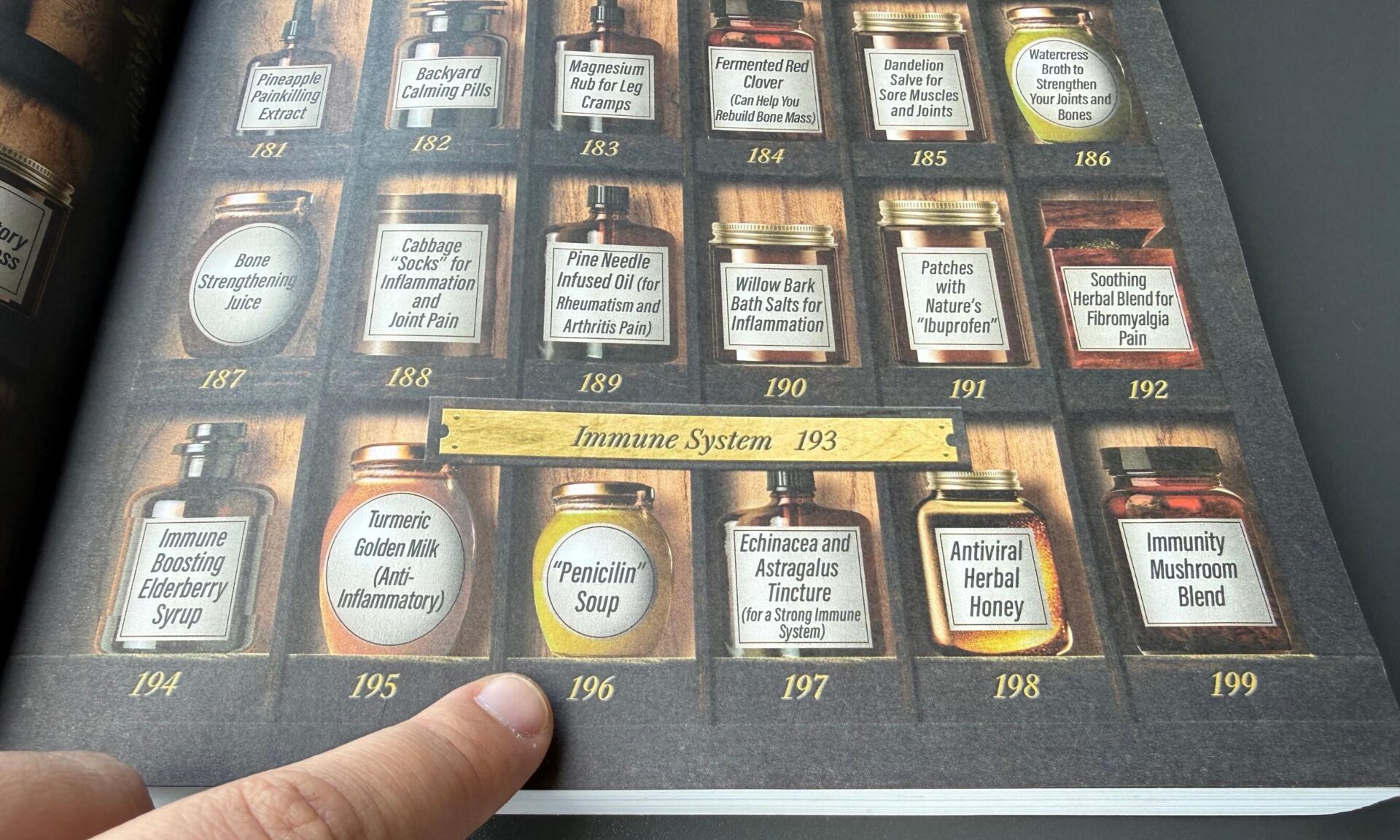
The Forgotten Home Apothecary is organized by body system so you can find exactly what you need. Respiratory, Immune, Digestive, Cardiovascular, Nervous System, and more.
You’ll learn how to make tinctures, decoctions, salves, syrups, infused oils, and poultices. Every recipe includes step-by-step instructions with color pictures, exact measurements, dosages, and safety warnings. Nicole teaches you what combines well, what to never mix, and proper dosing.
Whether you’re just starting or you’ve been making remedies for years, this book takes you deeper. Over 250 recipes. 30 years of Nicole’s plant knowledge.
The hantavirus outbreak on the MV Hondius is frightening. Three people died. Others are critically ill.
But hantavirus remains very rare. Health officials confirm the risk to the general public is low.
You can protect yourself with simple steps: seal your home against rodents, clean up droppings carefully, and avoid disturbing mouse nests.
If you want to strengthen your immune defenses, the herbs above offer documented support. Usnea, elderberry, reishi, cordyceps, turkey tail, lemon balm, lion’s mane, nettle, and echinacea all have research backing their immune-modulating and antiviral properties.
Keep your immune system strong with wholesome food, rest, and natural supports.
Stay informed. Stay safe. Don’t let fear control you.
No, most hantavirus strains do not spread between people. The only exception is the rare Andes strain found in South America, which can occasionally spread through close contact. You get hantavirus by breathing contaminated dust from rodent droppings, urine, or nesting materials.
What are the first symptoms of hantavirus?
Early symptoms appear 2-4 weeks after exposure and feel like the flu: fever, muscle aches, fatigue, and nausea. Within days, symptoms can suddenly worsen to severe breathing problems, coughing, and shortness of breath as fluid fills the lungs.
How deadly is hantavirus?
Hantavirus Pulmonary Syndrome (HPS) has a death rate of 38-50%. Early medical care improves survival chances, but there is no cure. This is why health officials take it so seriously and why prevention is critical.
Is there a vaccine or cure for hantavirus?
No. There is no vaccine and no antiviral drug for hantavirus. Treatment is intensive supportive care only: oxygen, IV fluids, mechanical ventilation, and sometimes ECMO machines. Hospitals can help patients survive, but there’s no medication that kills the virus.
How do you prevent hantavirus?
Seal your home to keep rodents out. Block holes and gaps around pipes, vents, and foundations. If you find mouse droppings, never sweep or vacuum them dry. Instead, spray them with bleach solution, let soak 5 minutes, then wipe up with paper towels while wearing gloves. Proper cleanup prevents virus particles from becoming airborne.
Can you get hantavirus from old mouse droppings?
Yes. The virus can remain infectious in dried droppings for several days or even weeks, especially in cool, shaded areas. Always treat any rodent droppings as potentially contaminated, regardless of age.
Do all mice carry hantavirus?
No. Only certain wild rodent species carry hantavirus. In the U.S., deer mice are the main carriers. In other parts of the world, different rodent species carry different strains. Pet mice and rats from stores do not carry hantavirus.
What disinfectant kills hantavirus?
Bleach solution (1 part bleach to 10 parts water) or EPA-approved disinfectants kill hantavirus on surfaces. Spray contaminated areas thoroughly and let the solution sit for at least 5 minutes before wiping clean.
How common is hantavirus?
Very rare. The CDC reports only about 30-40 cases per year in the United States. The recent cruise ship outbreak was highly unusual. Most cases occur in rural areas where people clean out rodent-infested buildings or cabins.
Should I be worried about the cruise ship outbreak?
Health officials say risk to the general public remains low. The outbreak was contained to passengers on that specific ship. If you weren’t on the MV Hondius, you’re not at risk from this outbreak. Focus on preventing rodent exposure at home.
Can herbal medicine cure hantavirus?
No. No herb can cure hantavirus. Several herbs (elderberry, usnea, reishi, cordyceps, turkey tail, lemon balm) have documented immune-supporting and antiviral properties that may help your body fight viral infections in general, but they are not cures. If you suspect hantavirus, seek emergency medical care immediately.
What should I do if I was exposed to mouse droppings?
Monitor yourself for symptoms for 6 weeks after exposure. If you develop fever, muscle aches, or breathing problems, go to the hospital immediately and tell them about possible rodent exposure. Early recognition and intensive care improve survival chances.
Disclaimer: This article is for educational purposes only and does not provide medical advice. These herbs are not intended to diagnose, treat, cure, or prevent any disease. Hantavirus is a serious, life-threatening illness. If you suspect exposure or develop symptoms, seek immediate emergency medical care. Do not delay professional treatment. Herbs should only be used as complementary support alongside, not instead of, medical care. Consult your healthcare provider before using herbs, especially if you take medications or have health conditions.
References: Information drawn from World Health Organization Disease Outbreak News (May 4, 2026), CDC Hantavirus Prevention and Overview pages, news reports from CBS, Fox News, Reuters, and STAT News (May 2026), and scientific studies on antiviral properties of usnea (usnic acid), elderberry (Sambucus nigra), reishi (Ganoderma lucidum), cordyceps (cordycepin), turkey tail (PSK), lemon balm (Melissa officinalis), and echinacea (meta-analyses on cold prevention).
I find it interesting that the man became ill on April 6th the same day the ship set sail (according to this article) and died 5 days later. If that is the case it is clear that he did not become sick from mice on the ship if the incubation period is 2-4 weeks. The article also states that it is spread from mice droppings, urine and saliva and that one would have come into contact with them or breathing in the “dust”. Yet it isn’t spread from person to person. So the fact that his wife contracted it and died also indicates that she came on the ship sick as well.
I am disappointed to read this article and see so much “scare” tactics and the promotion of the propaganda for the sake of taking advantage of the “hype” to sell people on herbs. That is not what I expect from The Lost Herbs. While people have died and I feel bad for them and their families, The Lost Herbs should be promoting the this from and educational standpoint of truth. You could easily and clearly talk about herbs in relation to the Hantavirus without spreading the propaganda.
Thank you for pointing this out. You’re right that the timeline matters here, and we appreciate you taking the time to read closely.
The first passenger developing symptoms only a few days after the ship departed does make exposure before boarding a real possibility. The article was based on the WHO report and major news coverage available at the time, but we agree the wording should be clearer so it does not imply that the first infection definitely happened on the ship.
One important nuance is that WHO later identified the virus involved as Andes virus, the hantavirus species known for limited person-to-person spread through close and prolonged contact. So investigators are considering several possibilities: exposure before boarding, environmental exposure during the voyage, or close-contact transmission.
Our goal was not to create fear or use the story as hype. Hantavirus is serious, but rare, and herbs are not a cure or replacement for emergency care, as it is mentioned in the article. The purpose of the article is to explain the risk, prevention steps, and general immune-support options in a responsible way.
Thank you again for helping us keep the information accurate and useful.
There are also articles showing its a side effect from the covid jab so who knows these random things poppin up the way they do isn’t coincience Covid started exactly the same remember the cruise ship that people were basically quarentined on?
Totaly agree. I also was very disappointed to read this here.
Laura
5 months ago
They like to scare people. When people are afraid, they submit to anything. Let us help people not to be afraid. In Hebrew slang, hanta (חַנְטָה) is a colloquial term for nonsense, garbage, or something fake. It is used similarly to the English expression. Many blessings to you all, beautiful Souls!
Cruise ships are full of old people. Old people generally have many other underlying conditions. Like the Convid SCAM-demic, most people who “died with COVID” ( read that again… “With” not “FROM”) most likely died FROM their underlying conditions which were exacerbated by the cold virus. Surprise surprise. Vaccines are now being viewed with extreme scepticism after the forced Convid injections, and every new “virus scare” has people scoffing more than coughing!! Easiest solution…stay off plague ships.
Auto Chic16
5 months ago
What about when its a side effect of the covid jab?
Darrel Joy
5 months ago
This article uses measurements like ml and grams. Many people in the U.S. don’t have scales that measure these. It would be helpful if you also include in parens measurements like tsp, Tbsp, and OZ.
We use cookies to ensure that we give you the best experience on our website. If you continue to use this site, we will assume that you are happy with it.
Functional Always active
The technical storage or access is strictly necessary for the legitimate purpose of enabling the use of a specific service explicitly requested by the subscriber or user, or for the sole purpose of carrying out the transmission of a communication over an electronic communications network.
Preferences
The technical storage or access is necessary for the legitimate purpose of storing preferences that are not requested by the subscriber or user.
Statistics
The technical storage or access that is used exclusively for statistical purposes.The technical storage or access that is used exclusively for anonymous statistical purposes. Without a subpoena, voluntary compliance on the part of your Internet Service Provider, or additional records from a third party, information stored or retrieved for this purpose alone cannot usually be used to identify you.
Marketing
The technical storage or access is required to create user profiles to send advertising, or to track the user on a website or across several websites for similar marketing purposes.








I find it interesting that the man became ill on April 6th the same day the ship set sail (according to this article) and died 5 days later. If that is the case it is clear that he did not become sick from mice on the ship if the incubation period is 2-4 weeks. The article also states that it is spread from mice droppings, urine and saliva and that one would have come into contact with them or breathing in the “dust”. Yet it isn’t spread from person to person. So the fact that his wife contracted it and died also indicates that she came on the ship sick as well.
I am disappointed to read this article and see so much “scare” tactics and the promotion of the propaganda for the sake of taking advantage of the “hype” to sell people on herbs. That is not what I expect from The Lost Herbs. While people have died and I feel bad for them and their families, The Lost Herbs should be promoting the this from and educational standpoint of truth. You could easily and clearly talk about herbs in relation to the Hantavirus without spreading the propaganda.
Thank you for pointing this out. You’re right that the timeline matters here, and we appreciate you taking the time to read closely.
The first passenger developing symptoms only a few days after the ship departed does make exposure before boarding a real possibility. The article was based on the WHO report and major news coverage available at the time, but we agree the wording should be clearer so it does not imply that the first infection definitely happened on the ship.
One important nuance is that WHO later identified the virus involved as Andes virus, the hantavirus species known for limited person-to-person spread through close and prolonged contact. So investigators are considering several possibilities: exposure before boarding, environmental exposure during the voyage, or close-contact transmission.
Our goal was not to create fear or use the story as hype. Hantavirus is serious, but rare, and herbs are not a cure or replacement for emergency care, as it is mentioned in the article. The purpose of the article is to explain the risk, prevention steps, and general immune-support options in a responsible way.
Thank you again for helping us keep the information accurate and useful.
There are also articles showing its a side effect from the covid jab so who knows these random things poppin up the way they do isn’t coincience Covid started exactly the same remember the cruise ship that people were basically quarentined on?
Totaly agree. I also was very disappointed to read this here.
They like to scare people. When people are afraid, they submit to anything. Let us help people not to be afraid.
In Hebrew slang, hanta (חַנְטָה) is a colloquial term for nonsense, garbage, or something fake. It is used similarly to the English expression.
Many blessings to you all, beautiful Souls!
Doesnt it mean ritual in hindu also?
Cruise ships are full of old people. Old people generally have many other underlying conditions. Like the Convid SCAM-demic, most people who “died with COVID” ( read that again… “With” not “FROM”) most likely died FROM their underlying conditions which were exacerbated by the cold virus. Surprise surprise. Vaccines are now being viewed with extreme scepticism after the forced Convid injections, and every new “virus scare” has people scoffing more than coughing!!
Easiest solution…stay off plague ships.
What about when its a side effect of the covid jab?
This article uses measurements like ml and grams. Many people in the U.S. don’t have scales that measure these. It would be helpful if you also include in parens measurements like tsp, Tbsp, and OZ.