
Natural Electrolyte Drinks: Recipes, Benefits, and the Best Options Worth Trying
Walk into any gym or grocery store and you will find row after row of brightly colored sports drinks promising hydration and recovery. What most of those labels do not tell you is that they also deliver artificial dyes, high fructose corn syrup, and synthetic additives your body has no use for. A natural electrolyte drink gives you everything your cells actually need to stay hydrated and function well, without any of the ingredients you are better off avoiding.
Whether you are recovering from a workout, fighting off illness, spending a long day in the summer heat, or simply trying to feel more alert and energized, the right electrolyte balance matters more than most people realize. This guide covers what electrolytes actually are and why they matter, how to make a natural electrolyte drink at home with ingredients from your kitchen, which store-bought options hold up to scrutiny, and what to look for when choosing the best natural electrolyte drink for your needs.
What Are Electrolytes and Why Does Your Body Need Them?
Electrolytes are minerals that carry an electrical charge when dissolved in water. Inside your body, they regulate nerve signals, control muscle contractions, maintain fluid balance across cells, and support dozens of metabolic processes that keep you functional and alert. The key electrolytes your body depends on daily are sodium, potassium, magnesium, calcium, chloride, and phosphate.
When you sweat, urinate, vomit, or simply go through a normal active day, you lose electrolytes along with fluid. Drinking plain water replenishes the fluid, but it does not replace the minerals. That gap is where dehydration symptoms like muscle cramps, headaches, brain fog, and fatigue actually come from. Many people experiencing those symptoms reach for more water, when what their body is really asking for is mineral replacement.
Related: Delicious Recipes Using Cattails – “The Supermarket of the Swamp”
Research published in the journal Nutrients found that electrolyte imbalance, even at mild levels, impairs both physical performance and cognitive function, making proper mineral intake a concern well beyond just athletic recovery.
Sodium and potassium work together as the body’s primary fluid regulators. Sodium draws water into cells and supports nerve transmission, while potassium helps manage blood pressure and muscle function. Magnesium supports over 300 enzymatic reactions in the body and plays a particularly important role in muscle relaxation and sleep quality. Calcium goes far beyond bone health, contributing to heart rhythm regulation and nerve signal transmission. Understanding this gives you a clearer picture of why a well-formulated natural electrolyte drink does so much more than quench thirst.
Why Choose a Natural Electrolyte Drink Over Commercial Sports Drinks?
The problem with most commercial electrolyte drinks is not that they lack electrolytes. It is that they deliver those electrolytes alongside ingredients that work against your health goals. Standard sports drinks typically contain 34 grams of sugar per bottle, artificial colors like Red 40 and Yellow 5 that have been linked to behavioral issues in children, and synthetic flavoring agents that provide no nutritional value whatsoever.
Beyond the ingredient list, commercial sports drinks are formulated primarily for high-intensity athletes sustaining prolonged endurance effort. For the majority of people using them as casual hydration, the sugar load is simply unnecessary and counterproductive. The Harvard T.H. Chan School of Public Health notes that for most people, water is a better hydration choice than sugar-sweetened sports drinks, regardless of how the marketing is framed.
Related: Why You Should Start Drinking ACV Before Every Meal
A natural electrolyte drink, by contrast, can be tailored to the actual level of activity, the individual’s sodium needs, and any dietary preferences like low sugar, vegan, or whole food only. The herbalist approach to hydration has always centered on whole, mineral-rich ingredients: unrefined salts that retain trace minerals, citrus fruits that deliver potassium and vitamin C together, raw honey with its enzyme activity intact, and coconut water with its naturally occurring electrolyte profile. These are not inferior alternatives to lab-synthesized formulations. In many respects they are superior, because they deliver minerals in forms the body has been recognizing and absorbing for millennia.
How to Make a Natural Electrolyte Drink at Home
Making your own natural electrolyte drink at home is genuinely simple. You do not need specialty equipment or hard-to-find ingredients. The core formula relies on four elements: a mineral-rich salt for sodium and trace minerals, a potassium source, a natural sweetener to aid absorption and palatability, and water. Everything else is customization.
The Base Natural Electrolyte Drink Recipe
This is the foundational recipe that serves as the starting point for every variation that follows. It takes about two minutes to make and uses ingredients most people already have at home.
You will need: 2 cups of filtered water, the juice of one lemon or one lime (approximately 2 tablespoons), 1/4 teaspoon of pink Himalayan salt or Celtic sea salt, 1 to 2 teaspoons of raw honey or pure maple syrup, and an optional pinch of cream of tartar for an extra boost of potassium.
Combine all ingredients in a jar or glass, stir until the salt and honey are fully dissolved, and drink at room temperature or chilled. The lemon or lime delivers potassium, vitamin C, and natural citrate. The unrefined salt contributes sodium, magnesium, and over 84 trace minerals depending on the source. The honey provides a small amount of natural sugar, which activates the glucose-sodium cotransport mechanism in the gut, meaningfully improving electrolyte uptake compared to plain mineral water.
Coconut Water Electrolyte Drink
Coconut water is one of nature’s most complete natural electrolyte drinks in its raw form. It naturally contains potassium, sodium, magnesium, calcium, and phosphorus in ratios that closely parallel human blood plasma. A study in the Journal of the International Society of Sports Nutrition found coconut water to be as effective as a commercial carbohydrate-electrolyte beverage for rehydration after exercise.
For an upgraded version, combine 1 cup of pure, unsweetened coconut water with 1 cup of filtered water, the juice of half a lemon, 1/8 teaspoon of pink Himalayan salt, and 1 teaspoon of raw honey. This boosts the sodium content, which raw coconut water is slightly low in, while maintaining its natural potassium advantage.
Herbal Electrolyte Drink with Nettle and Hibiscus
For those who want to bring plant medicine into their hydration routine, a nettle and hibiscus base offers both electrolytes and additional herbal benefit. Stinging nettle is exceptionally rich in minerals including calcium, magnesium, iron, and potassium. Hibiscus contributes antioxidant anthocyanins and a naturally tart flavor that makes the drink genuinely pleasant without heavy sweetening.
Brew a strong tea using 1 tablespoon each of dried nettle and dried hibiscus in 2 cups of boiling water. Steep for 10 to 15 minutes, then strain. Add 1/4 teaspoon of pink Himalayan salt, the juice of one lemon, and 1 teaspoon of honey. Chill and serve over ice. This version delivers electrolytes alongside real herbal support that a flavored sports drink simply cannot replicate.
Natural Electrolyte Drink Recipe Variations to Try
Once you have the base formula down, the variations are limited only by what you enjoy drinking. Watermelon juice is a rich natural source of potassium and l-citrulline, which supports circulation. Blend 2 cups of fresh watermelon and strain it, then use this as your liquid base in place of plain water, adding salt and a squeeze of lime. The result is a drink that is both hydrating and genuinely delicious without any added sweetener.
A ginger-lemon version adds digestive and anti-inflammatory benefit to the core electrolyte formula. Add a teaspoon of freshly grated ginger or a tablespoon of cold-pressed ginger juice to the base recipe. Ginger’s active compounds, gingerols and shogaols, have documented anti-nausea properties, making this version particularly useful during illness or heat exhaustion when nausea accompanies dehydration.
For cold and flu recovery specifically, a warm electrolyte drink with apple cider vinegar and honey works well. Combine 2 cups of warm water, 1 tablespoon of raw apple cider vinegar, 1 tablespoon of raw honey, 1/4 teaspoon of pink Himalayan salt, and the juice of half a lemon. The vinegar supports gut microbial balance and helps maintain the slightly acidic environment the stomach needs to function optimally during illness.
The Best Natural Electrolyte Drinks Available on Amazon
Not everyone has the time or ingredients to make a homemade version every day. For those who want a clean, ready-made option, the market for natural electrolyte drinks has improved significantly. The following products represent some of the better options currently available, selected based on ingredient quality, absence of artificial additives, and electrolyte content. Verify current listings and pricing before publishing, as Amazon availability changes.

LMNT has earned a strong reputation in the natural health community for its straightforward, no-compromise formula. Each packet delivers 1,000 mg of sodium, 200 mg of potassium, and 60 mg of magnesium, with zero sugar, zero artificial ingredients, and zero fillers. The sodium content is higher than most competitors, which makes it especially effective for people following low-carb or ketogenic diets where electrolyte loss is accelerated. Flavors like citrus salt, raspberry salt, and watermelon salt use only natural flavoring. It is one of the few products that takes sodium seriously rather than minimizing it for marketing purposes.
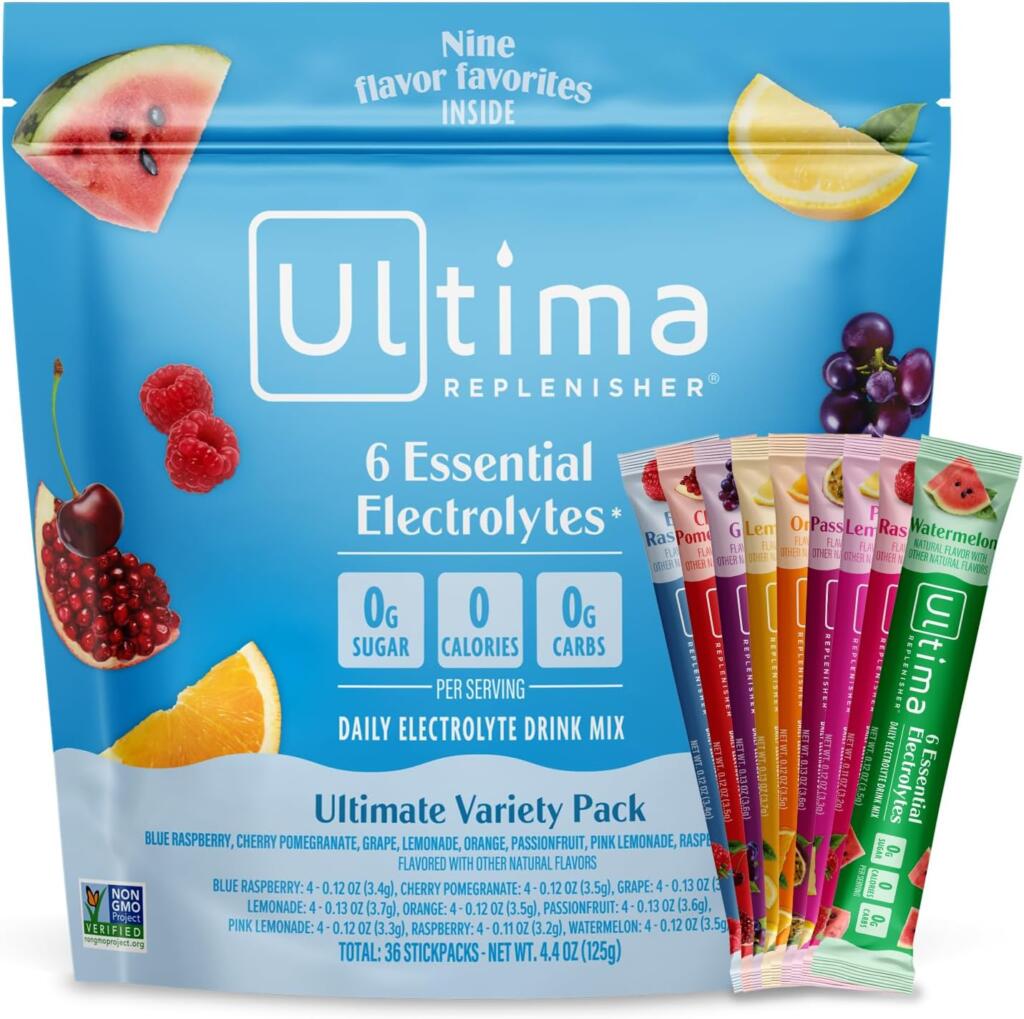 Ultima Replenisher Electrolyte Powder
Ultima Replenisher is a plant-based, stevia-sweetened electrolyte powder with a clean ingredient list that includes all six key electrolytes: sodium, potassium, magnesium, calcium, chloride, and phosphorus. It contains no sugar, no artificial colors, and no synthetic sweeteners beyond stevia. The magnesium content at 65 mg per serving is noteworthy, supporting muscle recovery and sleep quality alongside basic hydration. It is also non-GMO certified and vegan, making it broadly compatible with most dietary approaches.
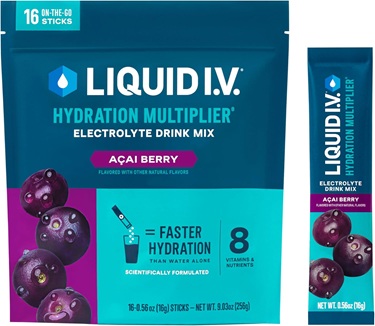 Liquid I.V. Hydration Multiplier (Acai Berry)
Liquid I.V. uses a Cellular Transport Technology formula modeled on the World Health Organization’s oral rehydration solution guidelines, combining specific ratios of glucose, sodium, and potassium to maximize water absorption in the small intestine. While it does contain cane sugar as part of that transport mechanism, the amounts are modest and the formula avoids artificial colors and flavors. It delivers 500 mg of sodium, 370 mg of potassium, and added B vitamins per serving. The Acai Berry variety is among the cleaner-tasting options and is a strong choice for illness recovery or post-exercise rehydration.
 Nuun Sport Electrolyte Tablets
Nuun tablets dissolve in water to create a lightly effervescent electrolyte drink with a clean ingredient list and just 1 gram of sugar per tablet. Each tablet delivers sodium, potassium, magnesium, and calcium, along with a small amount of dextrose to support absorption. The tablet format makes it extremely portable and convenient for travel, hiking, or keeping at a desk. Nuun is NSF certified for sport, meaning it has been independently tested for banned substances, and the formula avoids artificial sweeteners in favor of stevia and a small amount of natural sugar.
When evaluating any packaged natural electrolyte drink, look for products that clearly list the milligram amounts of each electrolyte rather than hiding them in proprietary blends. Sodium should be present in meaningful amounts, generally 200 mg or more per serving, since it is the electrolyte lost in the highest quantities through sweat. Be cautious of products that lead with potassium and magnesium while listing negligible sodium, as this reflects marketing preferences rather than physiological reality.
When to Drink a Natural Electrolyte Drink
The most common use case is post-exercise rehydration, but the applications go well beyond the gym. A natural electrolyte drink is genuinely useful first thing in the morning, since the body loses fluids during sleep and wakes in a mildly dehydrated state. Starting the day with an electrolyte drink rather than plain water or coffee supports better energy, mental clarity, and digestion from the first hours of the day.
During illness involving fever, vomiting, or diarrhea, electrolyte replacement becomes urgent. The WHO estimates that oral rehydration therapy prevents over a million childhood deaths annually from dehydration related to diarrheal illness. A well-formulated homemade electrolyte drink closely approximates the oral rehydration solutions used in clinical settings.
Spending extended time in heat, whether gardening, hiking, doing outdoor work, or simply navigating a hot summer day, also warrants proactive electrolyte intake rather than waiting for thirst or symptoms to arrive. Thirst is a late indicator of dehydration. By the time you feel thirsty, you may already be losing physical and cognitive performance. Drinking a small natural electrolyte drink before, during, and after heat exposure is a smarter approach than reactive rehydration.
A Few Things to Keep in Mind
While a natural electrolyte drink is safe and beneficial for most people, those with kidney disease, hypertension, or heart conditions should consult a healthcare provider before significantly increasing their sodium or potassium intake, as impaired kidney function can affect the body’s ability to regulate electrolyte levels. Pregnant women should also check with their midwife or doctor before using high-sodium formulations regularly.
If you are making your own recipe, use unrefined salt rather than table salt. Standard iodized table salt has been stripped of its trace minerals and processed with anti-caking agents. Pink Himalayan salt and Celtic grey sea salt retain their full mineral profile, which is a meaningful part of what makes homemade natural electrolyte drinks genuinely nourishing rather than simply salty water.
Raw honey is preferred over refined sugar or agave syrup for the small amount of sweetener in the base recipe. Beyond the glucose it provides to activate the sodium-glucose transport system, raw honey contains enzymes, antioxidants, and antimicrobial compounds that refined sweeteners simply lack. For a completely sugar-free version, a small amount of stevia can be substituted, though keep in mind that the glucose does serve a functional hydration purpose rather than being purely cosmetic.
Recommended Resource
If a simple combination of lemon, honey, and mineral-rich salt can support hydration at a cellular level, imagine what happens when you understand the full spectrum of plant-based remedies that have been supporting human health for centuries.
Long before brightly colored sports drinks existed, herbalists relied on whole-food minerals, medicinal plants, and time-tested preparation methods to maintain energy, resilience, and recovery. They understood which plants restore electrolyte balance, which support adrenal function, which improve circulation, and which help the body recover faster after stress, heat exposure, or illness.
Most of that knowledge never disappeared — it was simply overshadowed by convenience products and modern marketing.
Forgotten Home Apothecary brings this traditional wisdom back into practical, everyday use. Inside, you will discover detailed instructions for creating powerful natural remedies using herbs, roots, flowers, and simple kitchen ingredients. Many of these formulations support hydration, mineral balance, immune strength, digestive health, and sustained energy — without relying on synthetic additives or artificial ingredients.
Instead of depending on products filled with artificial dyes, processed sugars, and laboratory flavorings, you can learn how to build your own natural wellness toolkit using ingredients your body recognizes and utilizes efficiently.
Whether your goal is better hydration, stronger immunity, improved recovery, or greater self-reliance, understanding herbal preparation gives you options that most people no longer realize they have.
Forgotten Home Apothecary shows you how to:
• Create herbal preparations that support energy and endurance
• Use mineral-rich plants traditionally valued for electrolyte balance
• Prepare natural tonics, infusions, syrups, and decoctions safely at home
• Build a personal herbal reference that reduces dependence on commercial products
• Preserve traditional knowledge that has supported families for generations
If learning how to make a natural electrolyte drink sparked your interest, this is just the beginning. The same principles apply across hundreds of herbal preparations designed to support everyday health using simple, time-tested ingredients.
Discover how to take control of your health naturally with Forgotten Home Apothecary
A practical guide to restoring the traditional plant knowledge modern life has nearly erased.
Final Thoughts
Your body does not need a neon-colored drink with a sponsored athlete on the label to stay properly hydrated. It needs minerals, water, and a small amount of sugar or carbohydrate to help transport those minerals into cells efficiently. A natural electrolyte drink, whether made at home from lemon juice, sea salt, and honey or chosen from a genuinely clean commercial brand, meets all of those needs without the artificial load that most sports drinks carry.
Start with the basic recipe, experiment with the herbal variations, and pay attention to how your body responds. Most people notice a real difference in their energy, focus, and recovery when they give their cells the minerals they are actually asking for. That is the simplest and most honest case for making a natural electrolyte drink part of your daily routine.
You may also like:
 7-Day Drinks Plan for Complete Detox
The Holistic Guide To Wellness Package (Video)
The Best Herbal Drink for Sore Throat – Time-Tested Remedies That Actually Work
This Common Detox Might Actually Be Harming You
10 Foods Infesting You With Parasitic Worms (and How To Flush Them Out)