You’re uncomfortable. Bloated. It’s been days since you’ve had a proper bowel movement, and when you finally do go, it’s hard, painful, and leaves you feeling like you’re still not done.
Constipation isn’t just inconvenient. It can make your whole life feel like you’re running on a half-empty battery. You’re tired, cranky, and nothing seems to work quite right.
Let’s be clear about what we’re talking about: hard or lumpy stools, painful passing, or that frustrating “incomplete” feeling. This isn’t about “toxic gut” cleanses or magical thinking, but rather simple, evidence-backed regularity.
When you need a doctor, not herbs: If you have rectal bleeding, blood in your stool, constant abdominal pain, can’t pass gas, vomiting, fever, unexplained weight loss, or symptoms that don’t improve with basic care—stop reading and call your doctor. Those are red flags that need medical attention.
For everyone else dealing with regular constipation, let me show you what actually works.
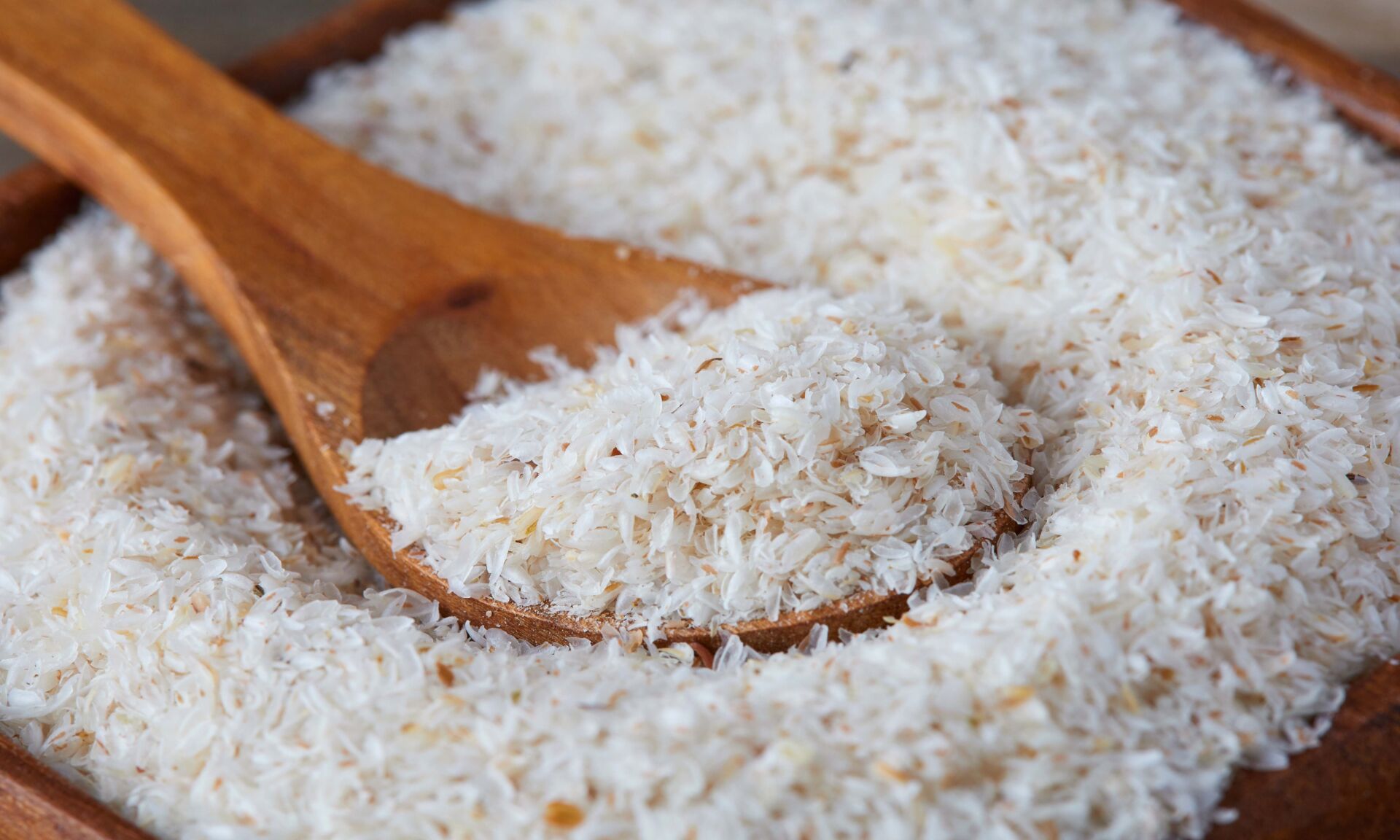
1. Psyllium Husk
Psyllium absorbs liquid in your intestines, swells up, and forms a bulky stool that’s easier to pass. It’s not glamorous, but it works.
Research with over 1,200 people found that fiber supplementation—especially psyllium—improved constipation. Higher doses (more than 10 grams daily) and longer use (at least 4 weeks) worked better. The trade-off? Some people get more gas.
Here’s the critical part: Take psyllium with plenty of water—at least a full glass per dose. Without enough liquid, it won’t work and can actually make things worse.
Start with a smaller dose and work up gradually. Your gut needs time to adjust.
2. Flaxseed
Flaxseed contains fiber that helps keep bowel movements regular. In a 12-week study with people who had diabetes and constipation, eating 10 grams of ground flaxseed twice daily significantly improved their symptoms with no side effects.
Add ground flaxseed to yogurt, oatmeal, or smoothies. Don’t eat it raw or unripe—that can cause stomach upset. Ground flaxseed works best and is easier to digest.
Start small. Too much at once can cause bloating or diarrhea.
Ginger mainly helps your stomach empty faster rather than directly treating constipation. But if you have that “everything is sitting like a brick” feeling, ginger addresses the front end of the problem.
In a study with 24 people, ginger reduced stomach emptying time and increased stomach contractions compared to placebo.
Fresh ginger tea, ginger supplements, or ginger in cooking can all help. Start with smaller amounts if you’re not used to it.
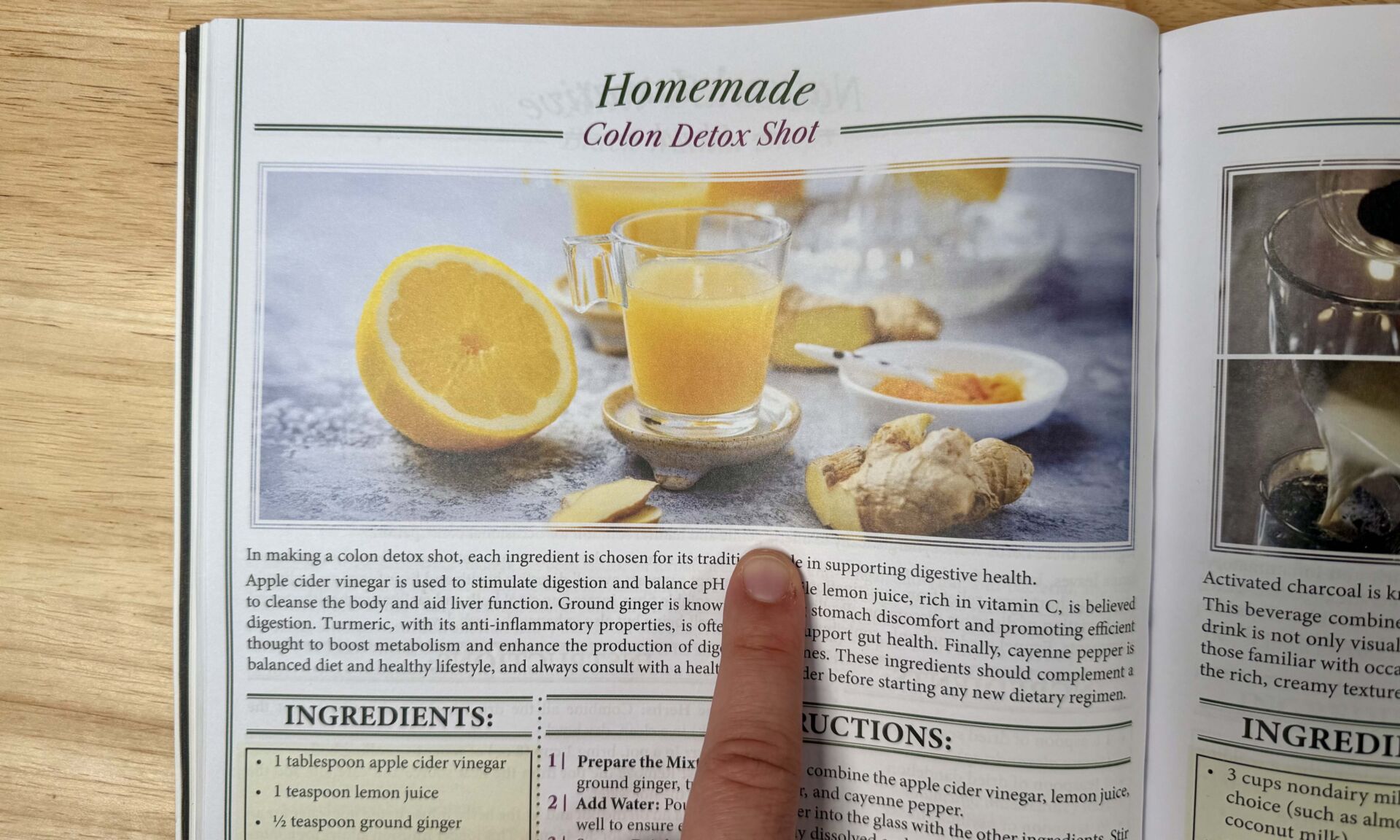
The 5-Minute Ginger Shot That Clears Waste Buildup
Ginger helps your stomach empty faster. But when you combine it with apple cider vinegar, lemon juice, turmeric, and cayenne pepper—you get something that actually moves waste through your entire digestive tract.
The Colon Detox Shot takes 5 minutes to make. You drink it on an empty stomach in the morning, and it stimulates digestion, balances pH, boosts metabolism, and enhances digestive enzyme production.
I take this once a day when I feel everything sitting like a brick. Within hours, things start moving.
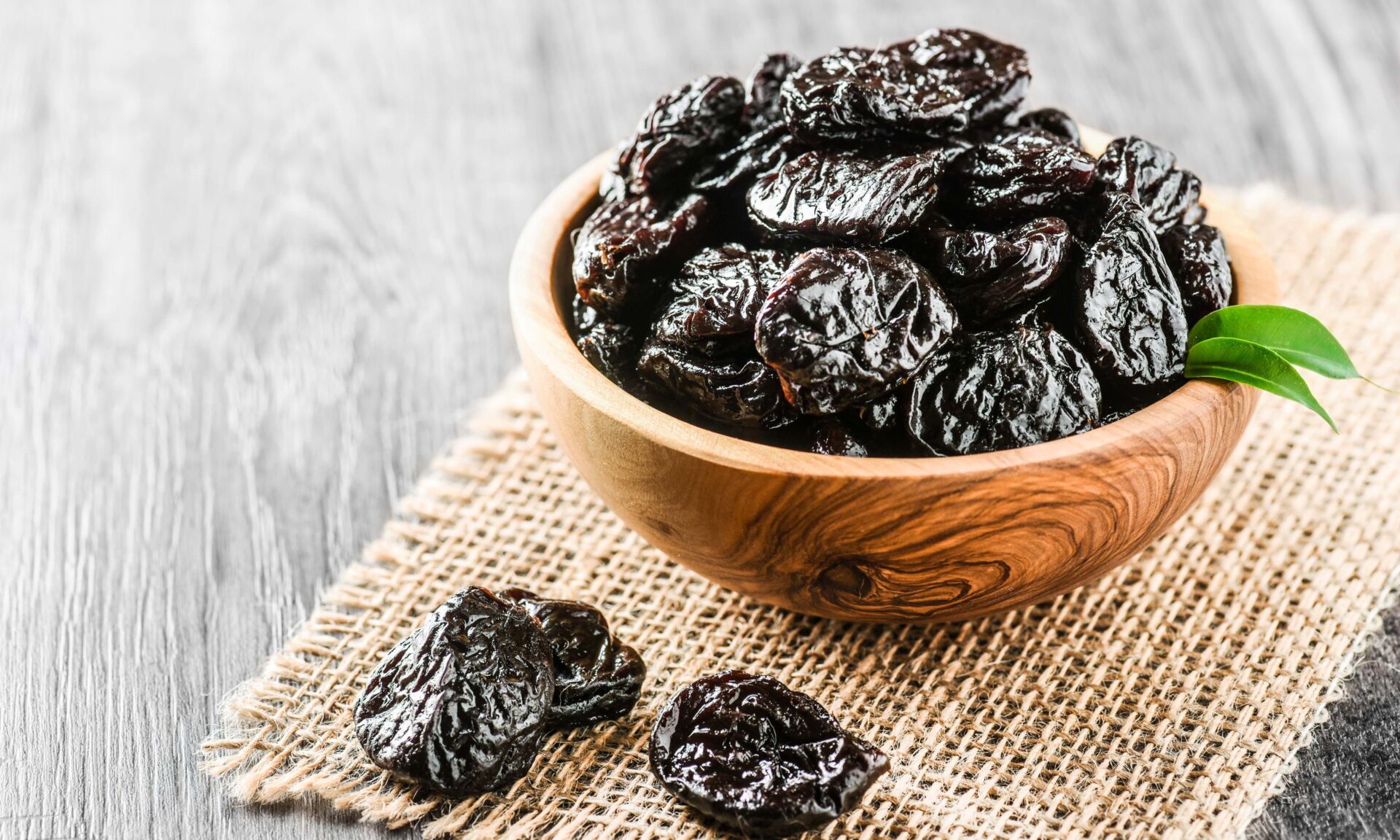
Prunes aren’t just an old wives’ tale. In an 8-week study, people ate about 50 grams of prunes twice daily or took psyllium. Both helped, but prunes improved bowel movements and stool consistency better than psyllium.
Prunes bring fiber, natural sorbitol (which softens stool), and water-binding compounds. They’re one of the simplest, most effective options available.
Eat 50-100 grams daily (about 5-10 prunes). Start with less if you’re not used to extra fiber.
Two green kiwifruits daily for 4 weeks increased bowel movements, improved stool consistency, and reduced straining in a study with 79 people. It worked as well as prunes or psyllium, with fewer side effects and less dissatisfaction from participants.
Kiwifruit is gentle, tasty, and backed by research. If you like kiwi, this is an easy addition to your routine.
Eat 2 green kiwifruits daily, preferably at the same time each day.
The Plant That Fertilizes Your Gut—So You Never Get Backed Up Again
Kiwifruit works. But what if you could feed the good bacteria in your gut so they keep everything moving smoothly—every single day?
There’s a plant that contains rare prebiotic fiber. This fiber helps the good bacteria in your gut flourish, creating a healthy bowel movement naturally.
That means you’re more protected against leaky gut, you’ll eliminate intestinal parasites faster, and it’s easier to prevent the growth of bowel and colon polyps.
Nicole shows you the exact plant in this video. You can see it up close—what it looks like, where it grows, how to harvest it, and how much to eat.
She also shows you the 2-herb combination that unblocks your bowels instantly (works like Drano for clogged sinks), and the herb you add to your morning coffee—just 3 to 5 leaves—to empty your bowels effortlessly each morning.
You learn by doing, the way your grandmother would have taught you.
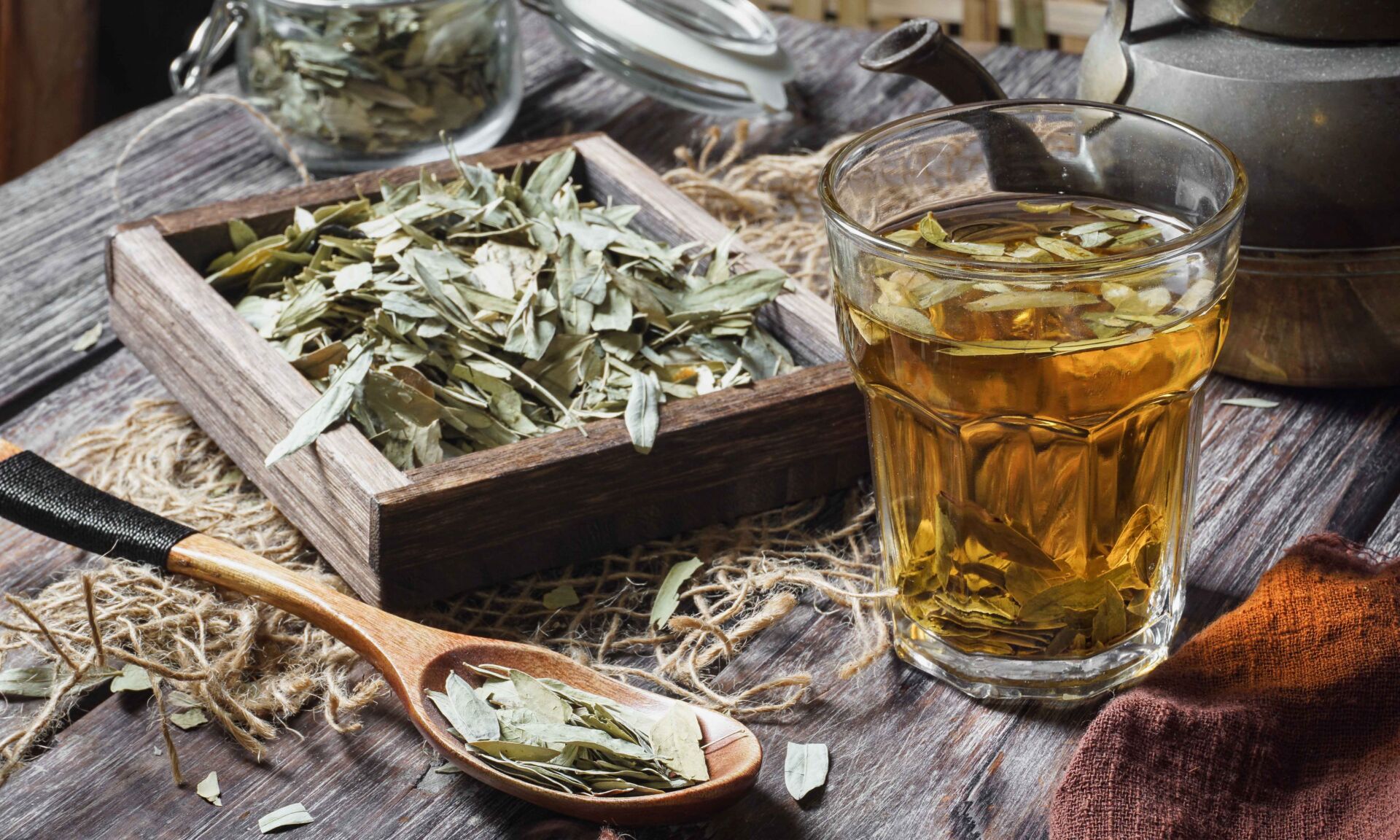
Senna is a stimulant laxative that increases intestinal activity to cause a bowel movement. It typically works within 6-12 hours—often overnight.
Research shows senna works for chronic constipation. But don’t take it for more than a week without medical advice. Frequent use can lead to dependence—your bowel can become lazy without it.
Side effects include stomach discomfort, nausea, and cramps. If you see rectal bleeding, stop immediately and call your doctor.
Treat senna as occasional support when you really need help, not as your daily go-to.
7. Peppermint Oil
If constipation comes with cramping, bloating, and pain, peppermint oil may help the discomfort. Studies show it’s more effective than placebo for irritable bowel syndrome symptoms and abdominal pain.
Peppermint oil doesn’t necessarily make you go more—it makes going more comfortable. If your constipation feels painful and crampy, this addresses that.
Use enteric-coated peppermint oil capsules as directed. Some people get heartburn, so be cautious if you’re prone to that.
The Most Powerful Blend: Slippery Elm and Marshmallow Root
These herbs coat and soothe an irritated digestive tract. They’re mucilage-rich, meaning they form a protective, slippery layer.
The evidence for constipation specifically is thin. A small study included slippery elm in a constipation formula and saw improvements, but it wasn’t definitive.
Think of these as comfort herbs when your gut feels angry and irritated, not as direct constipation treatments. They’re generally safe with no major side effects.
Use as tea or capsules as directed. They work best combined with other approaches, not used alone.
I tried making my own slippery elm and marshmallow root tea. The problem? Getting the ratios right so it actually coats your gut properly without being too thick or too weak.
Too much slippery elm and it’s like drinking wallpaper paste. Too little and you’re just drinking expensive water.
That’s why I keep a bottle of Balanced Gut Blend on hand. It’s dual-extracted (which means both alcohol and water extraction—you need both to get all the medicinal compounds), and it combines slippery elm and marshmallow root with medicinal mushrooms that actually heal the gut lining.
It soothes the digestive tract, supports healthy gut function, and helps with nutrient absorption.
When your gut feels angry and irritated—bloated, uncomfortable, nothing moving right—this is what calms it down.
I take 2 dropperfuls 3 times a day when things are bad, then drop down to once or twice daily for maintenance.
For daily use: Psyllium, flaxseed, prunes, or kiwifruit. These are safe long-term and backed by solid evidence.
For occasional relief: Senna works fast but use it sparingly—no more than a week without talking to your doctor.
For comfort: Peppermint oil helps cramping and bloating. Ginger helps when everything feels stuck.
For soothing: Slippery elm and marshmallow root provide comfort but aren’t primary treatments.
Most important: Drink plenty of water with any fiber. Without water, fiber makes things worse.
Start with one approach. Give it at least 2-4 weeks. Track what helps and what doesn’t.
Constipation that doesn’t improve, or that comes with red flag symptoms, needs medical attention. These herbs support normal function—they don’t replace proper diagnosis when something’s wrong.
Your gut deserves regular, comfortable movement. Now you know what actually helps.
What to Eat, What to Avoid, and When to Do It—The Complete Daily Plan
Chronic constipation usually means damaged gut + wrong foods + poor timing.
Foods that constipate you: Processed foods, dairy, white bread, red meat, fried foods, bananas (unripe), caffeine, alcohol
Foods that keep you regular: Leafy greens, oats, beans, lentils, apples, pears, berries, sweet potatoes, avocados, probiotic-rich foods
Noon: Prebiotic foods (garlic, onions, Jerusalem artichoke) + digestive enzymes (if needed) + biggest meal of the day
Evening: Vegetarian dinner + post-dinner walk + avoid eating 3 hours before bed
This isn’t “add more fiber and hope.” You’re healing the gut lining, balancing the microbiome, removing inflammatory foods, and timing everything right.
Disclaimer: This article is for educational purposes only and does not provide medical advice. These options are not intended to diagnose, treat, cure, or prevent any disease. If you have persistent constipation, blood in stool, severe pain, or other concerning symptoms, consult your healthcare provider. Fiber supplements can interact with medications—take them at least 2 hours apart from your medications.
Under your section of–The 5-Minute Ginger Shot you have a photo showing a page from the book: ‘the Forgotten Home Apothecary’. And a link to purchase the book. Here’s the rub… The “Colon Detox Shot” is not in the book; and if you scan down the web page, you find something called the “Colon Sweep Serum”.
Now, here is the funny part… I have a copy of ” the Forgotten Home Apothecary”, copyright 2024. And neither one is in my copy of this book. Even the photo looks wrong. So, where do I get the recipe for either or both of them???
Is there an updated version of this book, with added items? Do I have to purchase it, or can I get an updated list and description of these items???
Hi Frank, Is it not on page 78 of that book? I have the 2024 version of the Forgotten Home Apothecary and I see it.
Frank C.
6 months ago
Considering the amount of people commenting, and those writing articles of their own, that there might be a second volume to ‘The Forgotten Home Apothecary’. Not added updates, to the original book, with a re-printing. That would leave everyone who purchased old one without the updates.
We use cookies to ensure that we give you the best experience on our website. If you continue to use this site, we will assume that you are happy with it.
Functional Always active
The technical storage or access is strictly necessary for the legitimate purpose of enabling the use of a specific service explicitly requested by the subscriber or user, or for the sole purpose of carrying out the transmission of a communication over an electronic communications network.
Preferences
The technical storage or access is necessary for the legitimate purpose of storing preferences that are not requested by the subscriber or user.
Statistics
The technical storage or access that is used exclusively for statistical purposes.The technical storage or access that is used exclusively for anonymous statistical purposes. Without a subpoena, voluntary compliance on the part of your Internet Service Provider, or additional records from a third party, information stored or retrieved for this purpose alone cannot usually be used to identify you.
Marketing
The technical storage or access is required to create user profiles to send advertising, or to track the user on a website or across several websites for similar marketing purposes.








Under your section of–The 5-Minute Ginger Shot you have a photo showing a page from the book: ‘the Forgotten Home Apothecary’. And a link to purchase the book. Here’s the rub… The “Colon Detox Shot” is not in the book; and if you scan down the web page, you find something called the “Colon Sweep Serum”.
Now, here is the funny part… I have a copy of ” the Forgotten Home Apothecary”, copyright 2024. And neither one is in my copy of this book. Even the photo looks wrong. So, where do I get the recipe for either or both of them???
Is there an updated version of this book, with added items? Do I have to purchase it, or can I get an updated list and description of these items???
Hi Frank, Is it not on page 78 of that book? I have the 2024 version of the Forgotten Home Apothecary and I see it.
Considering the amount of people commenting, and those writing articles of their own, that there might be a second volume to ‘The Forgotten Home Apothecary’. Not added updates, to the original book, with a re-printing. That would leave everyone who purchased old one without the updates.