

How to Make Kombucha at Home for Better Gut Health
Your gut’s been talking to you lately, hasn’t it? That uncomfortable bloating after meals. The constipation that won’t budge. That general sense that your digestion just isn’t happy.
I’ve been there. And I’ve watched so many people find relief through kombucha—that fizzy, tangy fermented tea that’s been supporting digestive wellness for centuries.
Now, I know what you’re thinking when you see those $11 bottles at the health food store: “Can I just make this at home?” The answer is absolutely yes. And I’m going to show you exactly how, safely and successfully.
Kombucha is full of beneficial bacteria and organic acids that can genuinely support your digestive comfort. I’ve seen it help people with sluggish digestion, occasional constipation, and that general “off” feeling in the gut.
But here’s the thing. Home fermentation needs to be done thoughtfully. There are some important safety steps we can’t skip. Not to scare you, but to keep you healthy while you explore this wonderful tradition.
What Kombucha Really Is
Kombucha is simply fermented tea made with a SCOBY—a “symbiotic culture of bacteria and yeast.” I know it looks odd (like a slippery pancake!), but this living culture transforms sweet tea into a tangy, fizzy drink full of beneficial compounds.
Let me be honest about what kombucha is and isn’t. It’s not a medicine. It won’t cure disease or replace treatments your doctor prescribed. And it won’t “detox” your body directly. Your liver and kidneys handle that beautifully.
What it is: a traditional fermented food that may support gut comfort and help diversify your gut microbiome. And there’s actually research backing this up. 
What the Science Shows
Several small clinical trials have looked at kombucha and gut health:
In one study with adults dealing with extra weight, people who drank kombucha daily alongside a healthy diet reported real improvements in their digestive symptoms—things like feeling more complete after bowel movements and less struggle with hard stools.
Other studies found regular kombucha consumption creates modest shifts in gut bacteria—increasing beneficial types and decreasing less helpful ones.
Related: Gut Renewal Elixir
The research is still early, but it’s promising, especially combined with centuries of traditional use.
What I’ve seen personally: Many people notice their digestion feels more comfortable, more regular. Some find it helps with occasional constipation. Others just feel like their gut is happier overall.
But here’s what I’ve also learned: kombucha helps mild digestive issues. It doesn’t fix severe gut damage.
If you’re dealing with chronic bloating, leaky gut, food sensitivities, or constant digestive distress—you need more than probiotics. You need to heal the gut lining first.
That’s where a gut restoration herbal blend comes in. Herbs like marshmallow root and slippery elm coat and soothe damaged intestinal walls. Plantain repairs holes in the gut lining. These aren’t probiotics—they’re gut healers.
Related: How to Make Rejuvelac for Leaky Gut
I’ve seen people struggle with kombucha for months because their gut was too damaged to handle it. Once they healed the lining first, everything changed.
Important Safety Guidance
Home fermentation is safe when we follow basic guidelines:
The alcohol question: Fermentation produces a small amount of alcohol—usually very little, but sometimes more than you’d expect. If you’re pregnant, avoiding alcohol, or sharing with children, keep this in mind.
Watching for mold: If you ever see fuzzy patches on top, start fresh. Don’t try to salvage it.
Getting the acidity right: This is the most important safety step. Kombucha needs pH 4.2 or lower to be safe, but not below 2.5 (too harsh). We’ll use a pH meter to check.
Using the right containers: Only use food-grade glass jars. Some ceramics can leach harmful substances when exposed to acidic liquids.
Who should be extra cautious: If you’re pregnant, nursing, immunocompromised, or managing chronic health conditions, please check with your healthcare provider first.
The Probiotic Myth: Why Adding Bacteria Can Make Things Worse
Here’s what most people don’t know: if your gut is inflamed or damaged, adding more bacteria—even good bacteria—can backfire.
Kombucha feeds your gut microbiome. But if your gut lining is full of holes (leaky gut), if you’re overgrown with bad bacteria (SIBO), or if inflammation is out of control—probiotics can make you feel worse, not better.
You need to heal the gut first, then add probiotics.
Here are the gut-healing remedies you should start with:
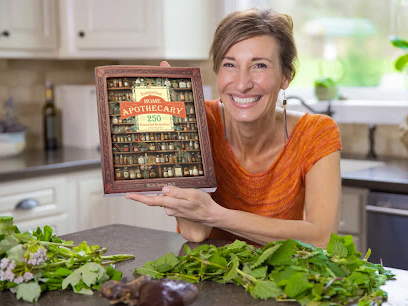
These aren’t probiotics. These are gut repair remedies that prepare your digestive system to actually benefit from fermented foods.
Click here for the complete list of gut-healing recipes that fix the damage before you add bacteria.
How to Brew Your First Batch
Let me walk you through this like we’re in my kitchen together.
What You’ll Need
Equipment:
- 1-gallon food-grade glass jar
- Clean cloth or coffee filter and rubber band
- Wooden or plastic spoon
- Digital pH meter (important for safety)
- Clean bottles for storing
Ingredients:
- Filtered water
- Black or green tea
- Organic cane sugar
- SCOBY with starter liquid
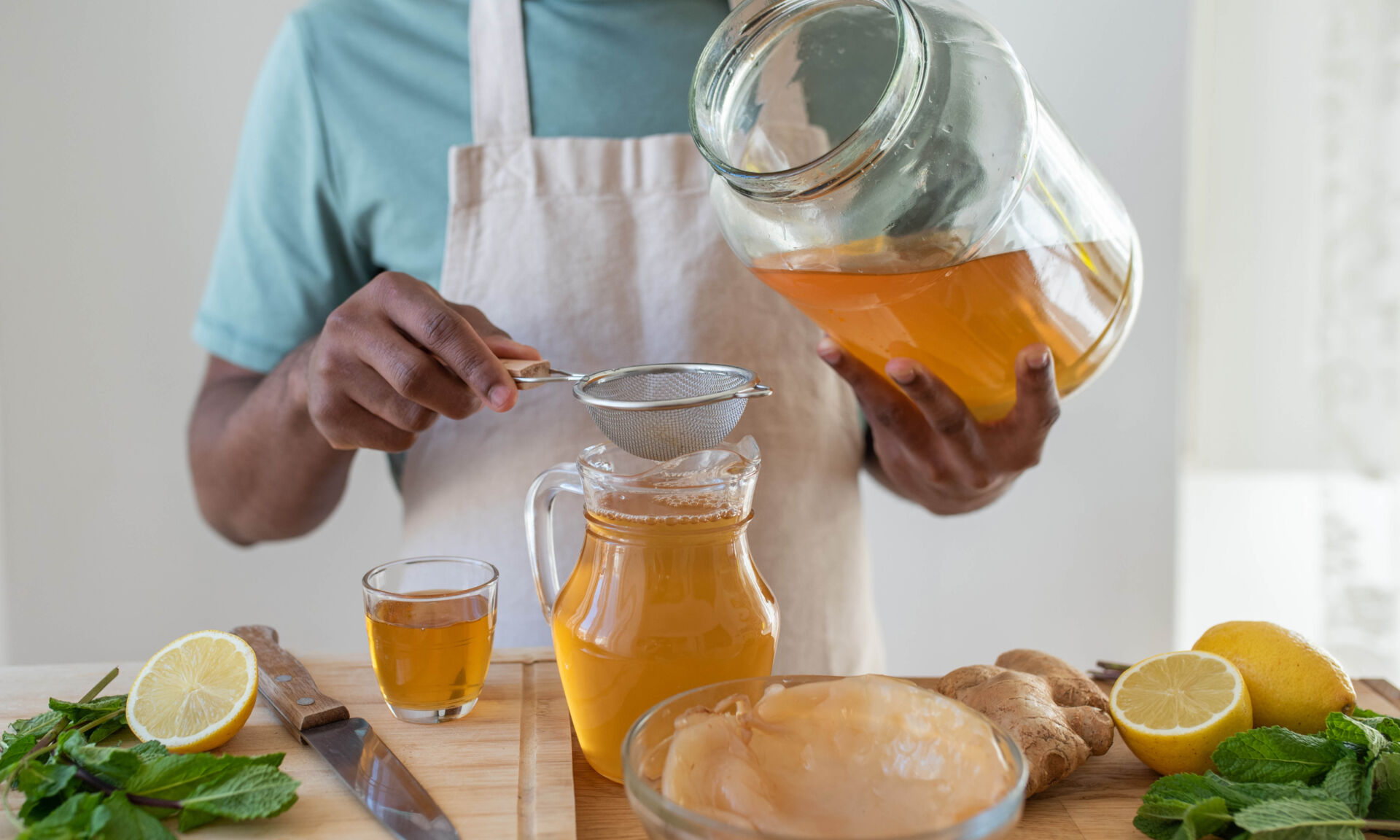
The Brewing Process
Step 1: Start Clean
Wash your hands and make sure all equipment is clean. Rinse everything with hot water.
Step 2: Brew Your Sweet Tea
Boil water and steep your tea. While hot, dissolve sugar completely. Let this cool completely to room temperature—never add your SCOBY to hot tea.
Step 3: Add Your SCOBY and Starter
Pour cooled sweet tea into your jar. Add starter liquid first, then gently place your SCOBY on top. It might sink or float—both are fine.
Step 4: Cover and Wait
Cover with clean cloth secured with a rubber band. Place somewhere warm (70-75°F) and out of direct sunlight. Let ferment 7-14 days.
Step 5: The Safety Check (Day 7)
Test pH with your meter. You want pH 4.2 or lower (safe) but not below 2.5 (too acidic). If it hasn’t reached 4.2 by day 7, give it a few more days.
Step 6: Taste and Bottle
Once pH is safe, taste a small amount. Nicely balanced between sweet and tangy? Perfect! Remove your SCOBY, pour kombucha into clean bottles, and refrigerate.
Optional: Second Fermentation for Fizz
For more carbonation, pour into pressure-safe bottles, seal, and leave at room temperature 1-3 days. Then refrigerate. Open carefully—pressure builds up!
How to Enjoy Your Kombucha
Start gently—about 4 ounces daily. See how your body responds.
You can drink it plain or get creative:
- Mix with fruit juice
- Add fresh ginger during second fermentation
- Try different tea blends
Store in the refrigerator to keep taste consistent.
Or skip the 2-week wait, the SCOBY maintenance, the pH testing, and the vinegar taste you’re pretending to like.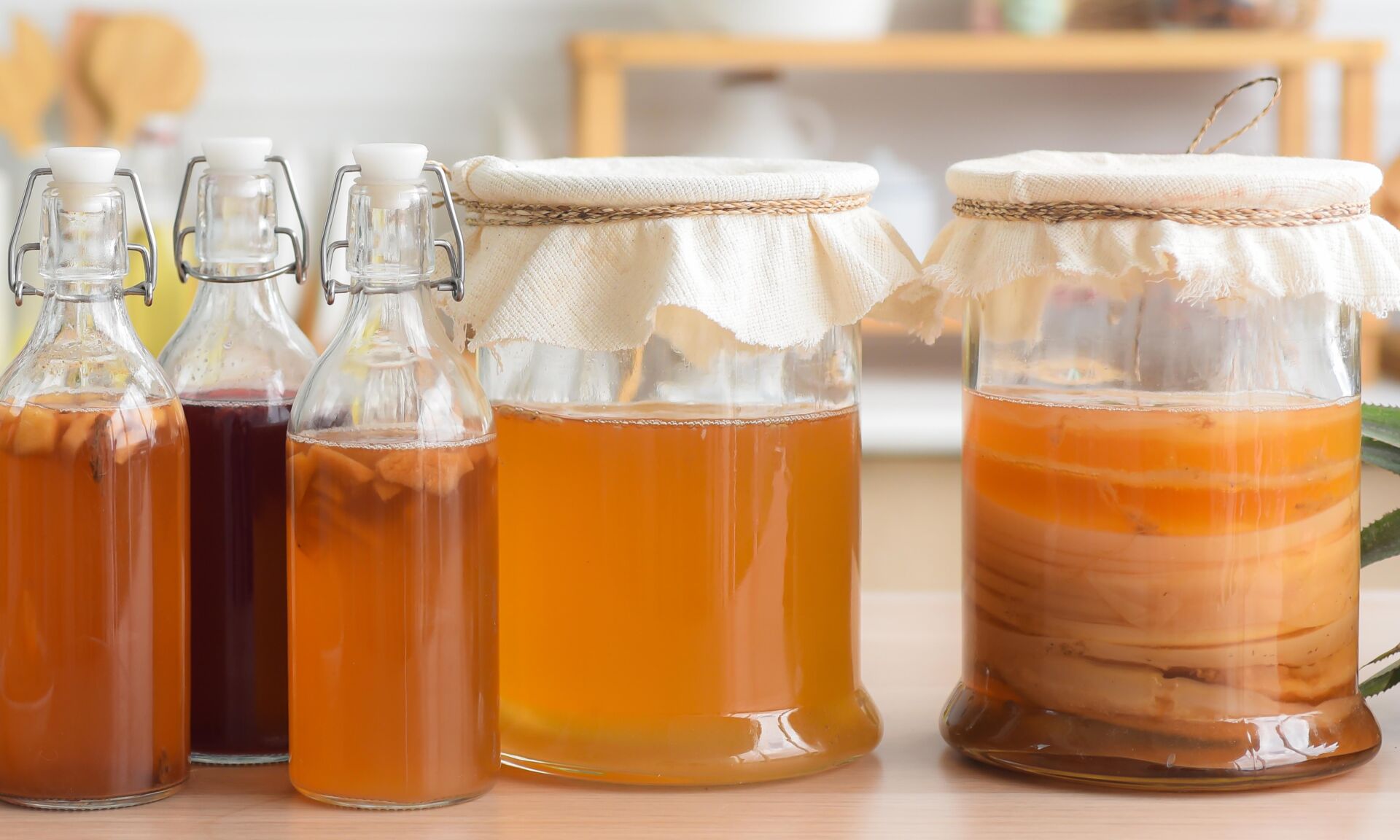
Better Than Kombucha
Let’s be honest: kombucha takes time, effort, and patience. You’re waiting 7-14 days per batch. You’re babysitting a culture. You’re tasting sour tea and hoping it helps.
And the taste? Not everyone loves it. Some people gag on the tang.
There’s an easier way: a gut restoration tincture that works in days, not weeks. No brewing. No SCOBY. No guessing if you did it right.
This tincture is the best-selling gut remedy from Nicole Apelian’s apothecary—because it’s already proven. Hundreds of people with chronic digestive issues have used it and felt relief within days.
Marshmallow root coats your gut. Plantain repairs the lining. Slippery elm soothes inflammation. All in a concentrated, fast-acting tincture you take under your tongue.
Quick Troubleshooting
My SCOBY sank—is that okay? Yes! It might float, sink, or turn sideways. All normal.
Brown stringy bits—is this mold? Probably not! Those are yeast strands. Mold looks fuzzy on top. When in doubt, throw it out.
Too sour? Next batch, ferment for less time.
Not fizzy enough? Try second fermentation in sealed bottles.
Beyond Kombucha: Other Fermented Foods That Heal Your Gut
Kombucha isn’t the only fermented remedy your ancestors used. They made sauerkraut, kimchi, kefir, and dozens of other probiotic-rich foods—each one supporting gut health in different ways.
The Amish still make fermented foods without modern equipment. They use simple ingredients, time-tested methods, and zero store-bought starters.
Here are some of the fermented remedies you can make at home:
- Amish Probiotic
- Rejuvelac for Leaky Gut
- Fermented Honey Garlic
- Lacto-Fermented Vegetables
These remedies diversify your gut microbiome in ways kombucha alone can’t.
Click here to learn how to make the fermented remedies that complete your gut-healing arsenal.
The Heart of It
Making kombucha connects us to generations of fermenters before us. It’s economical, empowering, and for many people, genuinely supports digestive comfort.
I’ve seen people who struggled with sluggish digestion for years find relief through regular kombucha. I’ve watched gut discomfort ease. Will it work for everyone? No—nothing does. But it’s worth trying if you’re dealing with digestive issues and want a gentle, traditional approach.
Just remember: brew it safely, start with small amounts, and pay attention to how your body responds. Your gut will tell you if this is helpful.
And please, if you have health concerns or take medications, check with your healthcare provider first.
At the end of the day, kombucha is about more than just gut health. It’s about taking time to create something nourishing with your own hands. It’s about connecting with traditional food wisdom. It’s about listening to your body and giving it what it needs to thrive.
Your gut has been asking for support. Maybe kombucha is part of that answer.
Here’s to your health, your gut comfort, and the ancient art of fermentation. You’ve got this.
The Foods Destroying Your Gut (And Why Kombucha Can’t Fix Them)
Kombucha helps. But if you’re still eating gut-destroying foods every day, you’re fighting a losing battle.
One common cooking oil damages your gut lining faster than you can repair it. Sugar feeds bad bacteria and starves the good ones. Processed foods create inflammation that kombucha can’t calm.
I’m not talking about “gluten-free” fads or diet trends. I’m talking about foods that scientifically create leaky gut, dysbiosis, and chronic inflammation—and you’re probably eating them at every meal.
Here’s what a complete gut repair protocol looks like:
Step 1: Remove the foods destroying your gut (including the oil you use daily)
Step 2: Heal the gut lining with specific herbs and nutrients
Step 3: Rebalance stomach acid (low acid = poor digestion)
Step 4: Add probiotics (kombucha, fermented foods, tinctures)
Step 5: Manage stress (cortisol damages gut lining)
Morning, noon, and evening—exactly what to eat, which herbs to take, how to support your gut’s natural healing.
Kombucha is step 4. But if you skip steps 1-3, you’ll keep struggling.
Click here for the complete protocol that fixes your gut from the ground up—not just the surface.
You may also like:
A gentle reminder: This information is for educational purposes, not medical advice. Kombucha is a food, not a medicine. If you’re pregnant, nursing, immunocompromised, or managing health conditions, please talk with your healthcare provider before starting home fermentation. Always discard any batch that shows mold or doesn’t acidify properly (pH above 4.2).


I have a mother from my apple cider vinegar, could that be my Scooby,?