Spring arrives, and suddenly you can’t breathe through your nose. Your eyes water constantly. You sneeze ten times in a row. Every surface in your house is covered in tissues.
Allergies don’t just make you miserable; they steal entire seasons from you. That beautiful spring day? You’re inside with the windows shut. That hike you planned? Cancelled because you can’t stop sneezing.
I used to think allergies were just something you had to suffer through. Pop an antihistamine, deal with the drowsiness, and wait for the season to pass.
Then I started learning about plants that actually have clinical trials backing up their ability to reduce allergy symptoms. Not “traditional use” stories. Not “my aunt’s friend said.” Actual randomized controlled trials with real people tracking their symptoms.
Some of these plants worked as well as over-the-counter allergy medications in head-to-head studies. Others provided relief without the drowsy fog that antihistamines cause.
Let me share what actually works—based on real research.
Butterbur
I found studies that show butterbur extract works about as well as common allergy medications like Allegra. People took it 2-3 times daily for two weeks and got real relief from sneezing, runny nose, and congestion.
Here’s the critical part: Only buy PA-free butterbur. Regular butterbur contains compounds that can seriously damage your liver and lungs. Even some products labeled “PA-free” have caused problems, so quality matters.
Skip butterbur if you’re pregnant, nursing, have liver issues, or are allergic to ragweed. For everyone else: buy only from trusted brands, use it short-term (not all season), and pay attention to how you feel.
This one works, but it demands caution.
Ginger
As you may already know, ginger is one of my favorite medicinal roots, since it’s so common and affordable. A randomized, double-blind trial compared 500mg daily ginger extract to 10mg loratadine (Claritin) for several weeks during allergy season.
Ginger performed similarly to the antihistamine for total nasal symptom scores and quality of life, with fewer people reporting drowsiness. Objective measurements showed actual improvements in nasal cavity volume in the ginger group.
This isn’t just perception. Ginger genuinely helps reduce allergy symptoms at doses similar to common medications.
Ginger can cause heartburn or stomach upset in some people. If you’re on blood thinners like warfarin, be cautious—ginger may increase bleeding risk. If you’re managing diabetes with medication, monitor your blood sugar as ginger can affect glucose levels.
Pregnant women should check with their doctor, though ginger has been studied safely in pregnancy for nausea.
You can start with 500mg of ginger extract daily during allergy season. You can also use fresh ginger in tea, though the studied dose was a standardized extract.
Yerba santa helps loosen thick mucus in your chest and sinuses. If your allergies make everything feel heavy and stuck—that congestion you just can’t clear—this herb addresses that specifically.
It’s native to the western United States and has been used for generations for respiratory problems. Herbalists keep using it because it works for that “stuck chest” feeling during allergy season.
It’s one of the herbs my mom still keeps in her kitchen as dried plants. When I visit her, she always has these remedies ready for me.
But when I’m not with her to make sure I get 100% handpicked yerba santa, I’d rather choose the closest version—if not better.
The Yerba Santa Tincture that Nicole Apelian makes in small batches is exactly that. Properly extracted, wild-harvested, made by someone who knows what they’re doing.
It’s generally safe, though we don’t have extensive research. Start with small amounts. It’s usually combined with other respiratory herbs rather than used alone.
Turmeric/Curcumin
And now, the spice that can be so easily incorporated in any food you make at home. I love it!
A randomized, double-blind trial with 241 people with year-round allergies used 500mg curcumin daily for two months.
Results showed improvements in sneezing, runny nose, and congestion—plus measurably reduced nasal airflow resistance. People could literally breathe easier.
Curcumin addresses the underlying inflammatory response causing allergy misery, not just masking symptoms.
Curcumin is generally safe for 2-3 months at 500mg daily. Avoid if you’re pregnant, and be cautious if you’re on blood thinners or have gallstones.
I’m all about using remedies in the safest way!
Green Tea (Benifuuki Cultivar)
A study during pollen season had people drink about 3 cups daily of Benifuuki green tea—a special cultivar that’s different from regular green tea. It contains a compound not found in regular green tea that specifically helps with allergy symptoms.
Are you curious about the results? Real improvements in both nose and eye symptoms. If your eyes stream and your nose runs constantly during allergy season, this tea addresses both.
Green tea is generally safe, though it has caffeine. Don’t use concentrated extracts—stick to drinking the actual tea. High-dose extracts can cause liver problems and interact with some heart, cholesterol, and bone medications.
Drink about 3 cups of Benifuuki green tea daily throughout allergy season. Start before your symptoms usually begin if possible.
Lungwort Lichen & Mullein
Some plants work better together than alone. Lungwort lichen and mullein are one of those combinations.
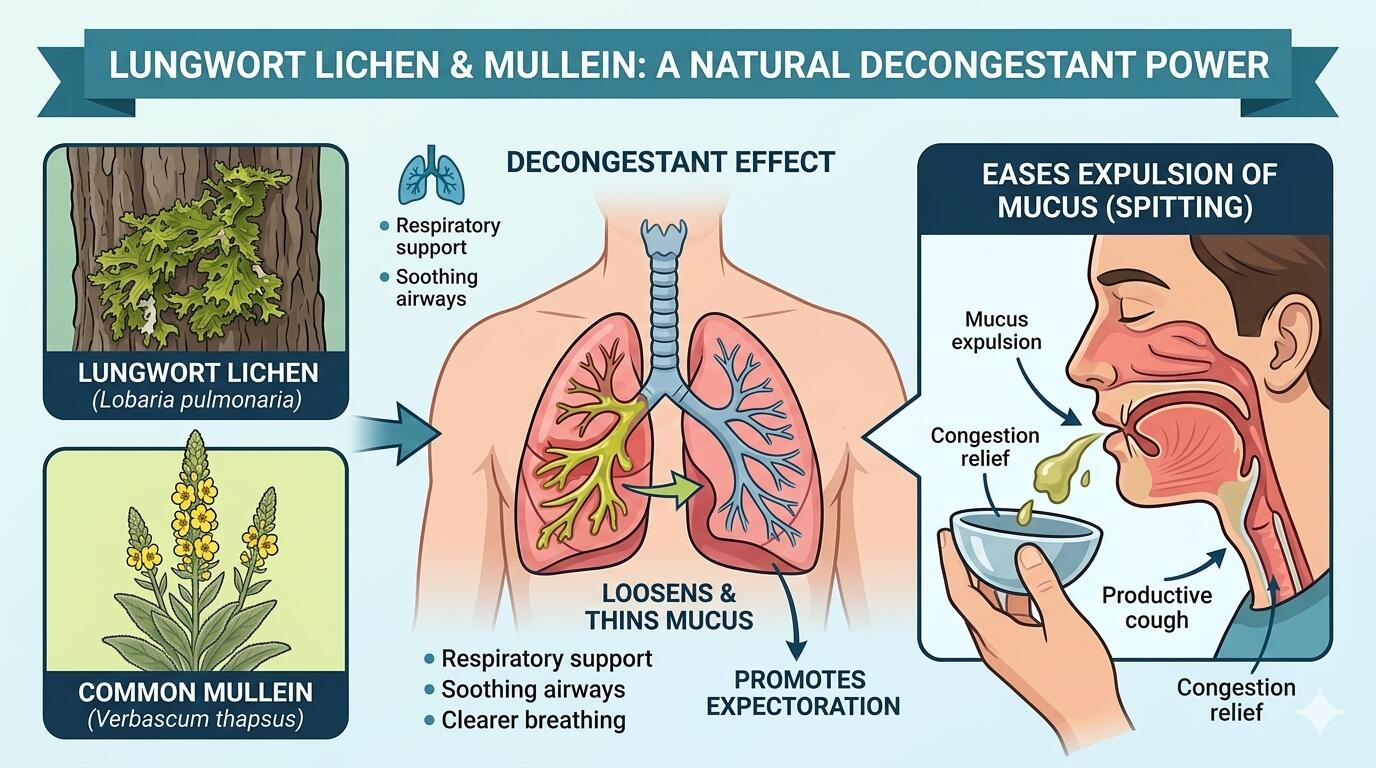
Lungwort lichen (actually a lichen—a symbiotic organism of fungus and algae) has been used in European herbalism for respiratory support for centuries. Mullein, with its soft, fuzzy leaves, has been a respiratory remedy across multiple herbal traditions for calming coughs, easing wheezing, and clearing congestion.
Together, they help promote the clearing of congestion and mucus in the lungs and may calm coughs and wheezing that come with seasonal allergies. If your allergies trigger chest tightness, coughing, or that feeling of restricted breathing, this duo addresses those specific symptoms.
This is the most potent remedy because it’s not just a single medicinal plant—it’s a duo made of synergistic plants.
And plant synergy is something you can’t play with.
Some plants cancel each other out. Some become dangerous when combined. But lungwort lichen and mullein are exactly the opposite—they amplify each other’s effects.
Lungwort helps expectoration (clearing mucus from deep in your lungs). Mullein soothes the airways and calms the cough reflex. Together, they work on both ends of the problem: loosening what’s stuck AND calming the irritation that makes you cough.
Only true herbalists know about this combination. That’s why Nicole Apelian made the Lungwort Mullein Blend—because it truly works for expectoration, chest congestion, and even mucus buildup from smoking (it may help with that too, though that’s not its primary use).
Both are generally well-tolerated. Mullein is widely used and considered quite safe. Lungwort lichen has less modern research but a long history of traditional use.
They’re typically found together in bronchial blend tinctures formulated specifically for lung support during allergy and respiratory seasons. The combination is more effective than either herb alone.
Black Seed (Nigella Sativa)
Black seed has been used in Middle Eastern medicine for centuries. Researchers finally tested it for allergies—and it helps.
Multiple studies found that people taking black seed oil got real relief from stuffy nose, sneezing, and watery eyes. In one study, just 250mg twice daily for two weeks made a noticeable difference.
Most people tolerate it well. Some get mild stomach upset. If you’re on blood pressure or diabetes medications, tell your doctor—black seed can affect both. Buy from trusted brands.
Most people take 300-1000mg once or twice daily. Start low and see how you feel.
Spirulina
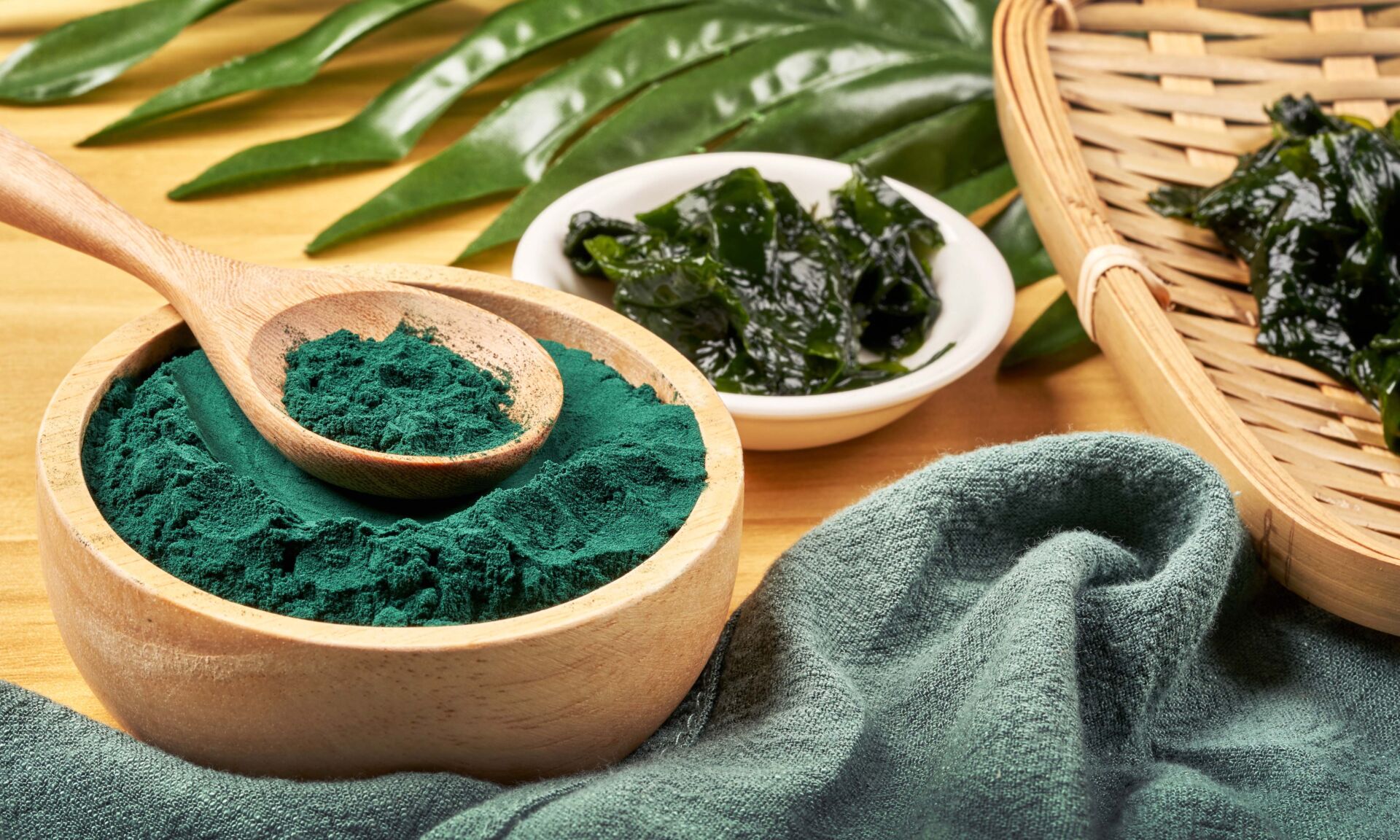
This green ‘powder’ does WONDERS. It’s one of the most overlooked remedies. A recent randomized trial gave people 2 grams daily of spirulina for two months. Results showed improvements in several rhinitis symptoms compared to cetirizine (Zyrtec) and shifted certain inflammatory markers measurably.
Spirulina isn’t just a trendy superfood—it has preliminary but real allergy evidence. The critical concern is contamination. Spirulina can contain heavy metals or microcystins (toxins) if poorly sourced.
That’s why you want to source it from the best place possible.
I personally got a green mix containing spirulina and 47 other plants. I got it for weight loss, and besides doing its job, I started looking up all 48 plants it contains.
Wow. I was astonished to read the studies on them all and see how GREAT I was finally feeding my body—after decades.
Spirulina for allergies. Ashwagandha for stress (which makes allergies worse). Turmeric for inflammation. Ginger for immune support. All in one scoop every morning.
So yes, if you’re looking for spirulina, this superfood is found in this blend—third-party tested, non-GMO, 100% natural.
This is where you absolutely must buy third-party tested products from reputable brands. Anyone with liver issues, pregnant or nursing women (limited safety data), or anyone who can’t verify their product’s quality should skip spirulina. For others, use 2 grams daily during allergy season from a verified source only.
Stinging Nettle
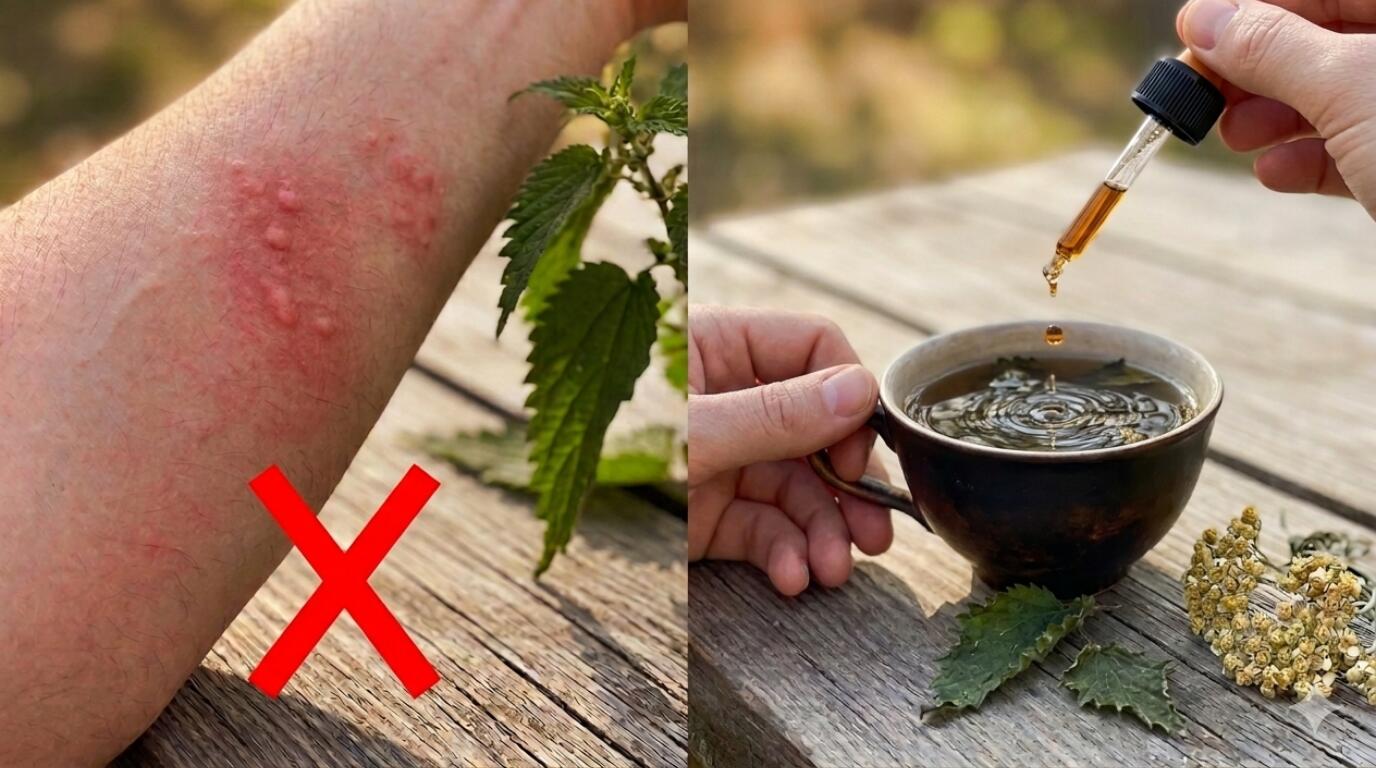
Nettle is popular in herbal circles and generally safe. But here’s the honest truth: the allergy research is mixed. Some studies show it helps, others show people got better even with a placebo. It might work for you, or it might not.
Nettle is well tolerated. EXCEPT RAW LEAVES STING. It may slightly affect blood sugar or blood pressure, so mention it to your doctor if you’re managing either.
I personally am DONE with getting my hands stung each time. I even tried latex gloves. It’s like I’m cursed.
I do love nettles—even as food—but I can’t stand making it myself.
I personally use nettles a lot. Besides allergies (it’s one of the most potent for allergies), I also use it for hair growth.
I’m not going to show you images, but my hair is thinning—a lot. Winter was okay because I had a hat on. But now summer’s coming.
Thankfully, for a few months I’ve been adding a Stinging Nettle Tincture to my shampoo, and my hair has come back a bit. So I’ll continue till summer.
If hair thinning is one of your concerns as well, nettles help with that too. Just add 10-15 drops to your shampoo bottle and use it normally.
Try 300-600mg daily of nettle extract. Think of it as a low-risk experiment. Track your symptoms honestly for a week or two. You’ll feel it.
How to Use This Wisely
Start simple. Try one plant at a time for 1-2 weeks. Track your symptoms honestly. Stop if you get a rash, breathing changes, or signs of liver problems (dark urine, yellowing skin, unusual tiredness).
Quality matters. Supplements aren’t tested like medications before they’re sold. Buy from trusted brands. This is especially important for butterbur (must be PA-free) and spirulina (contamination risk).
These aren’t replacements for your doctor’s care. If you have asthma, severe allergies, or you’re pregnant or nursing, talk to your doctor first.
Tell your doctor what you’re taking. If you’re on blood thinners, be careful with ginger and curcumin. If you take diabetes or blood pressure meds, mention black seed, ginger, or nettle. Green tea extracts can interact with some heart, cholesterol, and bone medications.
The Bottom Line
Seasonal allergies don’t have to steal your spring. These seven plants have actual human clinical trials showing they can help—some as effectively as over-the-counter medications.
Match the plant to your symptoms. For sneezing and itchiness, consider butterbur (PA-free only), ginger, or black seed. For congestion, look at curcumin, ginger, or yerba santa. For eye symptoms, Benifuuki green tea showed specific benefits. For chest tightness and coughing, the lungwort-mullein combination addresses those patterns.
Use them wisely. Use them safely. Track what actually works for YOUR body, not what worked for someone else.
You’re not stuck suffering through allergy season with nothing but tissues and drowsiness. There are plant-based options with real science behind them. Your spring is worth fighting for.
Why Big Pharma Wants You Dependent—And Why Making Your Own Remedies Sets You Free
Here’s what nobody tells you: Big Pharma makes more money when you stay sick.
Allergy medications don’t cure allergies. They mask symptoms. You buy them every single spring. Every single year. For the rest of your life.
That’s not healthcare. That’s a subscription model.
Our grandparents didn’t have this problem. They knew how to make remedies that actually supported their bodies—not just suppressed symptoms. They knew which plants to harvest, how to prepare them, and how to store them for when they needed them.
Then the pharmaceutical industry convinced everyone that medicine had to come from a lab. That natural remedies were “old-fashioned” or “unproven.” That you needed a prescription to feel better.
Now look where we are. Allergy medications cost $20-40 a month. Every month. Forever. And they make you drowsy, foggy, and still miserable half the time.
The plants I mentioned in this article? They grow for free. You can make a year’s supply of remedies for the cost of one month of Z****c.
But here’s the catch: you have to know HOW to make them.
That’s what they don’t want you to know. The recipes. The proper ratios. The extraction methods. The dosages that actually work.
Inside a collection of 250 remedies, you’ll find everything for allergies and respiratory health:
Allergy-Relief Balm
Amish Cough Syrup
The Mucus Buster
Jello Flu Shots
Anti-Inflammatory Root Tea
Each recipe includes step-by-step instructions, exact measurements, full-color photos, and proper dosages.
Disclaimer: This article is for educational purposes only and does not provide medical advice. These herbal options are not intended to diagnose, treat, cure, or prevent any disease. If you have asthma, severe allergies, are pregnant or nursing, or take prescription medications, consult your healthcare provider before using herbal supplements. Always choose quality-tested products and discontinue use if you experience adverse effects.
Great article, really good information. I grow stinging nettles and have found wearing leather gloves is what you need. I also use tongs to grab hold of the nettles and cut off what I’m going to use. The nettles are put in a bucket using tongs and placed into sink for washing using the tongs. No more being stung for me.
Teri
6 months ago
Don’t use latex gloves for nettle. They are far too thin. But those dishwashing gloves work perfect for it… you know the ones that go up the forearm and are usually yellow or purple in color. That’s what I use.
Lonie Prentiss
6 months ago
Have you heard of rebound itching when discontinuing Zyrtec? My daughter experienced that which makes it hard to stop.
We use cookies to ensure that we give you the best experience on our website. If you continue to use this site, we will assume that you are happy with it.
Functional Always active
The technical storage or access is strictly necessary for the legitimate purpose of enabling the use of a specific service explicitly requested by the subscriber or user, or for the sole purpose of carrying out the transmission of a communication over an electronic communications network.
Preferences
The technical storage or access is necessary for the legitimate purpose of storing preferences that are not requested by the subscriber or user.
Statistics
The technical storage or access that is used exclusively for statistical purposes.The technical storage or access that is used exclusively for anonymous statistical purposes. Without a subpoena, voluntary compliance on the part of your Internet Service Provider, or additional records from a third party, information stored or retrieved for this purpose alone cannot usually be used to identify you.
Marketing
The technical storage or access is required to create user profiles to send advertising, or to track the user on a website or across several websites for similar marketing purposes.







Great article, really good information.
I grow stinging nettles and have found wearing leather gloves is what you need.
I also use tongs to grab hold of the nettles and cut off what I’m going to use.
The nettles are put in a bucket using tongs and placed into sink for washing using the tongs.
No more being stung for me.
Don’t use latex gloves for nettle. They are far too thin. But those dishwashing gloves work perfect for it… you know the ones that go up the forearm and are usually yellow or purple in color. That’s what I use.
Have you heard of rebound itching when discontinuing Zyrtec? My daughter experienced that which makes it hard to stop.