You’re doubled over with stomach cramps, running to the bathroom every twenty minutes. Or maybe you scraped your leg gardening last week, and now it’s red, warm, and starting to ooze.
Here’s what most people don’t realize: stomach bugs can turn dangerous fast if dehydration sets in. And that “minor” cut? If bacteria gets in and spreads, you could be looking at cellulitis or worse.
After Part 1 went live (covering respiratory infections and UTIs), hundreds of you told us exactly what infections you’re struggling with most. Stomach bugs and skin infections were at the top of the list—and for good reason. These are the ones that disrupt your life, keep you home, and make you wonder: “Do I need a doctor, or can I handle this naturally?”
Let me show you what actually works—when natural remedies are enough, and when you need to get medical help fast.
Let’s dive in.
Stomach Bugs: When Everything’s Coming Out
Diarrhea and vomiting are miserable. Whether it’s food poisoning, a stomach virus, or traveler’s diarrhea, the real danger isn’t the bug itself—it’s dehydration.
Oral Rehydration Solution: The Life-Saver
The most important remedy for stomach bugs isn’t exotic—it’s oral rehydration solution (ORS). Studies show ORS prevents about 93% of diarrhea deaths worldwide. It doesn’t kill the germ, but it keeps dehydration from becoming dangerous.
Sports drinks don’t work the same way—they don’t have the right balance of salt and sugar your body needs during diarrhea.
How to make homemade ORS:
1 liter (about 4 cups) clean water
6 level teaspoons sugar
1/2 level teaspoon salt
Mix well. Sip frequently throughout the day, especially after each loose stool. If you’re vomiting, take small sips every few minutes rather than gulping.
Store in the refrigerator and make fresh every 24 hours.
Probiotics: For After Antibiotics
If you’re taking antibiotics for any reason, probiotics can help prevent antibiotic-associated diarrhea. A review of 42 studies with over 11,000 people found probiotics reduced diarrhea risk by about 37% when taken alongside antibiotics.
For acute stomach bugs though? The evidence is weaker. Probiotics probably make little difference in how long a stomach bug lasts, so don’t expect miracles.
Take probiotics during and after a course of antibiotics, but don’t rely on them alone to treat an active stomach infection.
Most people think of probiotics as a pill you pop after antibiotics… and that’s where the story ends for them.
But what if the real magic happens before the infection even starts? There’s a plant Nicole Apelian shows that acts like fertilizerfor your gut bacteria. Not just restoring them, but helping the good ones actually thrive and crowd out the bad.
It’s also one of the better natural defenses against intestinal parasites and leaky gut.
If gut health is something you’re serious about, this lesson alone is worth the whole course.
When your digestive tract feels angry and inflamed after a stomach bug, certain herbs provide comfort. Slippery elm and marshmallow root are mucilage-rich herbs that coat and soothe irritated gut lining. Reishi and turkey tail mushrooms support overall gut wellness and immune function.
If gut inflammation is your issue, taking herbs AFTER the pain starts is too late. A marshmallow root tincture taken 15 minutes before meals creates a protective coating right when you need it.
A blend containing slippery elm, marshmallow root, plantain, and medicinal mushrooms like reishi, turkey tail, and lion’s mane can help calm your digestive system during recovery. These herbs don’t treat the infection directly, but they help your gut heal after the worst has passed.
You can absolutely make this blend yourself—slippery elm and marshmallow root are easy to source, and the medicinal mushrooms (reishi, turkey tail, lion’s mane) can be found dried at most health stores.
The tricky part is getting the ratios right, and sourcing quality mushrooms that haven’t lost their active compounds sitting on a warehouse shelf.
If you’d rather skip that headache, there’s a ready-made version I keep pointing people to—not because it’s convenient (though it is), but because the feedback from people who’ve actually used it during gut recovery has been consistently good. You can find it here.
Skin Infections and Minor Wounds
Most minor cuts, scrapes, and wounds heal fine on their own with basic care. The key is keeping them clean and watching for infection signs.
Basic Wound Care That Works
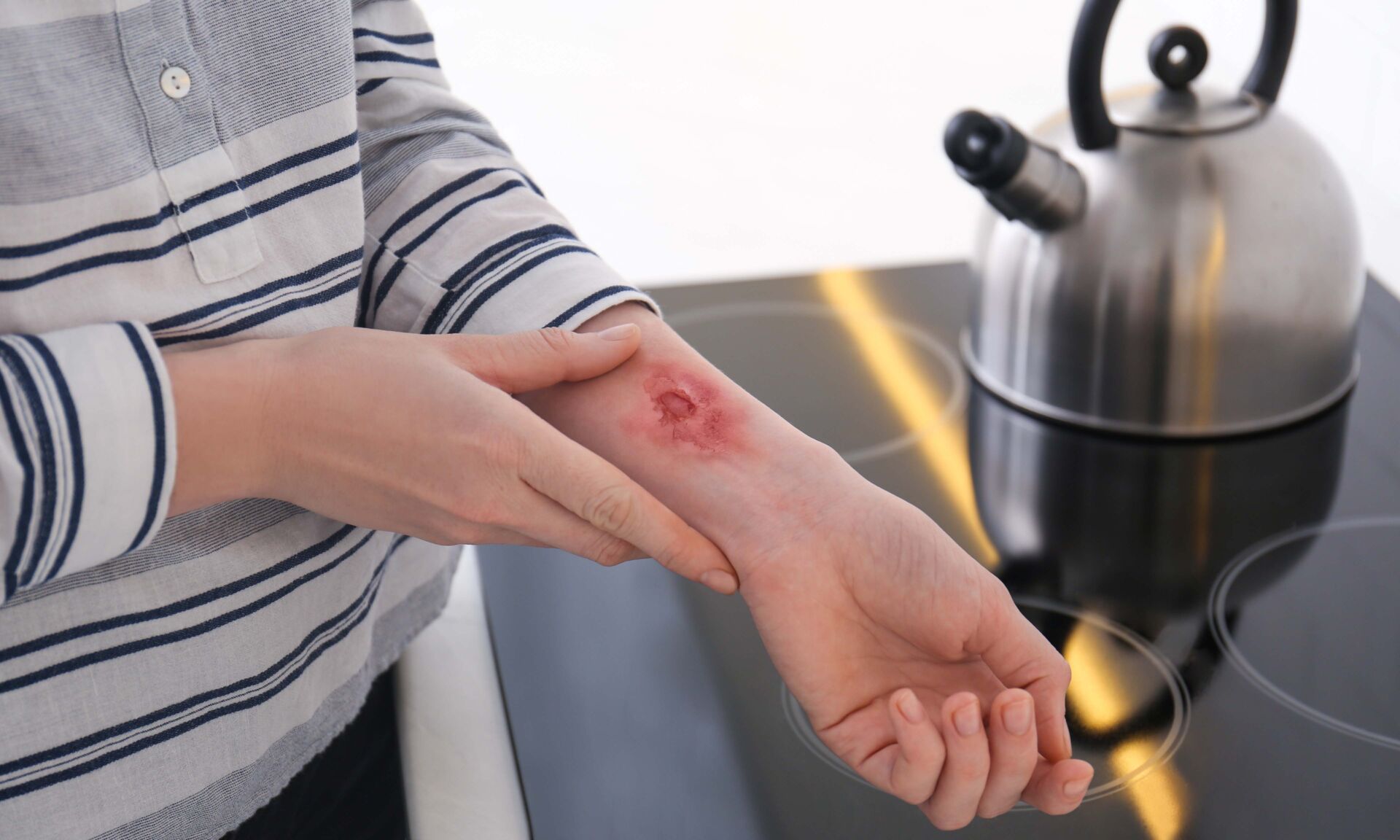
Clean the wound right away with clean water. Pat dry gently. Keep it covered with a clean dressing. Watch for signs of infection: increasing redness, warmth, swelling, pus, or red streaks spreading from the wound.
If you see those signs, or if the wound is deep or won’t stop bleeding, see a doctor.
Medical-grade honey dressings have been studied for wounds and burns. Honey has antimicrobial properties and creates a protective environment for healing. While the research quality varies depending on wound type, honey has a long track record of use.
For minor cuts and scrapes, a thin layer of raw honey under a clean bandage can support healing. Change the dressing daily.
Here’s something most people don’t realize about honey: what it does on the outside of the body is just a preview of what it can do on the inside, especially when it’s paired with the right ingredients.
Combine it with garlic and you’ve got something that’s been used for centuries as a natural antibiotic.
The Forgotten Home Apothecary has two recipes in particular that people can’t stop talking about: the Amish Amoxicillin—a garlic-and-honey-based remedy so potent it probably shouldn’t be legal—and the Penicillin Soup, an immune-boosting broth that uses garlic as its backbone to help the body fight off bacterial infections naturally.
Both are dead simple to make and use ingredients you likely already have. Worth a look here if you’re serious about keeping your home stocked for whatever comes your way.
Herbal Salves for Minor Skin Issues
Yarrow, calendula, plantain, and arnica have been used traditionally for minor wounds, scrapes, rashes, bites, and stings. Calendula especially has a reputation for supporting skin healing. Plantain (the weed, not the banana) is known for drawing out irritants from bites and stings.
Here’s what most people get wrong: They wait until their skin is already inflamed, infected, or painful before they reach for a salve. By then, you’re playing catch-up.
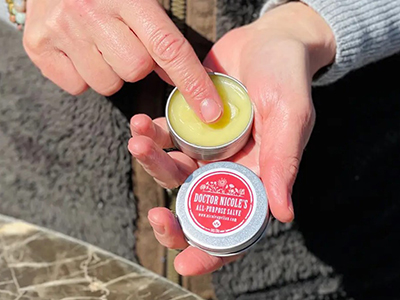
A salve containing these herbs along with balm of Gilead and lavender essential oil can be applied to minor cuts, scrapes, chapped skin, rashes, and insect bites. The herbs provide antibacterial and antifungal properties while the base (usually olive oil and beeswax) protects the skin.
Apply to clean, dry skin 2-3 times daily. Don’t use on deep wounds or severe burns—those need medical care.
My wife carries this salve everywhere; it lives in her purse. She started using it for chapped hands, and somewhere along the way her hands started looking genuinely younger.
Not in a “I think maybe” kind of way, people actually ask her what she’s doing differently. For me, I’ve used it mostly as a preventive layer in summer when bugs and fungal stuff tend to flare up. Feet, between toes, anywhere that stays damp.
It’s the kind of thing that once it’s in your routine you stop thinking about it, which is exactly how a good remedy should work.
If you’d rather not spend an afternoon tracking down yarrow, calendula, and balm of Gilead separately and figuring out the beeswax ratios, the ready-made version is linked here and it’s honestly one of the better deals in this space.
Usnea: The Infection Fighter
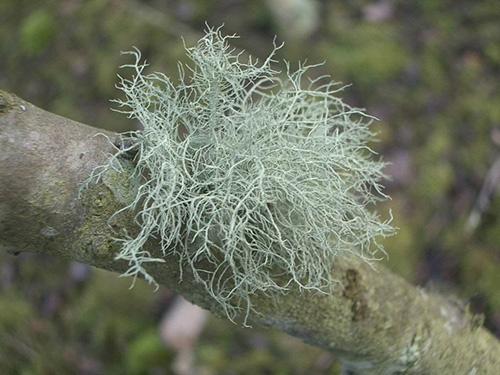
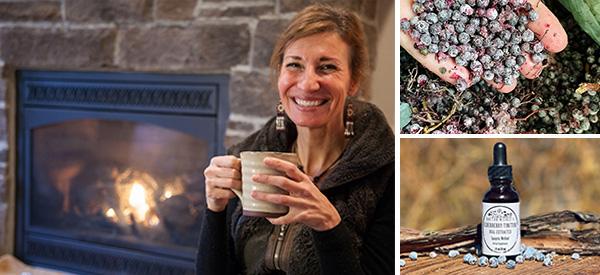
Usnea (also called Old Man’s Beard) is a lichen with strong antimicrobial properties. It’s been used traditionally for respiratory and skin infections. A usnea tincture spray can be used on the back of the throat during cold and flu season to help avoid picking up infections, or applied topically to promote healing of minor skin issues.
It’s especially useful when you’re around sick people or traveling. Spray 3-4 times daily as needed, or apply topically to minor wounds that aren’t healing well.
I’ll be honest—I hadn’t thought about using usnea on surfaces until people started telling me that’s what they do with it. Given what we know about its antimicrobial properties, I’d believe it works.
What I personally reach for it for is canker sores—a few sprays directly on the sore and it clears up noticeably faster.
I’ve also used it on the throat at the first sign of something coming on.
For stomach bugs: Oral rehydration solution is critical—it prevents dangerous dehydration. Probiotics help if you’re on antibiotics. Gut-soothing herbs like slippery elm, marshmallow root, and medicinal mushrooms support recovery.
For skin wounds: Clean them promptly, keep them covered, and watch for infection signs. Honey and herbal salves with yarrow, calendula, plantain, and arnica support minor wound healing. Usnea can help prevent and address minor infections.
Natural remedies shine when paired with common sense: proper hydration, cleanliness, rest, and knowing when home care isn’t enough. If symptoms worsen, spread, or don’t improve with basic care, see your doctor.
If you want to go deeper than individual remedies, Dr. Nicole Apelian put together something called The Holistic Guide to Wellness: Herbal Protocols for Common Ailments—and it’s probably the most practical resource I’ve come across for people who want a full roadmap, not just a recipe.
It covers 45 protocols laid out day by day, morning to evening, so you’re never guessing what to do next. A few that are directly relevant to what we covered in this article:
It’s a physical book, and comes with a keep-it-even-if-you-refund guarantee. For what’s inside, that’s genuinely hard to argue with. Click here to check out all protocols.
What’s Coming in Parts 3 & 4
Part 3 will cover eye infections (styes, pink eye), sinus infections, and ear infections—the interconnected issues that often travel together.
Part 4 will be entirely dedicated to fungal infections: athlete’s foot, toenail fungus (including whether it’s systemic, as several of you asked), vaginal yeast infections, and Candida overgrowth.
Did we miss something you’re struggling with? Leave a comment below and tell us what infection issues you need help with. We’re building this series based on YOUR real needs.
Your body is designed to heal. Natural remedies support that process—they don’t replace medical care when something needs more attention.
Disclaimer: This article is for educational purposes only and does not provide medical advice. These remedies are not intended to diagnose, treat, cure, or prevent any disease. If you have signs of serious infection, dehydration, worsening symptoms, or concerns about a wound, seek medical care. Natural remedies support wellness but don’t replace medical diagnosis and treatment when needed.
Geez people – it is very easy to find Part one. Just go to the Search box and type in Part 1. Comes right up.
Angela
5 months ago
I appreciate this article on skin infections as I have been dealing with cellulitis for a year now, but I need something to take internally. Topicals help, but they’re not the total answer once the bacteria is deep in the skin.
Judith
5 months ago
I have Ms.Would like to know what you have used.
Jay
5 months ago
Ear blockage wax and ear infection
Claire Shuman
5 months ago
It would be helpful to hear how to treat long term Lyme related co-infections. Bartonella for example.
Molly
5 months ago
UTI as well as. vaginal dryness (won’t use estrogen)
Please share healing remedies for Hashimoto autoimmune Hypothyroidism
Donna
1 month ago
Can you help me sense I can not eat any greens. I ask my Mom why she said; the DR told her if she tried to eat it will she would throw up. But if she continued it could kill her.
We use cookies to ensure that we give you the best experience on our website. If you continue to use this site, we will assume that you are happy with it.
Functional Always active
The technical storage or access is strictly necessary for the legitimate purpose of enabling the use of a specific service explicitly requested by the subscriber or user, or for the sole purpose of carrying out the transmission of a communication over an electronic communications network.
Preferences
The technical storage or access is necessary for the legitimate purpose of storing preferences that are not requested by the subscriber or user.
Statistics
The technical storage or access that is used exclusively for statistical purposes.The technical storage or access that is used exclusively for anonymous statistical purposes. Without a subpoena, voluntary compliance on the part of your Internet Service Provider, or additional records from a third party, information stored or retrieved for this purpose alone cannot usually be used to identify you.
Marketing
The technical storage or access is required to create user profiles to send advertising, or to track the user on a website or across several websites for similar marketing purposes.









Hi I’m interested in treating teeth infections please
Long term gum infections
Vaginal infections
where is part one ?
Good luck. You can’t even search for anything on this site. And every time I click on an article, a new window opens…very annoying!
Geez people – it is very easy to find Part one. Just go to the Search box and type in Part 1. Comes right up.
I appreciate this article on skin infections as I have been dealing with cellulitis for a year now, but I need something to take internally. Topicals help, but they’re not the total answer once the bacteria is deep in the skin.
I have Ms.Would like to know what you have used.
Ear blockage wax and ear
infection
It would be helpful to hear how to treat long term Lyme related co-infections. Bartonella for example.
UTI as well as. vaginal dryness (won’t use estrogen)
How do I access Part 1?
Go to the Search box and type in Part 1. Simple.
Please share healing remedies for Hashimoto autoimmune Hypothyroidism
Can you help me sense I can not eat any greens. I ask my Mom why she said; the DR told her if she tried to eat it will she would throw up. But if she continued it could kill her.