

Don’t ‘Fall’ For These Autumn Health Scams
STOP! It’s time someone said something.
We’ve heard from readers who are tired of spending their hard-earned money on overpriced autumn remedies that promise the world.
And you’ve asked us to expose what’s really going on.
Well, here it is.
Every fall, pharmacy shelves fill with “immune-boosting” gummies, expensive syrups, and miracle powders promising to protect you through the colder months.
But look closer.
Some contain more sugar than you’d expect. Others hide the actual amounts of herbs behind fancy labels.
There’s a difference between paying for quality herbs and paying for clever marketing.
Our grandparents knew that. And I’m going to show you what they used when money was tight, pharmacies weren’t always accessible, and they relied on simple, natural remedies they could prepare themselves.
So before you spend another dollar, let’s uncover the autumn health traps worth avoiding—and the old-fashioned remedies worth bringing back.
1. The Immunity Gummies That Are More Candy Than Medicine
Let’s start with one of autumn’s most tempting products: ‘immunity’ gummies.
Little purple or orange gummies decorated with elderberries, echinacea, vitamin C, and promises of “protecting your immune system”.
Some even taste better than candy. So I started asking questions.
Why does something meant to support your health need to taste like dessert?
Look closer. Depending on the brand, you might find added sugars, glucose syrup, flavorings, and coloring agents.
What if what they’re marketing as healthy does more harm than good?
You should know what you’re paying for, especially when the bottle promises extraordinary protection against autumn illnesses.
Want a guide on making your own gummies at home for different parts of the body? Let me know in the comments.
Here’s What They Don’t Tell You About Vitamin C
Vitamin C supports your immune system, but it doesn’t make you immune to colds, despite what some supplement marketing suggests.
Why buy expensive gummies when rosehips, bell peppers, citrus fruits, and leafy greens provide vitamin C naturally?
My tip? Add fresh lemon to your tea. You get vitamin C, antioxidants, support for collagen production, and a refreshing flavor.
That’s the beauty of whole plants: they offer more than one isolated nutrient.
This is just one of those things people rarely explain to you clearly.
But we will.
At The Lost Herbs, we value herbal remedies and the natural approach first. Nicole Apelian does too — and if you read her story here, you’ll understand why. Her own life pushed her to look far beyond conventional answers and build a more holistic way of caring for her health.
That doesn’t mean Western medicine is bad.
It means that before you jump straight to the strongest option, you may want to see what else you can do with food, herbs, movement, stress relief, sleep, supplements, and other natural approaches.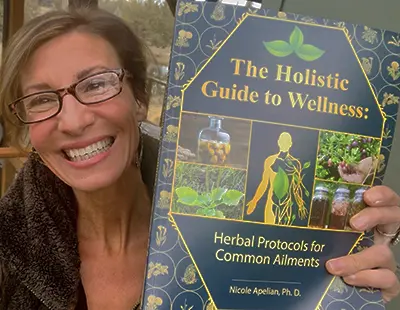
Nicole has mapped that out for 45 common ailments, and chances are one of them is something you or someone close to you is already dealing with.
At the beginning of each protocol, she gives you a pyramid showing what may have the biggest impact first, then works upward toward supplements, herbal remedies, and Western approaches. After that, she breaks everything down into a morning, afternoon, and evening plan, so you know what to do and when to do it.
Click here to read Nicole’s story and see the 45 holistic protocols she put together.
2. The Supplement Label Trick
Here’s something most people never think to check.
That giant number on your supplement bottle might not mean what you think it means.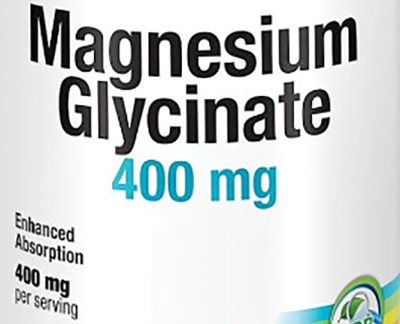
Take magnesium glycinate, for example. This pill says it has 400 mg of magnesium glycinate per capsule so you would think that taking just one capsule will give you the exact amount you need for daily health.
But when we look behind the label, we see that the actual amount of elemental magnesium is 60 mg.
That is 14% of your daily recommended amount. Crazy.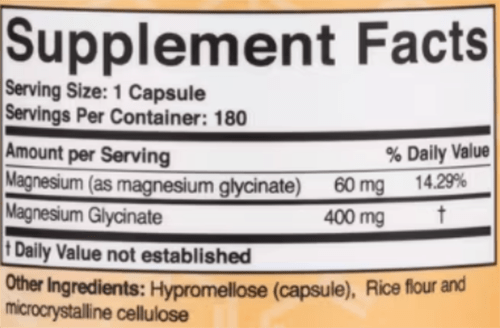
In reality, you’d have to take up to 7 of those pills every day just to get the bare minimum amount of magnesium you need to function on a daily basis.
Let me tell you, an adequate amount of magnesium can completely turn your life around.
I went from barely sleeping at night (like barely getting 2-3 hours of rest), while having anxiety and panic attacks to how I’m feeling right now. I sleep better, I’m always well-rested, go to bed easily, and I barely get joint pains anymore. It also offers a lot of relief from headaches or migraines.
But this time, I didn’t buy the magnesium supplements. I made them myself, but with Dr. Nicole Apelian’s help.
I took her class on herbalism, The Lost Remedies Academy, and she guided me every step of the way.
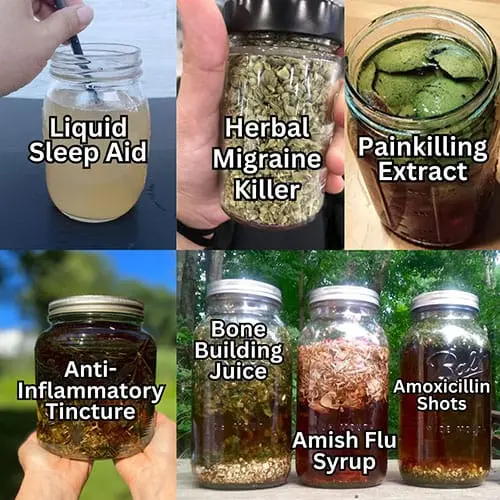
Some of the lessons that caught my attention most are:
- Eat This to Fertilize Your Gut
- Cleanse Your Bowels With These 2 Herbs
- Fatty Liver Repair Tea
- The Doxycycline of the Woods
- Medicinal mushroom preparations
- tinctures, salves, syrups, poultices, and extracts
I made a collage that I added to this article so you can check out the ones that I made.
At the end of the course, Nicole surprised me by awarding me a beautiful diploma, of which I attached a photo below. 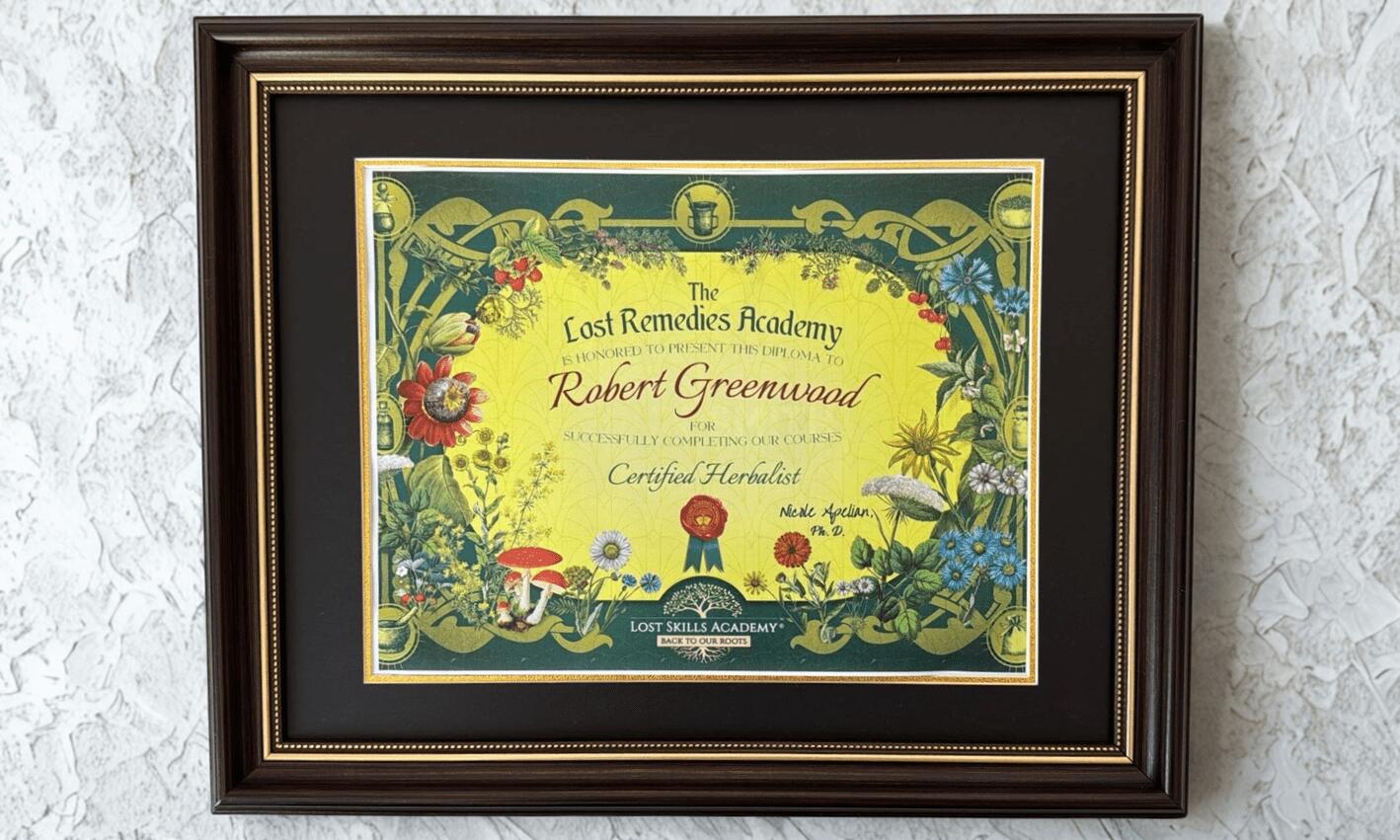
You can check out the classes The Lost Remedies Academy here.
The Old-Fashioned Alternative? Know Your Plants.
Instead of buying a mystery combination, start learning what individual herbs have traditionally been used for.
For example:
Elderberry has a long history of use during cold and flu season. Even modern research suggests it may help with certain upper respiratory symptoms.
Echinacea was used medicinally by several Native American peoples and later became a familiar cold-season herb. It may reduce your chances of catching a cold.
Ginger has been used for generations to help with nausea and digestive discomfort. It also makes a wonderfully warming tea when you’re feeling chilled and miserable.
Thyme has a long tradition of use for coughs, especially those accompanied by mucus.
See the difference?
You begin understanding what each plant offers instead of relying on a mysterious combination with an impressive name.
And once you know your herbs, you can make simple preparations at home.
As you’ve seen, the supplements and medicinal plants you find in supermarkets or pharmacies can’t really compare with the medicine you make yourself.
The remedies that you make from your backyard plants or those you pick directly from nature are much more powerful and you know exactly what went in them. That’s why a class like Dr. Nicole Apelian’s The Lost Remedies Academy could put an end to all of your second-guessing.
I invite you to check out the Academy here. The spots are filling up quickly, so there aren’t that many left!
3. The Cough Syrup Scam Your Grandmother Would Laugh At
Here’s something that would probably make your grandmother laugh.
Thinking you need to BUY an expensive syrup just to HAVE a syrup at home.
They’ve created daytime, nighttime, maximum-strength, and every flavored formula imaginable. Anything to make sure there’s something you’ll buy.
But your grandmother knew she already had one ingredient to make a soothing syrup:
Honey.

That thick, liquid gold has been used for generations to soothe sore throats and calm nighttime coughs.
And all you need to do is combine it with traditional ingredients like thyme, ginger, elderberry, or onion, depending on your recipe.
No long list of ingredients you can’t pronounce.
In fact, this old-fashioned syrup needs just two ingredients:
You know those sore-throat sprays you aim straight at the back of your throat when it feels raw or irritated?
There’s a herbal version of that idea too.
Usnea has traditionally been valued for its antimicrobial properties, and a spray helps you direct it right where you want it — farther back in the throat instead of just swallowing a tincture.
Nicole already makes it as a ready-to-use Usnea Spray.
Make Your Own Old-Fashioned Onion & Honey Syrup
This traditional preparation has been passed down through families for generations.
It’s inexpensive, requires just two ingredients, and takes only a few minutes to put together.
You’ll need:
- 1 medium onion
- Enough honey to cover the sliced onion
- 1 clean glass jar with a lid
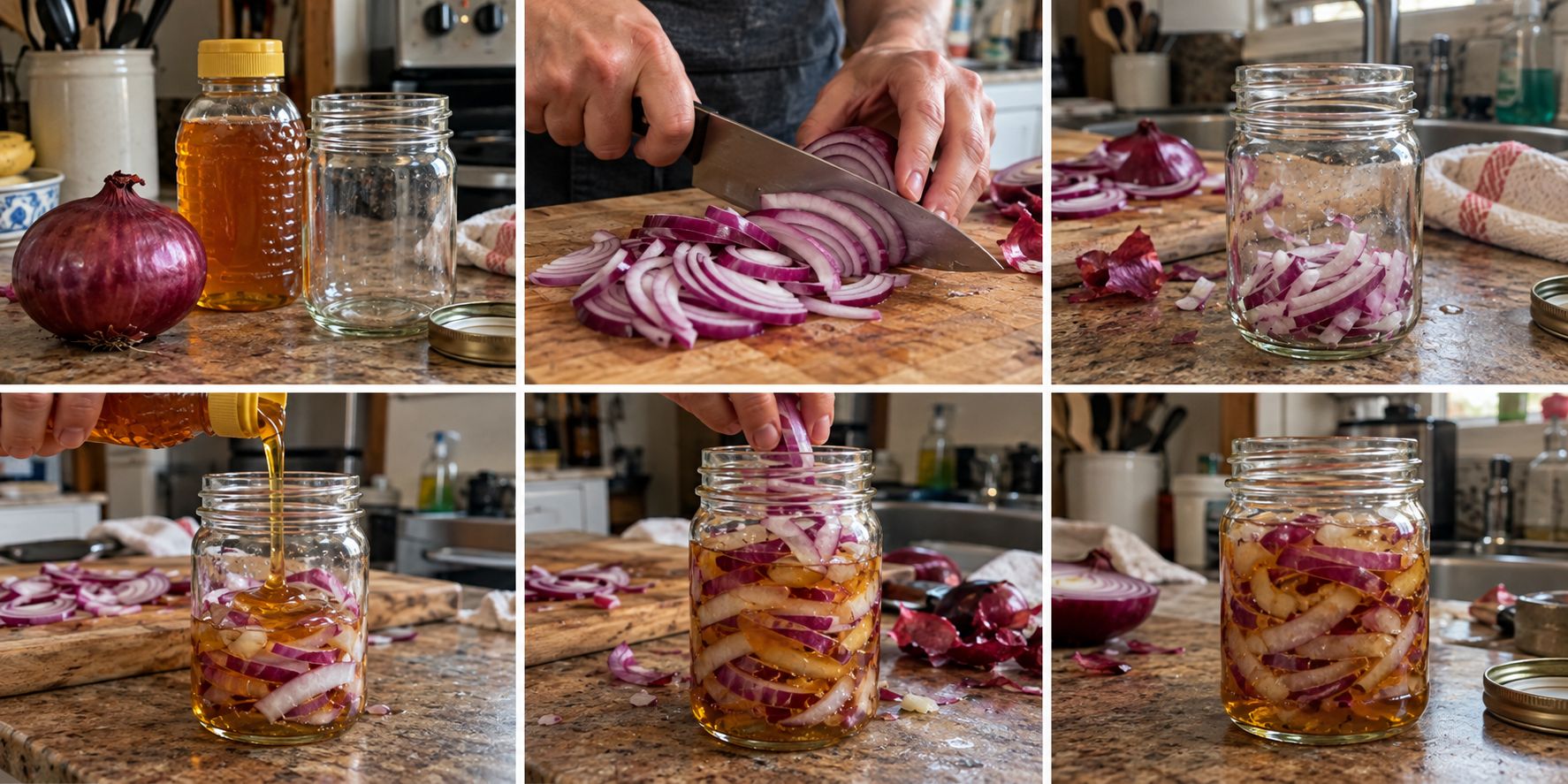

Here’s how to make it:
- Peel your onion and slice it into thin rings.
- Place a few onion slices at the bottom of your jar.
- Pour honey over them until covered.
- Continue layering onion and honey until you’ve used the whole onion.
- Cover the jar and refrigerate it. Over the next few hours, the onion releases some of its moisture into the honey, creating a thinner syrup.
- Strain out the onion and keep the liquid refrigerated. Make small batches and discard leftovers after 24 hours.
You can take a small spoonful to coat an irritated throat, provided honey is appropriate for you.
Why did our grandparents swear by this combination?
Onion has been used for generations to ease coughs, while honey helps calm coughing, soothe sore throats, and provide relief at night.
Together, they make a simple, old-fashioned syrup you can prepare right in your kitchen.
No complicated ingredients. No expensive formulas. Just two ingredients your grandmother already trusted.
Important: Never give honey, including homemade honey syrup, to a baby younger than 12 months. Also, don’t rely on this remedy for a persistent, severe, or worsening cough.
Want to give that simple onion-and-honey syrup a little more herbal power?
You can add traditional cold-season herbs like yarrow or yerba santa, both of which have a long history of use in respiratory and immune-support preparations.
That way, your two-ingredient syrup becomes a much broader herbal formula without turning it into something complicated.
Personally, I like keeping the ready-made tinctures around because they’re easy to use and more concentrated than starting from scratch every time.
You can find Nicole’s Yarrow Tincture here, and her Yerba Santa Tincture here.
5. The Overpriced Herbal Remedies Trap
Let’s take elderberry as an example.
For centuries, families used elderberries to make homemade syrups and remedies during the colder months.
Today? Companies sell you elderberry gummies, capsules, powders, and expensive syrups.
Same traditional plant. Much bigger price tag.
Elderberry may help ease certain cold and flu symptoms, but it won’t magically prevent you from getting sick, no matter what the packaging suggests.
And here’s something important if you’re making your own syrup:
Raw or unripe elderberries can be toxic. Always use properly identified, ripe berries, cook them thoroughly, and follow a reliable recipe.
You can save money by making your own, but preparation matters.
After all, the secret isn’t in the expensive bottle. It’s knowing how to use the plant inside.
Elderberry itself isn’t the problem.
The problem is paying a huge markup for gummies, powders, and syrups when you don’t really know what else has been added.
That’s why I prefer a pure Elderberry Tincture.
Nicole uses 100% organic or hand-picked herbs, with no unnecessary extras hiding in the formula. You know exactly what you’re getting, which means you keep far more control over what actually goes into your body.
And since cold season has barely started, I wouldn’t wait until everyone around you is coughing before getting your winter herbs together.
I like having all the herbal arsenal stockpile ready before I actually need them.
Nicole bundled several of them together in her Winter Defense Bundle, which is much easier than buying everything one bottle at a time.
These “Scams” Were Harder to Pull Off When People Knew How to Make Things Themselves
A few hundred years ago, people didn’t need a different brightly colored bottle for every little problem.
They knew how to make things.
They knew which plants to use, how to preserve food, how to store water, how to make household remedies, and how to get by without buying a ready-made solution for everything.
A lot of those skills simply stopped being passed down.
That’s why I like what the historian Claude Davis gathered in the Lost Healing Skills chapter of his book.
Inside are 200 practical skills, including things like:
- Grandma’s Defense Tonic
- Honey-Fermented Garlic
- Flu Bomb Drops
- Respiratory Support Tincture
- Stop-Bleeding Powder
- old food-preservation methods
- water, gardening, DIY, and self-reliance skills
Each one comes with step-by-step instructions and illustrations, so you can actually do it yourself, not just read about it.
And right now, the current offer shows 76% off + 3 free bonus guides, with a 60-day keep-the-book guarantee.
Click here to recover the skills people used before everything came with a price tag.
 You May Also Like:
How To Make Nature’s Amo*****lin

The next time you see an herbal supplement promising remarkable results, I want you to do something.
Turn the bottle around.
Don’t start with the giant words on the front.
Start with the little words on the back.
Here are five things worth checking:
1. Are the ingredients clearly listed?
If you’re buying an herbal product, you should know which plants are inside. Ideally, the label should also identify the plant part and extract strength.
2. Does it tell you how much of each ingredient you’re getting?
A mysterious proprietary blend doesn’t necessarily mean the product is bad, but it makes it harder to understand what you’re buying.
3. Is it loaded with added sugar?
A sweet supplement isn’t automatically useless. But you deserve to know whether those delicious gummies fit your dietary needs.
4. Does it promise impossible protection?
Be skeptical of products that claim they can guarantee you won’t catch a cold, eliminate viruses, or make you immune to seasonal illness.
5. Does the price make sense?
Sometimes you’re paying for quality ingredients and careful manufacturing. Other times, you’re paying a premium for attractive packaging and clever marketing.
And there’s one more thing worth remembering.
In the United States, dietary supplements generally don’t need FDA approval before reaching the market.
Manufacturers are responsible for meeting the applicable safety and labeling requirements, while the FDA can intervene when products are unsafe, adulterated, misbranded, or otherwise violate the law.
That doesn’t mean every supplement is dangerous.
It means you need to be a little more curious about what’s inside the bottle.