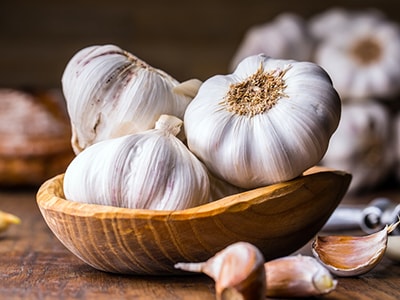
“Disgusting! Why would you eat garlic first thing in the morning and have that smell lingering in your mouth all day?”
But once I tell you the shocking things garlic does in your body, you might just start eating it tomorrow morning.
Keep reading to discover what garlic can do for your body, how to prepare it to make the most of its benefits, and why you might want to take it first thing in the morning.
Nature’s Antibiotic
Garlic has been called “Nature’s Antibiotic” for generations.
Long before modern medicine, people reached for it when dealing with infections, sore throats, coughs, and all sorts of everyday illnesses.
Keep reading and you’ll find out whygarlic is so interesting.
This is simply the old nickname that tells you how highly people valued it.
1. Immunity
You know what’s worse than waking up on a Monday morning? Waking up with a sore throat, a stuffy nose, and that awful feeling that you’re about to get sick. And it always seems to happen at the worst possible time, doesn’t it?
Let me teach you something: Why doesn’t garlic have that strong smell when it’s sitting in your kitchen, even after you peel off its skin?
The answer: allicin.
Your parents and grandparents probably didn’t know what allicin was, but they certainly knew garlic had its own distinctive smell and taste.
When you cut garlic, and especially when you crush it, you damage its internal cells. This triggers a chemical reaction that produces allicin, one of the compounds responsible for garlic’s strong smell and its health benefits.
Our parents raised us with onions and garlic, believing they could help protect us from the flu and other illnesses. They didn’t know all these scientific details.
And here’s what’s interesting: garlic has antimicrobial properties that might even help reduce the number of colds you catch.
Here’s how you can enjoy it in the morning:
Crush a small garlic clove and let it sit for about 10 minutes. Then stir it into a cup of warm chicken or vegetable broth with a squeeze of lemon and a pinch of thyme.
Make sure the broth isn’t boiling hot when you add the garlic.
Garlic is powerful, but it’s not the only plant people traditionally turned to when they felt something coming on.
Elderberry is probably one of the best-known alternatives, especially during cold and flu season. It was traditionally used to support the immune system and help the body through respiratory illnesses.
And the knowledge around elderberries was never really forgotten.
People all over the country still turn to them during cold and flu season, especially those who want to give their bodies a little extra support.
For me, the easiest option is a good-quality Elderberry Tincture made with carefully selected berries rather than one of those overpriced mass-market formulas.
Nicole Apelian makes hers with organic/hand-picked elderberries, which isn’t something every big brand can say.
You can also look at herbs like usnea, yarrow, and yerba santa, which have a long history of use for respiratory and immune support.
And if you prefer something specifically for congestion, mullein and lungwort lichen are my go-to herbs.
So if garlic upsets your stomach or you simply don’t like the taste, you still have plenty of old herbal options to turn to.
I normally wouldn’t mention this here, but lately almost everyone I know seems to have caught a cold.
And with colder weather coming, I’m thinking about this more than usual.
After everything we went through during COVID, I promised myself I’d take better care of my health — and my family’s — before something happens, not after.
So I started keeping the herbs I rely on for cold season already stocked.
Nicole actually put several of the ones I mentioned above into one Winter Defense Bundle, including herbs like elderberry, yarrow, yerba santa, mullein, and others traditionally used during cold season.
Every day, your body faces oxidative stress caused by things like pollution, smoking, and even normal cellular activity. Over time, this can damage your cells.
The tricky part? You can’t actually feel oxidative stress happening. But when it builds up over time, it may contribute to chronic inflammation, premature aging, and health problems like heart disease and diabetes.
So, how does garlic help?
Garlic contains natural antioxidants that may help protect your cells from oxidative damage. And that’s important because protecting your cells means supporting your body’s long-term health.
And garlic isn’t your only option! Other plants and mushrooms rich in antioxidant compounds include turmeric, ginger, rosemary, green tea, reishi mushrooms, and chaga mushrooms.
Out of all the antioxidant-rich plants and mushrooms, I personally chose reishi. Specifically, this reishi mushroom. There’s a reason it earned the old nickname “the mushroom of immortality.”
3. Heart Health
The problem with your heart is that, unlike your joints, it doesn’t usually hurt when something is wrong.
And that’s what makes heart problems so easy to overlook.
You can feel perfectly fine for years, until one day your ticker starts acting up. You might discover you need serious treatment or, worse, suffer a heart attack without much warning.
Smoking, eating processed foods, and consuming too many unhealthy fats certainly don’t help.
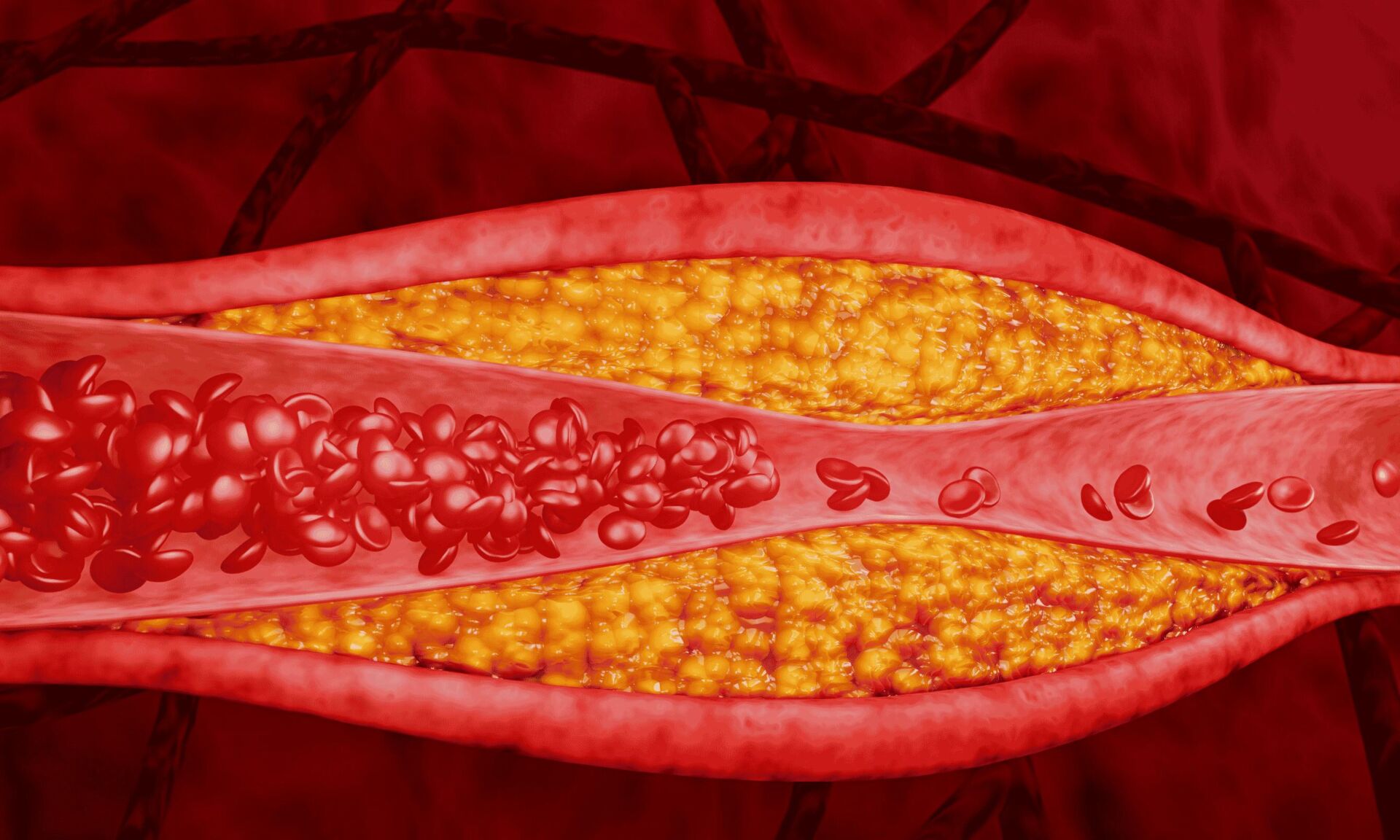
You see, your heart depends on blood flowing smoothly through your arteries and veins. When plaque builds up inside your arteries, they can become narrower, forcing your heart to work harder.
Garlic contains sulfur compounds that may help your blood vessels function better. If you prepare it right, it can help lower blood pressure in people with hypertension.
And remember those narrowed arteries I mentioned?
Well, LDL cholesterol, the so-called “bad” cholesterol, contributes to plaque buildup. And studies have found that garlic may help lower LDL cholesterol, too.
That doesn’t mean garlic can unclog your arteries overnight, but it may offer your heart some extra support.
Here’s how you can enjoy it in the morning:
Crush a small garlic clove into mashed avocado, spread it over whole-grain toast, and finish with a drizzle of olive oil (a healthy fat).
You get garlic, healthy fats, and fiber in one simple breakfast.
And you don’t even have to swallow a raw garlic clove like a pill to enjoy it.
I mean, you could chew a raw garlic clove first thing in the morning… but I bet that’s not exactly how you want to start your day.
Garlic gets a lot of attention, but traditional herbalists never relied on just one plant for heart and circulation support.
Hawthorn has probably the strongest reputation here. For generations, its berries and flowers were used to support the heart and circulation.
Bilberry was valued for blood vessel support, while fenugreek and tulsi were traditionally used to support healthy circulation and metabolism.
Your heart is one organ you really cannot afford to ignore.
And the difficult part is that it can stay quiet for years while problems slowly build.
So personally, I wouldn’t rely on garlic alone.
Nicole combines hawthorn, bilberry, fenugreek, and tulsi in her Healthy Heart Blend — several herbs traditionally used for heart health.
If you want to give your heart more than garlic alone, this is the blend I’d keep around.
And then you have mushrooms like cordyceps and reishi, which are often used for overall cardiovascular and vitality support.
Even lemon balm deserves a mention, especially when stress and tension are part of the problem.
Garlic may be one of the easiest places to start, but it’s far from the only plant people have traditionally used to look after the heart.
4. Parasites
Garlic was also traditionally used against intestinal worms and other parasites.
That’s another reason it became such an important plant in old home remedies.
People didn’t know the compounds behind it. They just knew garlic kept showing up whenever the gut was the problem.
Garlic isn’t the only traditional remedy people used for unwanted intestinal guests.
Papaya seeds are probably one of the best-known examples. They’ve long been used in traditional medicine for digestive health and parasites, and some small studies have explored their effects against intestinal worms.
Pumpkin seeds were also commonly used, especially because they contain compounds traditionally associated with paralyzing certain intestinal worms so the body can expel them more easily.
Other herbs and foods that have been traditionally used for parasites include black walnut hull, wormwood, clove, and oregano.
After something as aggressive as a parasite cleanse, I think it’s just as important to ask:
What are you doing to support your gut afterward?
And even without a cleanse, your digestion still deals with processed food, stress, pesticides, and all the other things modern life throws at it.
That’s why I like keeping gut-supporting herbs in my routine.
Nicole created her Balanced Gut Blend with gut-soothing plants, giving you an easy way to support digestion without preparing everything separately.
With so many people dealing with upset digestion these days, I wouldn’t be surprised if this becomes one of her most popular blends.
This Is How Most People Ruin Garlic’s Best Properties
If you don’t feel garlic working, here’s why.
Remember allicin, the compound we talked about earlier?
When garlic is whole, its allicin-producing ingredients are kept separate inside the clove. But when you chop or crush it, you break those cells apart, triggering a chemical reaction that starts producing allicin almost immediately.
If you want to get the most out of garlic, don’t crush or chop it and immediately throw it into a hot pan. And don’t just throw it in whole, either!
So, here’s the forgotten garlic secret: Crush or chop your garlic and let it sit for about 10 minutes before cooking.
This gives the allicin-forming reaction time to take place before the garlic is exposed to heat.
You can also add freshly crushed garlic to salad dressings, dips, or your food toward the end of cooking.
Here’s something most people get wrong with herbal remedies:
Knowing the plant isn’t enough.
You can buy the right herb, grow it yourself, and still ruin the remedy before you ever drink or eat it.
Garlic is the perfect example. Crush it and cook it immediately, and you may miss part of what you were trying to get from it in the first place.
That’s what separates someone who simply knows a few herbs from an herbalist who understands how to prepare them properly.
There are little tricks like this everywhere — when to harvest, what part to use, how long to steep, when heat helps, and when heat ruins what you want.
Nicole teaches exactly that kind of practical knowledge step by step.
Well, in short, you may enjoy the health benefits we talked about above.
But why in the morning?
Simple. Because that’s how you make sure you don’t forget!
Ever heard of “eating the frog”? It means doing the hardest task first thing in the morning. And let’s face it, chewing raw garlic isn’t exactly pleasant!
But if you enjoy it, great! Or if you’ve prepared a delicious breakfast with garlic, even better.
The point is, starting your morning with a healthy habit sets the tone for the rest of your day.
And remember, you don’t need to eat garlic on an empty stomach to benefit from it.
Before You Try These Garlic Recipes
Garlic can cause digestive discomfort, especially in larger amounts, and may interact with blood thinners or heart and blood-pressure medications.
If you take medication, have surgery coming up, are pregnant or breastfeeding, or know you’re sensitive to garlic, check with your healthcare professional first.
Also remember that more isn’t always better. Start small, see how your body reacts, and don’t force raw garlic if it doesn’t agree with you.
And remember: these recipes can support your routine, but they don’t replace medical treatment.
So, Is One Clove of Garlic Every Morning Worth It?
ABSOLUTELY YES!
It’s probably already sitting in your kitchen. It’s common, cheap, and you can turn it into all kinds of traditional remedies.
Your ancestors reached for plants like garlic when they didn’t have many other options. And that kind of knowledge can still matter when you want to rely more on what you can grow, store, and prepare yourself.
Because the best time to learn how to use these remedies isn’t when you desperately need them.
We use cookies to ensure that we give you the best experience on our website. If you continue to use this site, we will assume that you are happy with it.
Functional Always active
The technical storage or access is strictly necessary for the legitimate purpose of enabling the use of a specific service explicitly requested by the subscriber or user, or for the sole purpose of carrying out the transmission of a communication over an electronic communications network.
Preferences
The technical storage or access is necessary for the legitimate purpose of storing preferences that are not requested by the subscriber or user.
Statistics
The technical storage or access that is used exclusively for statistical purposes.The technical storage or access that is used exclusively for anonymous statistical purposes. Without a subpoena, voluntary compliance on the part of your Internet Service Provider, or additional records from a third party, information stored or retrieved for this purpose alone cannot usually be used to identify you.
Marketing
The technical storage or access is required to create user profiles to send advertising, or to track the user on a website or across several websites for similar marketing purposes.