
10 Life-Saving Plants Your Grandchildren Will Never Learn in Public School
Remember when your grandmother would spot a “weed” in the yard and tell you it could cure a bellyache? Or when a scraped knee meant reaching for a specific plant, not a first-aid kit?
That knowledge is dying.
Right now, children are walking past literal pharmacies growing in sidewalk cracks—and they have no idea. Studies tracking 35 different communities found the same heartbreaking pattern: as we’ve moved into cities and built modern lives, we’ve lost something irreplaceable.
Our kids can name a hundred corporate logos but can’t identify the healing plant growing three feet from their front door.
Here’s what’s even more troubling: elders in one study said their grandchildren had “no time” to learn about herbal remedies because of school schedules and structured activities.
We’re so busy preparing our kids for the future that we’re letting centuries of survival knowledge slip away in a single generation.
But here’s the good news—you can change that. And it starts with the “weeds” you probably stepped on this morning.
Your Sidewalk Pharmacy: The Healing Plants You’re Ignoring
Dandelion: The Digestive Powerhouse You’re Trying to Kill
You’ve spent money trying to eradicate it from your lawn. Meanwhile, herbalists have used dandelion for centuries to soothe upset stomachs, boost appetite, and support liver function. Those bitter compounds that make it taste so distinctive? They’re actually protecting your gastrointestinal tract and helping heal ulcers.
What this means for you: Next time you’re dealing with indigestion or that heavy feeling after a big meal, you don’t need to run to the pharmacy. You can make a simple dandelion tea or toss the young greens in a salad. Your kids watching you reach for a weed instead of a pill bottle? That’s education they’ll remember.
Many herbalists actually feature dandelion in their liver support blends—like this one right here. Because if you’re feeling heavy, a bit nauseous, or food made you feel off, it’s probably your liver struggling to process everything you just ate.
Click here for the liver blend that features dandelion your lawn is trying to kill. 
Broadleaf Plantain: Nature’s Band-Aid Growing in Your Driveway
See that low-growing plant pushing through the cracks in your sidewalk? It’s been called “nature’s bandage” for good reason. Clinical studies proved what grandmothers already knew—plantain leaves speed healing of burns, reduce pain, and fight infection. The flavonoids and antioxidants packed in those leaves work as well as many over-the-counter treatments.
Related: If You See These White Spots on Your Plants, Don’t Touch Them
What this means for you: Bee stings, minor cuts, bug bites—you’ve got free medicine growing outside. Crush a fresh leaf, apply it to the wound, and watch your kids’ amazement when the pain subsides. You’re not just treating an injury; you’re showing them that healing doesn’t always come from a plastic bottle with a child-proof cap.
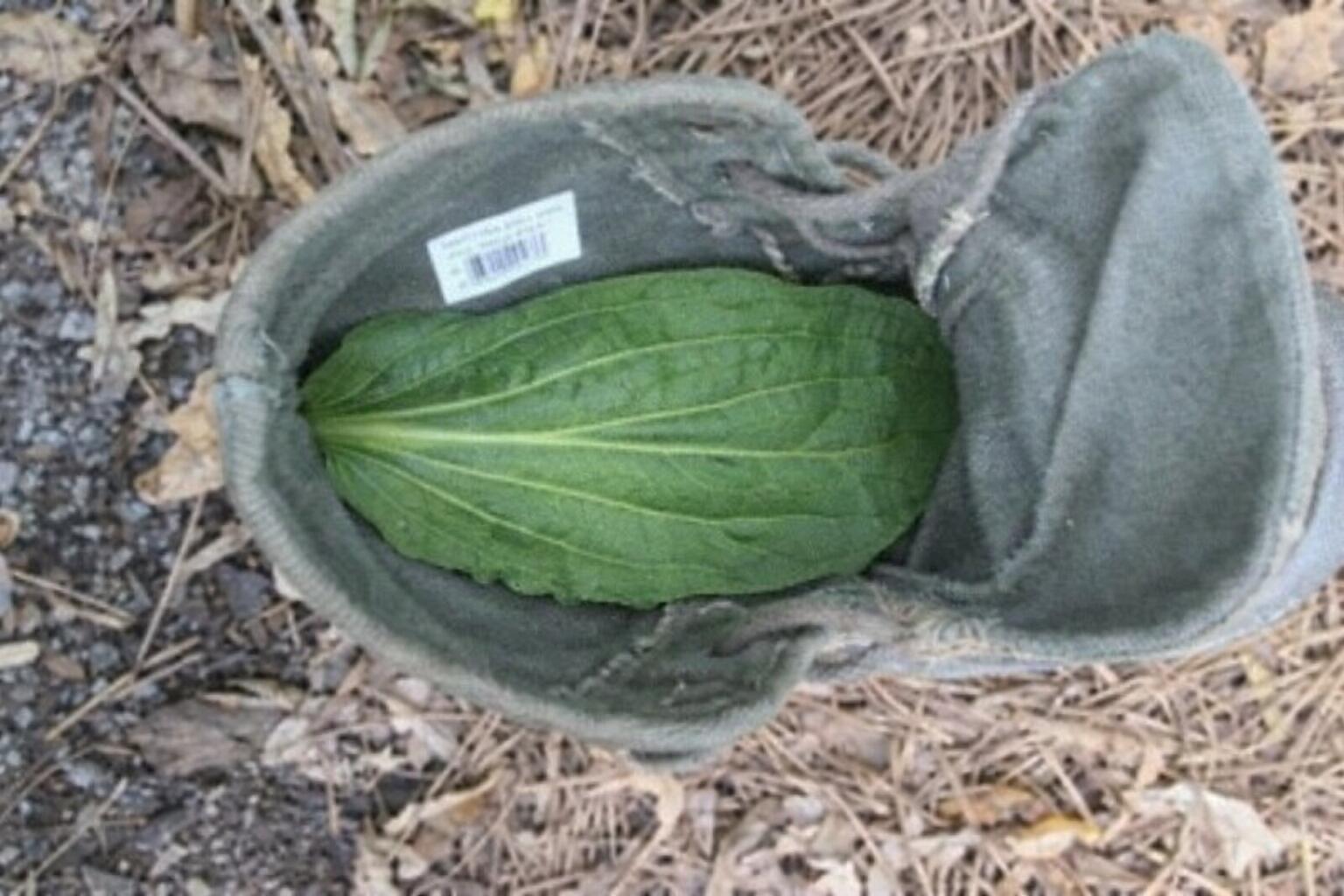 But here’s something wild: What happens if you put a plantain leaf in your shoe and walk around all day? The answer will surprise you—and your feet will thank you.
Click here to discover the strange plantain shoe trick.
Stinging Nettle: The “Dangerous” Weed That Fights Inflammation
Yes, it stings. But once you cook or dry it properly, nettle becomes one of the most powerful anti-inflammatory plants available. For centuries, people have used it for joint pain, seasonal allergies, and arthritis. Modern research confirms those nutrients and polyphenols genuinely reduce inflammation and ease pain.
What this means for you: Struggling with spring allergies or achy joints? Nettle tea might be your answer—and it’s free if you know where to find it. Teaching your children to identify and respect this plant (while avoiding the sting) gives them knowledge most adults have lost.
If you don’t remember being stung by nettles and considering them the living hell of your childhood… you haven’t been outside enough.
Just look at kids nowadays—they don’t even go out enough to step in nettles and feel what we felt. That nature connection. I’m so grateful for my childhood and my parents for teaching me the medicinal properties of plants like nettle.
The only way I get to give my younger family members stinging nettle now is through this tincture.
Chamomile: The Anxiety-Fighter Hiding in Plain Sight
Those small daisy-like flowers growing wild along paths? They contain apigenin, a compound that calms your nervous system and promotes sleep. Scientific studies back up what traditional herbalists have known forever—chamomile genuinely helps with anxiety, insomnia, and digestive upset. It can even fight the bacteria that cause stomach ulcers.
What this means for you: Forget expensive sleep aids or anti-anxiety supplements with questionable ingredients. A simple chamomile tea before bed costs nothing if you forage it yourself. Show your kids how to make it, and you’re teaching them self-reliance that pharmacy chains definitely don’t want them to have.
Kids nowadays are all about hyperactivity. Everyone talks about ADHD and stuff like that. And yes, children today have their minds blown up by tablet games and screens.
But hear me out: you have no idea how much social media affects you too. Your brain. You can’t sleep. Racing thoughts. Life was simpler back then, and this is one of the main reasons why.
Chamomile? Wow. It slows down your thoughts and relaxes you so much, it can even help with sleep and insomnia.
Make a chamomile tincture yourself, or click here for Nicole Apelian’s chamomile tincture for your racing thoughts—or your neighbor’s ADHD kid.
Elderberry: The Immune-Boosting Bush You’re Walking Past
That shrub with dark berries at the park’s edge? It’s been a cornerstone of European herbal medicine for generations. Recent meta-analyses of clinical trials proved elderberry supplementation significantly reduces the duration and severity of cold and flu symptoms.
What this means for you: When flu season hits, you’ve got a scientifically-proven remedy growing nearby (just remember to cook the berries properly). Making elderberry syrup with your kids teaches them they don’t need to be helpless when illness strikes—nature provides if you know what to look for.
This winter is almost over, and I went through it with the help of my elderberry tincture. I’m not afraid of getting sick. My body is ready.
Because I turned back to the roots—to the time when our ancestors didn’t have our complex heating systems. Yet they weren’t as sick. They were taking elderberries.
Here’s the elderberry tincture I recommend using.
Other Medicinal Plants Your Children and Grandchildren Should Recognize
Beyond the common “weeds” and wildflowers, there are several other plants growing right in your neighborhood that carry genuine healing properties. Here’s what they’re known for:
Rose Hips – After rose blooms fade, those bright red or orange fruits are packed with vitamin C—more than most citrus fruits. They’ve been used for generations to support immune health during cold season.
Ginkgo – Those distinctive fan-shaped leaves from the “dinosaur tree” lining city streets? Used in ancient Chinese medicine for brain health and memory support, particularly in older adults.
Eucalyptus – The aromatic leaves help clear congestion, ease coughs, and support breathing during colds. Just crushing the leaves and inhaling provides natural respiratory relief.
Aloe – That spiky succulent isn’t just decorative. Break open a leaf for instant gel that soothes burns, minor cuts, and skin irritations—yet many kids have only seen the bottled version.
Garlic – Beyond flavoring food, garlic has been used for thousands of years to fight infections, support heart health, and boost immunity. When cold season hits, it’s not just folklore—it’s backed by centuries of use.
Why This Matters More Than You Think
We’re not just losing plant names—we’re losing the ability to see medicine instead of weeds, solutions instead of problems. Your children are growing up thinking healing only happens in buildings with prescription pads, unable to even see the living pharmacy growing underfoot.
The Solution Schools Won’t Teach
Here’s the real problem: our education system is failing our kids.
They’re memorizing corporate logos, staring at screens for hours, learning formulas they’ll never use—while the life-saving knowledge growing right outside their window disappears in a single generation.
Schools won’t teach this. They can’t. There’s no standardized test for identifying the plantain that stops bleeding, the dandelion that soothes digestion, or the elderberry that fights flu.
So this knowledge—the kind that kept humans alive for millennia—is dying. And when it’s gone, we’re raising a generation completely dependent on systems that can fail, corporations that profit from ignorance, and pills when plants would do.
But you can change that.
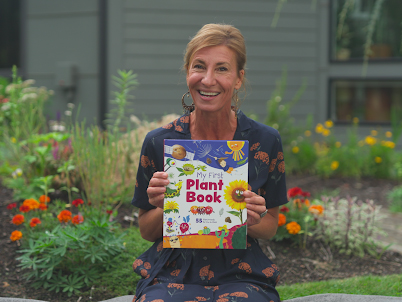
My First Plant Book is the way out. It’s how you break the screen addiction. It’s how you give a child real knowledge—the kind that makes them resilient, curious, connected to the world instead of numb to it.
This isn’t a “nice to have” book. This is the education they’re not getting anywhere else.
Inside, your child (or grandchild, niece, nephew, or even yourself) will discover:
✅ How to identify healing plants growing in sidewalk cracks
✅ Why chocolate grows on trees and where it comes from
✅ The meat-eating plant with jaws that snap shut
✅ How to build a time capsule they’ll open decades from now
✅ The tree older than the pyramids still alive today
✅ How to turn a potato into a battery that lights a bulb
✅ The plant that went extinct before dinosaurs (and why it matters)
✅ Hands-on quests that get them outside, exploring, living
It’s beautifully designed. Full-color. Hardcover. The kind of book that becomes a treasure—not something that gets tossed in a donation bin next year.
And here’s the thing: the information inside is legit. Written by Dr. Nicole Apelian—a biologist, herbalist, and survival expert who survived 57 days alone in the wilderness. This isn’t dumbed-down kid fluff. It’s real knowledge that works in the real world.
This is the best gift you can give any child you care about. Or any parent struggling to pull their kid away from screens. Or even yourself—because let’s be honest, most adults can’t identify these plants either.
This is how you save the knowledge. This is how you prepare the next generation for a world where grocery stores might not always be stocked, where systems might fail, where self-reliance isn’t optional—it’s survival.
The photo of plantain in the shoe doesn’t look like plantain. It looks like comfrey to me.
I also noticed this, from reading elsewhere I think it’s mullein that the image shows.
Hello Diane! Thank you so much for your comment!
You were absolutely right to flag it after checking. We realized the original image didn’t upload properly, so the quality was low. We’ve now re-uploaded it, and you can clearly see it’s a large plantain leaf. Thanks again for pointing it out so we could fix it!
We’re always working to make sure the images and content we share are clear and helpful for everyone. 😊
However, when you click the link it tells you to put mullein in your shoes. So is it plantain or mullein?
I just have a simple question: do you sell chanca piedra, or where can I buy it online?