

7 Plants That May Help Calm Your Chronic Inflammation
The Silent Fire Inside You
Chronic inflammation isn’t just stiffness or fatigue. It’s a hidden fire that never goes out. Unlike short-term inflammation that helps your body respond to injury or infection, chronic inflammation can linger and gradually put stress on tissues throughout the body.
And the danger is real: arthritis, diabetes, heart disease, even cancer. More than half of all deaths worldwide are linked to diseases fueled by chronic inflammation.
The unsettling part? Persistent fatigue, aches, or that foggy feeling can sometimes appear alongside inflammatory problems.
But you don’t have to let it win. Nature offers powerful weapons: plants and herbs researchers have studied for their effects on inflammatory pathways and everyday wellness. Here are 7 of the most potent you need to know about.
7 Potent Anti-Inflammatory Plants
Turmeric (Curcuma longa)

This golden spice is more than flavor; its compounds have become a major focus of inflammation research. Turmeric’s compound, curcumin, interacts with several molecular pathways involved in the inflammatory response. Scientists compare it to anti-inflammatory drugs.
Left unchecked, inflammation eats away at joints, arteries, even brain cells. Turmeric may help stop that damage. Just make sure to pair it with black pepper; it unlocks curcumin’s full power. A simple curry, soup, or golden milk can become your daily line of defense.
Related: If You See These White Spots on Your Plants, Don’t Touch Them
Turmeric without black pepper is like a car without gas. Almost useless. But that’s just mistake number one. There are 38 others sabotaging your natural remedies every day. Timing. Combinations. Preparation. Get one wrong, lose everything.
I’ll show you how to get every step right in one simple video. 👉 Click here for all the answers.
Ginger (Zingiber officinale)
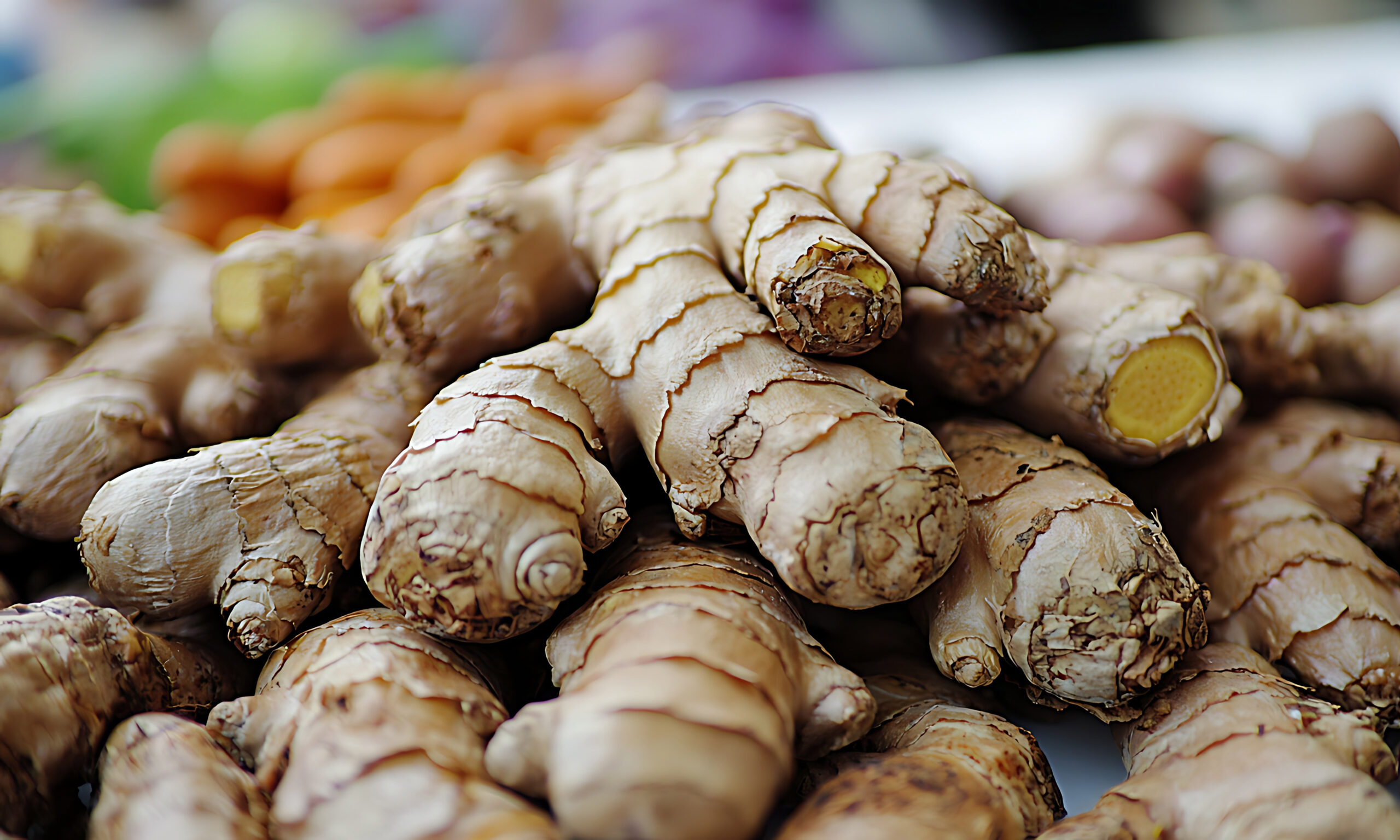
Sharp, spicy, and surprisingly interesting when it comes to everyday aches. Ginger’s active compound, gingerol interact with some of the same inflammatory pathways targeted by enzymes. Research has explored ginger for joint discomfort, exercise-related soreness, and inflammatory pathways.
If you’re living with constant aches, brain fog, or gut unrest, ginger is one of the most accessible plants to explore for general inflammatory and digestive support. Brew it, blend it, or cook with it; every dose helps your body.
Related: People Weed Out These Plants, But Here’s What You Should Do Instead
Garlic (Allium sativum)
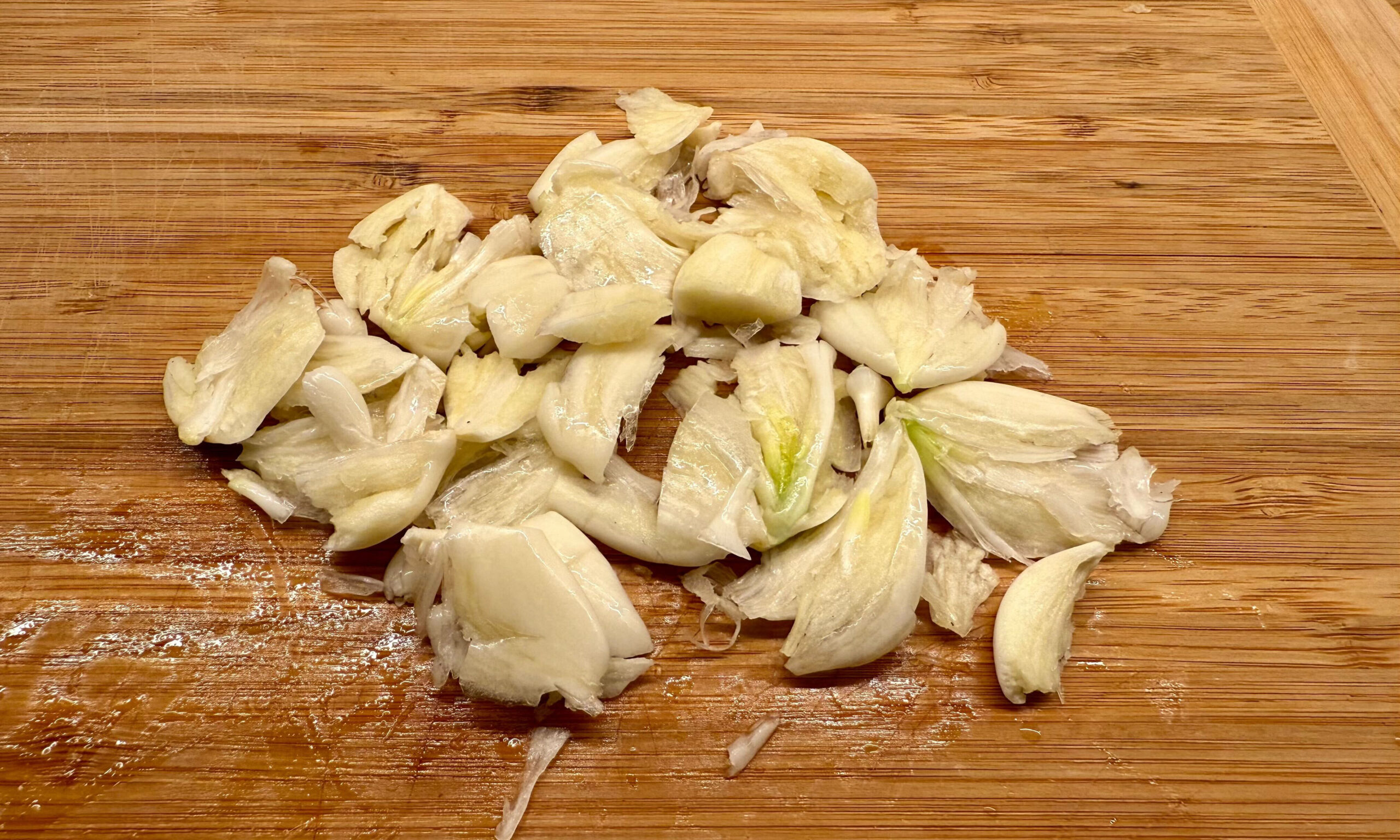
That unmistakable smell? It’s the sulfur compounds that make garlic one of the most potent natural anti-inflammatories. These compounds may reduce inflammatory cytokines. The messengers that fuel pain, swelling, and disease. Studies show garlic lowers dangerous markers like CRP and TNF-α, the same culprits behind heart disease and autoimmune flare.
Add crushed garlic to your meals and you’re not just seasoning food, you’re adding a food rich in plant compounds that may lower inflammation before it silently cripples your blood vessels and organs.
Garlic isn’t just garlic. It has a surprisingly long history in traditional home remedies. Seriously. When our ancestors didn’t have other options available, this was their solution.
So here’s my question – how many remedies could you already be making from ingredients you keep at home?
Medication has an important place, but it’s also useful to know what simple wellness preparations you can make yourself.
Turn part of your kitchen into a practical home apothecary. You don’t have to depend on a store for every small wellness need. I’ve listed all the recipes here.
Green Tea (Camellia sinensis)
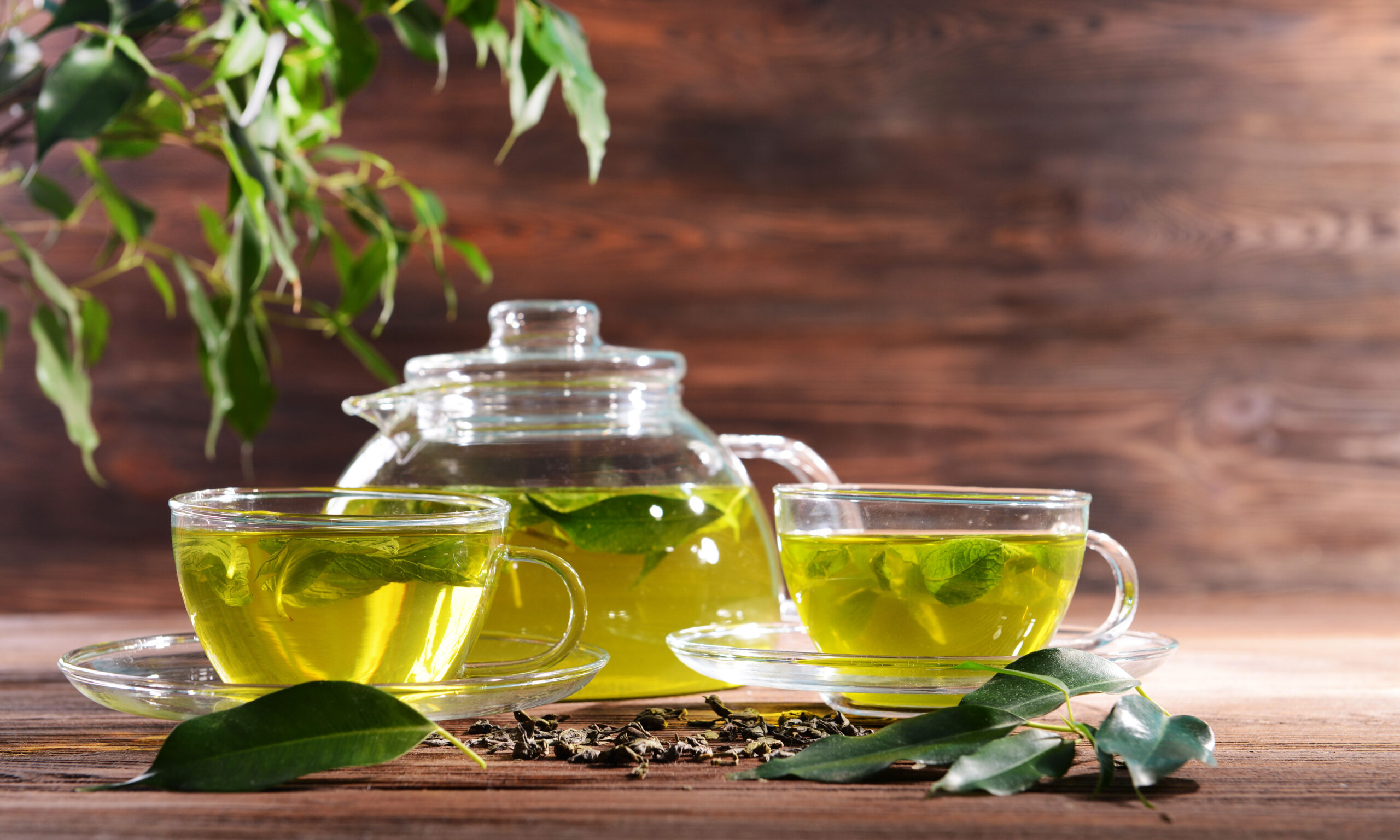
In every green tea leaf hides EGCG, a polyphenol researchers have studied for antioxidant activity and its effects on inflammatory signaling. Studies have explored green tea and EGCG in relation to cardiovascular health and certain markers associated with inflammation.
That makes green tea especially interesting for researchers studying healthy aging. A few cups can be an easy way to add antioxidant-rich plant compounds to your daily routine. Matcha is even stronger, if you need the full punch.
Related: What Happens If You Eat Chili Peppers for Breakfast?
Cinnamon (Cinnamomum verum/cassia)
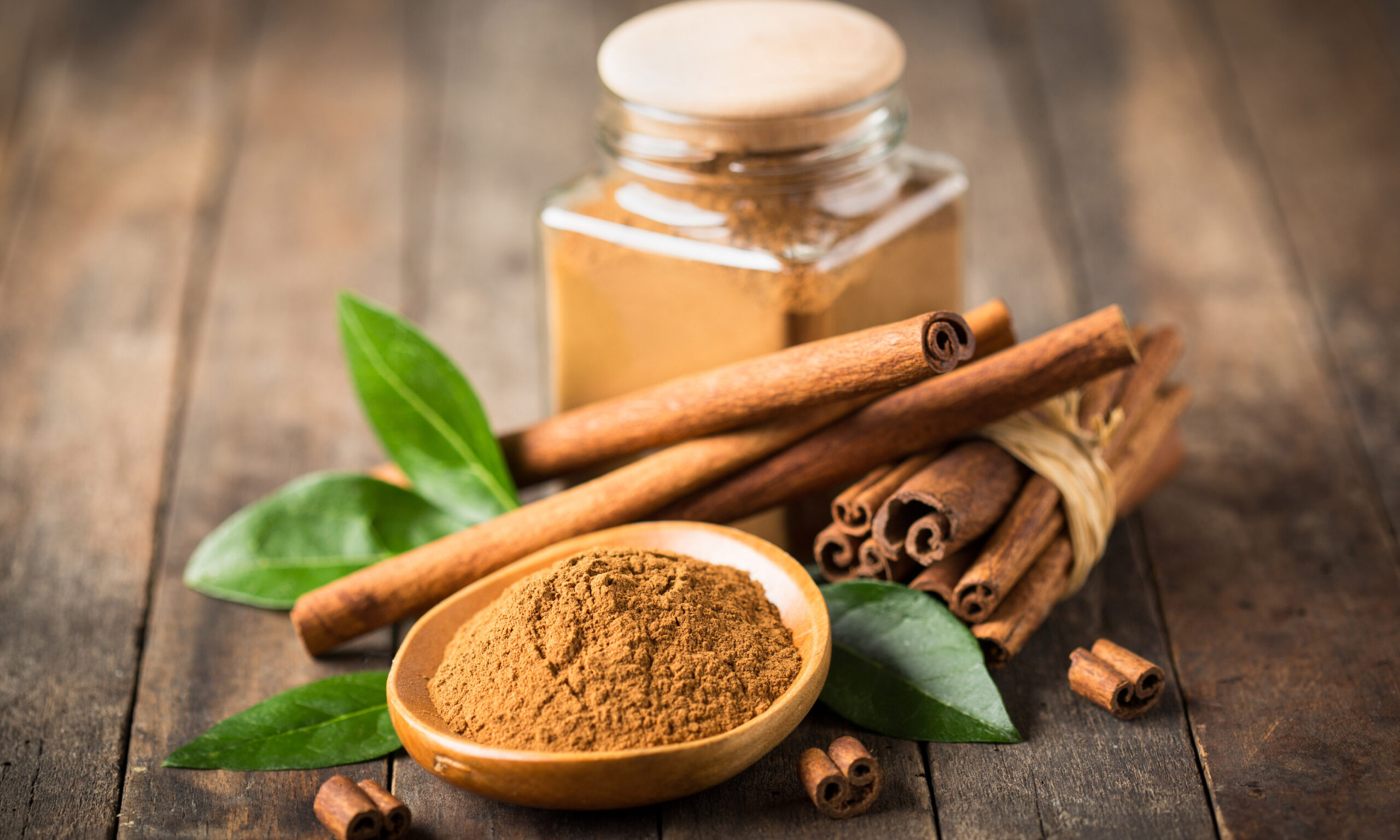
Sweet, yes, but deadly to inflammation. Cinnamon’s cinnamaldehyde and antioxidants slash CRP and other markers tied to arthritis and metabolic disease. That sprinkle on your oatmeal or coffee does more than add taste, it’s fighting the swelling inside your veins and tissues. But beware: regular supermarket cinnamon (cassia) carries coumarin, which can hurt the liver in excess. For daily defense, stick with safer Ceylon cinnamon.
Boswellia (Boswellia serrata)
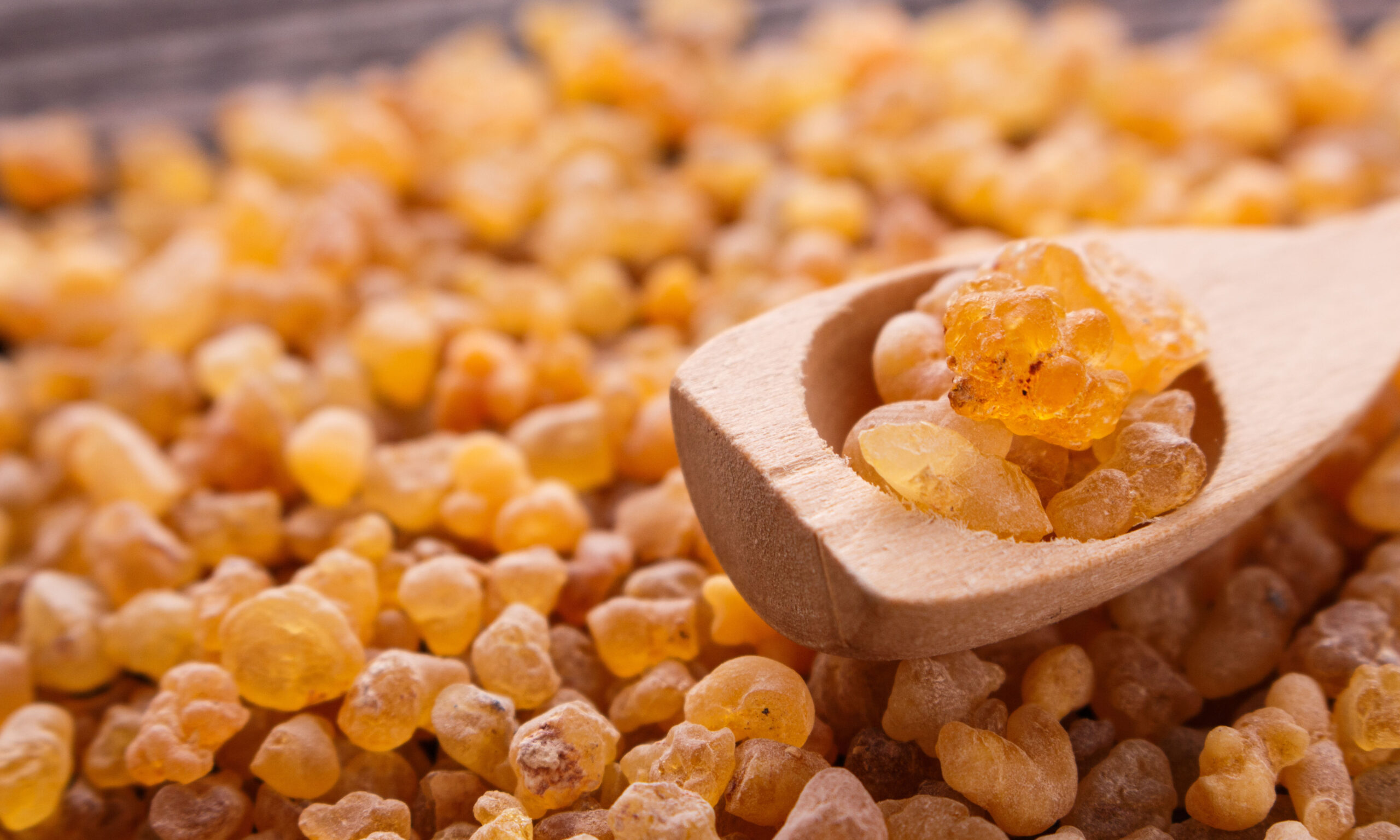
Called Indian frankincense, Boswellia has been used for inflammation for centuries. Modern science confirms why: boswellic acids block the same enzymes (5-LOX, COX) that keep arthritis, IBD, and autoimmune diseases alive. Some studies compare it with NSAIDs. If your joints grind or your gut rebels, Boswellia could be additional help in easing pain and reclaiming mobility.
Boswellia works, but good luck finding it locally. You know what you can get right here? This exact blend. Cayenne for heat. Arnica for bruising. St. John’s Wort for traditional topic use. Calendula, which is known for traditional healing support. All mixed into one powerful salve that drives relief straight through your skin. Into aching joints. Deep into overworked muscles. The warming sensation starts within seconds. Get the salve here.
Ashwagandha (Withania somnifera)
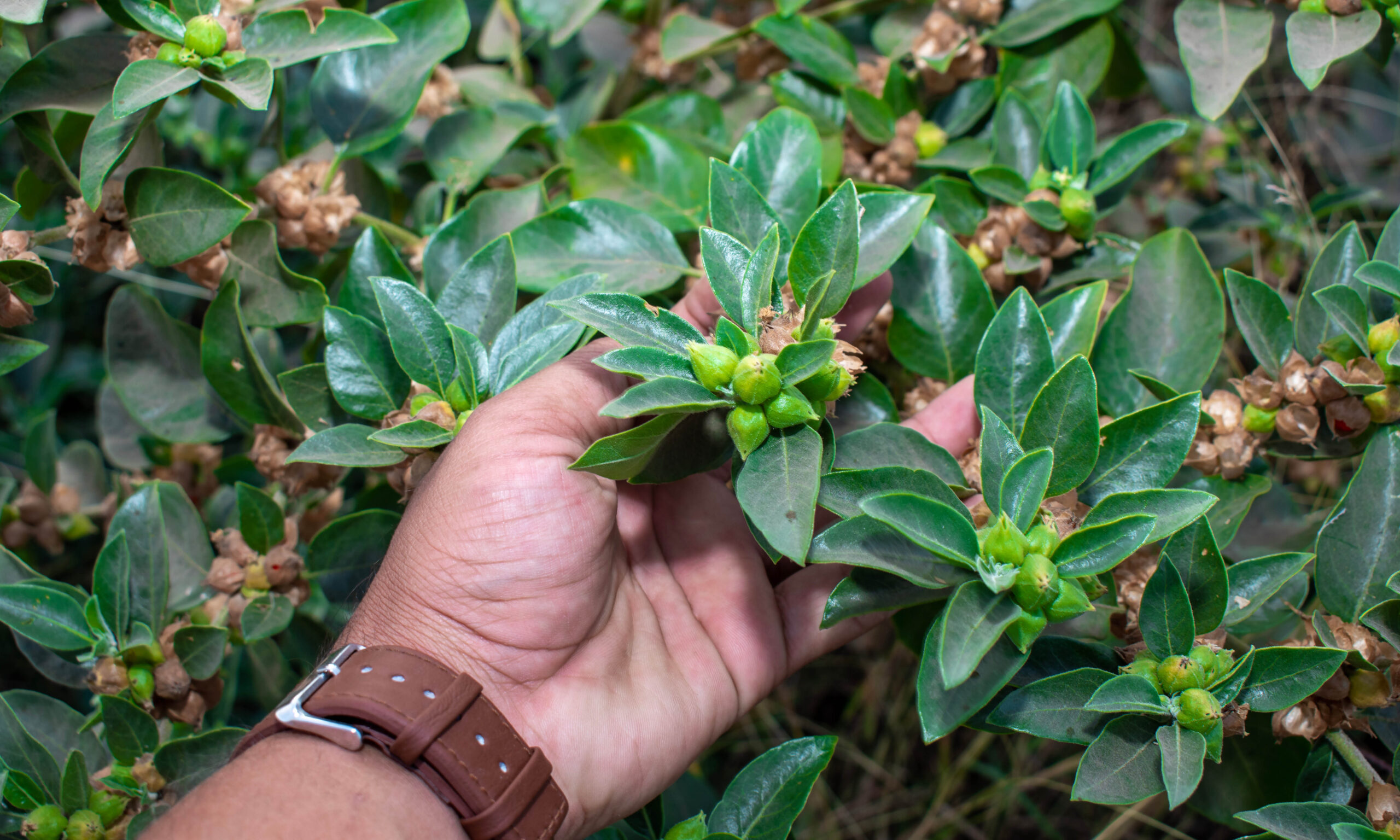
An adaptogen with a bite. Ashwagandha doesn’t just calm stress, its compounds are studied against the rival hydrocortisone, a pharmaceutical steroid. That combination makes it especially interesting when stress and physical tension seem to go hand in hand.
For arthritis sufferers or those battling chronic swelling, it may help on two fronts: it may lower inflammation while easing stress hormones that fuel it further. Ignore inflammation, and it steals your energy and mobility.
Stress steals your sleep. No sleep means little recovery. Inflammation piles up night after night. You know those magical mornings when you wake up feeling weightless? Like someone lifted a boulder off your chest? That’s your body actually recovering. Ashwagandha has been studied for stress and sleep support, which is why many people include it in their evening routine.
Here’s how to make it: Chop fresh ashwagandha root, soak in 80-proof vodka for 4-6 weeks, shake daily, strain through cheesecloth. Sounds simple, right?
But here’s the problem. Finding quality ashwagandha root that’s not contaminated or weak. Waiting 6 weeks when you’d rather have something ready to use now. Getting the ratios wrong and wasting your herbs. Plus, homemade tinctures can vary widely depending on ratios, plant quality, and extraction method.
Or you can skip the hassle and get this professionally made tincture. It’s already boosted with passionflower, lemon balm, and valerian – a concentrated combination built around traditional stress-support herbs. No waiting. No guesswork. The preparation method I now rely on. Check it out here.
Putting It All Together
Chronic inflammation is associated with many long-term health conditions, and if you let it rage, it will rob you of energy, mobility, and eventually your health. But you don’t have to surrender to it. The plants you’ve just discovered- from humble kitchen staples like turmeric, ginger, and garlic to heavy-hitters like boswellia and willow bark, these plants contain compounds scientists have studied for their effects on the pathways involved in inflammation.
Each one interacts with the body differently: neutralizing free radicals, blocking destructive enzymes, or calming an overfired immune system. Used together, they give you several different ways to build plant-based support into your routine.
But here’s the truth: no single herb can save you if the rest of your life fuels the flames. Pair these remedies with an anti-inflammatory lifestyle, real food, daily movement, deep rest, and you build a much stronger foundation for long-term health.
Managing inflammation isn’t a one-herb job. It’s a lifestyle. But here’s what shocked me – you don’t need to change everything forever. Just for a little while. Until healthier habits begin to feel like your normal routine.
I thought it would be torture. Giving up foods I loved. Following strict rules. But it’s actually not hard at all. When you know exactly what to eat, drink, and do, you realize these are changes anyone can make. Small swaps. Massive impact.
Swap heavily processed foods for more whole-food sources of healthy fats. Trade processed junk for real food. Add drinks rich in plant compounds being studied for metabolic and inflammatory health. Simple shifts that feel natural, not restrictive.
This is what real wellness looks like – living as comfortably as possible without the side effects. Less guesswork. More practical habits. And a plan you can actually follow.
The complete anti-inflammatory protocol (diet included) is on page 297. Everything you need to build a more inflammation-conscious daily routine. Stop guessing which habits matter. Start building a routine around the factors you can actually control.
Chronic inflammation is tied to some of the biggest long-term health challenges people face today. Don’t wait until your everyday habits become harder to change. Start using the plants, foods, and habits available to you now, while small changes are still easy to make.
 You May Also Like:
How To Make Nature’s Amo*****lin


receipe fo watermelon pickles