There is a whole category of herbs that herbalists have relied on for centuries specifically to calm a racing mind, ease frayed nerves, and help the body find its way back to rest. These plants are called nervines, and once you understand how they work, you will find yourself reaching for them in the moments that matter most.
Nervines are not sedatives in the pharmaceutical sense. They are not all the same, and they do not all work the same way. Some gently relax tension without making you sleepy. Others nourish an exhausted nervous system over time. A few are stronger, specifically suited for those nights when sleep feels impossible.
This guide covers what nervines actually are, the three distinct types that herbalists recognize, the most well-researched plants in each category, how to prepare and use them, and what modern science has found about how they work. Whether you are new to herbal medicine or simply want a clearer picture of this plant family, this is where to start.
What Is a Nervine?
The word nervine comes from the Latin nervus, meaning nerve or sinew. A nervine is any herb that has a direct, beneficial action on the nervous system. That broad definition covers a wide range of plants and effects, from a cup of chamomile tea before bed to the deeper restorative work of milky oats taken over weeks.
In traditional herbal medicine, nervines were considered food for the nerves. Practitioners used them to address everything from everyday tension and worry to deeper patterns of exhaustion, sleeplessness, and emotional fragility. Healers working in European, Ayurvedic, and Indigenous North American traditions all developed nervine practices using the plants native to their regions, often arriving at similar uses independently.
Modern herbalism has refined this category into a clearer framework. According to Herbal Reality, nervines work through several mechanisms including modulation of neurotransmitter activity, acting on GABA receptors, acetylcholine receptors, and dopaminergic pathways to reduce feelings of stress and support a sense of calm.
The nervous system is one of the most demanding systems in the body to support, and it is under near-constant pressure in modern life. Nervine herbs offer a gentle, plant-based entry point for that support.
The Three Types of Nervines
Not all nervines work the same way, and understanding the three main categories helps you choose the right herb for the situation you are actually in.
1. Nervine Relaxants
Nervine relaxants are the most commonly recognized category. These are herbs that calm and soothe the nervous system, ease physical tension, quiet mental chatter, and promote a more relaxed state without necessarily putting you to sleep. They are what most people are thinking of when they reach for an herbal remedy for stress or anxiety.
Nervine relaxants work well in the moment. You can take them when tension is already present and feel a shift relatively quickly. They are also useful as a daily support during high-stress periods. Common herbs in this category include chamomile, lemon balm, lavender, passionflower, and catnip.
This category spans a spectrum from very gentle to quite strong. Chamomile and catnip sit at the mild end, appropriate for children and the elderly. Passionflower and valerian sit further along the spectrum, better suited to more pronounced tension or sleep difficulty.
2. Nervine Tonics
Nervine tonics take a longer-term approach. Rather than producing an immediate calming effect, they nourish and rebuild the nervous system over time. These are the herbs to reach for when the problem is not acute stress but chronic depletion, the kind of exhaustion that comes from sustained pressure, grief, burnout, or long illness.
Milky oats, also called oat straw (Avena sativa), is the classic nervine tonic. Taken as a daily infusion or tincture over weeks, it gradually supports nerve function and rebuilds resilience. Skullcap occupies an interesting position in this category: it has both relaxant and tonic properties, calming the nervous system in the short term while also nourishing it with consistent use.
Other well-regarded nervine tonics include bacopa, vervain, and gotu kola. These are not herbs you take once and feel a difference. They are more like a sustained investment in how your nervous system handles stress over time.
3. Nervine Stimulants
The third category is less discussed but equally important. Nervine stimulants gently activate and energize the nervous system rather than calming it. These are not stimulants in the sense of caffeine or ephedra. They are plants that support mental clarity, focus, and cognitive function without producing the crash or dependency that stronger stimulants carry.
Rosemary, peppermint, and gotu kola are common examples. Gotu kola is notable for appearing in both the tonic and stimulant categories depending on how it is used and in what dose. Some adaptogenic herbs with nervine properties, like tulsi (holy basil), also occupy this territory, offering both cognitive clarity and stress resilience.
Nervine stimulants are useful during periods when mental fog, low energy, or difficulty concentrating are the primary complaints rather than anxiety or sleeplessness.
Key Nervine Herbs and What the Research Shows
Herbal tradition runs deep in this category, but modern research has also paid meaningful attention to nervines. Here is a closer look at the most widely studied plants.
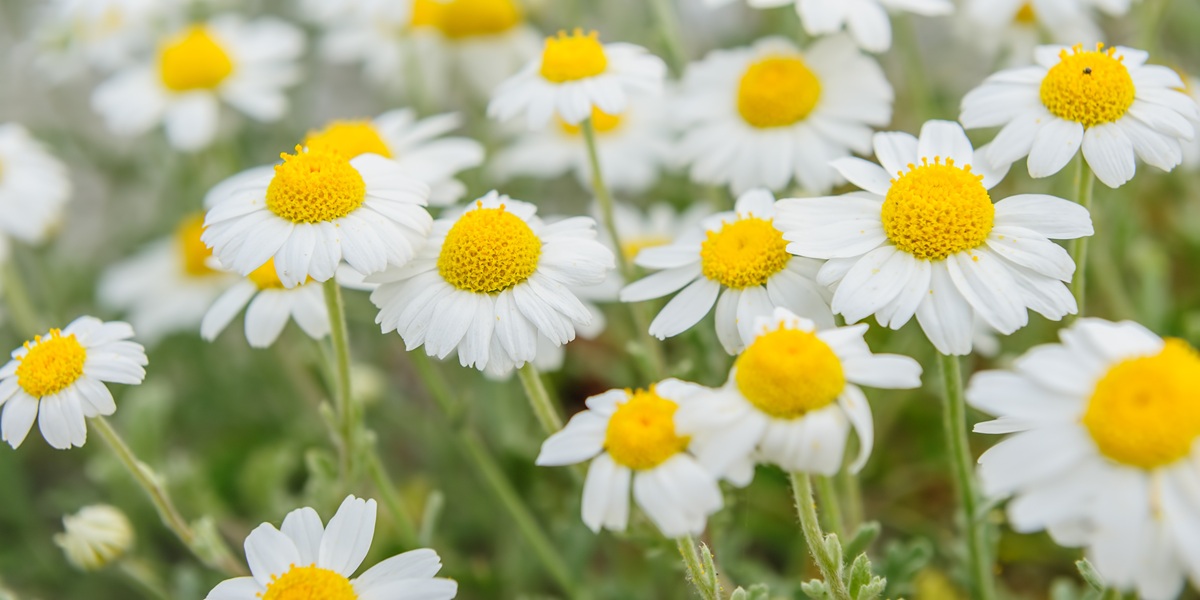
Chamomile (Matricaria chamomilla)
Chamomile is one of the most widely used medicinal plants in the world and one of the most familiar nervines. Its reputation as a gentle calming herb is well-earned and well-supported. The key active constituent is apigenin, a flavonoid that binds to GABA receptors in the brain and produces a mild sedative effect.
Clinical research has found chamomile extract to be effective for mild to moderate generalized anxiety disorder. Studies have also found benefits for sleep quality, particularly in people experiencing insomnia associated with anxiety. Its safety profile is excellent, making it appropriate for children, the elderly, and most adults as a first-line nervine relaxant.
As a tea, chamomile is best prepared as a covered infusion, steeping the flowers for at least ten minutes with a lid on the cup to retain the volatile oils. As a tincture, it can be taken in doses of 1 to 4 ml up to three times daily.
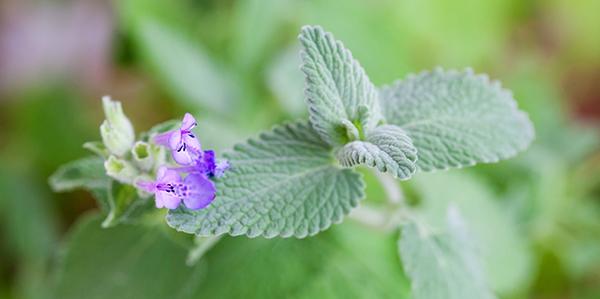
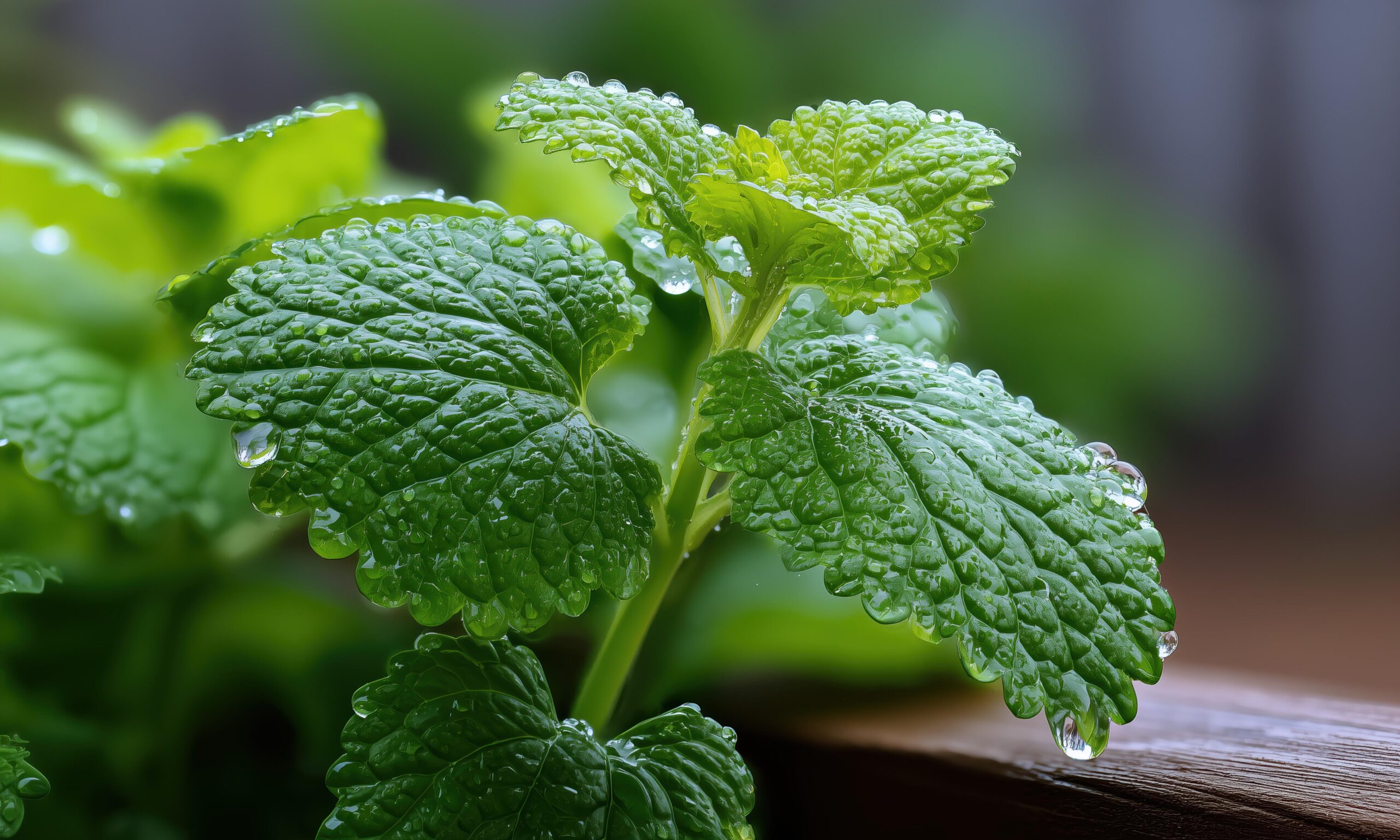
Lemon Balm (Melissa officinalis)
Lemon balm is a mint family herb with a bright citrus scent and a long history of use for nervous tension, anxiety, and sleep difficulty. It is considered both a nervine relaxant and a mild antidepressant in herbal tradition, and modern research has begun to support both of those uses.
The primary mechanism is inhibition of GABA-transaminase, the enzyme that breaks down the calming neurotransmitter GABA. By slowing the breakdown of GABA, lemon balm allows more of it to remain active in the nervous system, producing a calming effect. A 2024 double-blind randomized trial found significant improvement in sleep quality scores in adults experiencing insomnia when using a lemon balm preparation, adding to a growing body of clinical evidence.
One of lemon balm’s most valued qualities is its simultaneous calming and uplifting effect. It is particularly well-suited to people experiencing nervous exhaustion or burnout who need calming without sedation. It pairs well with valerian for sleep and with passionflower for anxiety.
Passionflower (Passiflora incarnata)
Passionflower is a North American native with a striking flower and a strong reputation as a nervine relaxant. It is particularly valued for anxiety accompanied by circular or racing thoughts, the kind of mind that cannot stop processing even when the body is tired.
Research has found passionflower to be effective for anxiety. One clinical trial published on the National Institutes of Health database found that passionflower extract was as effective as the prescription anti-anxiety medication oxazepam for generalized anxiety disorder, with a better side effect profile in terms of occupational functioning.
The herb is also used as a sleep aid, especially for those whose sleeplessness is driven by an inability to quiet the mind at night. It combines well with valerian and hops in sleep formulas. As a tea, 1 to 2 teaspoons of dried herb steeped in hot water for 10 minutes is a standard preparation. Tincture doses range from 1 to 4 ml up to four times daily.
Valerian (Valeriana officinalis)
Valerian root is one of the most researched nervine herbs available. It has a strong, earthy smell that many find unpleasant, but its effect on sleep and anxiety is well-documented. It works through a threefold mechanism: stimulating the release of GABA, inhibiting its reuptake, and binding to GABA receptors directly.
A systematic review and meta-analysis published in the Journal of Evidence-Based Integrative Medicine found that valerian root improved sleep quality and reduced the time needed to fall asleep in people with insomnia. It is most effective when taken consistently over several weeks rather than as a single dose, though many people do notice effects from their first use.
Valerian is best suited to adults dealing with sleep difficulty and nervous tension. It is stronger than chamomile or lemon balm and is not generally recommended for children. Because it influences the same neurotransmitter system as benzodiazepine medications, people taking those drugs should consult a healthcare practitioner before using valerian.
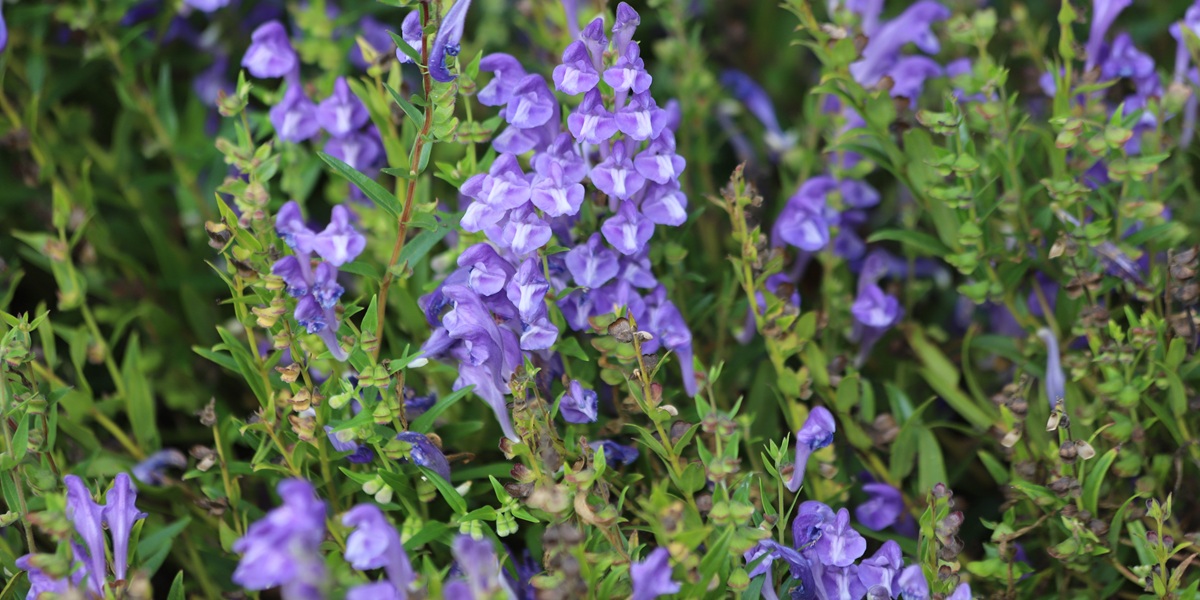
Skullcap (Scutellaria lateriflora)
Skullcap is a North American herb that occupies a unique position in the nervine category because it functions as both a relaxant and a tonic. In the short term, it calms the nervous system, eases muscle tension, and quiets overthinking. With consistent long-term use, it nourishes and restores nerve function.
It is particularly well-suited to people dealing with nervous tension that manifests physically, such as tension headaches, tight shoulders, jaw clenching, or palpitations. Herbalists also recommend it for sleeplessness caused by emotional stress, for irritability and excitability, and as a support during periods of anxiety.
Skullcap is most effective as a fresh-plant tincture. The dried herb loses potency more quickly than many other nervines, and quality varies significantly between products. A dose of 1 to 3 ml of tincture taken as needed or up to three times daily is a typical recommendation.
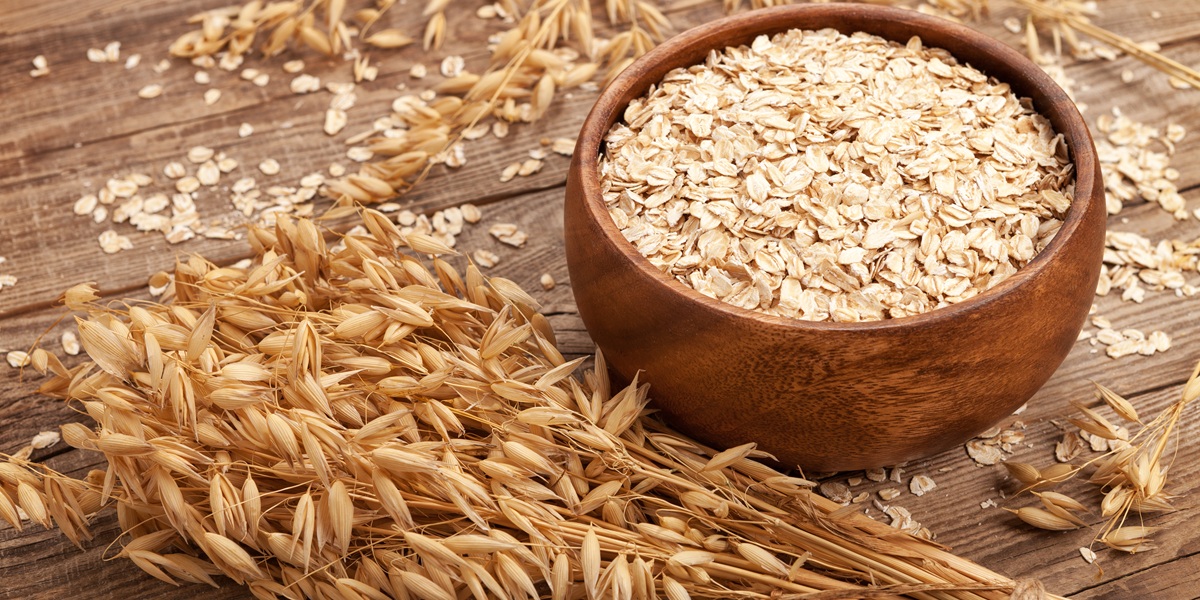
Oat Straw / Milky Oats (Avena sativa)
Oat straw and milky oats come from the same plant, Avena sativa, but represent different harvesting stages and different preparations. Milky oats refers to the fresh, unripe seed heads harvested when they exude a milky liquid when pressed. Oat straw refers to the dried green above-ground parts. Both are nervine tonics, and both are among the safest and most nourishing plants in the nervine category.
Unlike the relaxant nervines, oat preparations are not strongly or immediately calming. Their work is slower and deeper: rebuilding resilience in a depleted nervous system, supporting the myelin sheath around nerve fibers, and gradually improving how the body handles stress. They are the herbs to reach for during recovery from illness, prolonged burnout, or any period that has left the nervous system feeling raw or frayed.
Long-term daily use is how oats demonstrate their value. A large cold infusion of oat straw, prepared by steeping several tablespoons of the dried herb in cool water overnight and straining in the morning, is a traditional preparation that many herbalists consider one of the most nutritive nervine drinks available.
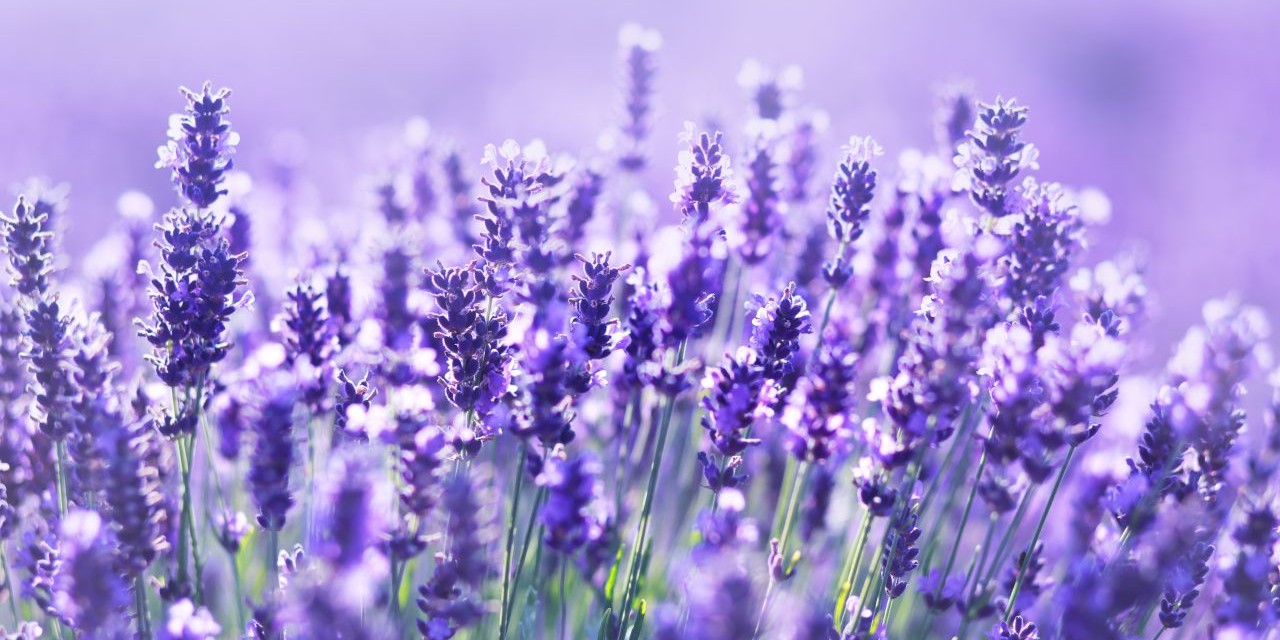
Lavender (Lavandula angustifolia)
Lavender is familiar as an aroma, but its medicinal applications as a nervine go well beyond its scent. Both internal and topical use of lavender have demonstrated benefits for anxiety and sleep. The primary active constituents, linalool and linalyl acetate, act on the central nervous system to reduce anxiety and promote relaxation.
A standardized oral lavender oil preparation called Silexan has been evaluated in multiple clinical trials for generalized anxiety disorder and mixed anxiety-depression, with results showing significant improvement compared to placebo and comparable effectiveness to low-dose benzodiazepines in some studies. These findings have helped establish lavender as one of the better-evidenced nervine relaxants in the herbal pharmacopeia.
For everyday use at home, lavender tea (using culinary-grade dried flowers, 1 teaspoon steeped for 10 minutes) is a pleasant and effective preparation. Lavender tincture and capsules are also available. The scent alone, whether from essential oil in a diffuser or dried flowers near the bed, has demonstrated measurable effects on anxiety and sleep quality in research settings.
How to Choose the Right Nervine for You
The three-category framework gives you a useful starting point, but choosing the right nervine also involves matching the herb to the specific nature of the problem you are addressing.
For everyday stress and mild tension during the day, reach for a gentle relaxant: chamomile tea, lemon balm, or lavender. These work well without interfering with clarity or function.
For sleep difficulty, especially when the mind will not stop, passionflower and valerian are the stronger options. Lemon balm pairs well with either for those who find valerian too strong on its own.
For anxiety that has a physical component, including muscle tightness, tension headaches, or palpitations, skullcap is a well-suited choice alongside any relaxant blend.
For chronic exhaustion and depletion of the nervous system, build a foundation with milky oats or oat straw over weeks and months. Add relaxants as needed for acute moments.
For cognitive fatigue and mental fog rather than anxiety, look toward nervine stimulants like rosemary, peppermint, or tulsi.
How to Prepare Nervine Herbs
Most nervine herbs are prepared as teas, tinctures, or capsules. The method matters because it affects how much of the plant’s active constituents you are actually getting.
Tea (infusion): Best for leaf and flower nervines such as chamomile, lemon balm, lavender, and passionflower. Use 1 to 2 teaspoons of dried herb per cup of just-boiled water. Cover the cup while steeping to prevent volatile oils from escaping with the steam. Steep for 10 to 15 minutes, then strain and drink. One to three cups daily is a typical therapeutic dose.
Decoction: Used for roots and woody plant material such as valerian. Place 1 to 2 teaspoons of dried root in cold water, bring slowly to a simmer, and allow to simmer for 15 to 20 minutes before straining.
Tincture: Alcohol-based extracts preserve a broader range of plant constituents than water alone and have a longer shelf life. Standard doses range from 1 to 4 ml, typically taken in a small amount of water. Tinctures are particularly valuable for skullcap and milky oats, where fresh-plant extraction captures constituents that diminish with drying.
Cold infusion: Useful for oat straw, which yields a more nutritive preparation through overnight cold extraction than through hot water.
Capsules: Convenient for consistent daily dosing. Quality varies significantly by manufacturer. Look for products that clearly identify the plant part used, the extraction method, and the batch testing results.
Safety and Precautions
Nervine herbs have an excellent overall safety record, particularly compared to pharmaceutical alternatives. That said, there are important considerations worth knowing before you begin.
Sedative nervines including valerian, passionflower, and hops can increase the effects of pharmaceutical sedatives, sleeping medications, and benzodiazepines. Anyone currently taking those medications should speak with a knowledgeable practitioner before adding nervine herbs.
Driving and operating machinery is worth thinking through when using stronger nervines for the first time. While most nervines in typical doses do not produce impairment, individual responses vary, especially with valerian.
Pregnancy and breastfeeding require extra caution. Chamomile, lemon balm, and oat straw are generally considered safe during pregnancy in food-level amounts, but concentrated extracts and tinctures of most nervines have not been adequately studied in pregnant people. Seeking guidance from a qualified herbalist or healthcare provider is wise.
Quality matters enormously with herbal preparations. Some herbs, skullcap being a notable example, have a documented history of adulteration with other plant material. Buying from reputable suppliers who test their products is not optional; it is how you ensure that what is in the bottle is what the label says.
Combining Nervines
Herbalists rarely use single herbs in isolation. Nervines combine well with each other, and blending plants with complementary actions often produces a more rounded effect than any single herb alone.
Classic nervine pairings include valerian and passionflower for sleep, lemon balm and chamomile for daytime anxiety, skullcap and milky oats for nervous exhaustion with tension, and lavender with lemon balm for anxious low mood.
Clinical research has supported some of these combinations directly. Studies examining mixtures of valerian, passionflower, and hops for primary insomnia found improvements in total sleep time, sleep latency, and number of nightly awakenings. The combination of lemon balm with other nervines consistently outperforms single-herb use in the research literature.
When building your own blends, start with no more than three or four herbs, and begin with lower doses of each to observe how your body responds before increasing.
A Note on Adaptogens and the Nervine Category
You will often see adaptogenic herbs discussed alongside nervines, and there is genuine overlap. Adaptogens like ashwagandha and tulsi support the nervous system, modulate the stress response, and reduce perceived anxiety, but their primary action is on the adrenal and hormonal systems rather than directly on nervous system neurotransmitters.
For practical purposes, adaptogens complement nervines well. When stress has a hormonal component, when cortisol is clearly elevated, or when the pattern involves energy dysregulation alongside nervous tension, adding an adaptogen to a nervine protocol can address both layers. But the mechanisms are different, and understanding the distinction helps you make more targeted choices.
Build Your Own Home Herbal Medicine Cabinet
Learn how to make tinctures, teas, salves, syrups, extracts, and dozens of proven herbal remedies from the plants growing around you.
If articles like this fascinate you, you’ll love Forgotten Home Apothecary. This beautifully illustrated guide contains hundreds of traditional herbal remedies, step-by-step preparation methods, medicinal plant profiles, and practical instructions for creating your own natural medicine cabinet at home.
Whether you’re interested in calming nervine teas, immune-supporting remedies, digestive formulas, or natural pain relief, this book shows you exactly how our grandparents used herbs long before modern pharmacies existed.
Nervines represent one of the most practically useful categories in the entire herbal pharmacopeia, and they are among the most accessible for everyday home use. A pot of chamomile or lemon balm tea costs almost nothing, requires no special knowledge to prepare, and has a long record of safe use behind it.
The deeper you go into this category, the more nuance you find. There are herbs here for acute tension and herbs for long-standing depletion. There are plants suited to the anxious, racing mind and plants suited to the tired, frayed one. Understanding those distinctions, and learning which plants your own nervous system responds to best, is one of the most valuable things you can develop in your relationship with herbal medicine.
Start with a cup of tea. Pay attention to how you feel. Build from there.
We use cookies to ensure that we give you the best experience on our website. If you continue to use this site, we will assume that you are happy with it.
Functional Always active
The technical storage or access is strictly necessary for the legitimate purpose of enabling the use of a specific service explicitly requested by the subscriber or user, or for the sole purpose of carrying out the transmission of a communication over an electronic communications network.
Preferences
The technical storage or access is necessary for the legitimate purpose of storing preferences that are not requested by the subscriber or user.
Statistics
The technical storage or access that is used exclusively for statistical purposes.The technical storage or access that is used exclusively for anonymous statistical purposes. Without a subpoena, voluntary compliance on the part of your Internet Service Provider, or additional records from a third party, information stored or retrieved for this purpose alone cannot usually be used to identify you.
Marketing
The technical storage or access is required to create user profiles to send advertising, or to track the user on a website or across several websites for similar marketing purposes.



 Lemon Balm (Melissa officinalis)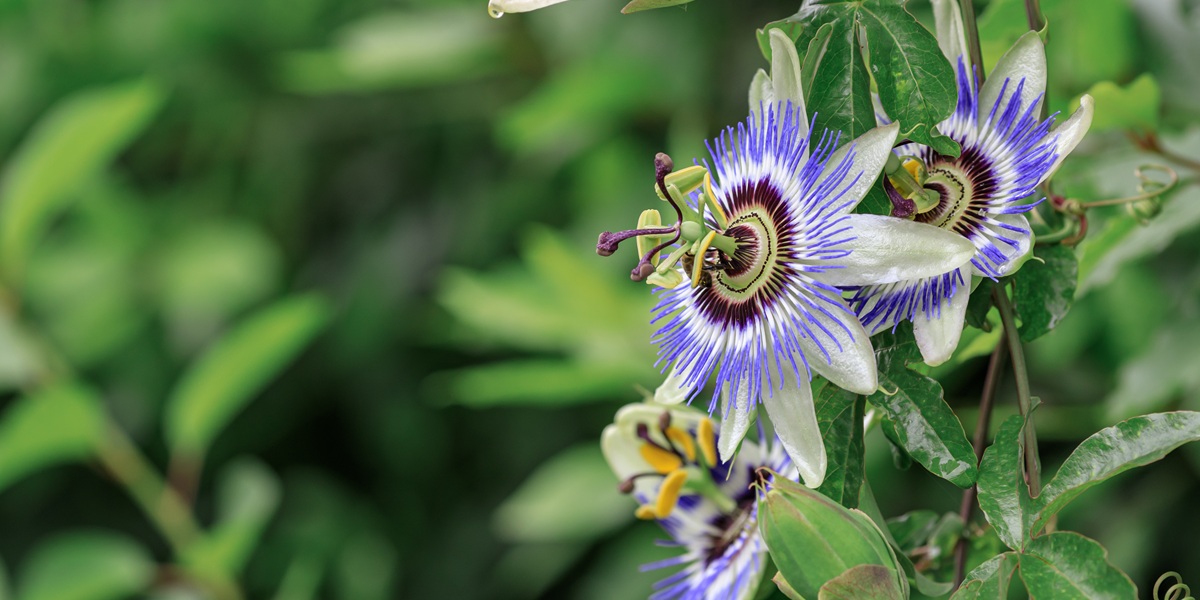
 Passionflower (Passiflora incarnata)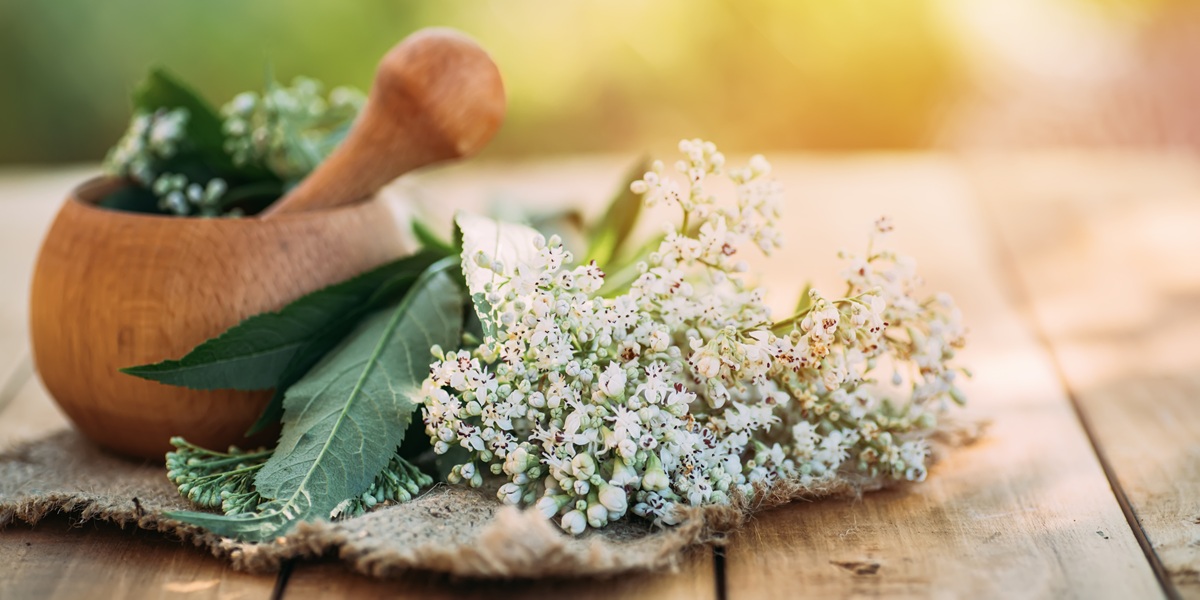
 Lavender (Lavandula angustifolia)