You can feel when your throat hurts, you notice when your joints ache, and you know when your stomach is upset.
But cholesterol?
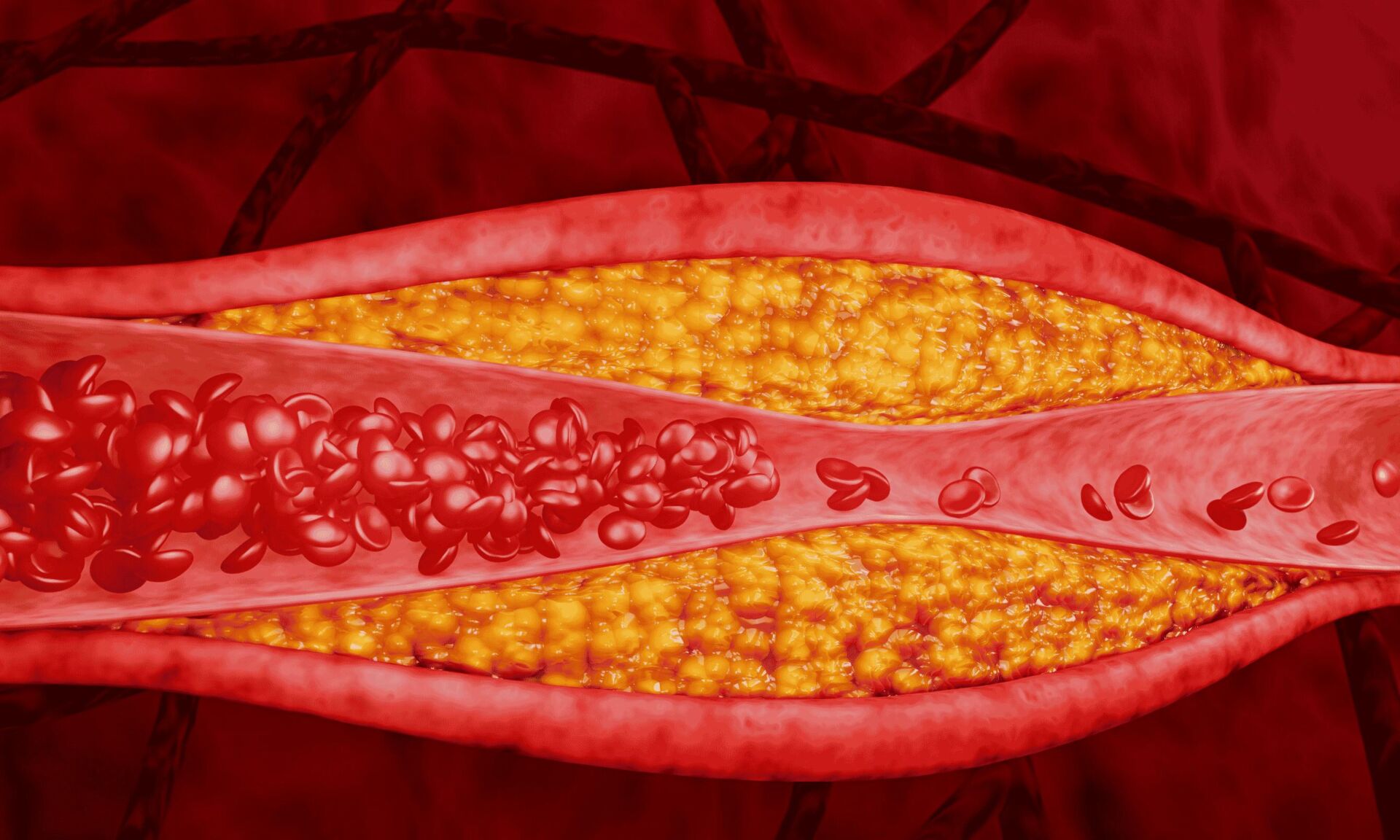
It can quietly move in the wrong direction for years without giving you an obvious warning, and it’s easy to ignore.
And if your numbers eventually come back higher than you expected, the conversation can suddenly become all about what you need to stop eating, what pill you may need to take, and what you’ve apparently been doing wrong.
But there’s another side of that conversation that deserves far more attention:
What herbs should you start looking at?
Because some surprisingly ordinary plants can influence the way your body absorbs, produces, and clears cholesterol.
Even if they are not replacements for prescribed treatments, a few of them have produced measurable changes in human research.
And some of them may already be sitting in your kitchen.
First, Your Cholesterol Number Doesn’t Tell the Whole Story
When people say they have “high cholesterol,” they’re usually talking about several different measurements.
LDL cholesterol is the one that gets most of the attention because higher LDL levels are associated with greater cardiovascular risk.
HDL cholesterol helps transport cholesterol away from tissues and back toward the liver.
Then you have triglycerides, another type of blood fat that matters for metabolic and cardiovascular health.
Depending on your situation, your doctor may also look at markers such as non-HDL cholesterol or ApoB.
So the goal isn’t simply to make “cholesterol” disappear.
Your body actually needs cholesterol.
The more useful goal is supporting healthier lipid levels and the systems your body uses to manage them.
See?
Cholesterol itself isn’t the enemy, even though people love to demonize it.
Your body needs cholesterol. The real issue is what happens when the whole system around it starts drifting out of balance.
That’s one of the biggest things I learned when I started following Nicole Apelian’s work — a real herbalist who has lived with MS herself and has used herbal remedies for decades.
Her protocol book includes a Heart Health Protocol that covers cholesterol, high blood pressure, and arteriosclerosis, but it doesn’t stop there. It also includes protocols for Leaky Gut, Gastritis and IBS, Diabetes Type 2, Liver Health, and many other issues that often overlap with metabolic and cardiovascular health.
Let me show you which herbal remedies you should check out:
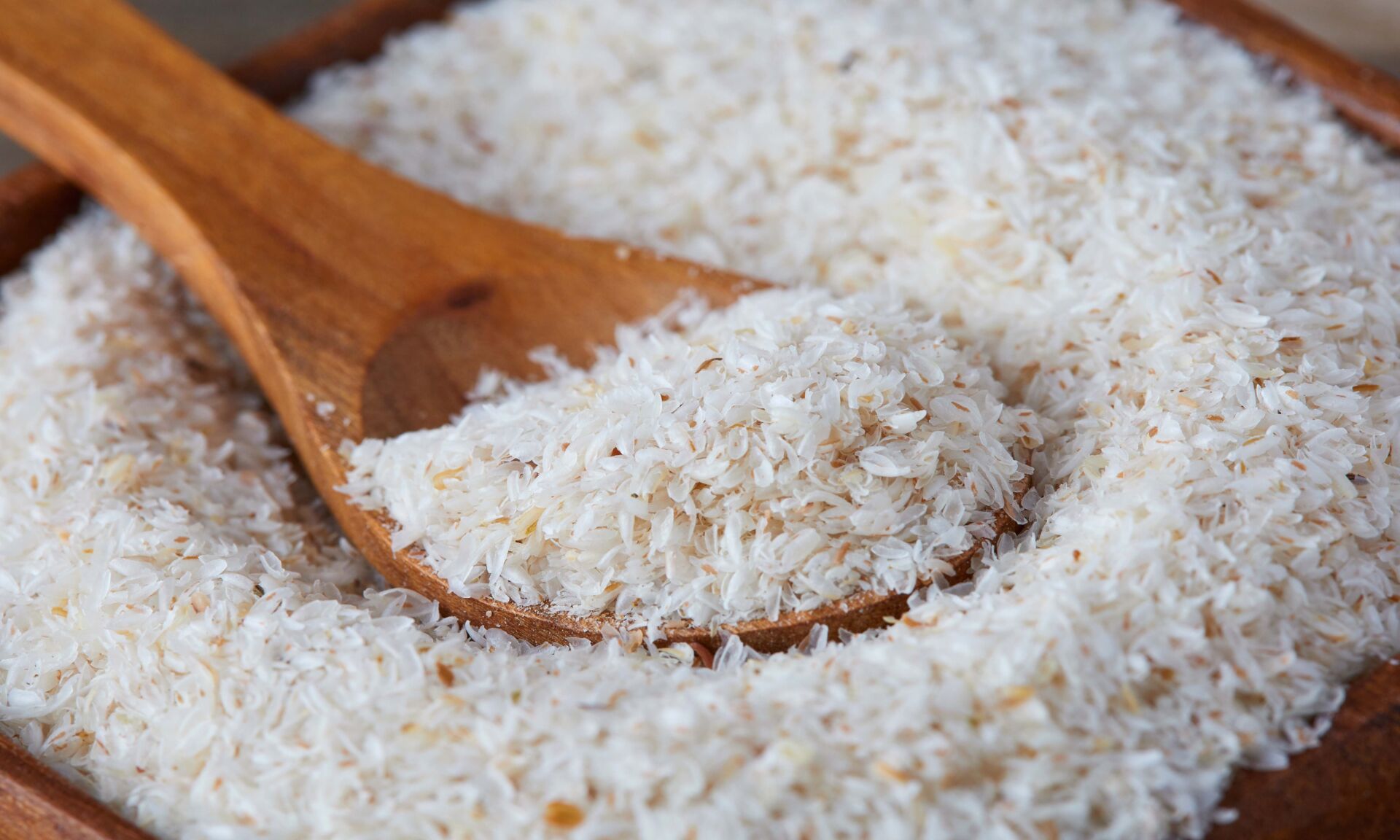
1. Psyllium
It doesn’t look particularly impressive, but psyllium may be one of the most useful plants on this entire list.
Its soluble fiber forms a thick gel in your digestive tract that helps reduce bile acid reabsorption. Your liver then uses more cholesterol to make new bile acids—one reason regular psyllium intake can help bring LDL cholesterol down.
And this isn’t just traditional wisdom. Human trials have found measurable reductions in LDL with regular use.
Sometimes powerful support really can be as simple as fiber and water.
Psyllium works partly because it becomes soft, gel-like, and soothing in the digestive tract.
And that pattern shows up again in another old herb: marshmallow root.
Marshmallow root is rich in mucilage, that slippery plant substance herbalists have long valued for gentle digestive comfort and irritated tissues. It doesn’t “scrub” your gut. It doesn’t force anything. It works in a softer way — the kind your gut may appreciate when things feel rough, sensitive, or unsettled.
You can make marshmallow tea or a cold infusion yourself.
But a ready-made tincture is much easier to keep close, especially when you don’t want to steep, strain, wait, or prepare something every time your stomach feels off. Liquid preparations also fit marshmallow root’s traditional use, since herbal monographs describe the root in extracts, syrups, and macerations.
So if psyllium made you realize how much your gut may respond to gentle, gel-like plants, marshmallow root is worth looking at next.
Your morning oatmeal may be doing far more than just filling you up.
Oats and barley contain beta-glucan, a soluble fiber that helps trap bile acids in your digestive tract. That encourages your liver to pull more cholesterol from your blood to make new bile acids.
Human trials have repeatedly found measurable reductions in LDL cholesterol with beta-glucan.
And the best part? You don’t need to overhaul your diet. Add oatmeal or oat bran to breakfast, or throw some barley into a soup, and you can easily turn your next ordinary meal into a daily cholesterol-supporting habit.
3. Ground Flaxseed
Flaxseed packs a surprising amount into one tiny seed: soluble fiber, lignans, and plant-based omega-3s.
Human trials have linked flaxseed with reductions in total and LDL cholesterol, and the form matters. Whole or ground flaxseed seems more useful here than flaxseed oil because you keep the fiber.
So instead of reaching for an expensive oil, you can simply grind the seeds and add them to oatmeal, yogurt, or smoothies.
It’s an easy way to turn something you already eat into a more cholesterol-friendly meal.
4. Garlic
Garlic has earned a place in both the kitchen and the herbal cabinet for centuries—and your cholesterol gives you another reason to keep using it.
Clinical research suggests certain garlic preparations may help produce modest improvements in total and LDL cholesterol, likely thanks in part to its sulfur-containing compounds.
The catch is that the garlic used in research is often more concentrated than the clove you toss into dinner.
Still, garlic is one of the easiest cardiovascular herbs to use regularly. Add it generously to soups, sauces, roasted vegetables, or dressings, and you can turn everyday meals into a simple heart-supporting habit.
Garlic in food is one thing.
But this recipe uses 4–5 fresh cloves at once.
That’s the kind of garlic dose that makes you feel like something serious is happening inside your body. I always joke that when I drink something this strong, I can almost imagine it “scrubbing the pipes” and giving my arteries a wake-up call.
Of course, no home tonic can literally clean out clogged arteries or replace medical care.
But garlic has a long reputation for heart and cholesterol support, and this old-style Garlic and Lemon Tonic makes it feel like a real remedy instead of just another clove tossed into dinner.
And it’s not the only one on the cardiovascular shelf.
Inside the same section, you’ll also find recipes like:
Cinnamon Infusion for BP
Heart Harmony Elixir with Hawthorn Berry
Garlic and Lemon Tonic for Cholesterol Support
Hibiscus Tea for Cardiovascular Support
Beetroot and Aronia Juice for Circulatory Health
Blood Vessel Care with Butcher’s Broom
Bilberry Heart-Drops
Horse Chestnut Cooling Gel for Varicose Veins
“Young Heart” Elixir
Warming Turmeric and Cayenne Balm to Promote Circulation
Artery Support Elixir
That’s why I like this book so much. It doesn’t just tell you “garlic is good.”
It shows you what to actually do with it, and then gives you a whole shelf of old heart-support recipes most people never learned to make.
Fenugreek deserves special attention because it connects cholesterol with the bigger metabolic picture.
Its seeds are rich in soluble fiber, including galactomannan, along with saponins and other active plant compounds. Human trials have linked fenugreek with improvements in LDL, total cholesterol, fasting blood sugar, and HbA1c.
That matters because your cholesterol doesn’t exist on its own. Blood sugar, body weight, diet, and activity can all influence your overall cardiovascular risk.
So when you add fenugreek to meals or use it as an herbal preparation, you’re not just thinking about one number; you’re looking at several metabolic systems at once.
Hawthorn has a long history of use around the heart and circulation. Modern evidence isn’t strong enough to say that it lowers cholesterol or prevents heart disease, so that’s not a promise I’d attach to it. But its traditional cardiovascular role explains why it continues to appear in herbal heart formulas. Hawthorn can also interact with medicines, making it one to discuss with your healthcare provider if you’re taking cardiovascular drugs.
Tulsi, or Holy Basil, approaches things from a broader metabolic direction. Human studies have investigated it for metabolic, cardiovascular, stress, and other outcomes, with promising but still limited evidence.
Then there’s Bilberry, a deeply colored fruit naturally rich in anthocyanins. Those plant pigments are fascinating, but the clinical evidence isn’t strong enough to call Bilberry a cholesterol-lowering remedy.
Put these four plants together and you get an interesting herbal philosophy: rather than expecting one plant to solve one number, you’re looking at different aspects of cardiovascular and metabolic wellness at once.
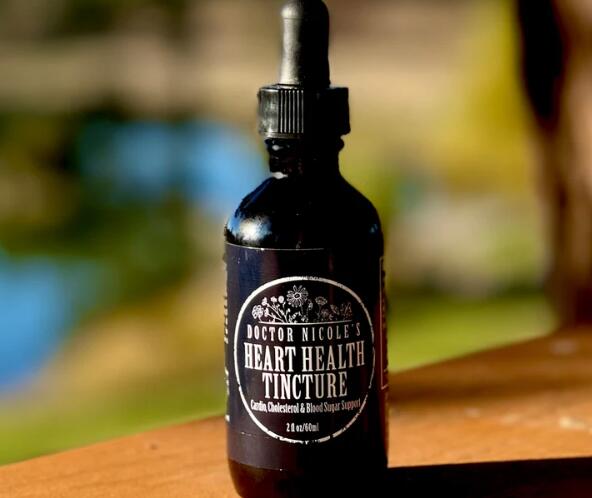
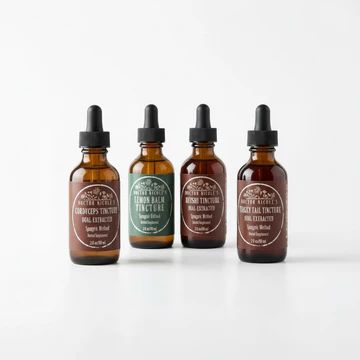
Nicole’s Heart Health Blend brings these exact herbs together in one ready-made tincture, so you don’t have to source, measure, tincture, strain, or guess.
Fenugreek simply has the strongest direct cholesterol story of the four.
6. Berberine-Containing Plants
This is where you move beyond everyday foods into something far more biologically active.
Berberine is a bitter yellow compound found in plants such as barberry and goldenseal. Human research has linked it with improvements in LDL cholesterol, triglycerides, and blood-sugar metabolism.
Unlike fiber, berberine appears to work through deeper metabolic pathways, including ones involved in LDL-receptor activity and glucose handling.
That potency is also why you need to treat it differently from something like oats or flaxseed. Berberine can interact with medications, so it’s one to use thoughtfully rather than casually stacking on top of everything else.
So this is one of those herbs where “natural” absolutely doesn’t mean “take as much as you want.”
Everyone says to eat more plants.
But getting the right ones every day is harder than it sounds.
But unless they were chopped into dust and packed into one scoop, good luck fitting that into your day.
If you’re looking for such a powerful herbal blend, I’ve got your back.
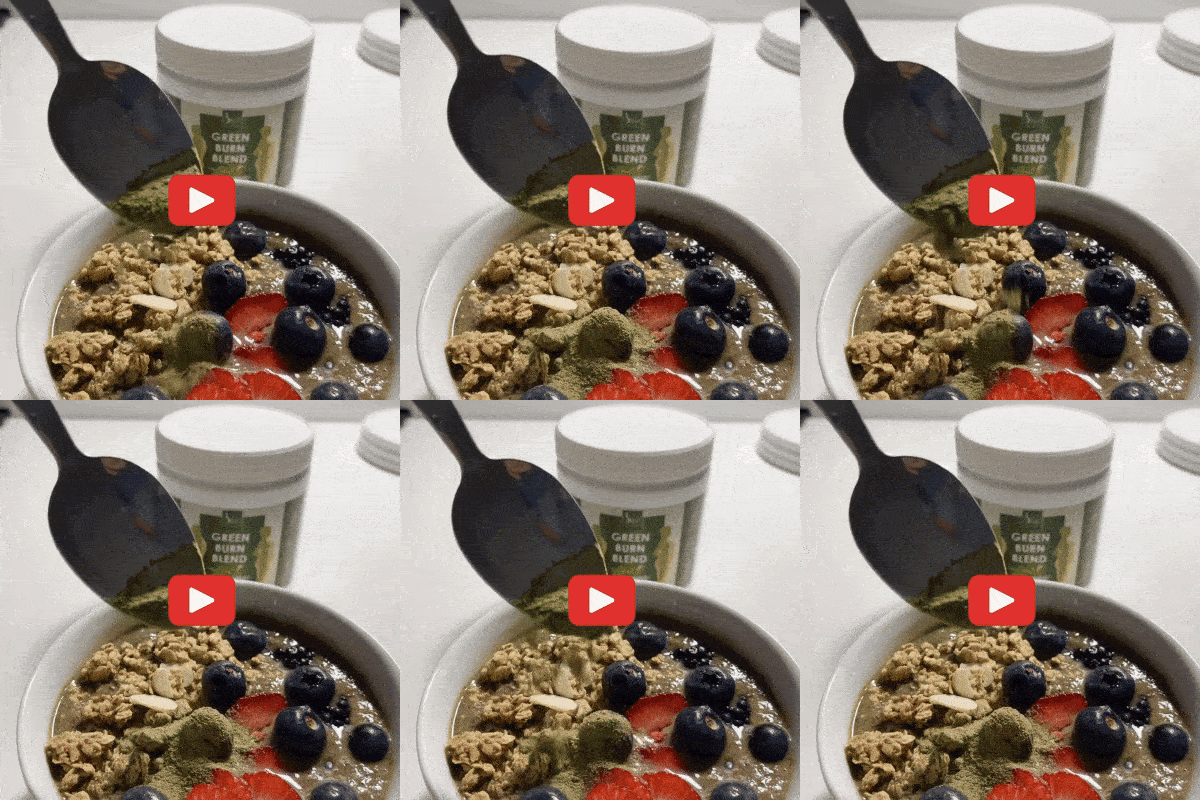
I found one that combines 48 plants and mushrooms in one scoop, including herbs and superfoods traditionally used to support metabolism, gut health, energy, cravings, and daily wellness.
7. Green Tea — And Herbs That Support the Bigger Picture
Green tea deserves a spot here because it has something the next few herbs don’t: direct human evidence involving cholesterol.
Its catechins, including EGCG, have been linked with small reductions in LDL and total cholesterol. And if your cup of green tea replaces a sugary coffee or soda, you’re helping your metabolic health from two directions at once.
But cholesterol isn’t just about LDL.
When you’re exhausted, stressed, sleeping badly, or constantly reaching for comfort food, staying consistent with healthy habits gets much harder. That’s why you can also boost your tea ritual with herbs that support the bigger picture.
Cordyceps
If low energy keeps getting in the way of your routine, Cordyceps may be worth looking at. Human research has found improvements in certain markers of exercise performance and physical resilience.
So while it isn’t directly lowering your cholesterol, it may help support the energy you need to stay active and keep better habits going.
Reishi
Reishi fits better when fatigue starts wearing you down.
Human research has linked standardized Reishi extracts with improvements in fatigue and general well-being. That matters because when you feel better, it’s often easier to stay consistent with movement, meals, and the routines that support cardiovascular health.
Think of it as supporting the person managing the cholesterol, not the cholesterol itself.
Turkey Tail
Turkey Tail works from a completely different angle: your gut.
Its natural polysaccharides have been shown to behave like prebiotics, helping influence the balance of microbes living in your digestive system.
And because your gut interacts with metabolic and immune processes throughout your body, supporting it can become another useful piece of your whole-body health strategy.
Lemon Balm
Then there’s something that can quietly wreck even the best routine:
Stress.
Lemon Balm has long been used as a calming herb, and human research has found promising effects on calmness, stress, and anxiety symptoms.
So if stress is what sends you toward comfort food, restless nights, and skipped workouts, supporting a calmer state may help you protect the habits that support healthier cholesterol in the first place.
Nicole Apelian knows cholesterol is not just about one number on a blood test.
Your heart, blood pressure, blood sugar, energy, stress, gut, and daily habits all work together to keep you going. When one of those starts slipping, the whole system can feel harder to manage.
That’s why she put together the Heart, Blood Pressure & Blood Sugar Bundle.
It brings together the bigger-picture plants from this section — Cordyceps, Reishi, Turkey Tail, and Lemon Balm — along with her Heart Health Blend, so you can support cardiovascular and metabolic wellness from several angles at once.
And because they come bundled together, you also get them for less than buying each bottle separately.
Simple. Convenient. Thoughtful.
Exactly the kind of support you want for one of the most important systems keeping you alive.
Don’t Wait Until Your Body Forces You to Pay Attention
Here’s the unsettling thing about high LDL: you can feel completely fine while your numbers quietly move in the wrong direction.
So if your bloodwork is already giving you a warning, don’t just file it away and wait for the next test.
Start building better habits now. Bring more of these plants into your routine, support your metabolism, move more, and pay attention to what your numbers are telling you.
Because the best time to support your cardiovascular health isn’t when your body finally demands your attention.
It’s while you still feel good enough to do something about it.
We use cookies to ensure that we give you the best experience on our website. If you continue to use this site, we will assume that you are happy with it.
Functional Always active
The technical storage or access is strictly necessary for the legitimate purpose of enabling the use of a specific service explicitly requested by the subscriber or user, or for the sole purpose of carrying out the transmission of a communication over an electronic communications network.
Preferences
The technical storage or access is necessary for the legitimate purpose of storing preferences that are not requested by the subscriber or user.
Statistics
The technical storage or access that is used exclusively for statistical purposes.The technical storage or access that is used exclusively for anonymous statistical purposes. Without a subpoena, voluntary compliance on the part of your Internet Service Provider, or additional records from a third party, information stored or retrieved for this purpose alone cannot usually be used to identify you.
Marketing
The technical storage or access is required to create user profiles to send advertising, or to track the user on a website or across several websites for similar marketing purposes.