
‘I’m a Pharmacist… These Are The Biggest SCAM Medications’
Ever find yourself staring at a mountain of cough syrups, laxatives, and sleep aids, wondering if any of them really work?
Licensed pharmacist Grant Harting recently went viral by bluntly labeling some over-the-counter (OTC) medicines as “scams”. He isn’t saying the pills are dangerous, just that they often cost a lot for very little benefit. Before you stock up on expensive branded formulas, hear him out.
That’s why I looked beyond the glossy boxes and inflated price tags. From simple herbs to everyday kitchen staples, nature offers practical alternatives that may support many of the same common complaints, without replacing one overhyped sales pitch with another.
Keep reading to discover which natural remedies may actually be worth your time.
Disclaimer: The claims attributed to pharmacist Grant Harting are his opinions. The Lost Herbs does not independently verify all statements or endorse characterizations of medications. This article is educational only and not medical advice. Do not stop taking any medication without consulting your healthcare provider. Herbal remedies are complementary supports, not treatments for medical conditions. Always consult a licensed healthcare professional before starting supplements, especially if you take medications or have existing health conditions.
Sleep Pills VS Plants that Promote Sleep
In one TikTok, Harting quips about the popular sleep aid ZzzQuil: “It’s not really a scam because it is effective, but this is just an antihistamine mixed with alcohol.”. In other words, ZzzQuil’s secret sauce is simply diphenhydramine (the same active ingredient in many cheap antihistamines) and a dash of booze. It works for a night or two, sure, but you’re paying more for the name.
He advises: skip the fancy bottle and grab a generic instead.
You can also check out chamomile or Valerian: Diphenhydramine can knock you out, but it may also cause dry mouth, dizziness, and even constipation. Happily, Mother Nature has gentle sleep aids that may help you: chamomile or passionflower tea before bed, or valerian root supplements, are traditional sleep helpers.
Imagine chamomile, passionflower, and valerian working together in one tincture.
You can make it yourself: add the dried herbs to a clean jar, cover them with alcohol or glycerin, let it infuse for several weeks, shake it often, then strain it.
But that means waiting 4–6 weeks before you even start using it. And the herbs need to be good quality, or the whole thing is a waste.
Nicole already made that blend for you.
Her Sleep Blend Tincture brings together valerian, passionflower, chamomile, and hops in a ready-made bottle for nights when your body needs help settling down. Try it out today!
A warm cup of chamomile with a teaspoon of honey can calm racing thoughts. Magnesium (as a supplement or Epsom-salt bath) is another drug-free option to ease you into dreamland. These herbal rituals take a bit longer to work than a sleepy pill, but they may still help your body with the sleep cycle, and it’s not known that they create addiction.
Ditch the Laxative Pills (Colace) – Embrace Fiber
Harting next points out a shocker about the stool softener Colace (active ingredient: docusate). He cites a 2021 clinical review of seven trials (spanning 1956–2021) that found “no significant difference” between docusate and a sugar pill.
In plain terms: Colace may work no better than nothing. Researchers concluded it’s not different from placebo. Ouch.
So instead of reaching for that gelcap, load up on fiber and hydration. Start your day with a handful of prunes, figs or an applesauce – all high in soluble fiber and natural laxatives (prunes contain sorbitol) to soften stool.
Sprinkle a spoon of ground flaxseed or psyllium husk on your breakfast cereal or yogurt. These plant fibers swell in your gut, gently bulking up stool and making it easier to pass. Drinking plenty of water is key; fiber without fluids can worsen constipation. Some people find warm lemon water or ginger tea in the morning gets things moving, too.
A few drops of this gut-soothing tincture with peppermint tea may also help calm that heavy, bloated, “nothing is moving right” feeling.
If you really need an extra kick, a short course of herbal senna tea (a gentle plant-derived laxative) may do the trick. Always listen to your body – if things are slow, up the fiber, and let these age-old remedies do the work.
Cough Syrups & Decongestants: Low-Cost Natural Ways to Support Comfort During a Cold
Let’s talk junk science in cold medicine. Harting calls out Mucinex (guaifenesin) and Sudafed PE (phenylephrine) as big pricers with underwhelming results.
A recent FDA review confirms that oral phenylephrine is no better than a placebo at relieving nasal congestion. The body simply metabolizes it before it can do much.
Harting bluntly labels store-brand Sudafed (PE) as “complete trash… [it] just doesn’t work.”.
He suggests that if you really need a decongestant, ask your doc for prescription Sudafed (pseudoephedrine), which can work – though it isn’t suitable for those with high blood pressure.
For mucus and coughs, he notes guaifenesin hasn’t lived up to the hype either. A study in adolescents with bronchitis found no difference between guaifenesin and placebo in clearing coughs. Harting’s verdict: “This just isn’t helpful for breaking up gunk in the lungs.”.
Instead of these pricey bottles, you may choose to turn to humidify & herbs: A cool-mist humidifier or steamy shower can loosen congestion.

Keep sipping fluids – herbal teas like thyme or eucalyptus-infused tea are traditional expectorants.
The same goes for mullein and lungwort lichen. These two are special when your lungs feel loaded and your chest needs support. Click here to read what they do.
Inhaling steam with a few drops of eucalyptus or peppermint oil can temporarily create a sensation of easier breathing (think natural Vicks!). These remedies may soothe symptoms without the drowsiness, headaches, or heart-racing jitters that decongestant pills often carry.
Forget “Memory Supplements” – Trust Your Brain (and Bacopa)
Harting doesn’t spare the “brain boosters” either. He even calls the popular supplement Prevagen “a scam, full stop. It just doesn’t do anything.”.
In fact, the Federal Trade Commission and New York State AG have charged Prevagen’s makers with false advertising, accusing them of making “false and unsubstantiated claims” about memory benefits. That’s regulatory speak for “buyer beware.”
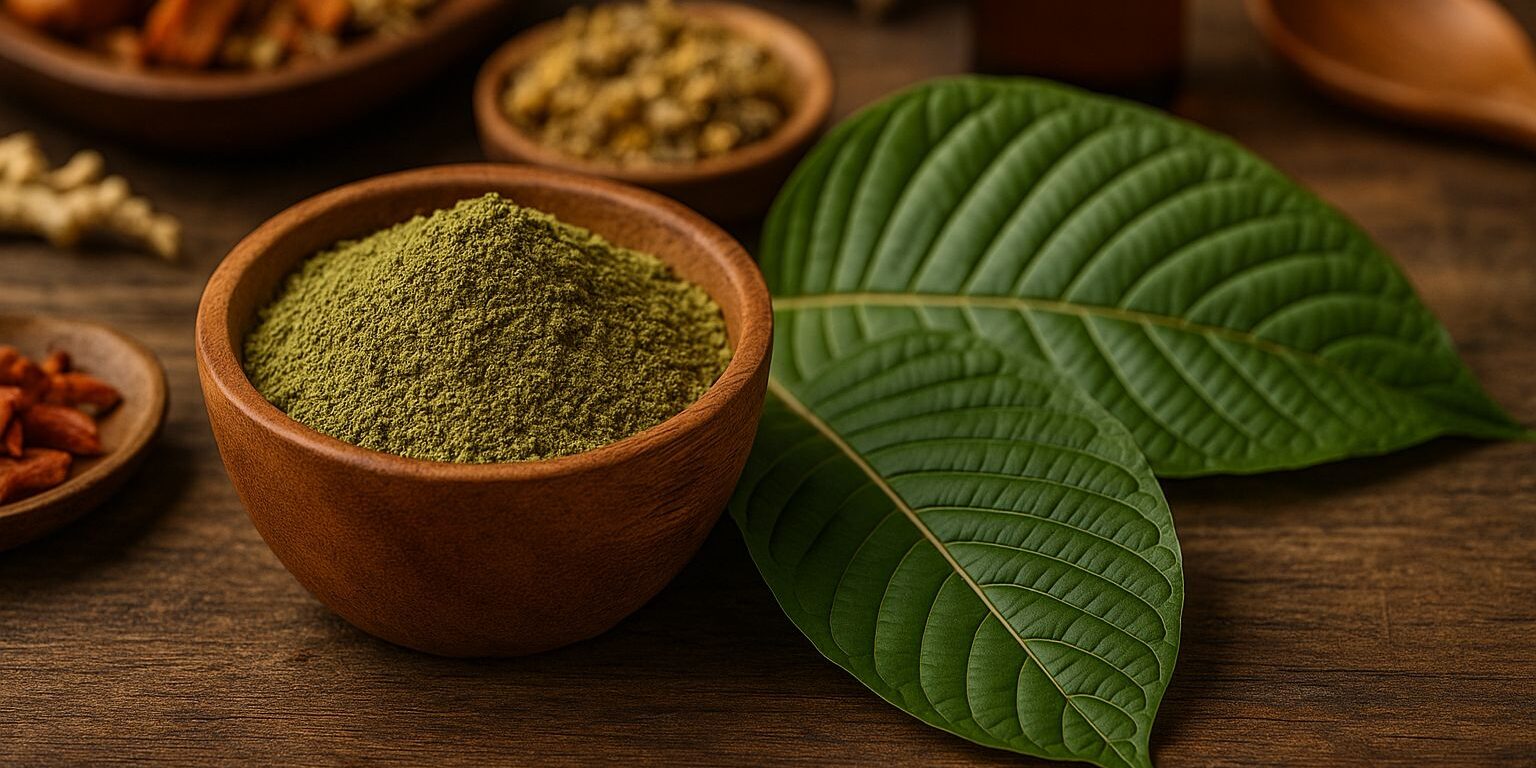
Instead of sinking cash into sketchy pills, nurture your mind with proven botanical helpers. Bacopa monnieri (Brahmi) has centuries of use in Ayurveda for memory and focus.
Modern reviews note “improvements in verbal learning, delayed word recall, [and] memory acquisition” with Bacopa use.
Likewise, Centella asiatica (Gotu kola) and ginkgo biloba have mild evidence for boosting cognition and circulation to the brain.
Even a dash of rosemary or drinking green tea provides antioxidants and neuroprotective compounds (rosemary aroma is traditionally linked to memory alertness).
Lion’s Mane is one of the mushrooms I’d take seriously for long-term brain support.
It has a long history of use, and today it’s getting attention for the way it may support nerve growth factor and cognitive health.
If you can find it in the forest and identify it correctly, amazing.
But if you don’t want to forage, dry, and tincture it yourself, Nicole’s Lion’s Mane Tincture is the ready-made version I’d use.
I’ve tried it myself, and this is one mushroom I actually felt was worth keeping around. Get Lion’s Mane Tincture here.
Beyond herbs, never underestimate basic brain care: get enough sleep, manage stress (try lavender aromatherapy for calm), and exercise your mind and body. A daily walk and a few puzzle games can do wonders.
These lifestyle- and plant-based approaches won’t guarantee photographic memory, but they may help your mind feel sharper more than an expensive empty capsule ever will.
Pain Patches & Gels: Spice It Up Naturally
Finally, the big-ticket pain items. Harting points out that 5% lidocaine patches cost an eye-watering $280 for 30 sheets, while the 4% version is far cheaper yet nearly as effective.
He calls this “insane” markup – and he’s right. Similarly, he’s skeptical of expecting instant relief from anti-inflammatory gels like Voltaren (diclofenac) – studies say it often takes days of consistent use to feel an effect.
Instead, consider natural remedies for aches and pains. Capsaicin – the fiery compound in chili peppers – has real science behind it for pain relief. (It’s what makes “hot” peppers hot!)
Topical capsaicin creams “demonstrated significant benefit” in neuropathic and musculoskeletal pain compared to placebo. It works by desensitizing pain fibers over time.
You can make a simple homemade rub by mixing red pepper powder or chili oil with a carrier oil (be careful not to get it in your eyes!). Or look for over-the-counter capsaicin patches/creams – just apply gloves and avoid contact with cuts. They might tingle or burn at first, but many users report relief after a few applications.
Turmeric (curcumin) is another herbal heavyweight against pain. Studies have found turmeric’s anti-inflammatory power comparable to some NSAIDs for arthritis pain. Try stirring a teaspoon of turmeric into warm milk or your coffee (“golden milk” recipe), or take it as a supplement.
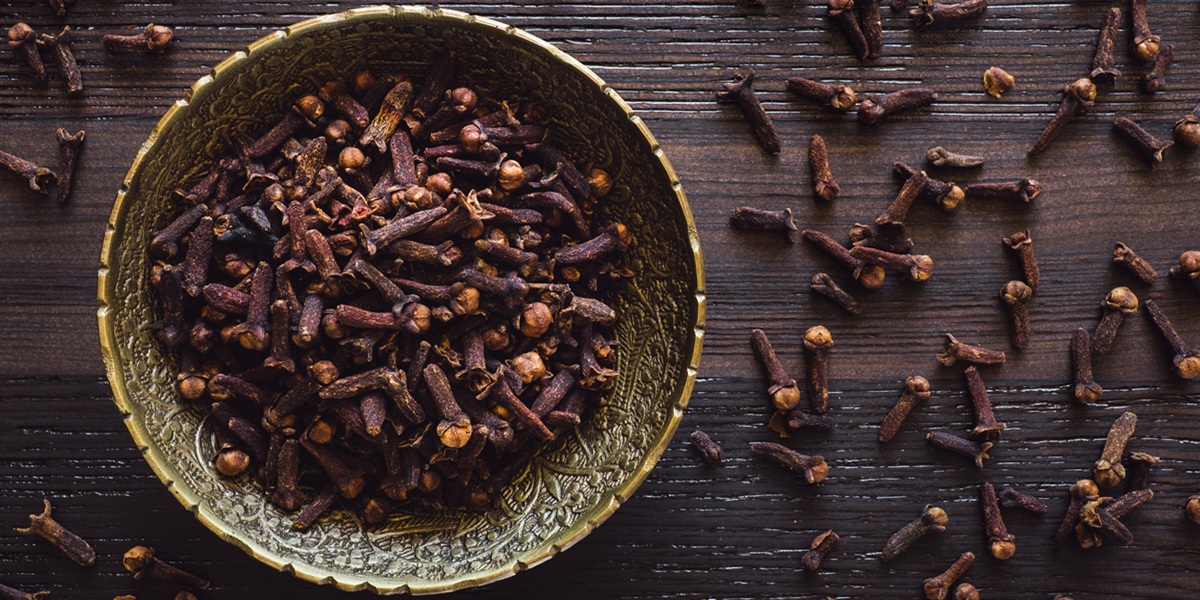
Ginger, willow bark, and willow leaf (the original “plant aspirin”) are also known to ease inflammation – for example, ginger tea helps more than just an upset stomach. Aromatherapy with peppermint or clove oil can numb headaches.
Even a warm Epsom salt bath (magnesium sulfate) can relax tight muscles. The key is consistency: these remedies work best as part of a daily routine, not instant fixes.
And if you want to go beyond an oil, make a salve.
It’s not complicated. You infuse the herbs into oil, warm it gently, strain it, add beeswax, and pour it into a tin. That gives you something thicker, cleaner, and easier to rub exactly where you need it.
But capsaicin is no joke. Too much cayenne can make your skin feel like it’s on fire, and getting the balance right matters.
That’s why Nicole Apelian released her Joint & Movement Salve. It already brings together cayenne with herbs like calendula, arnica, St. John’s wort, cottonwood buds, frankincense, and helichrysum.
It’s strong, warming, and the kind of salve you use carefully. Try out theJoint & Movement Salve here.
💡 Herbal Rescue Tip: The next time pain strikes, reach for a warming spice instead of a pricey gel. A paste of turmeric and honey or a hot ginger compress might take a few hours to kick in, but you won’t get any chemical burn or liver warning on the label. The easier version is Nicole’s salve above. Over time, such habits may cut your dependence on medicated creams (when not needed) and protect your health.
The Bottom Line
No one’s saying ditch all modern medicine. But it pays to know which OTC products really earn their keep, and which are mostly marketing.
Pharmacist Harting’s blunt verdict helps shine light on the pills you don’t need. And while herbs aren’t miracle cures, many have centuries of use and growing scientific support for easing the same symptoms.
At worst, a cup of calming chamomile or a bowl of prunes won’t hurt you – but chasing overpriced “cures” might waste your money and add side effects.
Think of it this way: herbal remedies often work gently and holistically. Chamomile tea won’t knock you out like a pill, but over time it can improve sleep without grogginess.
A spoonful of psyllium husk fiber may take a few days to normalize digestion, but it’s cheap and all-natural. And spending moments brewing ginger tea or deep-breathing lavender can reduce stress – something no pill can bottle.
Our health is priceless, but our choices are powerful. Next time you’re tempted by a flashy OTC product, ask yourself: “Is this evidence-backed, or is nature offering me an alternative cheaper way?” Your body – and wallet – will thank you.
This is exactly why I like having a real home apothecary book on the shelf.
For serious problems, yes — get proper medical help and follow professional guidance.
But for the smaller things that make you reach for another OTC bottle every month, it helps to know your options.
The Forgotten Home Apothecary gives you 250+ remedies organized by body system, with step-by-step instructions, pictures, measurements, and dosages.
And right now, you also get the bonus guides: The Lost Skills of the Great Depression, Healing Yourself with Household Items, DIY Projects for a World Without Electricity, plus Nicole’s Herbal Medicine Video Collection.
So you’re not just getting a book. You’re getting a whole home remedy shelf you can open whenever something mild shows up and you want a more natural first step.
Get the book here while the bonus gifts are still included.
You may also like:
The ‘Nerve Oil’ You Should Use For Shaky Hands
No Prescription Needed! 10 Natural “Antibiotics” (Video)
This is How My Grandma Made Antibiotics
When Pharmacies Are No Longer an Option
🌿 Join The Lost Herbs Inner Circle For Free. 👉 Click here!
References:
DailyMed. ZZZQUIL NIGHTTIME SLEEP-AID — diphenhydramine hydrochloride liquid; active ingredient diphenhydramine HCl 50 mg, with alcohol listed among inactive ingredients. https://dailymed.nlm.nih.gov/dailymed/drugInfo.cfm?setid=e441c952-cd48-4159-ada2-271ca7541600
Sateia MJ, Buysse DJ, Krystal AD, Neubauer DN, Heald JL. Clinical Practice Guideline for the Pharmacologic Treatment of Chronic Insomnia in Adults: An American Academy of Sleep Medicine Clinical Practice Guideline (2017). https://pubmed.ncbi.nlm.nih.gov/27998379/
Mayo Clinic. Sleep aids: Understand options sold without a prescription. https://www.mayoclinic.org/healthy-lifestyle/adult-health/in-depth/sleep-aids/art-20047860
Bent S, Padula A, Moore D, Patterson M, Mehling W. Valerian for sleep: a systematic review and meta-analysis (2006). https://pubmed.ncbi.nlm.nih.gov/17145239/
Fernández-San-Martín MI, et al. Effectiveness of Valerian on insomnia: a meta-analysis of randomized placebo-controlled trials (2010). https://pubmed.ncbi.nlm.nih.gov/20347389/
Shekhar HC, et al. Standardized Extract of Valeriana officinalis Improves Sleep Quality in Subjects With Mild Insomnia Symptoms: A Randomized, Double-Blind, Placebo-Controlled Clinical Study (2024). https://pubmed.ncbi.nlm.nih.gov/37899385/
McRorie JW, et al. S190 Docusate Is Not Different From Placebo for Stool Softening: A Comprehensive Review (2021). https://journals.lww.com/ajg/fulltext/10.14309/01.ajg.0000773232.60122.be~s190docusate-is-not-different-from-placebo-for-stool
Tarumi Y, et al. Randomized, double-blind, placebo-controlled trial of oral docusate in the management of constipation in hospice patients (2013). https://pubmed.ncbi.nlm.nih.gov/22889861/
Chang L, et al. AGA-ACG Clinical Practice Guideline: Pharmacological Management of Chronic Idiopathic Constipation (2023). https://pmc.ncbi.nlm.nih.gov/articles/PMC10542656/
van der Schoot A, et al. The Effect of Fiber Supplementation on Chronic Constipation in Adults: An Updated Systematic Review and Meta-analysis of Randomized Controlled Trials (2022). https://pubmed.ncbi.nlm.nih.gov/35816465/
Mueller-Lissner S, et al. Multicenter, 4-week, double-blind, randomized, placebo-controlled trial of sodium picosulfate in patients with chronic constipation (2010). https://pubmed.ncbi.nlm.nih.gov/20179697/
Attaluri A, Donahoe R, Valestin J, Brown K, Rao SSC. Randomised clinical trial: dried plums (prunes) vs. psyllium for constipation (2011). https://pubmed.ncbi.nlm.nih.gov/21323688/
Koyama T, et al. Prune Juice Containing Sorbitol, Pectin, and Polyphenol Ameliorates Subjective Complaints and Hard Feces While Normalizing Stool in Chronic Constipation: A Randomized Placebo-Controlled Trial (2022). https://pubmed.ncbi.nlm.nih.gov/35971232/
Morishita D, et al. Senna Versus Magnesium Oxide for the Treatment of Chronic Constipation: A Randomized, Placebo-Controlled Trial (2021). https://pubmed.ncbi.nlm.nih.gov/32969946/
Bayer SB, et al. Two Gold Kiwifruit Daily for Effective Treatment of Constipation in Adults—A Randomized Clinical Trial (2022). https://pubmed.ncbi.nlm.nih.gov/36235798/
Hoffer-Schaefer A, et al. Guaifenesin has no effect on sputum volume or sputum properties in adolescents and adults with acute respiratory tract infections (2014). https://pubmed.ncbi.nlm.nih.gov/24003241/
U.S. Food and Drug Administration. FDA Proposes Ending Use of Oral Phenylephrine as OTC Monograph Nasal Decongestant Active Ingredient After Extensive Review (2024). https://www.fda.gov/news-events/press-announcements/fda-proposes-ending-use-oral-phenylephrine-otc-monograph-nasal-decongestant-active-ingredient-after
U.S. Food and Drug Administration. Current Status of Oral Phenylephrine as a Nasal Decongestant (2024). https://www.fda.gov/drugs/news-events-human-drugs/current-status-oral-phenylephrine-nasal-decongestant-dr-theresa-michele-and-dr-ilisa-bernstein
U.S. Food and Drug Administration. FDA clarifies results of recent advisory committee meeting on oral phenylephrine (2023). https://www.albme.gov/press-release/fda-clarifies-results-of-recent-advisory-committee-meeting-on-oral-phenylephrine
Castillo JL, et al. The Use and Efficacy of Oral Phenylephrine Versus Placebo for the Treatment of Nasal Congestion due to Allergic Rhinitis: A Systematic Review (2023). https://pmc.ncbi.nlm.nih.gov/articles/PMC10730950/
Kassel JC, et al. Saline nasal irrigation for acute upper respiratory tract infections (Cochrane review). https://pubmed.ncbi.nlm.nih.gov/25892369/
Abuelgasim H, et al. Effectiveness of honey for symptomatic relief in upper respiratory tract infections: a systematic review and meta-analysis (2021). https://pubmed.ncbi.nlm.nih.gov/32817011/
Federal Trade Commission. FTC, New York State Charge the Marketers of Prevagen With Making Deceptive Memory and Cognitive Improvement Claims (2017). https://www.ftc.gov/news-events/news/press-releases/2017/01/ftc-new-york-state-charge-marketers-prevagen-making-deceptive-memory-cognitive-improvement-claims
Federal Trade Commission. Quincy Bioscience Holding Company — case summary. https://www.ftc.gov/legal-library/browse/cases-proceedings/152-3206-quincy-bioscience-holding-company
New York State Attorney General. Attorney General James Wins Trial Against Quincy Bioscience for Deceptive and Fraudulent Marketing of Prevagen (2024). https://ag.ny.gov/press-release/2024/attorney-general-james-wins-trial-against-quincy-bioscience-deceptive-and
Pase MP, et al. The cognitive-enhancing effects of Bacopa monnieri: a systematic review of randomized, controlled human clinical trials (2012). https://www.ncbi.nlm.nih.gov/books/NBK114917/
Kongkeaw C, et al. Meta-analysis of randomized controlled trials on cognitive effects of Bacopa monnieri extract (2014). https://pubmed.ncbi.nlm.nih.gov/24252493/
Basheer A, et al. Use of Bacopa monnieri in the Treatment of Dementia Due to Alzheimer Disease: A Systematic Review (2022). https://pubmed.ncbi.nlm.nih.gov/35612544/
DailyMed. Lidocaine patch 5% — indicated for relief of pain associated with post-herpetic neuralgia. https://dailymed.nlm.nih.gov/dailymed/lookup.cfm?setid=fc495fc8-15d6-27c7-e053-6394a90ab30d
DailyMed. LIDOCAINE 4% PATCH — OTC label. https://dailymed.nlm.nih.gov/dailymed/drugInfo.cfm?setid=c31957dd-edea-ce98-e053-2a95a90a9c2d
DailyMed. Diclofenac Sodium Topical Gel 1% — label stating the product may take up to 7 days to work and is not for immediate relief. https://dailymed.nlm.nih.gov/dailymed/drugInfo.cfm?setid=043df5d2-6f3e-311f-e063-6294a90a23d7
Mason L, et al. Systematic review of topical capsaicin for the treatment of chronic pain (2004). https://pmc.ncbi.nlm.nih.gov/articles/PMC404499/
DailyMed. ORAJEL 4X MEDICATED FOR TOOTHACHE AND GUM — benzocaine 20% label. https://dailymed.nlm.nih.gov/dailymed/drugInfo.cfm?setid=999851ac-925c-7d1f-e053-2a95a90a240b
Hersh EV, et al. An evaluation of 10 percent and 20 percent benzocaine gels in patients with acute toothache pain (2013). https://pubmed.ncbi.nlm.nih.gov/23633700/
de Freitas GC, et al. Efficacy of Benzocaine 20% Topical Anesthetic Compared to EMLA® in Reducing Pain Associated with Needle Insertion in Adult Volunteers (2015). https://pubmed.ncbi.nlm.nih.gov/26061572/
NCBI Bookshelf. Eugenol (Clove Oil). https://pubmed.ncbi.nlm.nih.gov/31869191/
Reddy MS, et al. Analgesic Efficacy of Phytotherapeutic Agents in Dental Pain: A Systematic Review (2025). https://pubmed.ncbi.nlm.nih.gov/41322706/