
Clogged Arteries? Read This.
No one wants to think about fat, cholesterol, calcium, and cellular debris building up inside their arterial walls. But that buildup can begin long before you actually feel anything is wrong.
That is what makes clogged arteries so easy to ignore.
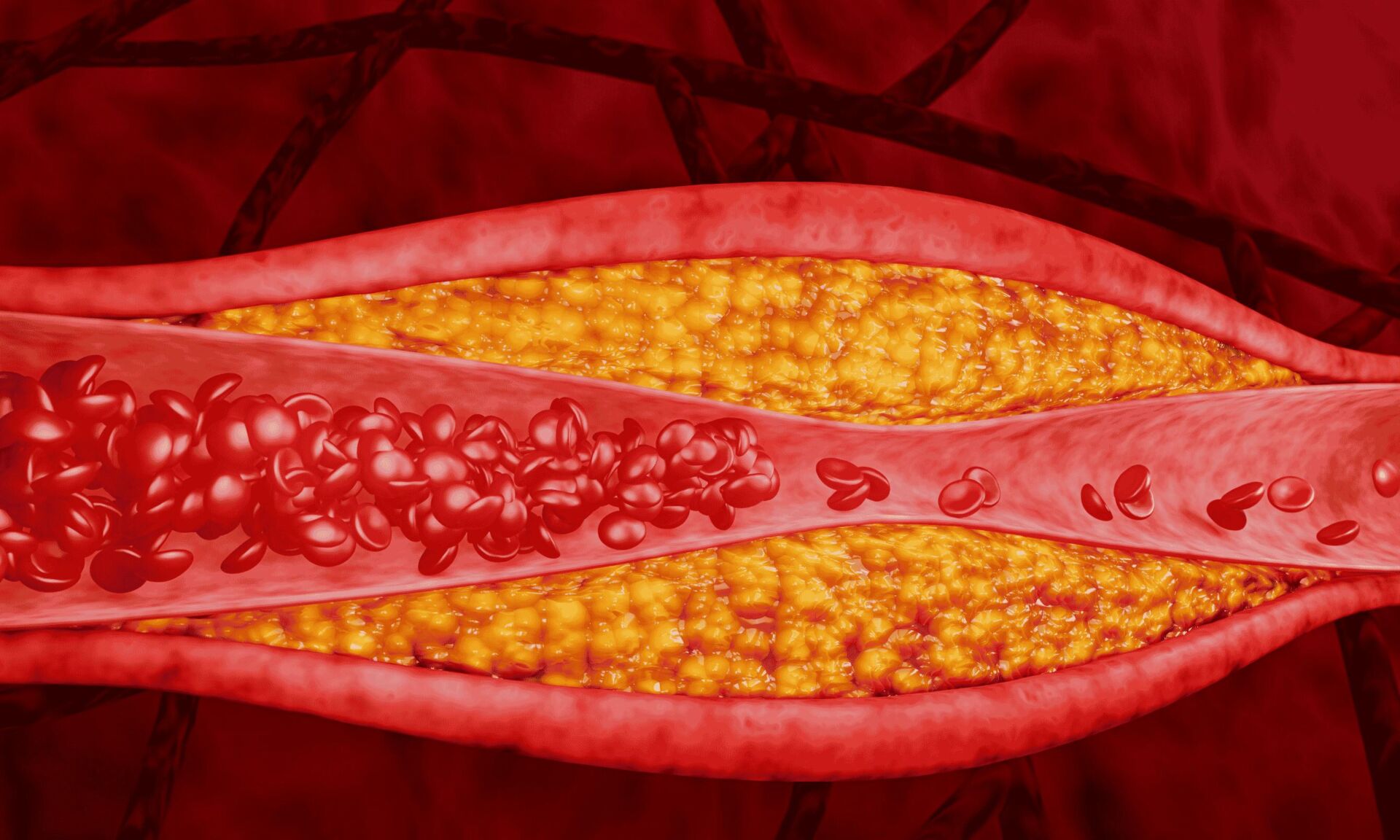
Early atherosclerosis can be remarkably quiet. You may feel completely normal while plaque gradually develops inside the artery wall and blood vessels become narrower and less flexible.
As that buildup progresses, blood flow can become restricted, placing more strain on the heart and increasing the risk of serious cardiovascular problems, including heart attack and stroke.
So this is one of those health issues you do not want to wait to “feel.”
What Causes Clogged Arteries?
Your blood naturally carries cholesterol, fats, calcium, and other substances throughout the body. Problems begin when some of these materials accumulate within damaged or inflamed artery walls.
LDL cholesterol plays an especially important role.
Over time, plaque can grow, arteries can harden and narrow, and blood may have less room to move freely.
Lifestyle matters too. Smoking, high blood pressure, diabetes, inactivity, and an unhealthy diet can all push that process in the wrong direction.
And because early plaque often causes no obvious symptoms, many people only start paying attention after their numbers have already been elevated for years.
Why Atherosclerosis Deserves Your Attention
Your organs depend on a steady supply of oxygen-rich blood.
When plaque interferes with that flow, the consequences depend on which arteries are affected. The heart, brain, kidneys, and legs can all suffer when circulation becomes restricted.
In advanced cases, plaque can also rupture and trigger a blood clot, potentially leading to a heart attack or stroke.
That sounds serious because it is.
But it is also exactly why what you do now matters.
Regular movement, quitting smoking, improving your diet, getting enough soluble fiber, controlling blood pressure and blood sugar, and knowing your cholesterol numbers can all help change the environment in which atherosclerosis develops.
Most people wait until they feel chest pain to act. But there are subtle signs that your arteries are in trouble long before that.
And if you knew what to avoid, what to stop eating, and what small daily habits make the biggest difference… there is still time to improve the risk factors you can control.

That’s why I keep The Holistic Guide to Wellness close.
It doesn’t just throw herbs at the problem—it gives you a step-by-step protocol for:
- spotting early red flags in your cardiovascular health
- supporting healthy inflammatory balance
- and creating a simple daily routine that supports your heart, even if the system fails
👉 Grab the guide here—and start protecting your heart before it’s too late.
For generations, herbal traditions have used certain plants to support the heart, circulation, blood vessels, and healthy aging. Today, many of those same herbs are being explored for their effects on cholesterol, blood pressure, inflammation, circulation, and vascular function.
Used intelligently, some may give your cardiovascular system useful support while you work on the bigger factors driving plaque formation.
Here are the ones worth knowing:
Bilberry: Tiny Berry, Serious Plant Pigments
You probably know its cousin, the blueberry.
Bilberry is darker, smaller, and famously rich in anthocyanins, the blue-purple pigments that give these berries their color.
Those pigments are part of what makes bilberry so interesting for vascular health.
Anthocyanins have antioxidant and anti-inflammatory properties and have been investigated for their effects on endothelial function, the ability of blood vessels to relax and respond properly.
Traditionally, bilberry has also been associated with capillary and circulation support.
And this one is wonderfully easy.
Frozen berries count.
Fresh berries count.
You can toss them into oatmeal, yogurt, smoothies, or simply eat them by the handful.
Hawthorn: One of Herbalism’s Classic Heart Plants
If you asked an old-school herbalist to name a plant associated with the heart, hawthorn would probably come up very quickly.
Hawthorn berries, leaves, and flowers have a long history of traditional use as a cardiovascular tonic. Herbalists have traditionally turned to it to support circulation, heart function, and the strength of the cardiovascular system.
And modern research gives us a few reasons to understand why.
Hawthorn contains flavonoids, phenolic compounds, and other plant chemicals that may support blood-vessel function and circulation. Research on hawthorn has also explored its effects on lipids, inflammation, blood clotting, ischemic stress, and cardiovascular function.
Hawthorn may help your cardiovascular function, which is beneficial against arrhythmia.
But here’s the thing… consistency matters. And let’s be honest… most people don’t have time to forage berries or brew daily decoctions.
That’s why I keep the Heart Health Blend Tincture on hand. It’s a hawthorn-based formula that’s been carefully enhanced with Tulsi, Fenugreek, and Bilberry—a formula built around herbs traditionally used for cardiovascular and metabolic support.
You get the heart-toning effects of hawthorn, plus the added support from the other herbs—without having to lift a pot.
If your energy has been dipping lately, if you’ve felt exhausted quicker than you used to, or if you simply want to support your ticker before it’s too late, this blend is worth looking into.
👉 Click here to try the Heart Health Blend Tincture.
And hawthorn works beautifully as a “slow ritual” herb. It is not the kind of plant you drink once and expect fireworks from. It is traditionally used consistently.
If you’re already using cardiovascular medications, however, hawthorn is one herb you should discuss with your healthcare provider before taking concentrated extracts because its cardiovascular effects can overlap with certain medications.
Olive Leaf: A Different Side of the Olive Tree
Olive oil gets most of the attention, but olive leaf has its own cardiovascular appeal.
Rich in compounds such as oleuropein, olive leaf has been traditionally used as a tonic and may help support healthier blood pressure and vascular function.
In clinical research, concentrated olive leaf extract at around 1,000 mg daily was associated with meaningful reductions in both systolic and diastolic blood pressure.
It is usually taken as an extract or tea, but if you already use blood-pressure medication, concentrated forms deserve extra caution.
Artichoke Leaf: The Bitter Herb Your Cholesterol May Appreciate
Artichoke leaf has traditionally been used for digestion, bile flow, and liver support, but it may also help your cholesterol.
A meta-analysis of nine clinical trials found artichoke extract was associated with lower total cholesterol, LDL cholesterol, and triglycerides, with LDL dropping by about 15 mg/dL on average.
If you want something more consistent than occasionally eating artichokes, standardized leaf extracts are commonly used.
Lemon Balm: Not Just a Bedtime Herb
I often mention lemon balm when it comes to relaxation and to help you “switch your brain off” at night.
But lemon balm deserves another look.
This soft, lemon-scented member of the mint family has traditionally been used for nervousness, tension, sleep, and digestive discomfort. And if stress is constantly keeping your system in overdrive, that calming effect alone can make lemon balm a useful plant to have around.
But researchers have also looked directly at metabolic and cardiovascular markers.
A pooled analysis of human trials found lemon balm supplementation was associated with reductions in total cholesterol, LDL cholesterol, HbA1c, and systolic blood pressure.
The blood-pressure change was small, so lemon balm is not some dramatic pressure-lowering herb.
What makes it interesting is the combination.
You get a plant traditionally valued for calming the nervous system that may also support several metabolic markers tied to cardiovascular health.
That makes a cup of lemon balm tea in the evening feel a little more purposeful.
Try steeping 1–2 teaspoons of dried lemon balm in hot water for around 5–10 minutes. It pairs wonderfully with chamomile if you want something gentle before bed.
Brewing fresh lemon balm tea sounds wonderful until you realize quality lemon balm isn’t exactly sitting on grocery store shelves.
And those tea bags at the supermarket? They’re not as convenient as a liquid extraction.
A proper tincture, just like this Lemon Balm Tincture, offers a concentrated dose – rosmarinic acid and all those cholesterol-fighting antioxidants on hand without brewing it each time.
Garlic: Your Kitchen May Already Have a Heart Herb
Garlic may be ordinary, but it is one of the better-researched herbs for cardiovascular support.
Garlic supplements may help modestly lower total and LDL cholesterol and may also support healthier blood pressure.
You can simply use more fresh garlic in soups, dressings, vegetables, and savory meals, while aged garlic extract offers a more concentrated option.
Just be cautious with concentrated supplements if you take aspirin, anticoagulants, or other medications that affect clotting.
Ginger: Warm, Simple, and Surprisingly Versatile
Ginger has long been used for circulation, digestion, and inflammation, and modern research suggests it may also support healthier blood pressure and lipid metabolism.
The easiest part? You can work it into your routine without another supplement. Slice fresh ginger into tea, grate it into meals, or add it to soups and dressings.
Turmeric: Think Beyond Joint Pain
Turmeric’s curcumin is best known for its antioxidant and anti-inflammatory effects, but those same properties also make it interesting for your arteries.
Atherosclerosis involves inflammation inside the artery wall, and curcumin has been studied for its effects on oxidative stress and endothelial function.
Use turmeric in soups, curries, eggs, rice, or tea. Concentrated curcumin supplements are much stronger, so be more cautious with them if you take blood-thinning medication.
Cordyceps: A Very Different Kind of Cardiovascular Ally
Cordyceps is technically a fungus, not an herb, but it’s one of my favorites.
In Traditional Chinese Medicine, cordyceps has long been valued as a tonic for vitality, endurance, and recovery.
Rather than thinking of cordyceps as a direct cholesterol herb, think of it more as a whole-body energy and resilience tonic.
Preclinical research has explored cordyceps and its compounds for heart protection, circulation, lipid metabolism, oxidative stress, and oxygen utilization.
But if your herbal cabinet is built around supporting stamina, aging, and resilience as well as cardiovascular health, cordyceps is one of the more interesting fungi to know.
Cordyceps got famous when it was featured in The Last of Us series. You know, that mushroom that supposedly takes control of your brain.
While the series is made for entertainment, it does contain a bit of truth: cordyceps actually interacts with your brain, and many other parts of your body.
Herbalists like Nicole Apelian knew long before the series what cordyceps does to your body. And she was promoting her Cordyceps Tincture, which has become one of her better-known mushroom tinctures.
Powders can be mixed into coffee, cocoa, or smoothies, while extracts and capsules offer a more concentrated option.
Ginkgo: When You’re Thinking About Circulation
Ginkgo is best known as a memory herb, but its effects on circulation are just as interesting.
Its flavonoids and terpenoids may support blood-vessel function and microcirculation, helping blood reach smaller vessels and tissues more efficiently.
Standardized extracts are commonly used, but concentrated ginkgo can affect platelet function, so use extra caution if you take blood-thinning medication.
Dandelion: Don’t Ignore the Weeds
Dandelion may be a common weed, but herbalists have long valued it for digestion, liver support, and fluid balance.
The leaves are naturally rich in potassium and have traditionally been used as a gentle diuretic, while the root is better known as a bitter digestive tonic.
You can add young leaves to salads, cook older greens, or drink roasted dandelion root as tea. It is not a major cholesterol herb, but it can still fit nicely into a heart-conscious herbal routine.
The Part You Shouldn’t Ignore
Atherosclerosis can progress quietly, so feeling fine doesn’t always tell you what’s happening inside your arteries.
Know your numbers: blood pressure, LDL cholesterol, and blood sugar. Then support them with the basics that matter most—movement, fiber-rich foods, less smoking exposure, and smart use of herbs.
🧠 If You Don’t Learn This Now… You’ll Wish You Had When It’s Too Late
You just read about 11 powerful herbs traditionally used for heart, circulation, and metabolic support. But knowing their names is only part of the skill.
But let’s be honest—will you actually remember how to use them tomorrow? Or next week?
That’s the problem.
Knowing the herbs means nothing… unless you know how to identify them, prepare them, and use them correctly.
And that’s exactly what you’ll learn inside The Lost Remedies Academy.
Take the remedy in the photo.
It may look like a smoothie, but it’s actually a medicinal juice traditionally used for cardiovascular health made from simple, powerful plants.
This is just one of the many remedies Nicole teaches you inside the Academy.
If you’ve ever felt your blood pressure creeping up…
If you have a family history of stroke, heart attacks, or cholesterol problems…
Then this recipe—along with dozens more—could be the difference you were looking for.
Inside the Academy, you’ll also discover:
- How to make heart-supporting traditional recipes from wild plants growing around your home
- How to make your own Lubricating Joint Juice
- A full-body herbal map to know exactly what to use and when
- How to brew anti-inflammatory teas, salves, and tinctures—even if you’ve never made a remedy before
These are the skills that keep you and your family safe when pharmacies go dry, or when help isn’t coming.
👉 Click here to join The Lost Remedies Academy now—before you need what’s inside.
If you already take cardiovascular medication, keep working with your healthcare provider. Herbs can support the bigger picture without replacing prescribed treatment.
The important part is to act. Every better meal, walk, and herbal habit gives your blood vessels another reason to thank you.
A Quick Herbalist’s Note: Heart and blood-pressure medications can interact with herbs. This matters especially with anticoagulants or antiplatelet drugs, blood-pressure medications, heart-rhythm medicines, diabetes drugs, and before surgery. If you already have diagnosed cardiovascular disease or take prescription medication, check concentrated herbal extracts with your doctor or pharmacist before adding them. Never stop or reduce prescribed cardiovascular medication based on an herb alone.
You may also like:
 Soothing Elixir For Cold and Flu Season
The Plant That Is Sweeter Than Sugar And Helps People With Diabetes (Video)
Licorice Root: What It Heals, How to Grow It, and When to Avoid It
Top 10 Anti-Inflammatory Herbs and Spices You Should Eat Every Day
Rub This Kitchen Spice on Your Joints Before Bed