
Trick or Treat Your Body Aches
Halloween comes once a year. But the little aches haunting your body? They don’t care what month it is.
You wake up with a stiff neck.
Your knees complain when you climb the stairs.
Your stomach decides to ruin a perfectly good dinner.
And just when you think you’ve had enough, a headache shows up to finish the job.
Sound familiar?
The worst part isn’t always the pain itself. It’s how these little aches slowly steal the things you enjoy.
Your afternoon walks. Your time in the garden. A good night’s sleep. Even sitting comfortably with your family.
And when something starts hurting, it’s tempting to head straight for the medicine cabinet.
But here’s something worth remembering.
Long before every household had shelves full of modern pain relievers, our grandparents knew which plants to reach for when everyday aches appeared.
Your body has been playing enough tricks on you. It’s time to discover a few herbal treats.
10. Headaches: When Your Head Won’t Give You a Break
Stress, tension, and poor sleep can leave you with a pounding headache that ruins your concentration and makes even simple tasks miserable.
But our ancestors had a little trick for this: peppermint.
Traditionally used for headache relief, properly diluted peppermint oil can provide a cooling sensation when applied to your temples or forehead, away from your eyes.
A simple herbal trick worth remembering when tension strikes. That’s for the outside. For the inside, I recommend a calming herb.
When your mind won’t switch off, headaches can follow. I noticed it myself when drinking more coffee than I should.
If that sounds familiar, a few drops of lemon balm may be exactly what you need.
I keep Nicole’s 100% organic Lemon Balm Tincture around because it’s simple, fast and already prepared.
9. Muscle Aches & Bruises: The Price You Pay for a Productive Day
Gardening, carrying groceries, or working around the house can leave your muscles sore and your skin covered in mysterious little bruises.
That’s exactly the kind of discomfort our ancestors turned to arnica for.
This bright yellow flower has traditionally been used for muscle soreness, bruises, and minor sprains.
Try a properly formulated arnica cream or gel on intact skin. For fresh bruises, start with a cold compress.
Bruises, little cuts, dry hands, cracked skin, irritated spots…
And with colder weather coming, cracked lips and winter-dry skin are next in line.
That’s why I like using arnica. Having an arnica natural salve without other hard-to-pronounce ingredients covers a lot of these little everyday problems. I got mine here, and I wouldn’t recommend it if I didn’t trust the herbal power.
Winter is almost here. I’d get this into the cabinet before your skin starts complaining.
8. Neck & Shoulder Aches: When Stress Settles Into Your Muscles
Stress, long hours at your desk, or sleeping awkwardly can leave your shoulders tight and your neck painfully stiff.
Our ancestors often turned to calming herbs like lavender and chamomile to help them unwind.
Lavender has traditionally been enjoyed in relaxing baths and aromatherapy, while chamomile makes a comforting evening tea.
Pair either with a warm compress and gentle stretching to help ease everyday tension.
7. Back Aches: When Even Sitting Gets Uncomfortable
Poor posture, overworked muscles, and everyday strain can turn standing, bending, or even sitting into an uncomfortable experience.
Two traditional plant remedies worth knowing are willow bark and cayenne pepper.
Willow bark has long been used for minor back and joint pain, while cayenne contains capsaicin, used in topical preparations for certain muscle and nerve-related aches.
Use only properly formulated topical capsaicin products. Willow bark isn’t suitable for people with aspirin allergies or certain medication interactions.
Persistent pain, burning, or tingling deserves medical attention.
6. Joint Aches: When Your Knees Start Talking Back
Stiff knees, aching fingers, and painful hips can make everyday activities feel like hard work, especially as you get older.
Thankfully, two familiar kitchen spices have a long history of traditional use for joint discomfort: turmeric and ginger.
Turmeric has traditionally been valued for inflammatory complaints, while ginger has been used in warming remedies for aching joints.
Try combining them in a comforting cup of golden milk.
Notice something?
Back aches. Joint aches. Tight shoulders. Sore muscles… and one herb keeps showing up around all of them:
Cayenne.
Nicole’s natural cayenne salve, boosted with other joint-supporting herbs gives you that warming sensation within seconds after you apply it.
If your body already aches now, don’t wait for colder weather to make it worse. This is the salve I’d keep ready.
5. Tummy Aches: When Dinner Comes Back to Haunt You
Bloating, nausea, and stomach cramps can quickly turn a delicious meal into an uncomfortable evening.
Fortunately, ginger and peppermint have been trusted digestive companions for generations.
Ginger has traditionally been used for nausea and upset stomachs, while peppermint has been valued for digestive discomfort and cramping.
Try a warm cup of ginger tea or peppermint tea after meals.
Just remember that peppermint can make acid reflux worse.
If your stomach is the part of your body that likes to ruin a perfectly good day, this is my personal favorite gut-soothing tincture.
It brings several traditional gut-supporting herbs together in one easy formula, so you don’t have to brew three teas every time your digestion acts up.
4. Tired, Aching Feet & Nighttime Cramps
Long days on your feet can leave your legs aching, while sudden nighttime cramps can interrupt even your deepest sleep.
A warm herbal foot soak is one simple tradition worth bringing back.
Try soaking your feet in comfortably warm water with dried lavender or chamomile.
For nighttime cramps, gently stretch and massage the affected muscle. A warm ginger tea can make a pleasant addition to your bedtime routine, although ginger isn’t a proven treatment for cramps.
3. Menstrual Cramps: When Your Monthly Visitor Isn’t Welcome
Monthly cramps can leave your lower abdomen aching, your energy drained, and your plans completely disrupted.
One traditional kitchen remedy worth remembering is ginger.
This warming root has a long history of use for menstrual discomfort.
Try sipping warm ginger tea with a little honey and pairing it with a heating pad for extra comfort.
Severe or unusually painful periods should always be checked.
For monthly cramps, I’d look beyond ginger too. Black cohosh root, red clover leaf, and flower were traditionally used for cramping, tension, and women’s monthly comfort. If not you, at least one of your friends. It’s one of the best things you can give your body before, during and after perimenopause.
Nicole put them together in a formula designed specifically for women — and I like that it was made by a woman who actually understands why this matters, not by some giant company trying to create another pink bottle for profit.
Check out her herbal blend here.
2. Sore, Thick Toenails: The Problem Hiding Inside Your Shoes
Fungal nail infections can leave your toenails thick, brittle, and uncomfortable, especially when they press against your shoes.
Tea tree oil has a long history of traditional topical use for fungal skin complaints.
Although it hasn’t been reliably shown to clear nail fungus, it remains a familiar ingredient in herbal foot-care preparations.
Keep your feet dry, avoid tight footwear, and have persistent or painful fungal nail problems properly treated. 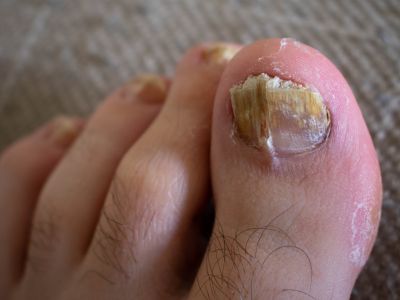
Never apply undiluted essential oil to irritated skin.
For stubborn toenails, foot baths were traditionally used. All you had to do is add garlic, usnea, and some apple cider vinegar.
But here’s the problem with that:
You can soak your feet all you want and still struggle to reach the little spaces around and underneath the nail where the problem likes to hide.
And vinegar can irritate or burn if you use it too aggressively.
That’s why I’d rather use a Usnea Spray.
The spray lets you aim directly around the nail, along the sides, and into those awkward little gaps while giving you usnea’s naturally antimicrobial compounds.
1. The Ache That Comes From Being Completely Exhausted
Poor sleep and constant stress can leave your head heavy, your shoulders tense, and your whole body feeling worn out.
Sometimes the best herbal treat is a calming evening ritual.
Chamomile has traditionally been used for relaxation, while ashwagandha has a long history in Ayurvedic traditions for stress and vitality.
Ashwagandha isn’t suitable for everyone, particularly during pregnancy or with certain medical conditions and medications.
And with Halloween just around the corner, there’s a delicious seasonal way to bring a little herbal comfort into your evening.
Enter the Halloween Pumpkin Night Latte.
The Halloween Pumpkin Night Latte
When your body feels exhausted but your mind won’t slow down, treat yourself to something warm and calming.
This homemade pumpkin latte combines ginger, cinnamon, and chamomile, an herb traditionally used for relaxation.
What You’ll Need
- 2 tablespoons pumpkin puree
- ¾ cup milk of your choice
- ¼ cup strongly brewed chamomile tea
- ¼ teaspoon cinnamon
- A pinch of ground ginger
- Honey or maple syrup, to taste
- A pinch of nutmeg (optional)
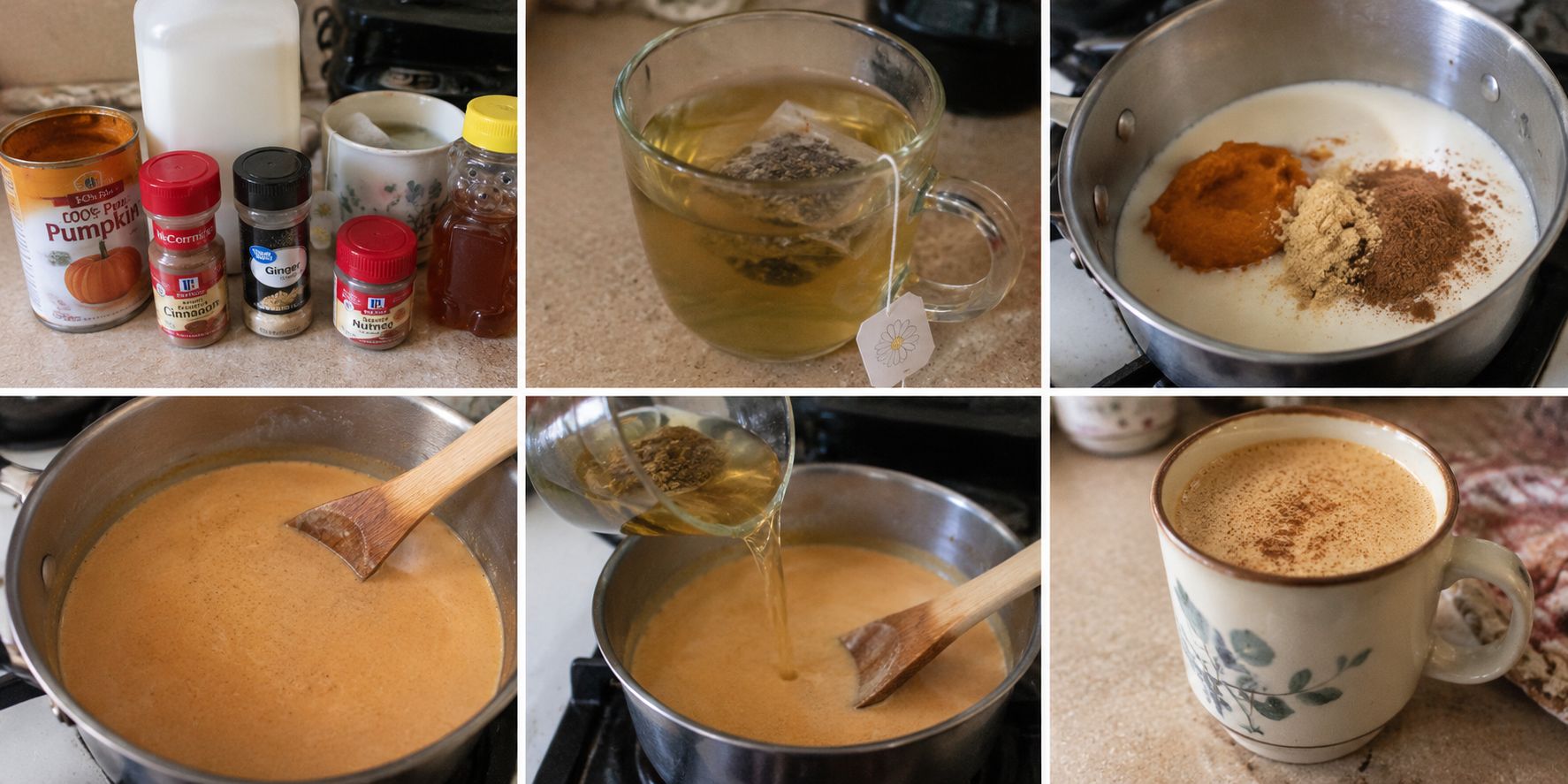

Here’s How to Make It
- Brew your chamomile tea.
- Warm the pumpkin puree, milk, and spices in a saucepan over low heat, stirring until smooth.
- Add the chamomile tea, sweeten if desired, and pour into your favorite mug.
Want to take your relaxation routine further?
Ashwagandha has been traditionally used in Ayurvedic medicine for stress and vitality, while chamomile has long been valued for its calming properties.
If you like the idea of ashwagandha but don’t feel like measuring powders or making another drink every night, this is the tincture I use from Nicole’s Apothecary.
Neither is a cure for pain or insomnia, and ashwagandha isn’t suitable for everyone, particularly during pregnancy or with certain medications.
So grab your mug, get comfortable, and give yourself a moment to unwind.
And if this is more than the occasional restless night — if falling asleep, staying asleep, or waking up exhausted has started becoming your normal — I’d go one step further.
Nicole’s Sleep Blend combines herbs traditionally used to support relaxation and sleep in one tincture, so you don’t have to experiment with them one by one.
Because bad sleep doesn’t just ruin tomorrow.
It ruins your energy, mood, patience, and recovery tonight.
If sleep has already become a problem, don’t put this off for another week. Check out the Sleep Blend here.
Don’t Let Little Aches Steal Your Favorite Moments
Our grandparents knew that some of the most useful remedies started with simple plants.
And that’s really the bigger lesson here.
Knowing that chamomile calms, arnica soothes, or peppermint cools is useful.
But knowing when to harvest a plant, which part to use, how to prepare it, and how not to ruin the remedy is what turns random herbal knowledge into something you can actually use.
That’s exactly what Nicole teaches.
If you’re serious about learning plants instead of just reading about them, start here. 
You may also like:
The ‘Nerve Oil’ You Should Use For Shaky Hands
No Prescription Needed! 10 Natural “Antibiotics” (Video)