

This Can Flush Heavy Metals from Your Brain
!!! Virtually 100% of People Have This Kind of Heavy Metal Exposure !!!
An important note before we continue: the information in this article is educational and is not intended to diagnose, treat, or replace medical care. Heavy metal toxicity is a clinical condition that requires proper testing to diagnose, including blood panels, urine analysis, and in some cases hair mineral testing ordered by a qualified physician. The fact that most people have some level of environmental exposure to heavy metals does not mean most people have heavy metal toxicity, and these are meaningfully different conditions with very different implications for your health. If you are experiencing symptoms you believe may be related to heavy metal or microplastic exposure, the appropriate first step is testing through a healthcare provider rather than self-treating based on symptoms alone. The herbs and mushrooms discussed in this article support the body’s natural detoxification pathways and are not chelation agents or pharmaceutical treatments. Use them as part of a broader health practice, not as a substitute for medical evaluation.
Environmental exposure to heavy metals and microplastics is a genuine and growing area of public health concern. Research published in peer-reviewed journals including Environmental Health Perspectives and Toxicological Sciences has confirmed that heavy metals including mercury, lead, arsenic, and cadmium are present in the environment at levels that produce measurable human body burden across the general population. A 2022 study published in Environmental Science and Technology Letters found microplastic particles in human blood samples from 77 percent of donors tested, confirming that microplastic exposure is not theoretical but systemic.
To be clear about what this means: the presence of trace heavy metals and microplastics in the human body at the levels most people carry from ordinary environmental exposure is not the same as heavy metal poisoning. The human body has robust detoxification systems, primarily the liver and kidneys, that process and eliminate many of these compounds continuously. The concern is not that a single exposure creates immediate harm. It is that chronic low-level accumulation over years, combined with a high overall toxic burden from multiple sources simultaneously, may gradually compromise the function of these elimination systems and contribute to a range of health outcomes that are difficult to attribute to any single cause.
Common sources of heavy metal exposure that are worth being aware of include dental amalgam fillings which release small amounts of mercury vapor over time, contaminated drinking water particularly in older homes with lead pipes or lead solder, certain types of seafood especially large predatory fish like tuna and swordfish that bioaccumulate mercury, rice and rice-based products which absorb inorganic arsenic from soil, non-organic produce with pesticide residues containing heavy metal compounds, and thermal paper receipts which are coated in bisphenol A or its substitutes that absorb through skin contact.
Common sources of microplastic exposure include drinking water from plastic bottles or tap water passing through plastic pipes, food stored or heated in plastic containers, airborne microfibers from synthetic textiles, and seafood including shellfish which filter-feed in microplastic-contaminated water. Awareness of these sources allows you to make practical reductions in your ongoing exposure load, which is the most important first step before any herbal support protocol.

This Is How They Get into Your Brain
Heavy metals and microplastics are a personal health crisis.
These toxins are everywhere. Every time you drink from a plastic bottle, breathe in city air, eat seafood, handle a receipt, or microwave food in plastic… it’s like you’re opening the door for them. And they don’t just pass through.
They build up over time, accumulating in the most sensitive organ in your body: your brain.

These Toxins Can Travel… And They Settle in the Worst Place
While many people think heavy metals and plastics affect only the gut or liver, the truth is far more disturbing…
They can cross the blood-brain barrier and lodge themselves directly in brain tissue.
And once they’re in, they begin to wreak havoc:
- They disrupt neuron function
- Trigger inflammation in the brain
- Hijack neurotransmitters like serotonin and dopamine
- And slowly erode memory, mood, focus, and emotional balance
Some plastics act like endocrine disruptors, mimicking hormones and throwing your entire nervous system into disarray.
Some metals, like mercury and lead, are straight-up neurotoxins, killing off brain cells and even contributing to early dementia.
What Heavy Metal Toxicity Actually Is and How It Differs from Background Exposure
The term heavy metal toxicity is used in two very different ways in health writing, and the difference matters enormously for how you interpret your own situation and decide what to do about it.
Clinical heavy metal toxicity is a diagnosed medical condition produced by exposure to heavy metals at doses high enough to cause measurable organ damage and specific symptom patterns. Lead toxicity at clinically significant levels produces neurological damage, developmental impairment in children, kidney damage, and cardiovascular effects. Mercury toxicity at clinical levels produces tremor, cognitive impairment, sensory disturbances, and kidney damage. Arsenic toxicity produces skin changes, peripheral neuropathy, and increased cancer risk. These are serious conditions that occur at relatively high exposure levels, typically through occupational exposure, contaminated water supplies, or specific high-dose environmental events. They are diagnosed through blood and urine testing that measures actual metal concentrations against established reference ranges, and they are treated with pharmaceutical chelation agents under medical supervision when levels are above clinical thresholds.
Background environmental exposure, which is what most people reading this article have, is a different situation entirely. It means that measurable but low-level concentrations of these metals are detectable in your body because they are present in the environment you live in. The vast majority of people with background exposure do not have clinical toxicity and would not receive a toxicity diagnosis. What they have is a body burden that accumulates slowly over time and that may, particularly at the higher end of the background range, contribute to a gradually increased inflammatory load and reduced detoxification efficiency.
According to the CDC’s National Biomonitoring Program, which measures the presence of environmental chemicals in the US population, finding a chemical in a person’s blood or urine does not mean that the chemical causes disease. The program explicitly distinguishes between presence and harm, noting that the health effects of low-level exposures are often not well characterized and that presence alone is not evidence of risk.
Heavy metal toxicity is diagnosed through specific testing. A comprehensive metabolic panel combined with a heavy metals blood panel ordered by a physician measures actual metal concentrations and compares them against reference ranges established from population data. Urine testing after a provocative challenge with a chelating agent gives a more complete picture of total body burden. Hair mineral analysis is used by some practitioners as a screening tool though it is considered less clinically validated than blood and urine testing.
What this means practically for the reader of this article is the following. If you have unexplained neurological symptoms, persistent fatigue, cognitive decline, or other symptoms that have not been explained by conventional workup, heavy metal testing is a reasonable thing to discuss with your physician. If you are a generally healthy person with ordinary environmental exposures, you are almost certainly in the background exposure category rather than the clinical toxicity category, and the appropriate response is reducing ongoing exposure and supporting your body’s natural elimination pathways, which is exactly what the herbs and mushrooms in this article help accomplish.
Brain Fog, Anxiety, Depression? It Might Not Be “Just Stress”

What if your lack of focus, your sudden forgetfulness, your low mood… isn’t psychological, but toxic. These particles don’t just “go away.” The good news is, there is a way to flush these metals out… before they do permanent damage.
In the Lost Remedies Academy, I followed Dr. Nicole Apelian as she went through some of the best plants that can get rid of even the nastiest metals and microplastics from your body.
You can enroll in her class here – you even get officially certified as an herbalist once you finish it!
What Detoxification Actually Means in the Body
The word detox is used so broadly in wellness writing that it has become almost meaningless, and using it precisely is important when discussing something as specific as heavy metal clearance. Understanding what the body actually does to process and eliminate heavy metals and microplastics helps you understand why the herbs in this article are genuinely useful and what they are actually doing.
The liver is the body’s primary detoxification organ. It filters blood arriving from the digestive tract, processes fat-soluble toxins including many heavy metal compounds through a two-phase enzymatic system, converts them into water-soluble forms, and packages them for elimination through bile into the digestive tract or through the bloodstream to the kidneys. The liver does not simply capture toxins and hold them. It chemically transforms them through a series of enzymatic reactions that require specific nutritional cofactors including B vitamins, glutathione, sulfur compounds, and antioxidant nutrients to function at full capacity. When the liver’s detoxification capacity is overwhelmed or nutritionally depleted, this transformation process slows, allowing transformed and partially transformed compounds to recirculate rather than being eliminated.
The kidneys filter blood continuously, removing water-soluble compounds including many metal-nutrient conjugates that the liver has processed and tagged for elimination, and excreting them in urine. Kidney function is directly relevant to heavy metal clearance because several metals including lead, cadmium, and mercury accumulate preferentially in kidney tissue and impair the kidney’s filtering capacity over time. Supporting kidney function supports the efficiency of the elimination pathway.
The gut plays a supporting role in detoxification that is less recognized but significant. Bile carrying processed toxins from the liver is secreted into the small intestine and should be carried through the digestive tract and excreted. In a compromised digestive system, some of these bile-bound toxins are reabsorbed rather than excreted, a process called enterohepatic recirculation that increases total body burden. Healthy gut motility and a robust gut microbiome reduce recirculation and improve net elimination.
None of the herbs in this article are pharmaceutical chelators, meaning they do not bind to heavy metals in the bloodstream and force their excretion in the way that medical chelation agents like DMSA and DMPS do. What they do is meaningfully different and genuinely valuable: they support the liver’s enzymatic detoxification capacity, enhance kidney filtration function, reduce the oxidative and inflammatory damage that accumulated metals produce in tissue, and in some cases provide compounds that support the gut’s role in preventing recirculated toxin reabsorption. This is real and clinically relevant support for the body’s own elimination systems, and it is the accurate way to understand what these herbs accomplish.
According to the National Institutes of Health National Center for Complementary and Integrative Health, the idea that specific products or protocols are needed to remove toxins from the body is not supported by scientific evidence, as the body has its own highly efficient detoxification systems. What the evidence does support is that specific nutrients and plant compounds can enhance the function of those systems when they are under stress, which is the appropriate frame for the herbs discussed here.
Back to the plants:
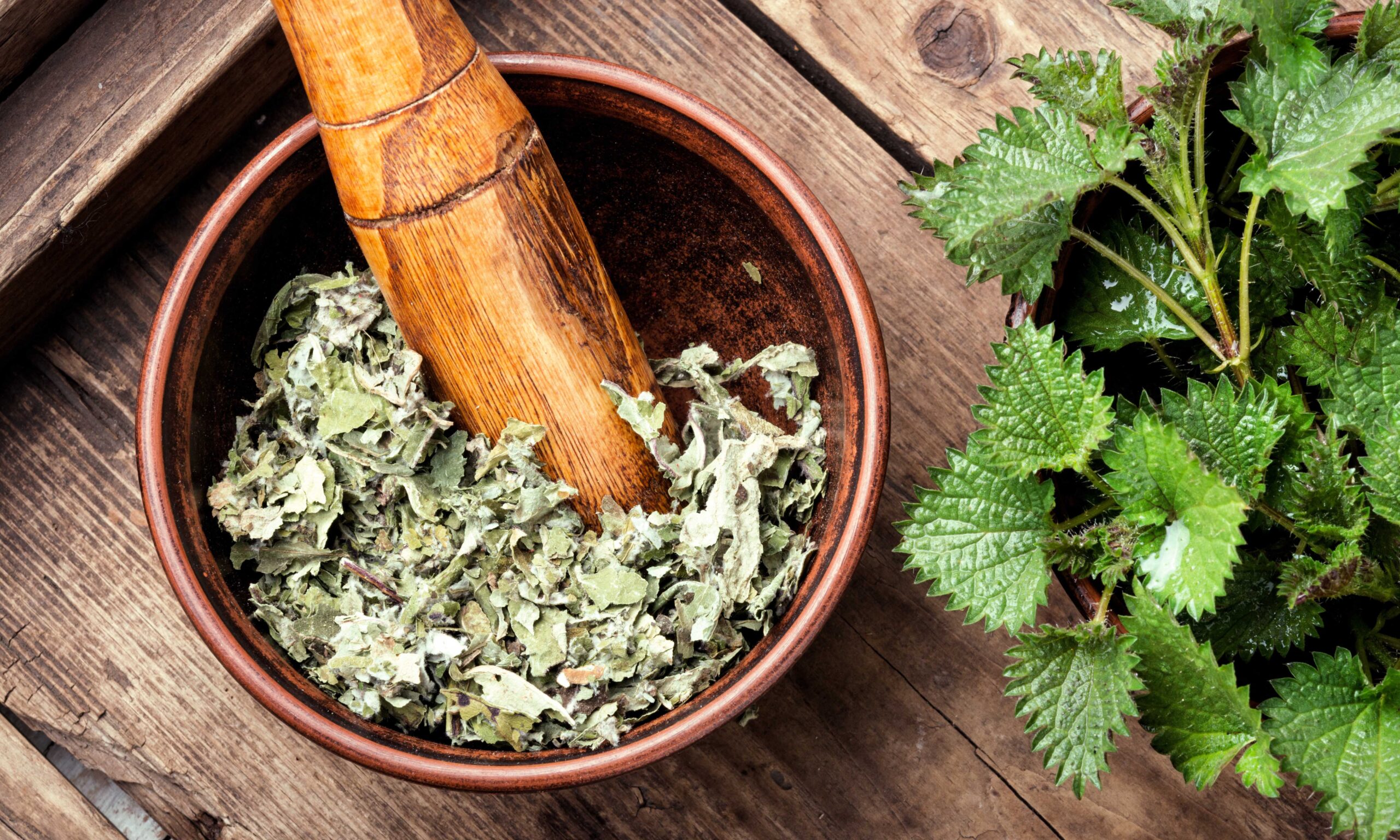
- Stinging Nettle (Urtica dioica)
This so-called weed kicks your kidneys into high gear, forcing toxic sludge, like heavy metals and microplastics, out of your system fast.
Loaded with minerals and anti-inflammatory compounds, it reduces the toxic burden on your brain and supercharges your body’s filtration system. Use this to flush out the gunk before it completely takes over your brain.
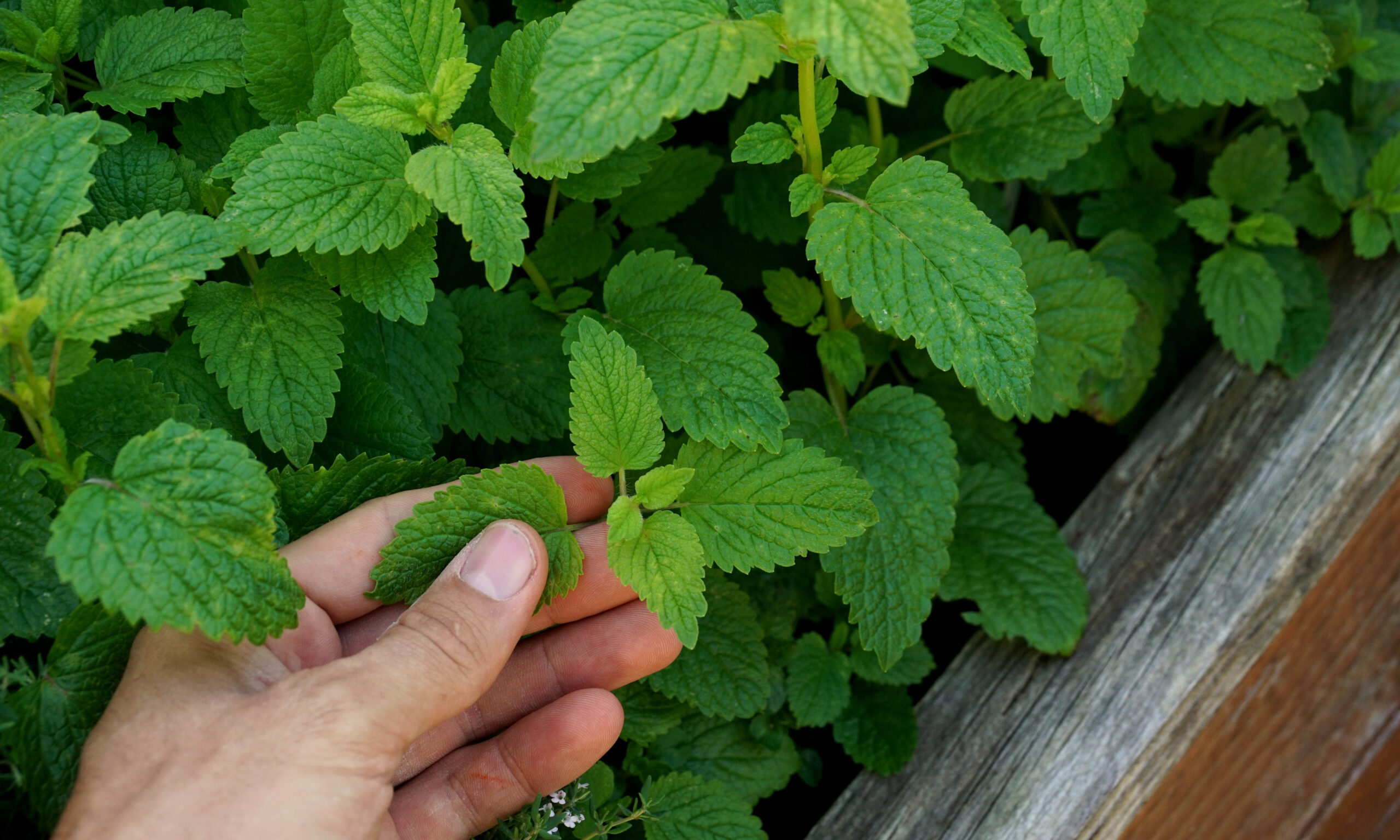
- Lemon Balm (Melissa officinalis)
It can calm your nerves, fortify your liver, and shiels your brain like a natural force field. Even studies have proven that it can block the oxidative brain damage caused by mercury, helping you think clearly, and sleep deeply. It’s made by one of America’s top herbalists and you can find it here.
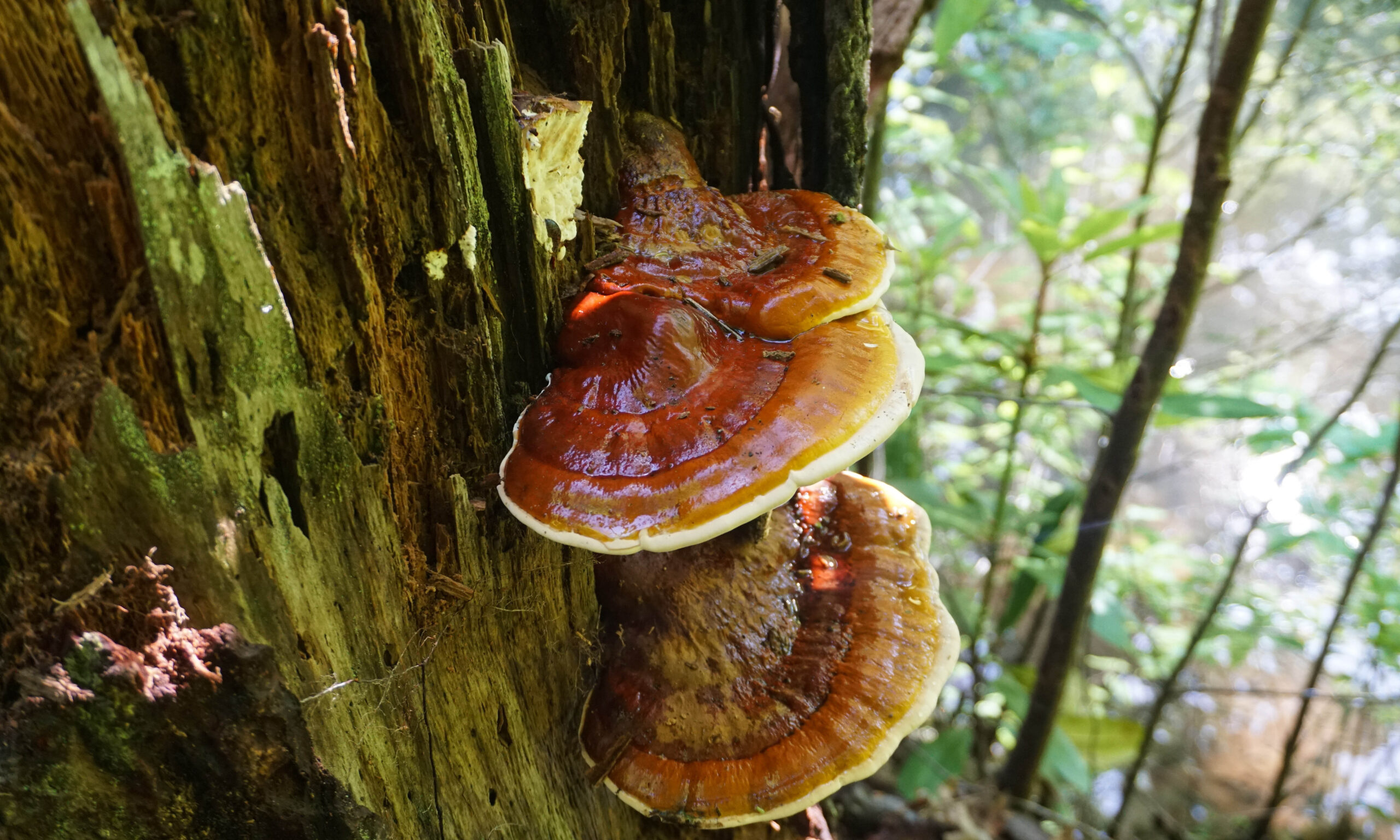
3. Reishi Mushroom (Ganoderma lucidum)
Reishi is a strong adaptogen and immunomodulator that helps your liver flush out toxins quickly. It revs up your liver’s detox engine and clears out brain-clogging metals like mercury and lead, fast. It also shuts down inflammation, sweeps out free radicals, and restores your brain to its sharp, focused, high-powered state.
If you want a natural remedy that basically works for every organ in your body, that’s free of all the GMO junk they put in supplements nowadays, you can get this organic, non-GMO, made-at-home tincture from here.
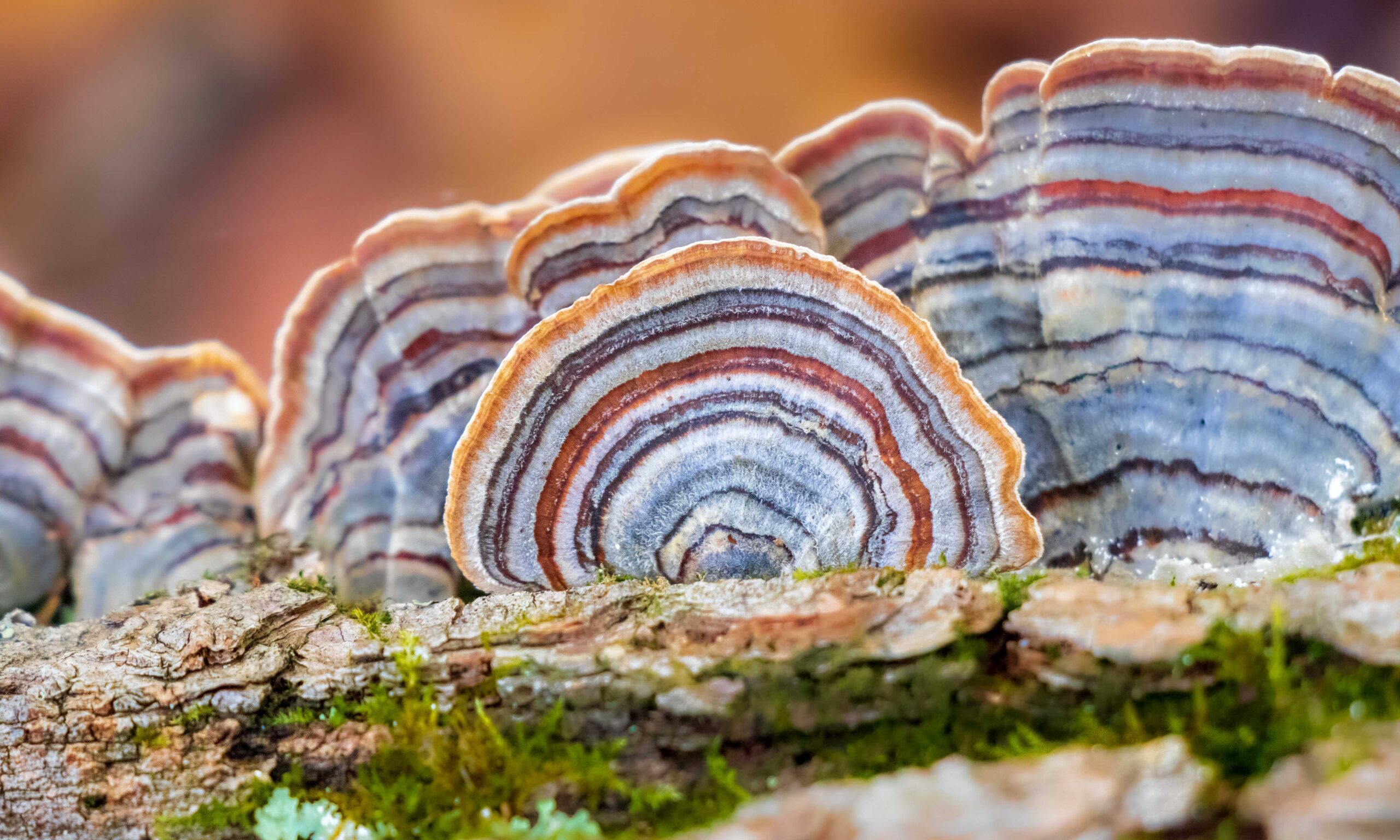
- Turkey Tail Mushroom (Trametes versicolor)
Turkey tail boosts immune function and contains powerful antioxidants including phenolic compounds and flavonoids such as quercetin and baicalein, which neutralize free radicals generated by heavy metal accumulation in tissue. These compounds reduce the oxidative damage that metals like lead and mercury produce in cells after they have accumulated, addressing the downstream harm even as other mechanisms work to reduce the accumulated burden itself.
Turkey tail also supports the gut-liver axis, the interconnected relationship between gut microbiome health and liver detoxification function. Its primary active polysaccharides, PSK (polysaccharide-K) and PSP (polysaccharide-peptide), have demonstrated immune-modulating and gut microbiome-supporting effects in clinical research. A healthy gut microbiome reduces enterohepatic recirculation of toxins, meaning fewer processed toxins are reabsorbed from the digestive tract back into circulation, and more are carried through and excreted. By supporting both gut microbiome diversity and immune function, turkey tail contributes to detoxification support through this indirect but important pathway.
For preparation, turkey tail is most commonly taken as a hot water extract or dual extract tincture. The beta-glucans and polysaccharides responsible for its immune and gut-supportive effects are water-soluble and extracted effectively by hot water infusion or decoction. A standard preparation involves simmering dried turkey tail pieces in water for 45 to 60 minutes, straining, and consuming one to two cups daily. Standardized extracts and tinctures provide a more consistent dose. Turkey tail is generally well tolerated with a low side effect profile, though it should be used with caution by people on immunosuppressant medications due to its immune-modulating activity.
When it comes to detoxing from the inside out, Turkey Tail is your best option. It supercharges your gut-liver axis, which is the critical pathway to eject heavy metals and microplastic toxins. And yes, that includes the brain.
This Turkey Tail tincture is also one of the very few herbal remedies that’s been nationally approved as a treatment for the Big C in certain countries.
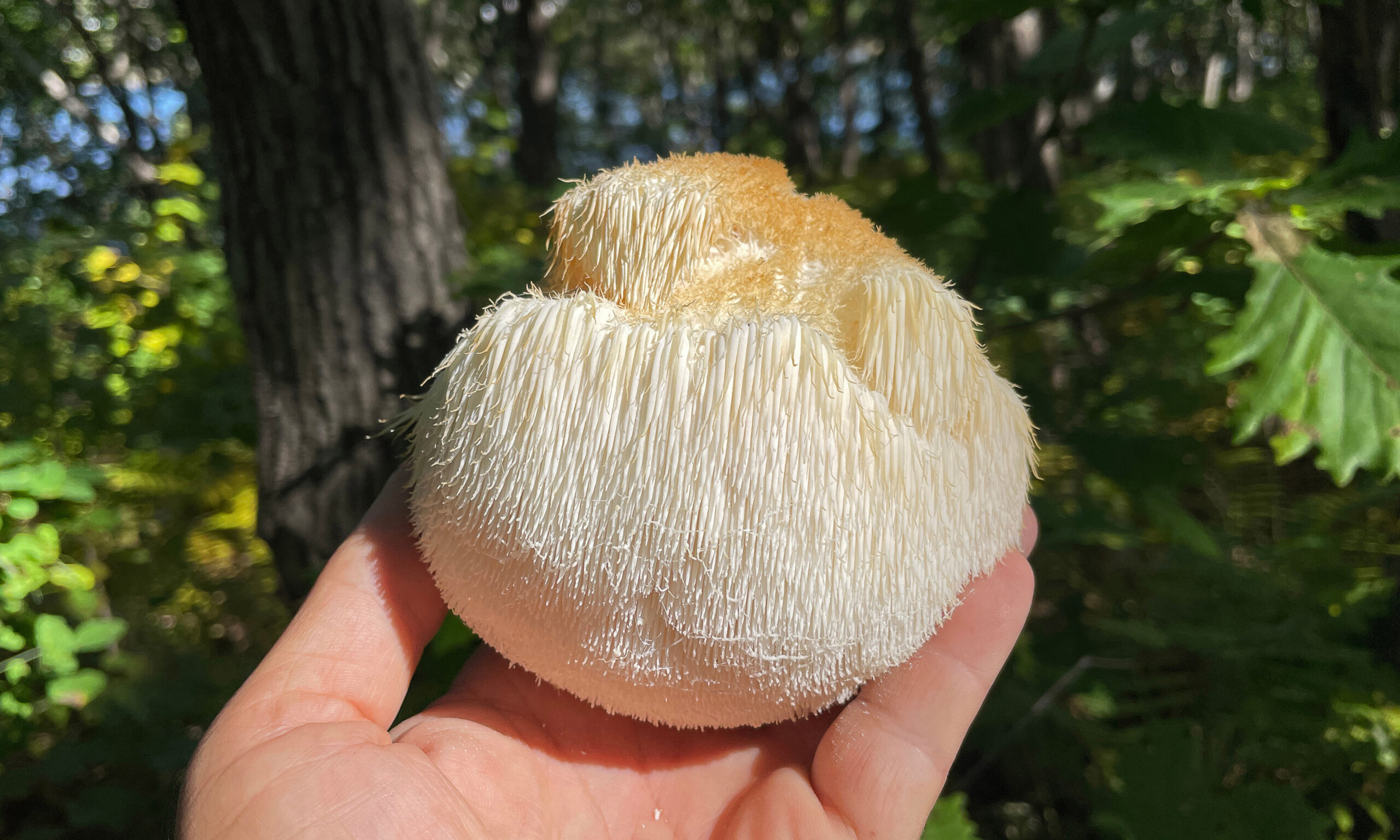
- Lion’s Mane Mushroom (Hericium erinaceus)
Because you also need to rebuild what’s already been damaged, please try this Lion’s Mane tincture. It grows brand-new neurons like fertilizer for your brain, repairing heavy metal damage, restoring mental clarity, and firing up your focus like you’re 20 again. Think of it as neural rehab in a jar, as it reverses damage and sharpens your thinking.
If you’re looking for a stronger heavy metal detox, there’s a remedy in the Forgotten Home Apothecary that’s exactly what you need:
It’s called the Heavy Metal Detoxifier. All you have to do is combine 1 dropperful each of Stinging Nettle, Lemon Balm, and Reishi Mushroom tinctures with 1 teaspoon of Chlorella powder (or a handful of fresh Cilantro) in 8 oz of warm, filtered water or herbal tea. Stir well and drink it on an empty stomach in the morning, and optionally again before bed for deeper cleansing.
This potent blend supports your liver, calms your nervous system, and pulls out stubborn toxins—including heavy metals—from deep within your brain and body. For better absorption, add a few drops of lemon juice or a pinch of black pepper.
This happens through a process called chelation, when another substance binds to them and drags them out through urine. Don’t be scared if your urine becomes red! That is a good indicator that the chelation is working, and the metals are draining out of your body.
Here are some other powerful remedies from The Forgotten Home Apothecary that I think you’ll really like:
- The “Root That Scrapes Your Liver Clean” – This bitter herb flushes out bile sludge like a plumbing snake in your liver.
- Doctors Warn of “Brain Fog Bombshell” and How to Quickly Reboot Your Focus
- One Cup of This Tea = 3 Days of Kidney Cleansing
- Lungs Full of Dust, Smoke, and Mold? – This lichen quickly clears your airways of all the gunk you’ve accumulated there.
- A Mushroom That Scrubs the Brain Like Steel Wool – Lion’s Mane doesn’t just rebuild nerves… it remodels the damage done by mercury and aluminum.
- The Bark That Unclogs Your Arteries
- “Junked-Up Liver Syndrome” Could Be the Hidden Reason You’re Gaining Weight – And this is the toxin-flusher your doctor never told you about.
- The Forgotten Herb That Squeezes Heavy Metals Out of Your Kidneys
- The “Memory Molecule” Hidden in Your Kitchen – Scientists found this herb helps purge mercury AND stimulates new brain cells.
- This Spicy Root Is Like a Sweeper for Your Bloodstream – It breaks up clots, clears blockages, and leaves your arteries squeaky clean.
- Toxins in Your Lungs? Smoke This to Blow Them Out – Used by Native Americans to literally pull poison from someone’s stomach.
- The Green Slime That Sucks Up Heavy Metals – Found in ponds and capsules, this chelator can drag aluminum out by its roots.
- Your Liver Might Be Storing Years of Chemical Toxins and The Plant That Detoxes You Cell by Cell – Used in space medicine to scrub radiation from blood…
- This Tea Can Cut Through Blood Sludge Like a Laser – This ancient remedy clears debris and reboots your bloodstream.
- A Leaf That Filters Your Kidneys Like a Brita Pitcher – Flushes out uric acid, microplastics, AND heavy metals.
 This book gives you step-by-step recipes for chelating heavy metals, scrubbing away toxins, and supporting every major organ, using ingredients you can grow, forage, or already have in your kitchen.
👉 Click here to unlock the full detox arsenal inside The Forgotten Home Apothecary
Many blessings and good health!
You may also like:

>> Stop Stepping on This Plant, It’s a Powerful Brain Booster! (Video)
What People Are Saying About The Lost Book of Herbal Remedies II


What have you got for ED
Panax ginseng (red ginseng), Maca, Yohimbine, Ginkgo biloba, and Mondia white
I would love to try this. I have a question on Lion’s Mane Mushroom. I believe I am allergic. Tried it once in powder form and had trouble breathing. Never tried it again, but perhaps it had something to do with the powder form. What are your thoughts on it?