

The Brain-Hacking DROPS They Don’t Want You To Know About
Our mental control and cognitive performance do not always stay at their peak. Like the body, the brain also experiences setbacks due to age, medical issues, and incorrect lifestyle choices.
Brain hacking is a practice continuously explored to enhance brain functions and alleviate degenerative brain diseases. Altering the mental state to achieve its optimal function involves several interventions, including the consumption of nootropic herbs.
Nootropics like lion’s mane have been used for centuries to enhance brain function. However, some of these natural nootropics were overlooked because of synthetic memory enhancers and modern stimulation devices.
Brain Hacking Techniques
Brain hacking, also called neurohacking or cognitive enhancement, is the deliberate attempt to improve how the brain performs: sharpening focus, strengthening memory, accelerating learning, stabilizing mood, or slowing age-related decline. The term covers a wide range of approaches, from the low-tech and centuries-old to the highly experimental and tightly regulated.
The modern scientific interest in cognitive enhancement began to take shape in the 1980s, when researchers started studying pharmacological compounds that could improve reflexes and treat psychological disorders. By the early 2000s that interest had broadened considerably, and the term neurohacking entered wider use as both researchers and self-experimenters explored a growing toolkit of methods.
A 2018 review published in the journal Frontiers in Systems Neuroscience categorized cognitive enhancement approaches into three broad types. Biochemical strategies use substances that interact with brain chemistry, including pharmaceutical drugs, nutritional interventions, and natural compounds like nootropic herbs and medicinal mushrooms. Behavioral strategies work through lifestyle inputs: physical exercise, sleep optimization, meditation, and structured cognitive training. Physical strategies use external devices, including transcranial direct current stimulation, magnetic stimulation, and acoustic or optical tools, to directly influence brain signaling.
Related: How to Make Your Own Turmeric Drops
Each category carries its own risk-benefit profile. Pharmaceutical cognitive enhancers are regulated as drugs and carry real side effect and dependency risks. Physical stimulation devices are largely restricted to clinical settings. Biochemical approaches using natural compounds occupy a different space: lower regulatory restriction, longer historical use, and in many cases a growing body of modern research. That is where nootropic herbs and functional mushrooms like Lion’s Mane sit, and why they have attracted serious scientific attention alongside their traditional use.
🧠 What If Brain Fog Was Just the Beginning?
If your brain feels slower lately… if you can’t focus like you used to… if words slip away mid-sentence or you’re always one step behind your thoughts—it’s not just “aging.” It’s a warning. A sign that something inside is inflamed, imbalanced, or quietly breaking down.
And once those neural pathways fade… they don’t just bounce back.
This is why The Forgotten Home Apothecary is the one book I never lend out. It’s not a guide—it’s my defense plan. Because I’ve learned the hard way that your brain won’t wait until you “have time” to heal.
Inside, you’ll find powerful plant-based recipes designed to clear the fog, sharpen memory, and shield your mind from decline, like:
- 🧠 The Brain Booster Tonic to revive focus and clarity without stimulants
- 💨 The Medicinal Herbal Smoking Blend to calm your nerves and nourish your lungs
- 🌿 The DIY Rosemary Memory Mixture to support sharper recall and mental energy
- 💤 The Herbal Sleep Syrup – when you need to fall asleep fast and wake up clear-headed
- ☕ The Metabolic Herbal Coffee to replace caffeine jitters with real, sustained clarity
These aren’t synthetic pills with side effects—they’re the same remedies our ancestors trusted when nothing else was available.
If brain fog is creeping in… don’t wait until it takes over.
👉 Click here to open the book and flip straight to the mind-restoring recipes while it’s still available with bonuses.
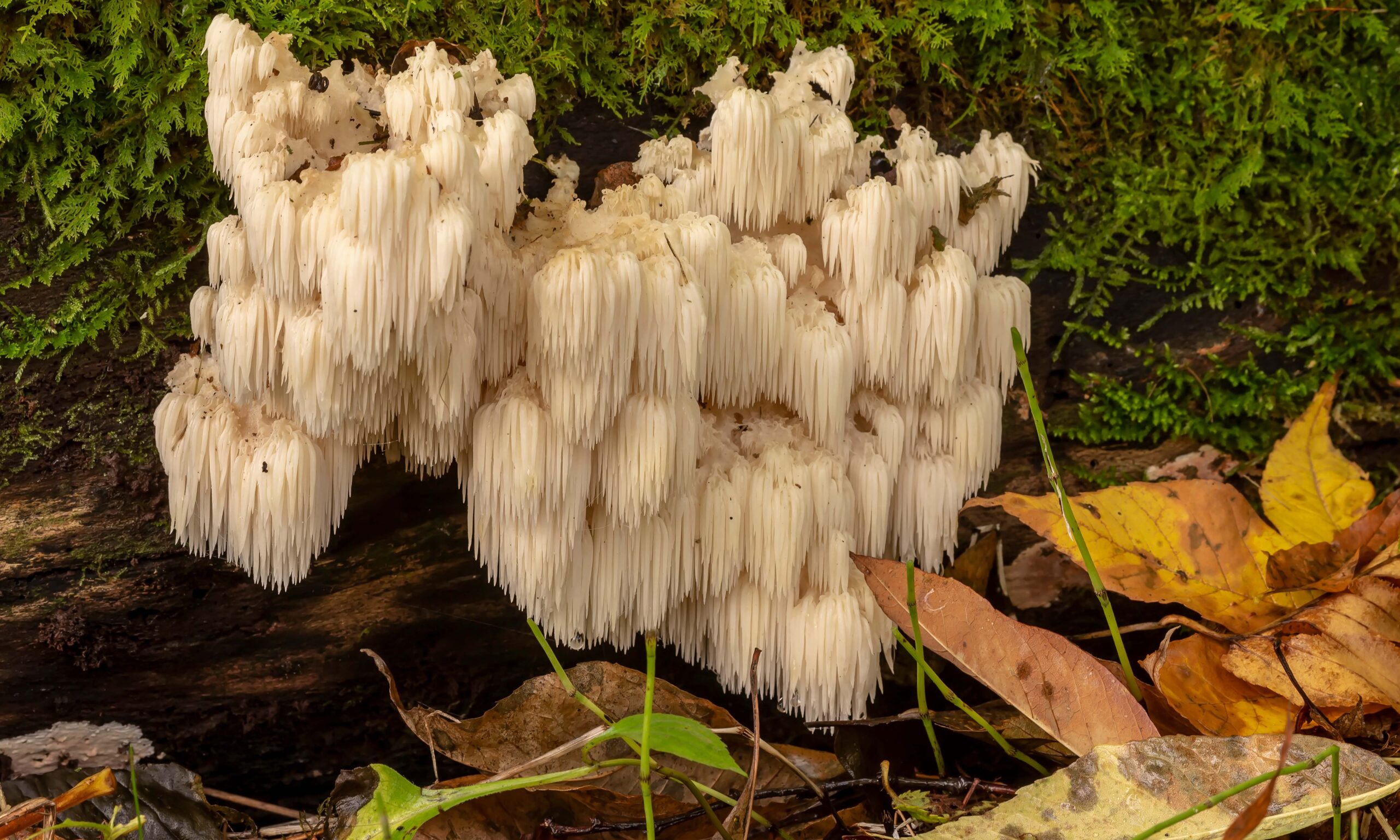

Lion’s Mane Brain Benefits
The rules on brain hacking and stimulation practices have strict control, particularly with drugs used for cognitive enhancement. These brain enhancers may create an elevated sense of euphoria and adversely affect the cardiovascular system.
However, through the years, ancient medicinal practices relied on natural remedies like nootropics as safer alternatives.
Memory-enhancing herbs include Bacopa (Bacopa monnieri), Indian Pennywort or Gotu Kola (Centella asiatica), and Ashwagandha (Withania somnifera).
Among the biochemical approaches to cognitive enhancement, natural nootropics have the longest track record and, for many people, the most accessible entry point. Bacopa monnieri, Gotu Kola, and Ashwagandha all have documented neurological activity and centuries of use in Ayurvedic and traditional medicine. But one candidate has attracted particular attention from researchers in the last two decades, not only for its memory-enhancing properties but for a specific mechanism no other natural compound has matched: the ability to stimulate the production of proteins that directly support the growth and survival of brain cells. That compound is Lion’s Mane mushroom, Hericium erinaceus, and what separates it from the broader nootropic category is that its effects are not simply stimulatory or sedative. They are, at least in part, genuinely regenerative.
It is a bioactive medicinal mushroom mainly used for brain and immune support, as well as promoting overall well-being.
It is available as a liquid extract, but may also be consumed as a powder, capsule, or coffee mix.
Not all Lion’s Mane products are equal, and the difference between a potent preparation and a nearly inert one comes down to a few specific factors worth understanding before you buy.
The first is the part of the mushroom used. Lion’s Mane products are made from either the fruiting body, the actual mushroom you would see growing on a tree, or from mycelium, the root-like network that the mushroom grows from. Most of the research on Lion’s Mane’s neurological benefits has used fruiting body extracts, which is where the hericenones responsible for NGF stimulation are concentrated. Many commercial supplements, particularly cheaper ones, use mycelium grown on grain substrate, which contains significantly lower levels of the active compounds and a high proportion of starch from the grain itself. A quality product will state clearly on the label that it uses fruiting body extract. If the label says only “mycelium” or does not specify, treat that as a red flag.
The second factor is extraction method. The beneficial beta-glucans in Lion’s Mane are water-soluble, meaning hot water extraction is needed to draw them out. The hericenones and erinacines are more soluble in alcohol. A dual-extracted product, one that uses both water and alcohol extraction before combining the results, captures the full spectrum of active compounds. A product extracted with alcohol alone or water alone is leaving something on the table. Look for “dual extraction” or “double extraction” on the label.
The third factor is standardization. Where possible, choose products that disclose the percentage of beta-glucans in the final extract, as this gives you a meaningful indicator of potency rather than just trusting the milligram weight of a proprietary blend.
Studies suggest many promising benefits of lion’s mane in nerve and brain health.
🍄 Foraging Lion’s Mane: The Wild Brain Builder Growing on Trees
If you’ve never seen Lion’s Mane in the wild, here’s what to look for:
It grows on dead or dying hardwood trees, especially beech and oak
Appears as a white, shaggy cluster—like a frozen waterfall or puffball of icicles
Usually shows up in late summer to early fall
Has no toxic lookalikes, making it one of the safest mushrooms for beginners to forage
But here’s the catch…
Lion’s Mane is rare in the wild and doesn’t grow in every region. Even when you find it, it needs to be foraged carefully, dried properly, and double-extracted to release its full nerve-regenerating power.
So if your brain’s foggy or your memory’s slipping—even just a bit—and you want to start rebuilding those pathways right now…
👉 Click here for the most potent Lion’s Mane tincture I’ve found so far — double-extracted and trusted by people who’ve stopped relying on pills.
Cognitive Enhancement
Lion’s mane contains bioactive compounds like erinacines and hericenones. Continuous intake of these plant compounds activates nerve growth factor (NGF) production. NGF is a protein that regulates neurons’ growth, maintenance, and survival. It plays a role in nerve repair to prevent cognitive decline, especially with age.
Promote Active Brain Functioning
Lion’s mane may support brain hacking, foster faster learning, and improve reflexes. It increases the enzymes acetylcholine (Ach) and choline acetyltransferase (ChAT), making the brain and muscles more active.
An adequate supply of these enzymes boosts learning and memory. It may also slow the advancement of neurodegenerative diseases.
Increase Focus
Lion’s mane is a promising remedy for the development of ADHD symptoms. By stimulating the repair of neurons, it can potentially increase focus, attention, and concentration. Lion’s mane also has neuroprotective properties that inhibit and protect brain cells from damage.
Nerve Regeneration
Erinacines and hericenones are neuroprotective bioactive compounds. Studies on non-human models found that these compounds can enter the brain from the blood cells by crossing the blood-brain barrier. It promotes neural growth and activates the brain-derived neurotrophic factor pathway (BDNF) to improve short-term memory.
BDNF is worth understanding because it is one of the most important proteins in the brain for long-term cognitive health. Think of it as a fertilizer for neurons: it supports the survival of existing brain cells, encourages the growth of new ones, and strengthens the synaptic connections between neurons that make learning and memory physically possible. BDNF levels naturally decline with age, chronic stress, poor sleep, and sedentary behavior, and low BDNF is consistently associated with depression, cognitive decline, and increased Alzheimer’s risk. When Lion’s Mane activates the BDNF pathway alongside NGF stimulation, it is supporting two of the brain’s primary maintenance and repair systems simultaneously. Exercise, particularly aerobic exercise, is currently the most well-documented way to raise BDNF levels. Lion’s Mane appears to work through a complementary but distinct mechanism, making the combination of regular physical activity and Lion’s Mane supplementation a biologically coherent pairing for anyone focused on long-term brain health.
Damage Protection
Lion’s mane is rich in antioxidants, which protect the brain from oxidative stress. It scavenges and eliminates free radicals in the body to reduce the risk of brain damage and neuroinflammation.
Lion’s mane improves muscle control and manages Parkinson’s Disease by protecting the dopaminergic neurons from cell death. It may also delay the development of Alzheimer’s Disease and other age-related cognitive decline in people at high risk.
Reduce Anxiety and Depression
Chronic stress, anxiety, and depression may change the brain structure. It impacts memory, learning, emotion, and cognitive processes, possibly leading to long-term brain function. To prevent damage, the brain needs a powerful remedy to reduce stress, anxiety, and depression.
Research suggests that the chemicals in lion’s mane are effective in reducing depression and anxiety and that they may also elevate mood.
But when stress doesn’t go away, it starts changing more than just your mood.
It rewires your brain. It drains your energy. And over time, it can even disrupt your sleep, your hormones… even your heart.
That’s why you need more than a single calming tea to fight back.
The best results I ever had came from combining multiple herbs known to calm the nervous system, repair stress damage, and protect the brain long-term.
I’m talking about:
🌿 Ashwagandha – to balance cortisol and soothe your stress response
🍋 Lemon Balm – for fast, gentle calm without grogginess
🧠 Lion’s Mane – to support memory and mental clarity
🍄 Reishi Mushroom – for emotional resilience and immune support
These four are the backbone of the Anxiety & Stress Tincture I keep in my cabinet. And I wouldn’t go a week without it.
👉 Click here to discover the tincture that brings all four together—so you can calm your mind before anxiety takes a deeper toll.
Other Potential Benefits
Although mainly used for brain hacking, lion’s mane also has several other benefits for the body. It is a powerful immune booster that enhances the body’s defenses against common pathogens. Its beta-glucan content promotes the growth of healthy gut bacteria, strengthening the gut’s immune system.
A healthy digestive system supports the gut-brain axis and further boosts brain health.
Lion’s mane bioactive chemicals have therapeutic properties that are beneficial for other conditions, such as:
- Diabetes
- Digestive problems and gastric ulcers
- Heart diseases
- Inflammation
- Blood clots
- Aging
- Sleep problems
- Some cancer
The truth is, your brain fog, fatigue, anxiety, gut issues—they’re likely not separate problems. They’re connected.
Your body runs like a system, and when one part breaks down, it drags the others with it. That’s why chasing symptoms one by one rarely works.
But here’s the surprising part: some of the simplest changes you can make—small things you do each day—unlock huge results.
One example worth understanding is nasal breathing and its relationship to brain function. Research from the Karolinska Institute and subsequent studies have found that breathing pattern significantly affects cognitive performance, with nasal breathing producing stronger memory consolidation than mouth breathing due to the direct connection between the olfactory nerve and the hippocampus. Separately, slow diaphragmatic breathing, sometimes called coherence breathing at around five to six breath cycles per minute, has been shown in multiple studies to reduce cortisol, lower inflammatory markers, and improve heart rate variability, a key indicator of nervous system resilience. These are not trivial effects. Breathing is one of the few autonomic processes you can consciously control, and the research on its cognitive and stress-regulation effects is more robust than most people realize.
If you want to know what to fix first… what actually matters… and how to take back control step by step, it all starts here.
Lion’s Mane DIY Drops
Lion’s mane is more effective when taken as a liquid drop. While you can buy this form in drugstores, you can also prepare the tincture at home through a double extraction process.
You will need fresh or dried lion’s mane mushrooms and alcohol. For optimal extraction, use high-proof alcohol such as 80-proof (40% alcohol) vodka. You may also opt for 50% alcohol for a longer shelf life of the tincture.
Ingredients
- ½ cup lion’s mane mushroom, chopped (you may use a food processor)
- 2 cups 80-proof vodka
- Filtered water (for water extraction)
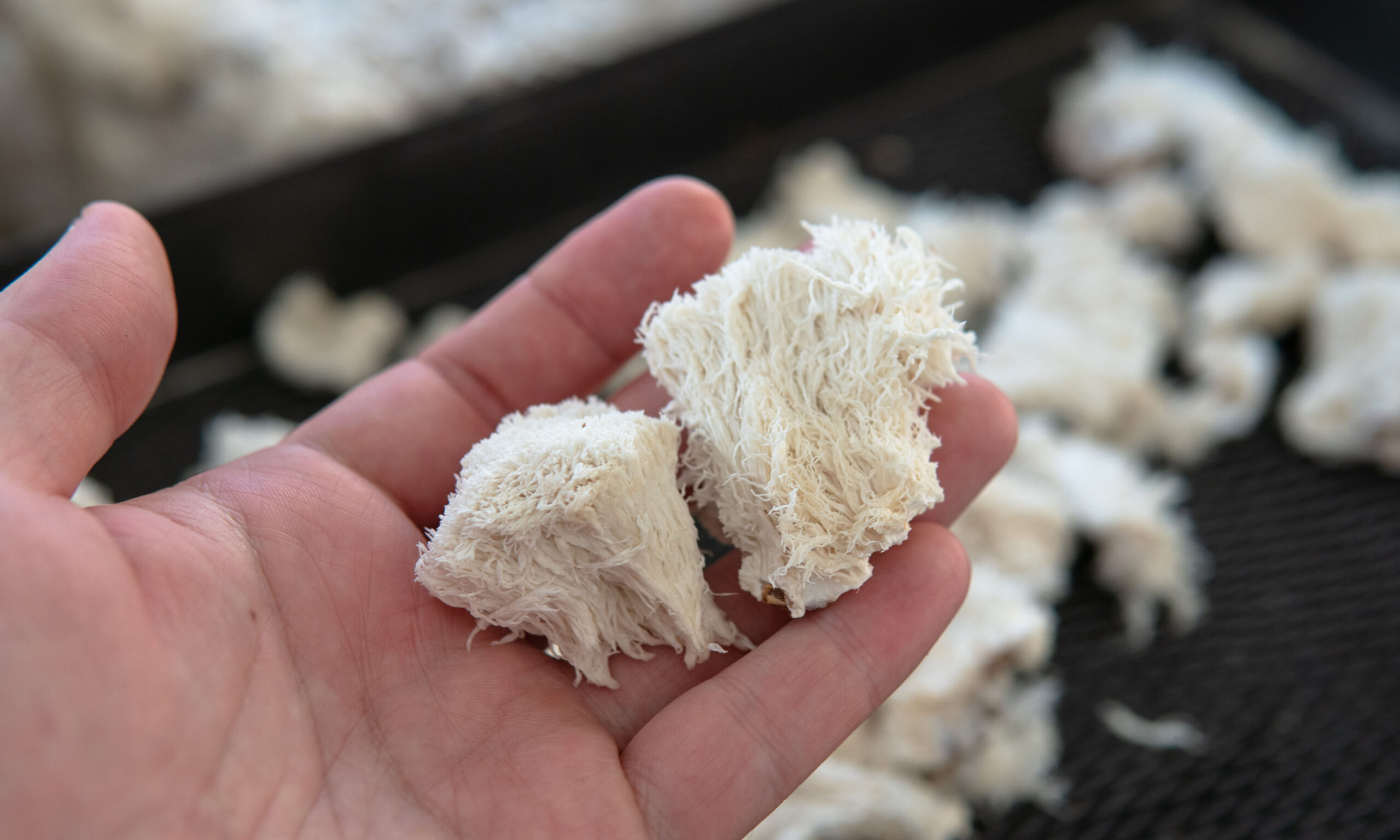
 Steps
Steps
For alcohol extraction:
- Finely chop the lion’s mane mushroom or use a food processor or blender. Pour a small amount of vodka to make it easier to process.
- Fill the glass jar with the chopped lion’s mane. Pour vodka, covering them completely.
- Put the lid on and seal the jar.
- Store in a cool and dark place and let it infuse for at least 4 to 6 weeks, for dried lion’s mane. Fresh mushrooms are good for infusion for at least two weeks.
- After four weeks, filter the solution to separate the solids from the liquid, pressing out as much liquid as you can. Transfer the alcohol extract into another jar, cover, and set aside.
For water extraction:
- Take the lion’s mane solid you just strained from alcohol and place it in a pot. Pour hot but not boiling water over the lion’s mane to cover them completely.
- Turn the stove to low and simmer for at least two hours. Add more water as needed to prevent the liquid from evaporating completely.
- Strain the water solution and take out the liquid. Let it cool.
To prepare the lion’s mane drops:
- Take an equal amount of the alcohol extract and water extract.
- Mix them in a jar.
- Pour into a small bottle with a dropper and store in a cool and dry place.
To use: Take 5 to 10 ml of lion’s mane drops (or 1 to 2 droppers) every morning with water. For the best result, take it consistently for at least 6 weeks. However, do not exceed the usage for more than a year.
Safety and Contraindications
Lion’s Mane is well tolerated by most healthy adults at the doses used in clinical research, and serious adverse effects are rare in the published literature. However, there are several situations where caution is warranted and medical consultation is the right step before starting.
People with known mushroom or mold allergies should approach Lion’s Mane carefully. While it is not a common allergen, cases of allergic reaction including skin rash, itching, and in rare instances respiratory symptoms have been documented. If you have a history of mushroom sensitivity, start with a very small amount and monitor your response before using it regularly.
Lion’s Mane has demonstrated mild anticoagulant properties in some studies, meaning it may have a blood-thinning effect. Anyone taking anticoagulant or antiplatelet medications, including warfarin, aspirin at therapeutic doses, or clopidogrel, should discuss use with their prescribing physician before supplementing.
Because Lion’s Mane shows immunomodulating activity, meaning it influences how the immune system functions, people on immunosuppressant drugs, including organ transplant recipients and those treating autoimmune conditions with immunosuppressive therapy, should get medical clearance before use.
There is insufficient safety data on Lion’s Mane use during pregnancy and breastfeeding. Until more research is available, therapeutic supplementation is not recommended for pregnant or breastfeeding women.
For everyone else, starting at the lower end of the dose range and increasing gradually based on your response is the sensible approach. Consistency over time produces the neurological effects observed in research, not large occasional doses.
🍄 Want the Benefits Without the Wait?
Making your own Lion’s Mane tincture is powerful—but let’s be honest, it takes weeks, high-proof alcohol, simmering pots, and a lot of patience.
If you want the same brain-boosting formula without the hassle, this is the tincture I trust:
✔️ Made from wild-harvested Lion’s Mane mushrooms
✔️ Dual-extracted for maximum potency—just like the recipe above
✔️ Prepared by one of the most respected herbalists in the U.S., Dr. Nicole Apelian
✔️ Backed by thousands of families who swear by it for focus, mood, and memory
Whether you’re dealing with brain fog, early memory loss, or just want to stay sharp, this is the easy way to nourish your brain every single day.
👉 Click here to get your bottle of Lion’s Mane tincture from the most trusted source.
🧠 What If You Could Reboot Your Brain Like a Computer?
Most people only realize their brain’s in trouble after something goes wrong—when focus disappears, anxiety takes over, or they forget names mid-sentence.
But the signs come earlier than that: fog, fatigue, that heavy, sluggish feeling that won’t go away.
Here’s what they never tell you:
Your brain has the ability to regenerate. To sharpen. To protect itself from decline—if it’s given the right fuel.
That’s why more and more people are now turning to nature’s most powerful brain support trio:
🍄 Lion’s Mane to regrow neurons and reignite clarity
🍄 Cordyceps to supercharge energy, oxygen, and endurance
🍄 Reishi to calm the storm—reducing inflammation, tension, and burnout
Together, these don’t just support the brain…
They help rebuild it—from memory and cognition to resilience and mood.
Click here to flood your brain with what it’s been starving for—before the damage becomes permanent.


Hi! You mentioned about wild harvested Lion Mane mushrooms. What about those you can grow in your garden, from blocks you can buy on Amazon, for example?
I’d like to know also!
I wouldn’t trust it. Lately I became very Spooky about anything sold online that day it’s good for you! Lol!
I can tell you from experience: yes, the Lion’s Mane mushrooms you grow at home from blocks (like the ones on Amazon) can work very well.
Growing them yourself gives you more control over quality… which is HUGE. Just make sure they’re grown clean (no chemical sprays, mold, etc.) and harvested at the right time….
The key compounds we’re after, hericenones and erinacines, are present in cultivated Lion’s Mane too. I always recommend doing a proper double extraction (both alcohol and hot water) to make sure you’re getting the full spectrum of brain-supporting benefits.
If you make it like that, then you’ll have the same tincture as this one.
Paul Stamets products are good, fungi perfecti. He is AMAZING
Who is the “They” that doesn’t want me to know about this?
Big Pharma that control the FDA and CDC.
I wish I had the time. But now I don’t. I’m keeping these videos for future. I have your book.