
DIY Mental Exhaustion Tonic
You know that feeling when you’re awake, but your brain is moving through mud?
You forget why you walked into the kitchen. You stare at your phone without really reading anything. Someone asks you a normal question, and somehow it feels like too much.
That’s mental exhaustion.
It’s not laziness. It’s not weakness. It’s usually what happens when stress, poor sleep, too much screen time, and too little real rest pile up for too long.
And when your mind feels that overloaded, pushing harder is rarely the answer.
Sometimes, what your body needs most is a quiet signal that it can finally slow down, and that’s where a gentle herbal tonic can become part of your evening reset.
Why Mental Exhaustion Happens
Mental exhaustion usually comes from one thing: output without recovery.
You spend your day answering messages, solving problems, worrying about family, working through stress, scrolling through noise, and making decision after decision. Even when you sit down, your brain may still be “on.”
Then nighttime comes, and instead of recovering, you toss, turn, overthink, or wake up feeling like you barely slept.
You might want to learn about Nature’s Candy: Jujube
That poor sleep feeds the next day’s fog. The fog makes everything feel harder. The harder day creates more stress. More stress makes sleep worse.
Round and round it goes.
This is why the goal is not to “stimulate” your brain harder. You do not need to whip an exhausted horse. You need to calm the system, protect your sleep, and help your body rebuild a steadier rhythm.
When Stress Is the Main Problem
If your exhaustion comes from long-term stress — the kind where you feel tense, depleted, and unable to fully recover — ashwagandha may be worth considering.
Ashwagandha is an adaptogen, which means it may help support the body’s response to stress. It is often used by people who feel like they have been stuck in overdrive for too long.
But this is not an herb to throw into everything just because it is popular.
Ashwagandha may be a better fit when poor sleep, stress, and fatigue are all tangled together. It is usually taken as a capsule, powder, or tincture, and you should follow the directions on the specific product you use.
If I had to choose, though, I’d take ashwagandha in tincture form any day.
And here’s why.
When your body already feels worn out, stressed, and foggy, the last thing you want is another capsule your digestion has to break down before you get anything from it. A tincture is simple. The plants are already extracted, and it’s easy to work into your day without overthinking it.
That’s why I’m not a big fan of grabbing random “ashwagandha pills” from a shelf and hoping for the best. Some are weak. Some are poorly sourced. Some barely feel like they do anything at all.
Also Read: The Nerve Soothing Remedy You Need on Hand

It’s not just about “calming down.” It’s about helping your body handle stress better, while also supporting focus, mood, and stress-related sleep.
If your exhaustion feels like stress has been living in your body too long, this is the tincture I’d look at first.
Avoid it if you are pregnant, breastfeeding, have liver issues, take thyroid medication, take sedatives, or use medications that may interact with herbs unless your healthcare provider says it is appropriate for you.
Natural does not mean “no rules.” It means you work with your body, not against it.
The Daytime Option: Rhodiola
Rhodiola is a more energizing adaptogen, so it belongs earlier in the day — not before bed.
This herb may be useful for some people dealing with stress-related mental fatigue, especially when the issue is low stamina rather than nighttime restlessness. Think of it as a possible morning support, not an evening calmer.
Related: These Herbs Will Relieve Your Anxiety in No-Time
But it deserves a careful tone. Rhodiola has promising evidence, yet it is not a guaranteed fix. Some people may find it too stimulating, and it may worsen sleep if taken late.
If you are already wired, anxious, or sensitive to stimulating herbs, this may not be your best starting point.
Lemon Balm: For a Mind That Feels Too Loud
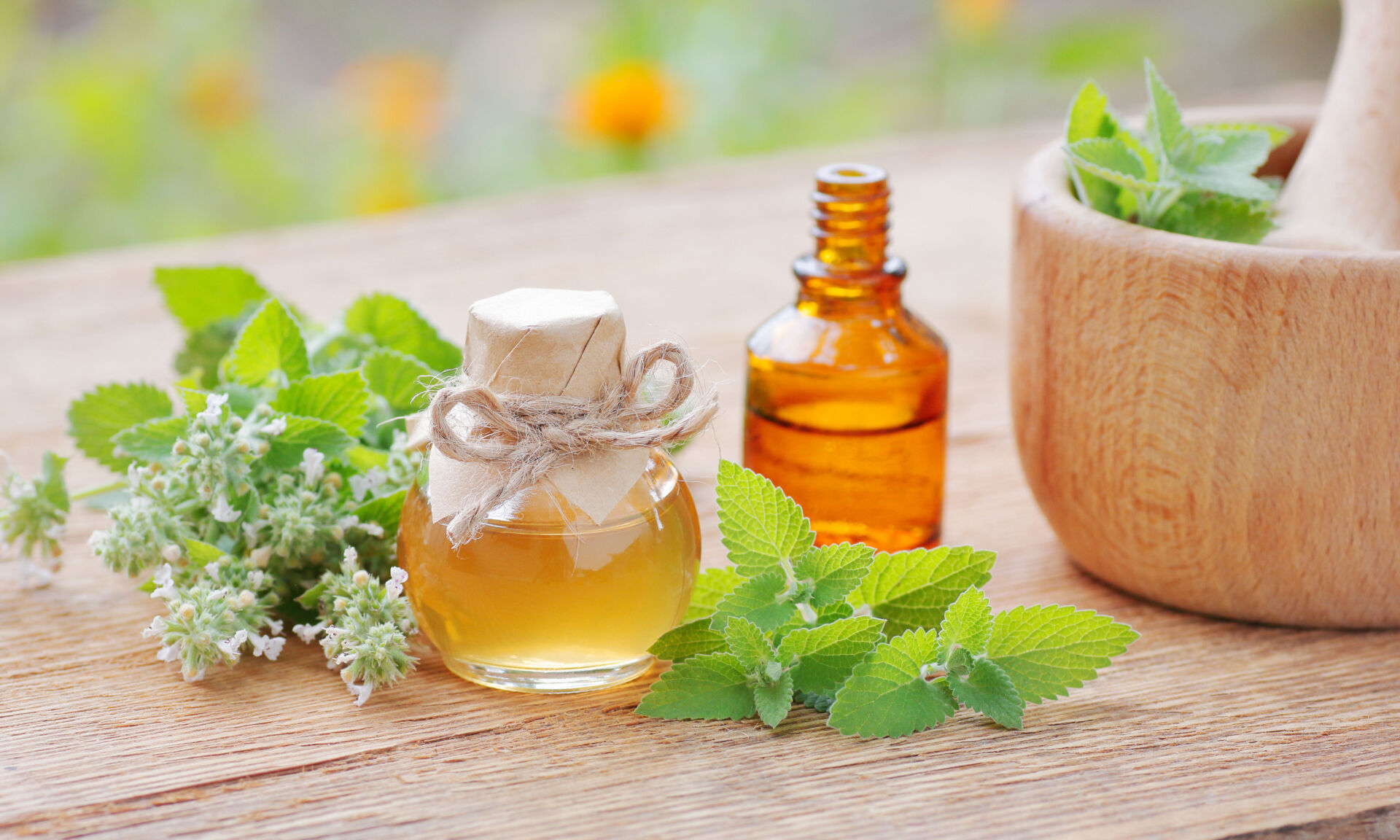
Lemon balm is one of those old garden herbs people kept close for a reason. Long before “stress support” became a label on a bottle, families used calming plants like this to help soften hard days.
It fits the person who feels tired, but somehow still tense. A warm cup of lemon balm tea in the evening can become a gentle signal to your nervous system that the day is finally over.
The thing with lemon balm is that it doesn’t feel like a “serious” remedy at first.
It smells too good for that.
Fresh, bright, a little lemony, a little sweet — the kind of scent that makes your shoulders drop before you even take it. That’s part of why people love it. Lemon balm doesn’t come in like a hammer. It comes in like a deep breath.
And honestly, I felt it.
I took a few drops one evening thinking it would just help me relax a little. Later, I had to drive for a bit, and on the way back I could actually feel my eyes getting heavy. Nothing dramatic — just enough for me to think, “Okay… this definitely does something.”
That’s why I like lemon balm in tincture form. It’s easy, pleasant, and perfect for those evenings when your body is tired but your mind is still buzzing.
You can keep it by your bed, in the kitchen, or wherever your day usually starts to unravel.
A few drops can become that small signal that it’s finally time to soften the edges.
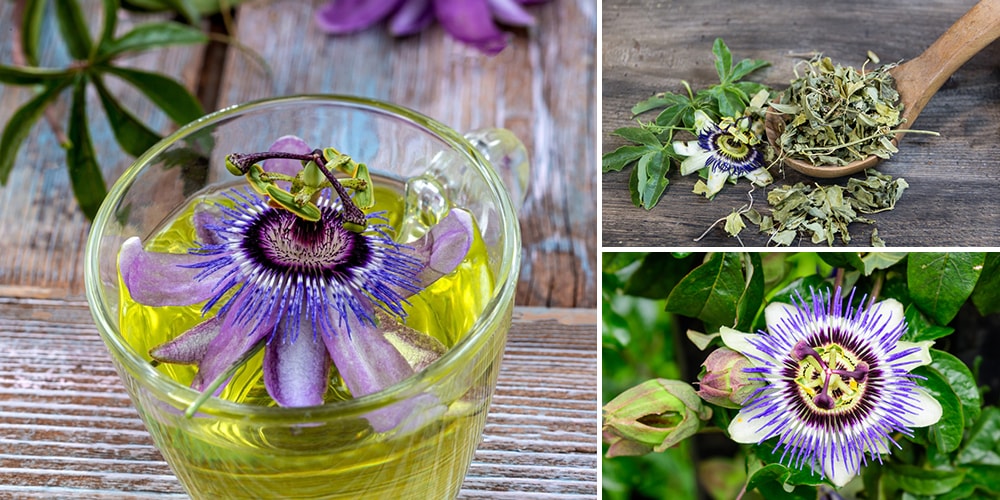
Passionflower: For Nights When You Can’t Let Go
Passionflower is for those nights when your body is in bed, but your mind is still pacing.
Traditionally, it has been used as a calming nighttime herb, especially when restlessness gets in the way of sleep. It does not feel like forcing the body to shut down. It feels more like helping it loosen its grip.
Sleep is not just “rest.”
It’s when your body repairs, your brain clears the clutter of the day, your hormones reset, your mood steadies, and your nervous system finally gets a chance to stop bracing for impact.
And you can feel the difference when it doesn’t happen.
Remember when you could sleep two hours, drink a coffee, and somehow survive the whole next day like nothing happened? Now even losing 30 minutes can make the morning feel personal.
That’s because your body needs better recovery as you age, not less.
This is where a passionflower-based sleep tincture makes sense, especially when it also contains valerian, hops, and German chamomile — herbs traditionally used when the body needs help settling into deeper, more restorative rest.
It’s not about knocking yourself out.
It’s about helping your system stop fighting the night, so you can wake up feeling like you actually came back to life a little.
If sleep has become the weak link in your health, this is one of the first places I’d start.
Valerian and Chamomile: The Old Comfort Herbs
Valerian is stronger and more “deep night” for some people, but it is not everyone’s herb. Some love it, some feel groggy, and some barely notice it. Use it carefully and listen to your body, just like people did before herbs came in fancy bottles.
Chamomile has that grandmother’s-kitchen kind of comfort. It is gentle, familiar, and perfect when you need a bedtime ritual that actually feels kind. And even science finally caught up with what our ancestors were doing. That’s why my home-grown chamomile is my favorite sleep aid.
Chamomile is one of those herbs that feels almost too simple to respect.
But that’s exactly why it has lasted so long.
It’s gentle. It’s familiar. It smells like calm. And when you grow it yourself, you know exactly where it came from — no mystery tea bags, no dusty herbs that have been sitting in a warehouse forever, no wondering what was sprayed on it before it reached you.
That matters.
Because with herbs, source is everything. If you’re using a plant to support your body, you should be able to trust the plant.
That’s why I like the idea of growing your own chamomile from seeds. You don’t need acres of land. A small garden works beautifully, but even a few pots in the kitchen or on a porch can give you your own little calming apothecary.
 Nicole’s Medicinal Garden Kit includes chamomile seeds, along with other medicinal plants like lavender, echinacea, yarrow, calendula, feverfew, marshmallow, and more. It also comes with a guide that shows you how to turn those plants into teas, tinctures, salves, poultices, infusions, and other remedies.
You harvest it yourself. You dry it yourself. You know it’s yours.
And with colder months coming, this is a smart time to start building your own medicinal plants at home instead of waiting until you need them.
You can check out the seeds here.
Lion’s Mane: For the Brain You Want to Keep
Lion’s mane is not really a bedtime herb. It is more of a long-game mushroom for brain health.
Early research suggests it may support cognitive function, mood, and pathways connected with nerve growth factor, which plays a role in the growth and maintenance of nerve cells.
And that matters. Because you do not just want to age. You want to stay present. You want to remember the stories, recognize the faces, and feel like yourself for as long as possible.
Lion’s mane is not a magic brain rebuild. But it may be one of the most interesting natural allies for supporting the mind you want to protect while you still can.
It’s not just a “focus mushroom.” Research suggests Lion’s Mane may support Nerve Growth Factor, or NGF — a protein your body uses to help maintain, protect, and support nerve cells.
Think of NGF like a repair-and-maintenance signal for your nervous system. When those pathways are better supported, your brain has a better environment for memory, focus, mood, and long-term clarity.
And honestly, it’s wild how little most people hear about this.
We’re told to worry about brain aging only after forgetfulness becomes obvious. But the smarter move is to support your brain while it’s still working for you.
Nicole’s Lion’s Mane Tincture makes that easy. No powders, no cooking, no guessing — just a few drops of one of the most fascinating mushrooms for cognitive support.
If you want to take better care of the brain you’ll need for the rest of your life, you can check it out here.
The Evening Mental Exhaustion Tonic
For the person who feels wired, tense, foggy, and emotionally thin by the end of the day, lemon balm and passionflower make a beautiful herbal pair.
Lemon balm is a calming mint-family herb often used when the mind feels restless but the body is tired. It is gentle, pleasant, and well suited for that “I need to soften the edges of the day” feeling.
Passionflower is another evening-friendly herb, especially when your mind will not downshift. It is not about knocking you out. It is more like dimming the lights inside your nervous system.
Simple Evening Tonic
Add to a mug:
- 1 teaspoon dried lemon balm
- 1 teaspoon dried passionflower
- 8–10 oz hot water
- Optional: a small spoon of honey
- Optional: a squeeze of lemon
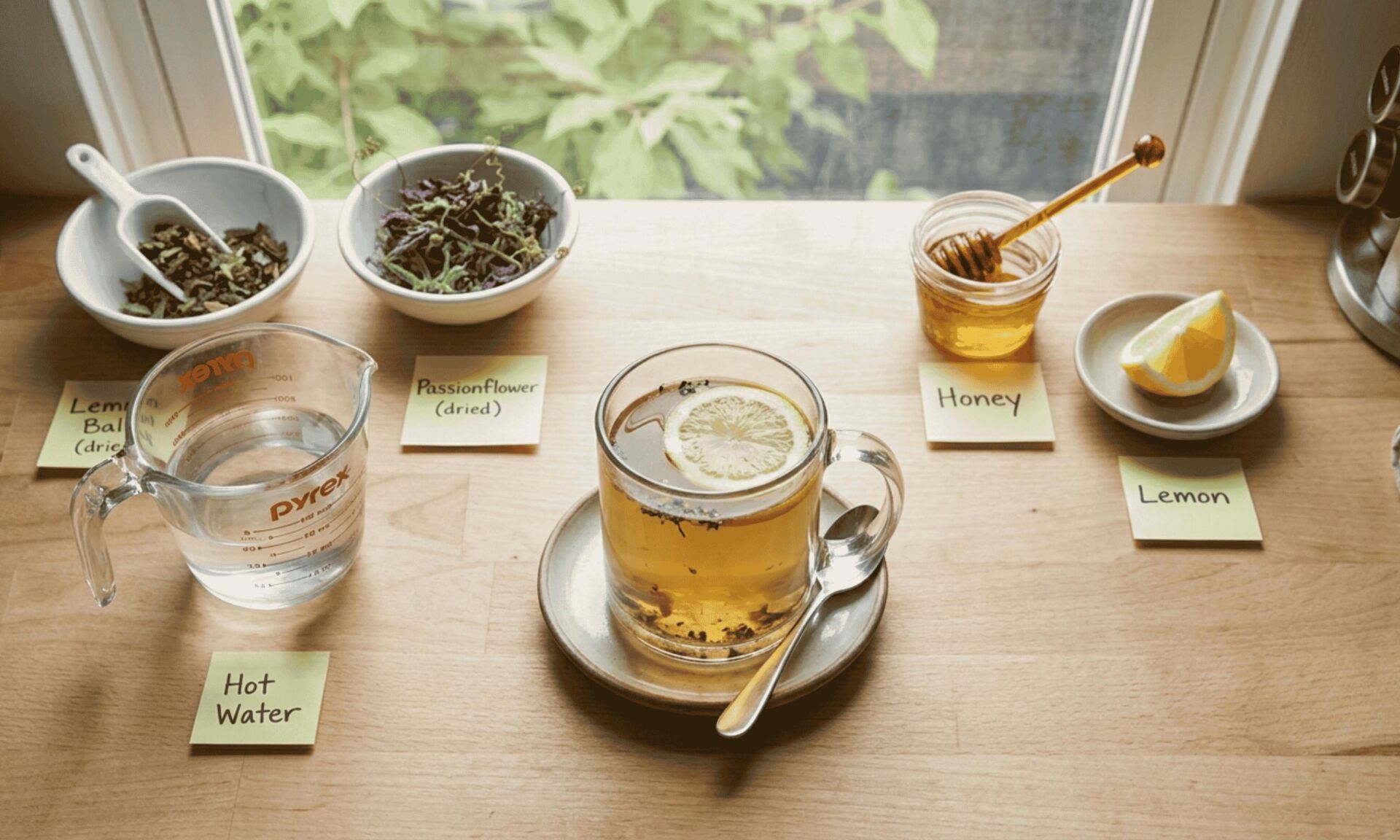

Cover and steep for 10–15 minutes. Sip it 30–60 minutes before bed, preferably while your phone is not in your hand. Yes, that part matters. Your tea can do only so much if your nervous system is still being chased by emails, headlines, and blue light.
Make this a small ritual. Same mug. Same chair. Same quiet signal to your body: “We are done carrying the day now.”
The 3 Habits That Make the Herbs Work Better
Here is the part nobody wants to hear, but everybody needs: herbs work better when your habits stop fighting them.
Start with these three:
First, protect your sleep window. Most adults need at least seven hours. Your brain cleans house, restores focus, and steadies mood while you sleep.
Second, give your mind a hard stop at night. Set a “no problem-solving” time. After that, you can write worries down, but you do not have to wrestle them in bed.
Third, move your body daily. Even a walk counts. Movement helps burn off stress chemistry and supports better sleep.
The frustrating part is that mental exhaustion usually doesn’t come from one bad habit.
It comes from dozens of tiny things repeated for years.
Too much screen time. Too little sleep. Stress that never fully turns off. Poor food. No movement. Late-night scrolling. Skipping real rest and calling it “being productive.”
And the scary part?
Most people keep doing those things until their body finally forces them to stop.
That’s why a protocol can be so helpful. Not random advice. Not “try sleeping more” and good luck. A real plan that shows you what to do, what to avoid, and how to support your body day by day.
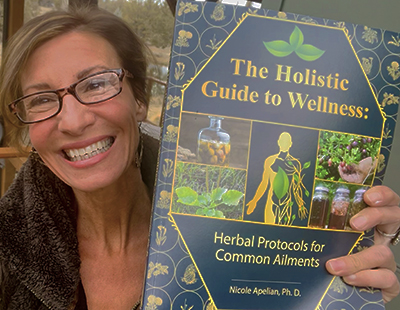 Inside Nicole Apelian’s Holistic Guide to Wellness, you’ll find protocols built around food, physical and mental exercises, stress-relief techniques, vitamins, minerals, herbs, massages, stretches, detoxes, and natural remedies.
Sometimes getting better starts by removing the things that quietly make you worse.
And once you know what those are, you’re already ahead of most people.
You can discover the protocols here.
When to Get Extra Help
If your exhaustion lasts for weeks, gets worse, or comes with hopelessness, loss of interest, constant sadness, panic, or trouble functioning, do not hide behind herbs. Get support.
Herbal remedies can be wonderful allies, but they are not a reason to ignore your body’s bigger signals.
Mental exhaustion steals your life quietly. It takes your patience, your focus, your joy, and your sense of control one small piece at a time.
So start small tonight.
Brew the tea. Turn the screen down. Let the day end. Give your nervous system the message it has been waiting for:
You are safe to rest now.
If you feel like your brain needs more help than just one calming herb or one good night of sleep, this is where a complete approach makes more sense.
Because mental exhaustion usually doesn’t come from one thing.
It comes from stress that keeps your mind loud, poor sleep that leaves you foggy, low energy that makes everything harder, and the slow wear and tear that comes with aging.
That’s why Nicole’s Healthy Brain Bundle is such a strong option.
It brings together Lemon Balm, Lion’s Mane, Cordyceps, and Reishi — four remedies that work from different angles but all point toward the same goal: better brain support.
Lemon Balm helps calm the mental noise.
Lion’s Mane supports long-term cognitive health.
Cordyceps helps with stamina and energy.
Reishi supports deeper resilience and recovery. 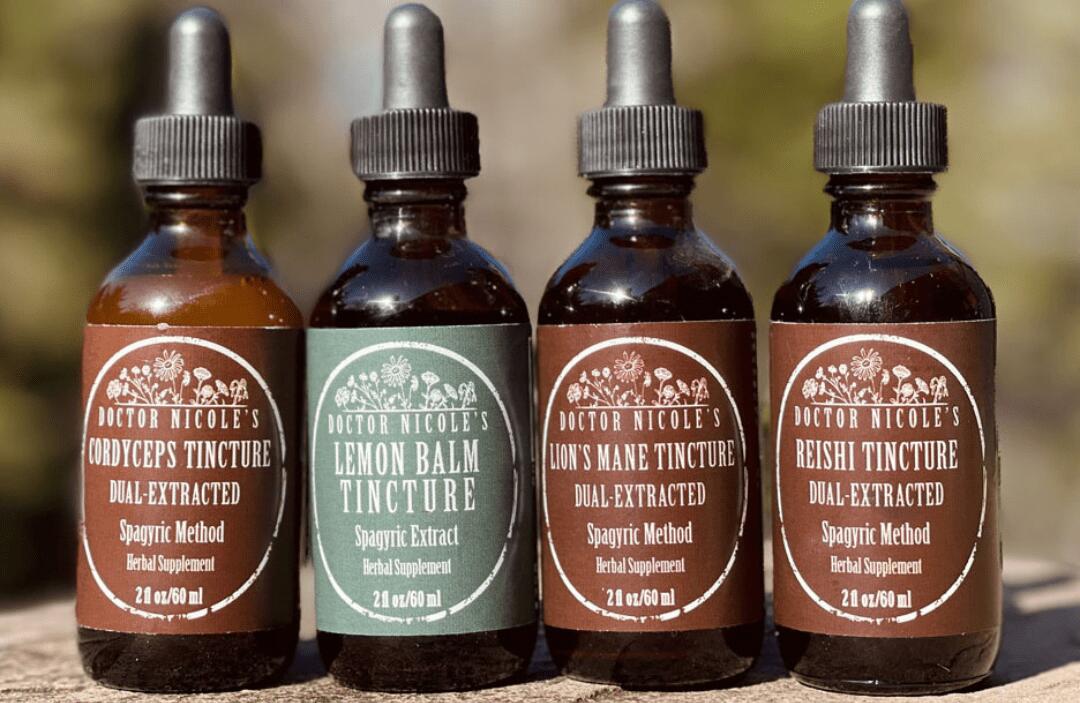
Together, they create a fuller routine than any one bottle could offer on its own.
So if you’ve been feeling scattered, drained, forgetful, or just not as sharp as you used to be, this bundle gives your brain the kind of steady support it needs to keep up with you.
And because they come together, it’s also much more practical than buying each tincture separately.
You may also like:
The ‘Nerve Oil’ You Should Use For Shaky Hands
No Prescription Needed! 10 Natural “Antibiotics” (Video)
This is How My Grandma Made Antibiotics
When Pharmacies Are No Longer an Option
🌿 Join The Lost Herbs Inner Circle For Free. 👉 Click here!
References
FDA — Structure/Function Claims – https://www.fda.gov/food/nutrition-food-labeling-and-critical-foods/structurefunction-claims
CDC — Managing Stress – https://www.cdc.gov/mental-health/living-with/index.html
NHLBI, NIH — How Sleep Affects Your Health – https://www.nhlbi.nih.gov/health/sleep-deprivation/health-effects
NHLBI, NIH — How Much Sleep Is Enough? – https://www.nhlbi.nih.gov/health/sleep/how-much-sleep
NIMH — Caring for Your Mental Health – https://www.nimh.nih.gov/health/topics/caring-for-your-mental-health
NIMH — Depression – https://www.nimh.nih.gov/health/publications/depression
NCCIH — Stress – https://www.nccih.nih.gov/health/stress
NCCIH — Meditation and Mindfulness: Effectiveness and Safety – https://www.nccih.nih.gov/health/meditation-and-mindfulness-effectiveness-and-safety
CDC — Benefits of Physical Activity – https://www.cdc.gov/physical-activity-basics/benefits/index.html
NCCIH — Ashwagandha: Usefulness and Safety – https://www.nccih.nih.gov/health/ashwagandha
NIH Office of Dietary Supplements — Ashwagandha: Is it helpful for stress, anxiety, or sleep? – https://ods.od.nih.gov/factsheets/Ashwagandha-HealthProfessional/
NCCIH — Passionflower: Usefulness and Safety – https://www.nccih.nih.gov/health/passionflower
PubMed — Passionflower Herbal Tea and Subjective Sleep Quality – https://pubmed.ncbi.nlm.nih.gov/21294203/
PubMed — Passiflora incarnata Extract, Stress, and Sleep Quality – https://pubmed.ncbi.nlm.nih.gov/38646244/
PMC — Clinical Efficacy and Tolerability of Lemon Balm – https://pmc.ncbi.nlm.nih.gov/articles/PMC11510126/
NIH LiverTox — Lemon Balm – https://www.ncbi.nlm.nih.gov/books/NBK600583/
NCCIH — Rhodiola: Usefulness and Safety – https://www.nccih.nih.gov/health/rhodiola
NCBI — Rhodiola rosea for Physical and Mental Fatigue – https://www.ncbi.nlm.nih.gov/books/NBK126493/
PubMed — Rhodiola rosea in Stress-Induced Fatigue – https://pubmed.ncbi.nlm.nih.gov/19016404/
NCCIH — Valerian: Usefulness and Safety – https://www.nccih.nih.gov/health/valerian
NCCIH — Myth-Busting Popular Natural Products Marketed for Disease Prevention and Wellness – https://www.nccih.nih.gov/health/providers/digest/myth-busting-popular-natural-products-marketed-for-disease-prevention-and-wellness
NCCIH — Herb-Drug Interactions: What the Science Says – https://www.nccih.nih.gov/health/providers/digest/herb-drug-interactions-science
PubMed — Acute and Chronic Effects of Lion’s Mane Mushroom – https://pubmed.ncbi.nlm.nih.gov/38004235/
PMC — Acute Effects of Hericium erinaceus Extract on Cognition and Mood – https://pmc.ncbi.nlm.nih.gov/articles/PMC12018234/
NIH LiverTox — Lion’s Mane – https://www.ncbi.nlm.nih.gov/books/NBK599740/