
Homemade Anti-Allergy Lozenges
Seasonal allergies can turn the best days into times of runny noses, sore throats, and a general overall feeling of unwellness. Many rely on over-the-counter allergy medications to get through, but these treatments can often make you drowsy.
Instead of reaching for those, try creating this fun remedy using natural herbs that people have used for centuries to find relief.
These Homemade Anti-Allergy Lollypops combine soothing honey with nettle and elderflower to calm allergy symptoms. Not only is this remedy effective, but it’s also enjoyable for kids and adults.
In this post, you’ll dive into the science behind antihistamine-supporting herbs and learn how to make these lollypops for yourself. If you’re ready to make wellness feel like a treat, keep reading.
The Best Antihistamine Supporting Natural Ingredients
Conventional treatments focus on stopping histamine once allergy symptoms start. This can cause dry mouth, headaches, dizziness, and drowsiness. Natural ingredients work in a more uplifting way, soothing your throat and reducing the load allergens can put on your body.
Here’s the science behind these Homemade Anti-Allergy Lollypops and a few optional ingredients you can add to your mixture.
Nettle: One of the most hailed herbs for allergy support, stinging nettle was proven to aid allergic rhinitis, which causes runny noses and itching eyes. Studies saw the same effects with nettle extract, proving the effectiveness of this common herb.
Related: Homemade Winter Root Tonic
And it actually makes sense when you think about it…
When nettles sting you, your body reacts instantly. That reaction is triggered by specific compounds in the plant that interact with your skin.
But here’s the important part—when nettle is properly prepared (dried, cooked, or extracted), those irritating effects disappear… while the beneficial compounds remain.
So no—it won’t make your body itch or sting when you take it internally.
You can find dried nettle in stores—but I’ll be honest, I don’t really trust the potency. Most of it sits on shelves for months, exposed to air, light, and who knows what else. By the time you use it, a lot of the strength is already gone.
That’s one of the reasons tinctures make more sense. They’re preserved in alcohol, which keeps the active compounds stable and clean.
If you’re looking for a good stinging nettle tincture, I personally stick with Nicole’s Apothecary. You can check it out here. 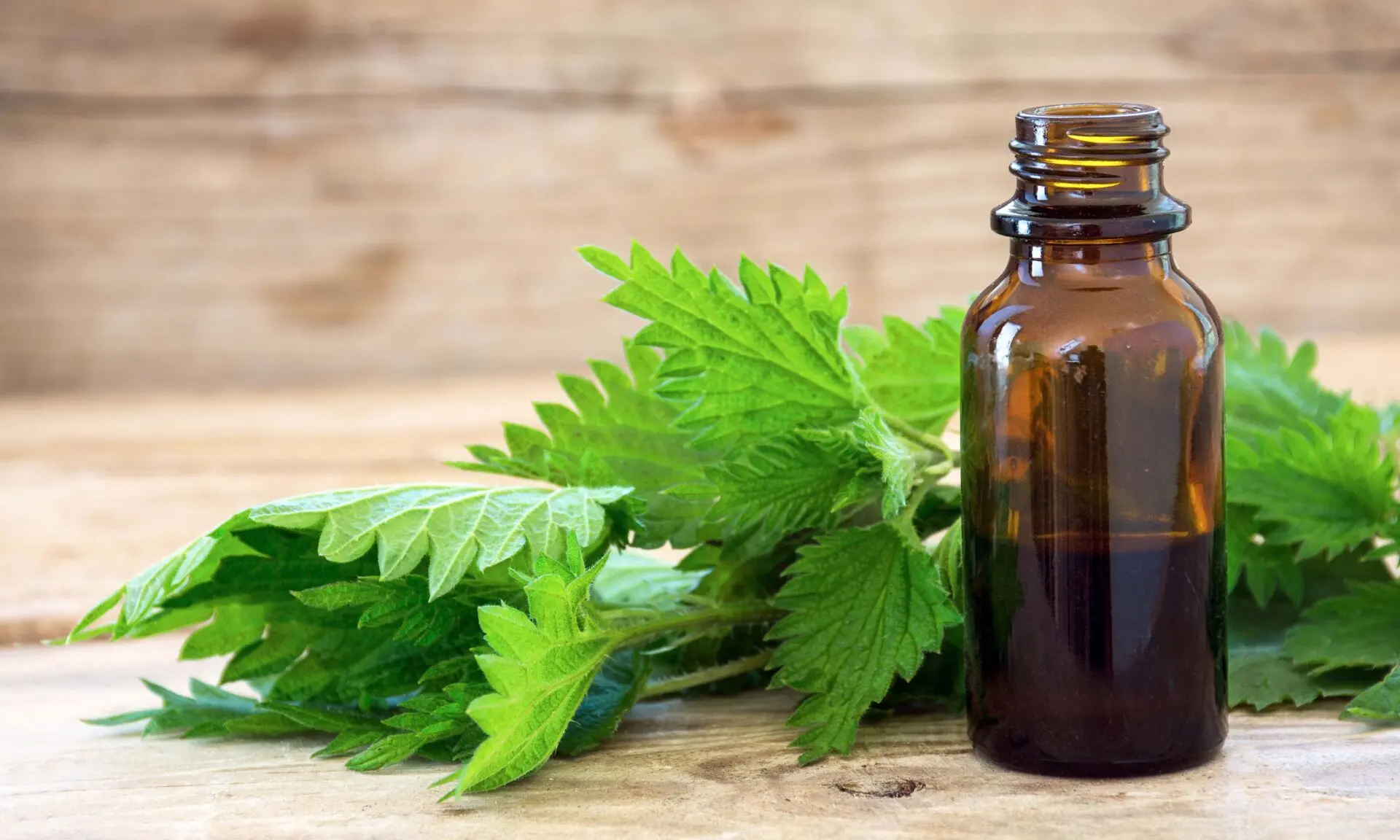
Ginger: An optional ingredient that you can add for an anti-inflammatory boost. In one study, ginger was compared with a popular allergy medication and performed just as well, without any side effects.
Ginger’s high antioxidant content is also useful for reducing the inflammation that allergies cause. You can add 1-2 teaspoons of fresh grated ginger or 1 teaspoon of dried ginger to the infusion.
Rosehips: Known for their bright flavor, beautiful rosehips can add a cheery note to these lollypops. They’re naturally rich in vitamin C, which has been proven to greatly improve allergy symptoms. If you want your lollipops to have a fruity note, add 1 tablespoon of dried, crushed rosehips to your infusion.
Elderflower: While elderflower isn’t a traditional anti-allergy herb, it does support the respiratory system, which often suffers due to allergies. Be sure to use elderflower, not the stems or leaves, which are not intended for internal use.
Another one I really like here is elderberry.
Think about it—the berry holds the seed… and the seed is literally the life of the plant. Everything needed to grow something new is packed inside.
Now imagine extracting that concentrated “life” and using it to support your own body—especially your immune system.
You can make your own elderberry tincture at home by soaking dried elderberries in alcohol for a few weeks, then straining the liquid.
But if you’d rather skip the wait, Nicole Apelian makes a ready-made version in small batches that’s already properly extracted and balanced.
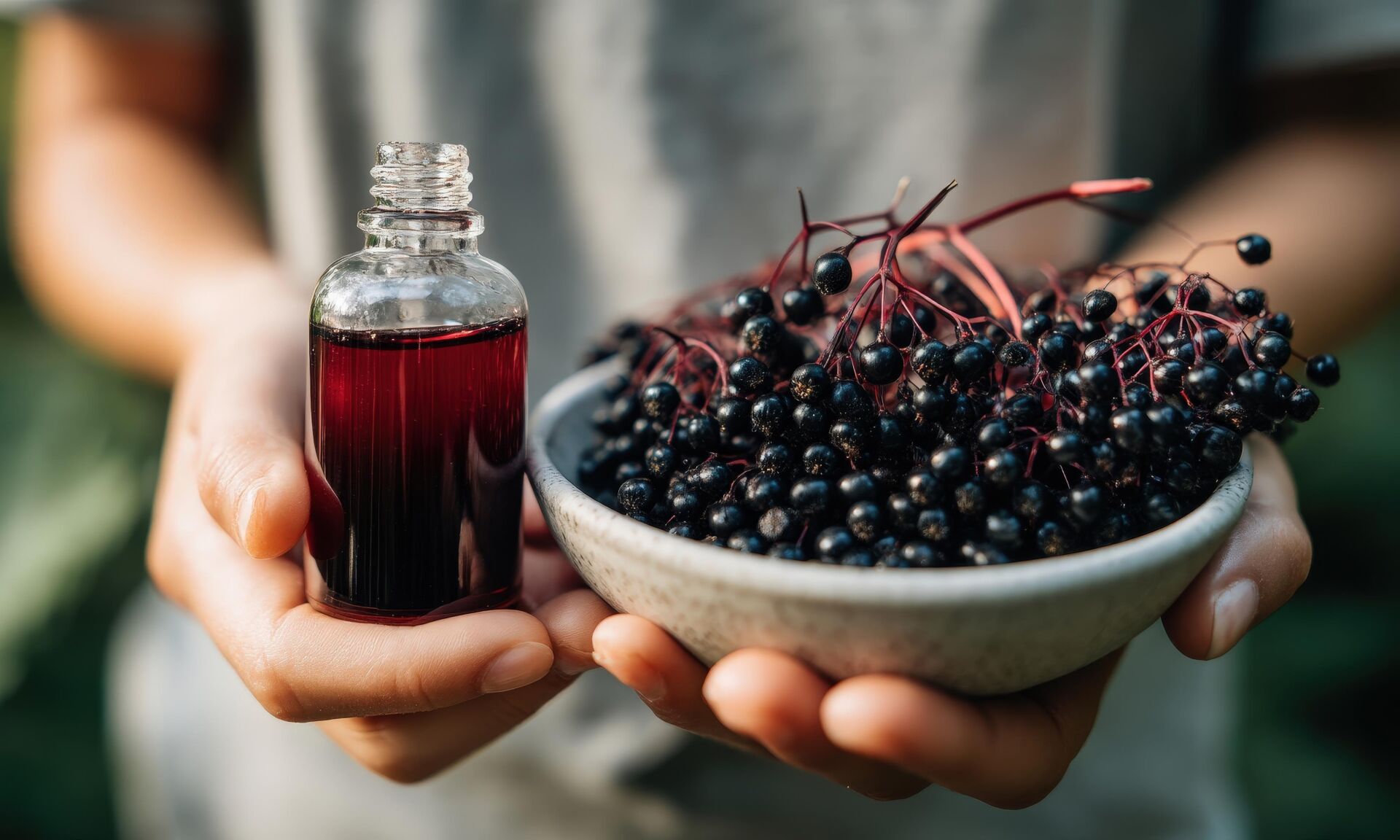
And just so you know—I made the recipe below using dried nettles and elderberries to show it’s absolutely doable at home. Just keep in mind, it won’t be as potent as a properly dual-extracted tincture.
Honey: During allergy season, mucus can drip down the throat, causing irritation. Honey coats the throat and contains powerful antioxidants that can reduce coughing.
In this remedy, honey is also the base that delivers the herbs slowly, giving them more time to sink into the system. Manuka honey is best, but you can also find great results with raw local honey, which can actually help your body adapt to allergens specific to your area.
Chamomile: This herb plays a dual role, as it has anti-allergy properties and can promote calmness within your body. While it’s not as widely studied as other antihistamine supporting herbs, it’s well worth adding to your lollypops, especially if serving to children. Add 1-2 tablespoons of dried chamomile flowers to the infusion.
Feel free to mix and match based on what your body needs most. For example, if allergies have you feeling sick, try rosehips. If you need help sleeping through allergy symptoms, add chamomile.
Note that these herbs are not a replacement for urgent care if you have wheezing, trouble breathing, swelling, or signs of anaphylaxis. However, for everyday seasonal allergy symptoms, using herbs is a balanced traditional response.
How to Make Homemade Anti-Allergy Lollypops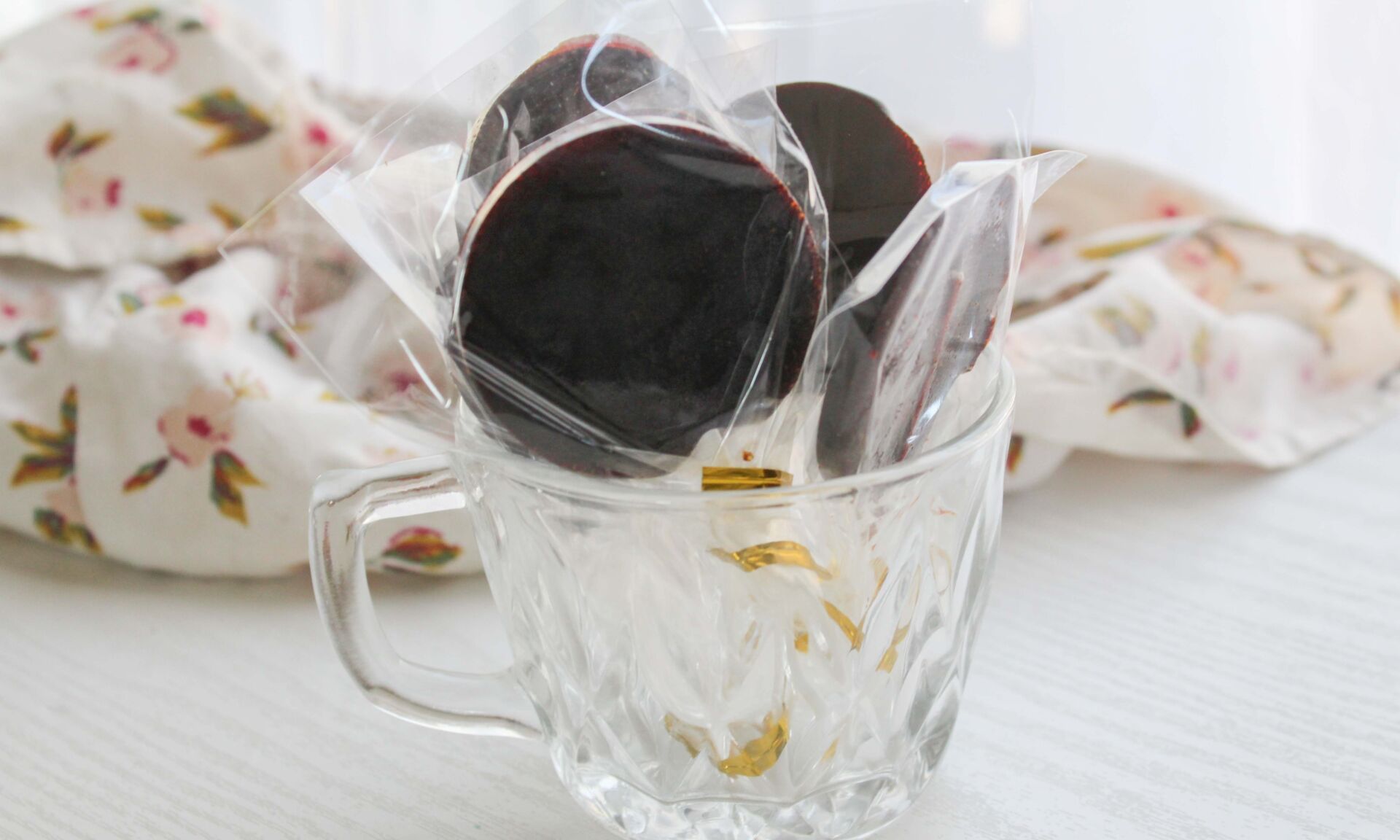

These amazing Homemade Anti-Allergy Lollpops mix antihistamine-supporting herbs with soothing honey to calm itchy throats. They’re particularly useful during spring and fall, when pollen can be at its highest. Though this recipe is a bit more intensive, it’s well worth it, especially when you have an allergy remedy that kids and adults adore.
Ingredients
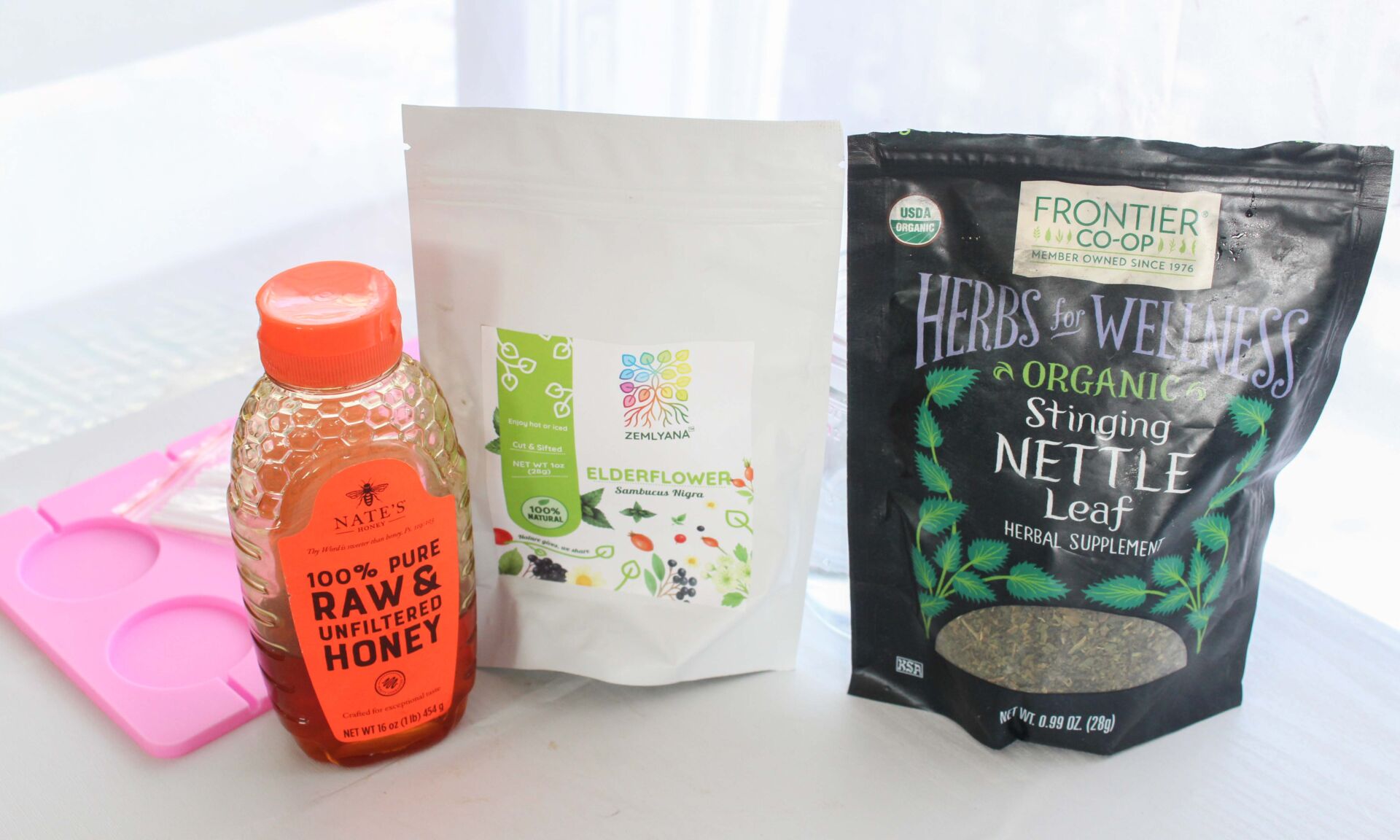
- 1 cup water
- 2 tbsp dried nettle leaf (or use Stinging Nettle Tincture drops for a more concentrated option)
- 2 tbsp dried elderflower (or use Elderberry Tincture drops for a more potent extract)
- 1 cup raw honey
Instructions
Step One: Pour the water into a small saucepan and bring it to a boil. Remove from heat and add dried nettle leaves and elderflower. Let steep for 10-15 minutes, or until the mixture changes color. 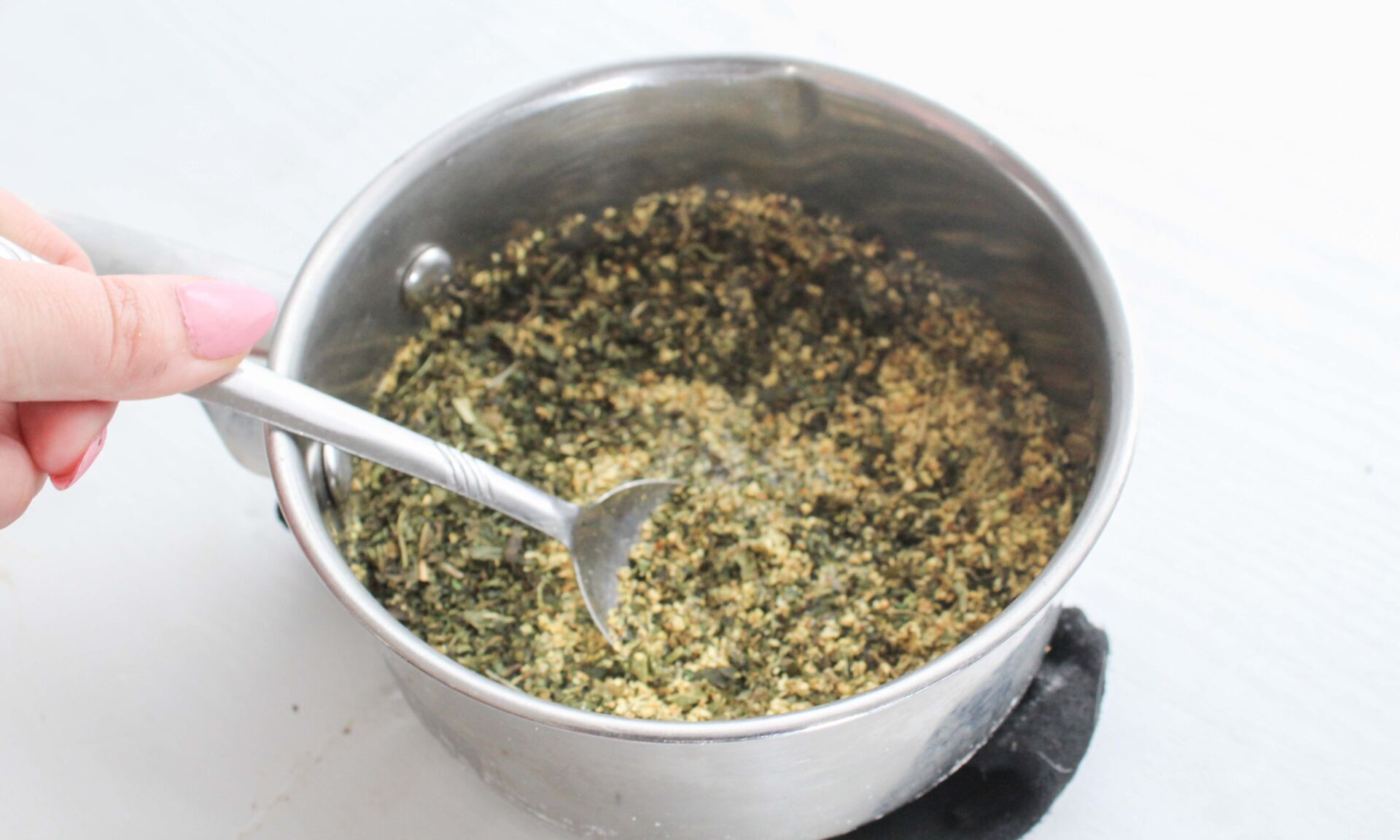
Step Two: Strain the herbs and reserve ½ cup of the liquid. 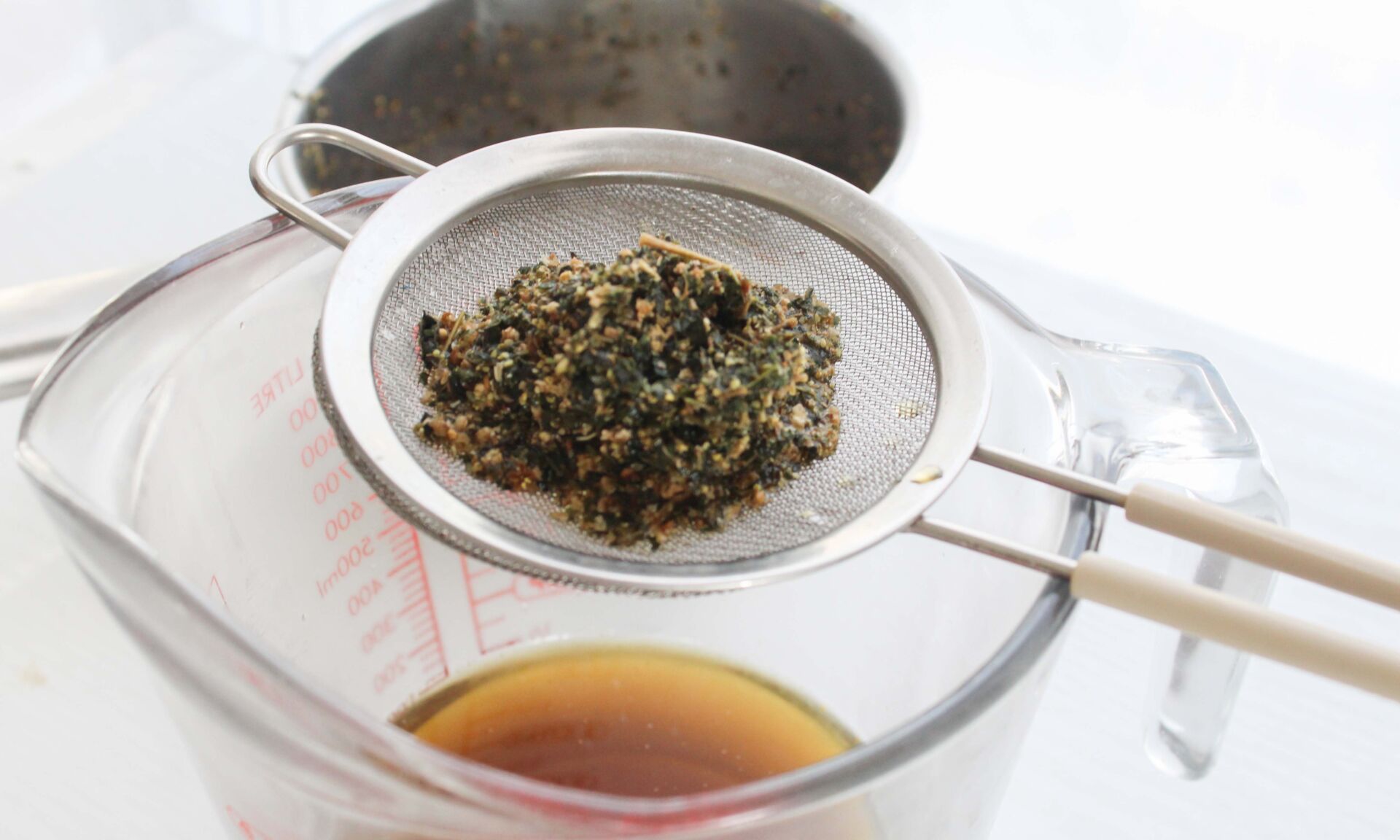
Step Three: Pour nettle infusion and honey into the same small saucepan. Heat slowly over medium-low heat until you reach the “hard crack” stage or 300℉ on your candy thermometer. 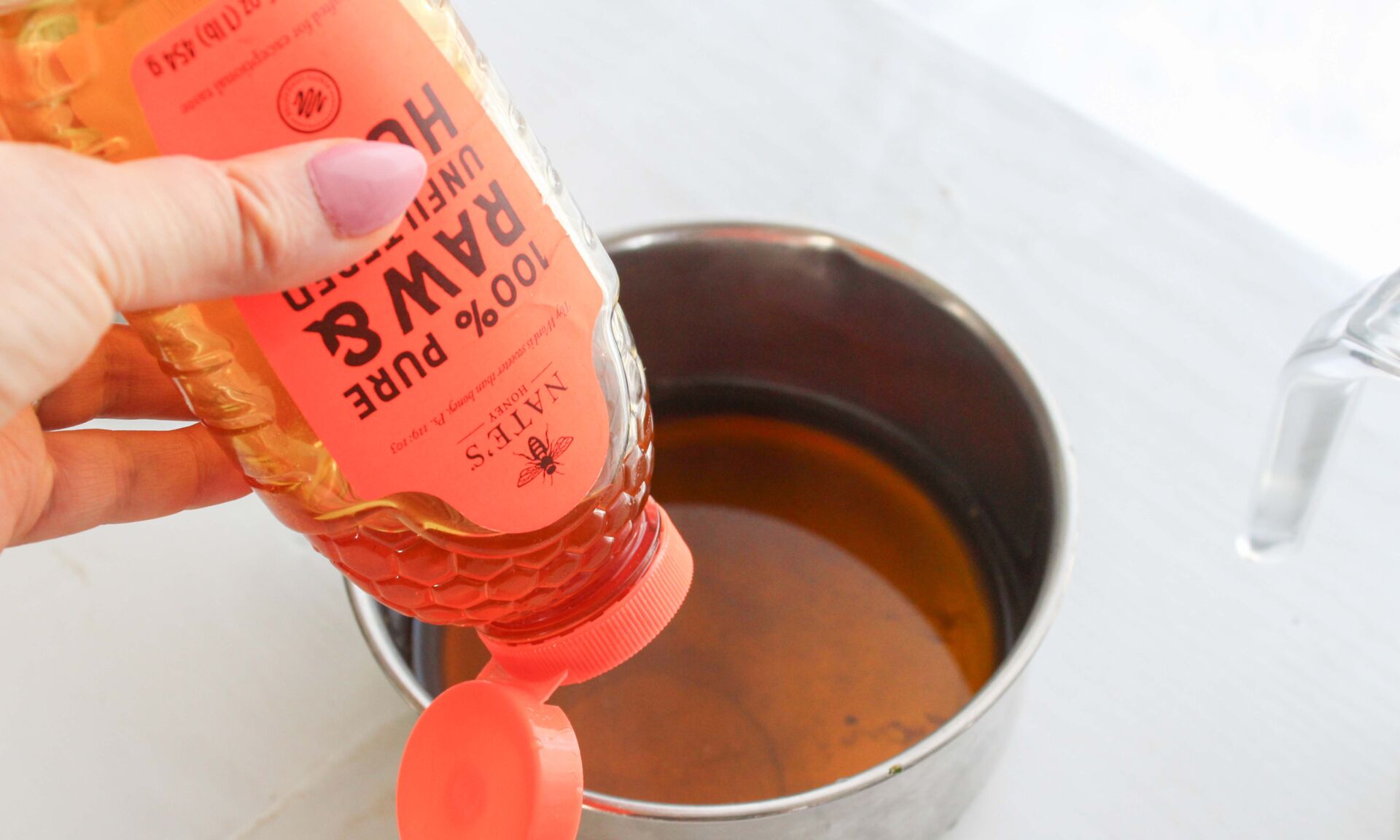
Step Four: Once the mixture reaches temp, remove it from heat and pour into a silicone lollypop mold. Be careful because it is hot and sticky! Insert the sticks immediately and allow to cool for at least 40 minutes before consuming. Remove from the mold and store in a dark, cool place. 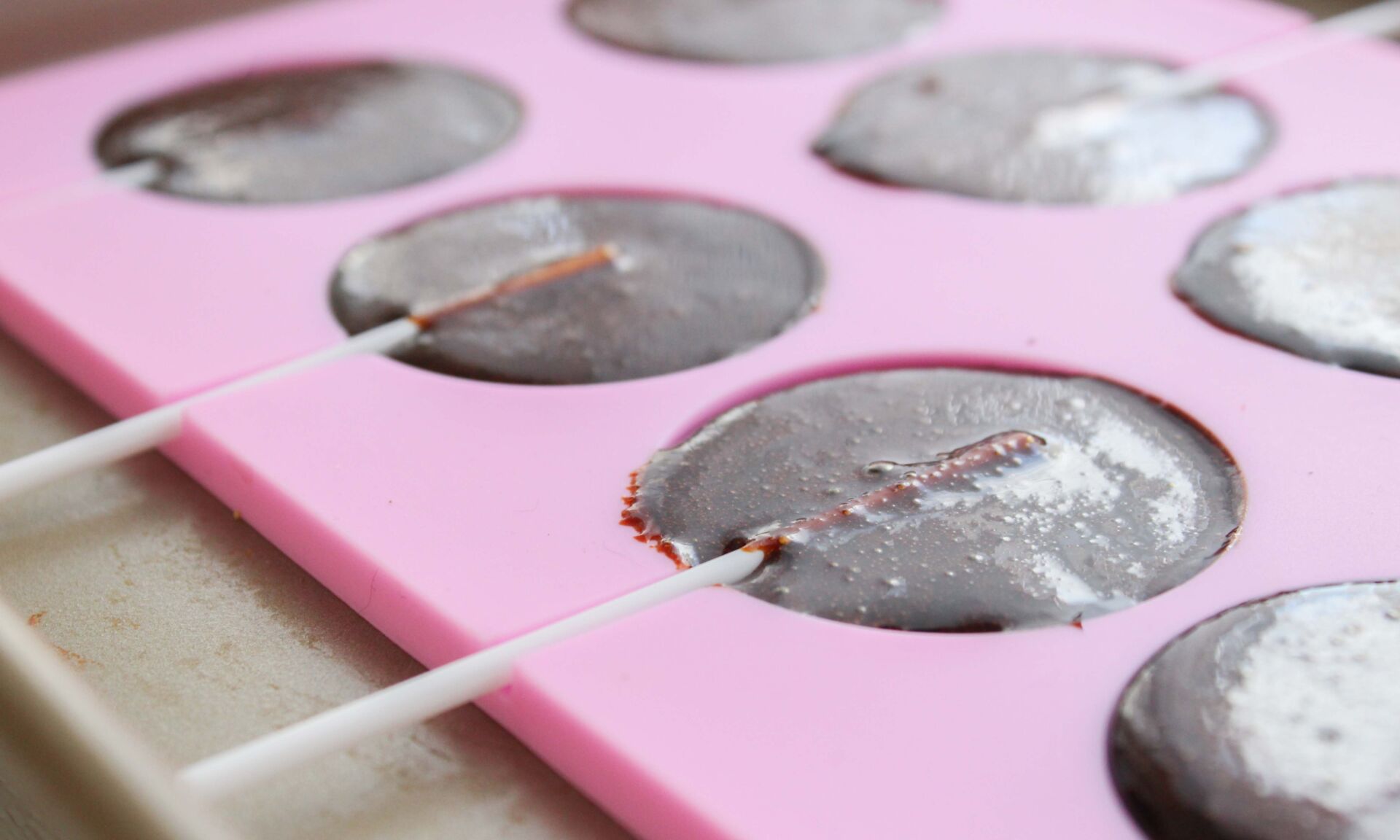
If you would rather watch a video of how it is made, we have one on our YouTube channel:
Lozenge Variation
If you prefer the convenience of lozenges, you can easily create them using the same base recipe. Simply remove the mixture from the heat and allow it to cool until it is thick, but still pliable.
Grease your hands with coconut oil, then use a teaspoon to scoop small portions of the lozenge mixture and roll into pea-sized balls. Repeat until all the mixture is gone, and let cool until firm. You can dust them with arrowroot powder and store them in a Ziploc bag. 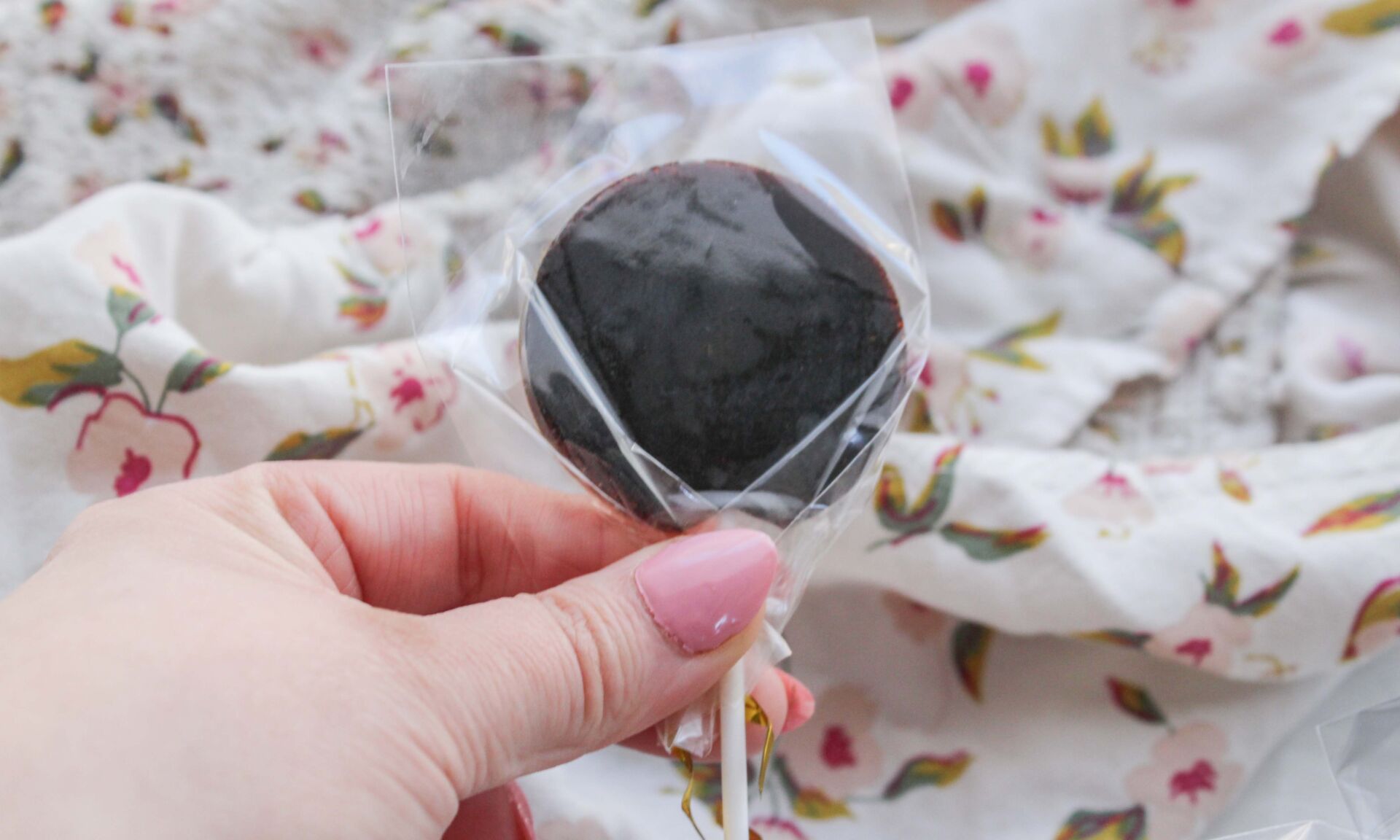
How to Use This Remedy
These lollypops are a great option for kids and adults. Because they contain honey, they should not be given to children under the age of 1. If you have known allergies to anything in the daisy family, avoid this remedy or omit the elderflower. If you’re pregnant or nursing, consult your care provider before using.
To use, let lollypop slowly dissolve in your mouth. This is a great way for the honey and herbs to coat your throat, and it allows for longer distribution than a tea.
For seasonal support, 1 lollypop a day will do the job, but if you’re truly struggling, enjoy 2. This remedy is best used as seasonal support rather than year-round protocol.
These lollipops are great for soothing your throat—the itching, the scratchiness, that constant need to clear it.
But what if your allergies go deeper?
That tight feeling in your chest. The mucus that just won’t come up. The kind of cough that lingers no matter what you do.
That’s where you need something that works on the lungs, not just the throat.
I found that herbs like lungwort lichen and mullein make a real difference here. Lungwort helps loosen that deep, stubborn mucus, while mullein calms the irritation and relaxes the cough reflex.
Together, they work from both ends—clearing and calming at the same time.
I actually tried sourcing these herbs separately at one point… and honestly, it got expensive fast and wasn’t worth the effort.
That’s why I prefer using a ready-made bronchial blend that already has the right balance.
It pairs perfectly with the lollipops—those for the throat, this for the lungs.
To store your lollypops, place them in an airtight container away from direct light and heat. If you live in a warm climate, store them in the fridge to keep them firm. For best results, consume within 2-3 weeks of making.
A Simple Way to Support Allergies From the Outside
By now, you’ve seen how powerful internal support can be—teas, tinctures, remedies that work from the inside.
But allergies don’t just stay inside.
Blocked sinuses, pressure around the nose, that constant urge to sneeze… sometimes you need something you can apply directly where the discomfort is.
And this is where most people fall into the same cycle every year—antihistamines, again and again. $30, $40 a month… every spring. And the drowsiness never really goes away.
What most people forget is that our grandparents didn’t rely on that.
They made simple topical balms that helped open the airways, ease congestion, and calm irritation—without knocking you out.
There’s one in particular—an Allergy-Relief Balm—that’s designed exactly for this.
It helps ease nasal congestion, reduce sneezing, and soothe irritated airways right where the problem is. 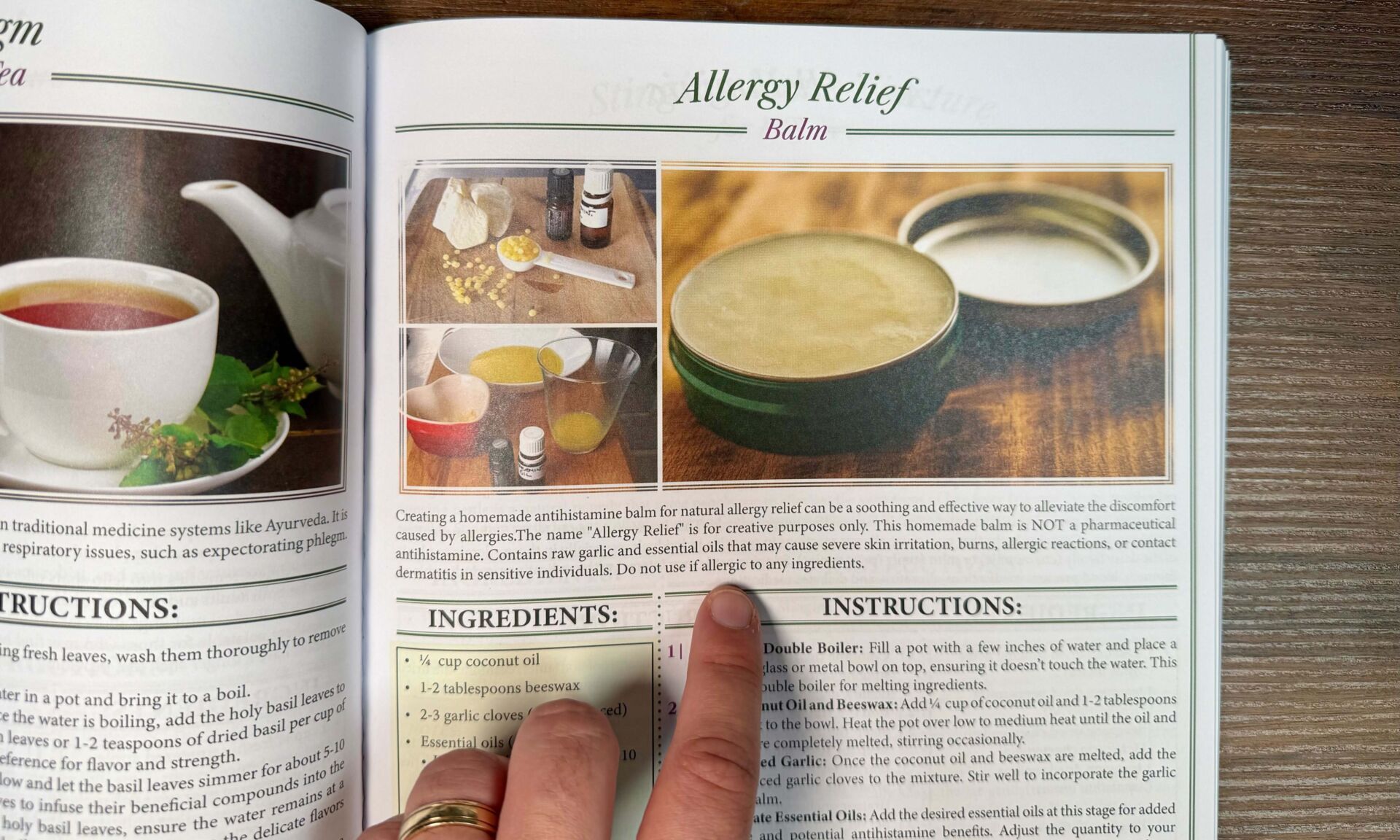
And it’s just one of many remedies inside the Forgotten Home Apothecary.
You’ll also find things like Amish Cough Syrup, the Mucus Buster, and other respiratory blends—each with exact measurements, step-by-step instructions, and clear guidance so you’re never guessing.
That’s what makes the difference: combining internal remedies with external support.
I’ll leave it here for you to explore.
You may also like: 
The Mushroom That Can Regrow Brain Tissue