You’ve been stepping on medicine your entire life.
Right now, there’s a plant growing in your yard, in the cracks of your driveway, along the sidewalk. It can stop bleeding, pull infection from wounds, and soothe burns, bites, and rashes as effectively as products in your medicine cabinet.
Your neighbors spray poison on it. Landscapers rip it out. Kids stomp on it.
But for thousands of years, this humble “weed” has been the go-to remedy for healers across Europe, Asia, and every continent where it spread. When someone got hurt—cut, stung, burned—they reached for these leaves first.
Here’s what blows my mind: Clinical trials confirm this plant accelerates wound closure, increases collagen production, fights infection, and reduces inflammation. The European Medicines Agency officially recognizes it as traditional herbal medicine. Hospitals tested it against standard burn treatments—it performed just as well.
And it’s growing for free outside your door right now.
Let me show you what you’ve been missing.
What Ancient Healers Knew (That We Forgot)
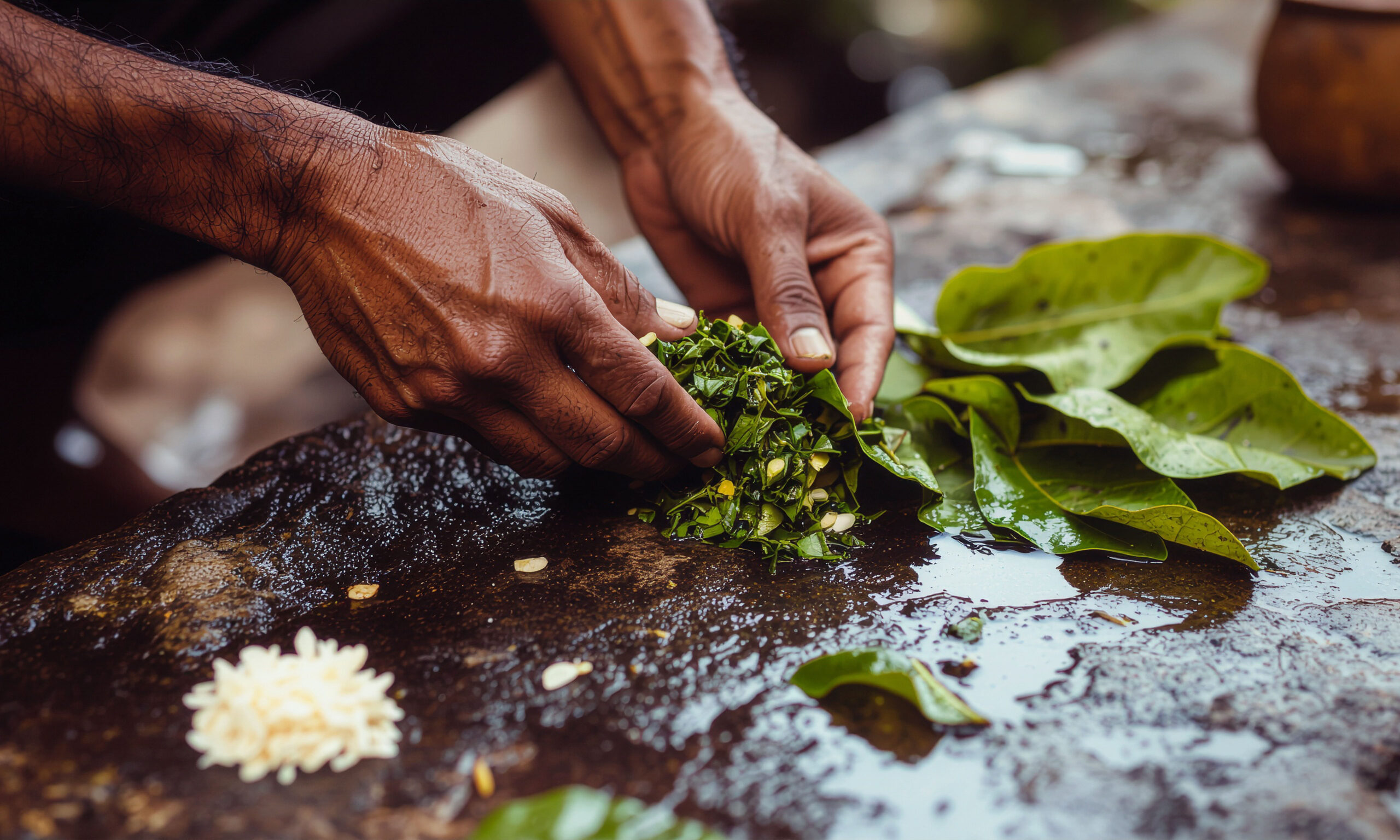
For centuries, this plant was considered essential first-aid. The method was brutally simple: when someone got injured, you’d pick fresh leaves, crush them (sometimes by chewing them—yes, really), and slap the wet paste directly onto the wound.
The effect was immediate. Pain eased. Itching stopped. Bleeding slowed. Within days, wounds that should have taken weeks to heal were closing cleanly, with minimal scarring.
Herbalists made infused oils and salves from the leaves for longer-term skin issues. They brewed teas for coughs and sore throats. They used the seeds for digestive problems. Classical herbal texts praised it for “wounds, dysentery, coughs and hemorrhoids.”
This wasn’t superstition. This was observation over thousands of years across countless cultures, all reaching the same conclusion: this plant heals.
What Science Finally Discovered Inside Those Leaves
Modern researchers isolated the compounds responsible for this plant’s healing power. Here’s what they found:
Mucilage: A gel-like substance that coats and soothes inflamed tissues, keeping wounds moist (critical for healing)
Allantoin: A compound known to promote cell regeneration—literally helping your body grow new skin faster
Aucubin: An iridoid glycoside that breaks down into an antibacterial compound, fighting infection naturally
Flavonoids and tannins: Antioxidants that reduce inflammation and support tissue repair
Put them together, and you have nature’s perfect first-aid formula.
Here’s the thing: science is finally validating what traditional healers knew all along. Those protocols that seemed strange—specific mushrooms for autoimmune conditions, targeted herbs for gut healing, food combinations for chronic inflammation—now have clinical research backing them.
Click here to access 45 proven protocols for conditions like MS, rheumatoid arthritis, type 2 diabetes, heart disease, leaky gut, and thyroid issues, broken into daily action plans. Morning, afternoon, evening—which foods, herbs, and practices, in what order.
The exact protocols people have used .to manage conditions doctors said were permanent. If you want to address root causes instead of just symptoms, thisremoves the guesswork.
What The Studies Actually Show
Wound Healing That Matches Medical Standards Lab and animal studies show this plant’s extracts significantly accelerate wound closure, increase collagen production, and reduce inflammation. A recent clinical trial tested a 10% ointment made from these leaves on second-degree burns. The result? It performed as safely and effectively as standard medical therapy while also providing antimicrobial and pain-relieving properties.
In vitro studies confirm it boosts fibroblast migration and collagen formation in skin cells—the exact processes your body needs to heal cuts, scrapes, and injuries.
Anti-Inflammatory Power Animal studies show extracts lower pro-inflammatory markers (TNF-α, IL-1) in injured tissues. In a rat model of liver injury, leaf extract significantly reduced inflammatory cytokines. The flavonoids, terpenoids, and tannins work together to calm hot, swollen wounds—exactly what traditional healers observed.
Antimicrobial Action The aucubigenin (from aucubin breakdown) denatures bacterial proteins. Phenolic compounds in the leaves can hinder viruses like herpes and adenovirus. This helps prevent infections in minor wounds and may ease mild respiratory and gastrointestinal infections.
Respiratory Relief The European Medicines Agency recognizes this plant as traditional herbal medicine for “irritations of mouth, throat and airways.” Reviews found experimental evidence of anti-spasmodic, anti-inflammatory, and immunostimulatory effects in the respiratory tract. It’s recommended for chronic cough even in children. The soothing mucilage and flavonoids calm irritated throats and reduce coughing.
Digestive Support The leaves and seeds contain soluble fiber and mucilage that regulate bowel movements. A rat study showed extracts significantly promoted healing of stomach ulcers. Other research found the fiber slows gut transit and soothes intestinal inflammation—making it a folk remedy for colitis, gastritis, and “leaky gut” symptoms.
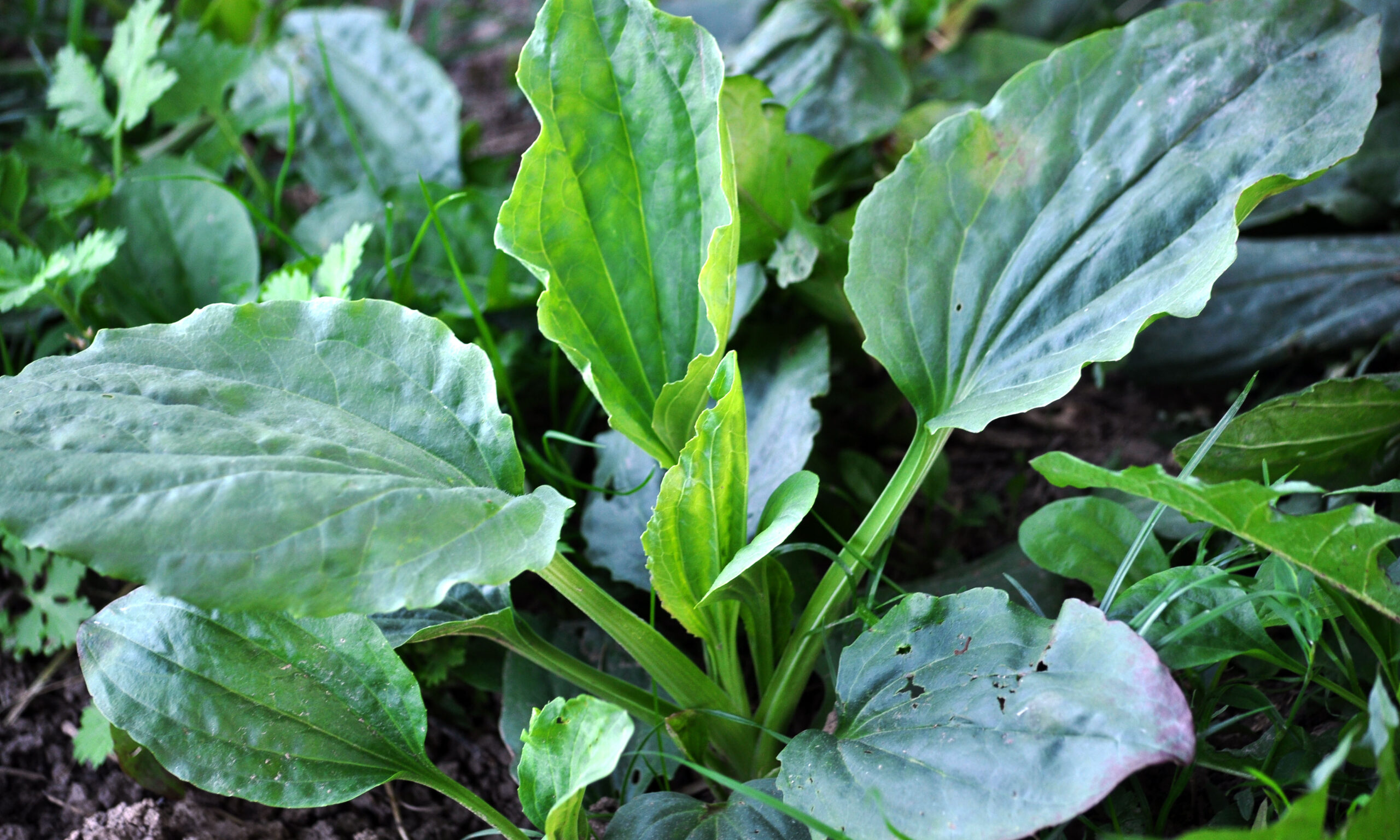
The Plant You’ve Been Ignoring: Plantain
There it is. Plantain—specifically broadleaf plantain (Plantago major) and narrowleaf or ribwort plantain (Plantago lanceolata). Not the banana. The “weed” in your lawn.
The same plant your dad cursed while mowing. The one you’ve walked past a thousand times without noticing. That plant is a verified, scientifically-proven healer that outperforms half the products in your first-aid kit.
How to Use It (Starting Today)
Fresh Poultice for Immediate Relief
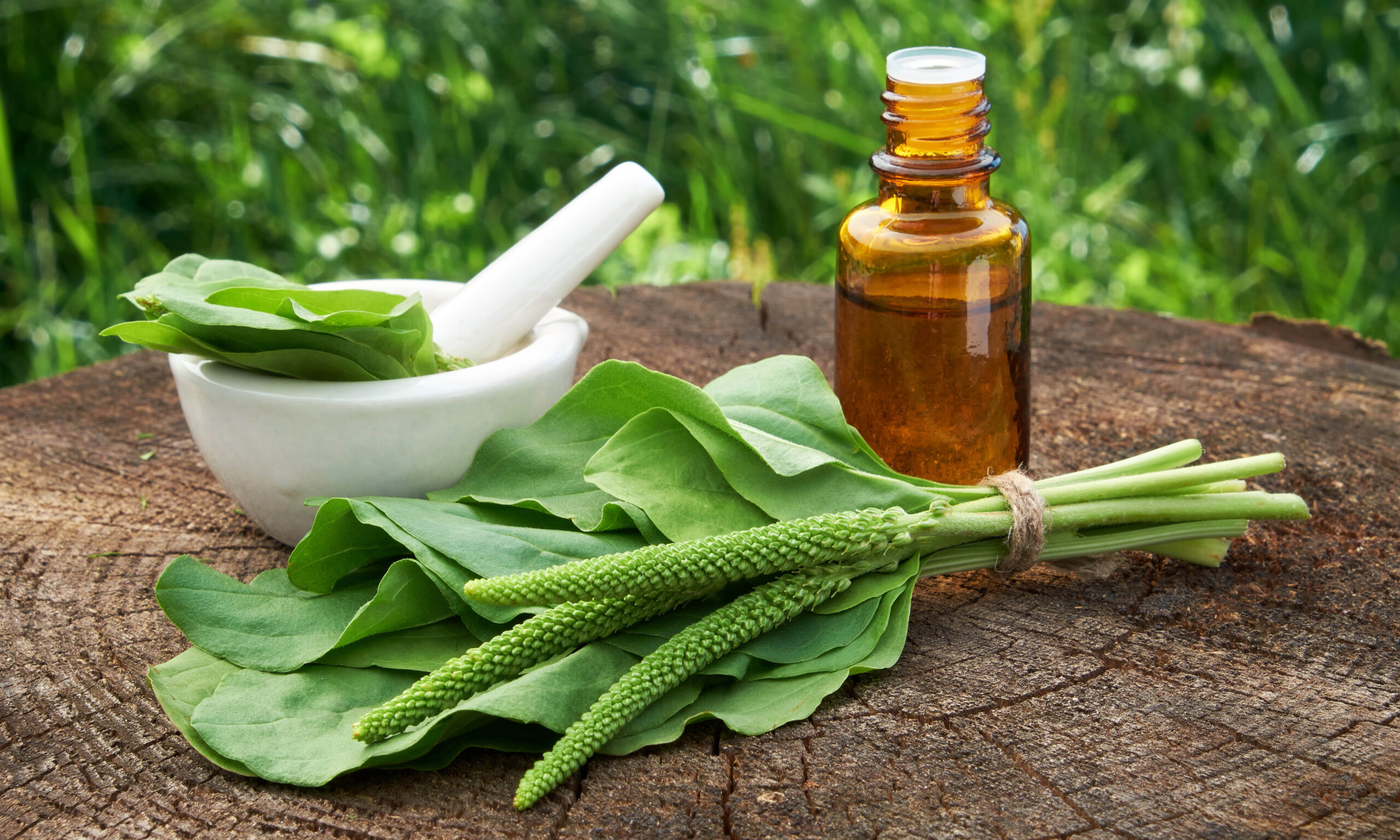
Pick young, pesticide-free leaves. Rinse them. Crush with a mortar and pestle (or chew them if you’re desperate—it works). Apply the wet paste directly to cuts, insect bites, stings, or minor burns. Hold in place with gauze. This “spit poultice” cools and protects while fighting infection. Replace every 30-60 minutes as needed.
Fresh plantain works fast—but it doesn’t last.
That poultice dries out in an hour. The medicine evaporates. You’re back to crushing more leaves, reapplying every hour. That’s fine for a quick sting, but what about burns that need days of treatment? Eczema that flares at night? Cuts that take a week to heal?
Plus, plantain season ends. You can’t harvest in winter. And is your yard sprayed with chemicals? Is that sidewalk patch contaminated with exhaust and dog urine?
A properly made plantain salve solves this. The herbs infuse in oil for weeks, extracting the full medicinal spectrum—allantoin, aucubin, mucilage. The oil holds the medicine against your skin for continuous healing. You apply once and it keeps working. No reapplying every hour. No seasonal limits.
Chop fresh or dried leaves. Steep in olive oil on low heat for several hours. Strain out leaves. Mix the infused oil 1:4 with melted beeswax to make a salve. Spread on cuts, eczema, burns, or rashes to soothe and heal. Lasts months in a jar.
Tea for Coughs and Digestion
Steep 1-2 teaspoons dried leaves (or a handful of fresh) in hot water for 10-15 minutes. Strain and sip warm, 2-3 times daily. Gentle remedy for coughs, bronchitis, or digestive inflammation. Sweeten with honey if desired.
Plantain tea is gentle, but tea only extracts water-soluble compounds. You’re getting maybe 20-30% of what plantain can do for your gut.
A plantain tincture pulls everything—the mucilage that coats inflamed tissue, the aucubin that fights infection, the allantoin that repairs gut lining. Alcohol extraction gets what water can’t touch.
This plantain-based gut blend combines it with slippery elm and marshmallow root (coating and protecting), reishi and turkey tail (immune support and anti-inflammatory), and lion’s mane (gut-brain repair). All double-extracted for maximum potency.
Plus, tincture form means no throat irritation from plant fibers—just pure medicine you can take anywhere.
Chop leaves and cover with 40-50% alcohol (vodka works). Seal and steep 4-6 weeks, shaking occasionally. Strain and bottle. Use 5-20 drops in water, 2-3 times daily for respiratory or digestive issues. Or add to ointments for extra antimicrobial power.
Safety Notes
Plantain is generally very safe—it’s been used for thousands of years. Possible mild side effects include digestive upset (especially with seed fiber) or occasional skin rash in sensitive people.
Avoid internal use during pregnancy or breastfeeding (safety not established). People with ragweed allergies may react—discontinue if rash or breathing trouble occurs. Always use clean, pesticide-free plants from areas not sprayed with chemicals.
Making plantain remedies at home is absolutely doable. You’ve got the recipes above. You’ve got the safety notes.
But here’s what most people don’t realize: if you add too much salt to dinner, it tastes bad. If you use too much of a potent plant—or combine the wrong herbs—you could trigger side effects or create something that doesn’t work.
How much plantain is safe internally? What herbs should never be mixed together? How long before that infused oil goes rancid?
A proper herbal recipe book gives you tested formulas with exact measurements, safe combinations, and storage guidelines. It’s the difference between guessing and knowing.
We spend billions on first-aid products, antibiotic ointments, burn creams. We fill medicine cabinets with synthetic compounds while the real medicine grows free in our yards.
Your ancestors knew this. They didn’t have pharmacies, so they paid attention. They noticed which plants stopped bleeding, soothed pain, fought infection. Then we forgot. We decided if it grows free, it can’t work as well as something expensive in a tube.
But plantain accelerates wound healing. It fights infection. Clinical trials confirm it. The European Medicines Agency recognizes it. Hospitals have tested it.
The problem? Most people can’t identify plantain. Or the hundred other medicinal plants growing around them right now.
That’s why you need a plant identification book you can actually use—one with clear photos showing exactly what to look for, where these plants grow, and how to use them safely. Not just to read at home, but to take with you. To pull out when you’re walking and spot something that might be medicine.
Because that “weed” you’re about to spray could stop your kid’s bleeding in an emergency. That plant you’re ripping out could soothe a burn better than anything in your cabinet. These aren’t just nice-to-know facts. This knowledge can literally save your life one day.
We use cookies to ensure that we give you the best experience on our website. If you continue to use this site, we will assume that you are happy with it.
Functional Always active
The technical storage or access is strictly necessary for the legitimate purpose of enabling the use of a specific service explicitly requested by the subscriber or user, or for the sole purpose of carrying out the transmission of a communication over an electronic communications network.
Preferences
The technical storage or access is necessary for the legitimate purpose of storing preferences that are not requested by the subscriber or user.
Statistics
The technical storage or access that is used exclusively for statistical purposes.The technical storage or access that is used exclusively for anonymous statistical purposes. Without a subpoena, voluntary compliance on the part of your Internet Service Provider, or additional records from a third party, information stored or retrieved for this purpose alone cannot usually be used to identify you.
Marketing
The technical storage or access is required to create user profiles to send advertising, or to track the user on a website or across several websites for similar marketing purposes.




Thank you for this information. Great article.