
Make Your Own Medicinal Plant Oils and Reclaim Your Independence From Overpriced Scams
We’ve all been here:
Another $30-$50 for something you could literally make yourself for a few dollars.
And you think: Why am I paying for someone else’s markup when I could be making this at home?
That moment made me write this article.
Because here’s the truth your ancestors knew: making medicinal plant oils isn’t complicated. It’s not some secret that requires special equipment or years of training.
It’s something you can do this weekend in your kitchen. And once you start, you might never go back to buying them.
You’ll have independence. You’ll have control. You’ll have oils that cost a fraction of store prices.
And you’ll have something even better: the knowledge that you can create herbal preparations for your family with your own hands.
This is how people used to live. And honestly, it’s time to remember.
Why Making Your Own Changes Everything
Let me be direct: store-bought medicinal oils can get expensive surprisingly fast, especially when the ingredients themselves are simple.
A $40 bottle of arnica oil costs maybe $3-$5 in materials. The rest is packaging, marketing, distribution, and profit margins. That’s a luxury you don’t have to pay for if you don’t want to.
When you make your own, you control everything.
You know exactly which plants went in. You know the oil quality. You know it’s fresh.
And you save 80-90% of what you’d spend buying the same thing from a brand name, depending on your ingredients and source.
But the real value isn’t just money. It’s independence.
Your grandmother didn’t have a pharmacy down the street. She had a garden, oil, and the knowledge to make what her family needed.
She wasn’t waiting for big companies to formulate her remedies. She was creating them.
That independence, that self-sufficiency, is something most of us have completely lost. And it’s something you can get back this weekend.
How Medicinal Plant Oils Actually Work
When you infuse plants into oil, you’re extracting the plant’s beneficial compounds: the oils, resins, alkaloids, and other active constituents, directly into the carrier oil.
The oil becomes a delivery system. When you apply it to skin or use it in salves and balms, your body recognizes and responds to them.
This is why infused oils are more convenient than just rubbing a plant on your skin. The oil carries the plant’s compounds deeper into tissue. It helps them be absorbed. It creates a stable, shelf-stable product that keeps working for months.
Our grandparents understood this instinctively. They didn’t have chemistry degrees, but they observed what worked and passed it down.
Plants infused in oil were traditionally used for muscle comfort, skin care, massage, and general wellness.
That knowledge is proven now by modern research, but it was always true.
The Method: Two Ways to Make Medicinal Oils
You have two approaches. Pick whichever fits your life.
The Patient Way: Room Temperature Infusion (5-7 Days)
Fill a clean glass jar with dried medicinal plant material. Cover it completely with your carrier oil (olive, coconut, or jojoba work beautifully). Seal the jar. Place it somewhere cool and dark. Shake it daily. After 5-7 days, strain out all the plant material through fine mesh.
That’s it. You now have medicinal oil. Pour it into dark glass bottles, label it with the date, and store it somewhere cool. It’ll last months, maybe longer if you add a few drops of vitamin E oil for preservation.
This method is slower, but it’s the gentlest. Your plants infuse gradually. The oil never gets too hot, so all those delicate compounds stay intact. If you can wait a week, this is the move.
The Weekend Way: Gentle Heat Infusion (2-4 Hours)
Place your dried plant material and oil in a glass jar. Set that jar in a pot of warm water (like a water bath, not boiling, just warm). Keep it warm for 2-4 hours, stirring occasionally. The gentle heat speeds up extraction without damaging the plant compounds.
Strain, bottle, label, store. You’ve got your medicinal oil by evening.
This method is faster and still gentle. It’s perfect if patience isn’t your strongest trait.
Important: Use completely dried plant material, never fresh. Moisture in fresh plants causes mold and ruins your oil. If you’re harvesting your own, dry your plants completely first. If you’re buying dried herbs, make sure they’re crispy and moisture-free before you start.
Which Oils to Make (And Why You’ll Actually Use Them)
Calendula Oil: Your Skin’s Best Friend
Calendula flowers infused in oil create one of the most versatile remedies you can make. Your skin loves it. Use it for dry patches, minor cuts, sensitive areas, or just everyday skin support. Pour some into a small jar and keep it on your nightstand. You’ll use it constantly.
Cost to make: $2-$3. Cost to buy: $15-$25.
Calendula oil alone is beautiful.
But if you want something more complete, you need to add multiple medicinal herbs. And that may increase the price.
For your skin, I recommend calendula, plantain, yarrow, Balm of Gilead, arnica, lavender, olive oil, beeswax, and others.
But this would make it way more expensive than calendula alone, even if you’d make it at home. So instead of making five different oils and then blending them yourself, you can the finished version for less than sourcing all of those yourself.
For minor scrapes, dry patches, bug bites, irritated skin, or the small everyday skin problems that show up when you least expect them, this is the kind of salve I like to keep close because it’s way cheaper than getting the herbs separately. 
That’s the beauty of sourcing your remedies from Nicole Apelian, not a bigger company with branding costs!
Check out the ready-made soothing skin salve here.
St. John’s Wort Oil: For Mood and Skin Support
This golden oil supports both mood and minor skin irritations. It’s beautiful, it works, and homemade versions are significantly more potent than most store-bought options because they’re fresh.
Cost to make: $2-$4. Cost to buy: $18-$35.
Arnica Oil: For Muscles and Bruises
Athletes have known this for years. Arnica flowers in oil support muscle comfort and recovery after activity. Make a batch and you’ll keep a bottle in your gym bag, your bathroom cabinet, and probably your car.
Cost to make: $2-$3. Cost to buy: $20-$40.
Now, if you’re not an athlete anymore, or you’re simply past the age where your body bounces back overnight, arnica alone may not be enough.
Because sometimes your body feels like an athlete’s body after five full days of training… except you feel that way on a normal Tuesday.
Your knees complain. Your shoulders feel tight. Your elbows remind you they exist. Your back asks for support before you even finish the day.
That’s where I’d add cayenne to the arnica, along with herbs like calendula, St. John’s wort, cottonwood buds, frankincense, and helichrysum.
Yes, gathering all of that would raise the cost.
But it can be worth it when you feel that warming comfort exactly where you need it.
Actually, one very inexpensive solution I found is Nicole’s Joint & Movement Salve. It already brings these plants together in a recipe created by a true herbalist, with herbs that make sense together instead of just being thrown into a jar. 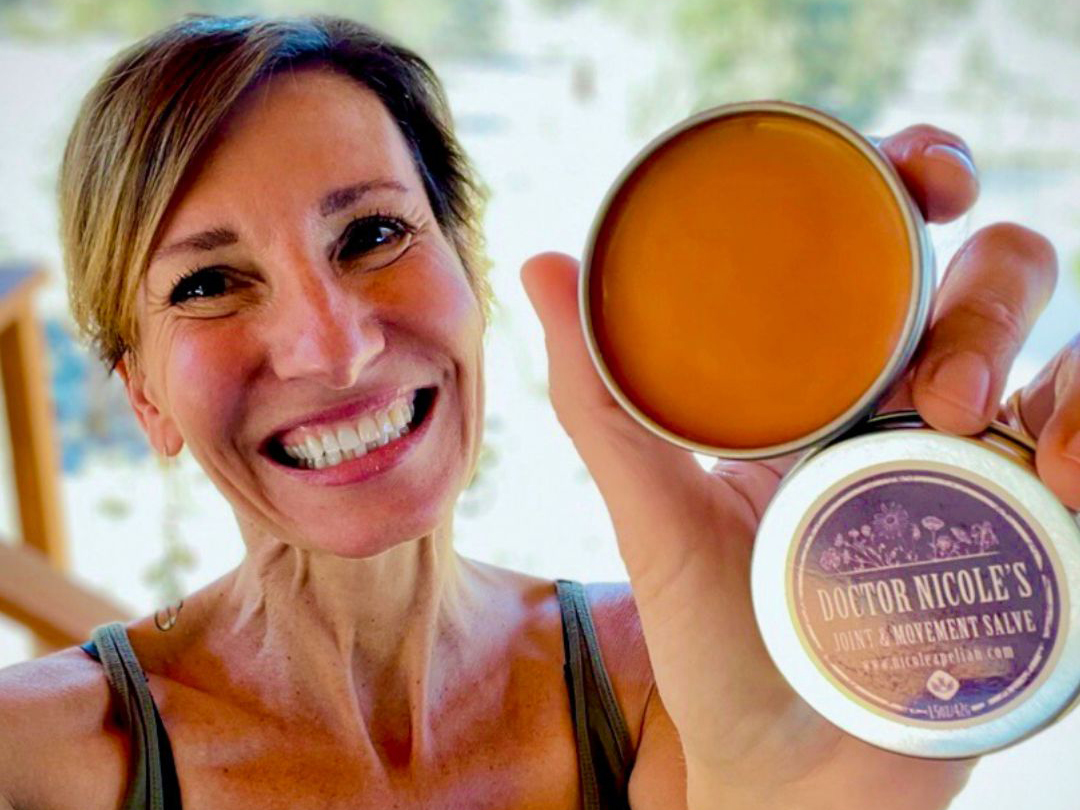
That’s the kind of salve I’d want to use.
Click here to try the ready-made joint salve.
Lavender Oil for Relaxation
Lavender flowers infused in oil create something soothing you can use in massage, in baths, or just by rubbing a little on your wrists before bed. Your whole family will reach for it.
Cost to make: $2-$3. Cost to buy: $12-$25.
For this one, honestly, the $2–$3 cost only applies if you’re buying lavender that’s already grown and dried.
But if you want to cut that down even more, you can grow your own lavender from seed.
And there are real advantages to that.
First, the economics are hard to beat.
Second, you get that relaxing lavender smell around your home while the plant grows.
And third, you know exactly where it came from. No mystery sprays. No herbs treated just to survive shipping and look pretty on a shelf.
That’s why I’m happy to share this medicinal seed kit with you. It comes with over 4,818 seeds from 10 medicinal plants, so when you divide the cost, the price per plant becomes almost unbelievable for what could turn into real traditional remedies.
The only problem is that we’re already getting close to the colder season, and I’m sure the stock won’t last forever.
Click here to check if the medicinal seed kit is still available.
Comfrey Oil: For Joint Support
If your knees complain, if your shoulders are tight, comfrey oil is one of the most traditional joint supports people make at home. It works because your ancestors used it for generations.
Cost to make: $2-$3. Cost to buy: $15-$30.
See the pattern? Every single oil costs 80-90% less to make than to buy.
It’s true that these are single-herb oils, and it can take days or weeks to get them done.
But that’s also how you make them as inexpensive as possible.
Just please make sure you follow proper guidance. Because if the oil spoils from moisture or mold, you’ve wasted your herbs, your oil, and weeks of waiting… only to realize you can’t use the remedy.
That’s why I always recommend keeping a proper home apothecary guide nearby.
This Forgotten Home Apothecary guide gives you step-by-step remedies based on old recipes people used when other solutions weren’t always available.
Inside, you’ll find practical remedies like:
- Yarrow Stop-Bleeding Powder
- Calendula and Comfrey Skin Salve
- Lavender Infused Oil
- Black Drawing Salve
- Anti-Itch Plantain Band-Aid
- Cooling Herbal Gel for Burn Relief
- Arnica and Calendula First Aid Spray
So instead of guessing from random advice online, you can follow clear recipes before you actually need them.
That’s how knowledge saves you money.
Click here to get the home apothecary guide before you need another remedy.
Turn This Into Something More (If You Want)
After you make your first few oils, don’t be surprised if people start asking for them. Your sister may want calendula oil. Your mom may ask for arnica. A friend may want lavender oil for massage.
Some people stop there and just make remedies for family. Others turn small batches into a side income at farmers’ markets, craft fairs, or online.
You don’t have to do that. But the option is there, and that’s another kind of independence.
A Practical Reality Check
Making medicinal oils is simple, but there are a few things worth knowing:
Use quality plants. Dried herbs from reputable sources matter. Your oil is only as good as what you put in it. Sourcing good plant material is half the battle.
Label everything. Date your oils. Write down what’s in them. This matters for safety and for remembering what you made six months ago.
Store properly. Cool, dark, away from direct light. Dark glass bottles are worth the investment. They protect your oils and make them last.
Know your plants. Not every plant works in every oil. Some plants have contraindications. Some shouldn’t be used during pregnancy. Do basic research on whatever you’re infusing. Respect the plants. They’re powerful.
Be honest about what oils do. Medicinal plant oils support wellness and comfort. They’re not cures. They’re not replacements for medical care when serious problems arise. But they’re genuine support for everyday health.
And again, this is why a proper guide matters. So if you’re using a step-by-step guide, you’re not starting from scratch. You’re following a path someone already tested for you.
The Independence You’re Actually Gaining
When you learn to make medicinal oils, you’re not just saving money. You’re reclaiming something.
You’re reclaiming the knowledge that you don’t need permission or expensive products to support your family’s wellness.
You’re reclaiming the independence your ancestors had, the ability to create healing with your own hands. You’re building resilience. You’re teaching yourself (and your kids if you have them) that you can take care of yourselves.
That independence is worth more than the money you save.
This is exactly why I wanted to show you something from The Lost Skills of Independence.
There’s a whole Lost Healing Remedies section inside, and yes, it includes old remedy skills that show you how people used to make useful preparations with plants, oils, jars, heat, and simple ingredients.
I’m putting a picture from the book here because I want you to see what I mean. 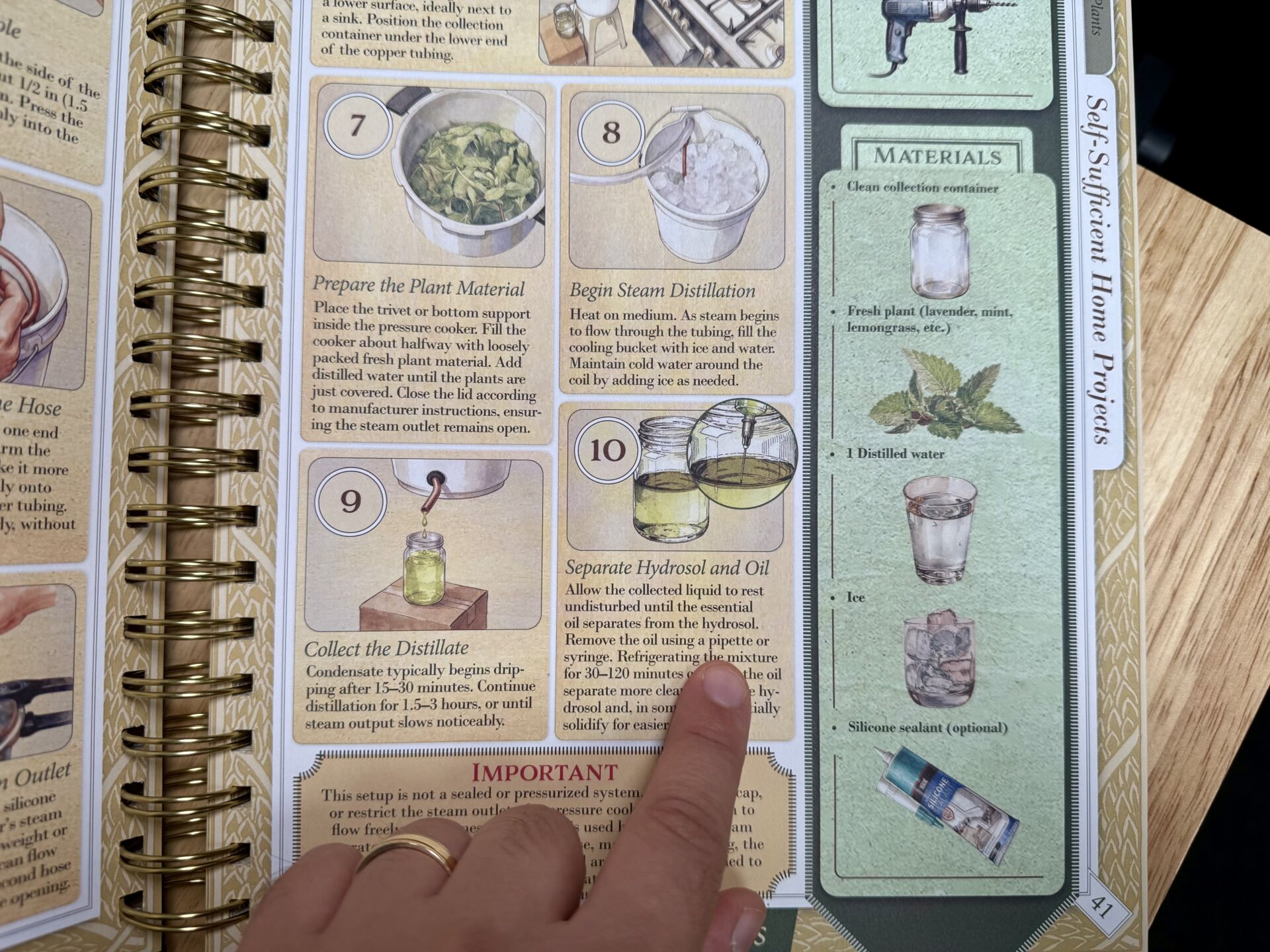
I’m not allowed to share all of Claude Davis’ knowledge with you, but I’m sharing as much as I can because I genuinely want you to understand how much practical wisdom has been lost.
The independence skills our grandparents still understood, the kind of things that helped people take care of their families before every small problem meant buying another product.
The more you look through it, the more you realize something: maybe the solution you were looking for was buried in the old skills we forgot.
Click here to see the Lost Healing Remedies and independence skills Claude Davis gathered inside.
The real revolution isn’t avoiding the pharmacy. It’s realizing how many simple herbal preparations you don’t necessarily need to buy pre-made.
Knowing you can create your own healing is one of the most empowering feelings available to a human being.
This weekend, you can have that too.
Disclaimer: This article is for educational purposes. Medicinal plant oils are not intended to diagnose, treat, cure, or prevent any disease. Always consult a healthcare provider before using new remedies, especially if you’re pregnant, nursing, taking medications, or have existing health conditions. Some plants have contraindications. Do your research. Respect the plants. If a condition is serious or persistent, seek professional medical care.
 You May Also Like:
How To Make Nature’s Amo*****lin
The Mushroom That Can Regrow Brain Tissue
7 Dangerous Foods That Fuel Your Inflammation
References
- National Library of Medicine / NCBI Bookshelf — Aromatherapy With Essential Oils
https://www.ncbi.nlm.nih.gov/books/NBK65874.15/ - Penn State Extension — Lavender Production
https://extension.psu.edu/agritourism-diversification-lavender-production - Hanci S, Sahin S, Yilmaz L. — Isolation of Volatile Oil From Thyme by Steam Distillation
https://pubmed.ncbi.nlm.nih.gov/13678264/ - Impact of Extraction Scale and Method on the Chemical Profile of Essential Oils
https://pubmed.ncbi.nlm.nih.gov/42357503/ - Hydrodistillation Extraction Time Effect on Essential Oil Yield, Composition, and Bioactivity of Coriander Oil
https://pubmed.ncbi.nlm.nih.gov/25132088/ - NCCIH — Lavender: Usefulness and Safety
https://www.nccih.nih.gov/health/lavender - NCCIH — Peppermint Oil: Usefulness and Safety
https://www.nccih.nih.gov/health/peppermint-oil - Variation in Essential Oil Composition of Achillea at Different Phenological Stages
https://pubmed.ncbi.nlm.nih.gov/30207634/ - A Systematic Review of Calendula officinalis Extract for Wound Healing
https://pubmed.ncbi.nlm.nih.gov/31145533/ - Phytochemical Analysis of Lipid Composition in Evening Primrose Seeds
https://pubmed.ncbi.nlm.nih.gov/41754766/ - Polysaccharide Extracted From Althaea officinalis Root
https://pubmed.ncbi.nlm.nih.gov/34597979/ - Marshmallow Root Mucilage Extraction
https://pubmed.ncbi.nlm.nih.gov/39094881/ - Poison Control — Essential Oils: Poisonous When Misused
https://www.poison.org/articles/essential-oils - Johns Hopkins Medicine — Aromatherapy: Do Essential Oils Really Work?
https://www.hopkinsmedicine.org/health/wellness-and-prevention/aromatherapy-do-essential-oils-really-work - FDA — Aromatherapy
https://www.fda.gov/cosmetics/cosmetic-products/aromatherapy - FDA — Is It a Cosmetic, a Drug, or Both?
https://www.fda.gov/cosmetics/cosmetics-laws-regulations/it-cosmetic-drug-or-both-or-it-soap - Federal Trade Commission — Health Products Compliance Guidance
https://www.ftc.gov/business-guidance/resources/health-products-compliance-guidance - Fate and Control of Pathogenic and Spoilage Microorganisms in Flower Hydrosols
https://pubmed.ncbi.nlm.nih.gov/27618523/