

This Herb Has More Protein Than Steak
Most people think protein has to come from a sizzling steak, a carton of eggs, or one of those chalky powders with a label that sounds like it was written in a lab.
But sitting quietly in the “green superfood” corner is something far more interesting: spirulina.
And yes, gram for gram in its dried form, spirulina contains more protein than cooked steak.
Now, let’s be clear from the start. A spoonful of spirulina will not replace a steak dinner. You’re not going to sprinkle a teaspoon of green powder into a smoothie and call it a full meal. But that’s not the point.
The point is density.
Also Read: Blue Milk
In a tiny amount, spirulina gives you a concentrated hit of protein, minerals, antioxidants, and plant-based nourishment your muscles, joints, and energy levels can actually use.
Technically, spirulina isn’t an herb. It’s a blue-green algae. But for people who love natural remedies, old-world foods, and simple ways to support the body, it belongs right in the herbal cupboard.
Why Spirulina Gets Compared to Steak
Steak is famous for protein. And fairly so.
But dried spirulina is remarkably protein-dense. One tablespoon gives you around 4 grams of protein, while 100 grams of dried spirulina contains roughly 57 grams of protein. That’s why people say it has more protein than steak by weight.
Again, serving size matters. You’d eat more steak than spirulina in one sitting. But you don’t use spirulina like a main course. You use it like a powerful daily add-on.
Think of it as a green “nutrient amplifier.”
A spoonful in your smoothie. A small scoop stirred into juice. A few tablets with breakfast. Nothing dramatic. Nothing complicated. Just a simple way to add more nourishment to a body that’s constantly being asked to do more.
Related: How Long Should You Infuse Tea For?
You don’t need complicated powders, expensive shakes, or lab-made snacks to support your body.
Sometimes you just need to know how to combine the right natural ingredients in a way that tastes good and actually does something useful 🌿.
Related: Don’t Throw Away Banana Peels, Do This Instead!
That’s the real value of having a home apothecary guide nearby. It turns “superfoods” into things you can actually use — not just read about.
In The Forgotten Home Apothecary, Nicole Apelian includes recipes like Metabolic Superfood Bars, made with ingredients like matcha, goji berries, oats, almond butter, flaxseed, chia seeds, and cocoa. 
It’s the kind of simple, nourishing snack that makes healthy eating feel less like a punishment and more like something you’d actually look forward to.
And once you see recipes like that, spirulina starts to make even more sense — not as some weird green powder, but as another powerful ingredient you can learn how to use the right way.
Your Muscles Need More Than Motivation
You can stretch, walk, garden, lift, work around the house, or stay active all day… but your muscles still need raw materials.
Protein helps your body build and maintain muscle tissue. That matters even more as you get older, because muscle is not just about looking strong. It helps you move better, stay steady, protect your joints, support your metabolism, and keep your independence.
Spirulina brings protein, but it doesn’t stop there.
Also Read: What Happens If You Bathe in Oats?
It also contains iron, magnesium, potassium, phosphorus, and vitamin K. These may not sound exciting on a label, but inside your body, they do serious work.
Iron helps carry oxygen to your tissues and muscles. Magnesium supports muscle and nerve function. Potassium helps muscles contract properly. Phosphorus plays a role in bones and energy. Vitamin K supports proteins involved in bone health.
So when you take spirulina, you’re not just adding “protein.” You’re adding a small green bundle of nutrients tied to movement, recovery, and resilience.
And that’s the kind of support many people are missing.
And this matters more as you age.
Because weak muscles don’t just make you feel weaker. They make everything else work harder.
Related: What Happens If You Eat Chia Seeds Every Day?
Your knees take more pressure. Your hips compensate. Your back gets crankier. Even simple things — stairs, gardening, carrying groceries, getting up from a chair — can start feeling heavier than they should.
That’s why protein isn’t just for athletes 💪.
It’s one of the quiet ways you protect your freedom. Stronger muscles help support your joints, steady your balance, and keep you moving with more confidence.
But protein is only one part of the picture.
Your body also needs the right foods, minerals, stretches, daily habits, and recovery support. That’s the kind of whole-body approach Nicole Apelian lays out in The Holistic Guide to Wellness — simple protocols that show you what to do day by day, without leaving you guessing.
Check it out here. Because staying strong as you age isn’t about one miracle food.
It’s about giving your body the support it needs before small weaknesses turn into big limitations.
The Recovery Side Most People Ignore
Here’s where spirulina gets even more interesting.
When you use your body hard — whether that means exercising, lifting boxes, climbing stairs, working in the garden, or simply pushing through a long day — your muscles don’t just get “tired.” They deal with oxidative stress and normal inflammatory wear and tear.
That’s one reason you can feel stiff, heavy, sore, or drained the next day.
Spirulina contains antioxidant compounds, including a blue-green pigment called phycocyanin. This pigment is one of the reasons spirulina has attracted so much attention. It helps explain why spirulina is often discussed for supporting a healthier inflammatory balance and recovery after exertion.
No, it’s not a magic fix.
It won’t replace sleep. It won’t replace movement. It won’t undo a poor diet. And it won’t build muscle while you sit on the couch eating cookies — tragic, but true.
But it can be a helpful piece of the puzzle.
If your body feels slower to bounce back than it used to, spirulina may offer gentle nutritional backup.
Recovery is where many people fall behind.
You push through the day, do what needs to be done, and then wonder why your body feels stiff, sore, or foggy the next morning.
That’s where reishi earns its quiet reputation 🍄.
It’s not the “get up and go” mushroom. It’s the “come back to yourself” mushroom… the one true herbalists reach for when their body needs steadiness, rest, and deeper resilience.
Spirulina helps feed the body. Reishi helps support the body’s ability to settle, recover, and keep going.
And if you don’t want to deal with tough dried mushrooms or complicated preparations, a reishi tincture is the simplest way to bring it into your routine. I’ll leave a link here for the one I’m using.
What About Your Joints? 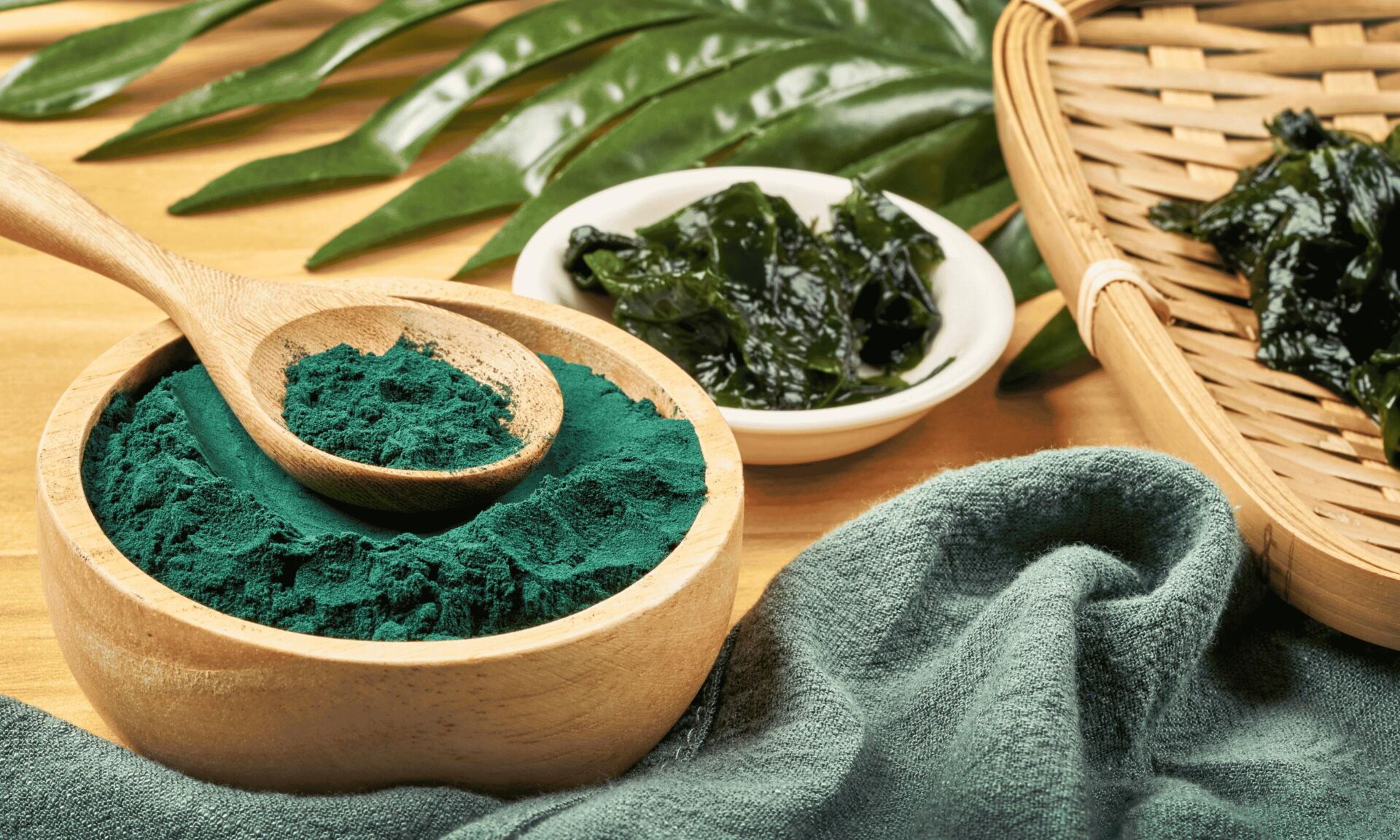

Joint comfort is one of those things you don’t fully appreciate until it starts slipping away.
You notice it when you get out of bed. When you kneel in the garden. When the weather changes. When the stairs suddenly feel a little more personal than they should.
Spirulina should not be treated like a cure for arthritis or any joint disease. That would be going too far.
But it does fit beautifully into a lifestyle focused on supporting a healthier inflammatory response. And that matters because your joints don’t exist in isolation. They depend on the condition of the whole body: your muscles, your connective tissue, your circulation, your nutrition, and your overall inflammatory load.
When you nourish the body better, you give your joints a better environment to live in.
That’s the practical way to think about spirulina.
Not as a miracle pill, but as terrain support.
And when your joints are already talking, internal support is only one side of the story.
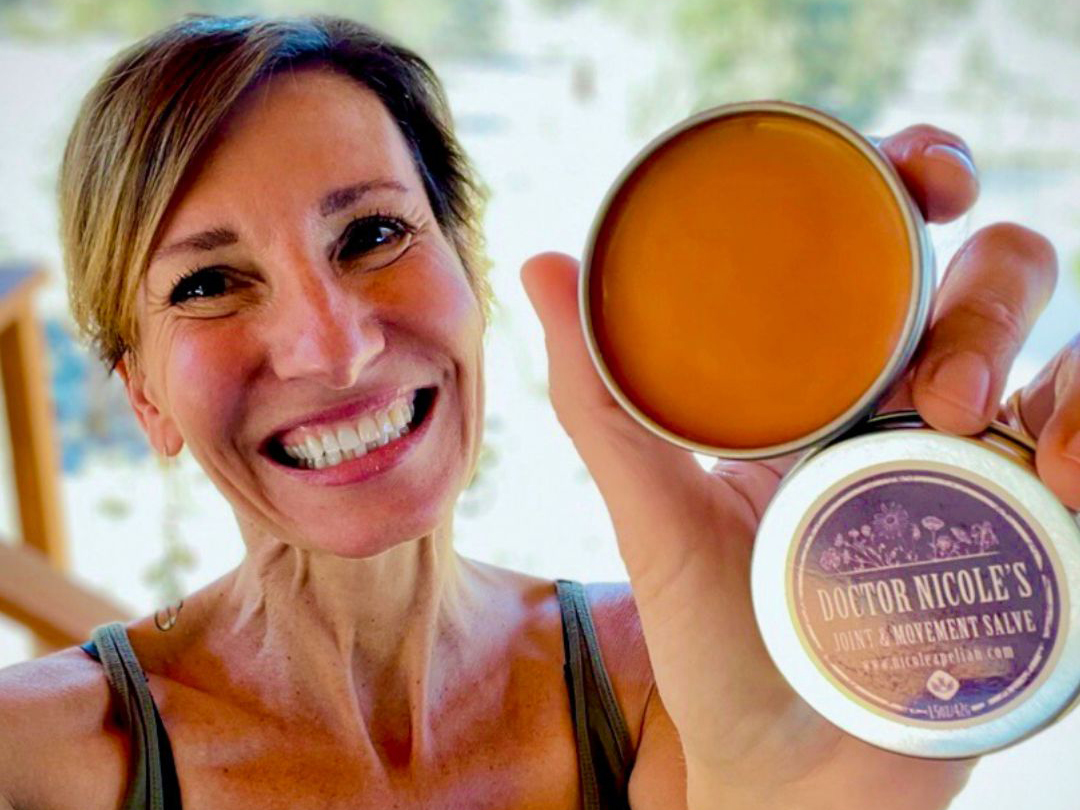 But when you have excruciating joint pain, you can also try something you can rub directly where you feel stiff, sore, or overworked.
That’s where a good joint salve earns its place 🌿.
Nicole’s Joint & Movement Salve is made with herbs traditionally used for muscle and joint comfort, including arnica, St. John’s wort, calendula, cottonwood buds, cayenne, and frankincense.
It’s not complicated. You don’t need a whole ritual.
You just keep it nearby and use it when your knees, hands, back, shoulders, or tired muscles need a little extra attention.
A Natural Boost for Real-Life Energy
Many people chase energy the wrong way.
More coffee. More sugar. More “quick fixes.” Then they crash and wonder why their body feels like a tired old tractor trying to start in winter.
Real energy is built deeper than that.
Your body needs oxygen delivery, minerals, protein, and steady nourishment to keep up with daily demands. Spirulina contributes iron, and iron helps your body make hemoglobin and myoglobin — proteins involved in moving oxygen through the body and into muscles.
That’s one reason spirulina can be especially appealing if you’re eating less meat, trying to add more plant-based foods, or simply looking for nutrient-dense options that don’t require a complicated routine.
It’s not about replacing everything.
It’s about adding something useful.
And if your energy feels like it disappears faster than it used to, cordyceps is worth knowing 🍄⚡.
Coffee can push you through the morning, but it doesn’t always give your body what it actually needs. Sometimes it just borrows energy from later.
Cordyceps feels different.
It’s the mushroom people often reach for when they want steady stamina without feeling wired. The kind of support that fits a long walk, a busy workday, a garden project, or one of those mornings when your body didn’t get the sleep it deserved.
This vegan and NON-GMO cordyceps tincture makes it easy, too.
How to Use Spirulina Without Making It Weird
Spirulina has a strong taste. Let’s just be honest. It tastes green. Very green. Like a pond got a wellness coach.
So don’t start by dumping a giant scoop into water and hoping for a spiritual experience.
Start small.
Try adding a little spirulina powder to a smoothie with banana, berries, citrus, or pineapple. The fruit helps balance the flavor. You can also stir it into green juice, blend it into energy bites, or use tablets if the taste is not your thing.
Many adult supplement routines use around 3 to 10 grams per day, but it’s smart to start on the lower end and see how your body responds.
And always choose quality. This part matters.
Blue-green algae products can be contaminated if they’re poorly grown or poorly tested. So don’t grab the cheapest mystery powder you can find online. Look for reputable brands, clean sourcing, and third-party testing when possible.
With spirulina, quality is not a fancy bonus. It’s the whole game.
Spirulina is powerful on its own 🌱, but your body needs more than one superfood to feel truly supported.
You need greens for daily nourishment. Fiber for digestion and cravings. Antioxidants for protection. Mushrooms and herbs for resilience. Gut-supporting ingredients to help everything work better from the inside out.
And trying to collect all of that separately gets expensive, messy, and hard to stick with.
And I have FINALLY found the best spirulina source ever. It’s called Green Burn Blend and I’m surprised of what it contains and what it does.
It brings spirulina together with dozens of other superfoods, herbs, mushrooms, fibers, and digestive-support ingredients in one simple scoop.
So instead of building a complicated “green routine” from scratch, you get a daily blend that supports energy, digestion, gut balance, antioxidant protection, metabolism, and healthy weight management.
Check out everything it contains here; maybe you can make it at home. Because the goal isn’t just to take spirulina.
The goal is to give your body the kind of green support it can actually use every day.
If spirulina is the spark, this is the whole green fire 🔥.
Who Should Be Careful?
Spirulina is generally used as a food supplement, but it’s not right for everyone.
If you are pregnant, breastfeeding, have an autoimmune condition, liver problems, phenylketonuria, or take medications that affect your immune system or blood clotting, check with a qualified healthcare professional before using it.
Natural does not mean automatically safe for every person in every situation.
That’s not fear. That’s wisdom.
The Bottom Line
Spirulina earned its reputation because it packs a lot into a small serving.
It’s more protein-dense than steak in dried form. It contains essential amino acids. It brings minerals your muscles and nerves rely on. It offers antioxidant support. And it may help support recovery, energy, and a healthier inflammatory balance when used as part of a good routine.
It won’t replace a balanced diet.
It won’t replace medical care.
But if you want a simple, natural way to add more plant-based nourishment to your day, spirulina deserves a serious look.
Sometimes the strongest foods don’t look impressive.
Sometimes they come as a spoonful of deep green powder.
You may also like:
The ‘Nerve Oil’ You Should Use For Shaky Hands
Never Do This Before Going To Sleep (Video)
It’s been about 10 years since I had a smoothie with spirulina in it. We were leaving to go on vacation. On airplane I was sick and throwing up the whole way there. The next time I used it was in a protein powder used it and got sick same as above, tried again sick, very sick, ended up going to doctor. Found out the protein powder had spirulina was in protein powder. So my body can not handle it. Makes me look close at all I purchase.