

How To Get Rid of Visceral Fat
Are you trying to get fit and look great? Those of us on a health journey often focus on visual fat, but the truth is that obesity also leads to fat around our organs. While unseen, visceral fat is linked to severe health conditions, such as cardiovascular disease and even various types of cancer. This type of fat is more dangerous because it’s metabolically active. It can severely impact your hormonal health and cause insulin resistance. Simply put, if you want to live a long life, you must learn how to eliminate visceral fat. So, how to get rid of visceral fat?
In this post, we’ll explore holistic ways to diminish visceral fat and feel great. We’ll learn why visceral fat occurs and even discover how to concoct a simple, warming beverage to help diminish stubborn belly fat. Plus, you’ll learn what grocery store ingredients keep fat at bay! Keep reading to master efficient hacks to help you feel your best from the inside out.
What Visceral Fat Actually Is and Why It Is Different
Most people think of body fat as one thing. It is not. There are two distinct types of fat in your body, and they behave very differently.
Subcutaneous fat is the fat that sits directly under your skin. It is the fat you can pinch on your arms, thighs, and stomach. It is visible, it responds to diet and exercise relatively predictably, and while excess amounts are not ideal, it is metabolically fairly quiet. It is not the fat that puts your life at risk.
Visceral fat is entirely different. It sits deep inside your abdominal cavity, packed around your internal organs including your liver, pancreas, kidneys, and intestines. You cannot see it or pinch it. Someone can appear relatively lean on the outside and carry a dangerous amount of visceral fat on the inside. This is sometimes called being skinny fat, and it is more common than most people realize.
What makes visceral fat dangerous is that it is metabolically active in ways that subcutaneous fat is not. It functions almost like an endocrine organ, continuously releasing inflammatory chemicals called cytokines into your bloodstream and directly into your portal vein, which feeds your liver. This creates a state of chronic low-grade inflammation that disrupts your hormonal signaling, drives insulin resistance, raises your blood pressure, and increases your cardiovascular risk independently of your overall body weight.
The proximity to your organs matters enormously. Visceral fat around the liver contributes directly to non-alcoholic fatty liver disease. Visceral fat around the pancreas impairs insulin production and sensitivity. Visceral fat around the heart, called pericardial fat, is independently associated with cardiovascular disease risk. The fat is not just sitting there. It is actively interfering with the function of every organ it surrounds.
This is why two people can have the same body weight, even the same body mass index, and have dramatically different health outcomes based on where their fat is stored.
Do You Have Too Much Visceral Fat? How to Assess Yourself
Because visceral fat is hidden, most people have no idea how much they are carrying. The only precise measurement method is a DEXA scan or an MRI, which most people do not have routine access to. But there are reliable proxy measurements you can do at home right now.
- Waist circumference. This is the single most accessible indicator of visceral fat levels. Measure at the level of your navel, not your belt line, with a soft measuring tape. Do not hold your breath or pull the tape tight. A waist circumference above 35 inches for women or above 40 inches for men is associated with elevated visceral fat and increased metabolic risk. These thresholds are not arbitrary. They come from large population studies linking waist circumference to cardiovascular and metabolic disease outcomes.
- Waist-to-hip ratio. Divide your waist measurement by your hip measurement at the widest point. For women, a ratio above 0.85 indicates central obesity and likely elevated visceral fat. For men, the threshold is 0.90. This measurement is considered by many researchers to be a better predictor of cardiovascular risk than BMI alone.
- Waist-to-height ratio. A simpler rule of thumb: your waist circumference should be less than half your height. If you are 5 feet 8 inches tall, that is 68 inches, so your waist should ideally be under 34 inches. This ratio has strong research support as a quick screen for metabolic risk.
- Physical and symptomatic signs to watch for. Beyond measurements, certain patterns suggest elevated visceral fat even without a tape measure. A hard, firm belly that does not have much give when pressed, as opposed to a softer stomach, often indicates visceral rather than subcutaneous accumulation. Persistent fatigue, brain fog, blood sugar swings, difficulty losing weight despite reasonable diet and exercise, and consistently elevated fasting blood glucose on lab work are all associated with visceral fat-driven insulin resistance.
- When to involve a doctor. If your waist circumference or ratios fall into the elevated range, or if you have a family history of type 2 diabetes, cardiovascular disease, or metabolic syndrome, it is worth asking your doctor for a fasting insulin level, a hemoglobin A1C, and a full lipid panel. These give you a much clearer picture of how metabolically active your visceral fat is and how urgently you need to address it.
Why Does Visceral Fat Occur?
Like most health concerns, visceral fat occurs due to a combination of factors. Among the most impactful factors are dietary and lifestyle choices. If you consume a heavily processed diet rich in unhealthy fats, you’ll experience insulin resistance. Insulin resistance increases inflammation, leading to weight gain, creating a vicious, unhealthy cycle. Aside from junk food, excessive alcohol consumption and lack of exercise can make visceral fat spike.
Some experience visceral fat due to hormonal fluctuations, which plague many women and men.
Cortisol, the body’s primary stress hormone, plays a particularly significant role in visceral fat accumulation and deserves more than a passing mention.
When you experience stress, your body releases cortisol as part of its fight-or-flight response. In short bursts, this is normal and healthy. The problem is chronic stress, where cortisol remains elevated day after day. Chronically elevated cortisol does several things that directly drive visceral fat accumulation.
First, it signals your body to store energy, specifically in the abdominal area, as a biological preparation for the threat your body thinks you are facing. Your body cannot distinguish between the stress of a genuine physical threat and the stress of a difficult work situation or a difficult relationship. It responds to both with the same fat-storage signal.
Second, chronic cortisol elevation drives insulin resistance. Cortisol raises blood glucose to provide quick energy for the perceived threat. When this happens repeatedly, your cells begin to become desensitized to insulin, and the resulting excess glucose gets stored as fat, preferentially in the visceral depot.
Third, elevated cortisol increases appetite and specifically drives cravings for calorie-dense, high-sugar, and high-fat foods. This is not a lack of willpower. It is a direct hormonal effect that makes stress eating a physiological response rather than simply a psychological one.
Fourth, cortisol disrupts sleep quality. Poor sleep further elevates cortisol, creating a self-reinforcing cycle where stress drives poor sleep, poor sleep drives more cortisol, and more cortisol drives more visceral fat.
Addressing cortisol-driven visceral fat means addressing the cortisol itself, not just the symptoms. Stress reduction practices with genuine research support include regular aerobic exercise, which directly lowers cortisol levels post-exercise; consistent sleep of seven to nine hours, which is one of the most powerful cortisol regulators available; mindfulness and breathing practices, which activate the parasympathetic nervous system and counteract the cortisol response; and reducing caffeine intake, particularly in the afternoon, since caffeine directly stimulates cortisol production.
Others find visceral fat is attributed to genetics. For example, if your family members are prone to storing fat in the belly area, you have a greater chance of doing the same. Note that genetics does not mean you are doomed! Everyone can experience change in this area.
Sometimes It’s Not Your Fault
Ever wonder why some people seem to eat anything they want—pizza, pasta, even cheesecake—without gaining a pound, while you gain weight just looking at food? It’s not luck. It’s their thyroid working at full speed, burning fat effortlessly.
But if your thyroid is sluggish, no amount of dieting or exercise will truly work. Your body is stuck in fat-storage mode.

I followed a step-by-step guide to create this powerful thyroid optimizer—and now you can, too. Click the image to watch the full video and see exactly how it’s made.
Understanding what contributes to visceral fat is one of the first steps to reducing it. With a little concentration and healthy lifestyle changes, visceral fat will become less of an issue.
Visceral fat isn’t just stubborn—it’s a warning sign that your body is struggling with inflammation, insulin resistance, and hormonal imbalances. Ignoring it won’t just make weight loss harder; it could lead to serious health risks down the line.
If your body is holding onto fat despite your best efforts, it’s time to look deeper. This guide reveals exactly how to reset your metabolism, lower inflammation, and break free from hidden triggers. I’ll leave a link for you here. It helped me a lot.
How to Reduce Visceral Fat Naturally
Many products on the market claim to reduce visceral fat, but these gimmicks can only go so far. Lasting change comes from living a healthy lifestyle that improves your overall wellness. Here are some simple things anyone can do to reduce visceral fat naturally.
- Reduce Stress: If your visceral fat stems from cortisol spikes, you’ll benefit greatly from reducing stress. Some things are out of our control, but we can all set healthy boundaries, evaluate what is causing stress, and take time for rest and relaxation.
- Prioritize Sleep: Sleep is one of the most underestimated levers for visceral fat reduction, and for many people it is the missing piece that makes everything else work better or worse. The research on this is substantial and consistent.
Short sleep duration, defined in most studies as less than six hours per night, is independently associated with increased visceral fat accumulation even when diet and exercise are controlled for. A study published in the journal Sleep found that each additional hour of sleep in short sleepers was associated with a measurable reduction in visceral fat over a five-year follow-up period. Sleep does not just affect your energy levels. It directly regulates the hormones that govern fat storage and hunger.
Specifically, poor sleep elevates cortisol as described above, reduces growth hormone production which normally promotes fat breakdown during sleep, increases ghrelin the hunger hormone, and decreases leptin the satiety hormone. The result is that after a poor night of sleep you are hormonally primed to eat more, burn less, and store what you eat preferentially as visceral fat.
Practical steps to improve sleep quality for visceral fat reduction include: keeping a consistent sleep and wake time seven days a week including weekends, since your circadian rhythm governs cortisol and growth hormone release timing; keeping your bedroom cool, dark, and phone-free; avoiding alcohol within three hours of bed since alcohol fragments sleep architecture even when it helps you fall asleep initially; and getting natural light exposure within 30 minutes of waking, which anchors your circadian rhythm and improves sleep quality the following night.
Seven to nine hours of quality sleep per night is not a luxury. For visceral fat reduction it is a biological requirement.
- Start Exercising: Exercise is a great way to reduce visceral fat, and you can customize it to fit your lifestyle. Weightlifting is a low-impact way to lose fat, but you can also participate in cardio, yoga, pilates, walking, jogging, sports, or swimming. Play around to figure out which form of exercise is best for you.
- Utilize Natural Remedies: Nature has given us many remedies for reducing fat and feeling great. Green tea, cayenne pepper, apple cider vinegar, and lemon juice are some ingredients known to reduce visceral fat. We combined all these ingredients in our Fat-Burning Elixir, a simple addition to any wellness routine.
It’s no secret that the standard diet is full of unhealthy fats, heavy carbs, and loads of sugar. Dietary changes are one of the best things you can do to reduce visceral fat and keep it off. Choose healthy grains, vegetables, fruits, and healthy fats for healthier body composition. Avoid processed sugar, soda, and empty calories. Your body will thank you!
Foods That Drive Visceral Fat: What to Actually Cut
Knowing what to eat is only half the picture. The foods you remove from your diet have an equal or greater impact on visceral fat than the foods you add. Here are the specific categories that research consistently links to visceral fat accumulation.
- Refined carbohydrates and added sugar. White bread, white rice, pastries, breakfast cereals, crackers, and anything made with refined flour cause rapid spikes in blood glucose and insulin. Repeated insulin spikes over time are one of the primary drivers of visceral fat accumulation. Liquid sugar in the form of sodas, fruit juices, sweetened coffee drinks, and sports drinks is particularly damaging because it delivers large glucose loads with no fiber to slow absorption.
- High-fructose corn syrup. Fructose is metabolized almost entirely in the liver, and excess fructose consumption directly promotes liver fat accumulation and visceral fat storage in a way that glucose does not. High-fructose corn syrup is present in an enormous range of processed foods beyond obvious sugary drinks, including condiments, salad dressings, bread, and flavored yogurts. Reading ingredient labels specifically for this one ingredient is worth the effort.
- Trans fats and industrial seed oils. Partially hydrogenated oils and heavily refined seed oils including soybean oil, corn oil, cottonseed oil, and sunflower oil in large amounts promote inflammation, which drives visceral fat accumulation. Trans fats specifically have been shown in animal studies to cause visceral fat redistribution even without excess caloric intake. Replace these with olive oil, avocado oil, coconut oil, and butter from quality sources.
- Alcohol. Alcohol is metabolized by the liver and excess consumption directly promotes liver fat, which is functionally linked to visceral fat accumulation. Beyond its direct metabolic effects, alcohol disrupts sleep, elevates cortisol, and lowers inhibition around food choices. Even moderate alcohol consumption has been linked to increased waist circumference in multiple large studies. Reducing alcohol is one of the highest-leverage dietary changes you can make for visceral fat specifically.
- Ultra-processed foods as a category. Beyond specific ingredients, ultra-processed foods as a category appear to drive visceral fat accumulation through multiple mechanisms simultaneously, including their effects on gut microbiome diversity, appetite hormone regulation, and inflammation. If a food has more than five ingredients and contains things you would not find in a kitchen, reducing your consumption of it is a reasonable and well-supported approach.
I used to think eating “healthy” meant choking down bland salads and avoiding everything I actually enjoyed. But no matter how much I tried, my weight wouldn’t budge—until I realized it wasn’t just about what I ate, but how my body processed it.
Turns out, a slow metabolism and out-of-whack gut can make even the healthiest diet feel like a losing battle. That’s when I found a simple way to give my body the right kind of fuel—without counting calories or cutting out entire food groups.
 Now, every morning, instead of obsessing over what I can’t eat, I just stir one scoop of Green Burn Blend into my breakfast. It’s packed with 48 plants, gut-friendly prebiotics, and metabolism-boosting herbs that help my body burn fat naturally.
If you’ve been trying to eat “right” but still feel stuck, this might be the missing piece. Click here to see how it works.
Benefits of Our Fat-Burning Elixir
This potent elixir combines some of the best all-natural fat-burning ingredients to help you banish stubborn organ fat for good. The base of our elixir is green tea, which is full of polyphenols proven to decrease waist size and burn fat. Its mild flavor pairs well with zesty ginger, known for its ability to aid digestion and reduce bloating. We added a dash of lemon to detox the body and a hint of cayenne pepper to boost metabolism and kick-start fat loss. A touch of raw honey supports gut health and healthily sweetens the drink.
Here’s how this delicious remedy comes together:
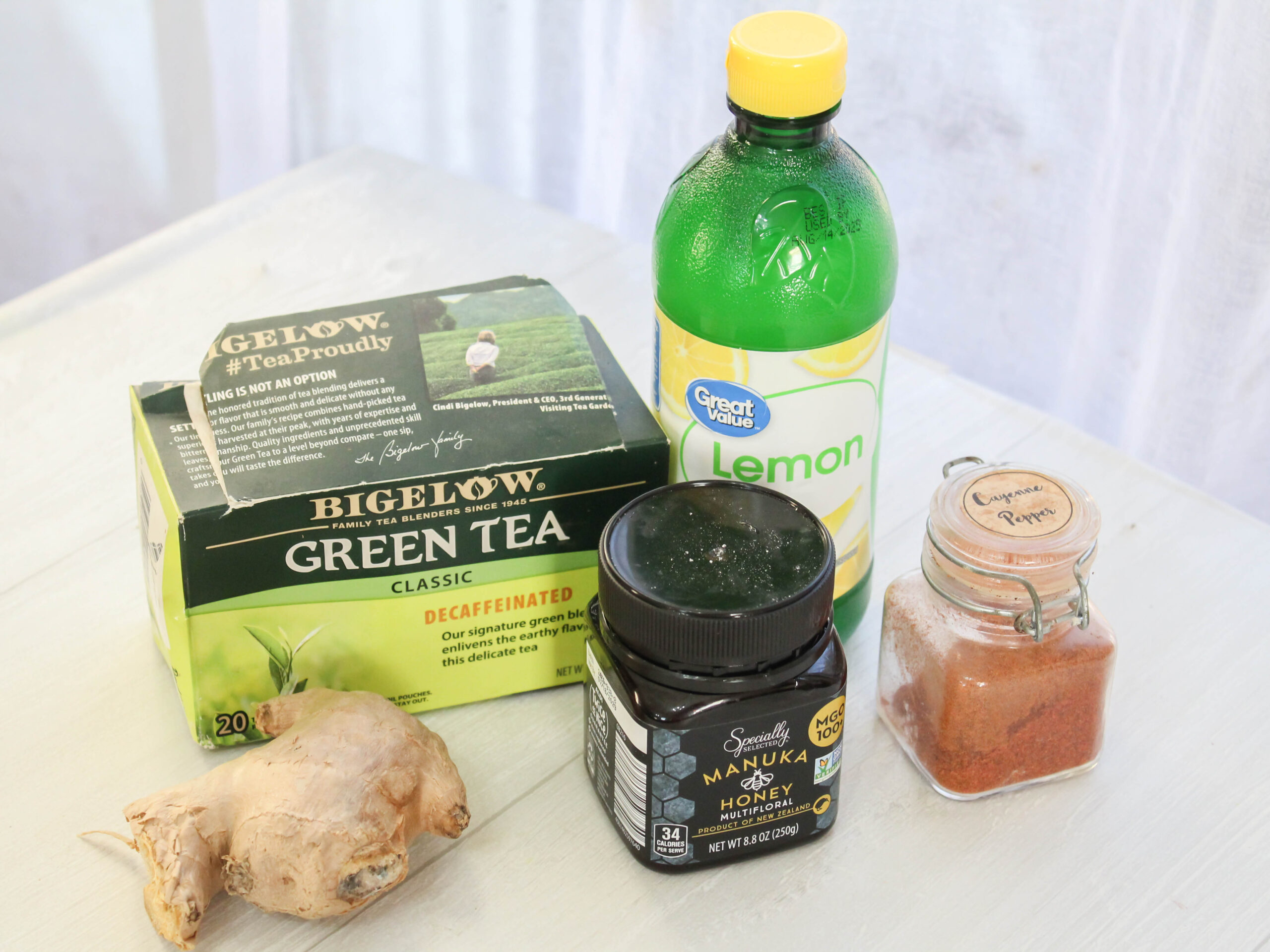
 Ingredients:
- 1 green tea bag (decaffeinated or caffeinated)
- 1 teaspoon grated fresh ginger
- 1 teaspoon raw honey (optional)
- Juice of ½ lemon
- ⅛ teaspoon cayenne pepper
Step One: Boil water and pour into a large glass. Add the green bag and steep for 3-5 minutes until dark. 
Step Two: Stir in the grated ginger, lemon juice, and cayenne pepper. 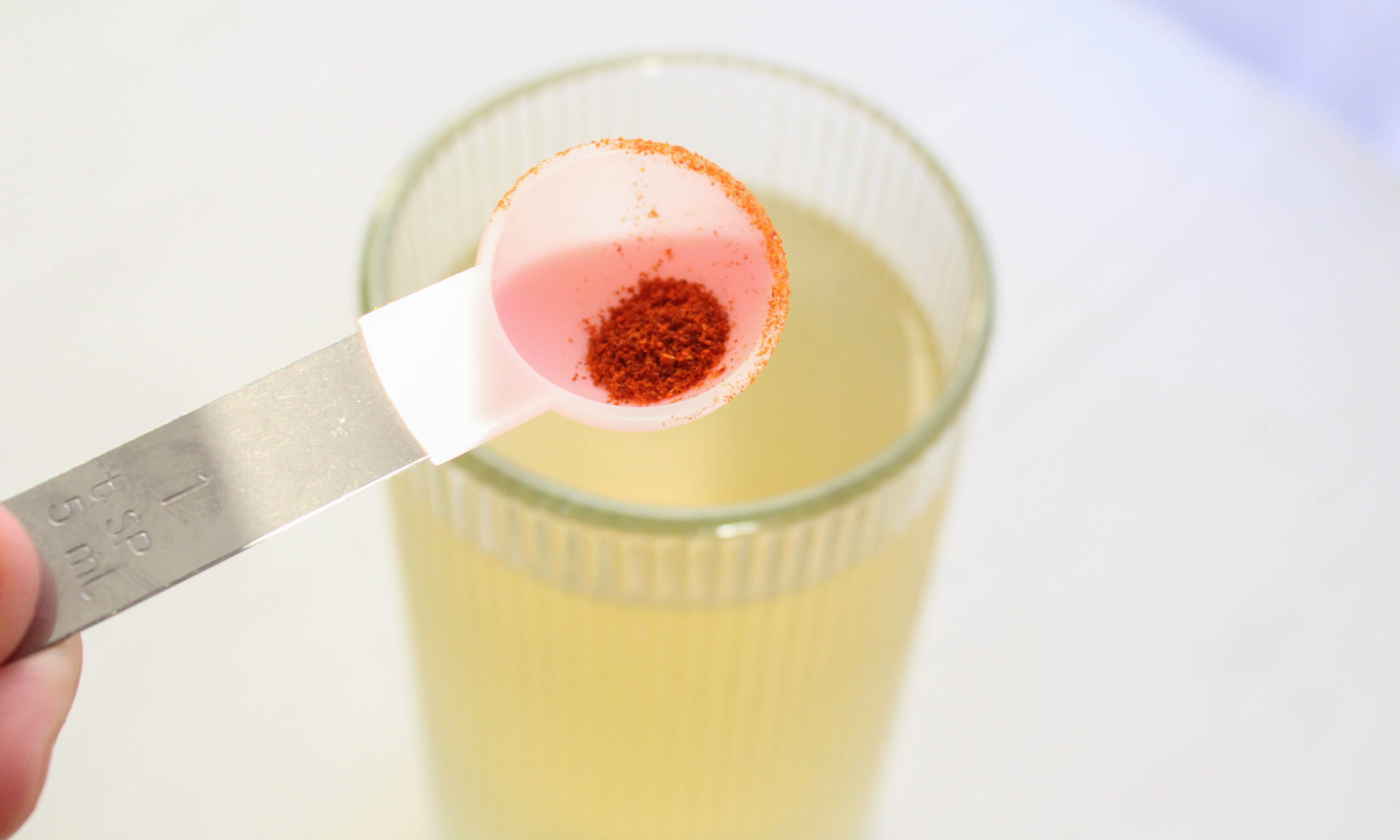
Step Three: If using, stir in the honey. Drink while warm for best results. Enjoy! 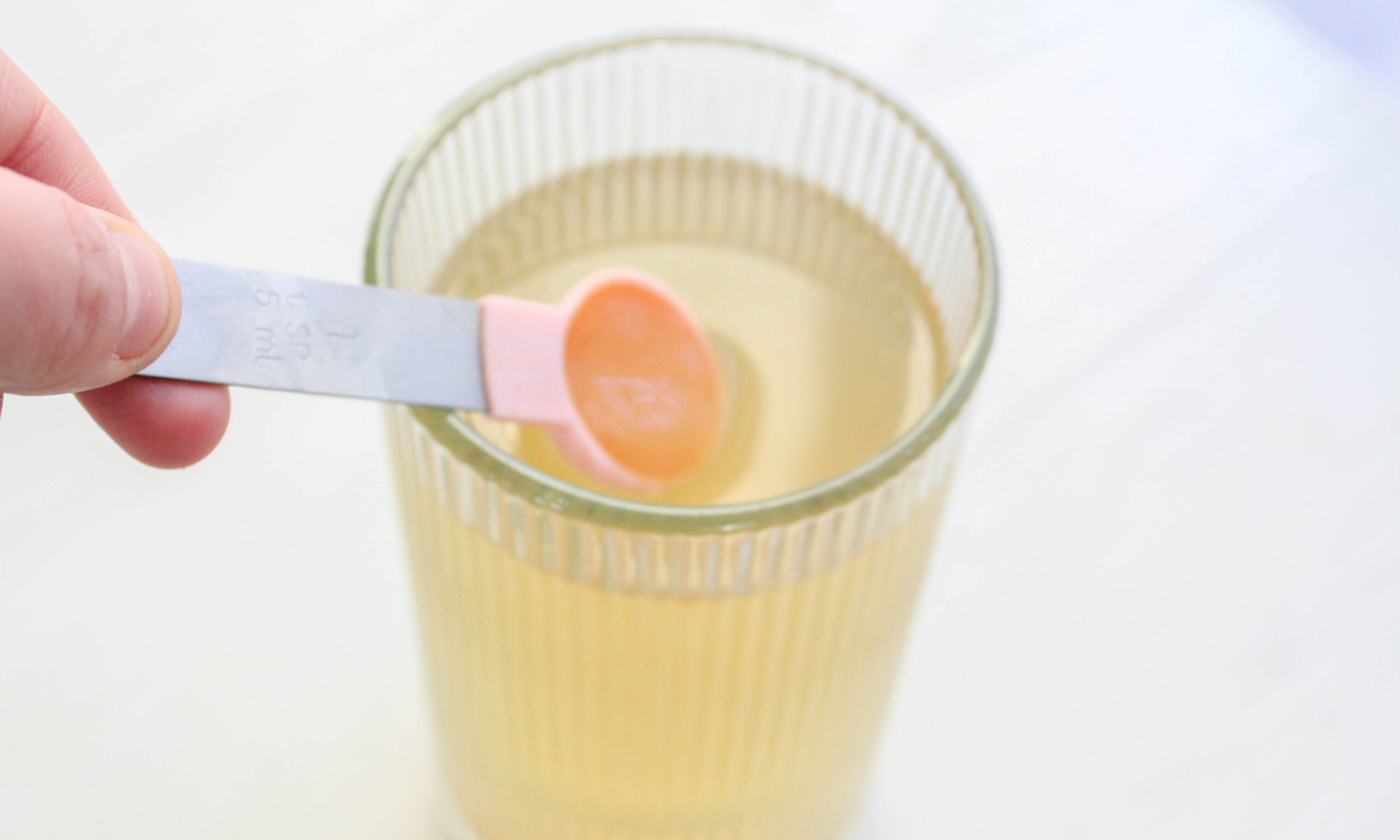
You can triple or quadruple the ingredients to make a larger batch of this remedy. Store in an airtight container for up to three days. The pepper and ginger settle naturally, so shake the drink before consuming it. For greater longevity, you can also freeze the recipe. Simply pour the cooled mixture into an ice cube tray and freeze for up to one month. To use, dissolve one or two cubes in water. 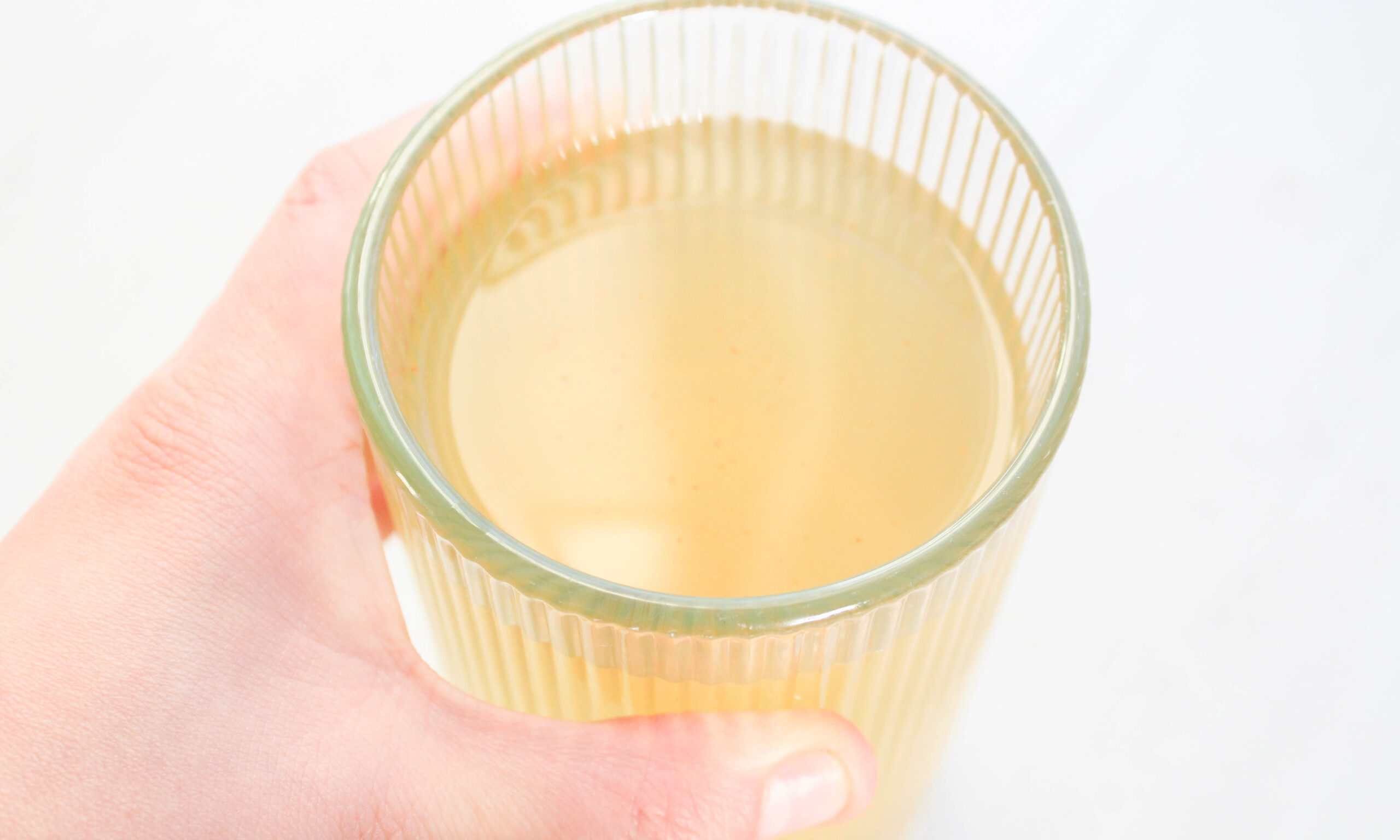
How to Customize and Use Our Green Tea Fat-Burning Elixir
There are many ways to customize this recipe to fit your personal preference. For example, if you’re sensitive to cayenne pepper, reduce the amount to just a pinch. If you want an entirely sugar-free option, substitute monk fruit or stevia for honey. Add a teaspoon of apple cider vinegar for extra fat-burning power, or consume your drink iced.
Drink our Green Tea Fat-Burning Elixir once a day, right before your first meal. This will boost your metabolism as you start your day. You can also use this beverage as a substitute for toxin-laden pre-workout drinks. If you do this, consume it 30 minutes before you begin exercise.
This remedy is safe for healthy adults looking to support their weight loss efforts. If you’re sensitive to caffeine, use a decaffeinated tea bag. Avoid this remedy if you have an ulcer, a history of sensitivity to spices, or are taking blood thinners.
You’re already fueling your body with metabolism-boosting ingredients—but is your gut making the most of it?
Pesticides, chemicals, and hidden parasites can silently disrupt digestion, block nutrient absorption, and trigger cravings, making weight loss an uphill battle. Even the best fat-burning elixir won’t work if your gut is out of balance.
The Balanced Gut Tincture helps flush toxins, restore digestion, and optimize nutrient absorption, so every sip of your drink works with you, not against you. Just a few drops can give your gut the reset it needs. I’ll leave a link for you to check it out here!
How Long Does It Actually Take to Reduce Visceral Fat?
This is the question most articles avoid answering honestly, and the gap between expectation and reality is one of the main reasons people abandon healthy habits before they have a chance to work.
The honest answer is that meaningful visceral fat reduction takes longer than most people expect and happens faster than most people fear, provided the right changes are made consistently.
Here is what the research actually shows. With consistent dietary changes, regular exercise including both cardio and resistance training, improved sleep, and stress management, most people begin to see measurable reductions in waist circumference within four to eight weeks. The visceral fat is often the first fat to go when you make the right changes, which is one of its few silver linings. It is more metabolically active than subcutaneous fat, which means it is also more responsive to lifestyle intervention.
At the four-week mark, you are unlikely to see dramatic visual changes, but internal markers begin to shift. Fasting blood glucose and insulin sensitivity often improve before the scale moves significantly.
At the eight to twelve week mark, with consistent effort, most people notice measurable waist circumference reduction and report improved energy, better sleep quality, and reduced bloating, all of which reflect decreasing visceral fat and its associated inflammation.
At the six-month mark, people who have maintained consistent changes typically show significant reductions in visceral fat as measured by waist-to-hip ratio and in clinical studies by imaging. This is the timeline where the health benefits become clinically meaningful in terms of cardiovascular and metabolic risk reduction.
What derails most people is expecting the visual changes of subcutaneous fat loss on the timeline of visceral fat reduction. Visceral fat may be shrinking meaningfully while your visible body shape changes more slowly, because subcutaneous fat responds on a different and often longer timeline. Measuring your waist circumference every two weeks rather than relying solely on the mirror or the scale gives you a more accurate picture of your actual progress.
The other thing worth saying directly is that there is no supplement, elixir, or single ingredient that removes visceral fat on its own. The ingredients in the fat-burning elixir above have genuine research support for supporting the process. They work best as additions to the foundational changes, not replacements for them.
They Lied to You About Fat Loss—Here’s What’s Really Keeping You Stuck
You’ve been told that losing fat is just about diet and exercise—but here’s the truth:
- ❌ Your body isn’t just storing fat—it’s storing toxins.
- ❌ Your gut is overwhelmed with chemicals that block weight loss.
- ❌ Your metabolism is slowing because your liver is overworked.
Visceral fat is a warning sign. It means your body is holding onto more than just fat—it’s hoarding pesticides, synthetic hormones, and processed junk that disrupt your digestion and store fat in all the wrong places.
💡 The real solution isn’t another diet—it’s cleansing your body so fat loss happens naturally.
Inside The Forgotten Home Apothecary, you’ll find real, forgotten detox remedies that reset your body at the source:
- ✔ Homemade Colon Detox Shot – Flush out toxins that clog digestion and slow fat burning.
- ✔ Anti-Parasitic Black Walnut Drops – Eliminate parasites that steal nutrients and trick your body into cravings.
- ✔ Bowel-Balance Elixir – Reset gut health so your body actually absorbs nutrients instead of storing fat.
- ✔ Moringa Powder for Liver Detox – Support your liver, the organ responsible for breaking down fat.
- ✔ Dandelion & Burdock Purge – A centuries-old blend to remove metabolic waste and fuel weight loss naturally.
⚠️ Your body isn’t broken—it’s burdened. Give it the tools to heal, and fat loss will follow.
Frequently Asked Questions
Can you target visceral fat specifically, or does fat loss happen everywhere at once?
You cannot spot-reduce fat through exercise, but visceral fat does respond preferentially to lifestyle intervention compared to subcutaneous fat. This means that when you make consistent dietary and lifestyle changes, visceral fat tends to decrease before and faster than the subcutaneous fat you can see and pinch. The abdominal exercises and core work that many people do specifically to lose belly fat do not directly reduce visceral fat, but they do build the underlying muscle, improve posture, and contribute to overall metabolic rate, which supports visceral fat reduction indirectly.
Is the fat-burning elixir enough on its own?
No, and it is worth being direct about this. The ingredients in the elixir, green tea polyphenols, ginger, cayenne, lemon, and honey, all have research support for supporting metabolic function, reducing inflammation, and aiding digestion. They are genuinely useful additions to a healthy routine. But no beverage reverses visceral fat accumulation that is being driven by dietary choices, poor sleep, chronic stress, or inadequate physical activity. The elixir works best as part of the full picture described in this article, not as a standalone solution.
Once visceral fat is reduced, will it come back?
Yes, if the lifestyle factors that drove its accumulation return. Visceral fat is highly responsive to lifestyle in both directions. The same responsiveness that makes it reduce relatively quickly with the right changes also means it returns relatively quickly when those changes are abandoned. This is actually useful information rather than discouraging information. It means your daily choices have a direct and measurable impact on your visceral fat levels on an ongoing basis. Maintenance does not require perfection. It requires consistency in the core habits: diet quality, regular movement, adequate sleep, and managed stress.
How do I know if my visceral fat reduction efforts are working if I cannot see the fat directly?
Track waist circumference every two weeks at the same time of day under the same conditions. Track waist-to-hip ratio monthly. Pay attention to how your clothes fit across the midsection, particularly whether waistbands that were tight begin to feel different. Monitor energy levels, sleep quality, and post-meal blood sugar symptoms like energy crashes and cravings, which often improve as visceral fat and insulin resistance decrease. If you have access to regular blood work, fasting insulin, fasting glucose, and triglycerides are the most sensitive early markers of improving metabolic health from visceral fat reduction.
Does age affect how quickly visceral fat can be reduced?
Yes, but less than most people assume. Hormonal changes with age, particularly declining estrogen in women during perimenopause and declining testosterone in men, do shift fat distribution toward the visceral depot and can slow the rate of reduction somewhat. However, the same lifestyle factors remain effective across age groups. Older adults who maintain consistent resistance training, quality sleep, and dietary discipline show visceral fat levels comparable to or better than younger adults who do not. Age changes the baseline and the rate, but it does not change the fundamental levers.
Will this work for someone who no longer has a thyroid?