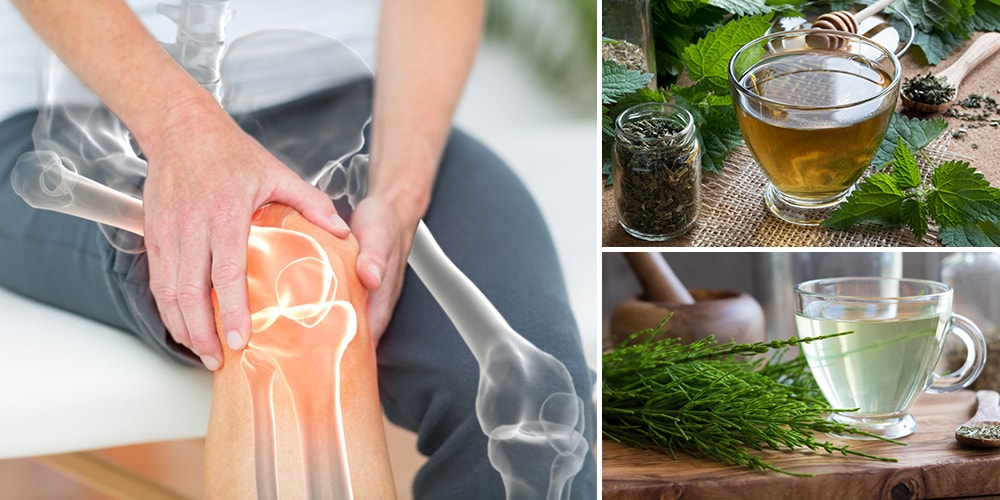

Homemade Anti-Inflammatory Golden Soup
There was a time when the kitchen doubled as the medicine cabinet.
People reached for roots, herbs, warming spices, broths, and whatever was growing nearby long before every discomfort came with a bottle attached to it. And this Golden Soup brings some of that old wisdom back to the table.
It’s golden because of the carrots, squash, turmeric, and ginger. But it’s also “golden” because these are exactly the kinds of traditional ingredients worth keeping close as you get older.
Chronic inflammation can quietly build for years, contributing to stiffness, digestive trouble, cardiovascular problems, metabolic disease, and other age-related health issues. The frustrating part is that you may not notice much at first.
That’s why waiting until your body is demanding attention isn’t a great strategy.
This soup gives you a much simpler place to start.
Inside one warming bowl, you’ll find many herbs and spices traditionally used against inflammation that are probably already sitting in your kitchen.
Keep reading, because I’ll show you exactly which plants make this soup so useful, what they can do for your body, and how you can turn an ordinary meal into something your grandmother might have recognized as both food and remedy.
Why You Shouldn’t Ignore Inflammation
Chronic inflammation doesn’t always hurt enough to get your attention.
Sometimes it looks more ordinary: stiff mornings, nagging aches, low energy, brain fog, digestive trouble, or that feeling that your body simply doesn’t bounce back like it used to.
Those symptoms can have many causes, but persistent inflammation is one piece of the puzzle worth paying attention to — especially because long-term inflammation is associated with problems affecting your joints, heart, metabolism, gut, and brain.
And the longer unhealthy habits stay in place, the more reason you have to change what you can now, rather than waiting for a diagnosis to make health suddenly feel urgent.
This Golden Soup brings a handful of anti-inflammatory ingredients together in one bowl.
Here’s what each one brings to the table.
Carrot & Butternut Squash
Never underestimate the power of these orange vegetables sitting in your kitchen.
Carrots and butternut squash get their bright color from carotenoids, including beta-carotene. These plant compounds act as antioxidants and help protect your cells from oxidative stress.
Butternut squash also gives you fiber, vitamin C, and vitamin A precursors, making it much more than just a soup thickener.
Carrots bring their own mix of carotenoids and flavonoids.
Together, they give you the naturally sweet, velvety base of the soup while packing in compounds associated with healthier inflammatory balance.
And practically speaking?
They’re also one of the easiest ways to make a nourishing soup taste rich and creamy without dumping heavy cream into it.
Your joints will appreciate the nutrients, and your taste buds, the sweetness.
Nettles Belong in This Soup
This is where the recipe starts feeling like something your grandmother might have made on purpose.
Stinging nettle has a long history of use for joint discomfort, seasonal irritation, and inflammatory complaints. Once properly dried or cooked, the plant that once stung your ankles becomes mild, nourishing, and surprisingly easy to use.
In this soup, nettle adds a soft, green earthiness without taking over the flavor.
More importantly, it gives the recipe another traditional plant that has been valued for generations when the body feels stiff, achy, or run-down.
So don’t leave it sitting in the herbal cabinet. Put it in the pot.
You can absolutely forage nettles yourself, but don’t grab them barehanded.
Those tiny hairs sting for a reason, and yes, they hurt.
Wear thick gloves, long sleeves, and use scissors. Pick young, healthy tops from clean areas far from roads, sprayed lawns, farm runoff, or polluted soil. Once nettle is dried, cooked, or steeped properly, the sting disappears.
You can also buy dried nettle, but choose organic or carefully sourced herbs whenever possible. Cheap nettle can come with exactly what you don’t want in your soup: pesticides, sprays, and mystery handling.
The easy version I found is Nicole’s ready-made Stinging Nettle Tincture.
I already add a few drops to my shampoo for thinning hair, but I also use it when this soup is done so I can get the nettle compounds without foraging, drying, straining, or stinging my hands.
Click here to get Nicole’s Stinging Nettle Tincture.
Turmeric & Ginger
This is where the soup really earns its golden reputation.
If you’ve spent any time around herbal remedies, you already know turmeric.
Its most famous compound, curcumin, has been studied extensively for its anti-inflammatory properties and joint discomfort.
Turmeric has also been used for centuries in traditional Ayurvedic and Chinese practices, especially when stiffness and discomfort are involved.
Then there’s ginger.
Ginger contains compounds such as gingerols, which are responsible for much of its characteristic heat and many of its studied anti-inflammatory properties.
You may already reach for ginger when your stomach feels unsettled.
But it also has a long history of use for stiffness, aches, and cold-weather discomfort.
Put turmeric and ginger together and you get one of those herbal pairings that simply makes sense.
Garlic & Cardamom
Garlic is one of the most potent traditional kitchen remedies. Everybody knows and uses garlic.
Garlic contains sulfur compounds, including compounds derived from allicin, that have anti-inflammatory properties.
Pro tip: if you want to enable allicin, crush your garlic and let it sit for 10 minutes. Otherwise, allicin doesn’t have enough time to form. Let me know down in the comments if you knew this already.
Cardamom, however, brings a completely different story.
It’s slightly sweet, citrusy, almost minty, and it adds warmth without making the soup aggressively spicy.
Traditional herbal systems have used cardamom for digestion, discomfort, and general inflammatory support for generations.
And flavor-wise? It keeps the soup interesting.
Because healthy food still has to taste good if you actually want to keep eating it.
Honorable Mention: Plantain Leaf
If you know your backyard herbs, plantain leaf deserves a mention too.
This humble plant has been used traditionally for generations to soothe irritated tissues, support digestion, and calm minor inflammatory discomfort.
I wouldn’t necessarily add it to this soup, but it’s one of those old-fashioned herbs worth remembering — especially because many people walk past it every day without realizing what they’re looking at.
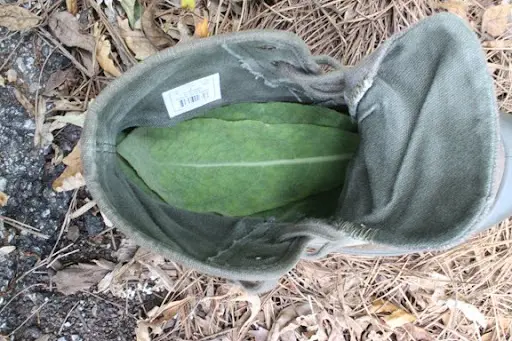 But here’s something wild: What happens if you put a plantain leaf in your shoe and walk around all day? The answer will surprise you—and your feet will thank you.
Click here to discover the strange plantain shoe trick.
Bone Broth & Coconut Milk
This is where everything turns silky.
Bone broth is the most collagen-filled remedy you can ever make at home. And it’s all natural.
Collagen is an important structural component of cartilage, connective tissue, skin, and joints, which is why collagen-rich foods and supplements have become so popular among people thinking about mobility as they age.
It also makes the soup feel far more satisfying than vegetable broth alone.
Then comes coconut milk.
Besides making everything creamy, coconut milk gives you fat.
And that matters because curcumin is fat-soluble.
In simple terms, consuming turmeric with fat may help your body absorb more of its active compounds.
This is another pro tip. Always know what the synergistic combinations between remedies.
The Medicinal Mushroom Blend Matters Too
I would NEVER skip the medicinal mushrooms used in the East for millennia.
Reishi, cordyceps, and turkey tail bring a completely different set of plant compounds into the recipe, including beta-glucans and antioxidant compounds that support immunity and help the body fight inflammation.
Reishi has long been associated with immune balance.
Cordyceps has traditionally been used for stamina and resilience.
Turkey tail is especially rich in beta-glucans and has a long history of use in traditional Asian practices.
That’s exactly what I want from an herbal recipe: real plants, traditional wisdom, and something you’ll actually want to eat again.
What Nicole Says About These Mushrooms
I could tell you why these mushrooms matter…
But honestly, I’d rather let Nicole Apelian say it herself.
Because when someone has spent decades working with medicinal plants and mushrooms, and has used them in her own life, her words carry a different weight.
Here’s what Nicole says in one of her articles:
“Personally, I have found medicinal mushrooms to be outstanding for addressing inflammation, multiple sclerosis/autoimmunity, and other chronic health conditions. Four specific mushrooms — lion’s mane, reishi, turkey tail, and cordyceps — are particularly impressive. As a matter of fact, these are the very extracts that got me out of my wheelchair and stopped the MS from progressing. They are that powerful. […] It is important to use only dual-extracted, fruiting body extracts for full potency and effectiveness — like those found in my Mushroom FOURtress Bundle. To learn more about why our tinctures are the gold standard of herbal extracts, visit the apothecary today!“
That’s why I wouldn’t treat medicinal mushrooms like some random “wellness trend.”
When you use them, quality matters. Extraction matters. And the part of the mushroom matters too.
Click here to see Nicole’s Mushroom FOURtress Bundle.
Now let me show you how to make it:
Anti-Inflammatory Golden Soup Recipe 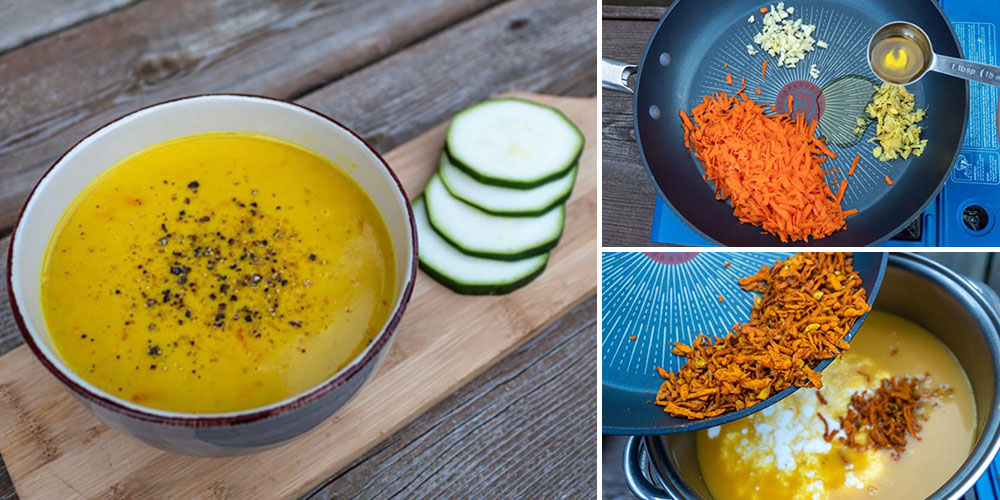

Ingredients
- 4 cups Butternut Squash Puree
- 2 cups Bone Broth
- 1 can Coconut Milk (400 ml / 14 oz)
- 2–4 cloves Garlic, finely chopped
- 1 inch fresh Ginger, finely chopped
- 1 Carrot, finely chopped
- 2 teaspoons Turmeric
- ½ teaspoon Cardamom
- 1 tablespoon Olive Oil
- 1–2 tablespoons dried Nettle Leaf or tincture
- 1–2 teaspoons Medicinal Mushroom Powder Blend or tincture (you can make one by powdering the following: Reishi, Cordyceps, and Turkey Tail)
Instructions
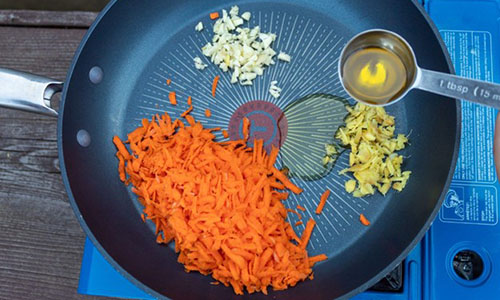
- Heat the olive oil in a pan over medium heat. Add the garlic, ginger, and carrot and cook for 2–3 minutes, until fragrant and slightly softened.

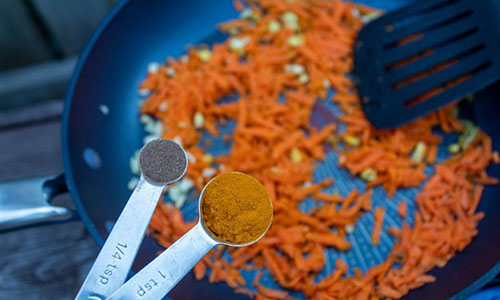
- Add the turmeric and cardamom. Stir for about 1 minute to wake up the spices and release their aroma.
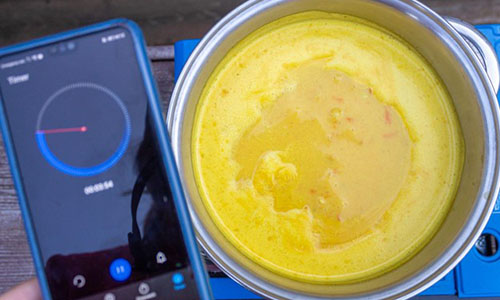
- Transfer everything to a large pot. Add the butternut squash puree, bone broth, coconut milk, dried nettle, and medicinal mushroom blend. Stir until smooth and well combined.

- Heat over medium until the soup begins to gently bubble. Then lower the heat and simmer for 5–10 minutes, stirring occasionally. This gives the nettle time to soften and allows the spices and mushrooms to blend into the soup.
- Serve warm and enjoy it slowly. This is the kind of recipe that feels less like “health food” and more like bringing an old kitchen remedy back to life.
Homemade Butternut Squash Puree
Slice a large butternut squash in half and scoop out the seeds.
Bake the halves cut-side up at 350°F for 45–60 minutes, or until very soft.
Scoop out the flesh and blend until smooth.
Homemade Bone Broth
Place bones from your local butcher into a large pot and cover them with water.
Bring to a boil, then lower the heat and simmer gently. Add warm water as needed to keep the bones covered and skim away any foam that rises to the surface.
After 8–12 hours, let the broth cool and remove the bones.
Actually, I have an entire article where I’ve cooked this myself, and I’m showing you every step of it. You can find it here.
When Inflammation Strikes From the Outside
If you’re dealing with any type of inflammation (especially chronic joint pain) this syrup will help from the inside. But inflammation is a war that requires fighting on multiple fronts. You need external relief too.
Try making a turmeric poultice and applying it directly to painful joints. For immediate pain relief, add some cayenne powder to numb the area on contact. But if your pain is constant and debilitating, making fresh poultices daily becomes exhausting and messy.
That’s when you need a professional-grade salve that you can apply anytime, anywhere. The problem with making your own? Getting the ratios right, ensuring proper extraction of active compounds, and achieving the right consistency takes years of practice. Most homemade attempts are either too weak to be effective or too strong and cause skin irritation.
Skip the trial and error. Get the most powerful natural pain reliever in America, crafted by one of the country’s most trusted master herbalists using time-tested formulations. This salve has helped thousands find relief when nothing else worked. Get Your Professional Pain Relief Salve Here. Here’s what people say about it:

Can You Beat Inflammation For Good?
Managing inflammation isn’t a one-herb job. It’s a lifestyle. But here’s what shocked me – you don’t need to change everything forever. Just for a little while. Until healthier habits begin to feel like your normal routine.
I thought it would be torture. Giving up foods I loved. Following strict rules. But it’s actually not hard at all. When you know exactly what to eat, drink, and do, you realize these are changes anyone can make. Small swaps. Massive impact.
Swap heavily processed foods for more whole-food sources of healthy fats. Trade processed junk for real food. Add drinks rich in plant compounds being studied for metabolic and inflammatory health. Simple shifts that feel natural, not restrictive.
This is what real wellness looks like – living as comfortably as possible without the side effects. Less guesswork. More practical habits. And a plan you can actually follow.
The complete anti-inflammatory protocol (diet included) is on page 297. Everything you need to build a more inflammation-conscious daily routine. Stop guessing which habits matter. Start building a routine around the factors you can actually control.
Chronic inflammation is tied to some of the biggest long-term health challenges people face today. Don’t wait until your everyday habits become harder to change. Start using the plants, foods, and habits available to you now, while small changes are still easy to make.
 You May Also Like:
How To Make Nature’s Amo*****lin