
“Freeze” Your Cholesterol With This Ice-Tonic
If you’ve been told you need to lower your cholesterol, you’re not alone. Many are in the same boat and have been handed a medication promising to work wonders. What if you could naturally bring down bad cholesterol numbers with simple ingredients in your kitchen or garden?
In this post, we’ll dive into why cholesterol spikes and how you can remedy cholesterol problems with nature’s best herbs and essential oils. You’ll discover the organ in your body that plays a key role in balanced cholesterol, and learn how to reduce inflammation. We’ll even teach you how to “Freeze” Your Cholesterol with This Ice-Tonic made of cilantro and other anti-inflammatory ingredients. Keep reading if you’re ready to balance cholesterol without side effects.
LDL, HDL, And Total Cholesterol
Before diving into causes and remedies, it helps to understand what cholesterol actually is and why not all of it works against you. Cholesterol is a waxy, fat-like substance your body produces naturally and also absorbs from food. It is essential for building cell membranes, producing hormones, and making vitamin D. The problem is not cholesterol itself but the balance and behavior of the particles that carry it through your bloodstream.
LDL, or low-density lipoprotein, is the form most associated with cardiovascular risk. When LDL levels are elevated, cholesterol can accumulate in the walls of your arteries, forming plaques that narrow the vessels and increase the risk of heart attack and stroke. This is why LDL is commonly called “bad” cholesterol, though that label oversimplifies a more nuanced picture.
HDL, or high-density lipoprotein, works in the opposite direction. HDL particles collect excess cholesterol from tissues and artery walls and transport it back to the liver for processing and elimination. Higher HDL levels are generally associated with lower cardiovascular risk, which is why it is called “good” cholesterol.
Total cholesterol is simply the combined measurement of all cholesterol types in your blood, including LDL, HDL, and a portion of triglycerides. A total cholesterol reading alone is a limited indicator because it does not tell you the ratio of protective to harmful particles. Two people with identical total cholesterol readings can have very different risk profiles depending on how that number breaks down.
As a general reference point, most clinical guidelines consider an LDL below 100 mg/dL optimal for most adults, HDL above 60 mg/dL protective, and total cholesterol below 200 mg/dL desirable. However, these numbers are evaluated in context alongside age, blood pressure, smoking status, family history, and other cardiovascular risk factors. A number that requires medication in one person may be manageable through lifestyle change in another, which is exactly why understanding what you are working with matters before choosing your approach.
Why Does Cholesterol Rise?
Increased cholesterol can be hard to pinpoint without blood work and is often called the “silent killer” because of its lack of symptoms. While high cholesterol may not affect you outwardly, inwardly, it can contribute to an increased risk of heart disease and other cardiovascular issues. There are many reasons why cholesterol rises, but here are a few of the top culprits.
Poor Diet: A diet rich in processed foods, fatty meat, and fast food can increase LDL or “bad” cholesterol. Margarine, greasy takeout burgers, baked goods, and fried foods are full of trans fats, which are hard for the body to process. These fats accumulate in the arteries and can narrow them over time, increasing the risk of a heart attack.
It is worth clarifying something the science has shifted on significantly in the last two decades. Dietary cholesterol, the cholesterol found in foods like eggs, shellfish, and organ meats, has a much weaker direct effect on blood cholesterol levels in most people than was once believed. The liver compensates for increased dietary cholesterol intake by reducing its own production, which means the net effect on serum cholesterol is modest for the majority of the population. The bigger dietary drivers of elevated LDL are saturated fat, which increases the liver’s cholesterol synthesis and reduces LDL receptor activity, and trans fats, which do both while also lowering HDL simultaneously. This distinction matters practically: an eating pattern built around whole eggs, fatty fish, and unprocessed animal foods is a very different cardiovascular proposition than one built around fast food, commercially baked goods, and processed snacks, even if both are described loosely as “high in cholesterol.” The focus when improving diet for cholesterol management is better directed at reducing industrial trans fats and excess saturated fat from processed sources than at counting dietary cholesterol milligrams.
Lack of Exercise: A sedentary lifestyle can also lead to raised cholesterol. Regular movement (even just walking) can increase your “good” cholesterol while lowering LDL. You don’t have to run marathons to see results, though. You can benefit from a simple walk, jog, or even time spent in the pool.
Harmful Recreational Activities: If your idea of a good time is to smoke a pack of cigarettes and drink heavily, your cholesterol will suffer. Cigarette smoking, in particular, damages blood vessels and reduces HDL. Smokers automatically have a heightened risk of cardiovascular issues because of this. Alcohol isn’t much better, with many beverages containing excessive calories and sugar, which can also raise LDL.
Chronic Stress: Everyone experiences stress from time to time, but long-term stress can raise cortisol, increasing LDL. Poor sleep habits often accompany chronic stress, disrupting hormonal balance and increasing inflammation and cholesterol.
Stress is quietly wrecking everything, your sleep, your cholesterol, your hormones… and you won’t notice until your body starts waving red flags.
Herbalists have always turned to the best plants for support, like Ashwagandha, Reishi, Lemon Balm, and Lion’s Mane. These aren’t just for calming down, they help your nervous system reset, your sleep deepen, and your stress stop snowballing. If you’re under pressure daily, these are the herbs you want to build into your routine, as often as you can.
Genetics: As with almost anything, genetics can also play a role in cholesterol levels. It’s important to know your family history, not so you can use it as an excuse, but as motivation to be proactive.
Underlying Conditions: Others may develop high cholesterol because of existing health conditions like diabetes or PCOS. When considering high cholesterol, take into account other symptoms as well, so you can get to the true root of the issue.
If you want to lower cholesterol and live well in every sense of the word, this is where you start.
This isn’t just a tip sheet, it’s a comprehensive wellness protocol guide. Inside, you’ll find step-by-step natural strategies for inflammation, blood sugar, heart health, anxiety, sleep, digestion, and so much more. It’s all about helping your body reset, with the tools nature already gave us.
👉 Explore The Holistic Guide to Wellness here
Holistic Ways to Lower LDL
You don’t always need prescriptions to lower cholesterol, especially if your numbers are borderline. Many can successfully manage cholesterol through simple lifestyle changes and incorporating some of nature’s best healing ingredients. Holistic approaches address the root cause of issues, so here are a few ways to help heal your body from the inside out.
Reduce Stress: Stress can increase lipid levels, so it’s important to reduce stressors as much as you can. If life won’t slow down, you can incorporate adaptogens like ashwagandha and reishi, which are proven to help your body adapt to stress. You can also apply magnesium oil, as it can naturally lower stress levels.
Stress doesn’t just drain your energy. It slowly chips away at your health. It raises your cholesterol. Wrecks your sleep. Pushes your whole system out of balance.
That’s why I keep a small tincture bottle on hand, one that blends the four herbs I trust most when stress won’t let go: Ashwagandha, Reishi, Lemon Balm, and Lion’s Mane.
All organic or wild-harvested. Made in small batches by a real herbalist who’s walked this path.
It’s gentle. Powerful. And surprisingly affordable.
🔻 Take a look here. It’s helped more than you’d think
Change Your Diet: An anti-inflammatory diet is a great cholesterol-lowering tool that anyone can start implementing. Include healthy foods like oatmeal, lentils, apples, and flaxseed, all of which contain soluble fiber, which clings to cholesterol and flushes it out of the gut. Healthy fats like avocado and coconut oil contain triglycerides that simultaneously increase HDL and lower LDL.
Use Specific Herbs: Certain herbs and plants can naturally lower cholesterol or “freeze” it from going any higher. Among the top contenders are garlic and cilantro, which can lower LDL, turmeric, which reduces inflammation, and hawthorn berry, which studies strongly claim that strengthens the heart against damage from high cholesterol.
Hawthorn is one of the strongest heart herbs we have.
It helps lower cholesterol, improve circulation, and shield your heart from long-term damage — especially when paired with turmeric, bilberry, fenugreek, and tulsi.
You could hunt down each herb, figure out the ratios, and wait weeks for a proper extraction…
Or you can get this small-batch Healthy Heart Blend, made by a clinical herbalist, using organic and wild-harvested plants, including potent hawthorn tincture, all working together for your cardiovascular system.
👉 Click here to get your bottle while it’s still in stock
Detox the Liver: To understand why liver health matters so much for cholesterol, it helps to know what the liver actually does with it. Your liver is the central hub of cholesterol metabolism. It manufactures roughly 75 percent of the cholesterol in your body, independent of what you eat, and it is also the primary site where cholesterol is removed from circulation. The liver does this through two main mechanisms.
The first is LDL receptor activity. Liver cells are studded with LDL receptors that pull LDL particles out of the bloodstream and bring them into the liver for processing. The more functional LDL receptors your liver expresses, the more efficiently it clears LDL from your blood. This is actually how statins work: they reduce the liver’s own cholesterol synthesis, which triggers the liver to upregulate LDL receptors to compensate, pulling more LDL out of circulation as a result.
The second mechanism is bile acid production. Your liver converts cholesterol into bile acids, which are secreted into the digestive tract to help absorb dietary fats. Once they have done their job, most bile acids are reabsorbed in the intestine and recycled back to the liver. When soluble fiber is present in the gut, it binds to bile acids and carries them out of the body in stool instead. The liver then has to pull more cholesterol from circulation to manufacture replacement bile acids, effectively lowering LDL in the process. This is the mechanism behind the cholesterol-lowering effect of oatmeal, flaxseed, and other high-fiber foods mentioned later in this article.
When the liver is overburdened by poor diet, alcohol, or toxic load, both of these mechanisms can become impaired. Bile flow slows, LDL receptor activity decreases, and cholesterol clearance suffers. Supporting liver function through hydration, bitter herbs that stimulate bile flow, and reduced toxic load is therefore not a vague wellness concept. It has a direct and documented effect on how efficiently your body manages cholesterol.
When Natural Approaches Are Not Enough: Who Needs Medical Supervision
Lifestyle changes and herbal support are genuinely effective tools for managing borderline or mildly elevated cholesterol in otherwise healthy adults. But there are situations where attempting to manage cholesterol without medical oversight is not just insufficient, it is dangerous. Knowing which category you fall into is not optional.
If you have been diagnosed with familial hypercholesterolemia, an inherited condition that causes severely elevated LDL regardless of diet or lifestyle, herbal and dietary interventions alone will not bring your numbers to a safe range. This condition affects approximately one in 250 people and is significantly underdiagnosed. If your LDL is extremely high and close family members have had heart attacks at young ages, ask your doctor specifically about this condition before pursuing a natural-only approach.
If you already have established cardiovascular disease, including a prior heart attack, a stent, bypass surgery, or a diagnosis of atherosclerosis, your LDL targets are significantly lower than for the general population and typically require pharmaceutical support to achieve. Herbs and lifestyle changes can absolutely complement your treatment, but they are not a substitute for it in this context.
If you are currently taking a statin or other cholesterol-lowering medication, do not stop without discussing it with your prescribing physician first. Several of the herbs discussed in this article, including garlic at therapeutic doses and some adaptogens, can interact with medications or affect how they are metabolized. Stopping a statin abruptly can cause a rebound effect in cholesterol levels.
If you have liver disease or significantly impaired liver function, some of the herbal recommendations in this article, particularly bitter herbs and liver-stimulating compounds, may not be appropriate for your situation and should be discussed with a healthcare provider.
For everyone else with borderline or mildly elevated cholesterol and no significant cardiovascular history, the lifestyle and herbal approaches in this article represent a reasonable, evidence-informed starting point. The goal is not to avoid medicine categorically but to use the right tool for your actual situation.
How to Help an Overworked Heart
An overworked heart may be managed with lifestyle changes. Sadly, there is no definitive treatment that will cure cardiomyopathy and heart failure.
High blood pressure, often called “The Silent Killer,” lurks unnoticed, quietly raising your risk of heart disease and stroke. A stroke can change your life forever, potentially leaving you paralyzed. But there’s something you can do to take control now.

Click the video to see exactly how to make this life-saving juice at home. It’s an easy, actionable step you can take today to care for your heart and reduce your risk of future complications.
How to “Freeze” Your Cholesterol With This Ice-Tonic
A word on what this tonic realistically does before you make it. The phrase “freeze your cholesterol” is a vivid way of describing the goal, but it is worth being precise about what you are actually getting from this preparation. None of the individual ingredients in this tonic have been shown in clinical trials to produce dramatic LDL reductions on their own, and a blended drink contains far smaller quantities of any active compounds than the doses used in research settings. What cilantro, parsley, cucumber, and lime do offer is a combination of antioxidants, chlorophyll, vitamin C, and anti-inflammatory compounds that support the liver, reduce oxidative stress on the arteries, and contribute to the kind of consistent dietary pattern that benefits cardiovascular health over time. Think of this tonic as a meaningful daily habit within a broader approach, not as a standalone treatment. Used consistently alongside an anti-inflammatory diet, adequate fiber intake, regular movement, and stress management, preparations like this contribute to a genuine cumulative effect. Used instead of those things, or instead of medically necessary treatment, they will not deliver results proportional to the expectation the name sets up.
This simple ice-tonic makes an ordinary glass of water transformative. It features herbs that you can easily find at most grocery stores. Perhaps you already have these elements in your herb garden!
Ingredients:
- 1 cup fresh cilantro, packed
- 1 cup fresh parsley, packed
- 1 medium cucumber, chopped
- Juice of 1 lime (about 1-2 tablespoons)
- ½ water, plus more as needed for blending
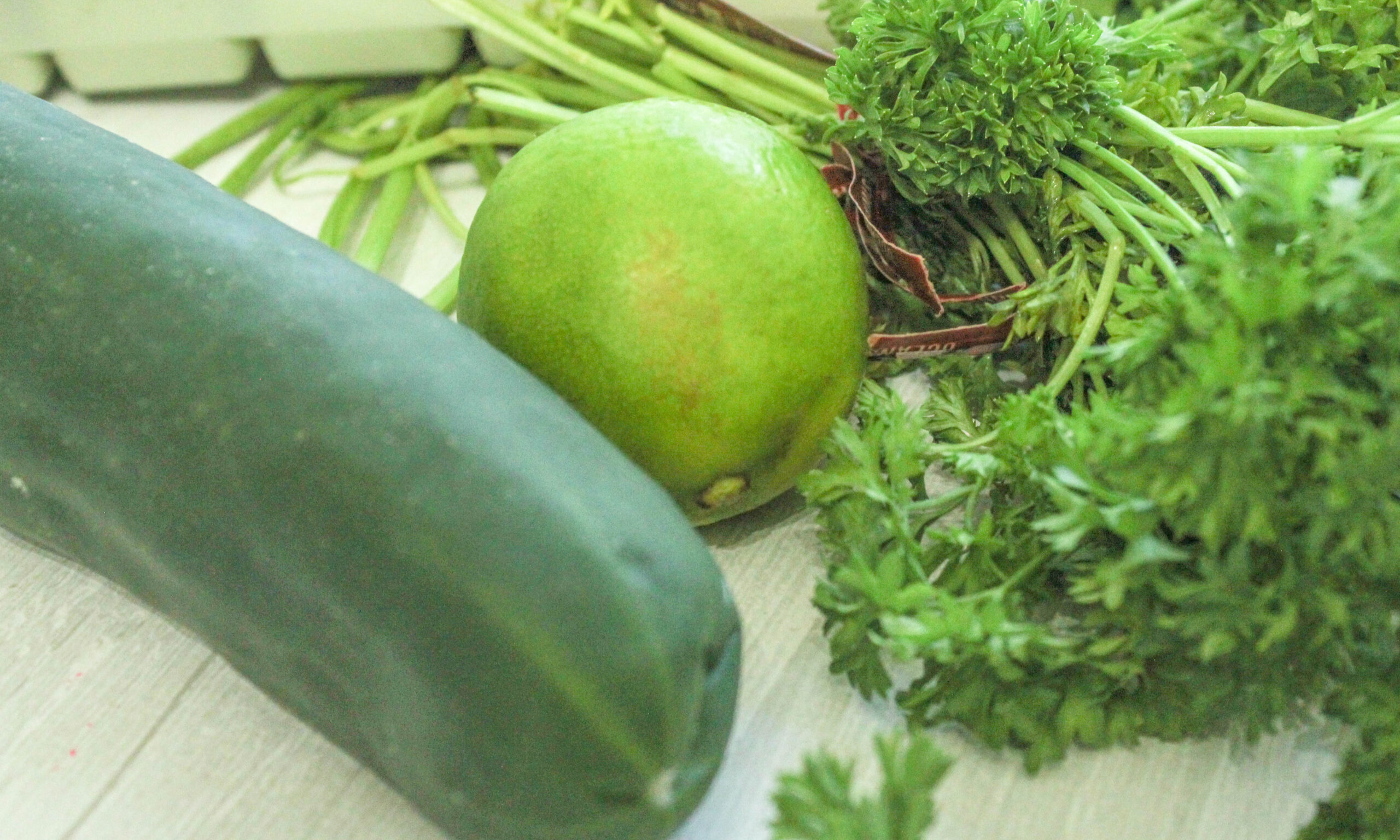
Step One: Rinse the cilantro and parsley thoroughly, then pat dry. Roughly chop the herbs for easy blending.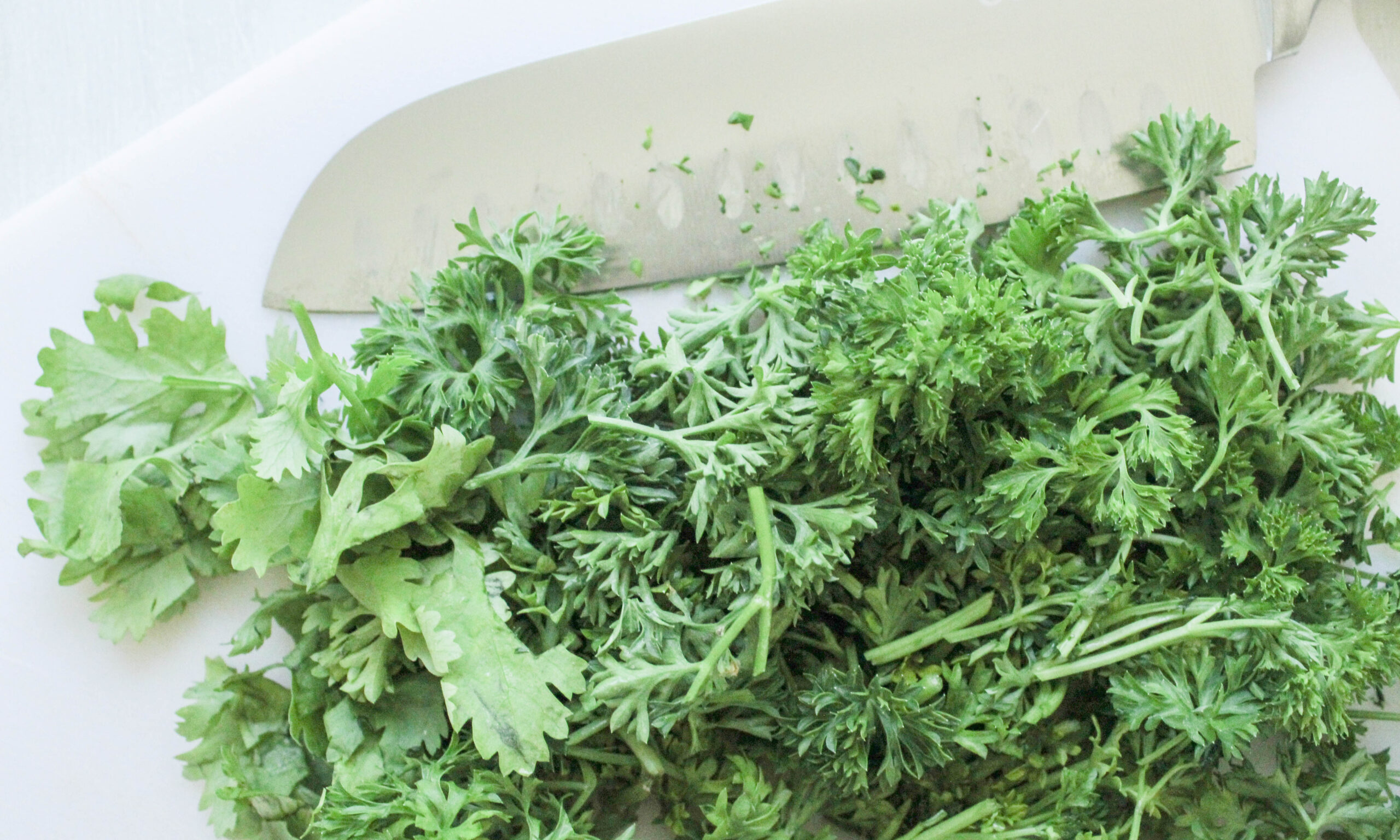
Step Two: Place the cilantro, parsley, cucumber, lime juice, and water in a high-speed blender. Blend until smooth, adding more water as needed.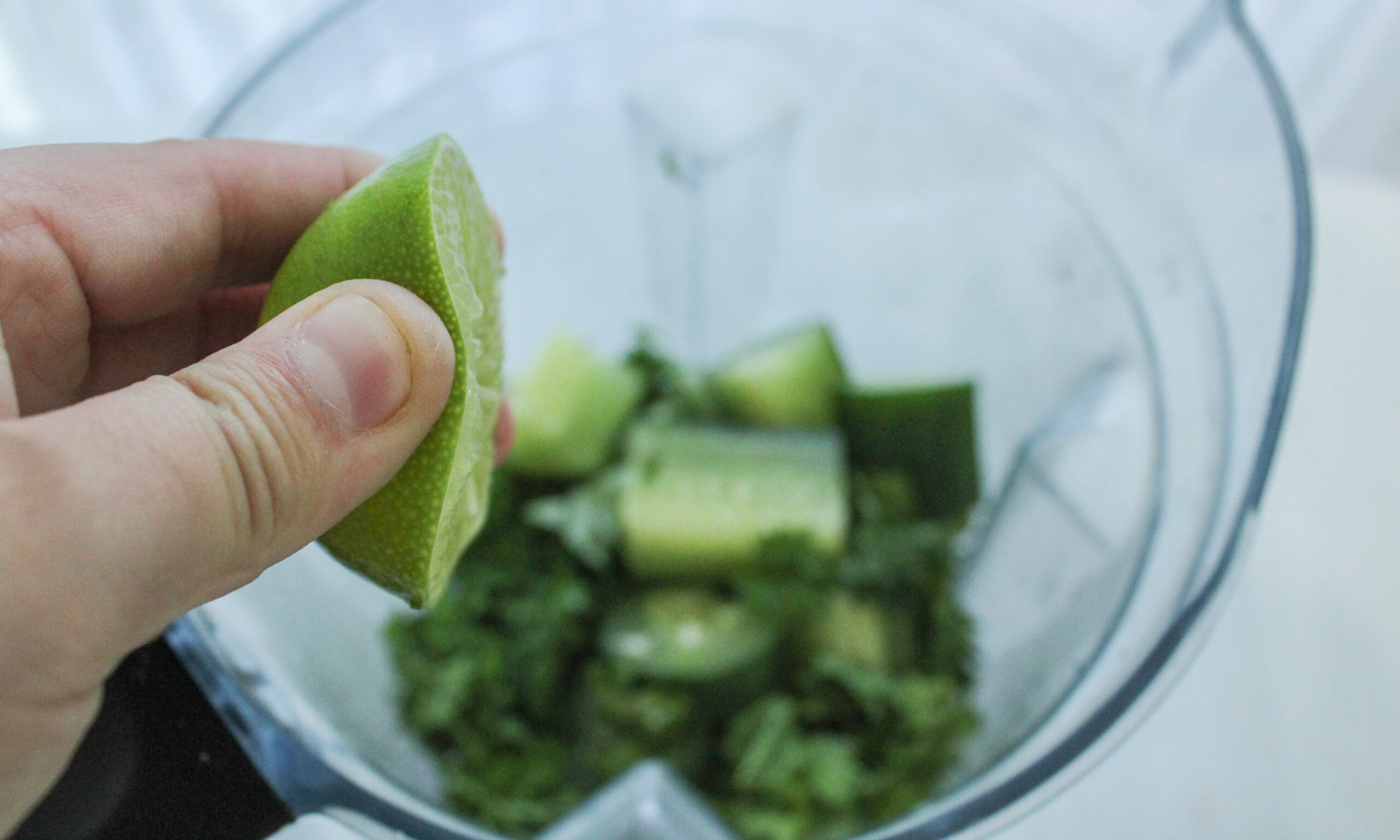
Step Three: If you prefer a smoother ice-tonic, strain the pulp and leave only the liquid. If you don’t mind a little bit of pulp, there are extra nutrients if you leave the mixture whole. Whatever your choice, pour the ice-tonic in ice cube trays and freeze until ready to use. This will take 4-6 hours, depending on your climate.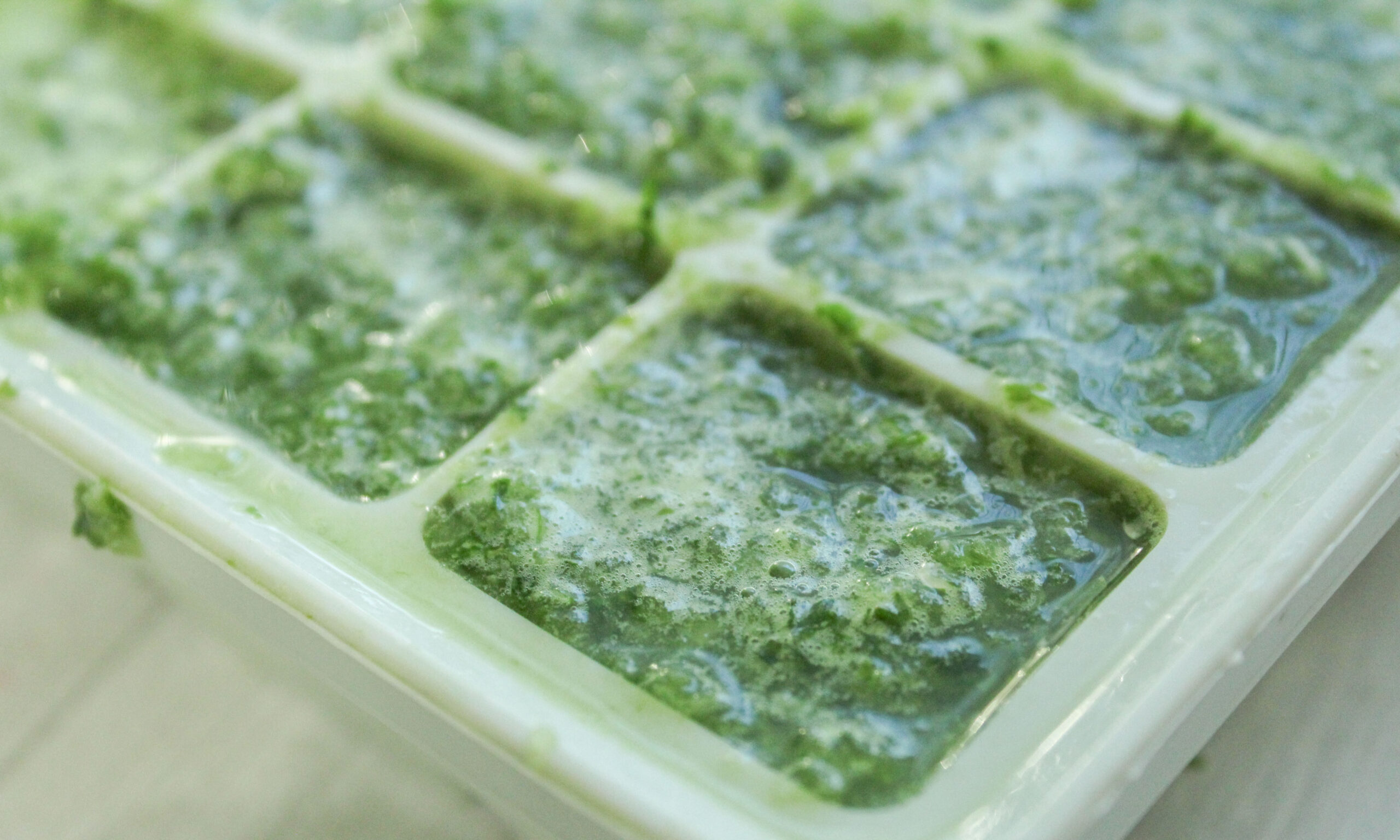
How to Use This Remedy
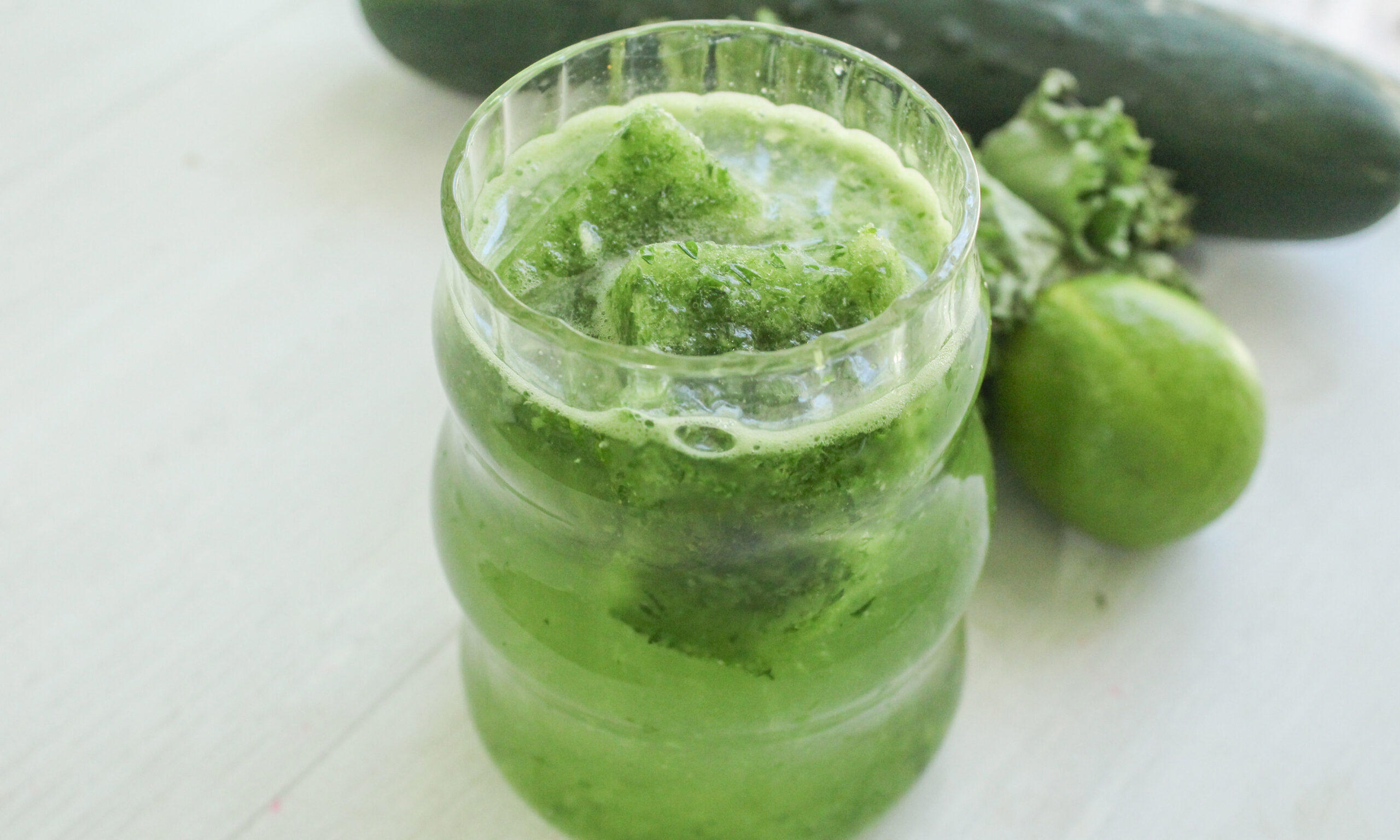
Once frozen, remove from ice cube trays and place in a Ziploc bag stored in the freezer. To use this remedy, drop 1-2 cubes in a glass of water and let them melt. This adds a lovely, subtle flavor. If you prefer a hot drink, add the ice cubes to boiling herbal tea for a gentle liver flush. Many love adding a cube to smoothies, which will effortlessly blend in with the other flavors.
This remedy contains all-natural ingredients and is safe for the entire family. Like most natural remedies, it’s best to drink this ice-tonic in a cycle, giving yourself a break from drinking it every day. This keeps your body guessing and boosts the effects of the tonic.
✅ If you liked this Ice-Tonic… imagine what happens when you give your heart, blood pressure, and blood sugar full-spectrum herbal support.
This powerful bundle brings together Nicole’s best cardiovascular allies — from hawthorn, bilberry, and tulsi to Turkey Tail, Reishi, and Cordyceps mushrooms, all dual-extracted and crafted for real results.
No fillers. No fluff. Just potent, organic herbs that support circulation, reduce inflammation, and help your body stay balanced. Naturally.
🫀 Try the Heart, Blood Pressure & Blood Sugar Bundle here
When to See a Doctor: What Your Numbers Actually Mean
This article is written for people who want to take an active role in their cardiovascular health, and that is a legitimate and worthwhile goal. But part of taking your health seriously is knowing when the situation calls for professional evaluation rather than kitchen remedies.
As a general guide: if your LDL is below 130 mg/dL, you have no other cardiovascular risk factors, and you have not been told by a physician that medication is necessary, lifestyle and dietary approaches are a reasonable primary strategy and the methods in this article are a solid starting point.
If your LDL is between 130 and 160 mg/dL, the picture depends heavily on context. Someone with no other risk factors, normal blood pressure, no smoking history, and no family history of early heart disease may be appropriately managed through lifestyle change. Someone with diabetes, hypertension, or a strong family history in the same LDL range may genuinely need medication. This is not a decision to make based on an article. It is a conversation to have with a physician who knows your full health picture.
If your LDL is above 160 mg/dL, and particularly if it is above 190 mg/dL, medical evaluation is not optional. At these levels the cardiovascular risk is significant and the probability that diet and herbs alone will bring you to a safe range is low. This does not mean abandoning natural approaches. It means using them alongside appropriate medical care rather than instead of it.
Regardless of your numbers, certain symptoms warrant immediate medical attention and should not be managed with home remedies: chest pain or tightness, pain radiating to the arm or jaw, sudden shortness of breath, and unexplained dizziness or fainting are all potential cardiac warning signs that require emergency evaluation.
Get your cholesterol checked regularly, know your specific numbers rather than just a general “high” or “borderline” label, and make decisions based on your actual situation rather than a generalized article. The herbs and lifestyle changes discussed here are genuinely useful tools. They work best when you understand exactly what you are working with.
💚 This Ice-Tonic Is Just the Start… Here’s What You’re Missing
You’ve seen how cilantro, garlic, hawthorn, and hibiscus can lower cholesterol and protect your heart.
But what if you could go even deeper?
Inside The Forgotten Home Apothecary, you’ll find 250+ healing recipes that target not just your heart, but every major body system, step-by-step, easy to make, and trusted by thousands.
Just a few of the most surprising ones:
• 🫀 The Vital Heart Blend with garlic, turmeric, ginger & hawthorn — like liquid armor for your arteries
• 🧄 The Artery De-Clogger — with garlic, ginger, cinnamon & lemon to support blood pressure
• 🍋 A Cholesterol-Clearing Garlic Lemon Tonic (daily dose, drug-free)
• 🌺 Hibiscus Circulation Tea — for smoother blood flow and lower pressure
• ⚡ The Heavy Metal Detox Smoothie — to flush what statins never touch
• 💤 Nature’s Sedative Capsules — a homemade blend that rivals sleep meds
• 💨 The Antibiotic You Can Smoke — yep, really
• 🦴 The Homemade Bone-Strengthening Salve — for aching knees and brittle bones
• 🧠 Memory-Boosting Elixirs with rosemary, lion’s mane & sage
This isn’t just a book, it’s your natural first aid kit when pharmacies go empty.
It’s the remedies your ancestors knew… and the ones your body’s still craving.
👉 Click here to grab your copy now, before it disappears again
(Only a few printed at a time. Once they’re gone, they’re gone.)