Your doctor just told you your liver enzymes are elevated. Maybe you got diagnosed with fatty liver disease. Or perhaps those years of weekend drinking and processed food are finally catching up with you.
Here’s what happens next in most doctor’s offices: a stern lecture about diet, maybe a prescription, and the implication that you’ll be managing this “condition” for the rest of your life.
But here’s what they’re not telling you—something that should be shouted from every medical rooftop: Your liver can literally regenerate itself.
Not “heal a little.” Not “improve with medication.” We’re talking about an organ that can regrow to full size even if two-thirds of it is removed or damaged. It’s the only internal organ with this superpower, and you probably had no idea.
Why the silence? Medical training focuses on treating disease with pharmaceuticals, not celebrating your body’s innate resilience. There’s no conspiracy—it’s just that modern medicine reaches for prescription pads before discussing the natural healing you’re already capable of.
The truth is, scientific studies are proving what herbalists have known for centuries: the right nutrition and plants can support—and even enhance—your liver’s remarkable ability to heal itself.
Let’s talk about how to make that happen.
The Daily Habits Secretly Destroying (or Saving) Your Liver
Your liver is metabolizing everything you eat, filtering every toxin, storing energy for when you need it. It’s working 24/7 without complaint. The question is: are you helping or hindering?
What Actually Helps Your Liver Heal
Leafy greens aren’t just “healthy”—they actively prevent liver damage. Research shows that people who eat more spinach, kale, and arugula have significantly less fat buildup in their livers. Just one cup of greens daily could be protecting you from fatty liver disease.
Whole foods vs. processed junk isn’t a small difference—it’s an 83% difference. That’s how much higher your odds of developing fatty liver disease are when you eat mostly ultra-processed foods. Your liver wasn’t designed to handle the chemical load of packaged snacks and fast food.
Even modest weight loss changes everything. Losing just 5-10% of your body weight significantly reduces liver fat, inflammation, and even scarring. This works because fat cells in your liver literally shrink, giving the organ room to breathe and repair itself.
If you struggle with weight loss, here’s the method that flushes pounds of fat naturally—just by adding these fat-burning herbs to your food or drinks. Click here to discover how.
Intermittent fasting hits your liver’s reset button. Studies show that giving your body a 14-16 hour overnight fast can trigger cellular cleanup and fat burning in the liver. After a few months, people see lower liver enzymes and reduced liver fat. Think of it as scheduled maintenance for your hardest-working organ.
Green tea isn’t just a beverage—it’s medicine. The catechins in green tea have been linked to lower liver fat and improved enzyme levels. Swap your soda for green tea or dandelion tea, and you’re actively supporting your liver with every sip.
What’s Actively Harming Your Liver Right Now
Alcohol is a direct toxin to liver cells. Period. As one liver specialist plainly states: “All heavy drinkers are at risk for advanced liver disease.” Over time, excess drinking causes fat buildup, inflammation, and irreversible scarring. If you drink, do it sparingly—your liver can recover from occasional use but not chronic abuse.
Sugary drinks are quietly building fat in your liver. Even independent of weight gain, high sugar intake drives liver fat storage and inflammation. Your liver converts that excess sugar into fat, creating the exact problem you’re trying to avoid. Satisfy your sweet tooth with whole fruit instead.
Your sedentary lifestyle is contributing to fatty liver. The flip side? Regular exercise—even just brisk walking 30 minutes daily—improves liver enzymes and reduces liver fat before you even lose weight. A body in motion keeps the liver in motion.
The Natural Remedies Your Doctor Probably Never Mentioned (But Science Backs)
Milk Thistle: The Liver Herb With Prescription-Strength Results
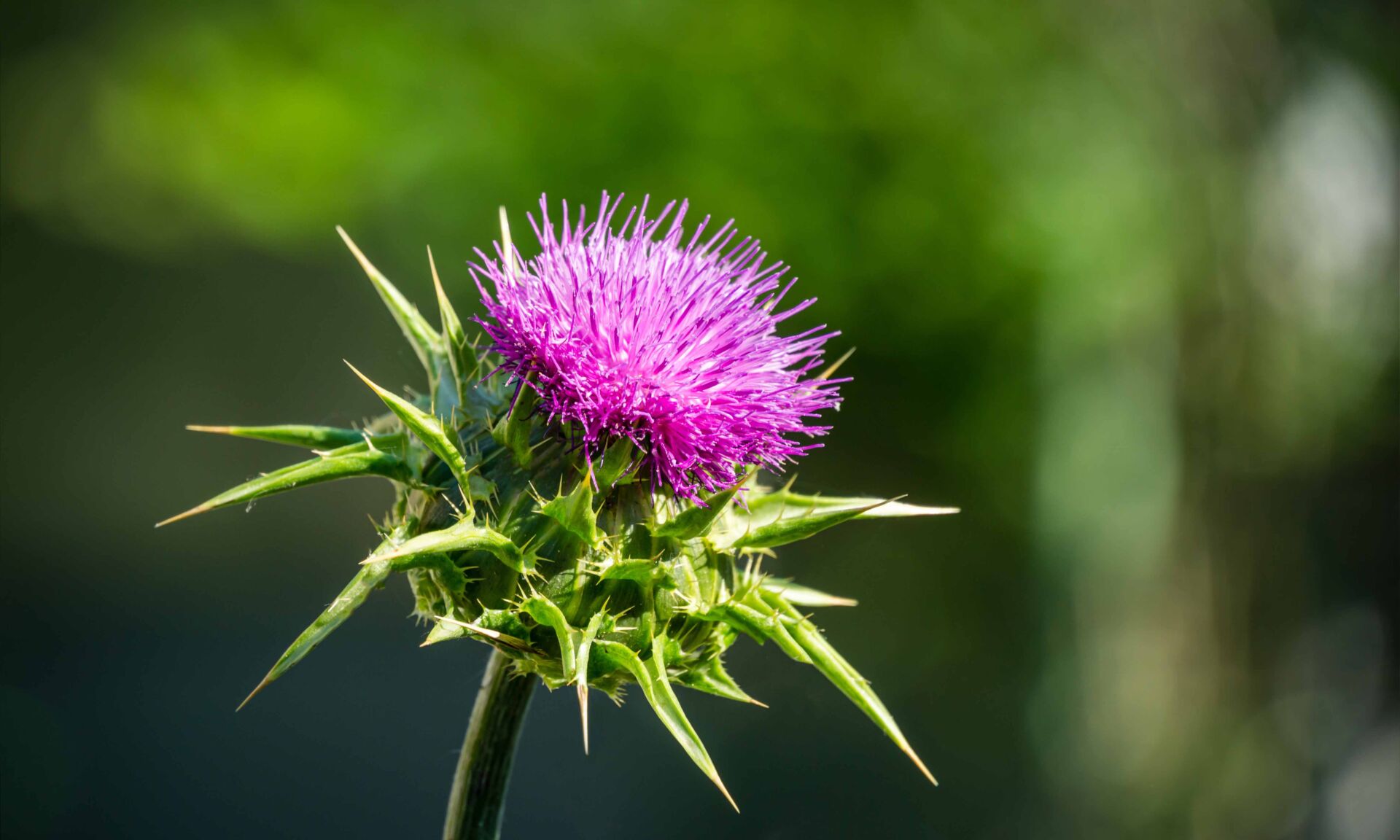
Milk thistle’s active compound, silymarin, does something remarkable—it blocks toxins at the cell membrane, preventing them from entering your liver cells. It’s famous as an antidote for mushroom poisoning, which tells you how powerfully it protects liver tissue.
In patients with fatty liver disease who took silymarin (600 mg daily for 12 months), their liver damage markers (ALT and AST) dropped significantly, better than conventional treatments. This wasn’t just improvement; this was actual healing happening at the cellular level.
What this means for you: Milk thistle isn’t folklore. It’s a well-tolerated supplement with decades of research showing it shields your liver cells, reduces inflammation, and supports regeneration. Available as capsules, tinctures, or tea, typical doses range from 300-600 mg daily.
Dandelion Root: The “Weed” That’s Actually Your Liver’s Best Friend
That stubborn plant in your yard? It contains compounds that stimulate bile flow and act as antioxidants. In animal studies of acute liver failure, dandelion root extract given before injury significantly reduced liver enzymes, oxidative stress, and actual physical damage to liver tissue.
What this means for you: Dandelion root tea or tincture increases bile production, which helps your liver carry away waste and aids digestion. While human studies are still limited, many people report improved digestion and better liver markers with regular use. It’s safe, nourishing, and you might already have it growing outside.
Turmeric: The Kitchen Spice That Heals Liver Damage
A 2019 meta-analysis of clinical trials found that curcumin (turmeric’s active compound) significantly lowered ALT and AST—the enzymes that spike when your liver is damaged. On average, curcumin reduced these markers more than placebo, indicating less liver inflammation.
Why does this matter? Because there are no FDA-approved drugs for fatty liver disease. If a safe kitchen spice can make measurable improvements in liver healing, that’s huge.
What this means for you: Golden milk, turmeric tea, or encapsulated curcumin extracts (500-1000 mg daily) can give your liver the anti-inflammatory support it needs to repair itself. Take it with black pepper or fat to boost absorption.
Artichoke: The Vegetable That Shrinks Liver Fat
In a placebo-controlled trial with 100 fatty liver patients, 600 mg of artichoke extract daily for just 2 months led to significant improvements in liver ultrasounds and blood tests. The artichoke group saw reduced liver size and fat, better blood flow, and lower damage markers.
The placebo group? No improvements at all.
What this means for you: Artichoke leaf extract (300-600 mg) increases bile production, lowers cholesterol, and shields your liver from toxins. It’s helping your liver repair while also improving your cholesterol and triglycerides—addressing multiple problems simultaneously.
Schisandra Berries: The Ancient Medicine Boosting Your Liver’s Detox Power
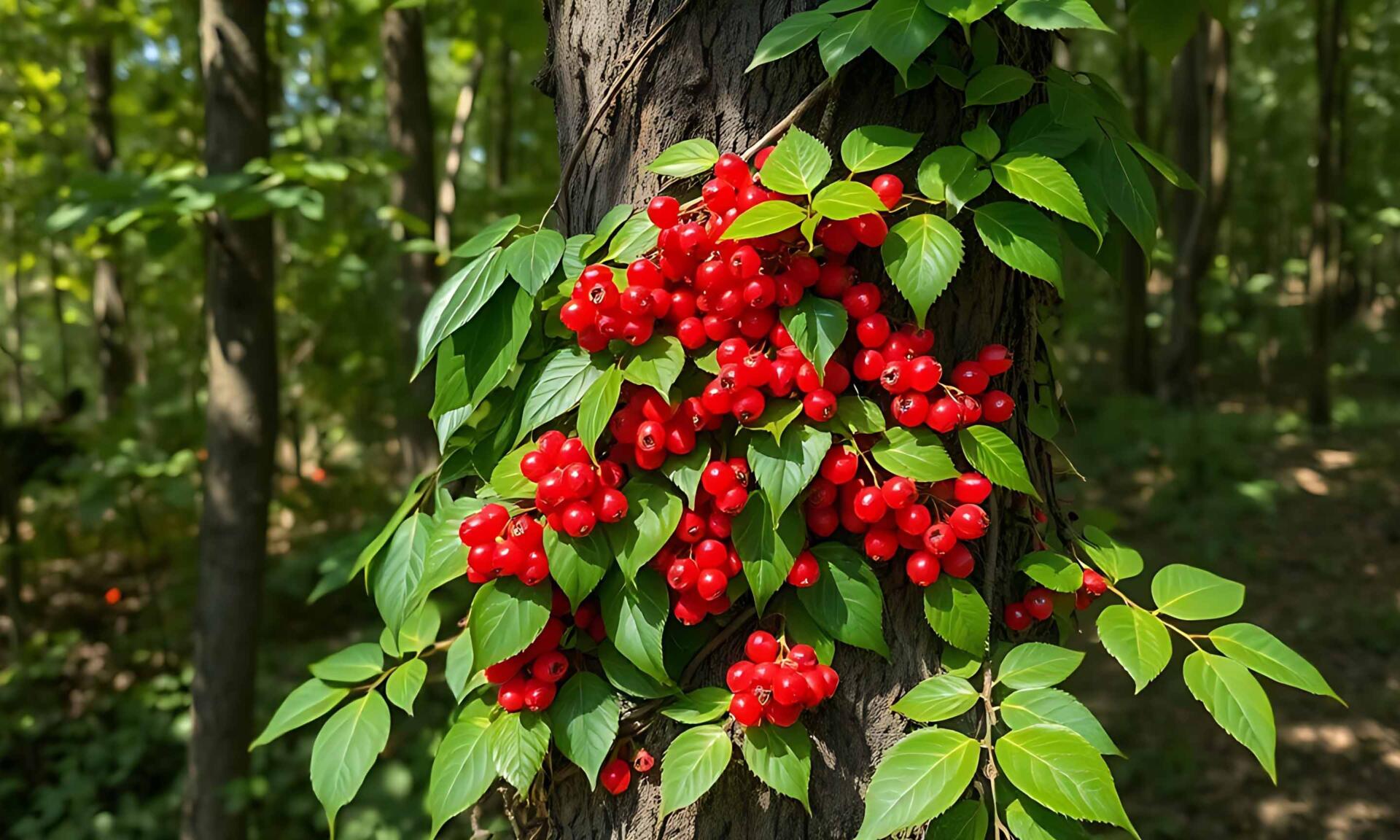
These red berries from traditional Chinese medicine contain lignans that increase glutathione—your liver’s main antioxidant—and enhance detox enzymes. Patients with chronic hepatitis and fatty liver who took Schisandra supplements showed improved liver enzymes and reduced symptoms.
What this means for you: Schisandra boosts your liver’s own detox arsenal while reducing the inflammation that prevents healing. You can take it as capsules, tincture, or dried berries in tea.
Licorice Root: The Sweet Medicine That Actually Works
Injectable glycyrrhizin (from licorice) has been used in Japan for decades to treat chronic hepatitis. Studies show it lowers elevated liver enzymes and improves liver inflammation and scarring—even in patients where other treatments failed.
For everyday support, licorice root tea or extracts can be beneficial. Just use moderation if you have high blood pressure.
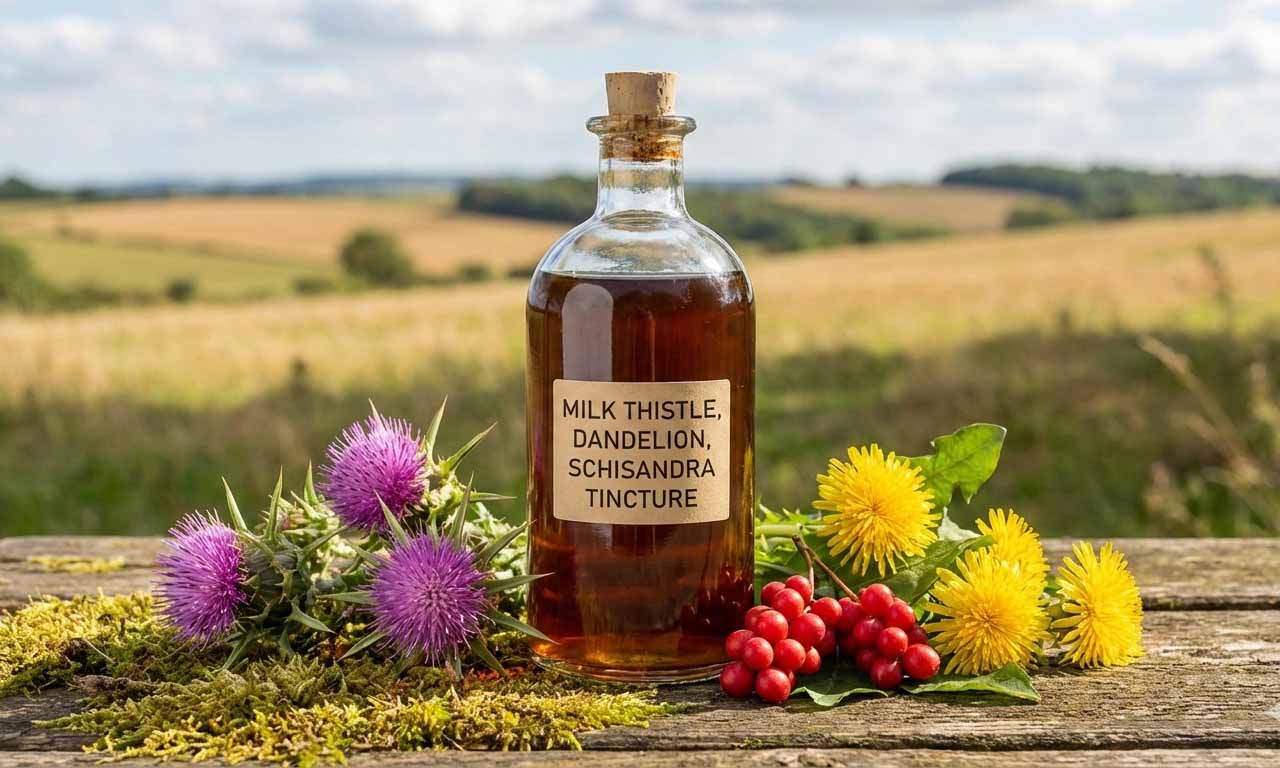
Imagine if you could blend all those ingredients—milk thistle, dandelion, schisandra – into one single tincture.
Well, I’ve got your back. I found the most trustworthy supplier in the US who released a Liver Blend Tincture made with all the plants above.
Now, you know what those plants do. In the right amounts, as formulated in this tincture, you could benefit. Your liver can.
When your liver is healthy, you don’t feel heavy after meals. You don’t feel nauseous. You have energy. You don’t feel like a mess when you wake up.
The Truth About Liver “Detoxes” (Stop Wasting Your Money)
Your liver is already a detox powerhouse. As one MD Anderson specialist puts it: “The liver is our detoxification machine… it keeps us alive.”
You don’t need a fancy cleanse. You need to stop overwhelming your liver and start supporting its natural work.
The detox myth: Strict cleanses purge toxins and reset your liver. The reality: Your liver cleanses itself 24/7. Extreme diets can actually deprive it of the proteins and nutrients it needs to function.
The detox myth: A short cleanse repairs past damage. The reality: Liver healing requires consistency, not quick fixes. If you’ve been damaging your liver for months or years, a week of juice won’t erase that.
What actually works: Gentle, ongoing support. Eat whole foods rich in fiber and antioxidants. Stay hydrated. Exercise regularly. Drink dandelion or milk thistle tea daily. Consider sensible intermittent fasting to let your liver catch up on processing stored fats.
Your liver doesn’t need a dramatic purge. It needs you to stop bombarding it with junk and start nourishing it properly.
There are foods that damage your liver more than others—and foods that regenerate it better.
I can’t share in a single article everything you need to do to truly detox your liver naturally, how to rebuild it, and what to eat at which part of the day to help your body.
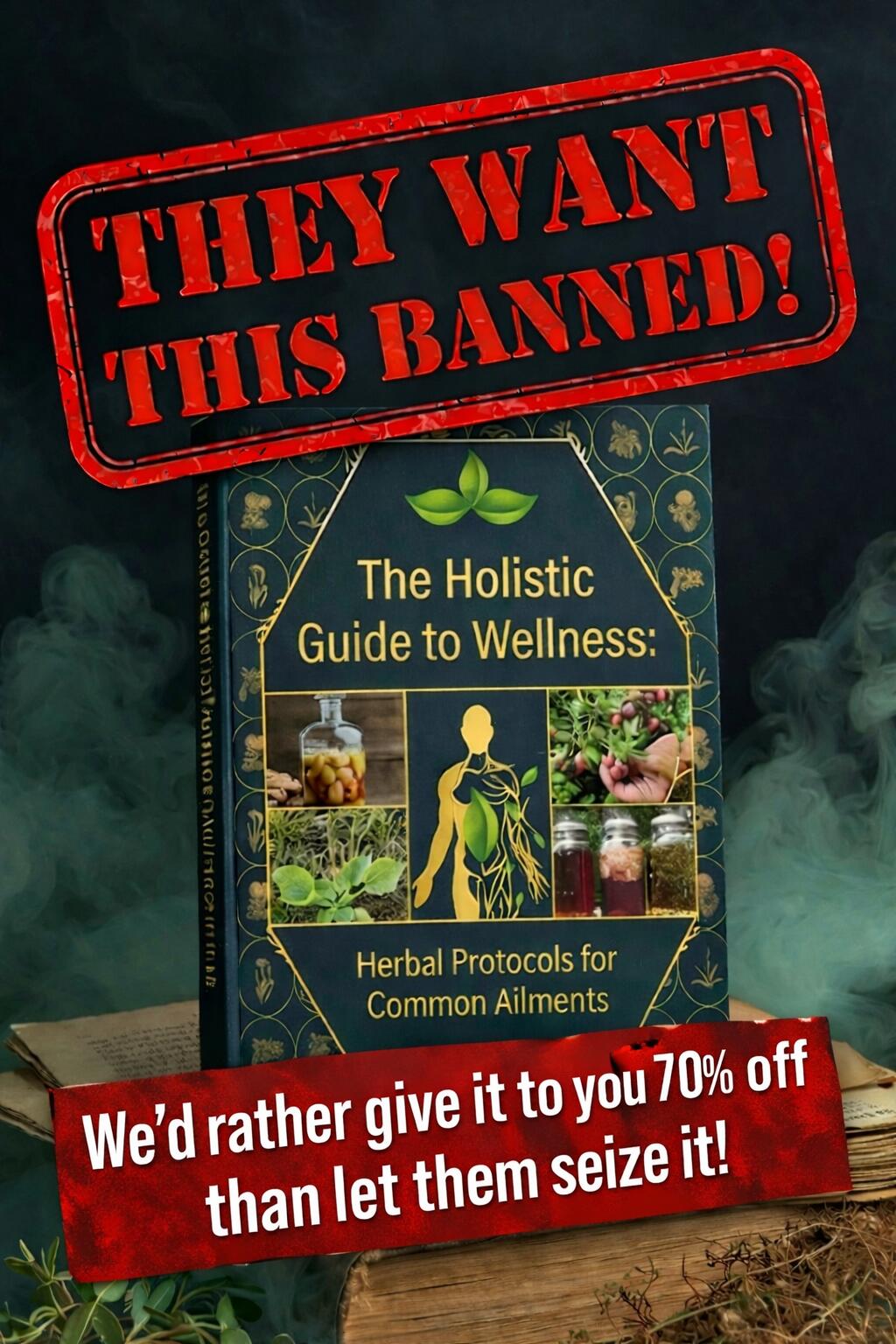
But I found the information in the most comprehensive protocol guide out there: The Holistic Guide to Wellness, which covers 45 complete protocols. One of the 45 herbal protocols is the Liver Health Protocol—a step-by-step roadmap that tells you exactly what to do morning, noon, and evening until your liver is fully healed.
Here’s what you need to know: I’ve been told their stocks need to be emptied because this book’s future is not certain. It’s printed in limited edition, and once these copies are gone, there’s no guarantee they’ll reprint.
Even if you’ve been diagnosed with fatty liver or your enzymes are elevated, it’s not too late. The liver’s regenerative superpower means you can turn this around.
Start with one change. Maybe it’s swapping greasy takeout for a salad with dandelion greens. Maybe it’s trading that second beer for turmeric-ginger tea. Perhaps it’s adding milk thistle or artichoke supplements to your routine.
Your liver works tirelessly for you, processing every toxin and metabolizing every meal. Give it the support it needs, and this remarkable organ will do what it does best: heal itself.
That’s the secret superpower your doctor forgot to mention. And you don’t need anyone’s permission to activate it today.
Why You Must Learn About Plants (Before Pharmacies Run Dry)
What will you do when pharmacies are no longer available? When the shelves are empty and doctors aren’t accessible?
Imagine knowing what other plants help your body regenerate:
Carrots for eyes
Mullein for hearing
Clove for teeth
Rosemary for hair loss
Hawthorn for heart health
Milk thistle for liver (as you just learned)
I now know what to use for everything in my body. There’s at least one plant dedicated to each part of my body. And I know at least 250 recipes using those herbs.
They’re all in Nicole’s book—organized by body system so you can find exactly what you need in seconds. Liver support, heart health, immune boosting, pain relief, gut healing, brain function—it’s all there.
This is a must-have on your bookshelf. Not just for today, but for the day pharmacies run dry and you need to heal yourself without modern medicine.
A CASE STUDY: I am a retired nurse and when working in hospice I had a patient “dying” of liver disease from alcoholism. He gave up alcohol and his live in girlfriend gave him 250 mg of milk thistle twice a day and a few weeks later we discharged him from hospice care as his liver enzymes had returned to normal.
You’re absolutely right that when the liver is given the chance (especially when alcohol is removed), it can sometimes recover far better than people expect. Milk thistle has also been studied quite a bit for liver support, so your observation is very interesting.
Of course every case is unique, but insights from someone with hospice experience are truly valuable here.
Really appreciate you taking the time to contribute.
We use cookies to ensure that we give you the best experience on our website. If you continue to use this site, we will assume that you are happy with it.
Functional Always active
The technical storage or access is strictly necessary for the legitimate purpose of enabling the use of a specific service explicitly requested by the subscriber or user, or for the sole purpose of carrying out the transmission of a communication over an electronic communications network.
Preferences
The technical storage or access is necessary for the legitimate purpose of storing preferences that are not requested by the subscriber or user.
Statistics
The technical storage or access that is used exclusively for statistical purposes.The technical storage or access that is used exclusively for anonymous statistical purposes. Without a subpoena, voluntary compliance on the part of your Internet Service Provider, or additional records from a third party, information stored or retrieved for this purpose alone cannot usually be used to identify you.
Marketing
The technical storage or access is required to create user profiles to send advertising, or to track the user on a website or across several websites for similar marketing purposes.





A CASE STUDY: I am a retired nurse and when working in hospice I had a patient “dying” of liver disease from alcoholism. He gave up alcohol and his live in girlfriend gave him 250 mg of milk thistle twice a day and a few weeks later we discharged him from hospice care as his liver enzymes had returned to normal.
Hi William — thank you so much for sharing this.
What an incredible experience to witness.
You’re absolutely right that when the liver is given the chance (especially when alcohol is removed), it can sometimes recover far better than people expect. Milk thistle has also been studied quite a bit for liver support, so your observation is very interesting.
Of course every case is unique, but insights from someone with hospice experience are truly valuable here.
Really appreciate you taking the time to contribute.
Who wants this book banned?
Big Pharma! Because these methods heal!!