Your heart is racing. Your thoughts won’t stop spinning. You have that tight feeling in your chest that means anxiety is taking over.
You could reach for medication. Or you could try something gentler—a cup of purple tea that actually works.
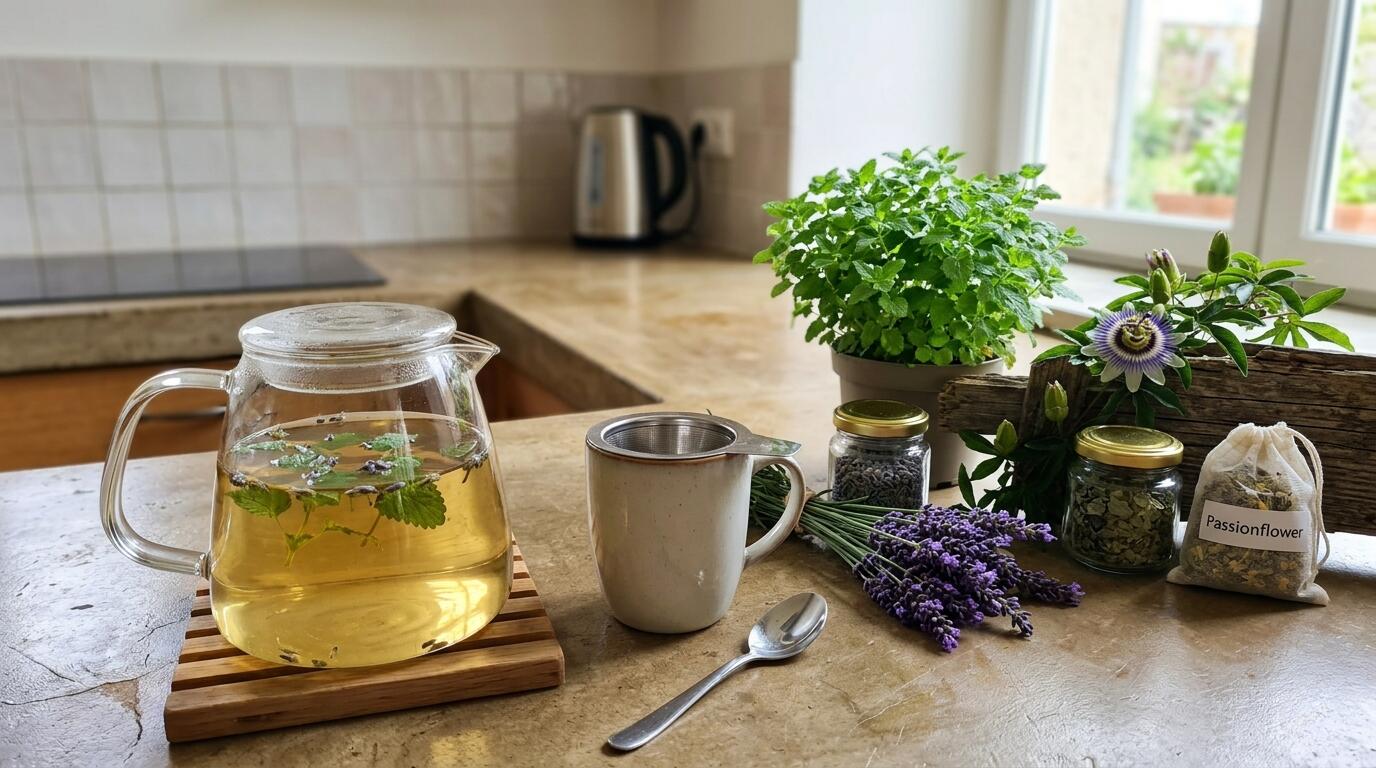
Lavender, lemon balm, and passionflower have been used for centuries to calm the nervous system. And research confirms they genuinely help. Together, steeped in hot water, they make a fragrant drink that can help your body relax in just a few minutes.
Not “eventually.” Not “maybe if you drink it for weeks.” Give yourself 7 minutes. Most people notice they feel different by the end.
Let me show you how.
Why These Three Herbs Work
Each of these plants affects your nervous system in slightly different ways. Together, they create a synergistic effect that’s more powerful than any one herb alone.
Lavender is famous for its relaxing scent and mild sedative effects. Research confirms it significantly reduces stress levels. A cup of warm lavender tea or even just the aroma can slow a racing heart and quiet an overthinking mind.
Lemon balm is a lemon-scented mint that’s been used traditionally for nervousness and insomnia. Clinical trials found it significantly improved anxiety symptoms compared to placebo. It contains compounds that gently enhance GABA—a calming brain chemical—so you feel more relaxed. Even inhaling lemon balm oil for just 5 minutes has been shown to quickly reduce anxiety.
I keep a jar of Nicole Apelian’s Lemon Balm Tincture in my kitchen. I don’t use it every day, just when I need it. A few weeks ago I had one of those nights where my brain wouldn’t shut off, and I added about 20 drops to some chamomile tea before bed.
I actually felt my shoulders drop within 10 minutes. It’s one of those things I’m glad I have around when I need it.
Passionflower is a vine with intricate purple-and-white blossoms. Native Americans used it for insomnia and what they called “hysteria”—what we’d now call anxiety. Studies suggest passionflower works on the GABA nervous system to lower arousal. Trials show reduced anxiety levels in people taking passionflower preparations, with few side effects.
The 7-Minute Calming Protocol
This isn’t just about drinking tea. It’s a short ritual that combines herbal medicine with breathwork for fast relief.
Minute 1: Brew the Tea
Boil water. Add to one cup:
1 teaspoon dried lavender flowers
1 teaspoon dried lemon balm leaves (or tincture)
½ teaspoon dried passionflower
Cover and steep for 5-7 minutes.
Minutes 2-6: Breathe While It Steeps
Don’t just scroll your phone while waiting. Use this time for controlled breathing.
Try “cyclic sighing”: Inhale slowly through your nose, fully filling your lungs. Then exhale long and slow through your mouth—make the exhale twice as long as the inhale.
Repeat for the full 5 minutes while your tea steeps.
Research from Stanford shows just 5 minutes of controlled, slow exhalations can noticeably reduce anxiety and activate the relaxation response. Subjects who did slow breathing for 5 minutes reported significantly lower anxiety than those who simply sat quietly.
Minute 7: Sip Mindfully
Strain the herbs. Sip the warm tea slowly. Inhale its soothing aroma as you drink.
The scent alone helps—lavender aromatherapy reduces stress even without ingesting anything. Combined with the herbs you’re drinking and the breathing you just did, you’re hitting anxiety from multiple angles at once.
By the end of this 7-minute ritual, most people feel a real shift toward calm. Not drowsy. Not disconnected. Just…calmer. More centered. Like you can actually handle what’s in front of you.
Why This Works So Fast
Here’s what’s happening in your body during those 7 minutes:
The breathing activates your parasympathetic nervous system—the “rest and digest” mode that counters anxiety’s “fight or flight” response. Slow, controlled exhales signal your brain that you’re safe.
The herbal compounds (from lavender, lemon balm, and passionflower) enhance GABA activity in your brain. GABA is your main calming neurotransmitter—it literally slows down overactive nerve signals.
If you don’t want to brew the tea every time, I’ve been using Nicole’s Passionflower Tincture. It’s passionflower boosted with other calming herbs specifically for racing thoughts and mental overwhelm.
A few drops under the tongue or in water, and I genuinely feel more chill within 15-20 minutes. Less reactive, more positive, like my brain finally has an off switch.
I personally went with this one because it’s a ready-made solution that’s been approved by herbalists across the board. You’re not guessing at ratios or wondering if you extracted it right. It just works.
The ritual itself matters. Taking 7 minutes to care for yourself, away from screens and demands, tells your nervous system it’s allowed to relax.
When to Use This
Before stressful events: Drink this 30 minutes before a difficult conversation, medical appointment, or anything that typically triggers your anxiety.
During anxiety attacks: When you feel panic rising, brew this and focus on the breathing while it steeps. The ritual itself can interrupt the anxiety spiral.
If you or your loved ones are dealing with chronic stress or similar issues, it might be worth turning to more powerful herbs like ashwagandha and other adaptogens. They help the body better adapt to stress and support a more balanced mood.
This is something I personally use, along with people close to me, especially during more stressful periods. You can try an ashwagandha tincture, a well-formulated stress and anxiety blend, like the one from Nicole.
Evening wind-down: Make this part of your bedtime routine. The same herbs that calm anxiety also support better sleep.
Daily maintenance: If you deal with chronic anxiety, drinking this once or twice daily can help keep your baseline stress lower.
The beauty of herbal remedies is in the timing. It’s not just what you take, it’s when. Morning vs. evening. Before meals vs. after. High-stress weeks vs. daily maintenance. The timing changes everything.
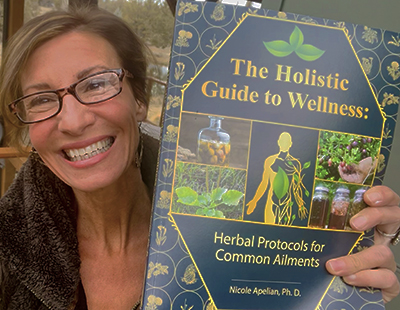
That’s why herbal protocols exist. You don’t have to reinvent the wheel. Dr. Nicole Apelian’s Holistic Guide to Wellness has 45 complete protocols that tell you exactly what to take, when to take it, and for how long. She built these while managing her own MS without pharmaceuticals for over 20 years. They’re what actually worked.
The beauty of this blend is that it works both acutely (right when you need it) and cumulatively (better with regular use).
Safety Notes
These herbs are gentle and generally safe, but use common sense:
Drowsiness: All three have mild sedative properties. Don’t drive or operate machinery right after drinking this until you know how it affects you.
Medications: These herbs can add to the drowsiness of prescription sedatives or anxiety medications. Tell your doctor if you take sleep aids or anti-anxiety meds.
Pregnancy/breastfeeding: Not enough safety data exists for long-term use during pregnancy or nursing. Avoid unless your healthcare provider okays it.
Side effects: In studies, these herbs caused few problems. Occasional mild headache, digestive upset, or drowsiness in some people. Passionflower can cause slight dizziness in sensitive individuals.
Quality matters: Buy herbs from reputable sources to ensure purity and potency.
Stay within recommended amounts—the recipe above is moderate and safe for most people. If you have serious health conditions or take medications, check with your healthcare provider first.
Here’s the thing about making remedies at home: whether you’re foraging the herbs yourself or buying them from the store down the street, you need to know what you’re working with. What each herb does, what combines well, what cancels out, what dosages are safe, what to never mix together.
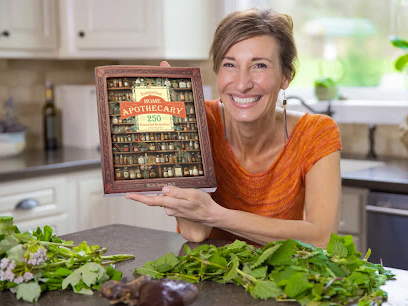
The Forgotten Home Apothecary is the best guide I’ve found for this, and I mean that. No other book gives you this level of detail in one place: 250 remedies with full instructions, color photos, dosages, warnings, and the plant synergies that actually matter.
It’s the book I keep open on my kitchen counter when I’m making anything.
Anxiety doesn’t always require pharmaceutical intervention. Sometimes your nervous system just needs gentle support to shift out of high-alert mode.
This purple tea blend—lavender, lemon balm, and passionflower—has centuries of traditional use and modern research backing it up. The 7-minute protocol combines herbal medicine with breathwork for fast, noticeable relief.
Brew it. Breathe while it steeps. Sip it mindfully. Seven minutes later, you’ll likely feel calmer, more centered, and better able to handle whatever triggered your anxiety.
It won’t solve everything. It won’t cure anxiety disorders. But it can give you a gentle, effective tool for managing moments when anxiety threatens to overwhelm you.
Your nervous system deserves support, not just suppression. This blend offers exactly that—a kind, herbal way to tell your body it’s safe to relax.
Disclaimer: This article is for educational purposes only and does not provide medical advice. These remedies are not intended to diagnose, treat, cure, or prevent any disease. If you have anxiety disorders, panic attacks, or mental health conditions, work with a qualified healthcare provider. These herbs can interact with medications—discuss with your doctor before using herbal supplements, especially if you take sedatives, anti-anxiety medications, or other psychoactive drugs.
References: Information drawn from NIH LiverTox monographs on lavender, lemon balm, and passionflower; clinical trials and meta-analyses on these herbs for anxiety reduction; Stanford Medicine research on breathwork for anxiety; and Mayo Clinic resources on herbal treatments for anxiety.
These posts frequently say to do something “mindfully”. Exactly what are you trying to say? Sounds New Agey.
Mireille
5 months ago
You are writing about the purple plant tht make you calm and help with anxiety. I am not sure where to get it. Do you sell it. It is not very clear wherre to buy it Please dvise.
We use cookies to ensure that we give you the best experience on our website. If you continue to use this site, we will assume that you are happy with it.
Functional Always active
The technical storage or access is strictly necessary for the legitimate purpose of enabling the use of a specific service explicitly requested by the subscriber or user, or for the sole purpose of carrying out the transmission of a communication over an electronic communications network.
Preferences
The technical storage or access is necessary for the legitimate purpose of storing preferences that are not requested by the subscriber or user.
Statistics
The technical storage or access that is used exclusively for statistical purposes.The technical storage or access that is used exclusively for anonymous statistical purposes. Without a subpoena, voluntary compliance on the part of your Internet Service Provider, or additional records from a third party, information stored or retrieved for this purpose alone cannot usually be used to identify you.
Marketing
The technical storage or access is required to create user profiles to send advertising, or to track the user on a website or across several websites for similar marketing purposes.



These posts frequently say to do something “mindfully”. Exactly what are you trying to say? Sounds New Agey.
You are writing about the purple plant tht make you calm and help with anxiety. I am not sure where to get it. Do you sell it. It is not very clear wherre to buy it Please dvise.