When joints start to stiffen and pain settles in, it’s a sure sign that circulation has slowed and inflammation has taken its toll. In years past, people didn’t let stiff joints get in the way of accomplishing their goals; they simply used warming remedies to wake up their bodies.
And, fewer herbs were as good at thawing joints as spicy cayenne pepper. One of the top remedies was a Homemade Cayenne Poultice for Stiff Joints, which stimulated blood flow while drawing warmth into immobile areas.
In this post, you’ll learn how to make this ancient remedy, which will prove useful whether your aches are due to cold weather, inflammation, autoimmune conditions, or age.
You’ll also learn about other herbs that keep you limber, all of which are great additions to your DIY poultice. Plus, we’ll uncover how to use cayenne pepper remedies without any irritation. Keep reading if you’re ready to loosen up and feel great!
Natural Ingredients That Reduce Joint Stiffness
Over-the-counter medications can work short-term to reduce joint stiffness, but they don’t get to the root of the issue. For actual, lasting change, you’ll want to incorporate a variety of anti-inflammatory herbs in your wellness routine. Here are a few options to get you started.
Boswellia: This fragrant tree’s resin is responsible for frankincense oil and an herbal extract proven to reduce pain in knees and joints. It works against inflammatory mediators in the body and can also protect cartilage, keeping you mobile.
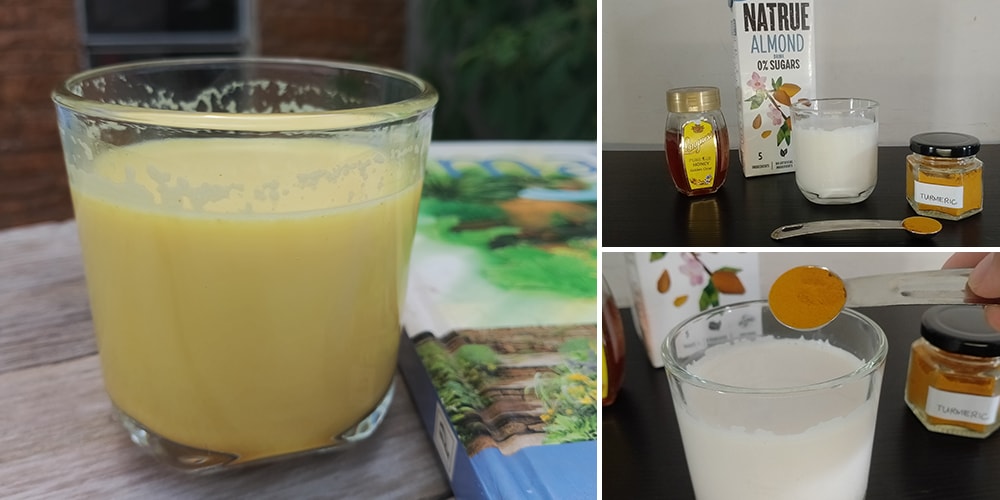
Turmeric: A common ingredient in poultices, turmeric is a readily available anti-inflammatory agent. It contains curcumin, which can reduce swelling and even improve function in patients with osteoarthritis. One word of caution: turmeric is incredibly messy, and its bright hue will stain whatever it comes into contact with.
Stinging Nettle: Though not as record-breaking as other herbs, stinging nettle is a champion at easing joint discomfort. Stinging nettle is particularly effective in treating inflammatory disorders, making it the perfect addition to any poultice.
Did you know that in the past, people used to slap themselves with nettle plants? The area would swell from the stings—and apparently, it reduced pain. Not by replacing one pain with another, but because the compounds in stinging nettle are genuinely anti-inflammatory.
Now, I’m not going to recommend you do the same. It’s barbaric. And if I wouldn’t do it, I wouldn’t recommend it to you.
But I would do something else—which I also recommend to you. Get some nettle leaves, chop them thin, smash them, and make a tincture. Pour a few drops in your shampoo and it’ll help your scalp fight hair loss. When you get stung with nettles, blood rushes to feed your weak hair roots. Well, your body can absorb those same nettle compounds if they’ve been properly extracted from the leaf—without the stings.
Willow Bark: Also known as “nature’s aspirin,” willow bark is usually infused into a tea. It contains a compound called salicin, which is a natural analgesic that reduces aches and pains. This herb is safe when used smartly, but avoid it if you’re on blood thinners or if you’re sensitive to aspirin.
Rosehip: Rosehips are often ground into powder, or their seeds are infused into a carrier oil. A popular remedy for arthritis of all varieties, rosehips are rich in vitamin C and polyphenols that protect the body against oxidative stress. They’re full of antioxidants that work over time to reduce inflammation in the body. One study showed that when used over a 3-month period, participants reported less pain.
Ginger: A popular go-to, ginger is known for its ability to warm the body and improve circulation. You can add a dash to your poultice to support easy movement. Ginger is also anticancer, antiviral, and full of antioxidants.
Ginger works from the inside—which is why what you eat matters just as much as what you apply topically.
There are foods that help reduce inflammation, and foods that make it worse. That’s why the Mediterranean diet is so popular, along with other anti-inflammatory approaches.
Cayenne: Cayenne pepper contains capsaicin, which works to replace pain signals with a feeling of warmth. Over time, capsaicin can reduce pain in the body, and many people find that the hotter the pepper, the better their results.
Herbalists often combine cayenne pepper with other herbs to boost its effectiveness, but you can use it alone in a pinch. Be sure to follow the cautionary notes in this article for a safe, potent poultice.
Mustard: Similar to ginger, mustard is an excellent warming ingredient often used to support the body during congestion. When mixed into a poultice, it helps draw blood to the surface of the skin, loosening tight tissue. Mustard can be irritating if overused, but when used occasionally, it’s a great tool to keep on hand.
Make a Homemade Cayenne Poultice for Stiff Joints
Poultices are among the easiest techniques any budding herbalist can learn. A poultice is particularly useful as it carries the herb’s power directly to the affected area. In less than 10 minutes, you can have targeted relief that works just as well as any over-the-counter alternative. Here’s the easiest way to create a poultice. Use this base recipe and customize it based on your specific needs.
Now, about poultices. Even though they seem simple, you can easily make them wrong.
Add a bit too much cayenne? You’ll burn your skin. Too little? No effect. Pour water that’s too hot? You destroy the active compounds. Use the wrong fabric? It won’t penetrate properly. Don’t fold it correctly? The paste leaks everywhere.
There are dozens of ways to ruin a remedy—not because you’re careless, but because these details aren’t written down anywhere. They’re the things herbalists learn by watching, not reading.
That’s why it’s essential to watch a real herbalist make at least a few remedies before you start experimenting on your own. You’ll learn how to improve potency, avoid common mistakes, and actually make remedies that work.
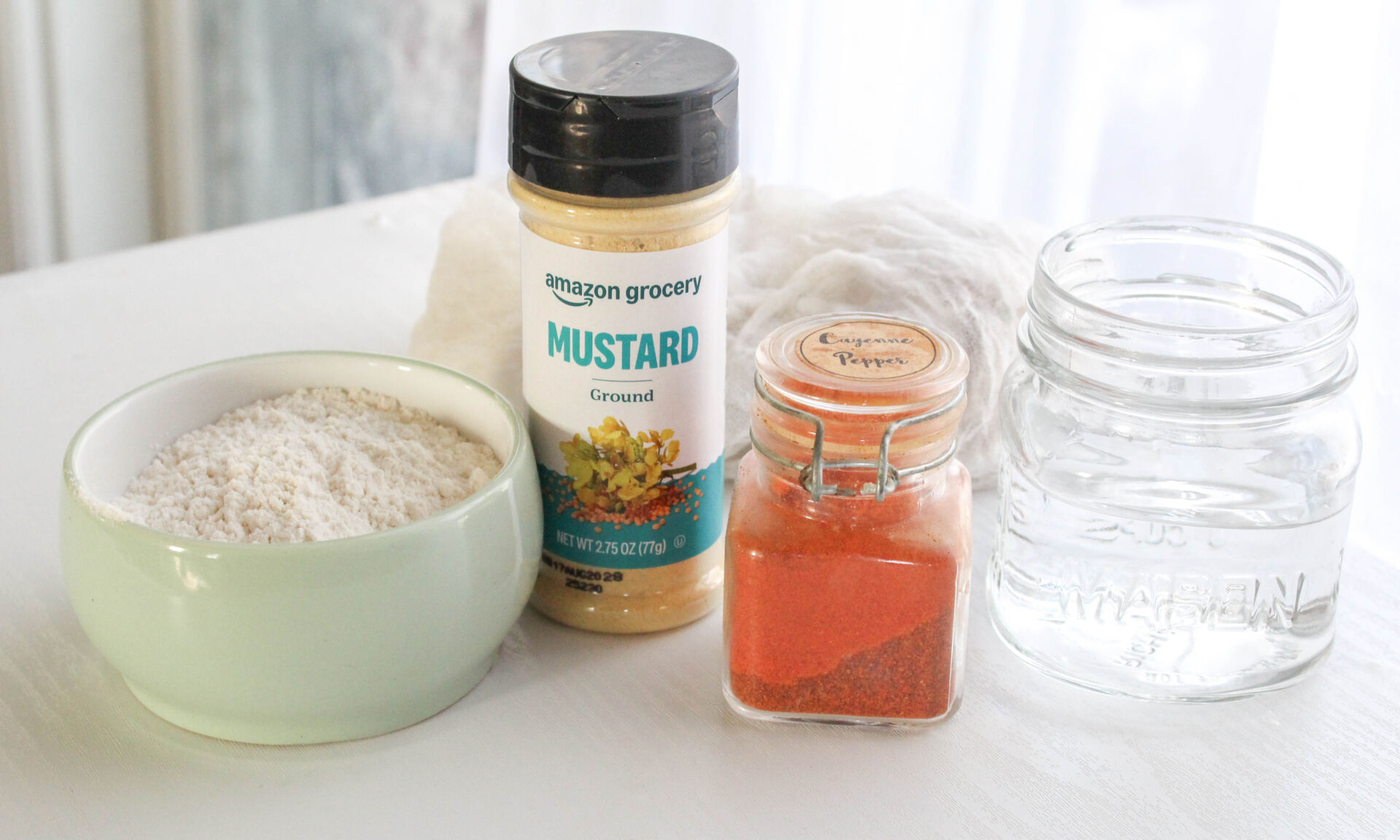
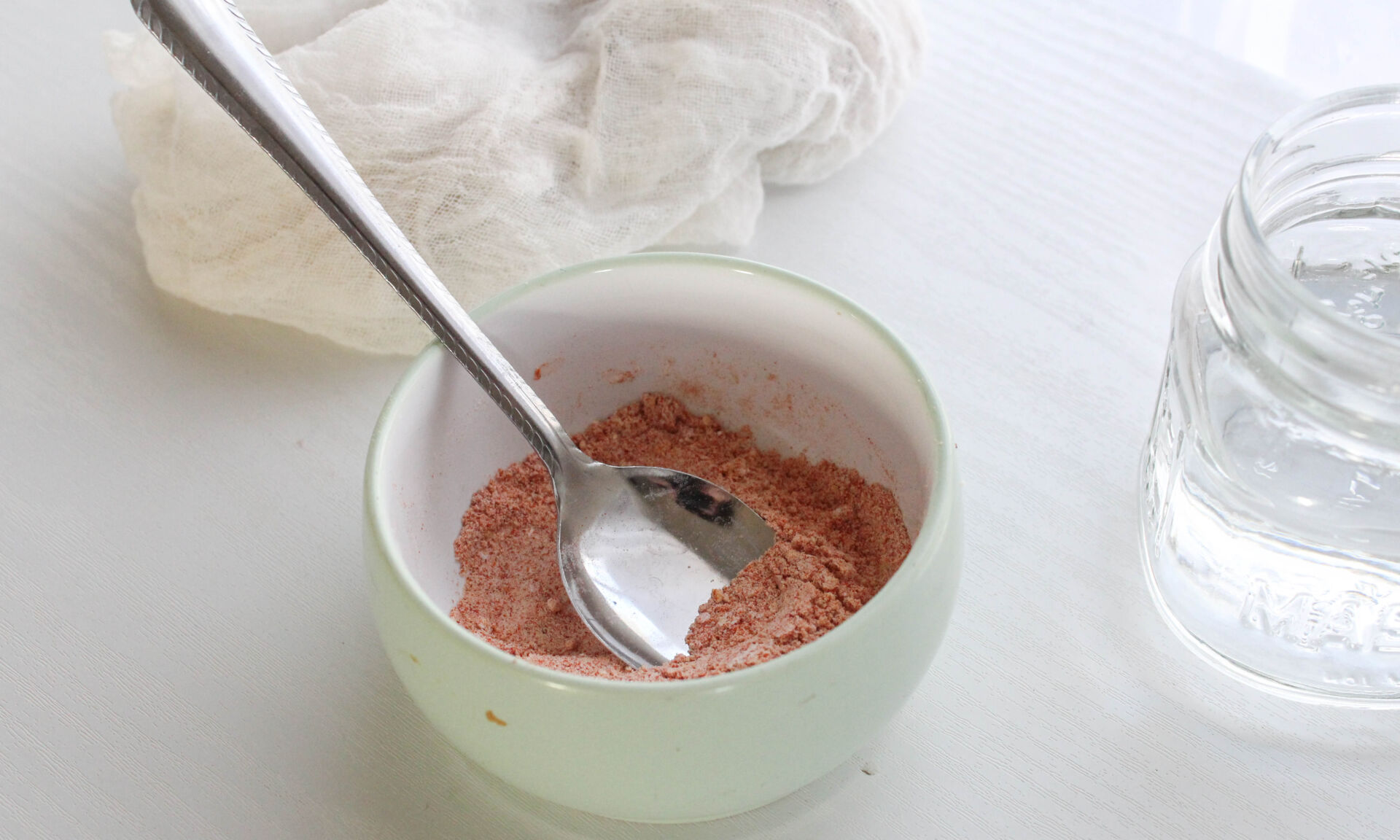
Place the ground cayenne pepper, mustard seed, and flour in a small bowl and mix well.
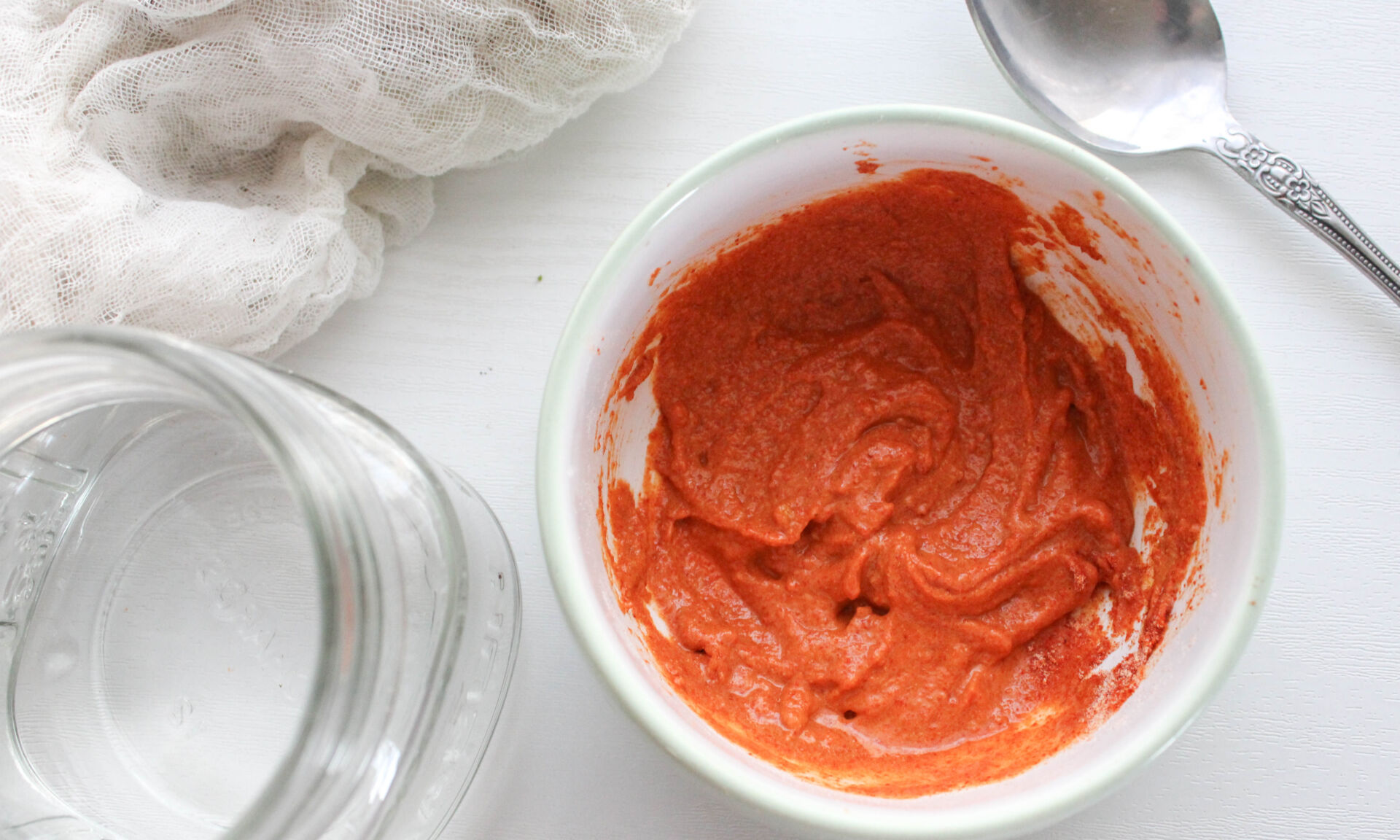
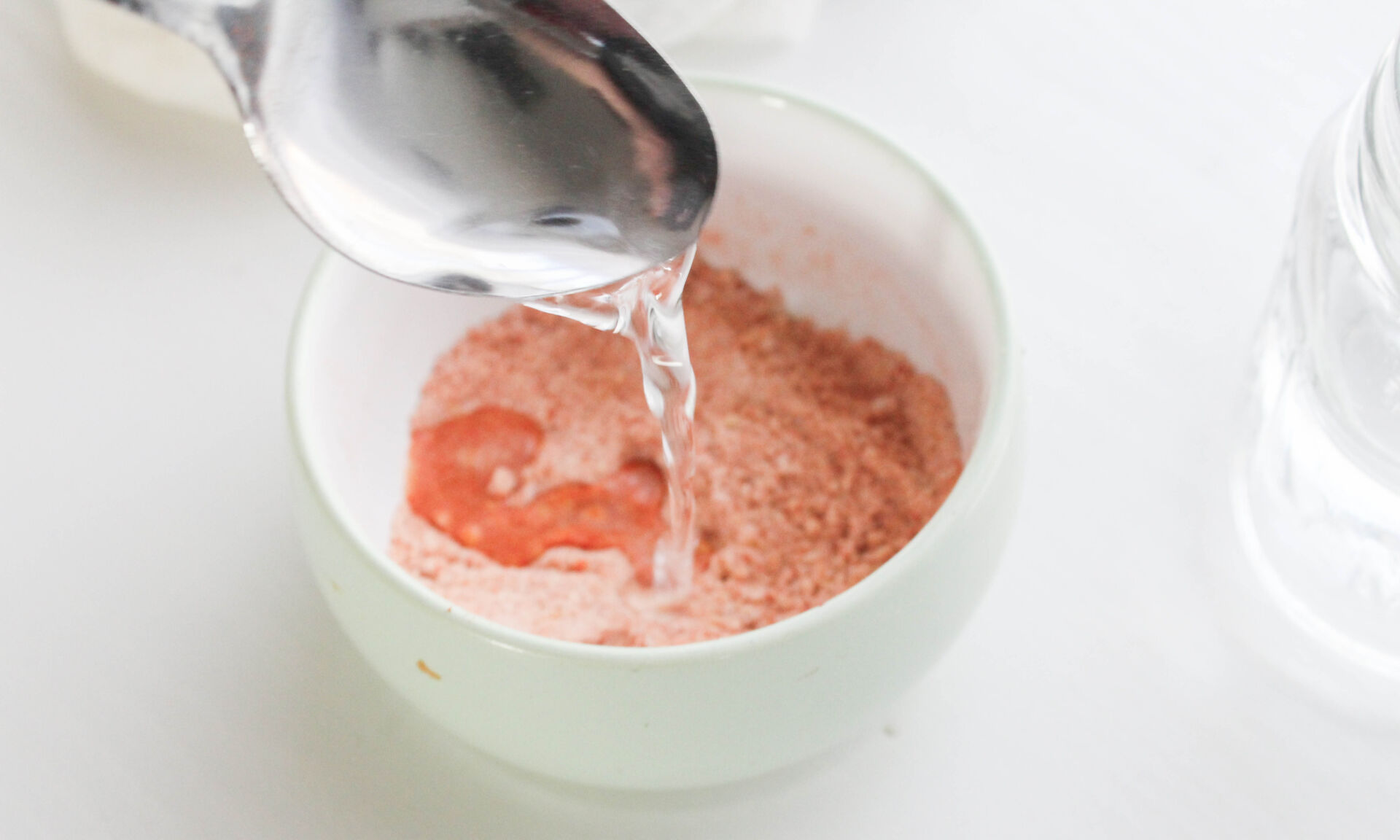
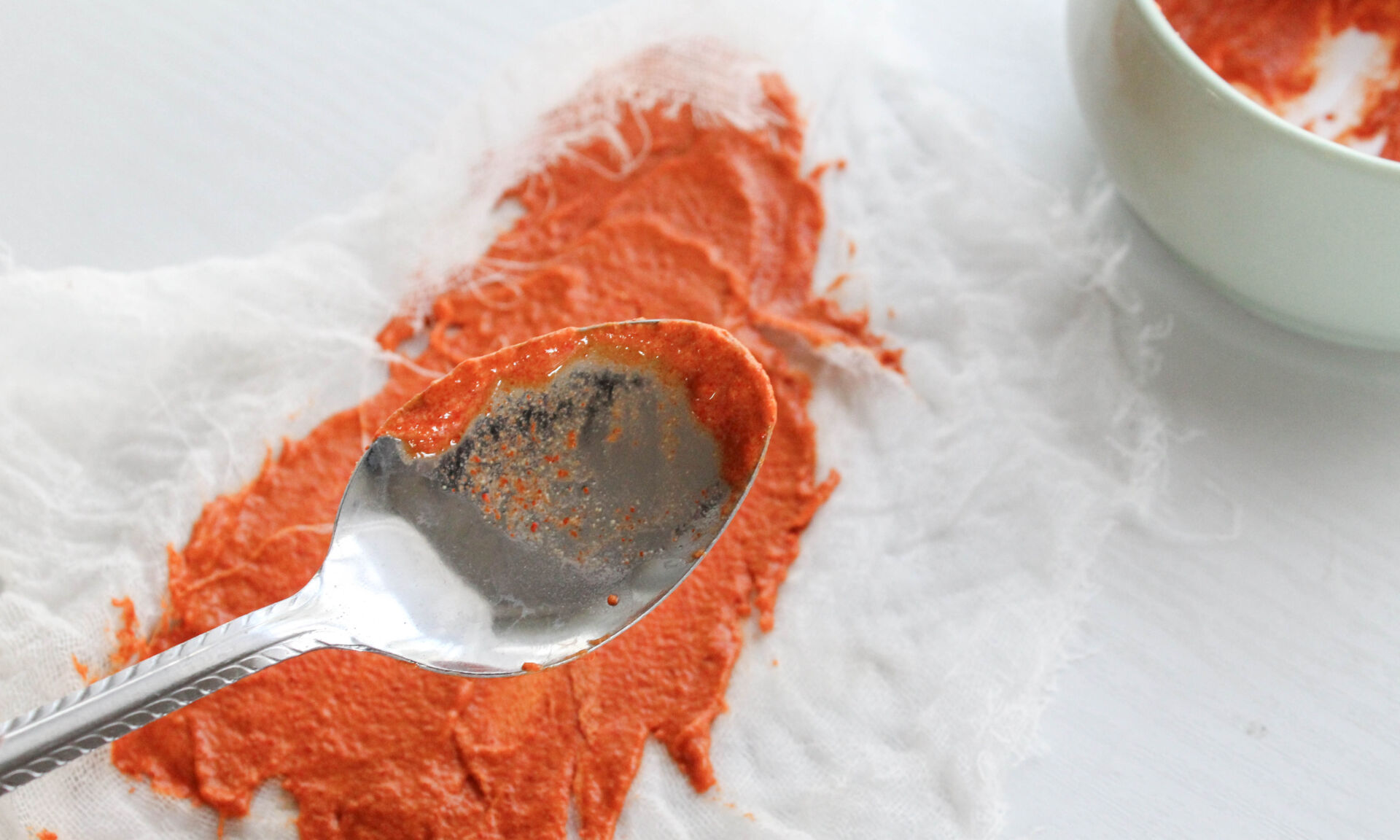
Add warm water, one teaspoon at a time, until the mixture resembles a paste.
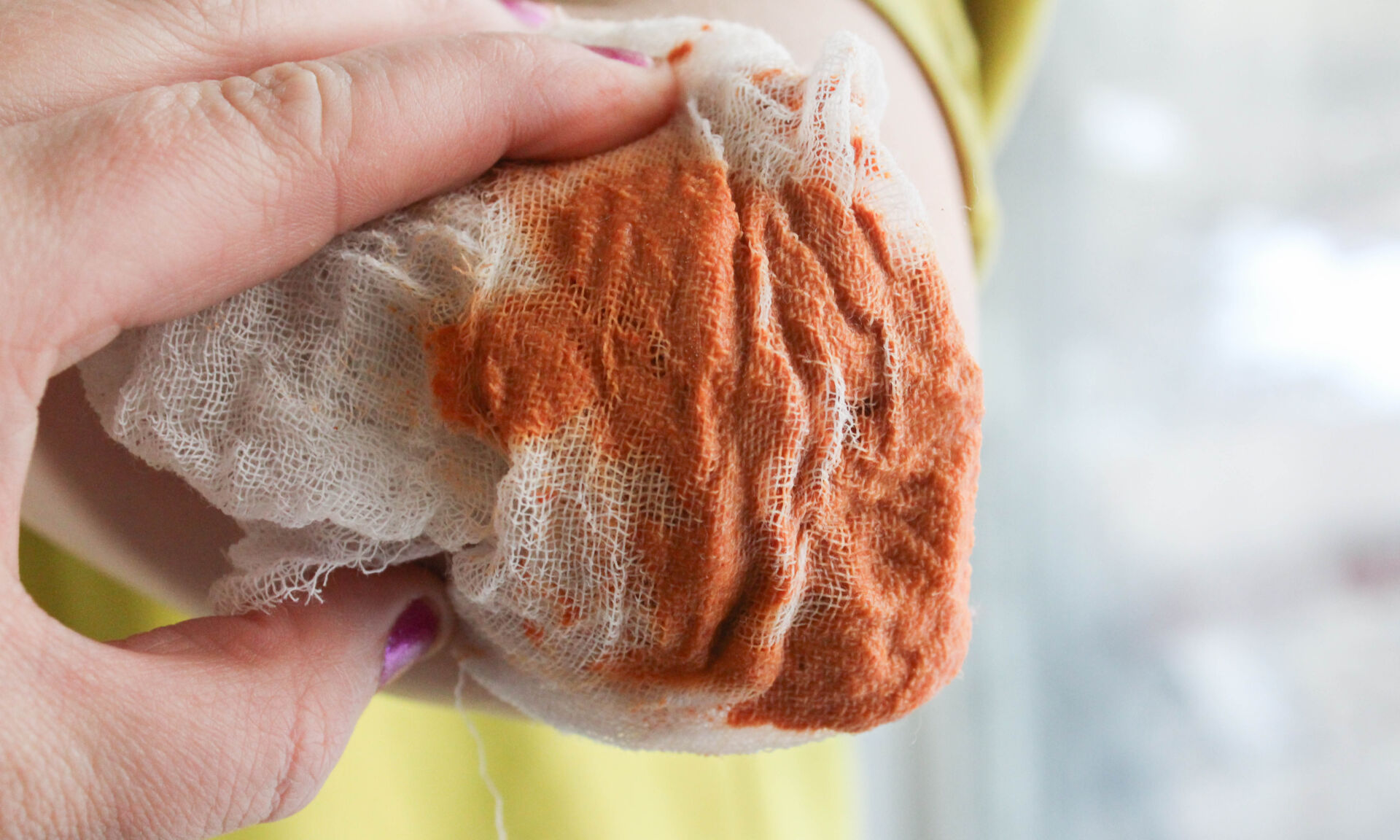
Spread a thin layer of paste onto a cotton cloth or piece of cheesecloth, leaving a little space around the edges. Fold the fabric so the paste is enclosed.
How to Use This Remedy
Due to its intense properties, this remedy is best for adults with stiff, inflamed joints, especially those experiencing arthritis-like symptoms. If you find that your stiff joints improve with warm, not cold, this is the remedy for you.
To use, apply the poultice directly over the affected joint. Be sure the paste is enclosed within the cloth, so it has a slight barrier. Use the poultice while the paste is still warm, placing a warm towel over the remedy to hold in the heat.
Within a few minutes, you’ll feel tingling and warmth, which means the remedy is working. Be sure to check your skin every few minutes to ensure it’s not irritated, and don’t leave the poultice on for longer than 5-10 minutes. If it’s your first time using the poultice, start with 5 minutes, and work your way up if your skin tolerates it well.
Use this remedy no more than once a day and limit usage to 2-3 times a week. Cayenne pepper and mustard are powerful, especially together, and overuse can quickly irritate the skin. Never apply the poultice to broken skin and keep away from the eyes, nose, and mouth. Wash your hands thoroughly after handling the poultice.
Children and those with sensitive skin, nerve damage, or medical conditions in which skin sensation is reduced should avoid this remedy. Pregnant and nursing mothers should also avoid strong poultices until they’ve cleared it with their care practitioner.
Here’s the reality of DIY poultices:
You need to mix the right ratios. You need warm (not hot) water. You need clean fabric. You need to time it perfectly. You need to check your skin every few minutes. You can only use it 2-3 times a week. It’s messy. It stains. And if you get it in your eyes, you’re in serious pain.
What if you could get the same warming relief—without any of that hassle?
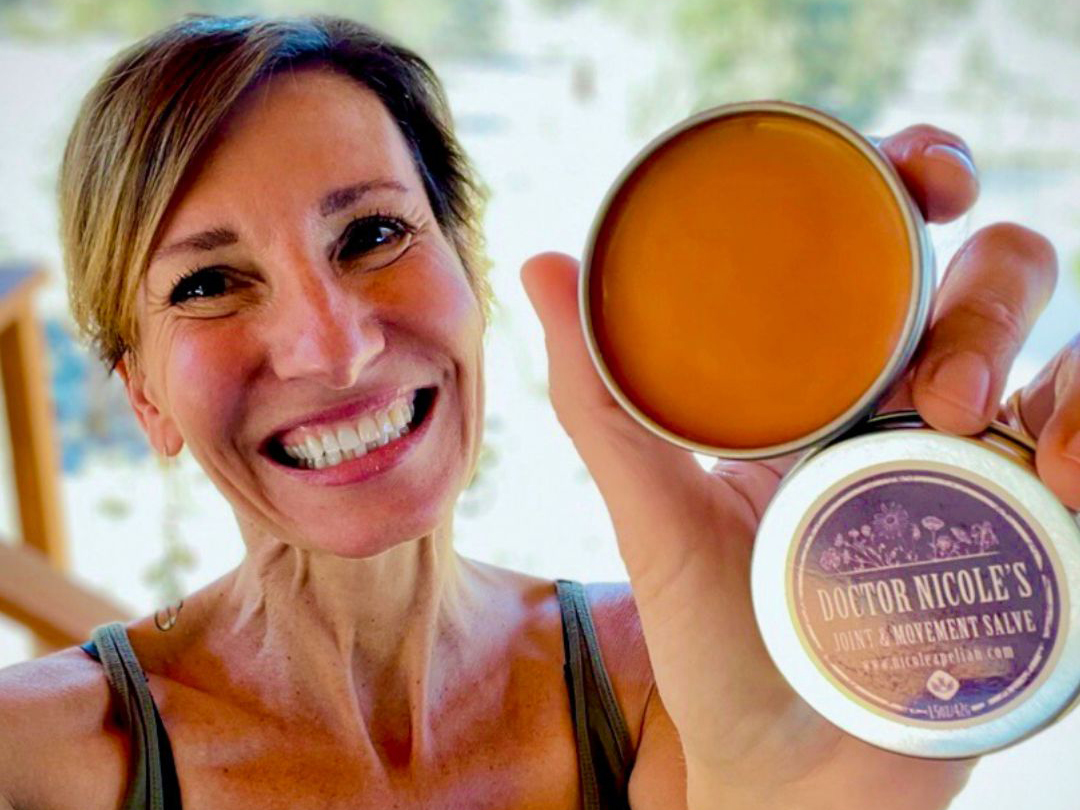
Nicole Apelian’s Joint & Movement Salve combines cayenne, arnica, calendula, St. John’s Wort, Solomon’s seal, and frankincense. Each herb targets a different aspect of joint and muscle health—pain, inflammation, tissue repair, nerve pain, flexibility.
No mixing. No mess. No timing. No risk of burning your skin.
Just rub it on your stiff knees, aching shoulders, lower back, wrists, ankles—anywhere that hurts. Within seconds, you’ll feel the deep warming sensation. Within minutes, mobility returns.
Use it anytime during the day. As often as you need.
Attack Joint Pain From Both Sides (Inside + Outside)
The salve works fast—but what if you could strengthen your joints from the inside too?
The Joint & Movement Bundle combines topical relief with internal support:
✅ Joint & Movement Salve (topical) – Instant warming relief, soothes sore muscles, tendons, and joints ✅ Reishi Mushroom Tincture – Supports your body against stress (which triggers inflammation), encourages immune function, improves sleep ✅ Turkey Tail Mushroom Tincture – Eases systemic inflammation, supports gut and heart health, balances blood sugar ✅ Balanced Gut Blend Tincture – Supports intestinal health and gut function (inflammation often starts in the gut) ✅ Stinging Nettle Tincture – Eases allergy symptoms and inflammation, encourages balanced blood sugar
External relief handles the pain right now. Internal support addresses the inflammation, stress, gut imbalance, and immune dysfunction that cause joint stiffness in the first place.
You save money buying the bundle instead of purchasing separately—and you get complete joint support that works from both sides.
Hello, thank you for the information about the stiff joint. What helps with arthritis and swelling knees? I am in South Africa and I would like to know if I can order some of your products.
We use cookies to ensure that we give you the best experience on our website. If you continue to use this site, we will assume that you are happy with it.
Functional Always active
The technical storage or access is strictly necessary for the legitimate purpose of enabling the use of a specific service explicitly requested by the subscriber or user, or for the sole purpose of carrying out the transmission of a communication over an electronic communications network.
Preferences
The technical storage or access is necessary for the legitimate purpose of storing preferences that are not requested by the subscriber or user.
Statistics
The technical storage or access that is used exclusively for statistical purposes.The technical storage or access that is used exclusively for anonymous statistical purposes. Without a subpoena, voluntary compliance on the part of your Internet Service Provider, or additional records from a third party, information stored or retrieved for this purpose alone cannot usually be used to identify you.
Marketing
The technical storage or access is required to create user profiles to send advertising, or to track the user on a website or across several websites for similar marketing purposes.






Hello, thank you for the information about the stiff joint. What helps with arthritis and swelling knees? I am in South Africa and I would like to know if I can order some of your products.