

Aloe Vera: The Complete Herbalist’s Guide to Growing, Harvesting, and Using Nature’s Most Versatile Healer
You’ve probably had an aloe plant sitting on a windowsill at some point in your life — maybe you still do. Most people know to snap off a leaf and rub the gel on a burn. But that instinct, so ordinary it barely registers, connects you to one of the longest and most documented healing traditions in human history.
Aloe vera has been used medicinally for over 4,000 years, appearing in the records of ancient Mesopotamia, Egypt, and Greece long before modern medicine had a name for what it was doing. It treats burns, soothes inflammation, supports digestion, and cares for skin and hair with a quiet, reliable effectiveness that has kept it in use across every continent and culture that encountered it.
Known by many names — Medicinal Aloe, Burn Aloe, First Aid Aloe, True Aloe — each one tells part of its story. This is the full one.
The history of Aloe vera
The written record of aloe vera as a healing plant stretches back to 2100 BC, when scribes in Mesopotamia noted its properties on clay tablets. By 1550 BC, Ancient Egyptian physicians had documented it in the Ebers Papyrus — one of the oldest and most complete medical texts ever discovered — describing its use for both internal ailments and external skin conditions. To the Egyptians, aloe was known as the “plant of immortality” and was included among the burial gifts of pharaohs. By 70 AD the Greek physician Dioscorides was recording its use for hair loss, wound healing, and reducing fever.
By the middle of the 17th century, there were English translations of the writings of the Ancient Greek healer, Dioscorides. 1820 saw the earliest US mention of the plant’s topical use to combat skin problems.
One of the most compelling chapters in aloe’s modern story came at the end of World War II. When survivors of the atomic bombings in Hiroshima and Nagasaki suffered severe radiation burns, aloe vera gel was among the treatments applied to their wounds — and physicians documented faster healing and reduced scarring compared to conventional treatments. This was not folklore. These were clinical observations under extreme conditions, and they helped drive the scientific interest in aloe vera that continues today.
Aloe vera is now the subject of a range of studies and is used in many countries to treat health problems and in skin and hair products. Some even claim that this plant is now the most used medicinal plant.
Where this plant is found
This aloe species is thought to originate in the southern regions of the Arabian Peninsula. Some sources claim they come specifically from Oman. They have now been introduced to several continents and grow in areas that are rocky and dry and at an altitude of 4,265 – 8,530 feet / 1,300 – 2,600 meters.
As a result, you will now find this plant in Africa, Indo China, US, South America, Mexico, Central America, Cuba, Middle East, Europe, Gulf States, Saudi Arabia, the Mediterranean, Caribbean Islands, and Australia. And it grows very easily indoors in pots.
Related: The Complete Map of Edible Plants: Find Out What You Have in Your Area! (Video)
How to identify Aloe vera
Like all aloes, Aloe vera is an evergreen that grows in rosettes of leaves. This perennial usually has a shrubby growth pattern, but some individual plants may be form mats. They reach a height and spread of 3.3 feet / 1 meter. They are slow-growing plants and will take 5 – 10 years to reach this size.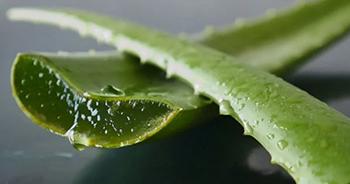
- Leaf: The leaves are fleshy, narrow, blade-shaped, and have sharp spines along the edges of the more mature leaves.
 They are grey or dull green and often have white spots on their surfaces. The colorless gel that is so prized is found in the inner leaf.
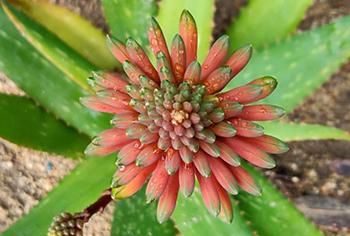
- Flower: The flowers bloom in summer and form in clusters along a tall stem.
They are yellow with a green tinge and tubular.
- Seeds: The flowers form elongated pods that are green initially and dry to a light green or pale brown.
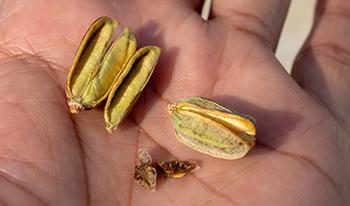

They contain light brown, irregular seeds that can be used for propagation.
The overall size of the plant and the coloration of the leaves are perhaps the most distinctive feature because most aloes have similar growth patterns, flower structures, and seeds.
How to grow Aloe vera
You can grow Aloe vera in your garden if it, and your area, can meet the essential requirements of these succulents namely:
- Full sun
- Well-drained soil
- Loam or sand soil types
- Neutral or alkaline soil pH.
These plants require hot, dry conditions so they are not an outdoor plant option if you live in an area with cold winters and/or high rainfall. However, you might be able to have an aloe outside during summer if it is in a container that can be brought inside in the cold months.
You can either purchase a potted plant or propagate from seed. If you wish to grow from seed, you need to:
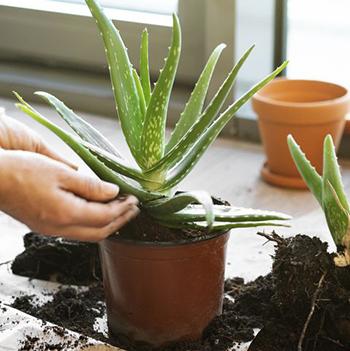
- Sow seeds in either standard, loam-based potting soil mixed with perlite or building sand or in cactus potting mix
- Only use seed trays or containers that have numerous holes at the bottom
- Grow the seeds under glass
- Water the seeds very sparingly and only moderately once they have germinated
- Plant the young aloe(s) out when they are robust enough and conditions allow.
In terms of ongoing care, you could use a liquid fertilizer twice during the growing season, but it is not essential as these succulents are hardy. Pruning is not required and too much water can weaken or even kill these plants.
Aloe vera, like many aloe species, are usually disease-free. However, they may attract mealybugs or scale insects of some kind. Keep an eye out for them and treat them appropriately.
Care of indoor aloes is a little different. Firstly, they need bright light, so a suitable windowsill is best. Secondly, allow the soil in the container to dry out completely before you water. When you do, drench the soil, and then stand the container where the excess water can drain freely and fully. Finally, if you want to use a fertilizer, chose a phosphorus-rich, water-based one and dilute it to ½ strength.
Get Your Own Medicinal Seeds, Last 30 Packs Left
How to harvest this plant
Harvesting from aloe requires care but it is not a complex process. Pull the leaf outwards and away from the plant. Cut the leaf off at the base where it is white rather than green.
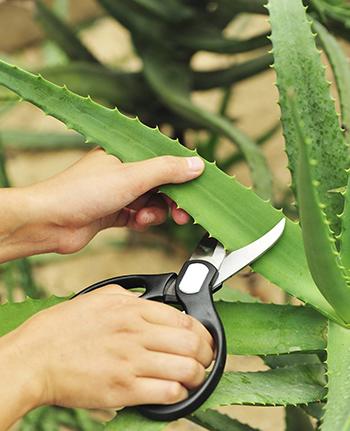
Get as close to the stem as you can without damaging the stem.
You can harvest at any time of the year. However:
- Don’t harvest from small, young plants as it may compromise their health
- Only harvest leaves around the outside of the rosette, not the new inner leaves
- Don’t remove so many leaves that the plant can no longer synthesize adequately or regenerate by growing new, central leaves.
As with any sustainable harvesting, you need to ensure that the plant remains healthy and can continue to grow and produce new leaves and flowers when it is mature enough.
What Aloe vera is good for & the natural remedies made from it
Broadly speaking, Aloe vera is used in three categories: health, beauty and cosmetics, and food and drinks. This versatility is down to the multitude of active ingredients:
- Amino acids
- Anthraquinones (organic compounds of various kinds)

- Calcium
- Copper
- Enzymes
- Iron
- Magnesium
- Polysaccharides
- Potassium
- Sodium
- Vitamins A, B-1, B-2, B-3, B-6, B-12, C, and E.
Over many centuries and today, this aloe is used for a range of remedies, most of which are applied topically. Clinical studies are yet to do a lot of work in terms of the medicinal value of using this plant internally. In fact, there are concerns about this which as discussed in the final section of this article.
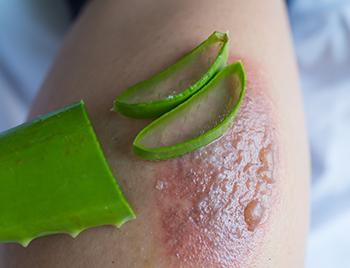
When applied topically, aloe vera gel is one of the most effective and well-studied natural remedies available. For first- and second-degree burns — including sunburn — it works by forming a protective, cooling barrier over the skin while its active compounds reduce inflammation and stimulate cell repair. Studies have shown it can speed up burn healing by several days compared to conventional dressings. Apply a generous layer of fresh gel directly to the affected area and reapply two to three times daily until the skin has healed.
For wounds and minor cuts, the antimicrobial properties of aloe help keep the area clean while the polysaccharides in the gel support new tissue growth. It is particularly useful for wounds that are slow to close or prone to irritation. People with acne and inflammatory skin conditions such as psoriasis and eczema often find consistent topical use reduces redness, controls surface bacteria, and calms the itch-scratch cycle that makes these conditions worse. Apply a thin layer to affected areas morning and night.
A small number of people are sensitive to aloe vera applied to the skin. If you notice any burning, itching, or redness after application, rinse thoroughly and discontinue use. Perform a patch test on the inner wrist before applying to larger or sensitive areas.
Aloe also makes an exceptional scalp and hair treatment. Its enzymes help remove dead skin cells from the scalp, its pH-balancing properties reduce dandruff, and its moisture content hydrates dry, brittle hair without leaving a greasy residue.
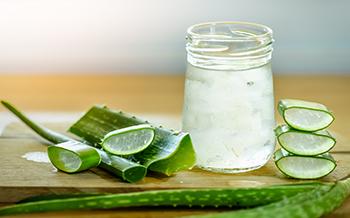
Taken internally, the clear inner gel of aloe vera — not the yellow latex sap from the outer leaf — has a range of well-documented effects. For digestion, it acts as a gentle soother of the mucosal lining of the stomach and intestines, making it useful for people dealing with acid reflux, irritable bowel symptoms, or general gut sensitivity. One to two tablespoons of pure inner-leaf gel mixed into water or juice, taken before meals, is the traditional approach.
Research into aloe vera’s immunomodulatory effects suggests the polysaccharides in the gel — particularly acemannan — may help regulate and support immune function, though this remains an active area of study. There is also evidence that regular ingestion may help reduce fasting blood glucose levels and lower LDL cholesterol in people with mild imbalances, making it of interest to those managing metabolic health naturally. For inflammatory pain, aloe vera taken internally works as a systemic anti-inflammatory, complementing its better-known topical effects.
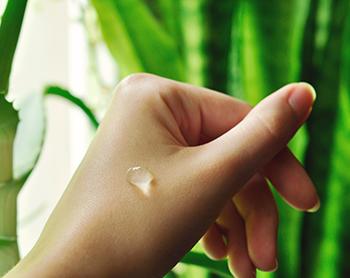
It’s important to distinguish between the gel and the juice/latex obtained directly from the plant. The gel is clear and odorless. The juice that seeps from cut leaves is yellow, very bitter, and has a potentially harmful powerful laxative effect.
There are several forms of aloe that you could make or purchase: gel the inner leaf only, concentrate (made from the whole leaf and mixed with something), or powder (loose to add to foods and drinks or in capsules to swallow whole). Which one you opt for will be determined by why you want to use aloe.
Related: 1 Cup Before Bed Shrinks Belly Fat All Night (Video)
What parts of the plant are used in remedies?
In broad terms only the leaves are used, either the inner gel only or the whole leaf. The flowers have no therapeutic value. The seeds are useful for propagation.
A DIY Aloe vera recipe
The first crucial stage in any home remedy or recipe involving aloe is preparing the fresh leaves. The process is as follows:
- Slice off the sides of the leaf to remove the spikes (but not too much of the leaf)
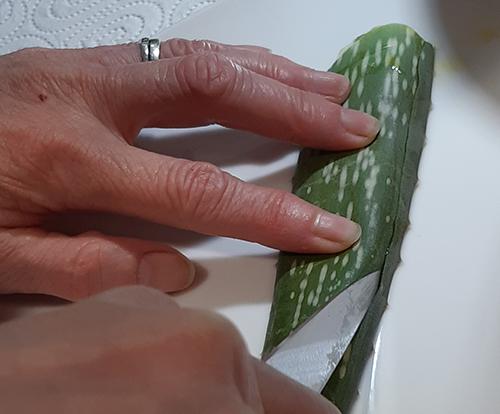

- Place the leaf curved side up and remove the outer layer with a knife or vegetable peeler
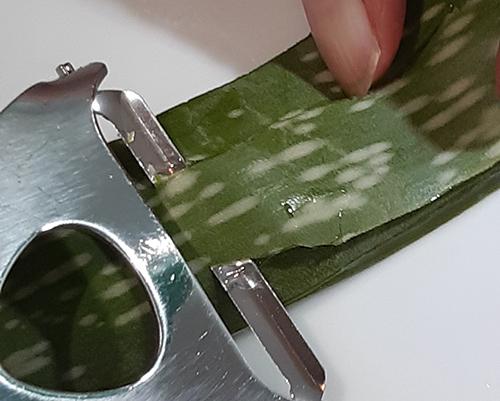

- Use a sharp knife to remove the layer of clear, inner gel. Take care to remove any green skin. (Yes, the inner gel is slippery and requires care and patience!)
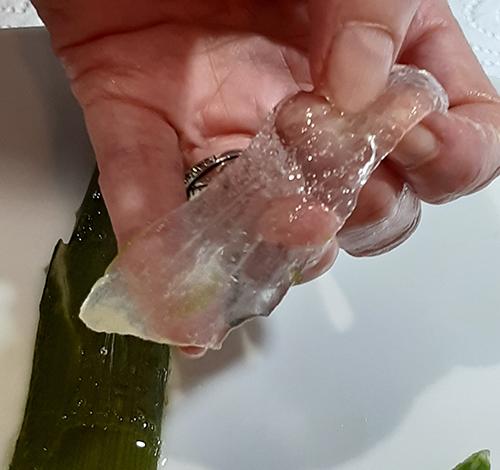

- Cut the gel into small pieces.
If you refrigerate the cubes, they will last up to 7 days. Although there are several things you could do with the gel, an Aloe vera face mask helps to moisturize skin and address issues such as acne, fine lines, irritation, and it exfoliates too.
Ingredients
- 1 tablespoon fresh aloe gel
- 2 – 3 drops fresh lemon juice
- 1 tablespoon coconut oil or honey.
Method
- Place the gel and coconut oil into a bowl
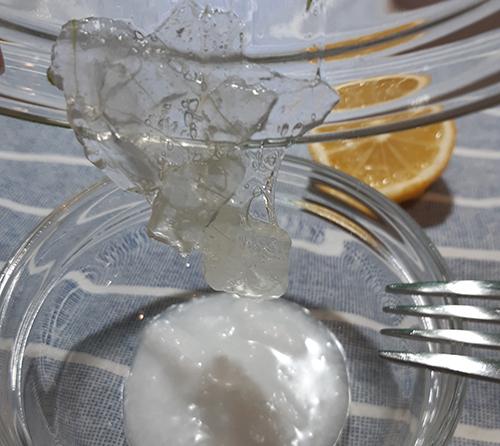

- Add the lemon juice
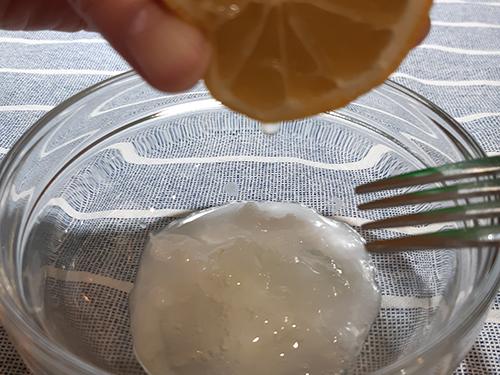

- Blend the mixture thoroughly.
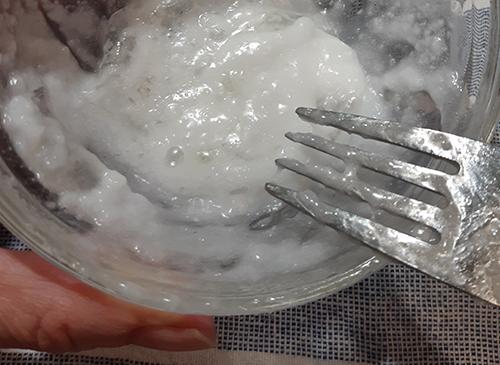

How to use
- Gently smooth the mixture over your face, avoiding the area around the eye, and on your neck
- Leave the mask on for 20 minutes
- Rinse with warm water and pat dry.
Note: If there is any burning, rinse the mask off and exclude the lemon juice next time as it can irritate some people’s skin. If the irritation is marked or prolonged, do not use aloe again as you may be allergic. If necessary, seek medical assistance.
What plants resemble Aloe vera?
There are two plants that are sometimes confused with Aloe vera. However, the differences outnumber the similarities:
Agave (Agave americana) is the most commonly confused lookalike and the most important to distinguish, since agave does not share aloe’s healing profile and its sap can cause severe skin irritation. Agave grows significantly larger, reaching up to 6.6 feet tall compared to aloe’s 3.3 feet, and its leaves are notably broader, more fibrous, and armed with a sharply pointed terminal spine at the tip rather than softer edge spines. The leaf color in agave tends toward a more uniform blue-green with pale borders, lacking the white spots and grey-green tones typical of aloe vera. Agave flowers are short and tubular, appearing in dense upright clusters.
Spoonleaf Yucca (Yucca filamentosa) grows even taller, up to 10 feet, and can be ruled out quickly by its leaves: they are flatter, glossier, and have smooth edges with no spines at all — a clear contrast to aloe’s toothed margins. Yucca flowers are large, bell-shaped, and white, appearing in loose branching clusters that look nothing like aloe’s yellow tubular blooms. Unlike aloe and agave, yucca has no significant medicinal tradition and is used primarily as a food source (the flowers and young shoots are edible) or as an ornamental garden plant.
Once viewed and examined these essential differences in leaf and flower shape and color make it easy to tell these plants apart and not make identification errors.
Warning & cautions
Aloe vera has earned its reputation across four millennia of use. It is one of the rare plants that rewards you whether you grow it on a windowsill or harvest it from a garden bed, whether you use it the moment a burn happens or work it into a daily skin and hair routine. Start simple: keep a plant within reach, learn to harvest it properly, and let it do what it has always done. The most enduring remedies are often the ones already growing in your home.
You may also like:
How to Make a Healing Salve with Cabbage and Aloe Vera
Erratic Blood Sugar? Never Eat This Veggie (Video)
How to Make a Natural Deodorant Stick

How to use aloe for scalp psoriasis?
Hi Grover,
Thank you for your comment.
To use aloe vera on psoriasis, apply the aloe vera gel to the affected area of the skin.
In this case, rub the aloe vera gel into your scalp and hair. After letting it sit for an hour, rinse the gel off with a mild shampoo. You may need to do this several times a day for a few weeks in order to notice a difference. However, be aware that sometimes using aloe vera gel for too long can cause redness or discomfort at the site of application.
God bless!
I’ve been using George’s Aloe Vera juice for a long time, 1/4 cup a day without any problems, no taste, recommended by a healthcare individual because I had a problem with diarrhea. They also make a gel that I use for different skin care recipes. This brand is usually found in Health Food stores. Highly recommend.
I love George’s Aloe Vera! I drink 4 oz a day (2 oz in the morning, 2 in the evening) for my GERD. It’s amazing and it literally has been a life changer. It was like I used to get heartburn from drinking water, nothing was safe to eat or drink. I did research and found George’s. I find that it’s wonderful for your skin as well and I feel like my digestion has gotten much better. I didn’t know they make a gel, will have to check that out. Thanks so much for sharing that info!
Oh and I just realized it’s so great because unlike using aloe straight from a plant, George’s is Anthraquinone free. That’s what causes all the issues. Well that’s logical! 🙂
yup, there are some of us that can’t even use a product that has aloe in it. So, that diminishes what we can use for toothpaste, shampoos , bar soap, face creams, etc.,
Disappointed – expected a “remedy” recipe to concoct for internal benefits but a mask recipe? Kind of lame…
I wash and chop my aloe from whole stem. Submerge in 100% vodka. Add in a 1/2 c of honey. Leave in fridge for 7 days and strain. I take one shot daily. No side effects from me ingesting. Along with that, I take homemade pineapple vinegar, with the mother and have also dissolved egg shells from my chickens in it (for vitamins and minerals) a shot daily. My gut feels clean. I no longer have any gut problems. 🙂 There are 75 types of nutrients in aloe. 20 minerals and 12 vitamins. High in A, C and E. I’m the ginny pig I guess.