
The Complete Guide to Herbs for Kidneys & Urinary Health
The kidneys and the urinary tract have been a favorite target of herbal medicine for about as long as herbal medicine has existed. Long before anyone understood filtration rates or bladder pH, herbalists noticed that certain plants made people urinate more, others seemed to ease the burn of an infection, and still others appeared to help gravel-sized stones pass more easily.
This guide pulls that whole tradition together in one place. Rather than focusing narrowly on one symptom, we’re covering the full herbal toolkit organized by what each herb actually does: supporting general kidney function, calming an irritated urinary tract, and helping the body manage mineral buildup that can lead to stones. Along the way we’ll flag exactly where the real safety concerns are, because this is one corner of herbalism where good intentions and a careless dose can genuinely cause harm.
How These Herbs Actually Work
Almost everything in this guide falls into one of five functional categories, and knowing which one you’re reaching for matters more than memorizing individual plant names. Diuretic herbs increase urine output, which can help flush the urinary tract and discourage mineral buildup, but that same mechanism is exactly why they need real caution around existing kidney disease and certain medications.
Anti-inflammatory herbs calm irritation in the bladder and urinary lining, which is often where the burning and urgency of a mild infection actually comes from. Antilithogenic herbs are those traditionally used to discourage or help dissolve mineral crystals before they grow into full stones.
Antimicrobial herbs are used to discourage bacteria from taking hold in the urinary tract, though it’s worth saying clearly that none of them are a substitute for antibiotics in a confirmed infection. Demulcent herbs are the soothers of the group, coating and calming irritated tissue rather than acting on it chemically at all.
Most herbs in this guide actually straddle two or three of these categories at once, which is part of why traditional herbalists so rarely reached for a single plant alone. A blend that pairs a diuretic with a demulcent, for instance, can flush the system while cushioning the very tissue that flushing might otherwise irritate.
Herbs for Kidney Function & Gentle Detox Support
Nettle Leaf

Nettle leaf tea has an earthy, slightly green flavor and is usually taken as an infusion of dried leaf steeped for ten minutes or longer to draw out its full mineral content. Because of its diuretic action, nettle carries real interaction concerns worth knowing about, covered in the safety section below.
Dandelion Leaf and Root
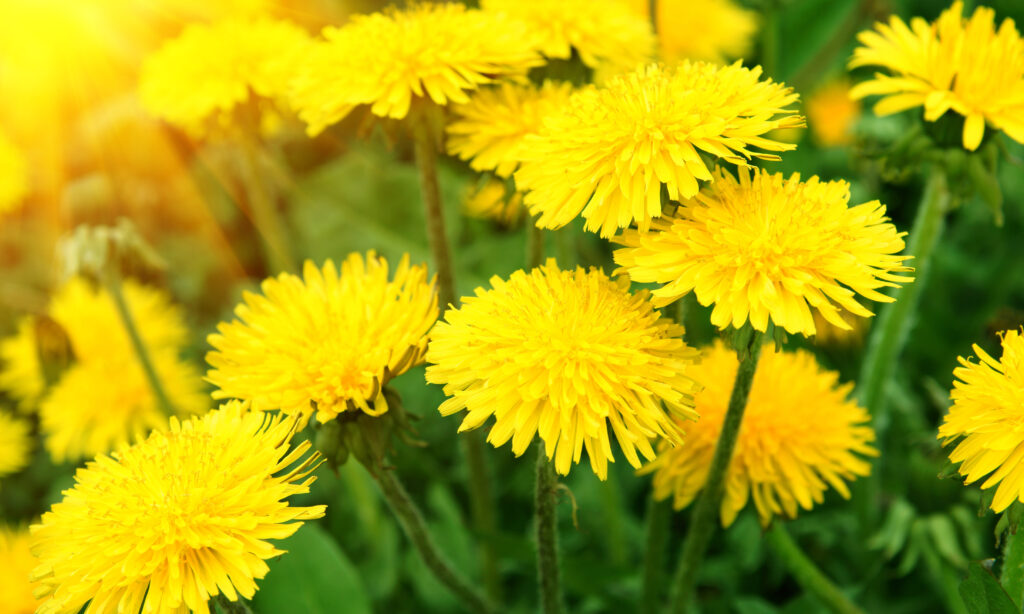 Dandelion (Taraxacum officinale) is a genuine two-for-one herb here. The leaf works primarily as a diuretic, traditionally valued because, unlike many pharmaceutical diuretics, it’s naturally high in potassium, which herbalists have historically framed as replacing what a diuretic effect flushes out.
The root leans more toward liver and digestive support, though it’s frequently blended with the leaf in kidney-focused formulas for a fuller effect. Dandelion’s potassium content, ironically the same trait that made it popular, is exactly why it needs real caution in anyone with impaired kidney function, which we’ll get to shortly.
Parsley
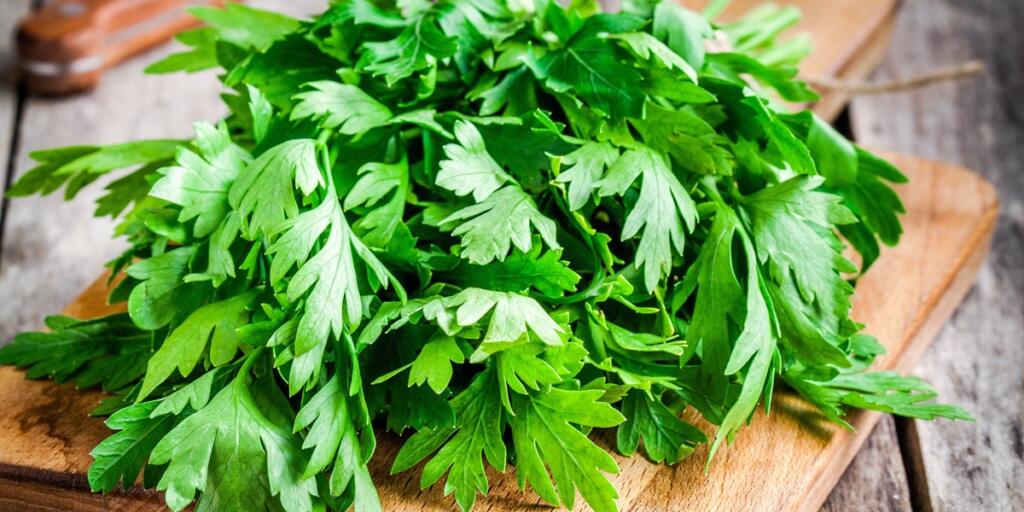 Parsley (Petroselinum crispum) is more than a garnish in herbal tradition. Its mild diuretic effect and ability to help regulate urinary pH have made it a long-standing kitchen remedy for supporting kidney comfort, and I’ve covered its preparation and full safety profile in detail in my dedicated guide to parsley tea for urinary tract inflammation, including the pregnancy and medication cautions that apply.
Corn Silk
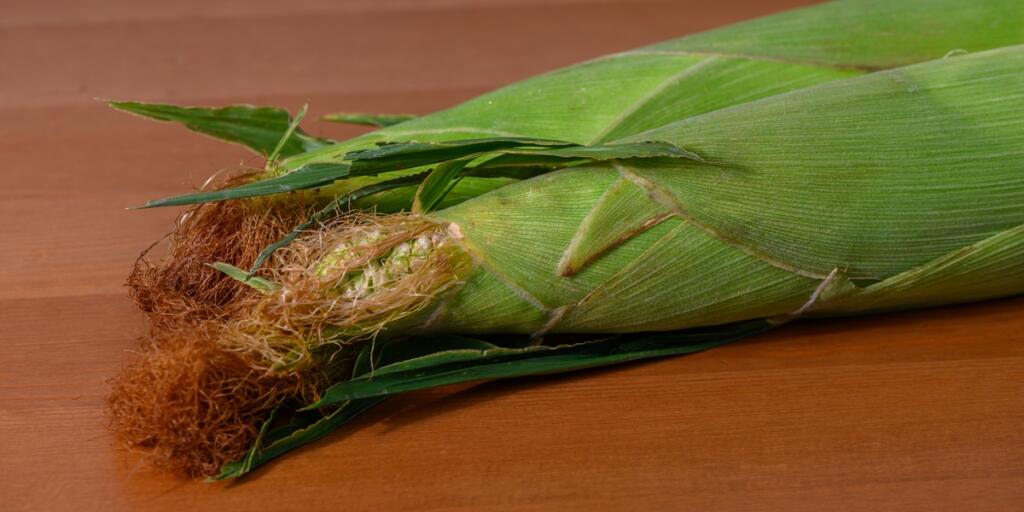 Corn silk, the fine threads found inside an ear of corn, has a long history in both Traditional Chinese Medicine and Native American herbalism for the urinary system. It has a soothing, demulcent quality that sets it apart from the stronger diuretics on this list, making it a gentle option for tension and mild inflammation throughout the urinary tract.
Fresh or dried corn silk is typically steeped as a mild tea, and it’s often blended with other herbs in this guide rather than used alone. It’s generally considered one of the gentlest options here, suitable for a wider range of people than some of the stronger diuretics.
Herbs for Urinary Tract and Bladder Health
Cranberry
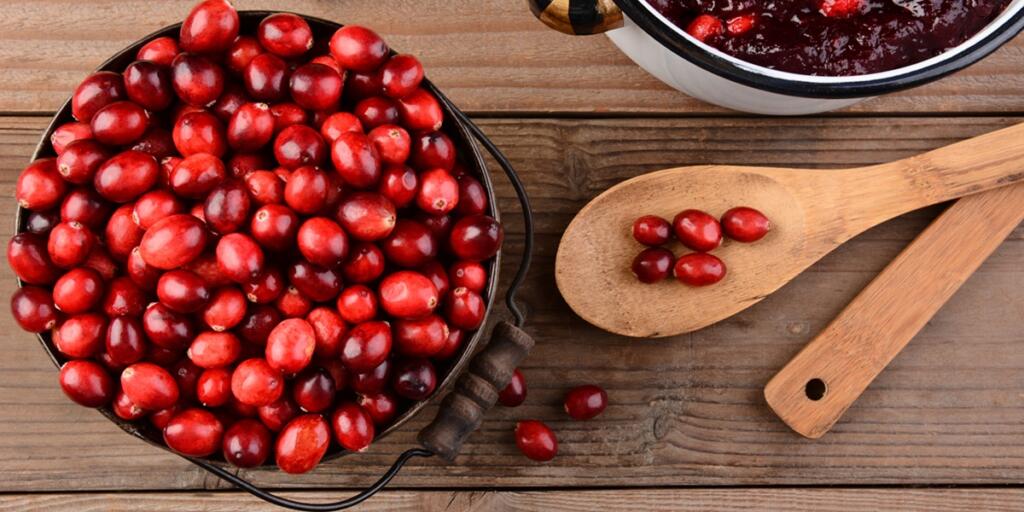 Cranberry (Vaccinium macrocarpon) is the best-researched herb in this entire guide, and it’s worth understanding exactly what the evidence does and doesn’t support. According to the NCCIH’s fact sheet on cranberry, cranberry products may reduce the overall risk of recurrent UTIs in women by 25 percent, and in some cases more than 30 percent, largely because compounds called proanthocyanidins appear to prevent bacteria from sticking to the bladder wall in the first place.
The same NCCIH fact sheet is explicit on one critical point: cranberry is not recommended as a treatment for an existing UTI, only as a preventive measure for people prone to recurrent infections. If you think you have an active infection, that calls for a healthcare provider, not a glass of cranberry juice.
Uva Ursi
 Safety Note: Short-Term Use Only
Uva ursi’s active compound breaks down into hydroquinone, which is considered a liver toxin and possible carcinogen in high or prolonged exposure. It is not recommended for children, pregnant or breastfeeding women, or anyone with liver or kidney disease, and it should not be used continuously for more than one to two weeks.
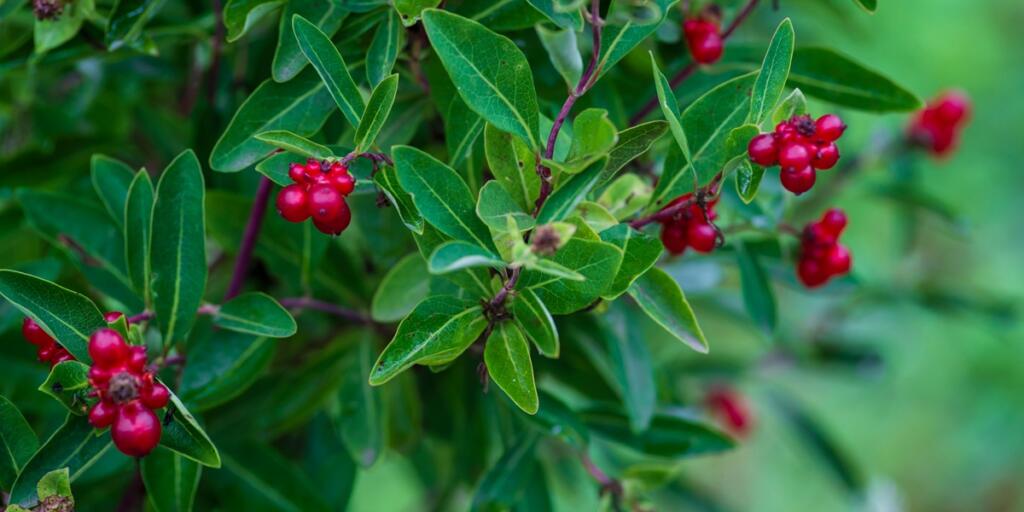
Uva ursi, or bearberry (Arctostaphylos uva-ursi), has one of the longest traditional resumes for urinary complaints of any herb here. The LiverTox monograph on uva ursi notes it’s been used for dysuria, cystitis, and bladder and kidney stones, though it adds there’s no convincing modern medical evidence it actually treats urinary infections effectively, and it’s specifically recommended in short courses only given the hydroquinone concern above.
Buchu
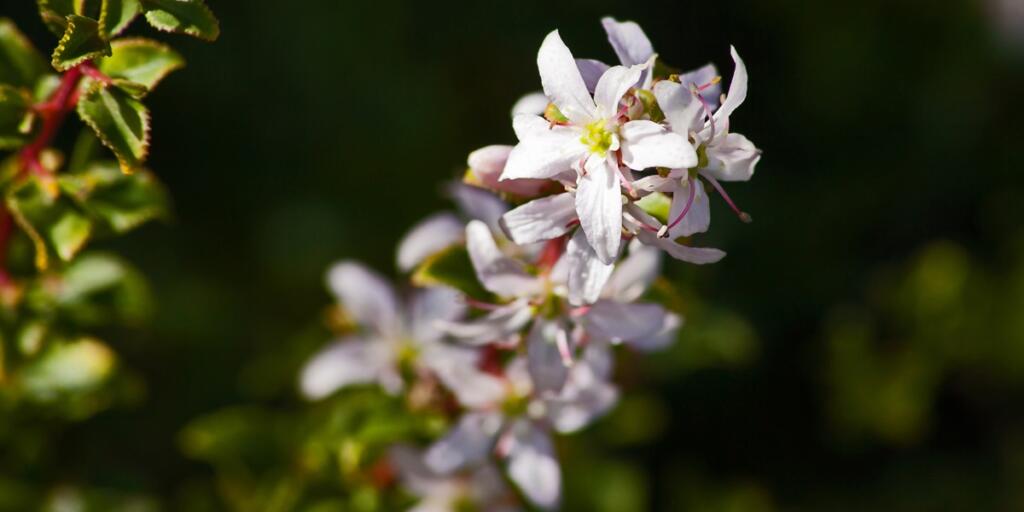 Buchu (Agathosma betulina) comes from South Africa, where it was used in traditional Khoi-San medicine for bladder and bowel ailments long before it reached Europe. The LiverTox entry on buchu notes it hasn’t been proven effective in controlled human trials for any condition, though it’s generally described as well tolerated when taken as a simple tea rather than a concentrated extract.
Buchu has a distinctive minty, blackcurrant-like aroma that makes it easy to identify in a blend. It’s most often used as a supporting herb in urinary formulas alongside stronger, better-studied options rather than as a stand-alone remedy.
Marshmallow Root
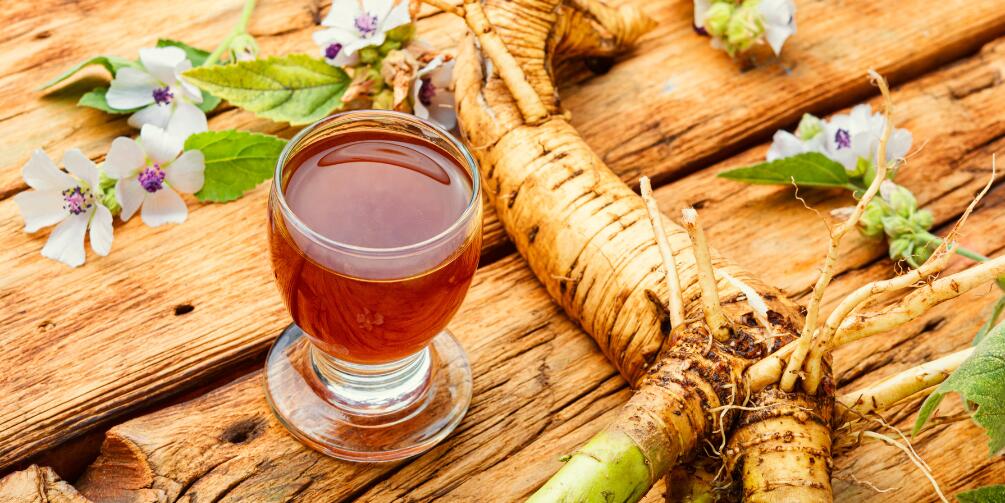 Marshmallow root (Althaea officinalis) is the classic demulcent of Western herbalism, prized for the mucilage it releases into water, a slippery, soothing substance that coats irritated tissue. For the urinary tract, that translates into a gentle calming effect on bladder irritation rather than any diuretic or antimicrobial action.
Because its mucilage is heat-sensitive, marshmallow root is traditionally prepared as a cold infusion, steeped in room-temperature water for several hours rather than boiling water, to preserve its soothing properties.
Cleavers
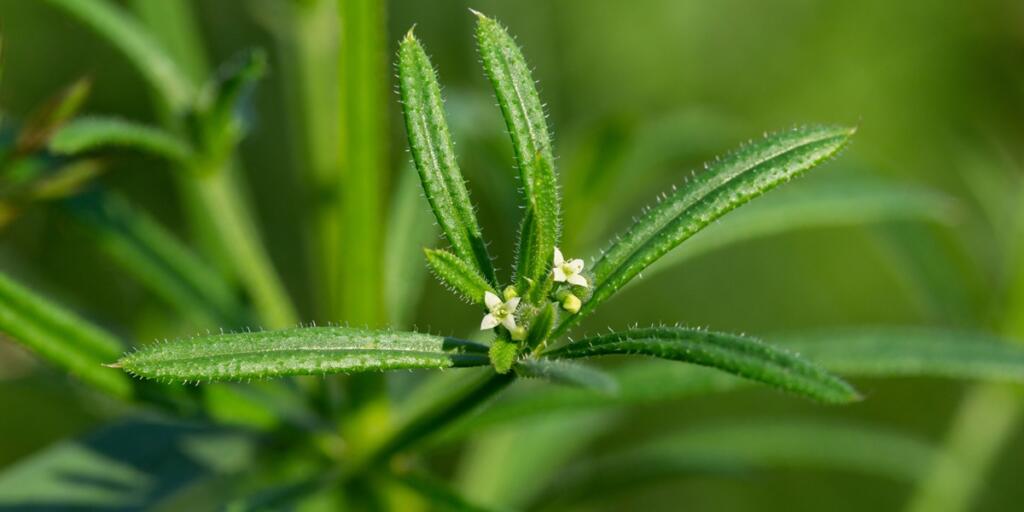 Cleavers (Galium aparine), the sticky, clingy weed familiar to anyone who has walked through overgrown grass, has a long folk history as a lymphatic and urinary support herb. It’s traditionally used for mild urinary tract irritation and general fluid support.
Cleavers is typically used as a fresh-plant tincture or a light infusion, since drying can reduce its effectiveness more than it does for many other herbs on this list. It pairs well with corn silk and marshmallow root in a gentle, soothing blend.
Herbs Traditionally Used for Kidney Stones
Gravel Root
 Safety Note: Liver Toxicity Concern
Gravel root contains compounds called pyrrolizidine alkaloids that are recognized as hepatotoxic, meaning capable of causing liver damage with repeated exposure. Peer-reviewed analysis has raised specific concern about this risk in related Eupatorium species, and long-term or high-dose internal use should be avoided, especially by anyone with existing liver disease.
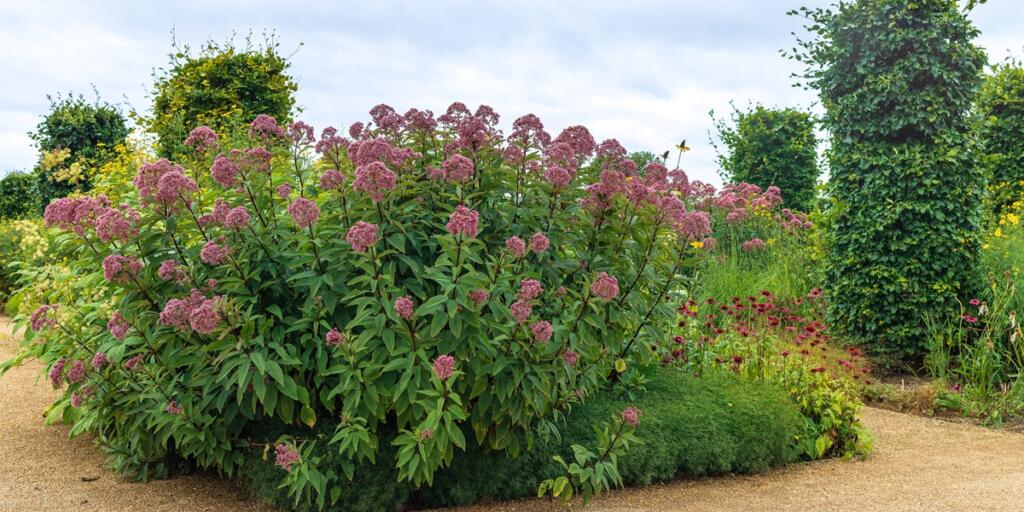
Gravel root (Eutrochium purpureum), also called Joe Pye weed or kidney root, earned its common name directly from its traditional use for kidney and bladder stones. Native American herbal traditions used it for urinary and kidney complaints long before it entered European and American herbal practice.
Given the pyrrolizidine alkaloid concern above, gravel root is a herb where sourcing and dosing discipline matter enormously, and many modern herbalists simply avoid it in favor of better-studied, lower-risk alternatives on this list.
Chanca Piedra
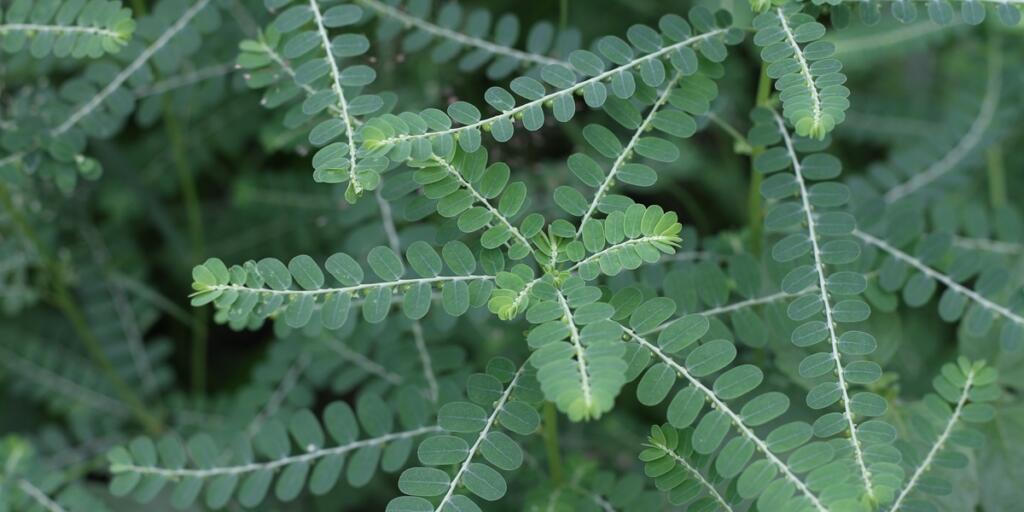 Chanca piedra (Phyllanthus niruri), whose name translates roughly to “stone breaker,” is a traditional South American herb specifically associated with kidney and gallstones. It’s used as both a diuretic and a mild antispasmodic, the idea being that increased urine flow paired with relaxed urinary muscles helps small stones pass more comfortably.
It’s typically taken as a tea or tincture and is often included in modern stone-prevention formulas alongside herbs like hydrangea root and gravel root, though its long-term safety data in humans remains limited compared to better-studied options like cranberry.
Hydrangea Root
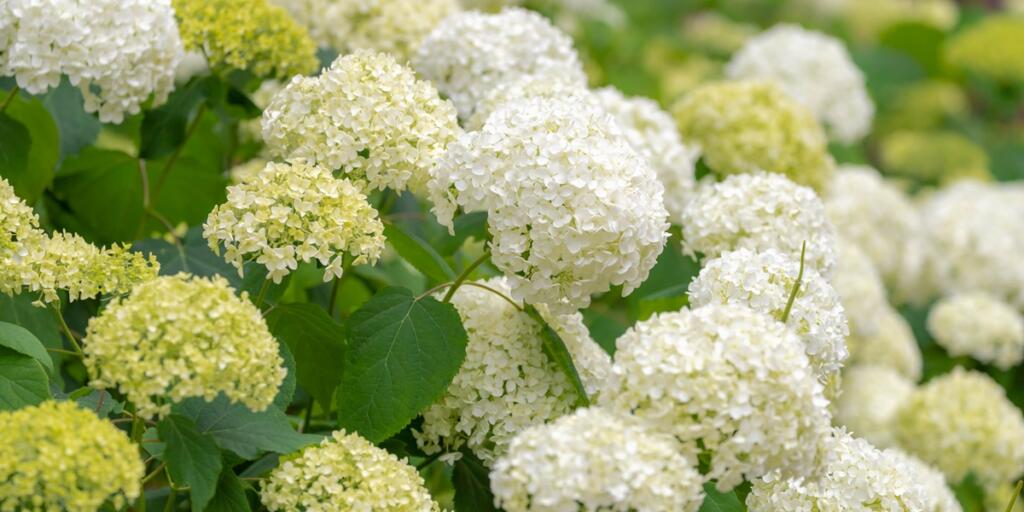 Hydrangea root (Hydrangea arborescens), not the ornamental flowering shrub most people picture, but a related species used medicinally, has a traditional reputation as a stone-preventing herb among Native American and Appalachian folk herbalists. It’s generally used as a decoction, since roots require a longer simmer than leaves or flowers to release their active constituents.
Like several herbs in this section, hydrangea root’s stone-related reputation rests mostly on traditional use rather than modern clinical trials, so it’s best approached as a supportive, not primary, part of any stone-prevention routine.
Horsetail
 Safety Note: Not for Long-Term High Doses
Horsetail has been linked to rare cases of liver injury at high, sustained doses, and separately carries real concern for anyone with impaired kidney function due to its mineral and diuretic effects. Stick to conventional doses, avoid long-term daily use, and skip it entirely if you have existing liver or kidney disease.
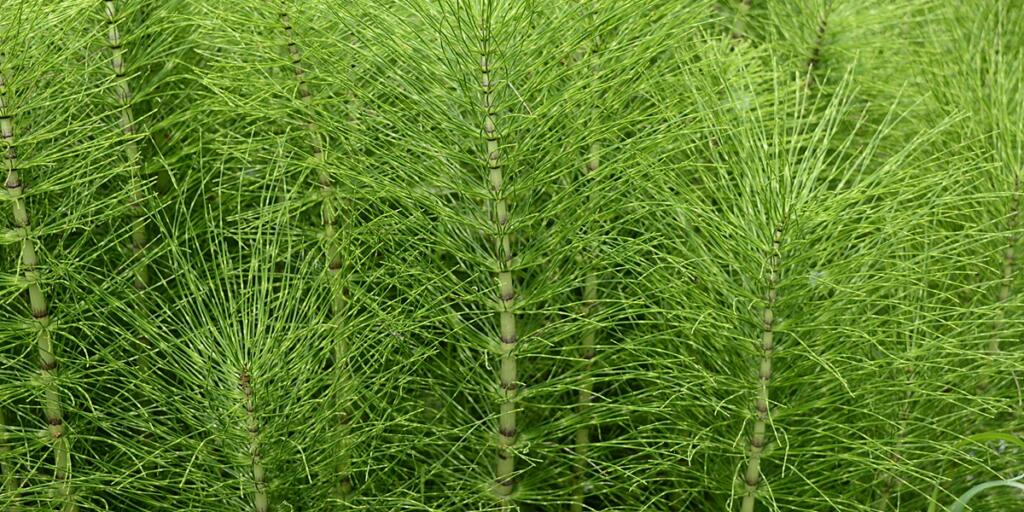
Horsetail (Equisetum arvense) has been used in traditional medicine for centuries for bladder and kidney conditions, and modern trials have actually confirmed a measurable diuretic effect comparable to a low-dose pharmaceutical diuretic in some studies. The LiverTox monograph on horsetail documents at least one case of liver injury linked to a concentrated horsetail juice preparation taken for kidney stones, underscoring why this is not an herb to use casually at high doses.
For readers dealing specifically with kidney stone discomfort or nighttime urinary symptoms, I’ve written more targeted guides on those exact topics, including what a passing stone actually feels like, natural approaches to help dissolve mild stones, and a full herbal tonic for cutting down nighttime bathroom trips.
How to Prepare These Herbs
Most of the leaf and flower herbs in this guide, nettle, dandelion leaf, corn silk, cleavers, are best prepared as a standard infusion: one to two teaspoons of dried herb steeped in freshly boiled water for ten to fifteen minutes, covered to trap the volatile compounds.
Root herbs like gravel root and hydrangea root need a true decoction instead, since their tougher plant material doesn’t release its constituents with a simple steep. Simmer one teaspoon of dried root per cup gently for fifteen to twenty minutes, then strain before drinking.
Marshmallow root is the one clear exception, since heat actually degrades the mucilage that makes it useful. Cover it in room-temperature or cool water and let it sit for four to eight hours, then strain, for the thick, soothing infusion it’s known for.
Building a Kidney and Urinary Support Routine
A well-rounded daily support tea might combine nettle leaf as the base, with corn silk and marshmallow root added for their soothing qualities, and a small amount of dandelion leaf for its potassium-rich diuretic action. That kind of gentle, food-like blend is reasonable for regular use in a way that stronger single herbs like uva ursi or gravel root simply aren’t.
Reserve the stronger, short-course herbs like uva ursi, buchu, and horsetail for specific short-term needs rather than daily use, and always pair any diuretic-heavy routine with plenty of plain water. The goal of these herbs is to support your body’s own filtering and flushing work, not to force it.
Timing matters too. Many herbalists suggest taking diuretic-leaning blends earlier in the day rather than in the evening, simply so the increased urine flow doesn’t disrupt sleep with nighttime bathroom trips. If you’re specifically dealing with that issue, it’s worth reading further into the nighttime urination piece referenced above, since the right herb depends heavily on the underlying cause.
Safety, Contraindications, and Who Should Avoid These Herbs
Important Safety Information
If you have chronic kidney disease, are on dialysis, or have had a kidney transplant, please read this section fully before trying any herb in this guide, and talk with your nephrologist first.
Several herbs here, particularly uva ursi, horsetail, and nettle, appear on formal high-risk lists for people with kidney disease due to potassium content, direct kidney strain, or drug interactions.
This is genuinely the most important section in this guide, and it runs counter to a common assumption that kidney herbs are automatically safer simply because the condition they’re targeting is kidney-related. The National Kidney Foundation’s detailed guidance on herbal supplements and kidney disease specifically lists bearberry (uva ursi), horsetail, and stinging nettle among herbs carrying a high overall safety risk for people with any stage of kidney disease, and separately flags nettle, dandelion, and horsetail for their high potassium content, which can be dangerous for anyone whose kidneys can’t clear excess potassium efficiently.
That same guidance specifically advises against products marketed as a “kidney detox” or “kidney cleanse,” noting there’s limited evidence supporting their effectiveness and real potential for some ingredients to interact with medications or strain the kidneys further. If your goal is genuinely supporting kidney health, a healthy diet, adequate hydration, and regular medical monitoring do far more than any herbal cleanse.
Diuretic herbs across this whole guide can intensify the effect of prescription diuretics and blood pressure medication, and nettle in particular has a documented interaction with lithium that can lead to toxic buildup in the body. Cranberry has conflicting evidence around an interaction with the blood thinner warfarin, so anyone on anticoagulants should loop in their provider before adding it regularly.
Pregnant and breastfeeding readers should treat every herb in this guide with real caution, since safety data during pregnancy is thin or entirely absent for most of them, and several, including uva ursi, are specifically discouraged. If you suspect an active urinary tract infection or kidney infection, that always warrants prompt medical evaluation rather than herbal self-treatment, since an untreated kidney infection can become serious quickly.
Frequently Asked Questions
Can I take these herbs every single day long-term?
Some can, and some genuinely shouldn’t be. Gentle, food-like herbs like corn silk, marshmallow root, and small amounts of nettle are reasonable for regular use, while stronger herbs like uva ursi, horsetail, and gravel root are better reserved for short, specific courses rather than daily habits.
Will these herbs dissolve an existing kidney stone?
There’s traditional use behind herbs like chanca piedra and gravel root for this purpose, but robust modern clinical evidence is limited. A diagnosed kidney stone, especially one causing significant pain, fever, or blocked urine flow, needs medical evaluation, since some stones require intervention that no herb can substitute for.
Is it safe to combine several of these herbs in one blend?
Often yes for the gentler herbs, but combining multiple diuretics or multiple herbs with overlapping safety concerns compounds the risk rather than the benefit. Start with one herb at a time to see how your body responds before building a multi-herb blend.
How do I know if I actually have a kidney or urinary problem versus just needing more water?
Simple dehydration usually resolves with fluids within a day. Persistent burning during urination, blood in the urine, fever, back or side pain, or urinary symptoms that don’t improve within a day or two are all reasons to see a healthcare provider rather than reach for a stronger herb.
Turn Your Kitchen Into a Forgotten Home Apothecary
Knowing the name of an herb is only the beginning.
The knowledge that really matters is knowing which plant to reach for, which part to use, how to prepare it, and when a home remedy may, or may not, be appropriate.
That practical herbal wisdom was once passed from generation to generation. Families knew how to turn common herbs and everyday ingredients into teas, tinctures, salves, poultices, syrups, infused oils, and other traditional preparations long before shelves were packed with ready-made products.
The Forgotten Home Apothecary brings that old knowledge back into one practical resource.
Inside, you’ll discover traditional remedies and step-by-step preparations for many of the everyday situations people once handled from their own home apothecary, using plants and ingredients that may be far more accessible than you realize.
Instead of collecting random remedies from dozens of websites, you can begin building your own reference library of traditional herbal knowledge and learn how different preparations are actually made.
Because true herbal self-reliance isn’t about swallowing whatever plant happens to be labeled “natural.”
It’s about knowing your herbs, knowing your preparations, and knowing when to use them responsibly.
Rediscover the Remedies Our Grandparents Knew by Heart
Keep generations of traditional home-apothecary knowledge within reach whenever you need to look something up.
Get The Forgotten Home Apothecary and start rediscovering the practical herbal knowledge that modern households have almost forgotten.
CLICK HERE TO DISCOVER THE FORGOTTEN HOME APOTHECARY →
Final Thoughts
Herbal support for kidney and urinary health has genuine traditional depth and, for a few herbs like cranberry, real modern research behind it. But this is also a category where the line between a gentle daily tea and a genuinely risky choice can be thin, particularly for anyone with existing kidney impairment.
Start with the gentlest options, respect the short-course herbs’ limits, and treat this guide as a foundation for informed conversations with your healthcare provider rather than a replacement for one. Used thoughtfully, these herbs have supported urinary comfort and kidney wellness for generations, and there’s no reason that tradition can’t continue safely into your own routine.
You May Also Like:

Join Our Exclusive Facebook Group HERE!
How to Recognize a Heart Attack and What to Do Next (Video)
Supporting Daily Balance Naturally with Herbal Tea for Kidney Support
How Supplements Are Destroying Your Kidneys
10 Signs Your Kidneys Need Help