
Senna: The Ancient Herbal Laxative, Its Proven Uses, and Everything You Need to Know Before Using It
Senna is one of the most extensively documented medicinal plants in history, and one of the very few herbs to earn formal recognition as an FDA-approved nonprescription drug. Its use as a laxative stretches back over a thousand years, from Arabian physicians in the 9th century AD through modern clinical pharmacology. Yet for all its long track record, senna remains a plant that deserves careful, informed use.
Unlike many herbs whose benefits rest largely on tradition and preliminary research, senna has a substantial body of clinical evidence behind its primary application. That evidence also comes with clear evidence of risk, particularly when senna is used too frequently or for too long. This guide covers what senna is, what the research actually supports, how to prepare and use it responsibly, and who should avoid it entirely.
For a thorough scientific review of senna’s phytochemistry and pharmacology, the peer-reviewed overview published in ScienceDirect provides a comprehensive look at the plant’s ethnopharmacological history and documented biological activities.
What Is Senna? Botanical Background and Traditional History
Senna is a genus of flowering plants in the legume family Fabaceae, with over 50 to 60 accepted species distributed throughout tropical and subtropical regions worldwide. The two species most commonly used in herbal medicine and pharmaceutical preparations are Senna alexandrina (Alexandrian senna, also known as Cassia acutifolia) and Cassia angustifolia (Indian or Tinnevelly senna). Both are native to North Africa and the Middle East, with significant cultivation in India.
Also Read: What Does Fennel Taste Like?
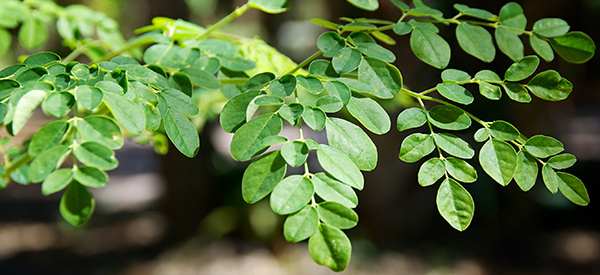
The plant grows as a shrub reaching one to two meters in height. Its pinnate leaves are greyish-green with four to eight pairs of leaflets. The flowers are small and yellow, borne in racemes at the branch ends. Both the leaves and the seed pods are used medicinally, with the pods generally considered gentler in action than the leaves.
Also Read: How To Make Antibiotic Capsules
According to the herbal medicine archivists at Traditional Medicinals, senna’s medicinal uses were documented by Arabian physicians around the 9th century AD, though residue has been found in Egyptian pottery dating to approximately 3150 BCE. Arabian physicians are credited with introducing senna into the European medical system, where it became a staple of apothecary practice for centuries.
Active Compounds in Senna
Senna’s effects are primarily driven by a class of compounds called sennosides, which are anthraquinone glycosides. The main sennosides are sennoside A and sennoside B. These compounds are not absorbed in the upper digestive tract. Instead, they pass intact to the large intestine, where gut bacteria cleave them into active metabolites called rhein anthrone. These metabolites stimulate the smooth muscle of the colon and inhibit water and electrolyte absorption, producing a laxative effect typically within 6 to 12 hours of ingestion.
Beyond sennosides, senna leaves also contain flavonoids, tannins, alkaloids, steroids, and volatile oils, which contribute to some of the plant’s secondary activities observed in laboratory research.
What the Evidence Actually Supports
Constipation Relief: Well Established
Senna is an FDA-approved nonprescription laxative for adults and children aged two years and older. This represents the strongest possible regulatory endorsement for a botanical remedy and reflects the weight of clinical evidence behind it. Multiple controlled trials have confirmed senna’s effectiveness for occasional constipation, including constipation associated with pregnancy, surgical recovery, and opioid medication use.
Related: How To Make Your Own Probiotics
The standard adult dose is 17.2 mg of sennosides once or twice daily, typically taken at bedtime to align the 6 to 12 hour onset with a morning bowel movement. The maximum recommended dose for adults is 34.4 mg per day. Children’s doses vary by age and should be guided by a healthcare provider. Senna fruit pods tend to act more gently than the leaves, which is why the American Herbal Products Association has specifically cautioned against long-term use of the leaf form.
Pre-Colonoscopy Bowel Preparation
There is also good clinical evidence that senna, often combined with other agents, is effective for bowel cleansing before colonoscopy. It is used in formal medical settings for this purpose and has been studied in direct comparison with other preparation regimens. This remains an area where senna is used under explicit physician guidance rather than self-directed herbal use.
Also learn about: Ramps
Uses Without Strong Scientific Support
Senna is commonly promoted or used for irritable bowel syndrome, hemorrhoids, weight loss, and general detoxification. Current evidence does not support these applications. Weight loss effects attributed to senna are the result of water loss and temporary bowel emptying, not fat metabolism. Using senna for ongoing weight management is not medically appropriate and carries meaningful risks with repeated use.
Antimicrobial, antidiabetic, antioxidant, and anti-inflammatory activities have been observed in laboratory studies of senna extracts, particularly from species such as Senna alata. These findings are preliminary and do not translate directly to evidence-based human health applications at this time.
How to Prepare and Use Senna
Senna Tea
Senna tea is the most traditional preparation and remains widely available. To prepare it, steep 0.5 to 2 grams of dried senna leaves or pods in 150 ml of hot water (not boiling) for 10 minutes, then strain thoroughly. The typical therapeutic range for a single serving is around one teaspoon of dried leaf, producing a mildly bitter, earthy tea. Some herbalists recommend blending senna with ginger, fennel, or peppermint to reduce the cramping that senna can cause on its own.
Senna tea should not be consumed more than once daily and use should not exceed seven consecutive days without medical supervision. Taking it in the evening allows the action to occur the following morning with less disruption to daily activity.
Capsules and Tablets
Standardized capsule and tablet preparations, often labeled as containing 8.6 mg or 17.2 mg of sennosides, are widely available over the counter. These offer more precise dosing than loose leaf preparations and are the form used in most clinical studies. The NIH National Library of Medicine notes that standardized preparations are preferred when consistent dosing matters.
Tinctures and Extracts
Liquid senna extracts are available but less common than tea or capsule forms. They should be used according to product labeling as concentration varies significantly between preparations. If combining with other herbs, be aware that senna’s potency can be difficult to predict when used in formulations without standardized sennoside content.
Typical Preparation Guidelines
- Use dried senna leaf or pod, not fresh plant material.
- Do not exceed the recommended dose. More is not more effective and increases the risk of cramping and diarrhea.
- Take in the evening for morning effect.
- Stay well hydrated while using senna.
- Do not use for more than seven days continuously without professional guidance.
- If using for a child, consult a healthcare provider for appropriate dosing.
Safety, Side Effects, and Contraindications
Senna’s safety profile is well documented, and understanding it fully is essential before using this herb. While it is broadly safe for short-term occasional use by healthy adults, it carries real risks with misuse or overuse.
Common Side Effects
- Abdominal cramping and gas: Senna stimulates intestinal muscle contractions. These can be uncomfortable or painful, particularly in people with sensitive digestive systems or irritable bowel conditions.
- Diarrhea: Loose or watery stools are common, especially if the dose is too high or the person is sensitive to stimulant laxatives.
- Urine discoloration: Senna metabolites can turn urine yellow-brown to reddish. This is harmless but worth knowing about to avoid unnecessary alarm.
- Nausea: Some people experience nausea, particularly with higher doses or when taken on an empty stomach.
Serious Risks of Long-Term or High-Dose Use
The NIH LiverTox database documents that senna can cause clinically apparent liver injury when used in high doses or for longer than recommended periods. Most cases have been associated with excessive doses and are self-limiting once senna is stopped, but severe cases including acute liver failure have been reported. Liver injury from senna is attributed to its anthraquinone derivatives and is a direct toxic effect rather than an idiosyncratic reaction.
- Electrolyte imbalance: Chronic use can reduce potassium levels, leading to leg cramps, irregular heartbeat, muscle weakness, and increased thirst. Low potassium is particularly dangerous for people taking digoxin or other heart medications.
- Dependency: Long-term use can lead to a condition where the bowel becomes reliant on stimulant laxatives to function. Research has found that long-term senna use can cause drug dependence with withdrawal symptoms including anxiety, restlessness, insomnia, and elevated blood pressure.
- Intestinal mucosa damage: Chronic use is associated with a condition called pseudomelanosis coli, a pigmentation of the intestinal lining that typically reverses after discontinuing senna but indicates sustained irritation.
- Potential liver damage: High-dose or long-term use has been linked to liver injury in documented clinical cases. Anyone using senna regularly should monitor for symptoms such as jaundice, fatigue, or right-sided abdominal pain.
Contraindications: Who Should Not Use Senna
Senna should be avoided entirely by the following individuals without direct supervision from a qualified healthcare provider:
- People with inflammatory bowel disease, including Crohn’s disease and ulcerative colitis.
- Anyone with intestinal obstruction, severe abdominal pain of unknown cause, or appendicitis.
- People with kidney disease, as the electrolyte disruption senna causes can be dangerous.
- Anyone taking digoxin (a heart medication), as senna-induced potassium loss can increase digoxin toxicity.
- Anyone taking warfarin or other blood thinners. Case reports have documented near-fatal bleeding interactions between senna and warfarin.
- Pregnant women should consult a healthcare provider before use. Senna is classified as possibly safe in pregnancy for short-term use, but stimulant laxatives carry risks and gentler options are usually preferred.
- Breastfeeding women should use caution, as a small amount of senna passes into breast milk and can cause diarrhea in nursing infants.
- Children under 2 years of age should never be given senna. Children between 2 and 12 should only receive senna under healthcare provider guidance.
The American Herbal Products Association recommends that all senna leaf products carry a label stating: “Do not use this product if you have abdominal pain or diarrhea. Consult a healthcare provider prior to use if you are pregnant or nursing. Not for long-term use.” This is not boilerplate caution. It reflects the plant’s genuine risk profile.
Senna in Traditional Herbal Systems
Senna holds a respected place in several traditional healing traditions, valued specifically and narrowly for its reliable laxative action rather than as a broad tonic or restorative herb.
Ayurvedic Medicine
In Ayurveda, senna is known as Svarna Patri or Sonamukhi. It is classified as having a bitter and pungent taste with heating energy, and is used primarily to clear excess pitta and kapha from the colon. Traditional Ayurvedic use emphasizes combining senna with warming spices such as ginger and fennel to reduce the griping effect and balance its intense downward action.
Traditional Arabian and Middle Eastern Medicine
Arabian physicians of the medieval period considered senna one of the most valuable plants in their pharmacopoeia. Physicians including Ibn Sina, known in the West as Avicenna, documented its use for purging excess humors and described its preparation as a decoction, syrup, and powder. This is the tradition through which senna entered European herbalism, where it remained in official pharmacopoeias for centuries.
Traditional African Medicine
Several Senna species, particularly Senna alata and Senna occidentalis, are used across sub-Saharan Africa in traditional healing systems. Senna alata has been used topically for skin conditions including ringworm, tinea infections, scabies, and eczema, as well as internally for fever, malaria, and digestive complaints. Laboratory research has confirmed antimicrobial and antifungal activity in Senna alata extracts, lending scientific plausibility to some of these applications.
Growing and Harvesting Senna
Senna alexandrina and related species grow readily in warm climates with full sun and well-drained soil. They are drought-tolerant once established and do poorly in wet or waterlogged conditions. In temperate climates they can be grown as annuals or in containers brought indoors during cold months.
Growing Conditions
- Full sun, at least six hours daily.
- Sandy or loamy, well-drained soil with a slightly alkaline to neutral pH.
- Minimal water once established. Overwatering causes root rot.
- Warm growing season. Senna does not tolerate frost.
Harvesting
Leaves are harvested during the flowering period when sennoside content is highest, typically in late summer to early autumn. Pods are harvested after they have matured to a greenish-brown color. Both are dried at low temperatures in shade to preserve active compound content. Properly dried material should be stored in airtight containers away from light and moisture.
For guidance on post-harvest handling and quality standards for medicinal herbs, the American Botanical Council maintains extensive resources on herbal quality and standardization practices.
Senna and Digestive Wellness: A Note on Long-Term Gut Health
One of the most important things a herbalist or anyone using senna regularly should understand is that stimulant laxatives, including senna, do not address the underlying causes of chronic constipation. They produce a bowel movement by forcing the colon to contract, not by improving gut motility, microbiome health, hydration, or dietary fiber intake.
For people dealing with ongoing constipation, the most evidence-supported long-term approaches include increased dietary fiber, adequate hydration, regular physical activity, and in some cases, prebiotics and probiotics to support healthy gut flora. Senna used occasionally as a short-term intervention while addressing root causes is a responsible approach. Using it as a substitute for those root-cause interventions is not.
According to guidance from the National Institute of Diabetes and Digestive and Kidney Diseases (NIDDK), most adults benefit from 22 to 34 grams of fiber daily, though average intake falls well short of that in Western diets. Addressing fiber and hydration before reaching for any laxative, herbal or otherwise, is the appropriate first step for most people with occasional constipation.
Build Your Own Herbal Medicine Cabinet
Knowing when and how to use herbs like senna is only the beginning. Forgotten Home Apothecary contains more than 250 time-tested herbal remedies, complete with easy-to-follow recipes, preparation methods, and practical guidance for creating your own natural medicine cabinet at home.
Whether you’re just starting your herbal journey or expanding your knowledge, this comprehensive guide helps you turn traditional wisdom into everyday self-reliance.
👉 Get your copy of Forgotten Home Apothecary today and start making your own trusted herbal remedies!
Summary: What Senna Is and What It Is Not
Senna is a genuinely useful plant with a well-established primary application supported by clinical evidence and regulatory approval. For short-term relief of occasional constipation in healthy adults and children over two, it is one of the most reliably effective herbal remedies available. That reliability is a product of its potency, which is also the source of its risks.
It is not a gentle, nourishing tonic. It is not a weight loss tool. It is not appropriate for daily or long-term use without medical supervision. And for certain populations including those with inflammatory bowel disease, kidney disease, or who take specific heart or blood-thinning medications, it should be avoided entirely.
Used with respect for its limitations, at appropriate doses, for short durations, and with good hydration, senna can be a helpful part of an herbal toolkit. Used carelessly, it can cause electrolyte disruption, dependency, liver stress, and potentially serious drug interactions. The difference lies entirely in how well the person using it understands what they are working with.
You may also like: 
Carrier Oils for Essential Oils – The Complete Guide to Safe Dilution and Best Choices
The Dandelion Tincture That Helps Both Your Liver and Kidneys
What Is a Nervine? The Complete Guide to Herbs That Support Your Nervous System
🌿 Join Our Private Herbal Community For Free. 👉 Click here!
Disclaimer: This guide is for informational purposes only and does not constitute medical advice. Senna is a potent stimulant laxative and should be used with caution. Always consult a qualified healthcare provider before using senna, especially if you have a medical condition, are pregnant or breastfeeding, take prescription medications, or plan to give it to a child.