
Pocket Apothecary: 5 Herbs You Should Carry for Everyday Discomforts
Your Personal First-Aid Kit Just Got a Natural Upgrade
Picture this: You’re stuck in traffic when a tension headache creeps in. Your stomach starts churning during an important meeting. You nick your finger while cooking dinner. Or maybe anxiety hits you out of nowhere while you’re running errands.
What if you had a few traditional herbal options nearby for some of the everyday discomforts?
This is where you build your own pocket apothecary – a small collection of herbal remedies people have used for centuries. And before you roll your eyes, these aren’t just old wives’ tales. Modern research backs up what people figured out long ago: some herbs actually work.
You can carry these anywhere. Put a small tincture bottle in your bag, keep tea bags in your desk, or just carry dried herbs in a little pouch.
Here are five herbs that research shows can help with everyday problems.
1. Lavender – Your Pocket Calm and First Aid Kit
You probably know lavender for its relaxing smell, but it’s actually a solid choice for moments of everyday stress or nervous tension. When you’re stressed or panicky, just inhaling lavender oil from a small bottle or putting a few drops on a tissue can help steady your nerves. Studies show that breathing in lavender essential oil actually reduces anxiety levels – Certain standardized oral lavender preparations have been studied for anxiety symptoms. Still, do not replace your prescribed medication unless you discuss it with your healthcare provider.
But lavender does more than calm you down. You can also use it as a mini first aid remedy. It naturally fights germs and reduces inflammation. Diluted lavender products may be used for general skin comfort when the product is labeled for topical use. Avoid open wounds, serious burns, and irritated skin. Research suggests it might even help wounds heal faster by boosting collagen production.
This makes lavender perfect for your pocket kit. It handles both mental stress and physical scrapes.
My Personal Lavender Hack: I actually make my own little lavender pouches – just dried lavender in a small cloth sack that lets the scent through but keeps everything contained. I always have one in my bag because it makes everything smell amazing, but more importantly, whenever I’m feeling anxious or stressed (or even just having a rough day), I pull it out and take a deep breath for about a minute. It’s like hitting a reset button on my mood. Seriously, I find the scent calming.
If you want to see how you can make a simple lavender pouch for your daily relaxation routine as cheap as possible, here’s the video that taught me how to do it.

The Real-Life Test: Just last week, I grabbed a hot pot handle without thinking and burned my palm pretty badly. Instead of panicking or running to the store for burn cream, I immediately reached for my Lavander Skin Salve. I keep the salve nearby for dry or uncomfortable skin, but burns should first be cooled under running water and medically assessed when severe.
This little tin has become my go-to for everything. Cuts, scratches, insect bites, burns, even dry cracked skin. It’s packed with lavender, yarrow, arnica, calendula, and other healing herbs that actually work. I never leave home without one in my bag because honestly, life happens, and when it does, you want something that can handle whatever gets thrown at you.
If you’re serious about having a natural first-aid solution that actually works, this salve is a must-have. Trust me, you’ll use it more than you think. Check it out HERE.
2. Peppermint – Your Go-To for Headaches and Stomach Issues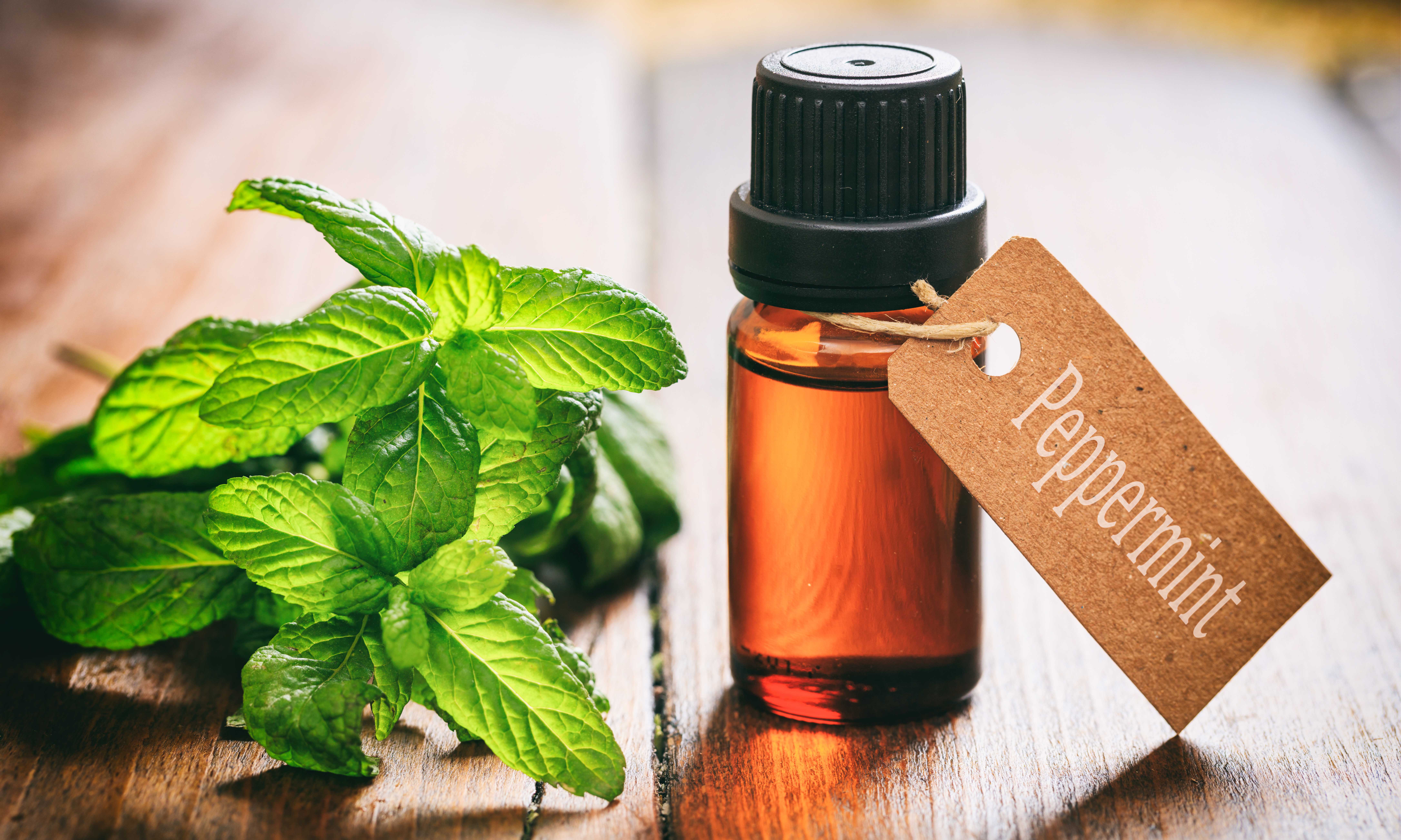

When a tension headache hits while you’re out, peppermint oil rubbed on your temples can actually help. Clinical studies back this up – topical peppermint oil works better than placebo for tension headaches. The menthol creates a cooling effect that relaxes tight muscles and improves blood flow in your forehead. Keep a small bottle of peppermint oil or strong peppermint balm handy. Some topical peppermint preparations have been studied for temporary tension-headache comfort.
Peppermint also works great for stomach problems. Sipping peppermint tea or inhaling peppermint oil from a tissue can settle nausea, indigestion, or motion sickness. A 2024 study review found that inhaling peppermint oil significantly reduced nausea and vomiting in chemo patients – so it may help with some stomach upset from travel or bad food. Peppermint relaxes stomach spasms too, which is why it was used by our ancestors traditionally for gut-discomfort conditions.
You can even use cooled peppermint tea bags as a compress for itchy skin or mild rashes. It’s basically a two-in-one solution for head and stomach emergencies.
3. Ginger – Your Nausea Fighter and Pain Reliever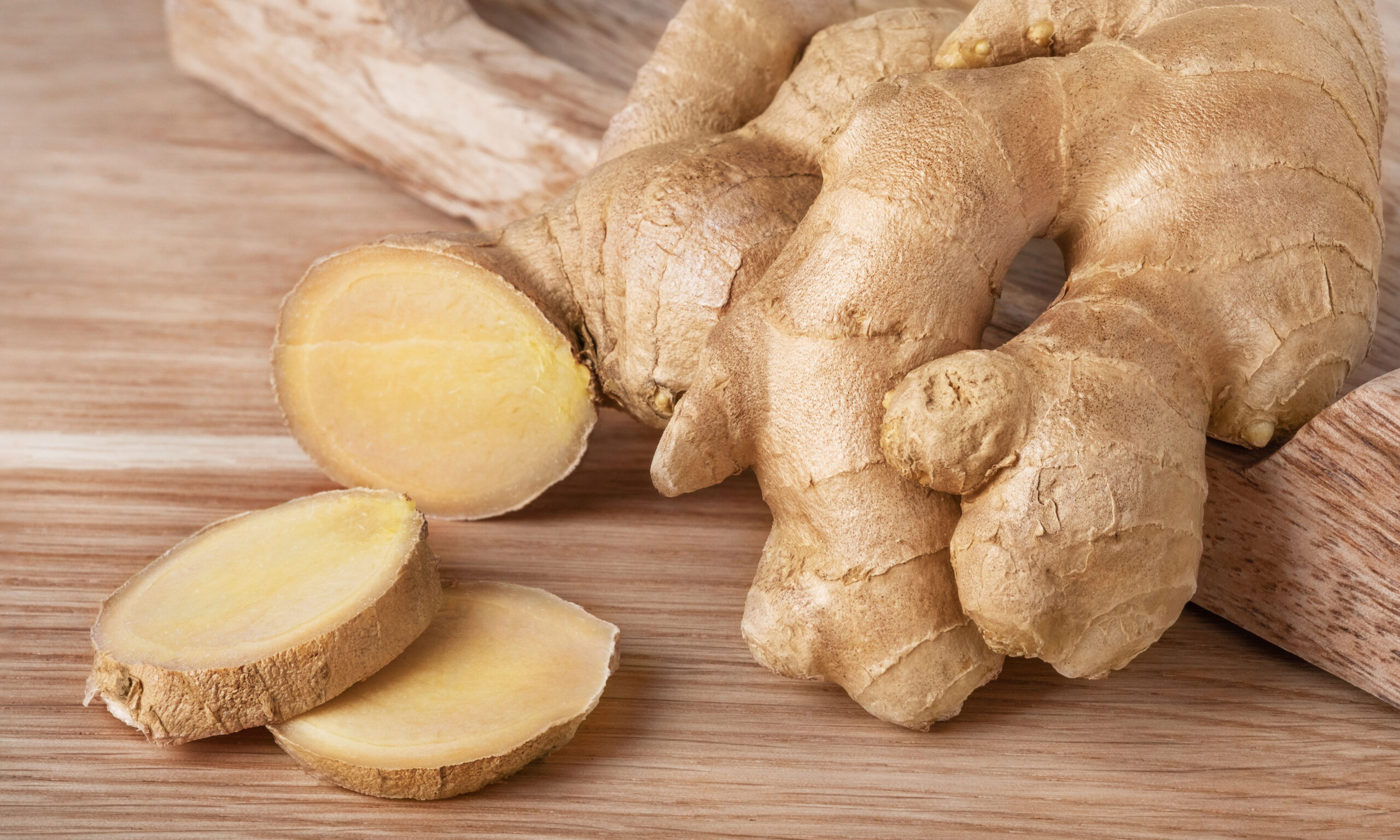

If you get motion sick or deal with sudden nausea, you need ginger in your pocket. You can carry it as candied ginger, ginger chews, or tea crystals – all work great when you’re on the go. Research backs up what people have known for ages: ginger really has something to do with stopping nausea. That’s why many motion sickness suplements contain mostly ginger.
Studies show it helps with morning sickness during pregnancy, post-surgery nausea, and even some chemotherapy-related nausea. While motion sickness studies are mixed, tons of travelers swear by ginger for settling queasy stomachs.
But ginger does more than calm your stomach. Ginger compounds are being studied for inflammatory pathways and everyday muscle or joint comfort. This means ginger might help with joint stiffness or muscle soreness after a long day. Some people use ginger tea or ginger compresses for migraine headaches or arthritis pain.
Just remember: ginger is safe in normal amounts, but high doses can thin your blood. So use it wisely, especially if you take blood thinners or have surgery coming up.
4. Chamomile – Your Gentle Stress and Stomach Soother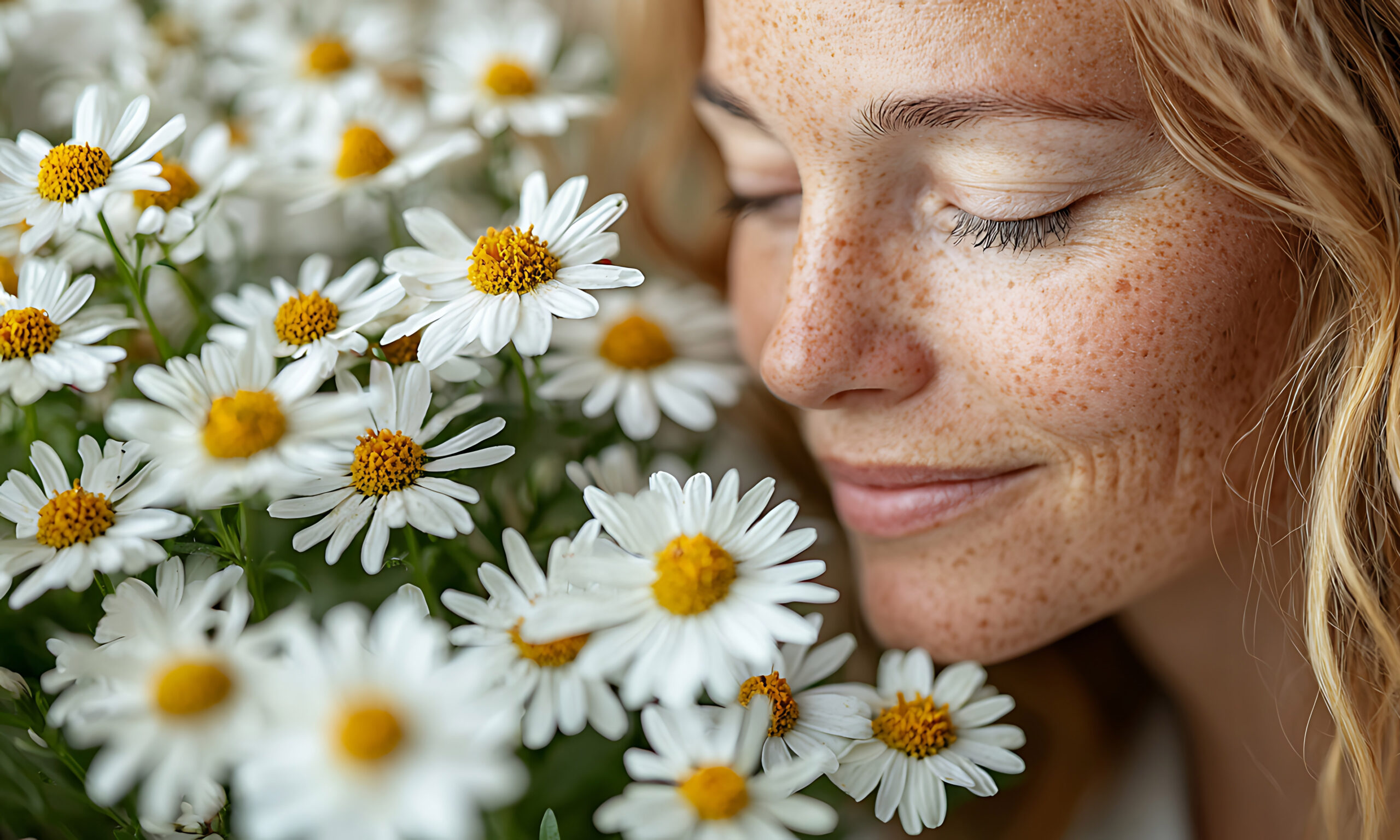
You might think of chamomile as just bedtime tea, but this flower is traditionally used for relaxation, restful evenings, and digestive comfort. When stress or irritability hits during the day, chamomile can help steady your mood. Studies on people with generalized anxiety disorder found that chamomile extracts led to meaningful improvements in anxiety symptoms compared to placebo. Research also shows it can improve sleep quality over time, so keeping a few chamomile tea bags or a small tincture handy can help you handle frazzled nerves or rough days.
Chamomile also soothes stomach problems. It has antispasmodic properties that can relieve cramps, gas, or indigestion by relaxing your gut muscles. Herbalists and doctors often recommend chamomile tea for upset stomachs or menstrual cramps because it’s so safe and effective.
You can also use chamomile topically – cooled chamomile tea works as a gentle wash for minor skin irritations or tired eyes thanks to its anti-inflammatory and antimicrobial properties. Cooled chamomile tea may feel soothing on intact skin, but it is not a sterile antiseptic.
Why I Grow My Own Chamomile: After years of buying chamomile tea from stores, I realized I had no idea what I was actually getting. Was it sprayed with pesticides? Did it grow next to a busy road soaking up exhaust fumes? How long had it been sitting on shelves losing its potency?
That’s when I decided to grow my own. Now I have complete control over the quality – no chemicals, no contaminants, just pure, potent chamomile that I harvest at peak freshness. The difference in effectiveness is honestly night and day. Plus, there’s something satisfying about stepping into your backyard and picking your own remedy instead of hoping what you buy at the store actually works.
If you want the strongest, cleanest chamomile possible, growing your own is one way to have more control over freshness and cultivation. Check out these chamomile seeds – they’re the same variety I grow in my own garden.
5. Yarrow – Nature’s Emergency Bandage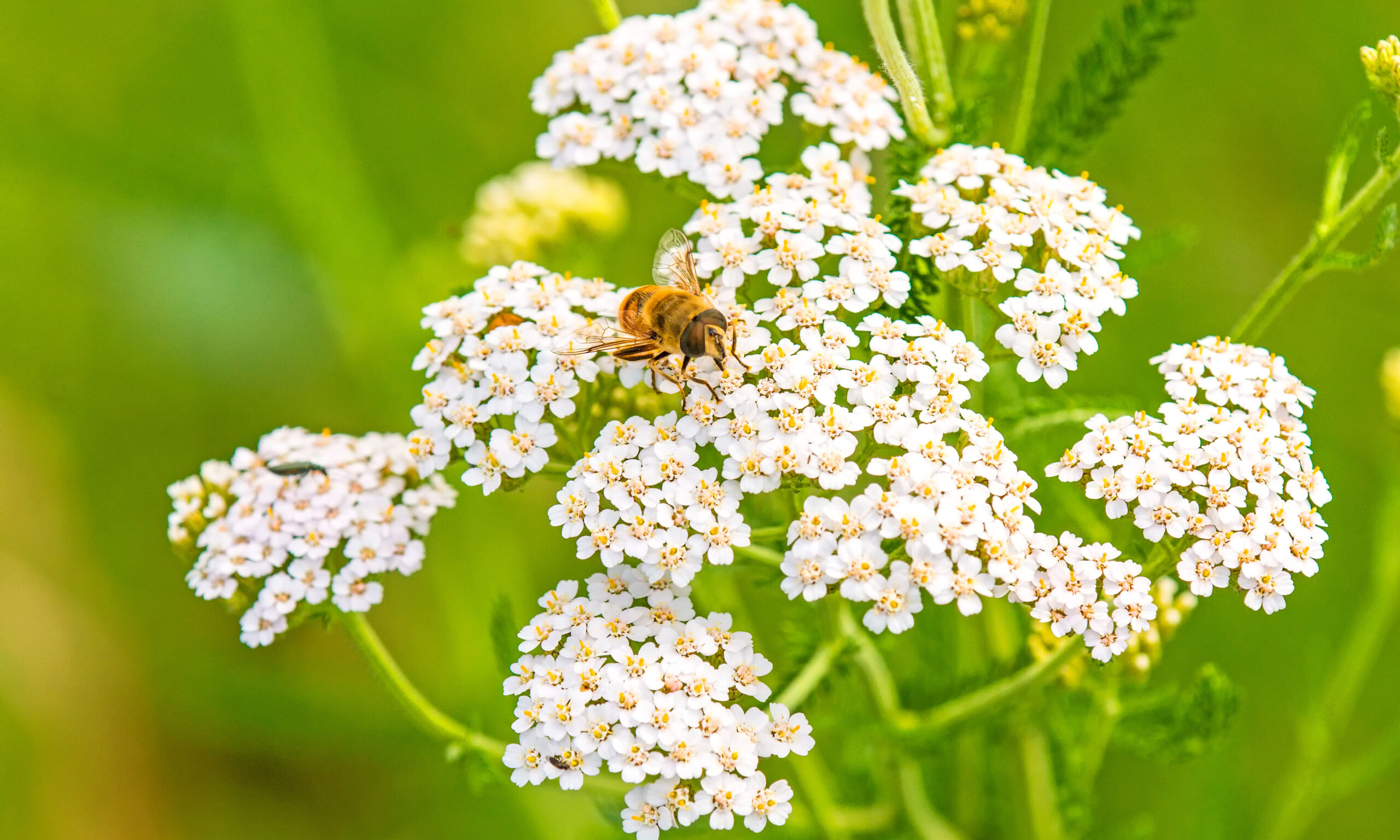
When you get a cut, scrape, or any bleeding wound, yarrow is the herb you’ll want to have with you. People call it “nature’s bandage” because it has a long history of topical use, but it should not replace direct pressure, proper wound cleaning, or medical care. This isn’t just old folklore – a 2020 study showed that yarrow extract reduced bleeding time by about one-third with no toxic effects. Some research has explored yarrow preparations and bleeding time, but this does not establish dried yarrow or tincture as a reliable hemostatic treatment. That’s why it’s been used on battlefields for centuries when real bandages weren’t available.
You can carry a small pouch of dried, crumbled yarrow leaves or cotton pads soaked in yarrow tincture. For a minor cut, clean the wound first, apply firm direct pressure with clean gauze, then apply the yarrow to help while you get proper medical care.
Yarrow does more than handle cuts though. Yarrow has traditionally been used in seasonal teas, but it should not be presented as a treatment for fever or flu. It also strengthens circulation and relieves cramps. Some herbalists suggest a few drops of yarrow tincture can help with menstrual cramps or stomach pain in emergencies. Just remember – clean wounds properly first and get medical help for serious injuries.
The Yarrow Dilemma: You can forage yarrow almost anywhere – roadsides, meadows, even vacant lots. It’s got distinctive feathery leaves and flat-topped white flower clusters. But here’s the catch: yarrow has some dangerous lookalikes, especially poison hemlock, which can literally kill you. Plus, you need to harvest it at just the right time (when it’s flowering) for maximum potency.
Even if you nail the identification and timing, making your own tincture is a whole other challenge. You need the right alcohol percentage, proper ratios, weeks of extraction time, and constant monitoring. One wrong step and you’ve wasted weeks of work on something that might not even be effective.
I used to try making my own until I discovered Nicole’s Apothecary. She’s a PhD herbalist who lived with the San Bushmen and survived 57 days alone in the wilderness using plant medicine. Her Yarrow Tincture is incredibly potent, properly extracted, and honestly costs less than what I’d spend on materials to make my own inferior version. If you want a yarrow tincture without the guesswork, this is your best bet.
Your Complete Pocket Apothecary
With these five herbs – lavender, peppermint, ginger, chamomile, and yarrow – You can keep a few traditional options nearby for minor discomforts and general wellness routines. They cover stress, pain, digestion, wounds, and more.
Keep them in travel-friendly forms like diluted essential oils, tea bags, or small tinctures in clean, labeled containers. Use them responsibly, stick to normal amounts, and watch for allergies. While these herbs can really help in minor emergencies (and research backs up many traditional uses), they’re not replacements for real medical care in serious situations.
But for everyday bumps in the road when you’re out and about, your pocket apothecary can be a practical source of comfort for small, everyday situations. You’ll step out each day knowing you can take care of yourself naturally when small problems pop up.
From Pocket to Full Apothecary: Your Next Step
Your pocket apothecary is just the beginning. Once you start carrying these five herbs and see how they actually work, you’ll want more. You’ll want to stop handing over your hard-earned money to pharmacies for problems you can solve at home for pennies.
That’s exactly what happened to me. My little apartment apothecary became my happy place – shelves lined with labeled jars of remedies I made myself. When minor discomforts come up at home, I like having familiar preparations nearby while still knowing when professional care is needed. When I have a headache, stomach issues, or can’t sleep, I have solutions right there.
Imagine making hundreds of remedies from common kitchen herbs and spices (plus a few uncommon gems). Remedies that work for you, your children, and your grandchildren – all for the cost of a fancy coffee. You follow the exact instructions, label everything properly, and suddenly you become more confident preparing simple traditional remedies at home.
The best part? Dr. Nicole Apelian (the herbalist who survived 57 days alone in the wilderness using only plants) compiled 250+ of these remedies in The Forgotten Home Apothecary. Nicole has publicly shared her personal experience living with MS and her long-standing interest in herbalism.
If you’re ready to build a real home apothecary that covers everything from traditional preparations for everyday comfort, seasonal wellness, and home-apothecary use, this is your roadmap. Right now it’s 78% off and includes video tutorials so you can make them alongside her. Click here to check it out.
How do I help my husband with Tinnitus?
Sincerely Donna Sisk