
Motherwort Benefits: What This Underrated Herb Can Do for Your Heart, Hormones, and Nerves
Motherwort (Leonurus cardiaca) is one of those herbs that serious herbalists keep reaching for while the mainstream largely ignores it. The name itself tells you something about its history. “Mater” for mother, “wort” the old English word for plant. This was an herb grown close to homes, tended by women, and used for the kinds of health challenges that did not always make it into formal medical records but were passed down through generations of practical knowledge.
That tradition turns out to have a solid basis in modern research. Motherwort contains a collection of active compounds including alkaloids, iridoids, flavonoids, and terpenoids that have measurable effects on the cardiovascular system, the nervous system, and hormonal regulation. It is not a gentle background herb. It is a strong-acting plant that rewards careful, informed use.
This article covers what motherwort actually does in the body, the research behind its most important benefits, how to prepare and use it at home, and the safety considerations you need to understand before working with it. The National Institutes of Health National Library of Medicine holds dozens of peer-reviewed studies on motherwort’s active constituents and their pharmacological actions, and we draw on that research throughout.
What Is Motherwort?
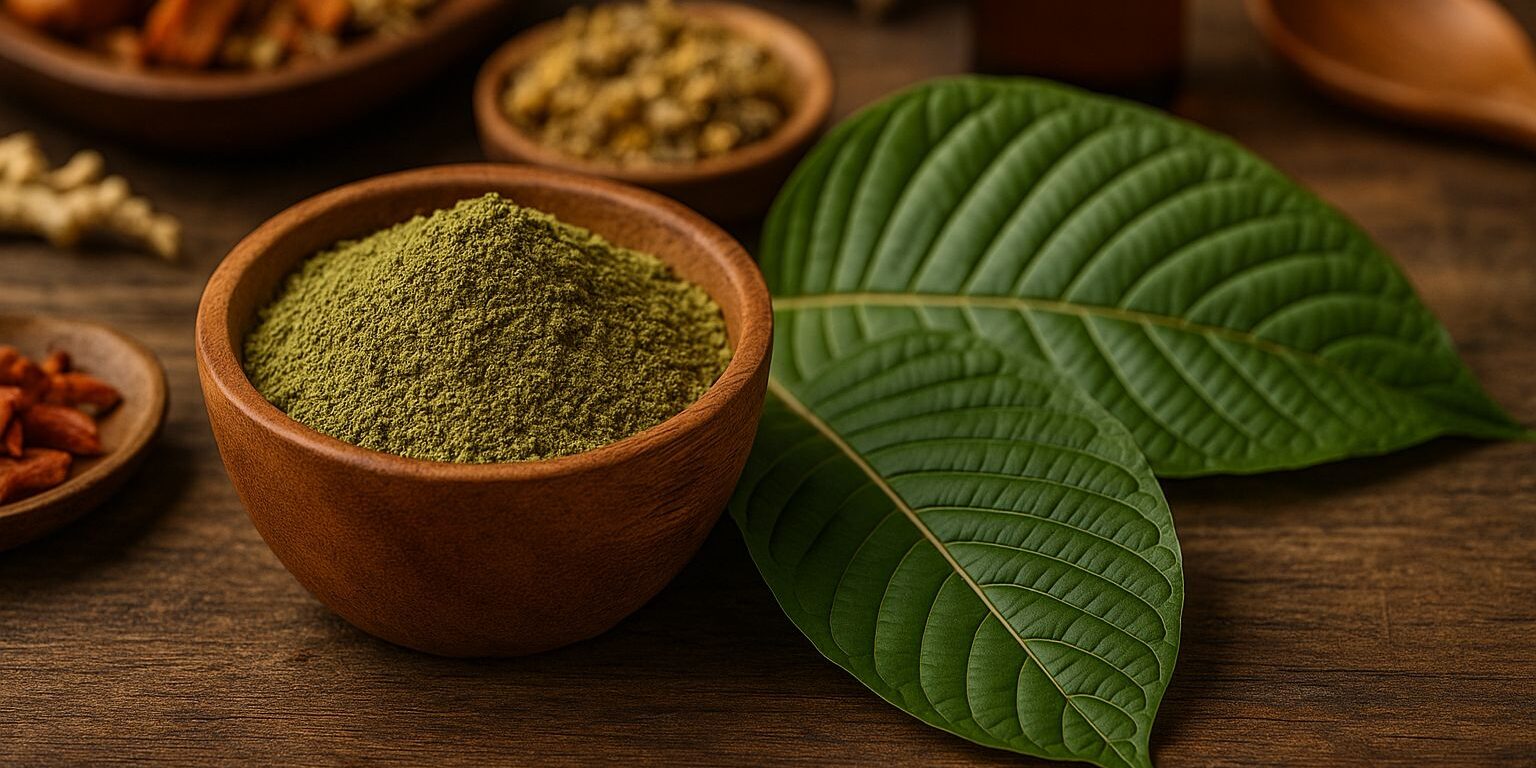
Motherwort is a perennial herb in the mint family (Lamiaceae), native to central Asia and southeastern Europe and now widely naturalized across North America and much of the temperate world. Leonurus cardiaca is the primary species used medicinally, though Leonurus japonicus is also used extensively in Traditional Chinese Medicine under the name Yi Mu Cao, where it has been a standard herb in women’s health formulas for over 2,000 years.
The plant grows 2 to 5 feet tall, with a square stem typical of the mint family, deeply lobed leaves that change shape as they move up the stalk, and small pink to purple tubular flowers that bloom in dense whorls around the stem from midsummer through early fall. The whole aboveground plant is used medicinally, harvested at flowering when active compound concentrations are highest.
Also Read: The Nerve Soothing Remedy You Need on Hand
Motherwort is a resilient, low-maintenance plant that establishes quickly in most temperate gardens. It tolerates partial shade, prefers well-drained soil, and self-seeds freely once established. It is often found growing along roadsides, hedgerows, disturbed ground, and the edges of old farmsteads, which tells you something about how long it has been growing in proximity to human habitation.
A Brief History of Motherwort in Herbal Tradition
Motherwort’s documented use stretches back at least two millennia. In ancient Greece, it was used to ease anxiety in pregnant women and to support the heart. The Greek physician Dioscorides described its use in the first century CE. In medieval Europe, it appeared in the herbals of figures including Nicholas Culpeper, who described it as strengthening the heart and making a merry, cheerful, blithe soul.
In Traditional Chinese Medicine, Leonurus japonicus has been prescribed for menstrual irregularities, postpartum bleeding, and uterine stagnation for centuries. It appears in the classical Chinese pharmacopoeia Shennong Bencao Jing and remains a standard ingredient in gynecological formulas used today.
In European folk medicine, motherwort was a staple herb for the heart, specifically for what herbalists described as palpitations driven by anxiety or emotional distress rather than structural heart disease. It was kept in cottage gardens across England, Germany, and Eastern Europe and was administered as a tea or tincture for nervous heart conditions, difficult menstruation, and childbirth recovery.
The contemporary scientific literature has given a significant portion of this traditional use a biochemical explanation. Research published in Phytomedicine and other peer-reviewed journals has identified the alkaloid leonurine, the iridoid leonuriside, and several flavonoids including rutin and quercetin as the primary active compounds responsible for motherwort’s cardiovascular, uterotonic, and sedative effects.
Motherwort Benefits: What the Research Shows
Heart Health and Cardiovascular Support
The species name cardiaca is not incidental. Motherwort has been used as a cardiac herb for centuries, and modern research provides a credible mechanism for its effects. The alkaloid leonurine has demonstrated vasodilatory activity in laboratory studies, meaning it relaxes the smooth muscle of blood vessel walls and reduces peripheral vascular resistance. This contributes to a mild blood pressure lowering effect that has been documented in both animal studies and human clinical work.
A clinical trial published in the Journal of Dietary Supplements found that a standardized motherwort extract administered over 28 days produced statistically significant reductions in both systolic and diastolic blood pressure in patients with mild to moderate hypertension compared to placebo. The effect was modest but consistent and was attributed primarily to leonurine’s action on vascular smooth muscle.
Motherwort also has a long traditional reputation for calming palpitations, specifically the kind that arise from anxiety and nervous tension rather than structural arrhythmia. The herb appears to work through a combination of its mild sedative action on the central nervous system and its direct effect on cardiac muscle tone. Herbalists have historically distinguished between the anxious, racing heart of nervous palpitations and the more serious irregular heartbeat of true arrhythmia, recommending motherwort specifically for the former.
- Mild vasodilatory effect via leonurine alkaloid
- Documented blood pressure reduction in clinical settings for mild to moderate hypertension
- Traditional use for anxiety-driven palpitations supported by its combined cardiotonic and nervine actions
- Antioxidant flavonoids including rutin and quercetin offer additional vascular protection
Anxiety, Stress, and Nervous System Support
Motherwort is classified in Western herbal medicine as a nervine, meaning it has a calming and regulating effect on the nervous system. Its sedative action is mild compared to herbs like valerian or kava, but it is well suited to the particular pattern of anxiety that involves physical symptoms: the tight chest, the racing heart, the shallow breathing, and the restless agitation that comes with heightened stress.
Research published in Evidence-Based Complementary and Alternative Medicine documented anxiolytic effects of motherwort extract in animal models, with activity attributed to its iridoid and alkaloid fractions acting on GABAergic pathways in the central nervous system. GABA is the primary inhibitory neurotransmitter in the brain, and compounds that enhance GABAergic activity tend to produce the calming, tension-reducing effects associated with motherwort’s nervine action.
In practice, herbalists often turn to motherwort for what they describe as the anxiety that lives in the chest rather than purely in the mind: the person who is physically tense, whose heart races under stress, and who carries anxiety as a physical sensation as much as a mental one. The herb’s dual action on both the nervous system and the cardiovascular system makes it unusually well matched to this presentation.
- Mild sedative and anxiolytic action through GABAergic mechanisms
- Particularly suited to anxiety with physical cardiovascular symptoms
- Not as strongly sedating as valerian; better suited to daytime use for stress and tension
- Traditional use for insomnia driven by an overactive, anxious mind
Women’s Health and Hormonal Support
This is where motherwort’s historical reputation is deepest and its traditional use most specific. The herb has been used across multiple traditions for menstrual irregularity, delayed or suppressed menstruation, premenstrual tension, and recovery from childbirth. The active constituent leonurine has demonstrated uterotonic activity in laboratory studies, meaning it stimulates uterine muscle contraction. This is the pharmacological basis for its traditional use in promoting menstrual flow and supporting uterine tone postpartum.
A review in the American Journal of Chinese Medicine examined the evidence for Leonurus japonicus in gynecological applications and found consistent support in the literature for its uterotonic, anti-inflammatory, and antioxidant effects relevant to menstrual health. The authors noted that the herb has been used continuously in clinical Chinese medicine for menstrual disorders for over two thousand years with a strong safety record under appropriate use.
Motherwort is also used in the perimenopause and menopause transition for hot flashes, heart palpitations, and mood instability. The combination of its nervine, cardiotonic, and mild uterotonic actions addresses several of the most common complaints of this life phase in a single herb. It is not a hormonal herb in the way that black cohosh or red clover are, meaning it does not contain phytoestrogens that directly interact with estrogen receptors, but its supportive effect on the nervous system and heart makes it a valuable companion herb during hormonal transition.
- Uterotonic action promotes menstrual flow and supports uterine tone
- Used traditionally for delayed, irregular, or painful menstruation
- Postpartum use to support uterine involution after birth
- Perimenopause support for palpitations, anxiety, and mood changes
- Not estrogenic; does not directly modulate estrogen receptor activity
Anti-inflammatory and Antioxidant Activity
Motherwort’s flavonoid content, including rutin, quercetin, and hyperoside, gives it meaningful antioxidant and anti-inflammatory activity. These compounds scavenge free radicals, inhibit pro-inflammatory cytokines, and have demonstrated protective effects on vascular endothelium in laboratory research. A study published in Oxidative Medicine and Cellular Longevity found that motherwort extract reduced markers of oxidative stress and inflammation in cardiovascular tissue models, supporting its traditional role as a heart-protective herb beyond its direct vasodilatory and nervous system effects.
This anti-inflammatory action also contributes to the herb’s use in supporting healthy thyroid function, where chronic low-grade inflammation and oxidative stress play a role in thyroid disorders. Some herbalists use motherwort as part of formulas for hyperthyroid conditions, specifically for the cardiovascular symptoms of hyperthyroidism including rapid heartbeat and palpitations, though this use requires careful professional oversight.
- Flavonoids rutin, quercetin, and hyperoside contribute antioxidant and anti-inflammatory activity
- Protective effects on vascular endothelium documented in laboratory research
- Used in some traditions to support management of hyperthyroid cardiovascular symptoms
- General anti-inflammatory support relevant across cardiovascular and hormonal applications
How to Prepare and Use Motherwort
Motherwort Tea (Infusion)
Tea is the traditional preparation and remains a practical option, though it comes with a significant caveat: motherwort is intensely bitter. This bitterness is not incidental. It is part of the herb’s therapeutic action, as bitter compounds stimulate digestive and hepatic function. But it does make the tea challenging for those unaccustomed to bitter herbs.
To prepare a standard motherwort infusion, use 1 to 2 teaspoons of dried herb per cup of just-boiled water. Steep covered for 10 to 15 minutes, strain, and drink up to three times daily. The cover is important to retain volatile aromatic compounds that would otherwise escape with the steam. Adding honey can soften the bitterness but will not eliminate it. Combining motherwort with more palatable herbs such as lemon balm, peppermint, or hawthorn berry makes the tea more drinkable without significantly diminishing its effect.
Tincture
Tincture is the most practical and most commonly used preparation for motherwort, both because it concentrates the active compounds effectively and because it sidesteps the bitter taste problem. A standard motherwort tincture is prepared at a 1:5 ratio in 50 to 60 percent ethanol, which adequately extracts both the water-soluble and alcohol-soluble active constituents.
Standard adult dosing for a commercial or home-prepared tincture is 2 to 4 ml taken three times daily, or as directed by a qualified herbalist. For acute use, such as an episode of anxiety-driven palpitations, a single dose of 2 to 3 ml in a small amount of water can be taken as needed. The American Botanical Council’s HerbalGram, one of the most rigorously peer-reviewed herbal medicine publications in the United States, documents motherwort tincture as the preferred professional preparation in contemporary Western herbal practice.
To make your own tincture at home, fill a clean glass jar loosely with dried motherwort herb, cover completely with 50 percent ethanol (a mixture of 100-proof vodka and water works well), seal tightly, and store in a cool dark place for four to six weeks, shaking daily. Strain through cheesecloth, pressing the marc firmly to extract fully, and bottle in dark glass with a dropper cap. Label with the herb, date, and menstruum ratio.
Capsules
Dried powdered motherwort in capsule form is available commercially and offers the convenience of pre-measured dosing without the taste challenge of tea. Standard commercial products typically provide 400 to 500 mg per capsule, with typical dosing of one to two capsules two to three times daily. Capsules are less ideal than tincture from a bioavailability standpoint, as alcohol extracts tend to deliver active compounds more efficiently and with faster onset, but capsules are a reasonable option for consistent daily use.
Growing and Harvesting Your Own
Motherwort is straightforward to establish from seed or transplant. It germinates best with cold stratification: sow seeds in fall for spring germination, or refrigerate seeds in moist sand for four to six weeks before spring sowing. The plant is adaptable to most temperate climates, tolerates partial shade, and requires minimal ongoing care once established.
Harvest the aboveground portions when the plant is in early to full flower, typically midsummer. This is when alkaloid and flavonoid concentrations are highest. Cut the plant back by about half, leaving enough foliage for regrowth. The plant will regenerate and can be harvested once or twice per season. Dry the cut herb in small bundles hung upside down in a warm, well-ventilated space away from direct sunlight. Properly dried motherwort retains its potency for one to two years in airtight storage away from heat and light.
Safety, Contraindications, and Drug Interactions
Motherwort is a strong-acting herb and requires the same informed approach as any potent plant medicine. Understanding who should avoid it and how it interacts with medications is not optional if you are recommending or using it seriously.
Contraindications
- Pregnancy: Motherwort is contraindicated throughout pregnancy without exception. Its uterotonic action, the same property that makes it useful for menstrual support and postpartum recovery, can stimulate uterine contractions and carries a risk of miscarriage or premature labor. This is one of the clearest and most well-established contraindications in herbal medicine.
- Heavy menstrual bleeding: Because motherwort promotes uterine activity and increases menstrual flow, it should not be used by individuals who already experience excessively heavy periods (menorrhagia) without professional guidance.
- Bleeding disorders: Motherwort may have mild anticoagulant properties. Those with bleeding disorders or who bruise or bleed easily should use it with caution or avoid it.
- Allergy to Lamiaceae family: Individuals with known sensitivity to plants in the mint family including sage, lavender, rosemary, or lemon balm should use motherwort cautiously and watch for allergic responses.
Drug Interactions
The most significant drug interactions to be aware of involve cardiovascular and anticoagulant medications. The National Institutes of Health Office of Dietary Supplements flags the following interaction categories as clinically relevant:
- Anticoagulants and antiplatelet drugs: Motherwort may potentiate the effects of warfarin, heparin, aspirin, and other blood-thinning medications, increasing bleeding risk. Anyone on anticoagulant therapy should not use motherwort without the explicit guidance of their prescribing physician.
- Antihypertensive medications: Given motherwort’s documented blood pressure lowering effect, combining it with antihypertensive drugs may produce additive hypotensive effects. Blood pressure should be monitored carefully if the two are used together.
- Sedatives and CNS depressants: Motherwort’s mild sedative action may be additive with pharmaceutical sedatives, anxiolytics, and sleep medications. Caution is warranted with benzodiazepines, barbiturates, and similar drug classes.
- Cardiac glycosides: Given its direct action on cardiac muscle, motherwort should be used with caution alongside digoxin and other cardiac glycoside medications. Professional supervision is required in this context.
General Precautions
Motherwort is generally well tolerated in appropriate doses by healthy adults who are not pregnant and not taking the medications listed above. Reported side effects at standard doses are uncommon but include mild gastrointestinal discomfort, particularly with tea preparations, and occasional dermatitis with repeated skin contact with the fresh plant in sensitive individuals.
As with all medicinal herbs, more is not better. Stick to established dosing ranges, observe how your body responds, and consult a qualified herbalist or integrative medicine practitioner if you are managing a specific health condition or taking prescription medications.
A Reliable Herb Worth Knowing
Motherwort does not have the cultural visibility of lavender or the marketing presence of ashwagandha, but for the conditions it addresses well, it is one of the more reliable herbs in the Western tradition. The combination of cardiovascular support, nervous system calming, and uterine toning in a single plant is genuinely unusual, and the traditional record of its use aligns well enough with the modern research to give you confidence in working with it thoughtfully.
Grow it if you have the space. It is hardy, self-sustaining, and useful. Learn the taste and the preparation. Understand the contraindications clearly before recommending it to others. And treat it with the same respect you would give any plant that has been making a measurable difference in people’s health for two thousand years.
Motherwort is a perfect example of something most modern households have lost: practical, usable plant knowledge that once lived in every home garden.
For generations, families didn’t rely exclusively on pharmacies for everyday health concerns. They relied on plants growing just steps from the back door. Herbs like motherwort were part of a working system of self-reliance — one that helped people support heart health, calm the nervous system, regulate hormonal balance, and respond quickly when modern medical care wasn’t immediately available.
Today, much of that knowledge has been forgotten.
That’s why resources like The Forgotten Home Apothecary have become essential for anyone interested in herbal medicine, homesteading, or true self-sufficiency.
Inside the book, you’ll discover how to identify, prepare, and use dozens of time-tested medicinal plants that have supported human health for centuries. These are not trendy wellness fads — they are practical herbal solutions used long before modern pharmaceuticals existed.
You’ll learn:
- How to build a home apothecary using common medicinal plants
- Which herbs have traditionally been used for heart health, inflammation, immunity, digestion, and stress support
- How to prepare teas, tinctures, salves, oils, and natural remedies safely
- The forgotten plant remedies once kept in nearly every household
- How to create greater health independence using proven botanical knowledge
- Which medicinal plants can be grown in your own backyard or gathered locally
Motherwort is just one of many powerful herbs that traditional herbalists relied on when modern healthcare was distant, expensive, or unavailable. Knowing how to use plants responsibly gives you options — and options are one of the foundations of preparedness.
Building a home apothecary doesn’t mean rejecting modern medicine. It means becoming more capable, more informed, and more resilient.
If you value self-reliance, traditional knowledge, and practical natural health solutions, The Forgotten Home Apothecary is one of the most useful references you can add to your shelf.
Because the more you understand about medicinal plants, the less dependent you are on fragile systems — and the more prepared you are to take care of yourself and your family, no matter the circumstances. 🌿
You may also like:

The Best Natural Painkiller That Grows in Your Own Backyard (Video)
10 Plants with INSANE Anti-Parasitic Effects
Get More Information On Topics You Are Interested In On Our Facebook Group HERE!