
How to Make Perfume With Essential Oils: An Herbalist’s Guide to Natural Scent
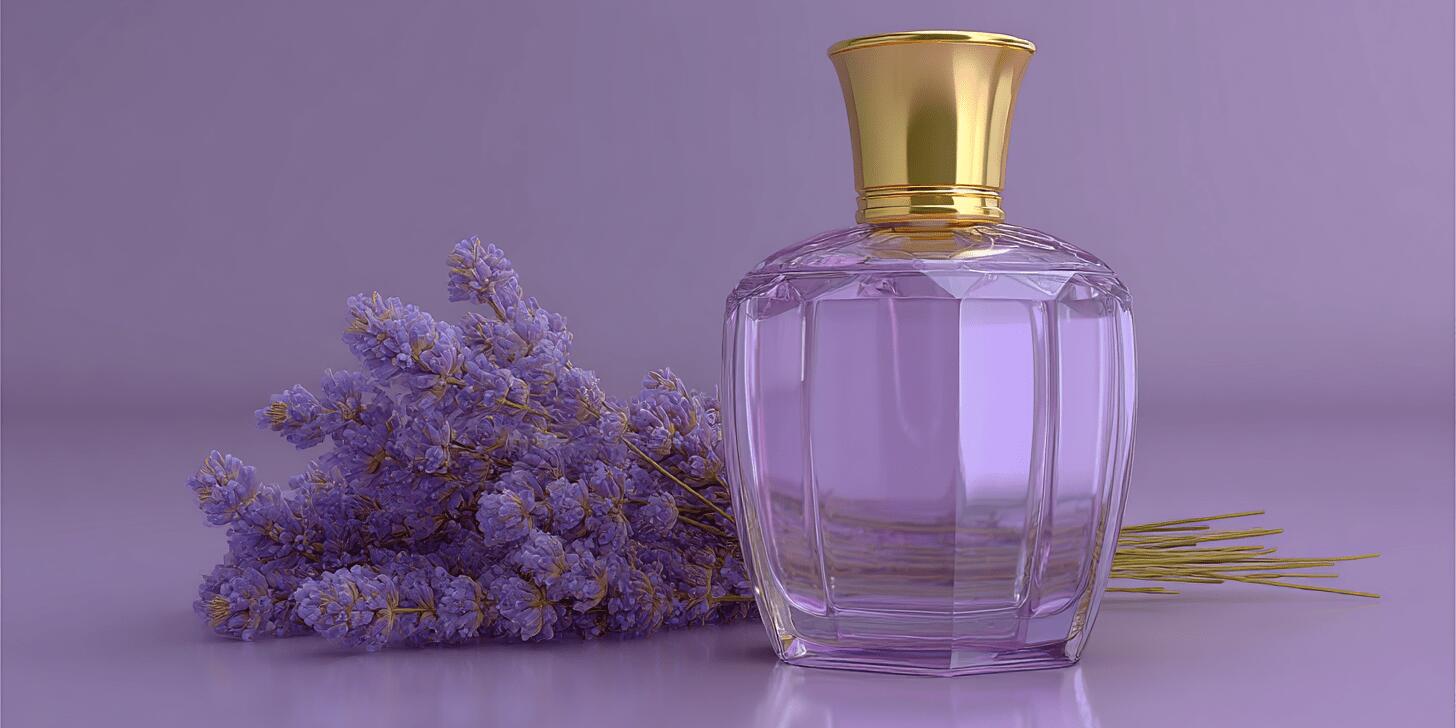
Long before department store counters, people scented themselves with whatever the garden and the still could give them. Lavender water, rose oil, and resin-rich balms were handmade, personal, and surprisingly simple to put together.
You can make the same kind of perfume at home with a few bottles of essential oil, a good carrier, and a little patience. This guide walks you through the materials, the logic of top, middle, and base notes, three reliable formats, and the safety steps that separate a lovely blend from an itchy rash.
Medical Disclaimer
This article is for educational purposes only and is not a substitute for professional medical advice, diagnosis, or treatment. Essential oils are concentrated plant substances that can cause skin reactions in some people.
If you have a skin condition, a history of allergies, or any ongoing health concern, speak with a qualified healthcare provider before using homemade perfume.
Why Make Your Own Essential Oil Perfume?
The biggest reason is knowing exactly what touches your skin. The FDA’s page on fragrances in cosmetics explains that fragrance formulas can be listed on labels simply as “Fragrance” because they are treated as trade secrets, so you rarely know which individual ingredients are inside.
That lack of transparency is one reason we encourage readers to look closely at what they put on their bodies, as we covered in our guide to toxic ingredients to avoid in beauty products. Homemade perfume also lets you build a scent around your own nose, and a single 10 ml roller bottle can last for weeks.
One honest note before we begin: natural does not automatically mean harmless. The FDA’s aromatherapy guidance points out that many plants contain materials that can irritate the skin or cause allergic reactions, and it names cumin oil and certain citrus oils as examples.
What You Need to Get Started
Essential Oils
Start small with five to eight oils that cover a range of notes. Buy from suppliers who list the Latin botanical name, the plant part used, and the country of origin on every bottle, since that information helps you judge both quality and safety.
Remember how concentrated these oils are. The National Cancer Institute’s aromatherapy summary notes that it takes about 220 pounds of lavender flowers to make roughly one pound of essential oil, which is why a few drops go a long way.
A Carrier
The carrier is what you dilute your oils in, and it decides what kind of perfume you end up with. Choose one based on the format you want to make:
- Jojoba oil for roll-on perfume, since it is nearly odorless and resists going rancid.
- Fractionated coconut oil, which stays liquid and feels light on the skin.
- Sweet almond or apricot kernel oil, both gentle choices with very little scent of their own.
- Beeswax combined with a liquid oil for a solid, balm-style perfume.
- High-proof drinking alcohol, such as 190-proof grain alcohol, for a spray perfume.
Tools and Containers
- Dark amber or cobalt glass roller bottles, spray bottles, or small tins.
- Glass droppers or disposable pipettes.
- Paper scent strips, or strips cut from unscented watercolor paper.
- A small notebook and labels for recording every drop.
Understanding Top, Middle, and Base Notes
Perfumers think of a scent as a pyramid that unfolds over time. Each layer evaporates at its own speed, and a balanced blend draws from all three.
Top Notes
Top notes are the first thing you smell and the first to fade, often within 15 to 30 minutes. Citrus oils such as bergamot, lemon, sweet orange, and grapefruit belong here, along with bright herbs like peppermint and eucalyptus.
Middle Notes
Middle notes, sometimes called heart notes, appear once the top notes settle and give your perfume its character. Lavender, geranium, rose, ylang ylang, chamomile, and clary sage are classic heart oils.
Base Notes
Base notes are heavy, slow-evaporating oils that anchor the blend and help it last on the skin for hours. Cedarwood, sandalwood, vetiver, patchouli, frankincense, and benzoin all play this role.
A simple starting ratio is about 30 percent top, 50 percent middle, and 20 percent base. Treat it as a sketch rather than a rule, because some oils, such as vetiver or ylang ylang, are so strong that a single drop can take over a blend.
How Strong Should Your Perfume Be?
This is where many online recipes go wrong. Some call for 20 or more drops in a 10 ml roller bottle, which is far stronger than most safety guidance supports for a product that stays on your skin all day.
The University of Minnesota’s guide on how to choose and use essential oils recommends diluting essential oils to no more than 3 to 5 percent in a carrier, and only 1 percent for large areas of the body. Its rule of thumb is easy to remember: 1 drop of essential oil per teaspoon (5 ml) of carrier makes roughly a 1 percent blend.
For perfume applied to a few small pulse points, that works out to:
- 10 ml roller bottle: 6 drops for 3 percent, or up to 10 drops for 5 percent.
- 15 ml solid perfume tin: 9 drops for 3 percent, or up to 15 drops for 5 percent.
- 30 ml spray bottle: 18 drops for 3 percent, or up to 30 drops for 5 percent.
At these levels your homemade perfume will smell softer and fade sooner than a commercial fragrance. That is a fair trade for skin that stays calm, and you can simply reapply during the day.
How to Build and Test Your Blend
Never mix a full bottle on your first try. Blending is an art, and a few small experiments will save you expensive oils.
- Choose one oil from each note family, for example bergamot, lavender, and cedarwood.
- Place a single drop of each on separate scent strips and wave them together under your nose to preview the combination.
- Mix a 10-drop test batch in a small empty vial and record the exact ratio, such as 3 drops top, 5 drops middle, and 2 drops base.
- Let the test blend rest for 24 to 48 hours, because essential oils mellow and merge as they sit.
- Smell it again, adjust one oil at a time, and write down every change.
Once you love the concentrated blend, measure the right number of drops into your chosen carrier using the dilution guide above.
Recipe 1: Roll-On Perfume Oil
This is the easiest format for beginners and the most forgiving on the skin. It travels well and lets you place scent precisely on your wrists, inner elbows, or behind the ears.
- 10 ml amber glass roller bottle
- 6 to 10 drops of your tested essential oil blend
- Jojoba or fractionated coconut oil to fill
- Drop your essential oils into the empty roller bottle first.
- Fill the rest of the bottle with your carrier oil, leaving a little space at the top.
- Press the roller ball in firmly, cap the bottle, and roll it between your palms to mix.
- Label the bottle with the blend name, the number of drops, and the date.
- Let it rest for two days before your first use so the notes can settle together.
Recipe 2: Solid Perfume
Solid perfume is a small beeswax balm that you warm with a fingertip and dab onto the skin. It cannot spill, which makes it ideal for a purse or pocket.
- 1 teaspoon beeswax pastilles
- 2 teaspoons jojoba oil
- 9 to 15 drops of your essential oil blend
- One small tin or lip balm container, about 15 ml
- Melt the beeswax and jojoba together in a small heatproof cup set inside a pan of gently simmering water.
- Remove the cup from the heat and let it cool for a minute so the hot wax does not drive off your most delicate top notes.
- Stir in your essential oils with a clean toothpick or small spoon.
- Pour immediately into your tin and leave it uncovered until it has fully set, usually within an hour.
If the balm is too hard for your liking, melt it again and add a little more jojoba. If it is too soft, add a few more beeswax pastilles.
Recipe 3: Alcohol-Based Spray Perfume
Alcohol carries scent into the air the way a classic eau de toilette does, giving a lighter and more diffusive feel than an oil. Use high-proof drinking alcohol such as 190-proof grain alcohol, never rubbing alcohol, because this perfume will sit on your skin.
- 30 ml glass spray bottle
- 18 to 30 drops of your essential oil blend
- High-proof grain alcohol to fill
- Add your essential oils to the spray bottle.
- Top up with alcohol, cap it tightly, and shake well.
- Store the bottle in a dark cupboard for one to two weeks, shaking it every day or so, to let the scent mature.
- Spray once or twice onto pulse points rather than misting your whole body.
Alcohol is flammable, so keep the bottle away from open flames and heat. If you like to scent clothing, test a hidden spot first, since some oils can stain fabric.
Three Herbalist Blends to Try
Each formula below is a 10-drop concentrated blend. Mix it in a vial first, then add all 10 drops to a 10 ml roller for a 5 percent perfume, or use 6 drops for a gentler 3 percent version.
Lavender Field
- 2 drops bergamot (top)
- 5 drops lavender (middle)
- 3 drops cedarwood (base)
Clean, soft, and familiar, this is a gentle first blend for anyone new to natural perfume. If you grow your own, our complete guide to lavender covers the plant’s long history as a personal fragrance.
Rose Garden
- 2 drops sweet orange (top)
- 4 drops geranium (middle)
- 1 drop ylang ylang (middle)
- 3 drops sandalwood (base)
Geranium gives a rosy heart at a fraction of the price of true rose oil. Ylang ylang is powerful, so resist the urge to add more than one drop.
Forest Resin
- 3 drops grapefruit (top)
- 4 drops clary sage (middle)
- 2 drops frankincense (base)
- 1 drop vetiver (base)
This earthy, slightly smoky blend wears well on almost any skin. Vetiver is thick and very strong, so warm the bottle in your hand if it pours slowly.
Sun Safety Warning for Citrus Blends
Cold-pressed citrus oils, especially bergamot, lemon, lime, and grapefruit, can cause phototoxic reactions, meaning burns or dark patches when treated skin is exposed to sunlight or a tanning bed. The University of Minnesota’s essential oil safety guidance lists bergamot, lemon, lime, orange, and angelica among the oils that can cause this reaction.
To wear citrus blends in daylight, choose bergaptene-free or furocoumarin-free (FCF) bergamot, use steam-distilled rather than cold-pressed lemon or lime, or apply your perfume only to skin that will stay covered.
Always Do a Patch Test First
Even oils you have used for years can cause a reaction once they are combined or applied every day. A patch test takes two days and is the single best habit you can build.
The same University of Minnesota guidance describes a simple method. Mix a small amount of your blend at twice the strength you plan to wear, put a couple of drops on the pad of an adhesive bandage, and keep it on your inner forearm for 48 hours.
If the skin becomes red, swollen, itchy, or blistered, do not use that blend. Allergies can still develop later, so stop wearing any perfume that starts to cause irritation.
Safety: Who Needs Extra Care
Essential oil perfume is safe for most healthy adults when it is properly diluted. Some people and some oils, however, call for more caution.
Safety Warning
- Pregnancy and breastfeeding: Essential oils can cross the placenta, and there is little clinical research on their safety in pregnancy. If you are pregnant or nursing, talk with your healthcare provider before wearing homemade perfume.
- Children: Do not use these adult-strength perfumes on children. Some oils, including peppermint, should not be used on children younger than six, and Poison Control advises keeping essential oils locked up and out of the sight and reach of children and pets.
- Lavender and tea tree: The National Cancer Institute reports that these oils have shown estrogen-like effects, and long-term skin use was linked in one study to breast growth in boys who had not yet reached puberty.
- Medications: Essential oils may interact with medications. The NCCIH fact sheet on lavender notes theoretical reasons to suspect lavender might interact with some sedative drugs, which matters most if you have an upcoming surgery.
Never swallow essential oils. If someone does, call Poison Control right away at 1-800-222-1222.
The NCCIH also notes that topical lavender products can cause allergic skin reactions in some people. That is one more reason to patch test every blend, even one built on an oil as gentle as lavender.
How to Store Your Homemade Perfume
Light, heat, and air are the enemies of a good perfume. Store your bottles in a cool, dark cupboard with the caps tightly closed, and use dark glass whenever possible.
This matters for your skin as much as for the scent. According to DermNet’s overview of limonene and linalool allergy, these common fragrance compounds from citrus peels, herbs, and flowers turn into much stronger skin sensitizers once they oxidize in air.
The National Cancer Institute also notes that the chemistry of essential oils can change as they age, and many bottles carry no expiration date. Write the date on every bottle you make, and discard any perfume whose smell turns sharp, sour, or flat.
Carrier oils age too. The University of Minnesota advises discarding carrier oils that smell rancid and notes they typically keep about a year in the refrigerator, so buy them in small amounts.
Frequently Asked Questions
How long does essential oil perfume last on the skin?
Most natural perfumes last two to four hours, depending on your skin and the base notes you choose. Blends rich in sandalwood, vetiver, or patchouli last longest, while citrus-forward blends fade fastest.
Can I use vodka instead of grain alcohol?
You can, but standard 80-proof vodka is about 40 percent alcohol and 60 percent water. Essential oils do not dissolve well in water, so the spray will turn cloudy and need a good shake before every use.
Can I sell the perfume I make?
Perfume intended only to make a person smell good is a cosmetic, but the FDA’s guide Is It a Cosmetic, a Drug, or Both? explains that a fragrance marketed with claims such as helping people sleep meets the definition of a drug. The same page notes that cosmetic facility registration and product listing are now mandatory under the Modernization of Cosmetics Regulation Act, with certain exemptions for small businesses. Keep your labels limited to scent and check current FDA rules before you sell.
Is homemade perfume safer than store-bought fragrance?
Not automatically. You gain full control over the ingredients, but essential oils are still potent substances that can irritate or sensitize skin, so dilution, patch testing, and proper storage are what actually make your perfume safe.
Do essential oil perfumes improve mood?
Many people find certain scents uplifting or calming, and that simple pleasure has real value. The research is limited, though, and the NCCIH aromatherapy fact sheet describes a study in which lemon improved mood but neither lemon nor lavender changed measurable stress markers.
Bring the Forgotten Art of the Home Apothecary Back to Life
Making your own perfume is a small reminder of something our ancestors understood well: many of the things we buy today were once made at home from plants, oils, roots, flowers, and simple ingredients.
And perfume is only the beginning.
The Forgotten Home Apothecary brings that old-fashioned knowledge back into the modern home, showing you how ordinary plants and traditional ingredients can be transformed into useful preparations you can make and keep yourself.
Instead of relying entirely on store shelves, you’ll discover how to start building your own home apothecary, filled with practical herbal preparations inspired by knowledge that was once passed from generation to generation.
Whether you’re already growing herbs, experimenting with essential oils, or simply want to become more knowledgeable about the plants around you, this is a resource you’ll want within reach.
Rediscover the knowledge that used to live in every household.
👉 Get The Forgotten Home Apothecary Here and Start Building Your Own Herbal Apothecary Today
Final Thoughts
Making perfume with essential oils is one of the most rewarding ways to bring the old herbal arts into daily life. It asks for only a handful of oils, a good carrier, and a careful hand.
Start with one simple blend, dilute it to 3 to 5 percent, patch test it, and keep notes. Within a few batches you will have a signature scent that is entirely your own and gentle enough to wear every day.
You may also like: 
How to Make Loose Incense Blends at Home – The Complete Guide
The Most Powerful Painkiller That We Lost To History (Video)
Carrier Oils for Essential Oils – The Complete Guide to Safe Dilution and Best Choices
Why You Should Add This Essential Oil To Your Herbal Toolkit